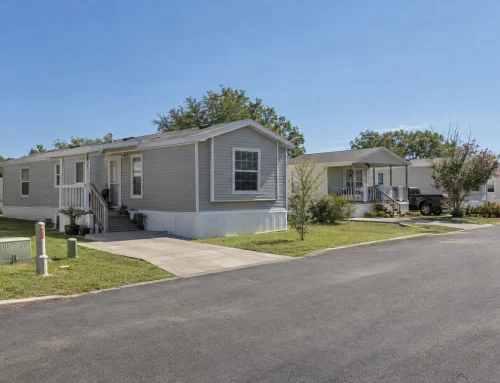

Searching for “low-income trailer parks near me” usually means one thing: you need a home that fits your budget without putting you in a risky lease, unsafe community, or confusing payment plan. The challenge is that “low-income trailer park” is not one single housing category. It can refer to a private manufactured home community with lower lot rent, a rental home in a mobile home park, a rent-to-own offer, or a community that may work with vouchers or income-based programs.
That difference matters. Two homes can look equally affordable online, but the true monthly cost can be very different once you add lot rent, utilities, deposits, trash, water, pet fees, insurance, and maintenance. Rules matter too. A community that is affordable on paper may not work for your household if it has strict parking limits, pet restrictions, guest rules, or home maintenance requirements you cannot reasonably meet.
This guide breaks down the costs, rules, and red flags to check before you apply, sign, or move money.
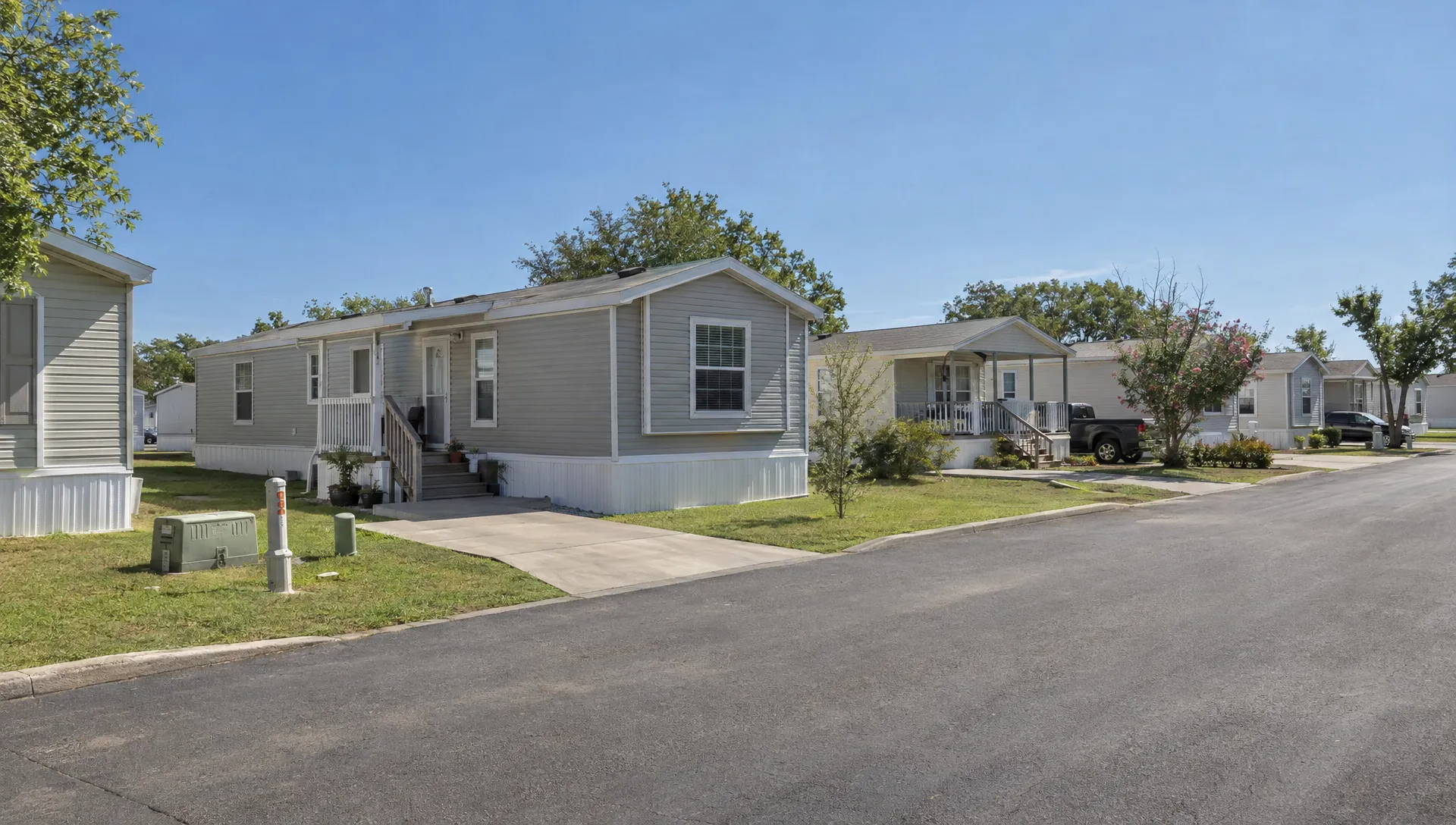
What “Low-Income Trailer Parks” Usually Means
The phrase “trailer park” is still common in online searches, but most homes you will see today are better described as manufactured homes or mobile homes. Modern manufactured homes are factory-built housing constructed under federal standards. HUD explains that manufactured homes built after June 15, 1976, are regulated under the federal Manufactured Home Construction and Safety Standards, often called the HUD Code.
When people say “low-income trailer park,” they may be talking about one of several options:
- A manufactured home community with lower monthly lot rent.
- A community-owned home offered for rent.
- A privately owned mobile home for rent inside a community.
- A manufactured home purchase where you rent the lot underneath it.
- A subsidized or voucher-friendly housing option, if available.
The key point is simple: do not assume “low-income” means income-restricted, subsidized, or automatically affordable. Many communities are private businesses. They may advertise low rent, but still screen applicants, charge move-in costs, and enforce detailed community rules.
The Main Cost Setups You Will See
Before comparing communities, identify exactly what you are paying for. The biggest mistake affordable housing shoppers make is comparing a home rental to a lot rental as if they are the same thing.
| Housing setup | What you usually pay | What to verify before applying |
|---|---|---|
| Renting the home and the lot | Monthly home rent, lot rent if separate, utilities, deposits, fees | Whether one payment includes everything or if lot rent and utilities are billed separately |
| Owning the home and renting the lot | Home loan or cash purchase, monthly lot rent, utilities, insurance, maintenance | Lot lease length, rent increase terms, community approval, and title details |
| Rent-to-own or lease-option | Monthly payment, possible option fee, deposits, lot rent, utilities | Whether the agreement clearly states purchase price, ownership timeline, missed-payment rules, and title transfer process |
| Subsidized or voucher-assisted rental | Tenant portion of rent, possible utility costs, deposits | Whether the landlord participates, whether the home passes inspection, and what the local housing authority allows |
The right setup depends on your income, savings, credit, household size, and how long you plan to stay. Renting may require less commitment, but owning a manufactured home can offer more stability if the financing, lot lease, and community rules are clear.
How to Estimate the True Monthly Cost
An advertised rent number is only the starting point. When you call a community or owner, ask for the total monthly cost in writing, not just the base rent.
Common cost categories include lot rent, home rent or loan payment, water, sewer, trash, electricity, gas or propane, internet, pet rent, parking fees, renter’s insurance, home insurance if you own, lawn care, late fees, and maintenance responsibilities. Some communities also charge application fees, administrative fees, background check fees, security deposits, pet deposits, move-in fees, or utility setup deposits.
A simple way to compare options is to use this formula:
True monthly cost = home payment or rent + lot rent + utilities + recurring fees + insurance + expected maintenance
For a move-in estimate, use this formula:
Move-in cash needed = application fees + deposits + first month’s rent + utility setup + pet fees + moving costs + any required repairs or setup costs
If you are comparing several communities around San Antonio, do not rely on screenshots, verbal quotes, or old listings. Ask each property manager for the current fee schedule and lease terms. If the home is in a community, ask whether the community must approve you separately even if the home owner already accepted you.
For a deeper look at add-on charges, Homes2Go SA has a helpful guide on spotting hidden fees in trailer park home rentals, which is especially useful if the listing looks unusually cheap.
Rules That Can Affect Whether a Community Works for You
Low monthly cost does not help much if the rules conflict with your daily life. Manufactured home communities often have written rules that cover the appearance of the home, behavior in common areas, parking, pets, guests, trash, noise, maintenance, and move-out procedures.
Rules are not automatically bad. In a well-run community, they can protect residents by keeping the area clean, safe, and predictable. The concern is when rules are vague, inconsistently enforced, or revealed only after you have paid an application fee or deposit.
Ask to review the lease, community rules, and fee schedule before paying nonrefundable money. Pay close attention to these areas:
- Occupancy limits: Confirm how many people can live in the home and whether all adults must apply.
- Pets: Check breed, weight, number of pets, vaccination records, pet rent, and deposits.
- Parking: Ask how many vehicles are allowed, where guests can park, and whether work vehicles, trailers, or RVs are restricted.
- Maintenance: Clarify who handles skirting, steps, lawn care, pest control, plumbing, appliances, HVAC, and exterior repairs.
- Guests: Some communities limit overnight guests or require registration after a certain number of days.
- Home appearance: Rules may cover porches, storage, outdoor furniture, fencing, decorations, and visible items around the lot.
- Rent increases and late fees: Ask how notice is given, when late fees start, and whether online payment fees apply.
If you are buying a home and renting the lot, rules become even more important. You may own the structure, but the community can still regulate how the lot is used. If you later want to sell, move the home, rent it out, or transfer it to a family member, the community’s approval process may affect your options.
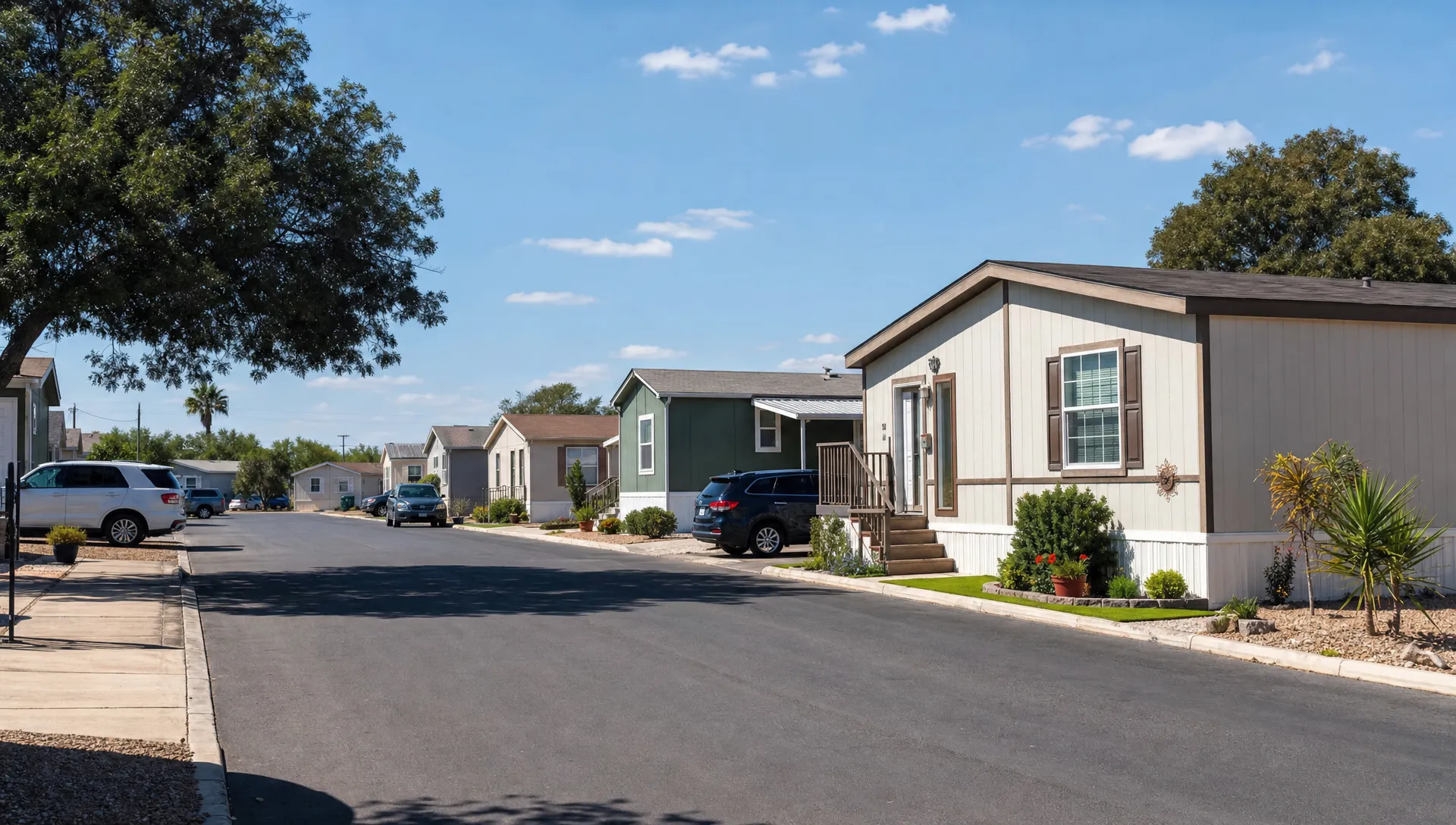
Subsidized Housing, Vouchers, and Income-Based Options
Some people searching for low-income trailer parks are really looking for income-based rent or Section 8 housing. It is important to separate those from standard private manufactured home communities.
The HUD Housing Choice Voucher Program helps eligible households rent housing in the private market, but participation depends on local program rules, landlord participation, inspections, payment standards, and availability. Not every mobile home or manufactured home community accepts vouchers, and not every home will qualify.
If you have a voucher or are applying for one, contact your local public housing authority and ask specifically about manufactured homes, mobile home rentals, and lot rent rules. Some programs may handle manufactured housing differently from apartment rentals. You should also ask whether utilities, lot rent, and separate fees are included when determining affordability.
If a listing says “low-income approved,” “Section 8 welcome,” or “income-based,” verify the claim directly with the housing authority or program administrator. Scam listings sometimes use those phrases to attract renters who need affordable housing quickly.
Red Flags to Watch Before You Pay Anything
Affordable housing searches can move fast, especially when inventory is tight. That pressure can make risky offers look tempting. Slow down when you see any of the following warning signs.
No Written Lease or Fee Schedule
A landlord or community manager should be able to provide written terms. If they will not give you the lease, rules, deposit policy, and fee schedule before payment, that is a serious red flag.
A verbal promise like “utilities are usually cheap” or “fees are not much” is not enough. Ask for actual billing details and confirm whether utilities are individually metered, billed by the community, or included in rent.
Pressure to Pay Before You Tour
Be cautious if someone demands a deposit before you can see the home in person. Scammers often claim there are many applicants, the owner is out of town, or the keys will be mailed after payment.
A legitimate rental process may include an application fee, but you should still be able to verify the property, the owner or manager, and the terms. If you are not sure what to inspect during a visit, use this tour checklist for trailer park homes for rent before making a decision.
Unclear Ownership or Title Problems
If you are buying a manufactured home, confirm who owns it and whether the title is clear. The Consumer Financial Protection Bureau notes that manufactured home financing and ownership can differ from site-built home purchases, especially when the land is not included.
Ask whether the home is being sold as personal property or with land, whether there are liens, and whether the seller can legally transfer ownership. If the seller avoids title questions, walk away until you can verify the facts.
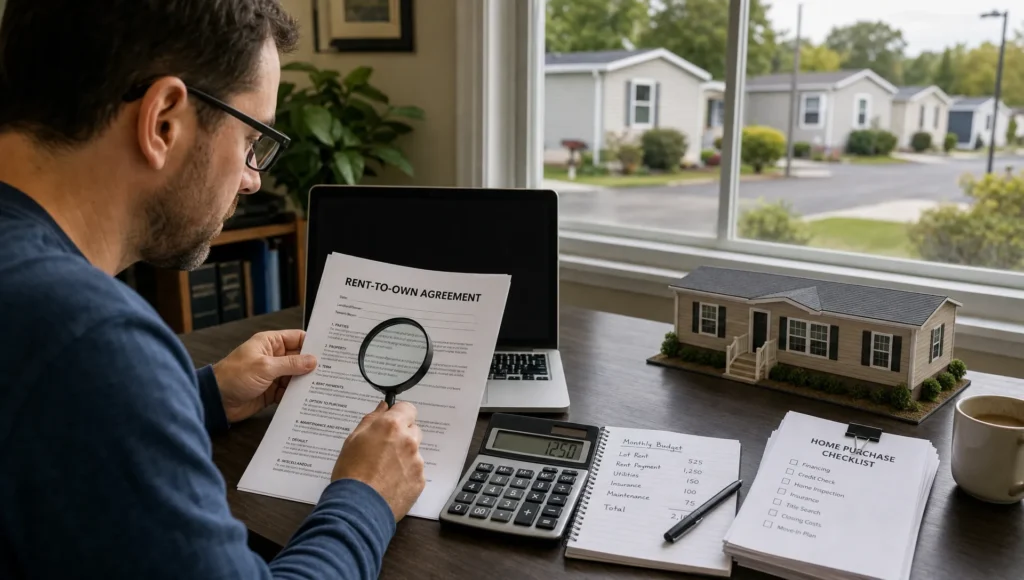
“Rent-to-Own” Without a Clear Contract
Rent-to-own can sound affordable because it promises a path to ownership with lower upfront costs. The risk is that some agreements are vague or heavily favor the seller.
Before signing, confirm the purchase price, how much of each payment applies to ownership, what happens if you miss a payment, who pays repairs, who owns the home during the rental period, and when title transfers. If the answer is “we will figure that out later,” do not proceed.
Unsafe Conditions Around the Home or Community
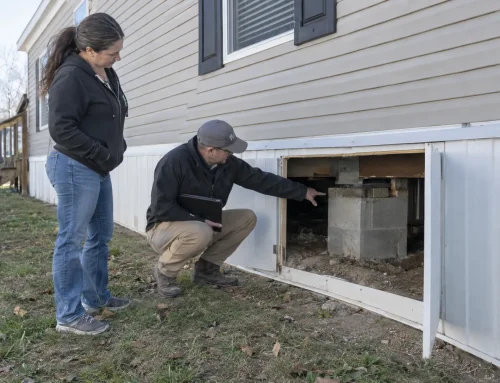
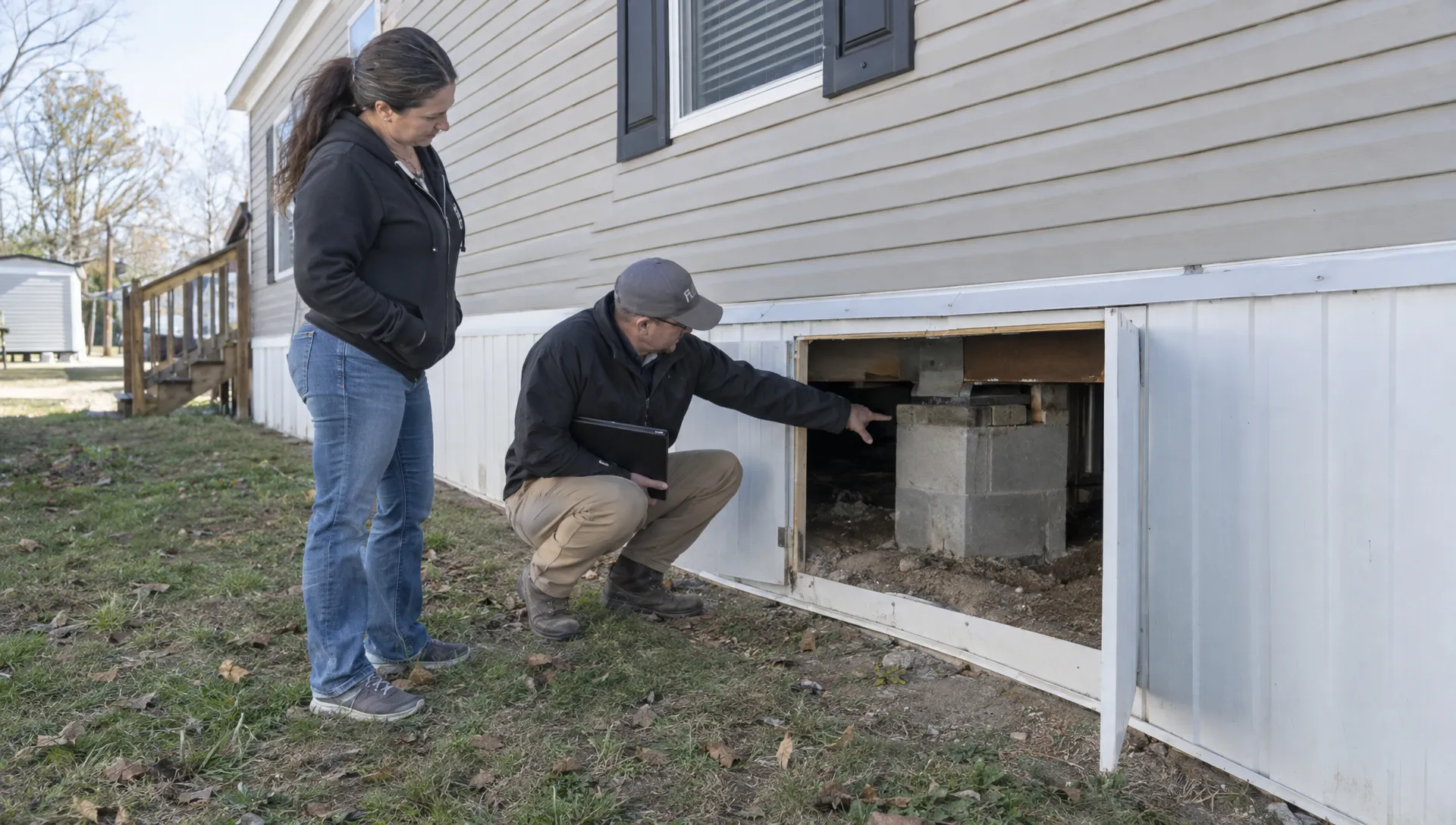
Look closely at the home and the surrounding lot. Warning signs include exposed wiring, soft floors, roof leaks, plumbing odors, broken steps, missing handrails, poor drainage, standing water, damaged skirting, unstable decks, and nonworking smoke detectors.
Also look at the community itself. Are roads passable? Is lighting adequate? Are abandoned homes secured? Is trash managed? Are utility hookups protected? A low rent price does not offset serious safety or habitability concerns.
Questions to Ask Before Applying
A short phone call can save you from wasting application fees on a community that will not fit your budget or household. Use these questions before submitting personal information or paying money.
| Question | Why it matters |
|---|---|
| What is the total monthly payment including lot rent, home rent, utilities, and recurring fees? | Helps you compare the real cost, not just the advertised rent |
| Which fees are refundable and which are nonrefundable? | Prevents surprises if you are denied or change your mind |
| Are utilities included, individually metered, or billed by the community? | Utility billing can significantly change affordability |
| What are the income, credit, background, and rental history requirements? | Helps you avoid paying for an application you are unlikely to pass |
| Can I review the lease and community rules before paying? | Shows whether management is transparent |
| Who handles repairs and maintenance? | Prevents disputes after move-in |
| How much notice is required before rent or lot rent increases? | Helps you plan beyond the first month |
| If I buy the home, what happens if I later want to sell or move it? | Protects your long-term options |
If the manager answers clearly and provides documents, that is a positive sign. If every answer is vague, rushed, or different from the listing, keep looking.
How to Compare Communities Without Getting Overwhelmed
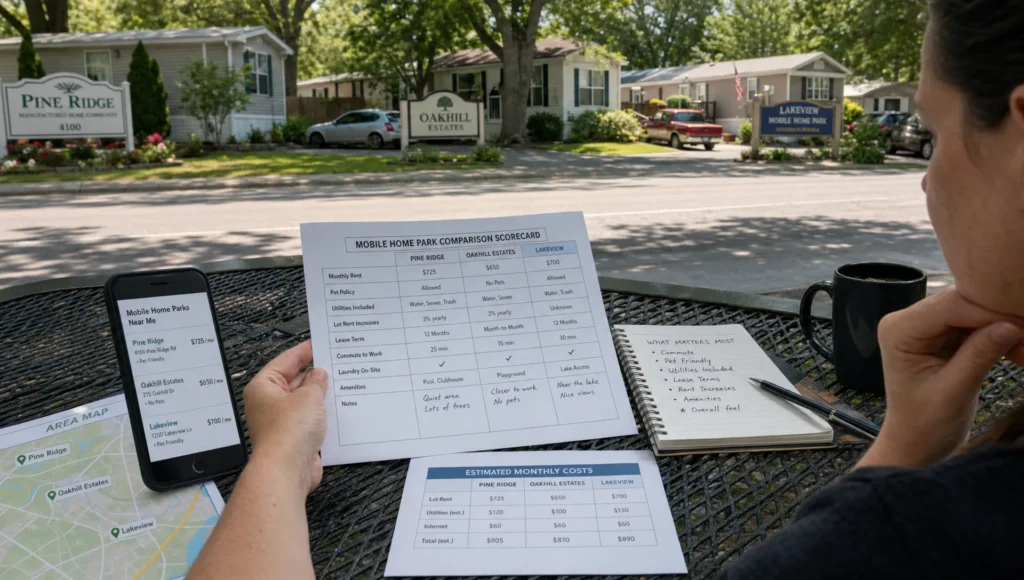
When you are searching on a tight budget, it is tempting to focus only on the lowest monthly price. A better approach is to compare affordability, stability, location, and rules together.
Start with affordability. Calculate the full monthly cost and move-in cash for each option. If the payment leaves no room for utilities, groceries, gas, emergencies, or insurance, the home may not be affordable even if the rent looks low.
Next, compare stability. Ask how long the lease lasts, how rent increases are handled, whether the home is privately owned or community-owned, and whether management has changed recently. A stable community with slightly higher rent may be less risky than a cheap option with unclear terms.
Then compare location. In San Antonio, commute time, school routes, public transportation access, grocery distance, and heat-related utility costs can all affect your budget. A lower rent far from work may cost more once you add gas, rideshare, or longer travel time.
Finally, compare the rules. If you have multiple vehicles, pets, frequent family visitors, or a work schedule that affects parking or noise, rules can determine whether the community is practical for you. For a broader comparison method, review Homes2Go SA’s guide on how to compare trailer home parks near you.
When a Low-Cost Manufactured Home Community Can Be a Good Fit
A lower-cost manufactured home community can be a smart option when the numbers are clear, the lease is fair, the home is safe, and the rules match your lifestyle. It may be especially useful for first-time buyers, families needing more space than an apartment, retirees on fixed income, or workers who want a more affordable path to stable housing.
The best situations usually have three things in common: transparent pricing, written rules, and a home that has been properly maintained. If you can tour the home, review the documents, verify ownership, and understand the monthly cost before paying, you are in a much better position.
On the other hand, keep looking if the landlord refuses documents, pressures you to pay quickly, avoids title questions, or cannot explain utilities and fees. Affordable housing should still be safe, legal, and understandable.
Frequently Asked Questions
Are low-income trailer parks the same as subsidized housing? No. Many low-cost manufactured home communities are private and not income-based. Subsidized housing usually involves a housing authority, voucher program, or specific income-restricted property rules.
What is the biggest hidden cost in a trailer park or manufactured home community? Utilities and fees are often the biggest surprises. Water, sewer, trash, pet rent, parking, insurance, lawn care, and maintenance responsibilities can make the true monthly cost much higher than the advertised rent.
Can Section 8 be used for a mobile home or manufactured home? Sometimes, but it depends on local housing authority rules, landlord participation, inspections, and payment standards. Always confirm directly with the housing authority before relying on a listing’s claim.
Is it better to rent a manufactured home or buy one and rent the lot? It depends on your budget, savings, credit, and long-term plans. Renting may be simpler upfront, while buying can offer more stability if the financing, title, lot lease, and community rules are clear.
What should I do if a landlord will not show the lease before I pay? Treat that as a red flag. You should be able to review the lease, community rules, fees, deposit policy, and utility responsibilities before paying nonrefundable money.
Find an Affordable Manufactured Home With More Confidence
Low-income trailer parks can offer real affordability, but only when the costs, rules, and responsibilities are clear. Take your time, compare the full monthly payment, read every document, and avoid any offer that depends on pressure or vague promises.
If you are exploring manufactured homeownership in the San Antonio area, Homes2Go San Antonio can help you review home models, floor plans, financing options, and community possibilities with guidance from a local team. A better housing decision starts with clear numbers and the right questions.
 How to Compare Rental Mobile Home Parks Locally
 Mobile Rent to Own: What the Fine Print Really Means