
Searching for “rental mobile home parks near me” can bring up a long list of communities, but the results rarely tell you which park will actually fit your budget, commute, household, pets, and day-to-day lifestyle. Two communities can look similar online and feel completely different once you compare lease terms, utilities, management, parking, rules, and location.
A good local comparison is not about finding the lowest posted rent. It is about understanding the full living arrangement before you apply. Are you renting the home, renting the lot, or paying separately for both? What happens if lot rent increases? Who handles repairs? Can you keep your dog? Is the park close enough to work when San Antonio traffic is at its worst?
Use the framework below to compare rental mobile home parks locally with a clear, practical scorecard instead of relying on photos, vague listings, or one quick tour.
Start by clarifying what “rental” means
Mobile home park listings often use similar wording for different arrangements. Before you compare prices, make sure you know what is actually being offered.
In many communities, you may see one of three setups. The first is a full home rental, where you lease the manufactured home and the homesite together. The second is a lot rental, where you own or purchase the home but rent the space in the community. The third is a hybrid arrangement, such as a rent-to-own or lease-purchase structure, which should be reviewed carefully in writing before you make plans around it.
This distinction affects your monthly cost, maintenance responsibilities, approval process, and long-term flexibility. If you are only comparing the advertised rent, you could accidentally compare a home-and-lot rental against a lot-only rental, which will make one option look much cheaper than it really is.
Ask every community the same opening questions:
- Is the listed price for the home, the lot, or both?
- What utilities are included, billed separately, or paid directly to providers?
- What deposits, application fees, pet fees, trash fees, or amenity fees apply?
- What repairs are handled by management, and what is the resident responsible for?
- How long is the lease, and what notice is required before moving out?
Once those basics are clear, you can compare communities more accurately.
Compare the full monthly cost, not just rent
The cheapest advertised rent is not always the cheapest place to live. A park with a lower base rent but separate water, sewer, trash, parking, pet rent, and lawn fees may cost more than a community with a higher rent that includes more services.
For a deeper cost breakdown, Homes2Go SA has a helpful guide on comparing lot rent and amenities that explains why the real monthly number matters more than the posted rate.
When you compare rental mobile home parks locally, build a simple monthly cost sheet for each option. Include predictable expenses first, then add one-time move-in costs separately.
| Cost category | What to ask | Why it matters |
|---|---|---|
| Base rent | Does it include the home, lot, or both? | Prevents unfair comparisons between different rental types |
| Utilities | Are water, sewer, electric, gas, and trash included or separate? | Utilities can change the real monthly cost significantly |
| Deposits and fees | What is due before move-in? | Helps you plan cash needed upfront |
| Pet costs | Are there pet deposits, monthly pet rent, breed rules, or size limits? | Important for households with animals |
| Parking | How many vehicles are allowed, and is extra parking available? | Affects families, roommates, and work vehicles |
| Maintenance | Who handles repairs, lawn care, skirting, steps, or appliances? | Clarifies future expenses and responsibilities |
The best comparison is not the lowest number on paper. It is the most predictable number you can comfortably afford after utilities, transportation, insurance, and household expenses.
Build a local shortlist around your real routine
A mobile home park may look affordable until you factor in the drive to work, school pickup, groceries, medical care, and family support. Local convenience is not a luxury. It is part of affordability.
For San Antonio renters, commute patterns can vary widely depending on whether you need access to Loop 410, I-35, I-10, Highway 90, US 281, or the far West Side, South Side, or Northeast Side. A community that is 12 miles away may feel close on a map but take much longer during rush hour or school traffic.
Before touring, narrow your list by daily routine. Check the drive at the times you would actually travel, not just on a quiet weekend afternoon. Look at nearby grocery stores, pharmacies, laundromats if needed, daycares, schools, public transit options, and emergency care. If you work irregular hours, visit the area after dark to see lighting, traffic, and noise levels.
Local risk factors matter too. In parts of Texas, drainage and flood exposure can vary from one neighborhood to the next. You can check broad flood information through the FEMA Flood Map Service Center, then ask the community about past drainage problems, standing water, road access during heavy rain, and how maintenance requests are handled after storms.
Read the community rules before you fall in love with the place
Rules can make or break your experience in a rental mobile home park. Some rules protect the community and keep it clean. Others may create problems if they do not match your household, work schedule, pets, vehicles, or lifestyle.
Ask for the written rules before you apply, not after you are approved. Then read them as if you already live there. Look closely at policies for pets, guest parking, extra vehicles, trailers, work trucks, outdoor storage, fencing, grills, noise, curfews, lawn care, trash pickup, home appearance, and occupancy limits.
Also ask how rules are enforced. Consistent enforcement is usually better than unclear enforcement. If one resident says rules are strict and another says rules are ignored, ask management for specific examples of violation notices, cure periods, towing policies, and lease termination procedures.
A rule that seems small during the tour can become a daily frustration later. For example, if you have relatives who visit often, guest parking rules matter. If you work in construction, rules about commercial vehicles or tools matter. If you have pets, breed, weight, and fencing rules matter.
Visit more than once, at different times
A single tour can be misleading. Communities often look different on a weekday morning, a weekday evening, and a weekend night. If you are serious about a park, visit at least twice before making a decision.
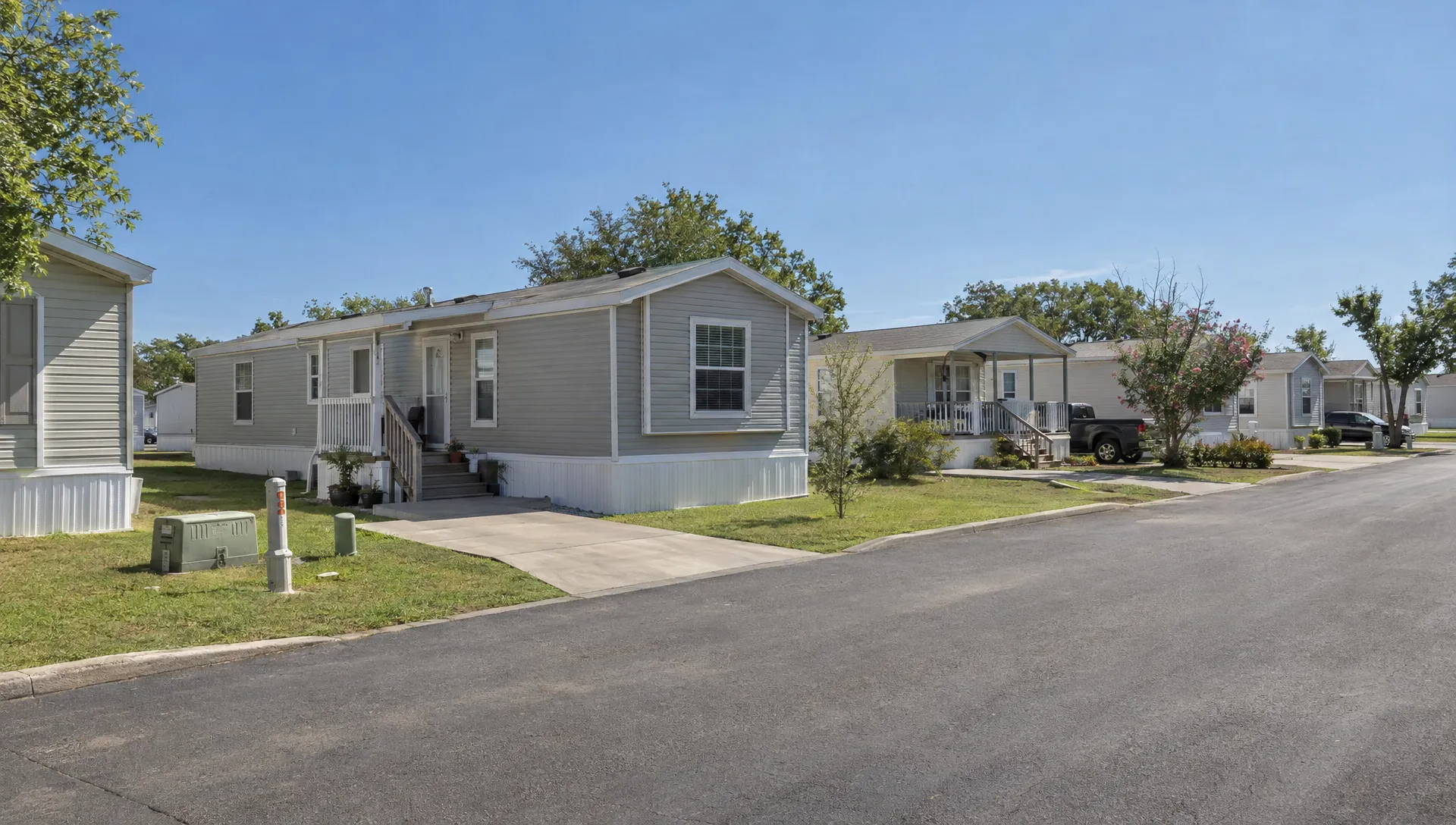
During your visits, notice road conditions, lighting, noise, parking, trash areas, drainage, playgrounds, mailboxes, and how residents use common areas. You are not looking for perfection. You are looking for signs that the community is maintained and that the rules match what management told you.
It is also reasonable to speak with current residents if you do so respectfully. A simple question like, “How has your experience been with maintenance and management?” can reveal more than an online listing. Pay attention to patterns rather than one extreme opinion.
If you want a more detailed list of what to ask while touring, use these tour questions to ask before you apply as a companion to your local comparison process.
Evaluate management quality like a long-term resident
Management quality affects almost every part of life in a rental mobile home park. A community can have a good location and fair rent but still be frustrating if communication is poor, maintenance is slow, or rules are unclear.
Before applying, test responsiveness. Call or message with specific questions and note how quickly and clearly the office responds. Ask about office hours, emergency maintenance, after-hours contacts, online payment options if available, and how repair requests are documented.
Look for signs of organized operations. Are leases and rules provided in writing? Are fees explained clearly? Are application requirements consistent? Does management answer questions directly, or do they avoid giving details until after you pay an application fee?
Good management does not mean every request is approved or every issue is fixed instantly. It means expectations are clear, communication is professional, and residents know how to get help when something goes wrong.
Use a scorecard to compare parks side by side
After three or four tours, details start to blend together. A simple scorecard keeps your decision grounded. Rate each community from 1 to 5 in the areas that matter most to you, then add notes while the visit is still fresh.
| Category | What to compare | Suggested weight |
|---|---|---|
| Total monthly cost | Rent, utilities, fees, deposits, parking, pets | High |
| Lease clarity | Written terms, renewal rules, rent increase notices, responsibilities | High |
| Location | Commute, schools, errands, transit, neighborhood fit | High |
| Management | Responsiveness, professionalism, maintenance process | High |
| Community condition | Roads, lighting, drainage, trash, landscaping, common areas | Medium |
| Rules fit | Pets, vehicles, guests, outdoor items, quiet hours | Medium |
| Home condition | Appliances, HVAC, plumbing, flooring, windows, safety features | High |
| Long-term fit | Space, storage, household growth, affordability over time | Medium |
You can adjust the weight based on your life. A retired couple may care most about quiet, maintenance, and proximity to medical care. A family may prioritize school routes, bedrooms, parking, and outdoor space. A worker with an early shift may care most about commute time, lighting, and noise.
The value of a scorecard is not that it makes the decision for you. It shows where you may be compromising. If a community wins on price but scores low on lease clarity and management, that is worth a serious pause.
Know the difference between home standards and park rules
Manufactured homes are built to federal construction and safety standards administered by the U.S. Department of Housing and Urban Development. HUD explains the federal manufactured housing program on its manufactured housing standards page. That said, the quality of your day-to-day rental experience also depends on the condition of the specific home, the community’s infrastructure, and the lease you sign.
When comparing parks, separate three issues in your mind. First, the home itself, including HVAC, plumbing, roof, appliances, windows, doors, flooring, and smoke alarms. Second, the lot and utilities, including drainage, hookups, steps, skirting, parking, and access. Third, the community rules and management, including rent collection, maintenance, notices, and enforcement.
If you are renting the home, ask who repairs major systems and how fast urgent issues are handled. If you are renting only the lot, ask what parts of the home, lot, and utility connections are your responsibility. If you do not understand a lease term, ask for clarification in writing before signing. For legal questions, speak with a qualified housing professional or attorney.
Watch for red flags and green flags
A rental mobile home park does not need luxury amenities to be a good choice. Many renters simply need a clean, safe, well-managed place with fair terms and predictable costs. The key is knowing which signs deserve attention.
Red flags include vague pricing, pressure to apply before seeing written rules, unclear repair responsibilities, poor drainage, many abandoned vehicles, inconsistent answers from staff, locked or inaccessible common areas during posted hours, and lease terms that do not match what you were told verbally.
Green flags include clear written pricing, professional communication, maintained roads, visible address numbers, working exterior lights, reasonable rules, consistent resident feedback, clean trash areas, documented maintenance procedures, and a lease that clearly explains both resident and management responsibilities.
Trust your observations. If a community feels confusing before you apply, it may feel even more confusing after you move in.
Consider whether renting or buying fits your next step
Some people search for rental mobile home parks because they need flexibility. Others are renting because they are not sure whether manufactured home ownership is within reach. If your goal is long-term housing stability in San Antonio, it may be worth comparing rentals with the option of buying a manufactured home.
Ownership is not the right move for everyone, and it comes with responsibilities. Still, it can offer more control over the home you live in, especially if you want a specific floor plan, modern interior, energy-efficient design, or a move-in ready option. If you are exploring that path, Homes2Go SA’s guide to how to search for mobile homes near you can help you think through location, financing, and model selection.
The smartest choice is the one that fits your budget, timeline, and household. A good rental may be the right short-term solution. A manufactured home purchase may be the better long-term plan. Comparing both can help you avoid rushing into the wrong arrangement.
Frequently Asked Questions
What is the best way to compare rental mobile home parks near me? Start by confirming whether you are renting the home, the lot, or both. Then compare total monthly cost, lease terms, utilities, location, management quality, community rules, and home condition using the same scorecard for every park.
Is lot rent the same as renting a mobile home? No. Lot rent usually means you pay for the space in the community, while renting a mobile home usually means you pay to live in the home itself. Some listings bundle the home and lot together, so always ask what the advertised price includes.
How many mobile home parks should I tour before applying? Try to compare at least three communities if your timeline allows. Touring multiple parks gives you a better sense of local pricing, rules, management quality, and tradeoffs.
What should I ask before signing a mobile home park lease? Ask about rent, utilities, fees, deposits, lease length, renewal terms, rent increase notices, repair responsibilities, pet rules, parking rules, guest policies, and what happens if you need to move before the lease ends.
Are manufactured homes a good alternative to renting? They can be, depending on your finances and long-term plans. If you want more control over floor plan, finishes, and location, buying a manufactured home may be worth comparing with rental park options.
Get local guidance before you decide
Comparing rental mobile home parks locally takes more than scanning prices online. You need to understand the full monthly cost, the lease, the community, and whether the arrangement supports your next stage of life.
If you are looking for an affordable manufactured home option in the San Antonio area, Homes2Go SA can help you explore available home models, floor plans, financing options, and community possibilities with local guidance from start to finish.
 Mobile Home Foundation Inspection Checklist for Buyers
 Low-Income Trailer Parks: Costs, Rules, and Red Flags