
When you buy a manufactured home, the biggest question is not only “How much space do I get?” It is also “Was this home built to a safety standard I can verify?” That is where the HUD Code matters.
The HUD Code is the federal construction and safety standard for manufactured homes in the United States. It covers how the home is designed, built, transported, and labeled before it ever reaches a homesite. For buyers in San Antonio and across Texas, understanding these standards helps you compare homes with more confidence, ask better questions, and avoid costly surprises during financing, installation, or inspection.
What the HUD Code is and why buyers should care
The HUD Code refers to the Federal Manufactured Home Construction and Safety Standards, found in 24 CFR Part 3280. HUD’s manufactured housing program explains that these standards apply to manufactured homes built after June 15, 1976, which is the date that separates modern manufactured homes from older “mobile homes” in legal and lending contexts.
In plain English, the HUD Code sets minimum national standards for manufactured home safety and performance. It does not mean every home has the same layout, finishes, or price point. It means the home must meet federal requirements in areas such as structural strength, fire safety, energy performance, plumbing, heating, electrical systems, and durability.
This is important because manufactured homes are built in a controlled factory environment, then transported to the homesite. The HUD Code is designed around that process. It accounts for construction, transportation, and on-site setup in a way that differs from site-built construction.
HUD Code vs. mobile home, modular home, and site-built code
Many buyers use the terms mobile home and manufactured home interchangeably, but lenders, inspectors, and regulators often do not. Knowing the difference can help you avoid confusion.
| Home type | Main code or standard | Key buyer takeaway |
|---|---|---|
| Manufactured home | Federal HUD Code | Built in a factory to national manufactured housing standards and certified with HUD labels |
| Mobile home | Usually refers to homes built before June 15, 1976 | May not meet HUD Code standards and may be harder to finance or insure |
| Modular home | State or local building code, often IRC-based | Factory-built sections, but regulated like site-built housing after installation |
| Site-built home | Local building code | Built on the property under local code inspections |
For a Texas-specific overview of how federal HUD standards interact with state and local rules, Homes2Go’s guide to HUD guidelines for manufactured homes in Texas is a helpful companion to this safety-focused article.
The safety areas covered by HUD Code standards
The HUD Code is broad, but buyers do not need to memorize federal regulations. Instead, focus on the safety categories that affect day-to-day living, long-term value, and approval by lenders or insurers.
Structural design and wind resistance
Manufactured homes must be designed for structural loads, including wind loads and roof loads. The home’s data plate should show the wind zone and roof load zone for which the home was designed. This matters in Texas because conditions can vary widely by location, especially between inland areas and coastal regions.
A home should be appropriate for the site where it will be installed. If you are buying in or near San Antonio, ask the seller, retailer, or installer to confirm that the home’s wind zone and installation plan fit your intended property or community.
Fire safety and emergency escape
HUD Code safety standards include fire-related requirements for materials, compartment separation, smoke alarms, and emergency escape. Buyers should still look at practical details during a walkthrough, such as whether bedrooms have proper egress, smoke alarms are installed where required, and appliances or heating systems are correctly set up.
Fire safety is not only about the original factory build. It can also be affected by later changes. If a used manufactured home has been remodeled, inspect whether walls, windows, electrical work, or appliances were changed in a way that could affect safety.
Electrical systems
The HUD Code includes requirements for electrical wiring, fixtures, panels, circuits, and equipment. During a purchase, you do not need to act as an electrician, but you should know what to ask.
Ask whether the home has been modified since manufacture, whether permits were required for any electrical upgrades, and whether any inspection found open junction boxes, overloaded circuits, damaged outlets, or unsafe DIY work. For pre-owned homes, a professional inspection is especially important.
Plumbing, water, and moisture control
Plumbing standards cover water supply, drainage, fixtures, and related systems. From a buyer’s perspective, moisture is one of the biggest long-term risks. Leaks around sinks, tubs, toilets, water heaters, windows, or roof penetrations can lead to soft floors, damaged insulation, or mold concerns.
Look for signs of staining, musty odors, patched flooring, sagging areas, and active leaks. If the home has been moved or stored, ask how plumbing was protected and whether it was tested after setup.
Heating, cooling, ventilation, and energy performance
The HUD Code addresses heating, cooling, ventilation, thermal protection, and energy conservation. A comfortable manufactured home is not only about the HVAC unit. It also depends on insulation, ductwork, air sealing, ventilation, windows, and correct installation.
The home’s data plate includes the thermal zone information. Buyers should confirm the home is suitable for the climate where it will be installed and should review available energy-efficient design features when comparing models.
HUD labels and the data plate: the documents that prove compliance
Two items are especially important when verifying HUD Code compliance: the HUD certification label and the data plate.
The HUD certification label, often called a HUD tag, is a red metal plate attached to the exterior of each transportable section of the home. A single-section home typically has one label. A doublewide typically has two, one on each section.
The data plate is usually found inside the home, often in a kitchen cabinet, bedroom closet, utility area, or electrical panel area. It provides information such as the manufacturer, serial number, date of manufacture, design zones, and other key compliance details.
| Item to verify | Where it is usually found | Why it matters |
|---|---|---|
| HUD certification label | Exterior of each section | Confirms the section was certified to the HUD Code when built |
| Data plate | Interior cabinet, closet, utility area, or panel area | Shows design information such as wind, roof load, and thermal zones |
| Serial number | Data plate, title documents, and frame markings | Helps match the home to documents, lender requirements, and records |
| Manufacturer’s installation instructions | Provided with home documents or by manufacturer/retailer | Guides proper setup, anchoring, and site preparation |
If you plan to use FHA financing, these labels and documents can become even more important. Homes2Go’s 2026 FHA requirements checklist for manufactured homes explains how HUD-code eligibility, tags, data plates, and foundation rules can affect loan approval.
Installation safety: where the HUD Code meets the homesite
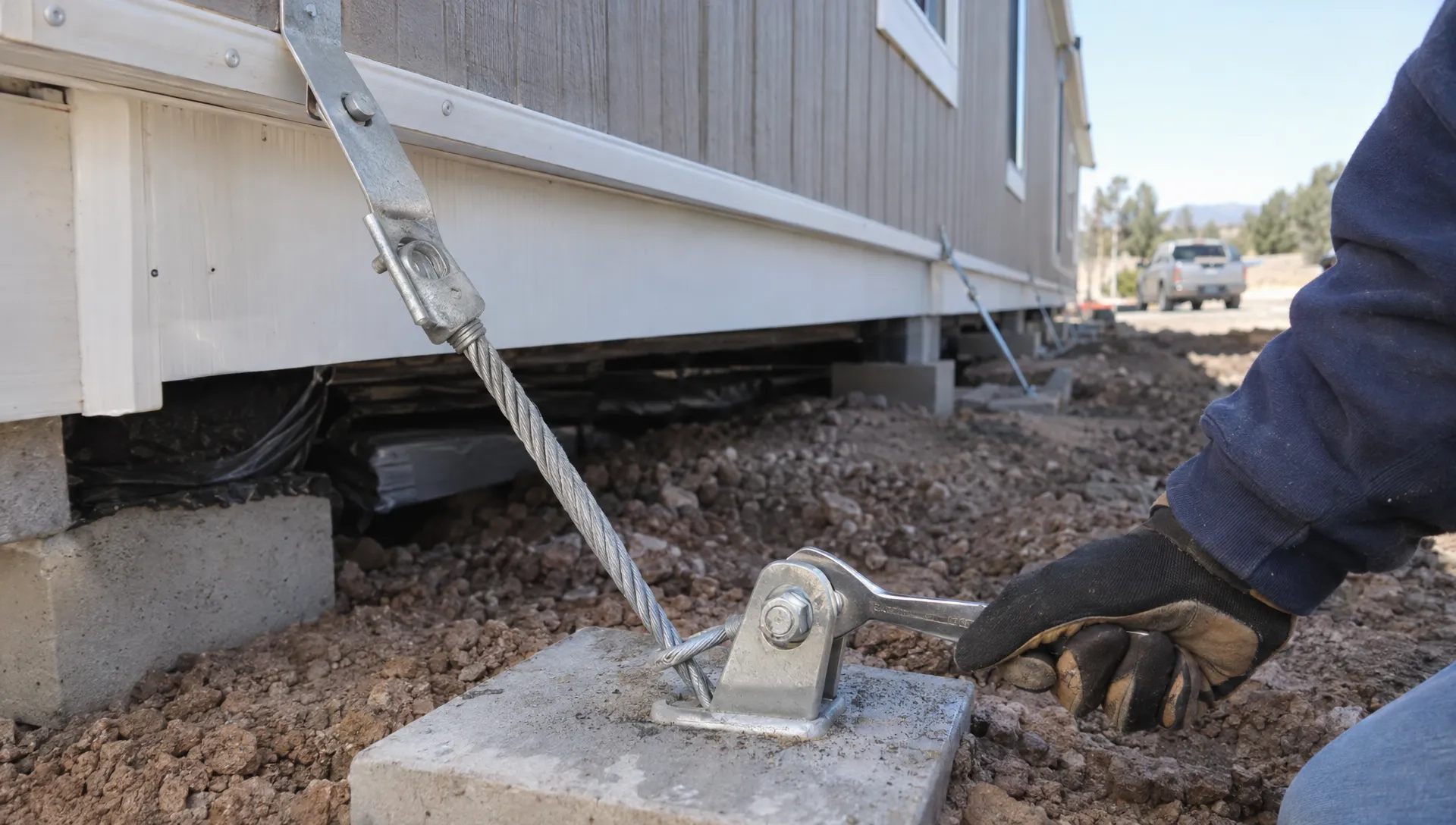
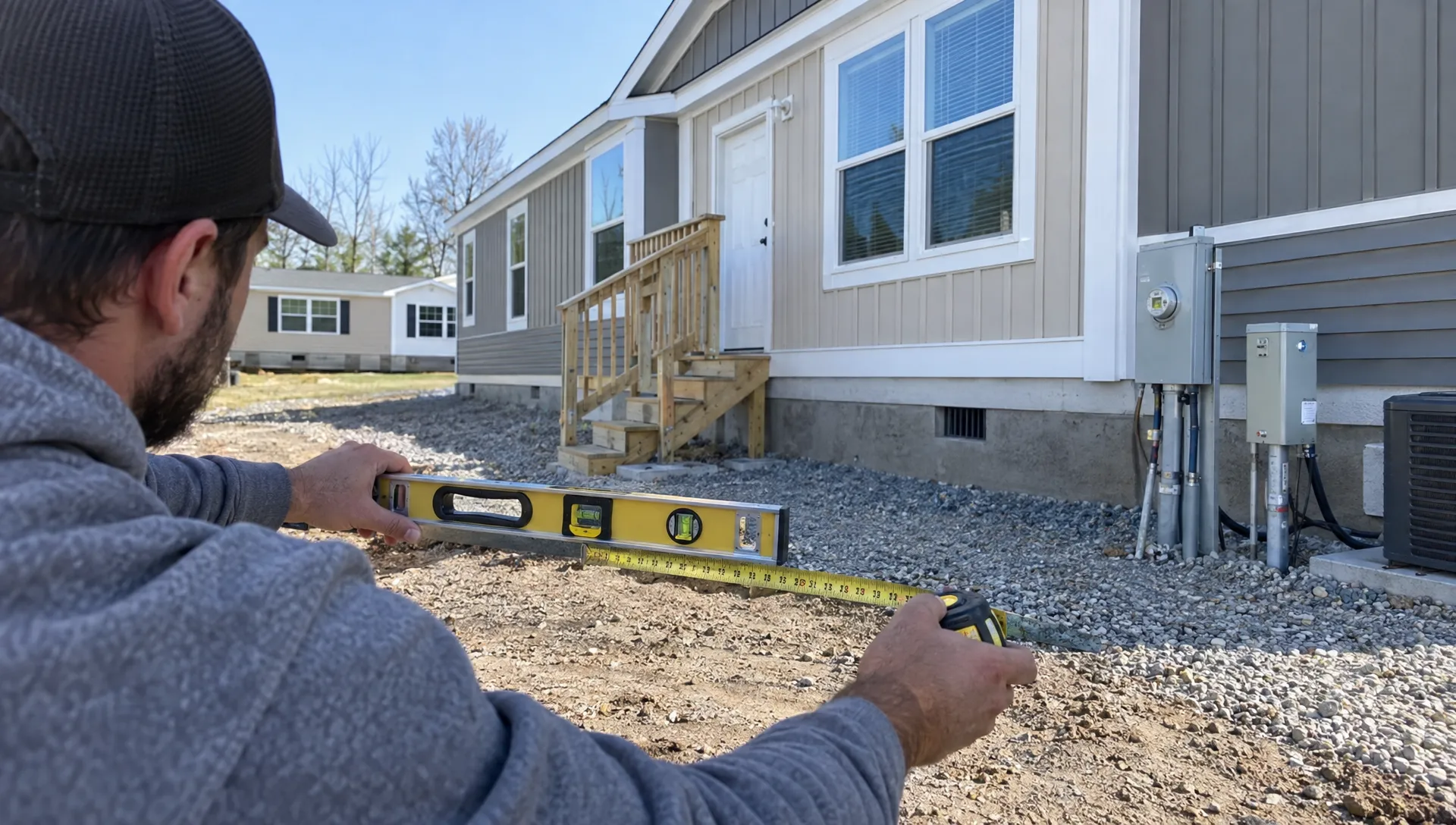
A manufactured home can be built correctly at the factory and still perform poorly if it is not installed correctly. Installation affects stability, moisture protection, energy performance, plumbing, drainage, and long-term comfort.
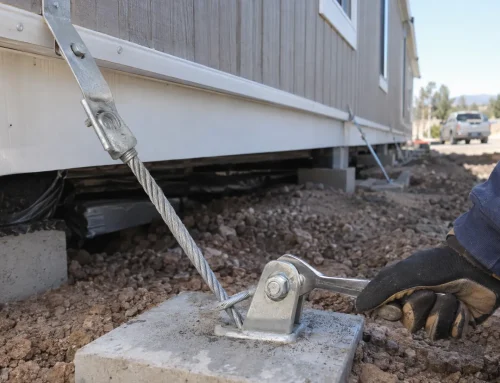
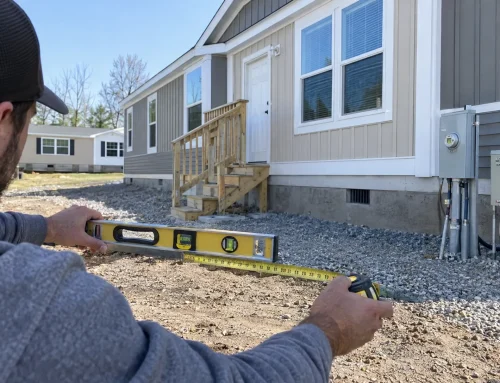
In Texas, buyers should pay close attention to setup requirements, anchoring, support systems, utility connections, grading, skirting ventilation, and drainage around the home. The Texas Department of Housing and Community Affairs Manufactured Housing Division regulates important aspects of manufactured housing in the state, including licensing and consumer protections.
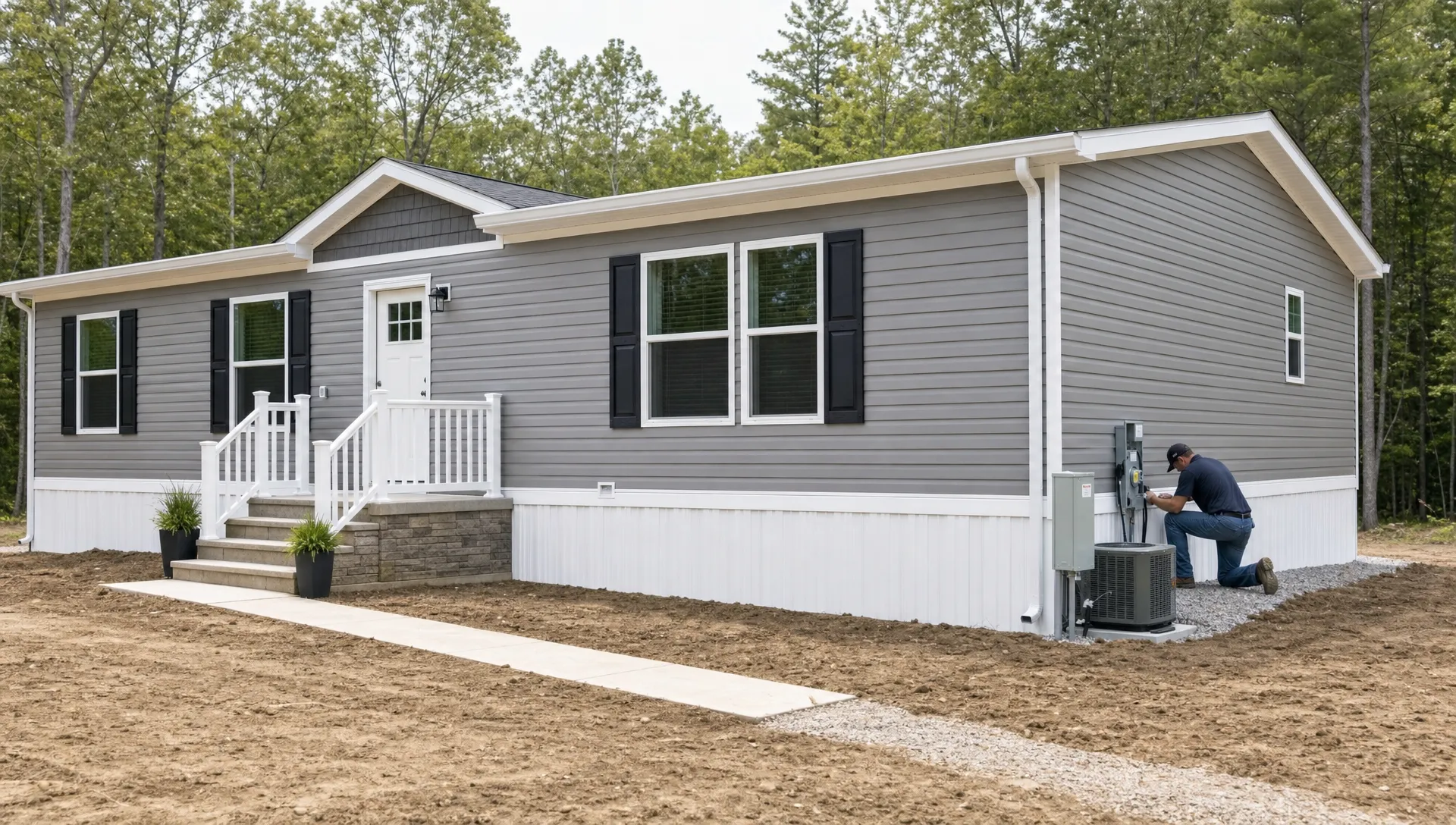
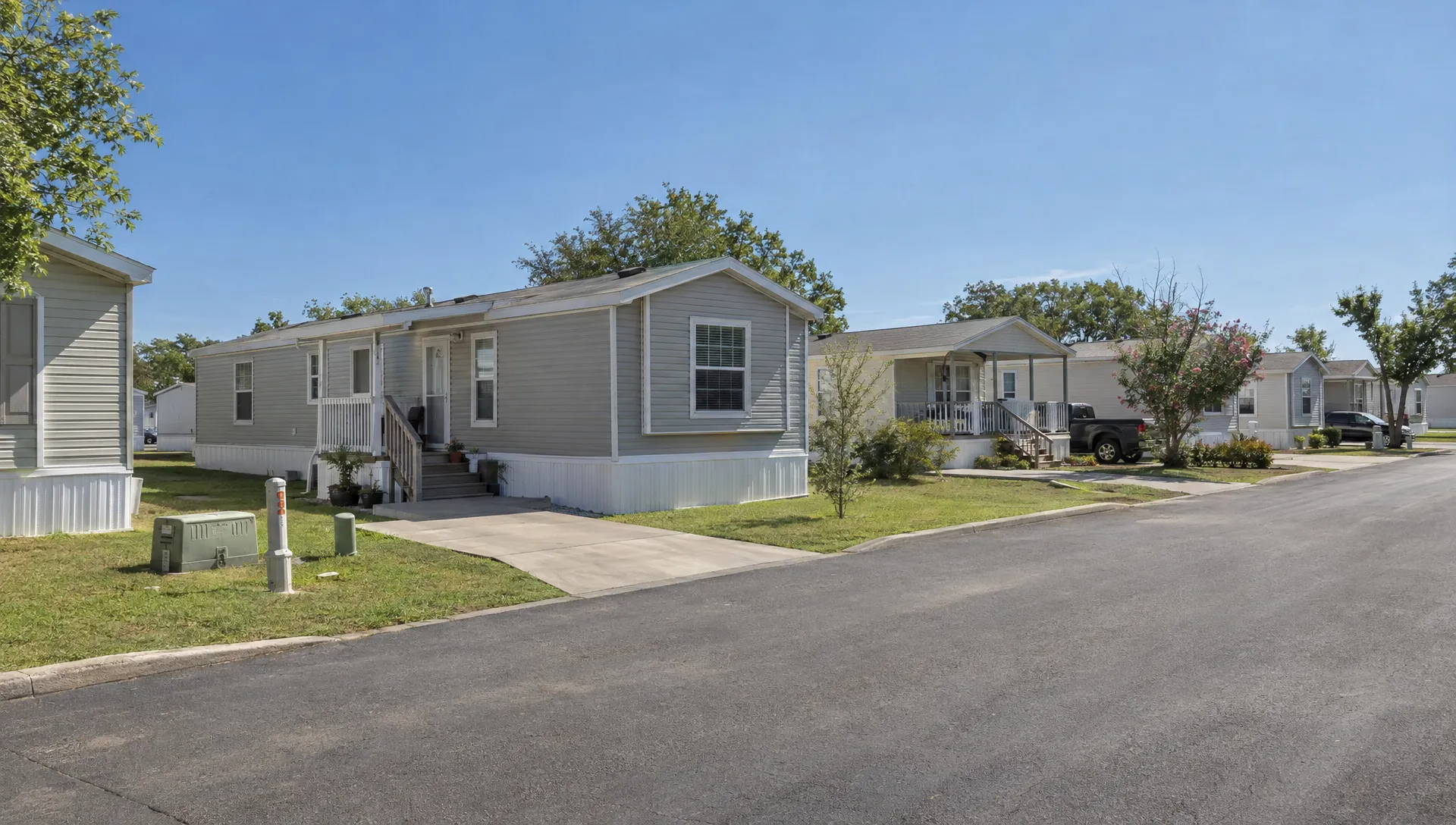
Before closing, ask who is responsible for delivery, setup, utility coordination, inspections, and any required permits. If the home will be placed in a community, confirm the community’s rules. If it will be placed on private land, confirm site access, zoning, setbacks, utilities, and foundation requirements before you commit.
For a buyer-focused review of what to check during the process, the Homes2Go mobile home inspection checklist for Texas buyers covers many of the practical items that complement HUD Code safety standards.
Applying HUD Code standards when comparing floor plans
It is easy to get excited about square footage, bedroom count, kitchen layout, and finishes. Those details matter, but safety verification should stay part of the buying process no matter which model you love.
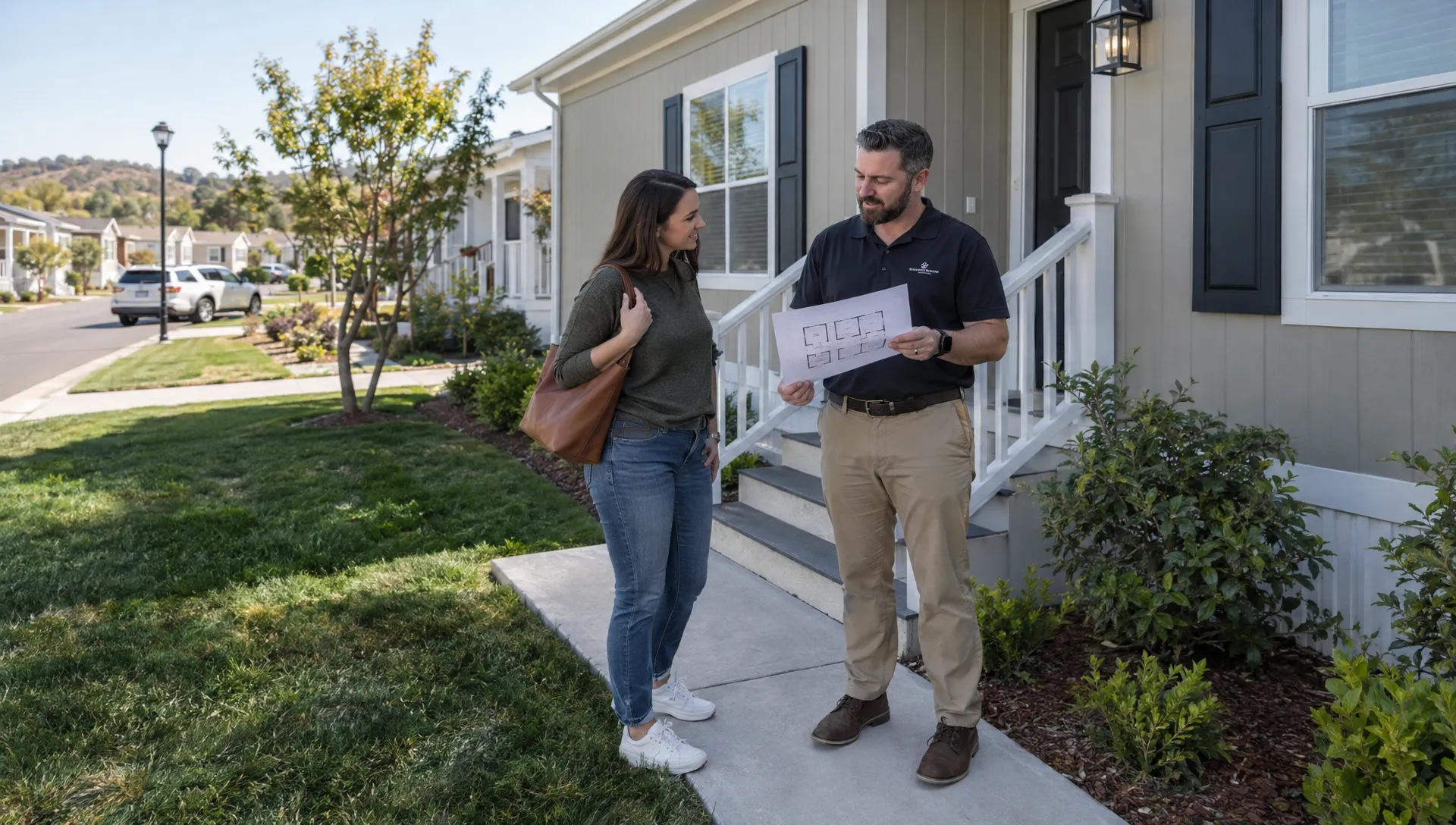
For example, a large doublewide such as the Champion Bourbon offers 4 bedrooms, 2 bathrooms, and 2,305 square feet, while the Legacy Anna offers 4 bedrooms, 3 bathrooms, and 2,120 square feet. When comparing spacious homes like these, buyers should look beyond the floor plan and ask the same safety questions: Where are the HUD labels? Where is the data plate? What wind and thermal zones apply? What installation requirements will the home need at my site?
That approach helps you compare homes more intelligently. A beautiful layout should also be supported by proper documentation, a suitable installation plan, and clear guidance from the retailer or installer.
Questions every buyer should ask before purchasing
A good manufactured home buying process should make safety information easy to discuss. Before signing a purchase agreement, ask direct questions and request documentation.
- Is this home built to the federal HUD Code, and can I verify the HUD certification labels?
- Where is the data plate, and does it match the home’s title or ownership documents?
- What wind zone, roof load zone, and thermal zone is the home designed for?
- Has the home ever been moved, remodeled, damaged, or repaired?
- Who will handle delivery, setup, anchoring, utility connections, and inspections?
- Are installation instructions available for this model?
- Will the home, site, and foundation meet my lender’s requirements?
If a seller cannot answer these questions, that does not automatically mean the home is unsafe, but it does mean you should slow down and verify before moving forward.
Red flags that deserve extra attention
Some issues should trigger a deeper inspection or a request for additional records. Missing HUD labels, a missing data plate, mismatched serial numbers, visible water damage, unpermitted additions, electrical modifications, or an unclear installation history can all complicate a purchase.
Be especially cautious with older homes that have been moved multiple times or modified extensively. Additions, porches, decks, carports, and roof-over systems may create problems if they were not designed or attached correctly. Even when the original home was HUD-code compliant, later changes can affect safety, financing, and insurance.
A licensed inspector, qualified installer, lender, or local housing authority can help you understand whether an issue is minor, correctable, or serious enough to reconsider the purchase.
Frequently Asked Questions
What are HUD Code safety standards? HUD Code safety standards are federal rules for manufactured homes covering construction, structural design, fire safety, plumbing, electrical systems, heating, ventilation, energy performance, and durability.
How do I know if a manufactured home meets the HUD Code? Look for the exterior HUD certification label on each transportable section and the interior data plate. These should match the home’s serial numbers and ownership documents.
Are HUD-code manufactured homes safe? Manufactured homes built to the HUD Code are required to meet federal construction and safety standards. Safety also depends on proper installation, maintenance, and any later modifications.
Does the HUD Code replace local permits in Texas? No. The HUD Code governs the construction of the manufactured home, but Texas and local authorities may still have rules for installation, zoning, permits, utilities, foundations, and community placement.
Why do lenders care about HUD tags and data plates? Lenders use HUD tags, data plates, titles, and installation records to verify that the home is eligible for financing and matches the property being purchased.
Buy with confidence, not guesswork
HUD Code safety standards give manufactured home buyers a clear framework for evaluating quality, documentation, and site readiness. The key is to use that framework before you commit, not after problems appear.
If you are shopping for a manufactured home in San Antonio, Homes2Go can help you compare available models, review floor plans, explore flexible financing options, and understand the buying process with local guidance. Start with the features you want, then make sure the safety documentation, installation plan, and site requirements line up with your path to homeownership.
 Can You Buy a Mobile Home Under $150K in Texas?
 Double Wide Trailer Homes: What to Compare Before Buying