
Buying a manufactured home in Texas is easier when you separate three layers of rules: federal HUD construction standards, Texas manufactured housing requirements, and local land-use or permitting rules. The home itself is regulated under the national HUD Code, but where it can be placed, how ownership is documented, and what permits are needed will depend on Texas agencies and local authorities.
For San Antonio-area buyers, understanding these rules before you choose a floor plan can prevent delays with financing, installation, insurance, and move-in. Here is what the HUD guidelines for manufactured homes in Texas mean in practical buyer terms.
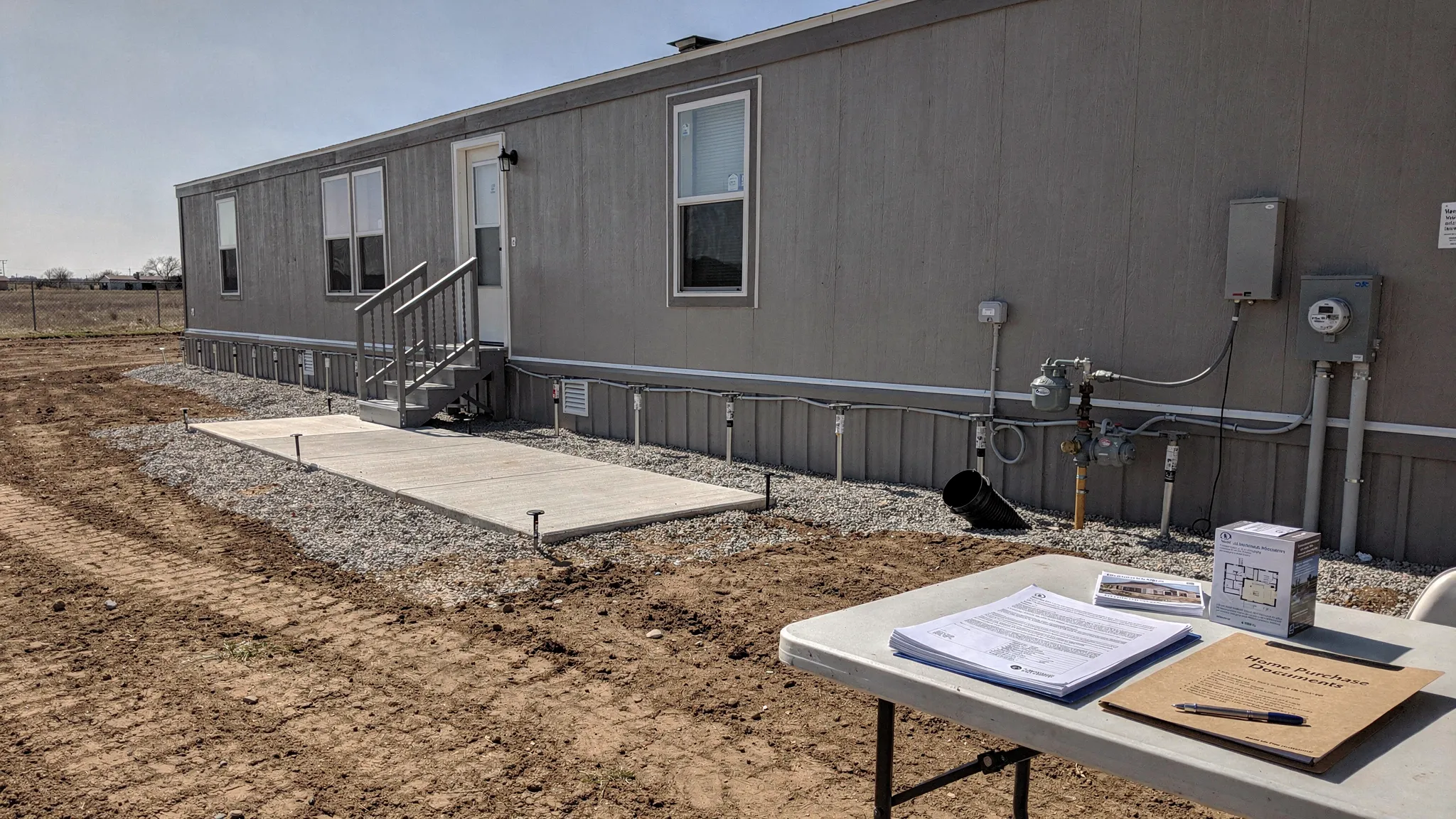
What HUD guidelines mean for Texas manufactured homes
A manufactured home is a factory-built home constructed to the federal Manufactured Home Construction and Safety Standards, commonly called the HUD Code. The HUD Code has applied to manufactured homes built on or after June 15, 1976. Homes built before that date are often called mobile homes, while homes built after that date are technically manufactured homes, even though many people still use both terms in everyday conversation.
The HUD Code is a national standard. It covers the design and construction of the home, including structural strength, fire safety, plumbing, electrical systems, heating and cooling, energy conservation, transportation durability, and overall safety. You can review HUD’s manufactured housing program through the U.S. Department of Housing and Urban Development, and the detailed federal construction standards are published in 24 CFR Part 3280.
Because manufactured homes are federally regulated, Texas and local governments generally cannot create different construction standards for the parts of the home covered by the HUD Code. However, they can regulate issues outside the factory-built structure, including zoning, permits, foundations, utility connections, floodplain rules, transportation, installation oversight, community rules, and ownership records.
| Rule layer | What it typically covers | Why it matters to Texas buyers |
|---|---|---|
| Federal HUD Code | Factory construction, safety, structural design, systems, labels, data plate | Confirms the home was built to national manufactured home standards |
| Texas manufactured housing rules | Retailer licensing, installer licensing, installation oversight, Statement of Ownership | Helps document legal ownership and proper installation in Texas |
| Local city or county rules | Zoning, setbacks, floodplain, utility permits, septic, driveway access, community placement | Determines whether and where the home can be placed |
| Lender and insurer requirements | Foundation type, ownership classification, inspections, appraisal, documentation | Affects loan eligibility, closing, and insurance approval |
HUD label and data plate: two items every buyer should verify
Two of the most important HUD-related items are the HUD certification label and the data plate. They are easy to overlook during a home tour, but they can become crucial when you apply for financing, insurance, relocation approval, or resale documentation.
The HUD certification label is a red metal plate attached to the outside of each transportable section of the home. A single-section home should have one label. A double-section home should have two labels. This label indicates that the manufacturer certified the home as compliant with the HUD Code when it left the factory.
The data plate is typically found inside the home, often in a kitchen cabinet, bedroom closet, utility area, or near the electrical panel. It contains important information such as the manufacturer, serial number, date of manufacture, design approval information, and the wind, roof load, and thermal zones for which the home was built.
| Document or marker | Where to find it | What it tells you |
|---|---|---|
| HUD certification label | Exterior of each home section | The home was manufactured under the HUD Code |
| Data plate | Interior cabinet, closet, utility area, or electrical panel area | Design zones, manufacturer details, serial number, and compliance information |
| Manufacturer installation instructions | Provided with the home or by the manufacturer | How the home must be supported, anchored, and connected |
| Texas Statement of Ownership | Issued through the Texas manufactured housing system | Legal ownership, lien status, and property classification details |
| Installation records | Installer, inspector, or local permitting office | Evidence that the home was installed according to applicable standards |
Do not remove the HUD label. If you are buying a used manufactured home and the label or data plate is missing, the process can become more complicated. In some cases, verification records may be available through HUD-related records, but buyers should address the issue before signing a purchase agreement or moving the home.
Key HUD requirements that matter most in Texas
HUD guidelines are technical, but buyers do not need to memorize every regulation. What matters most is knowing which standards affect placement, financing, safety, and long-term value.
Wind, roof load, and thermal zones
Manufactured homes are designed for specific wind, roof load, and thermal zones. These are listed on the data plate. In Texas, this is especially important because conditions can vary widely across the state. A home intended for an inland area may not be appropriate for a coastal hurricane-prone area, and a home moved from another state may not match the requirements for its new site.
San Antonio-area buyers should still confirm the data plate matches the intended location, especially when considering a used or relocated home. If the home will be placed in another part of Texas, such as along the Gulf Coast, the wind zone becomes even more important.
Installation and anchoring standards
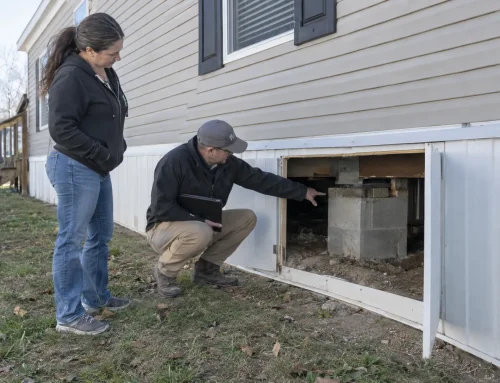
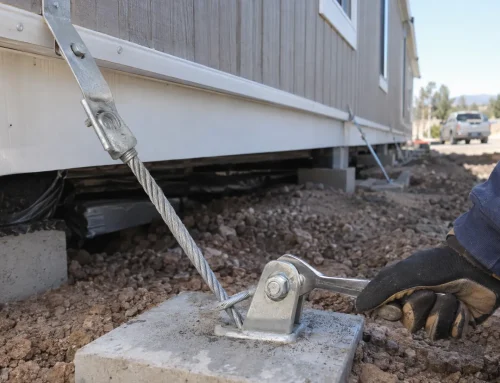
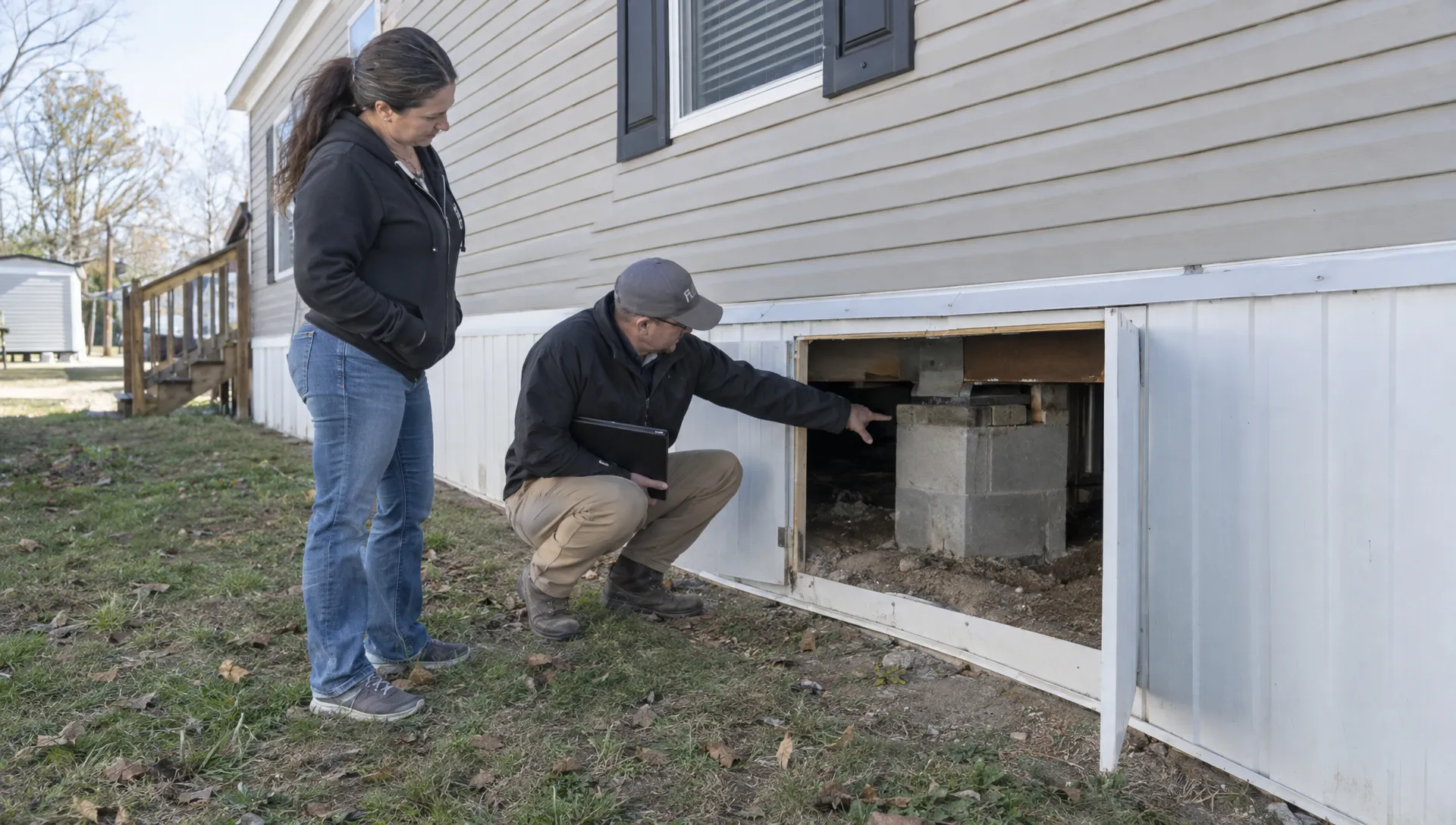
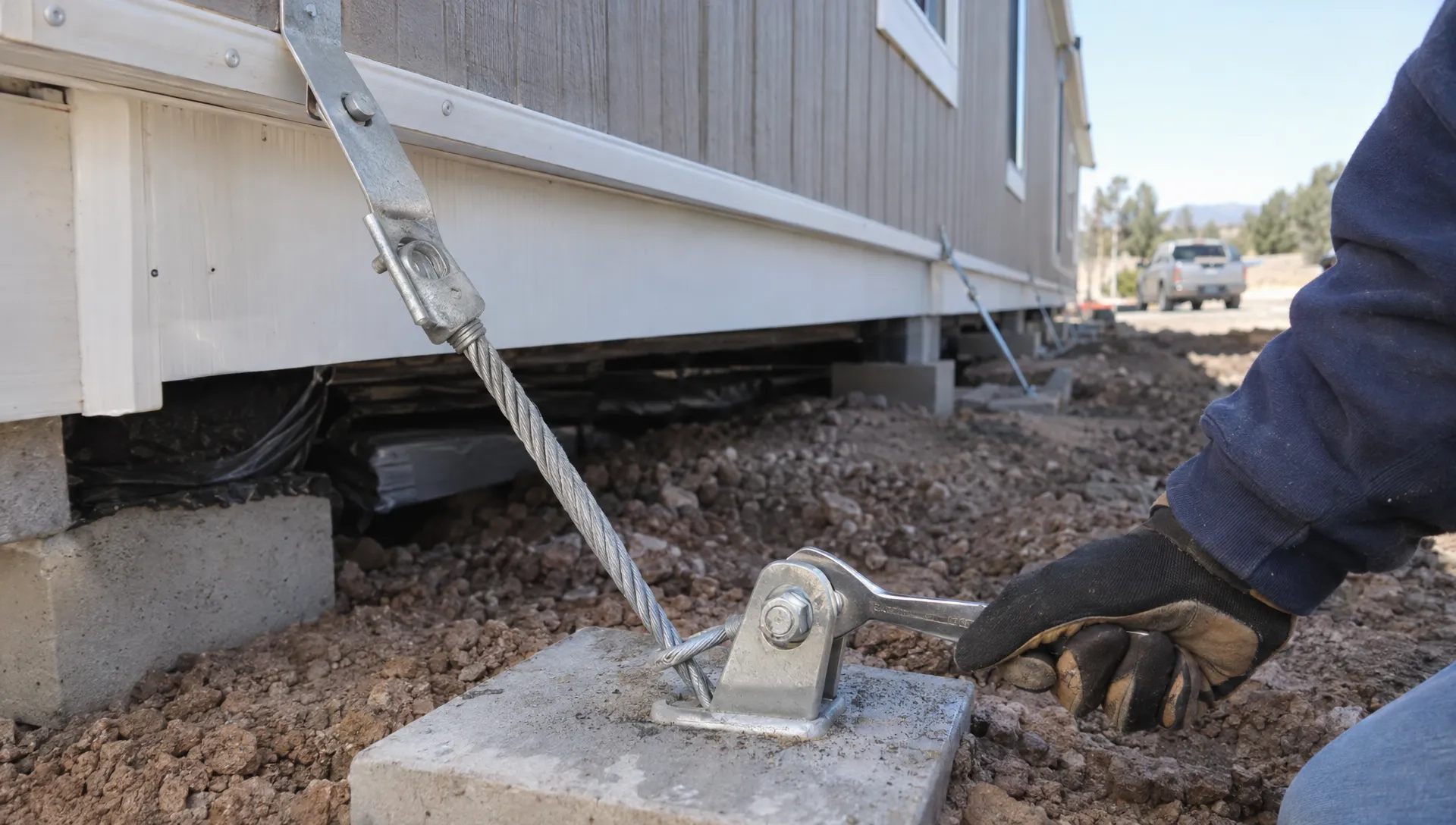
A manufactured home is only as reliable as its installation. HUD’s installation standards, found in 24 CFR Part 3285, address items such as foundations, piers, anchoring, site drainage, clearances, utility connections, and support systems.
In plain English, the home must be installed so it is properly supported, secured against movement, protected from moisture problems, and connected safely to utilities. The installer should follow the manufacturer’s installation instructions or an approved alternative design. In Texas, buyers should also work with appropriately licensed professionals and keep installation documents for future resale, insurance, or lender review.
Foundations and permanent foundation requirements
Not every manufactured home needs the same foundation. Some homes are installed in manufactured home communities with approved pier and anchor systems. Others are placed on private land with a foundation plan tied to the site conditions, soil, drainage, and lender requirements.
A permanent foundation may be required if you plan to finance the home and land together as real property, use certain mortgage programs, or meet specific lender guidelines. FHA, VA, USDA, and conventional loan programs can have different rules, and the lender may require an engineer’s certification or documentation tied to HUD’s Permanent Foundations Guide for Manufactured Housing.
This is why financing and site planning should happen early. Choosing a home before confirming the foundation path can create avoidable delays.
Additions, porches, decks, and carports
Many Texas homeowners want to add a porch, deck, ramp, shade cover, garage, or carport. These improvements can make the home more comfortable, especially in the Texas heat, but they must be designed correctly.
A major rule of thumb is that additions should not place unapproved loads on the manufactured home. In many cases, porches, decks, and carports should be self-supporting unless a qualified professional confirms another method is acceptable. Local permits may also be required. If an addition is attached incorrectly, it can affect the home’s structure, warranty, insurance, or future sale.
Energy efficiency and comfort
HUD standards include energy-related requirements, but buyers should still compare energy features carefully. In South Texas, cooling comfort and utility costs matter. Look at insulation, windows, HVAC sizing, duct location, duct sealing, roof design, and overall building envelope quality.
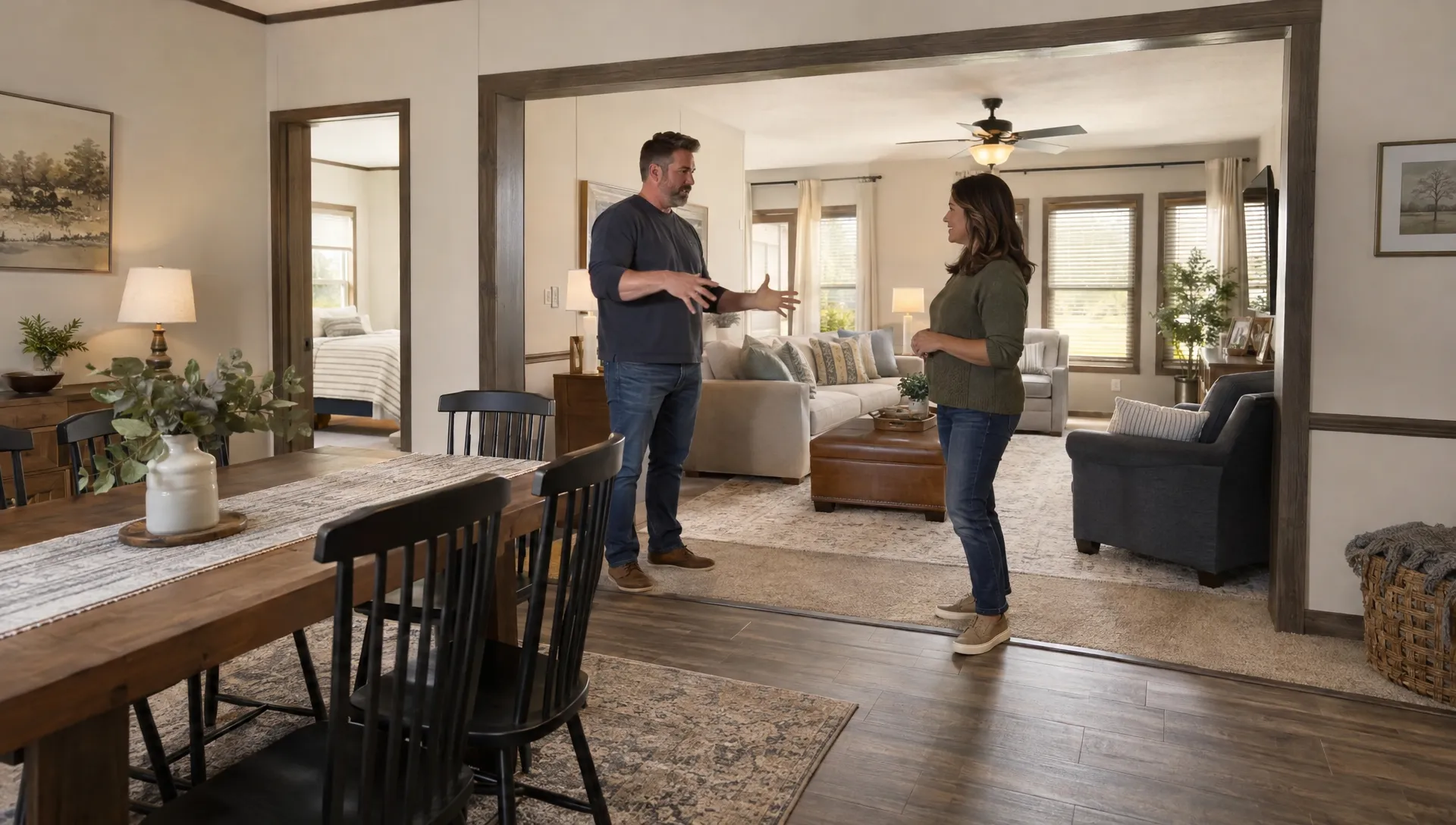
Many newer manufactured homes offer energy-efficient designs and modern interiors, which can help families stay comfortable in hot weather. If energy performance is a priority, compare floor plans and specifications before purchase, not after installation. You can also read more about Texas-specific comfort features in our guide to energy-efficient manufactured homes in Texas heat.
Texas rules layered on top of HUD
HUD regulates the home’s construction, but Texas regulates many parts of the sales, installation, and ownership process. The Texas Department of Housing and Community Affairs, Manufactured Housing Division, is the primary state resource for manufactured housing rules. Buyers can find consumer resources and forms through the TDHCA Manufactured Housing Division.
Texas requirements are especially important in these areas:
- Retailers and installers should be properly licensed for the work they perform.
- A manufactured home in Texas is documented through a Statement of Ownership.
- Installation may require state or local inspection and proper documentation.
- Liens, taxes, and ownership records should be reviewed before buying a used home.
- The home’s classification as personal property or real property can affect financing and taxes.
The Statement of Ownership is not the same thing as the HUD label. The HUD label relates to federal construction compliance. The Statement of Ownership relates to legal ownership and property records in Texas. Buyers often need both types of documentation for a smooth purchase.
Local rules in San Antonio and surrounding areas
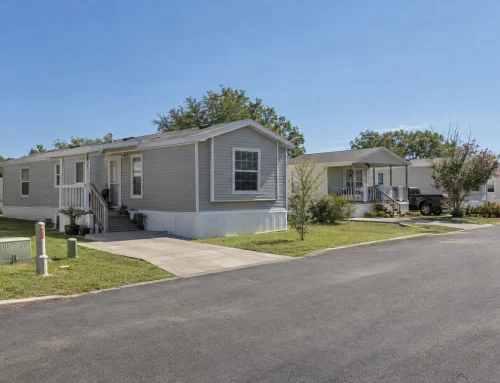
Local rules are where many buyers run into surprises. A manufactured home that meets HUD standards may still need local approval before it can be placed on a particular lot. This is true in San Antonio, Bexar County, and surrounding communities.
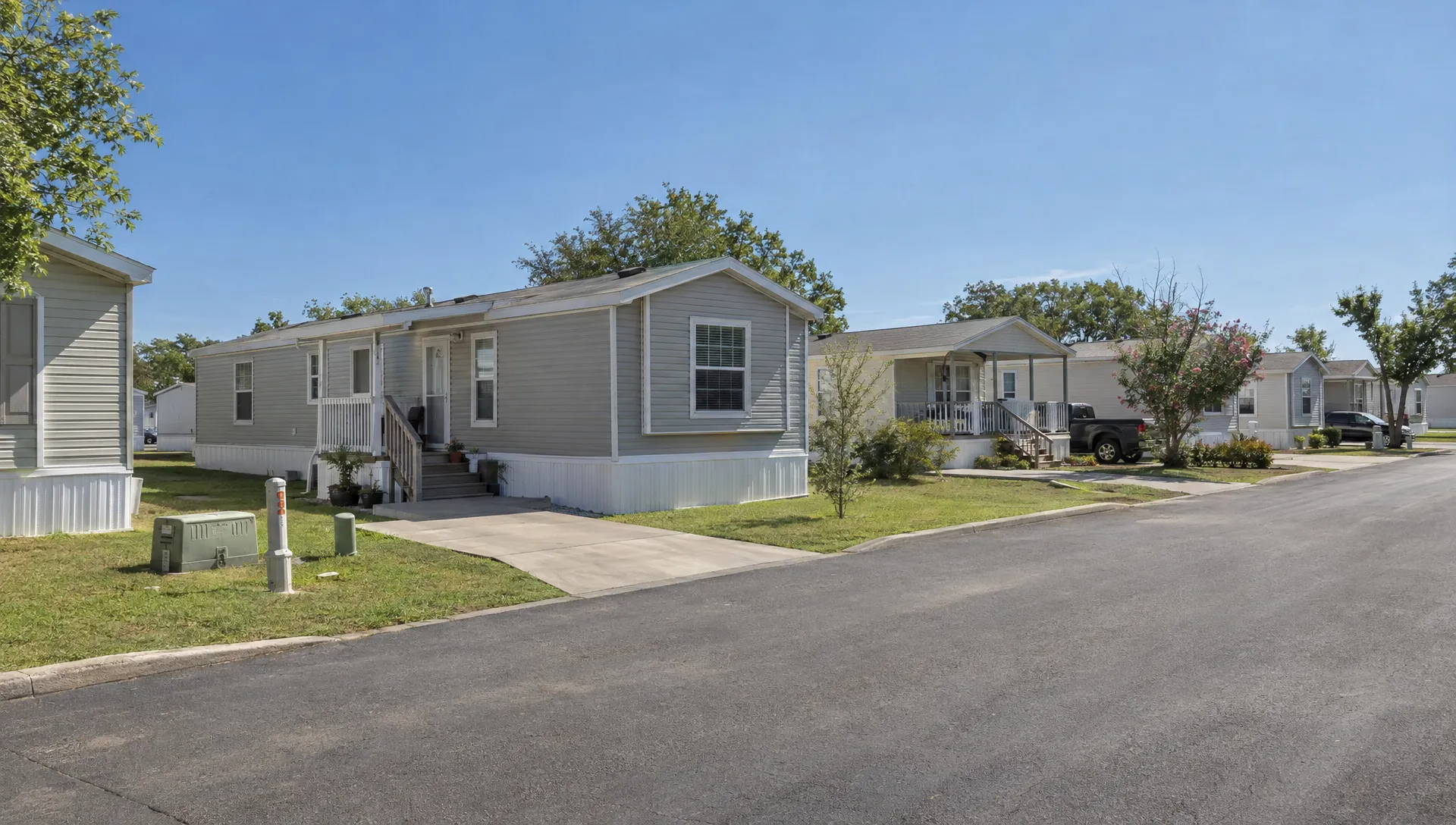
Local rules may address zoning, minimum lot size, setbacks from property lines, utility access, floodplain restrictions, driveway or culvert requirements, septic approval, permits, and inspections. If the home will be placed in a manufactured home community, the community may also have rules about home size, age, exterior appearance, skirting, parking, pets, and application approval.
| Site question | Why it matters before you buy |
|---|---|
| Is the land zoned for a manufactured home? | Zoning can limit or prohibit placement in some areas |
| Are utilities available? | Electric, water, sewer, septic, and gas access affect total cost and timeline |
| Is the property in a floodplain? | Floodplain rules can affect placement, elevation, insurance, and permits |
| What foundation will the lender require? | Financing may depend on foundation type and property classification |
| Does a community need to approve the home? | Community rules can affect model, age, size, and move-in timing |
Before you order a home or pay for site work, confirm the site requirements with the applicable city, county, community manager, utility provider, and lender.
HUD-compliant buying checklist for Texas buyers
A practical checklist can help you move from home shopping to move-in with fewer surprises. Use this before you commit to a manufactured home in Texas.
- Confirm the home was built on or after June 15, 1976, if you need a HUD-code manufactured home.
- Check that the HUD certification label is present on each transportable section.
- Locate the data plate and confirm the wind, roof load, and thermal zones match the intended Texas location.
- Ask for the manufacturer’s installation instructions before site work begins.
- Verify that your retailer, installer, and any required professionals are properly licensed or qualified.
- Confirm zoning, community approval, floodplain status, utilities, setbacks, and permits before delivery.
- Match your foundation plan to your financing strategy, especially for land-home loans.
- Keep copies of the purchase agreement, Statement of Ownership, installation documents, permits, inspections, and lender paperwork.
This process may sound detailed, but it protects you. The earlier you verify documents and site rules, the easier it is to avoid delays at delivery, installation, financing, and occupancy.
New homes vs. used or relocated manufactured homes
A new manufactured home usually offers the clearest documentation path. The HUD labels should be intact, the data plate should be available, the installation manual should be current, and the retailer can help coordinate delivery and setup.
A used manufactured home can still be a good option, but buyers need to be more careful. Verify the HUD label, data plate, Statement of Ownership, lien status, taxes, condition, transportation feasibility, and installation requirements. If the home has been modified, inspect the changes carefully. Additions, roofovers, removed walls, or unpermitted electrical work can create safety and approval issues.
Relocated homes require special attention. A home that was properly installed at one site must still be transported and reinstalled correctly at the new site. The new installation should match the manufacturer’s instructions, Texas requirements, local permits, and any lender requirements.
| Buying situation | Main advantage | Main risk to check |
|---|---|---|
| New manufactured home | Cleaner documentation and modern features | Site readiness and financing timing |
| Used home already in place | May reduce moving and setup complexity | Ownership records, condition, and lender eligibility |
| Used home being moved | More flexibility on location | Transport feasibility, missing labels, reinstallation requirements |
| Pre-1976 mobile home | May have a lower purchase price | Not built under HUD Code, often harder to finance, insure, or place |
If you are comparing new and used options, ask the same core questions: Is the home HUD-code compliant, is the documentation complete, can it be legally placed at the intended site, and will the lender and insurer accept it?
Financing and insurance: why HUD compliance matters
HUD compliance does not automatically guarantee loan approval, but it is often a baseline requirement. Lenders may ask for the HUD label number, data plate information, year of manufacture, serial number, foundation details, appraisal, title or Statement of Ownership, and proof that the home is legally installed.
The financing path also depends on whether the home is treated as personal property or real property. A home-only loan, often called chattel financing, is different from a land-home mortgage. If you are buying the home and land together, the foundation, ownership structure, and recording requirements become more important.
Insurance companies may also review the home’s age, condition, location, wind zone, installation, skirting, tie-downs, and proximity to flood risks. If a home has missing documentation or unpermitted additions, insurance can become harder to secure.
Homes2Go San Antonio works with buyers who are comparing home models, communities, private land options, and financing routes. If you are still deciding how to structure your purchase, start with our manufactured home financing overview and discuss your goals before choosing a final floor plan.
Common mistakes to avoid
The most expensive manufactured home mistakes usually happen before the home arrives. Many are preventable with early planning.
- Buying a home before confirming the land or community will allow it.
- Assuming HUD approval replaces local zoning, permits, or utility approvals.
- Ignoring the data plate when moving a used home from another region.
- Choosing a foundation without asking the lender what is required.
- Attaching decks, porches, or carports without proper support or permits.
- Losing installation records, ownership documents, or inspection paperwork.
- Focusing only on the monthly payment instead of total site, setup, utility, and permit costs.
A manufactured home can be one of the most practical paths to homeownership in Texas, but it should be planned as a complete project: home, site, installation, paperwork, financing, and long-term living needs.
Frequently Asked Questions
Are HUD guidelines for manufactured homes the same across Texas? The federal HUD construction standards are national, so the home construction rules are generally the same. However, Texas ownership rules and local placement requirements can vary by city, county, community, and site.
Can a Texas city or county reject a HUD-code manufactured home? Local governments generally cannot change the federal construction standards for the home itself, but they can enforce zoning, land-use, permitting, floodplain, utility, and setback rules. Always verify placement rules before buying.
What is the difference between a HUD label and a Texas Statement of Ownership? The HUD label shows the home was built under federal manufactured home standards. The Texas Statement of Ownership documents legal ownership, liens, and property classification within the state system.
Does every manufactured home in Texas need a permanent foundation? Not always. The required foundation depends on the home, site, installation instructions, local rules, and financing program. A permanent foundation is often important for land-home mortgage financing or real property classification.
Can I place a manufactured home on my own land near San Antonio? Often, yes, but it depends on zoning, deed restrictions, access, utilities, septic or sewer availability, floodplain status, setbacks, and permits. Confirm the site before ordering the home.
Is a mobile home the same as a manufactured home? Many people use the terms interchangeably, but technically a manufactured home is built to the HUD Code after June 15, 1976. A mobile home often refers to a factory-built home made before the HUD Code took effect.
Make the HUD process easier with local guidance
HUD guidelines are manageable when you have the right team and documents in place. The key is to connect your home choice with your site, financing, installation plan, and Texas paperwork from the beginning.
Homes2Go San Antonio helps buyers compare manufactured home models, review detailed floor plans, explore flexible financing options, and understand practical next steps for communities or private land. If you are a first-time buyer or upgrading to a modern, energy-efficient manufactured home, local guidance can help you avoid costly surprises.
Ready to start comparing options? Visit Homes2Go San Antonio to explore available manufactured homes and get help planning your path to homeownership in the San Antonio area.
 FHA Single Wide Manufactured Home Guidelines in 2026
 Manufactured Homes Lifespan: How Long Do They Last?