
For many buyers, the biggest obstacle to homeownership is not wanting a luxury house. It is finding a home that fits real life: a manageable payment, enough space, a reasonable commute, and room in the budget for groceries, savings, kids, repairs, and emergencies.
That is where the benefits of a mobile home become especially relevant. For budget-conscious buyers in San Antonio and surrounding areas, today’s mobile and manufactured homes can offer a practical path to owning a comfortable home without taking on the cost structure of a traditional site-built house.
In everyday conversation, many people still say “mobile home.” In the housing industry, most newer homes are called manufactured homes, especially if they were built after June 15, 1976, when the federal HUD Code took effect. The U.S. Department of Housing and Urban Development oversees construction and safety standards for manufactured homes, including design, construction, strength, durability, transportability, fire resistance, and energy efficiency.
So, if you are comparing your options and trying to keep your monthly costs under control, here is what makes a mobile home worth considering.
Lower purchase price can make ownership more realistic
The most obvious benefit is affordability. A manufactured home typically costs less than a comparable site-built home because it is built in a controlled factory environment, often with more efficient labor, materials, and production timelines.
That lower purchase price can help in several ways. It may reduce the amount you need to finance, make the down payment more attainable, and help keep your monthly payment closer to what you are already paying in rent.
The U.S. Census Bureau’s Manufactured Housing Survey tracks manufactured home shipments and sales prices, and it consistently shows that factory-built homes occupy a much lower price range than many new site-built homes. Prices vary by home size, location, land setup, delivery, installation, and upgrades, but the basic affordability advantage is one of the main reasons buyers look at manufactured housing.
For a first-time buyer, that difference can be significant. Instead of waiting years to save for a conventional home, a mobile home may allow you to move sooner while still building equity and stability.
Monthly costs can be easier to plan
Budget-conscious buyers are not only worried about the purchase price. They want to know, “What will this cost me every month?”
A mobile home can make that question easier to answer because buyers can compare the main monthly pieces before committing. These may include the home payment, lot rent if the home is in a community, utilities, insurance, taxes, and maintenance.
The key is to look at the full monthly picture, not just the advertised home price. A low home payment may not feel affordable if the location, utilities, or lot fees push the total too high. On the other hand, a well-chosen manufactured home in the right setting can provide a predictable and manageable housing cost.
| Budget factor | Why it matters | What to ask before buying |
|---|---|---|
| Home payment | Usually the largest monthly cost | What loan terms and payment ranges are available? |
| Lot rent or land cost | Applies if you do not already own land | What is included in the lot rent, and can it increase? |
| Utilities | Affects the real cost of living in the home | What are typical electric, water, and trash costs? |
| Insurance | Protects the home and affects monthly budgeting | What coverage is required by the lender or community? |
| Taxes and fees | Vary by setup and location | How is the home titled and taxed? |
| Maintenance | Helps avoid surprise expenses | What is new, covered, or recently inspected? |
If you are still early in the process, this quick buyer guide for mobile homes in San Antonio can help you understand the local options before comparing specific homes.
Financing options can fit different buyer situations
Another major benefit of a mobile home is that buyers may have access to several financing paths, depending on the home, land, credit profile, and lender requirements.
Some buyers finance the home only. Others finance both the home and land. Some may qualify for government-backed loan programs if the property meets specific rules. For example, FHA financing may be available for manufactured homes that meet eligible requirements, including HUD-code construction, proper documentation, site standards, and other conditions.
Because financing rules can vary, it is smart to work with people who understand manufactured homes rather than assuming the process is the same as buying a traditional house. If FHA is part of your plan, review the basics of FHA mobile home requirements before you shop so you know what lenders will likely look for.
Flexible financing does not mean every buyer will qualify for every program. But it does mean budget-conscious shoppers may have more ways to structure a purchase than they realize.
You can often get more usable space for the money
When buyers compare homes, square footage matters, but layout matters even more. A smaller home with a smart floor plan can feel more comfortable than a larger home with wasted space.
Modern manufactured homes often focus on practical living: open kitchens, split-bedroom layouts, storage, laundry areas, and combined living and dining spaces. For families, roommates, retirees, or remote workers, that efficient design can make the home feel bigger than the numbers suggest.
Budget-conscious buyers should pay special attention to how the home lives day to day. Ask yourself whether the kitchen has enough counter space, whether bedrooms are separated for privacy, whether bathrooms are placed conveniently, and whether the living room works with your furniture.
A mobile home can be especially cost-effective when you are paying for space you will actually use rather than extra square footage that only increases the price.
Energy-efficient designs can reduce long-term costs
The monthly payment is only one part of affordability. Energy use can also make or break a budget, especially in South Texas, where cooling costs matter during long, hot seasons.
Many newer manufactured homes are built with energy efficiency in mind, including improved insulation, efficient windows, modern HVAC systems, and tighter construction standards compared with older homes. The exact features depend on the model, manufacturer, and upgrade package, so buyers should ask specific questions rather than assume every home performs the same.
Energy efficiency can help in two ways. First, it may lower monthly utility costs compared with older, less efficient housing. Second, it can improve comfort by keeping indoor temperatures more stable.
When touring homes, ask about insulation levels, window type, HVAC age and size, appliance efficiency, and whether utility estimates are available. Small details can create real savings over time.
Community living can add value without a large land purchase
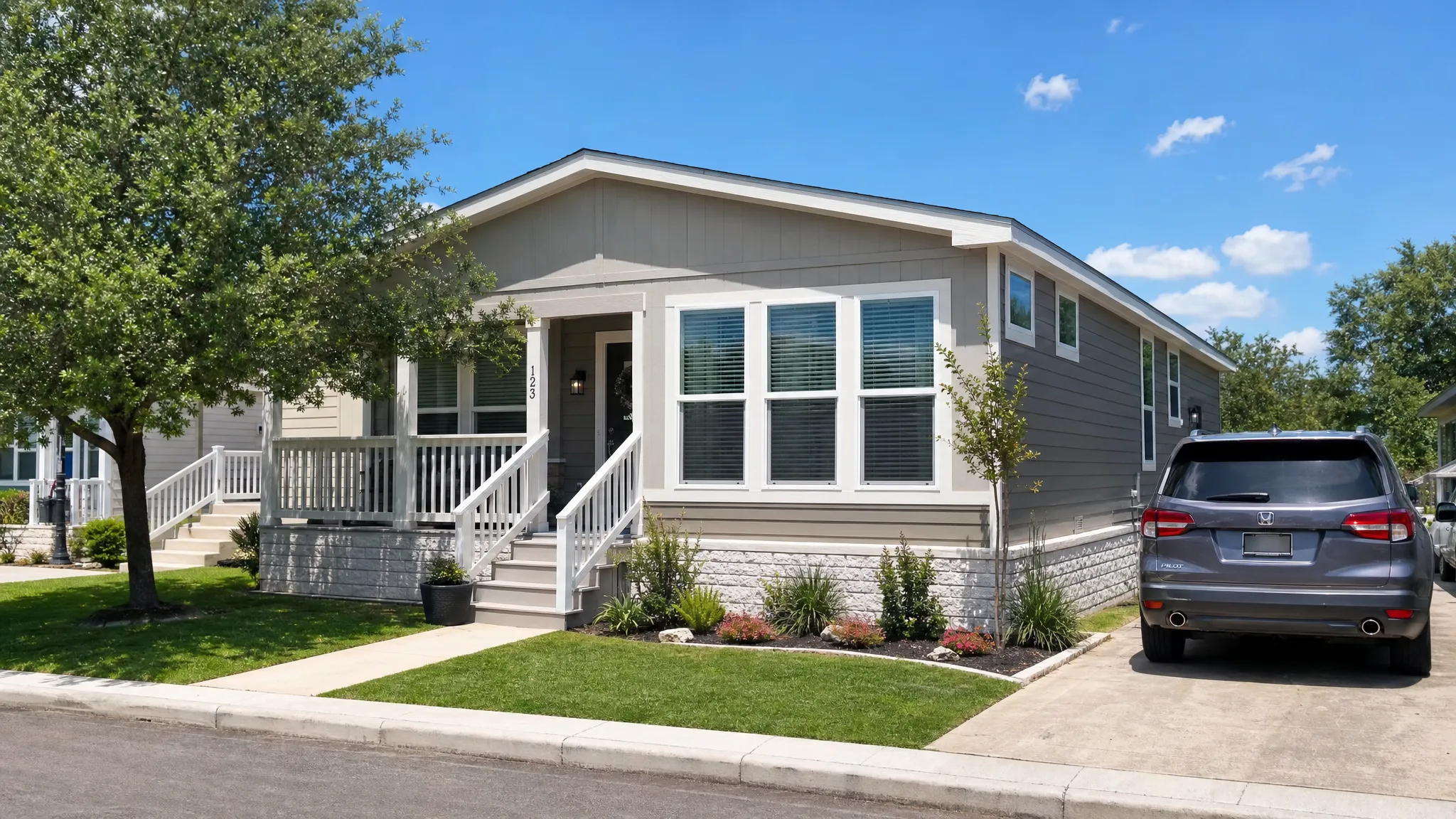
One reason mobile homes appeal to budget-conscious buyers is the ability to separate the home decision from the land decision. Some buyers place a manufactured home on private land. Others choose a manufactured home community where they own the home and lease the lot.
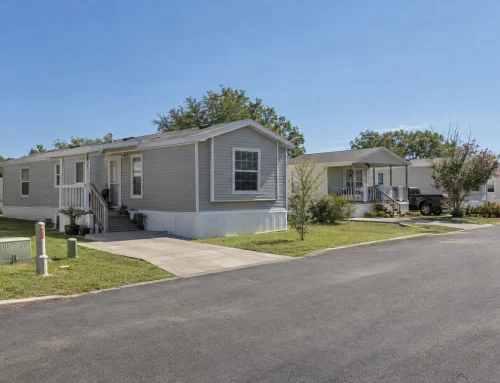
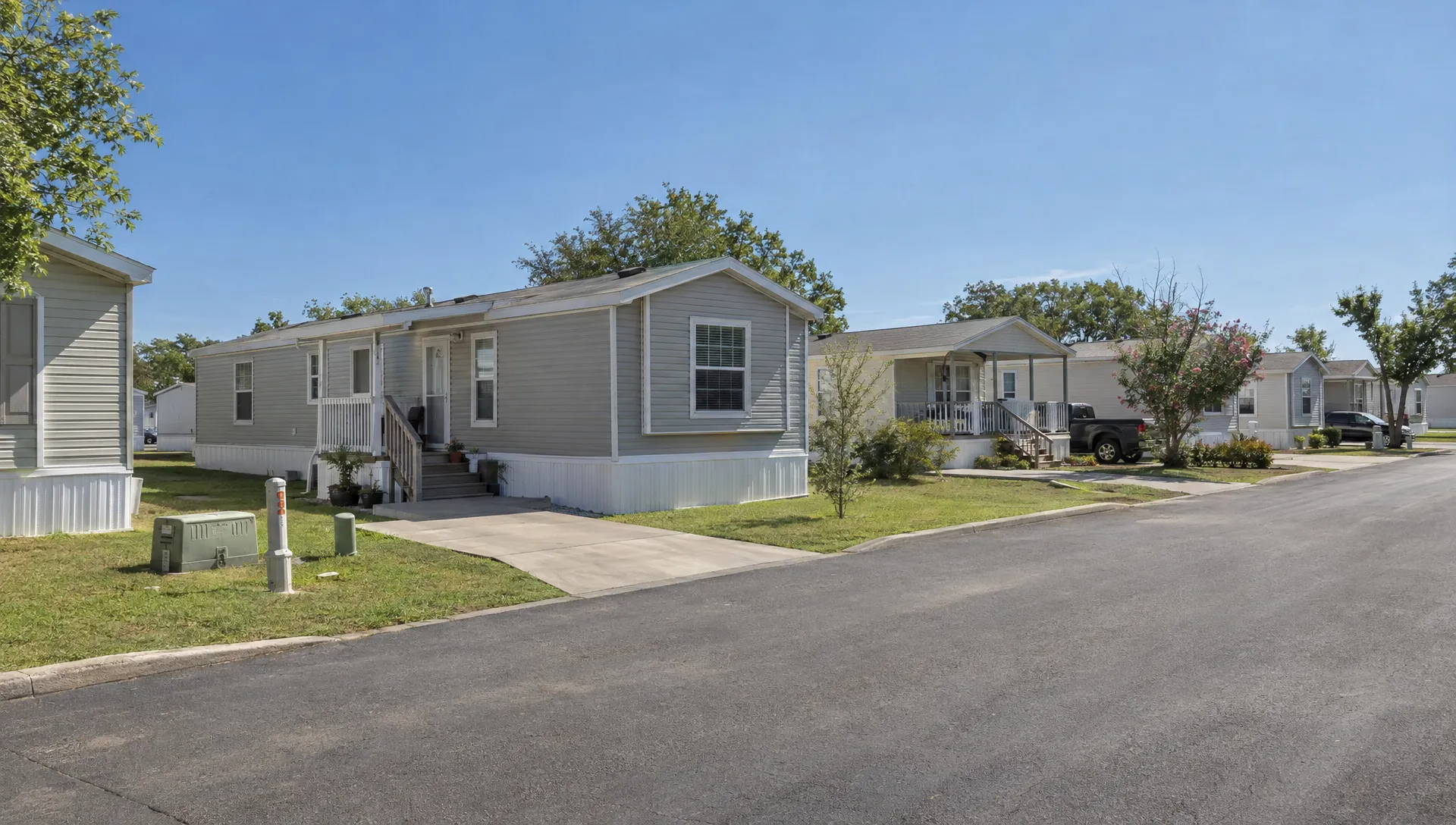
A community can reduce the upfront cost because you may not need to purchase land immediately. It can also provide access to an established neighborhood setting, roads, utility connections, and nearby services. Depending on the community, buyers may also value shared amenities, rules that help maintain the property, and a more predictable residential environment.
Of course, community living is not the right fit for everyone. You should review rules, lot rent, pet policies, parking, guest policies, and lease terms before making a decision. For families comparing neighborhoods, this guide on how to compare family mobile home parks near you offers helpful questions to ask during the search.
The right setup depends on your goals. If you want lower upfront costs and a simpler move, a community may make sense. If you already own land or want more control over the property, placing a home on private land may be a better long-term plan.
Faster move-in timelines can reduce transition costs
A traditional home purchase or new construction project can take a long time. Delays may mean more months of rent, storage costs, temporary housing, or commuting challenges.
Manufactured homes can sometimes offer faster timelines, especially when the home is already available, the financing is prepared, and the site or community placement is ready. Move-in ready options can be especially helpful for buyers who need stability soon, such as families relocating, renters facing rising lease costs, or buyers who want to stop spending money on temporary housing.
Timing still depends on financing, delivery, installation, inspections, utility connections, and community or land approvals. But compared with many traditional construction timelines, a mobile home can offer a more direct route from shopping to moving.
Modern interiors do not have to feel “budget”
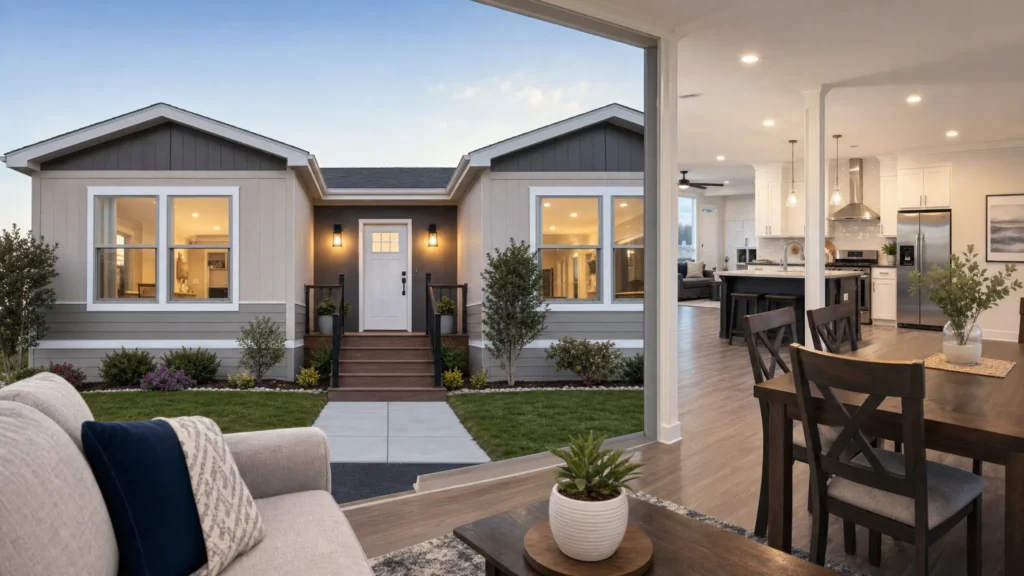
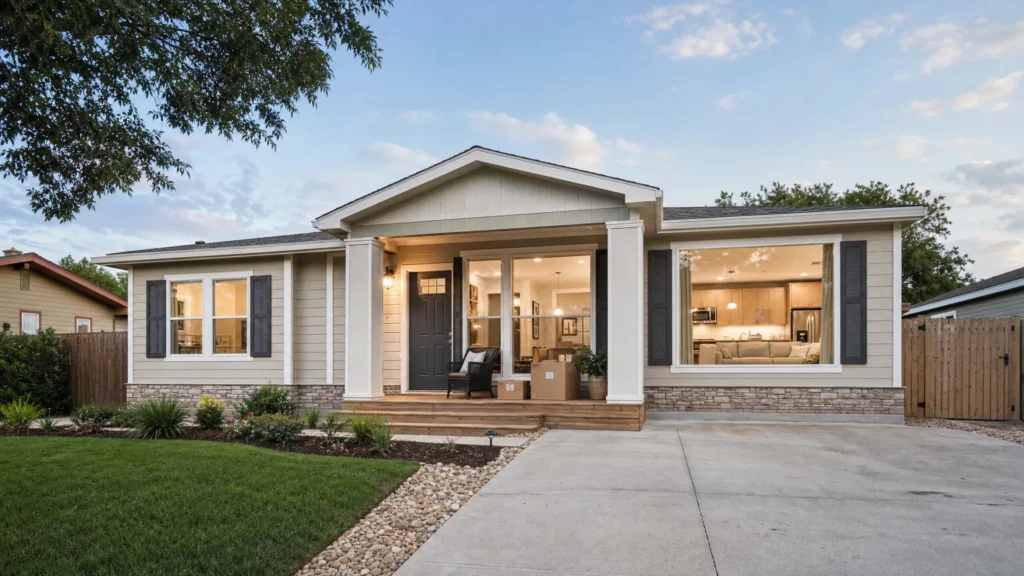
A common misconception is that choosing a mobile home means sacrificing comfort or style. That may have been true for some older homes, but today’s manufactured homes can include modern kitchens, attractive flooring, spacious bathrooms, walk-in closets, kitchen islands, and open living areas.
For budget-conscious buyers, this matters because upgrades in a traditional site-built home can be expensive. Buying a newer manufactured home with modern finishes already included may help you avoid major renovation costs after move-in.
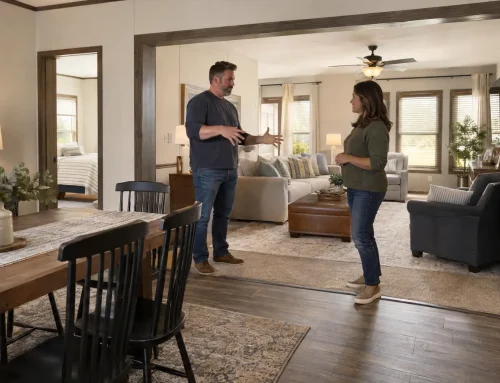
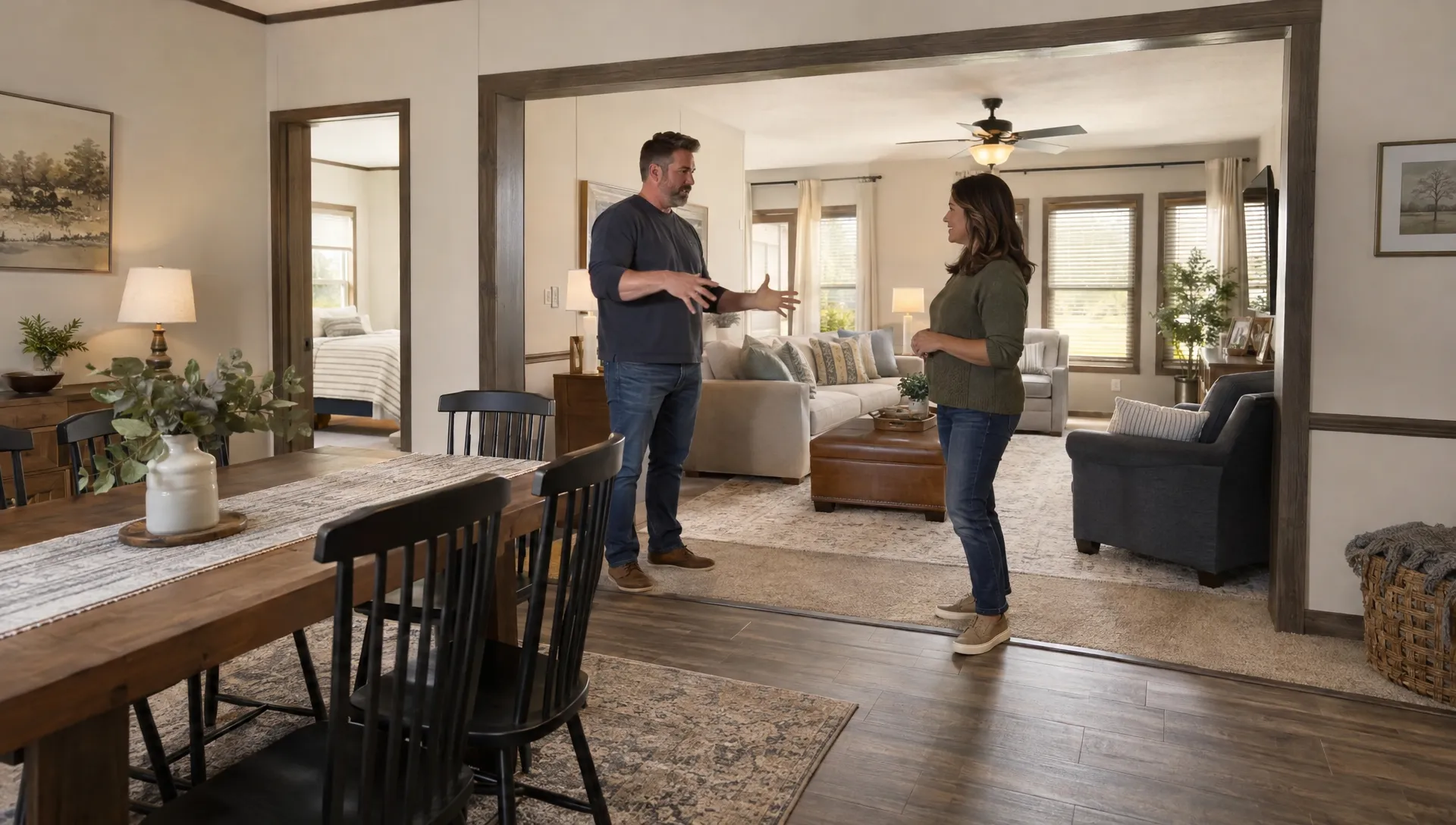
This is where touring in person is valuable. Photos and floor plans are useful, but walking through the home helps you understand ceiling height, natural light, storage, appliance placement, and the overall feel of the space.
If you are comparing models, looking at new mobile homes for sale in San Antonio can help you see which layouts and features are commonly available for different needs.
Maintenance may be more manageable
Every home requires maintenance, but a newer manufactured home can reduce the need for immediate repairs compared with buying an older property that needs major updates.
For budget-conscious buyers, this can be a major advantage. A lower purchase price is helpful, but not if the home immediately needs a roof, plumbing work, electrical repairs, flooring, appliances, and HVAC replacement. A move-in ready manufactured home can help you start with fewer unknowns.
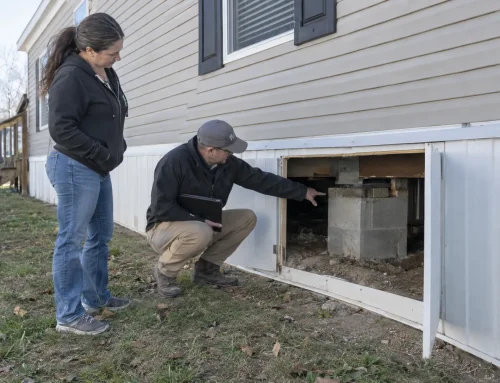
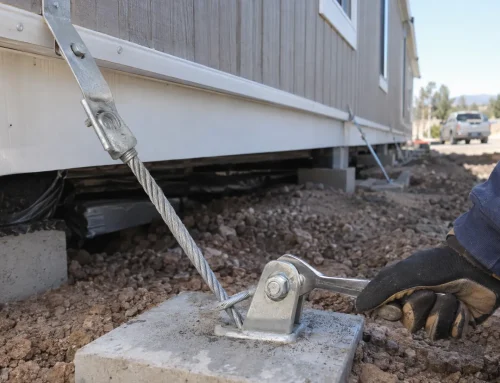
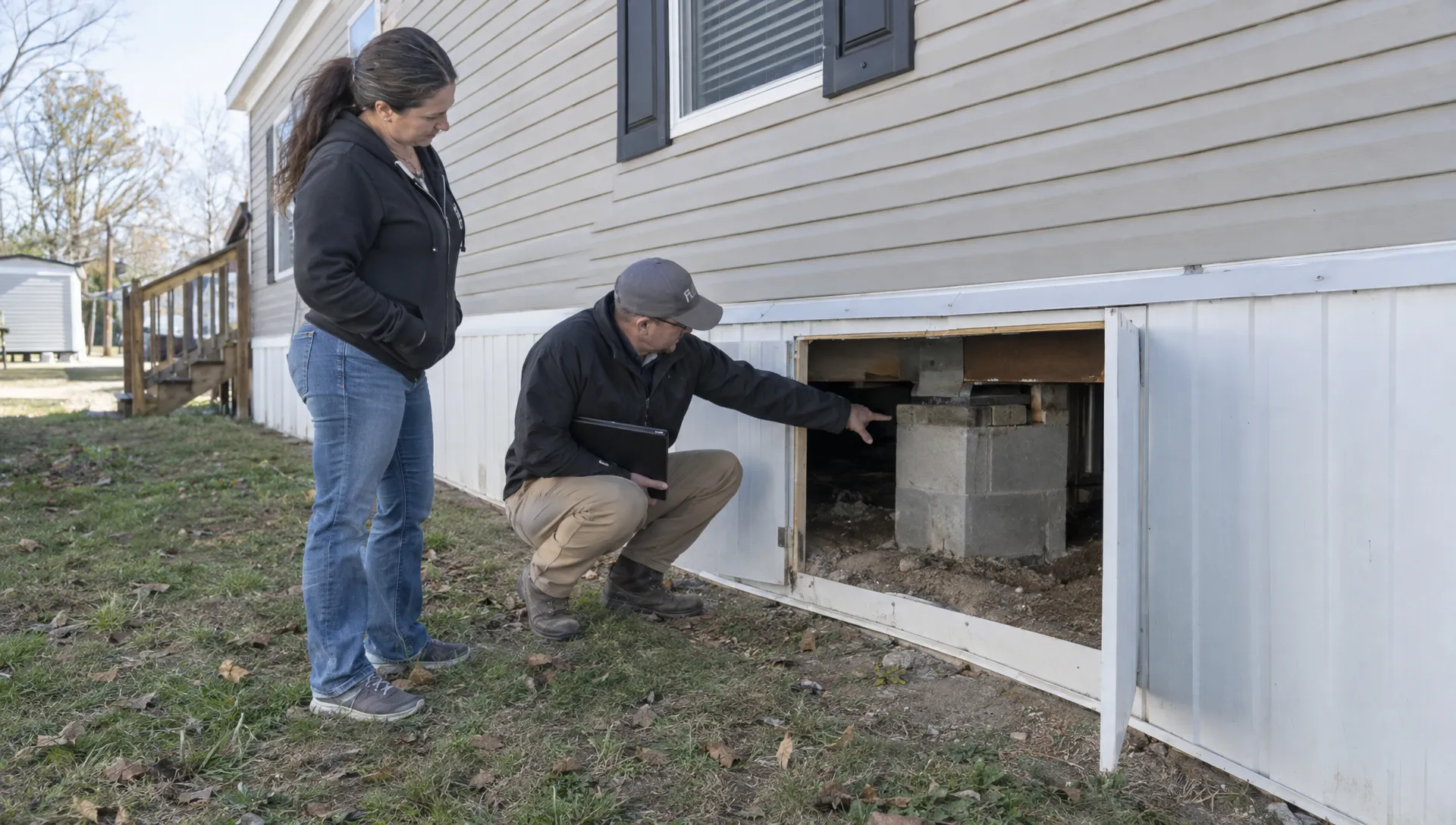
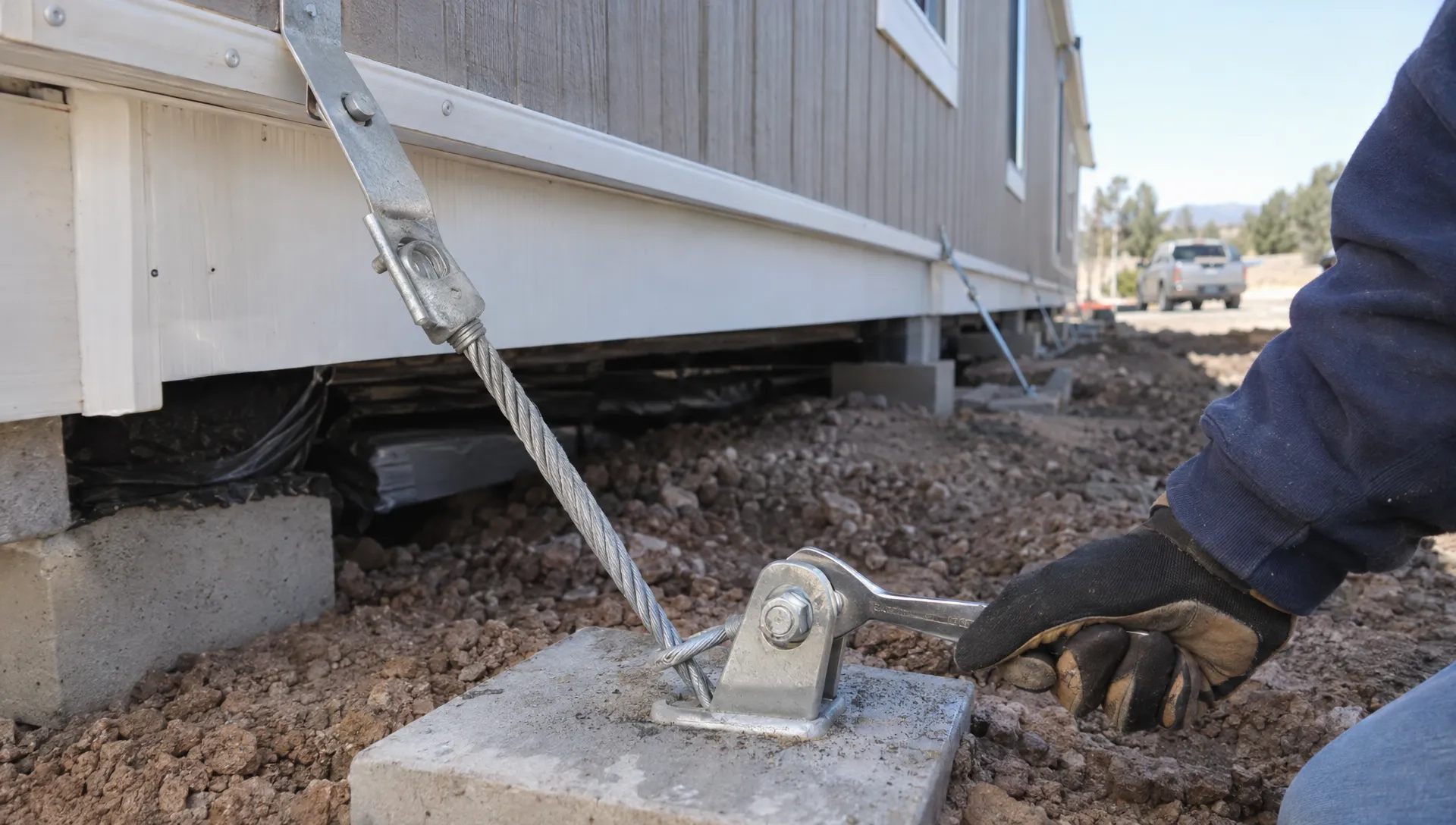
That said, buyers should still inspect carefully. Ask about warranties, roof condition, HVAC age, skirting, plumbing, tie-downs, drainage, and any past repairs. If the home is pre-owned, get as much documentation as possible. If it is new, understand what is covered and who to contact if a warranty issue appears.
Mobile homes can support first-time buyers
First-time buyers often face the toughest affordability challenges. They may have limited savings, shorter credit history, student loans, young children, or unstable rent increases. A mobile home can provide a realistic starting point because it may lower the barrier to ownership.
It also gives buyers a chance to learn homeownership in a more manageable way. You still need to budget, maintain the home, understand financing, and plan for long-term costs. But the overall financial commitment may be less intimidating than jumping straight into a higher-priced site-built home.
For some buyers, a mobile home is a long-term residence. For others, it is a stepping stone that allows them to build stability and savings before making another housing move later.
How to decide if a mobile home is the right budget move
The benefits are real, but the best choice depends on your specific numbers. Before you decide, compare the total cost of a mobile home with renting, buying a site-built home, or staying where you are.
A simple decision framework can help:
| Question | Why it matters |
|---|---|
| How long do I plan to stay? | Longer timelines can make ownership costs easier to justify. |
| Do I want a community or private land? | The choice affects monthly cost, control, and responsibilities. |
| What monthly payment is truly comfortable? | Affordable means sustainable, not just approved by a lender. |
| What savings will I keep after moving? | A home should not leave you with no emergency cushion. |
| What repairs or setup costs are likely? | Delivery, installation, utilities, and maintenance can affect the budget. |
| Does the layout fit my daily life? | The best deal is not useful if the home does not work for your household. |
The smartest buyers do not shop by price alone. They shop by total value, monthly comfort, location, financing fit, and long-term livability.
Budget traps to avoid
A mobile home can be a smart financial move, but only if you avoid common mistakes. The biggest trap is focusing only on the lowest advertised price without asking what is included.
Before signing anything, clarify delivery, setup, taxes, fees, insurance, utility connections, skirting, steps, permits, lot rent, community rules, and lender requirements. Also avoid stretching your budget to the maximum approval amount. A payment that looks possible on paper can become stressful when utilities, groceries, gas, medical bills, and emergencies are included.
Finally, do not skip the details because the home feels affordable. Budget-conscious does not mean rushed. It means careful, informed, and realistic.
Frequently Asked Questions
What are the biggest benefits of a mobile home for budget-conscious buyers? The biggest benefits include a lower purchase price, potentially lower monthly payments, efficient floor plans, flexible financing paths, faster move-in options, and access to community living without immediately buying land.
Is a mobile home cheaper than renting? It can be, but not always. Compare the full monthly cost, including the home payment, lot rent if applicable, utilities, insurance, taxes, and maintenance. Ownership may also help build long-term stability, while renting may offer more flexibility.
Are modern mobile homes energy efficient? Many newer manufactured homes include energy-efficient features, but efficiency varies by model and specifications. Ask about insulation, windows, HVAC, appliances, and utility estimates before buying.
Can first-time buyers finance a mobile home? Yes, many first-time buyers explore manufactured home financing. Loan options depend on credit, income, the home, whether land is included, and lender requirements. Some buyers may also explore FHA options if the home and site qualify.
Should I buy a mobile home in a community or put one on private land? A community may lower upfront land costs and offer a neighborhood setting, while private land may provide more control and long-term flexibility. The right choice depends on your budget, lifestyle, and ownership goals.
A smarter path to affordable homeownership in San Antonio
If you are trying to buy wisely, the benefits of a mobile home are worth a serious look. The right manufactured home can offer comfort, modern design, manageable costs, and a more realistic path to ownership.
Homes2Go San Antonio helps buyers explore affordable manufactured and mobile homes with guidance throughout the process, including model selection and financing conversations. If you are ready to compare options, visit Homes2Go San Antonio and start looking for a home that fits your budget and your life.
 Double Wide Mobile Homes: Costs, Layouts, and Best Uses
 Double Wide Homes: Why More Buyers Choose Them