
A Fleetwood Homes warranty can be one of the most reassuring parts of buying a new manufactured home, but only if you understand what it actually says. For San Antonio buyers, the key is to separate manufacturer coverage from installer responsibilities, appliance warranties, lender requirements and normal homeowner maintenance.
Warranty details can vary by model, retailer, purchase agreement and state requirements, so the written documents matter more than any verbal summary. Use this guide to know what to request, what to ask and how to protect yourself before and after move-in.
What a Fleetwood Homes Warranty Usually Means for Buyers
A Fleetwood Homes warranty is generally a limited written warranty tied to a new manufactured home. It is not the same thing as insurance, a service contract or a promise that every future repair will be free. Instead, it usually explains which defects may be covered, how long coverage lasts, who handles claims and what the homeowner must do to keep coverage valid.
For new home buyers, the most important word is “limited.” A limited warranty can still be valuable, but it will have conditions, deadlines and exclusions. It may cover certain defects in materials or workmanship that existed because of the manufacturing process, but it may not cover problems caused by site preparation, improper maintenance, severe weather, owner modifications or normal wear after move-in.
This is why you should review the warranty before signing final paperwork. If you are comparing brands or models, ask for a sample warranty packet and compare it with the purchase agreement. The best time to clarify responsibility is before delivery, setup and closing, not after a repair issue appears.
Warranty Documents New Buyers Should Collect
Your Fleetwood Homes warranty should be part of a larger folder of ownership documents. Manufactured homes involve several parties, including the manufacturer, retailer, transporter, installer, lender, insurance provider and sometimes a land-lease community. Each party may be responsible for different parts of the process.
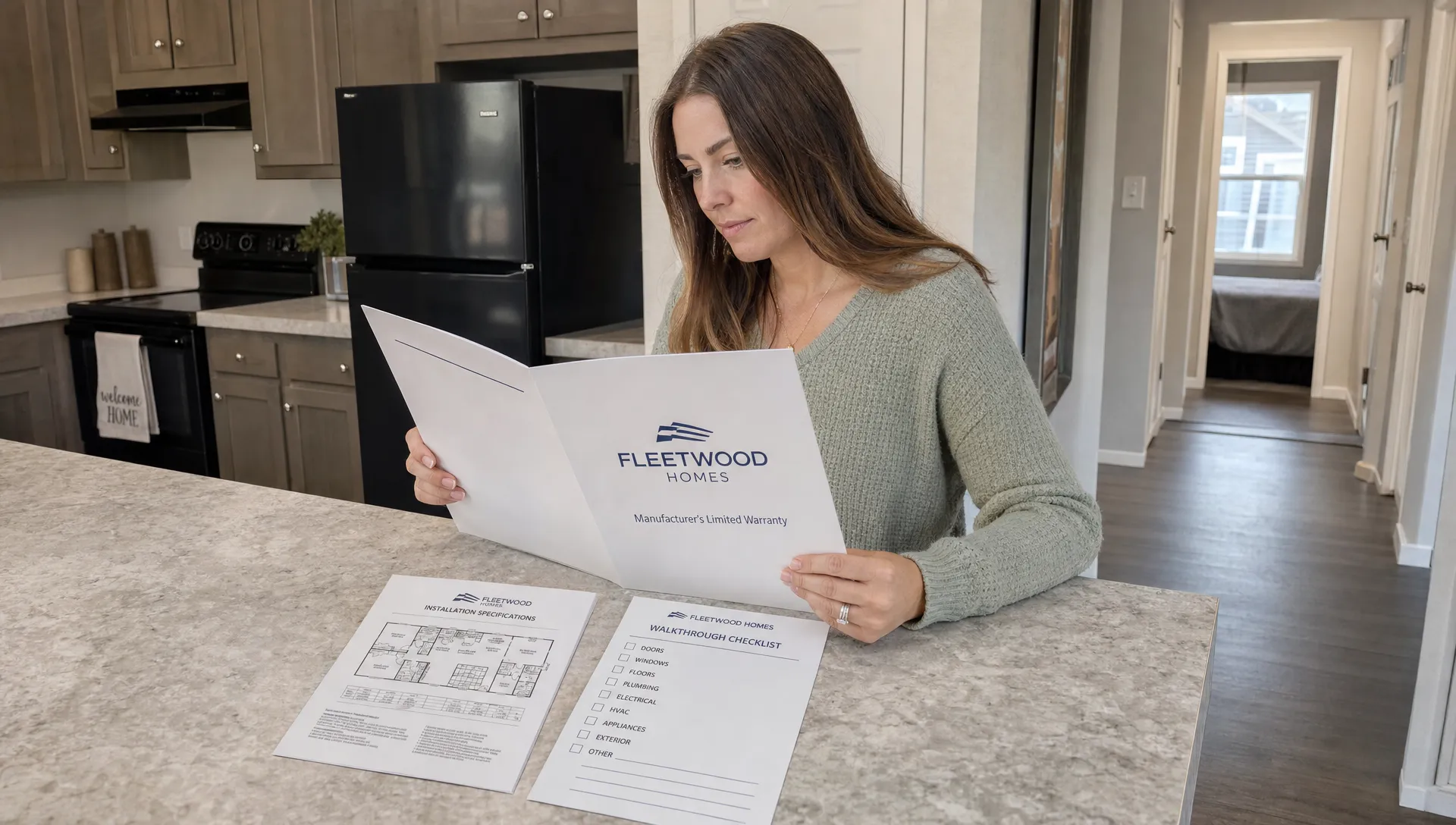
At minimum, ask for a complete buyer packet that includes the manufacturer warranty, appliance manuals, installation documents, purchase agreement, financing disclosures and any community rules that affect home placement or maintenance. Keep digital copies and printed copies in a safe place.
| Document | What it helps confirm | Why it matters |
|---|---|---|
| Manufacturer limited warranty | Covered components, claim process and time limits | Shows what the manufacturer may repair or replace |
| Appliance warranty cards | Coverage from appliance makers | Appliances may have separate claim channels |
| Installation paperwork | Setup date, installer information and site work notes | Helps separate factory issues from setup issues |
| Purchase agreement | Included options, upgrades and delivery terms | Confirms what you actually bought |
| Walkthrough checklist | Condition at delivery or move-in | Creates a record of visible issues |
| HUD labels and data plate | Manufactured home identity and specifications | Often needed for financing, insurance and resale |
A careful inspection also supports warranty protection. Homes2Go has a practical mobile home inspection checklist for Texas buyers that can help you document condition before move-in and avoid missing visible issues.
What May Be Covered, and What Is Usually Excluded
A written Fleetwood Homes warranty may address defects related to factory materials or workmanship, but you should not assume every component is covered the same way. Coverage can differ for structural elements, plumbing, electrical systems, heating and cooling components, cabinetry, flooring, windows, doors and cosmetic finishes.
Some items may be handled directly by third-party suppliers. For example, a refrigerator, range, water heater or HVAC component may come with its own manufacturer warranty. In those cases, your home warranty documents may tell you whether to contact the home retailer, Fleetwood, the appliance maker or an authorized service provider.
Common exclusions often include normal wear, owner damage, cosmetic issues not noted during the walkthrough, failure to maintain the home, unauthorized alterations, pests, storm damage, drainage problems and issues caused by improper site conditions. Transport or setup concerns may fall under a separate installer or retailer responsibility, depending on the contract.
The safest approach is to ask direct questions in writing. If a sales consultant says something is covered, ask where that promise appears in the documents. If it is not in writing, do not rely on it as part of your ownership plan.
Why Installation and Site Conditions Matter
Manufactured homes are built to the federal HUD Code, which sets national construction and safety standards for manufactured housing. HUD explains the manufactured housing program through its Office of Manufactured Housing Programs, but HUD construction standards are not the same thing as a manufacturer warranty.
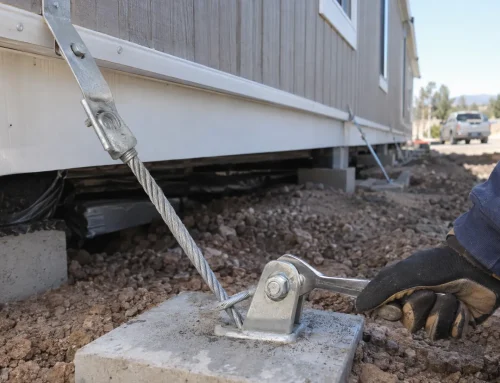
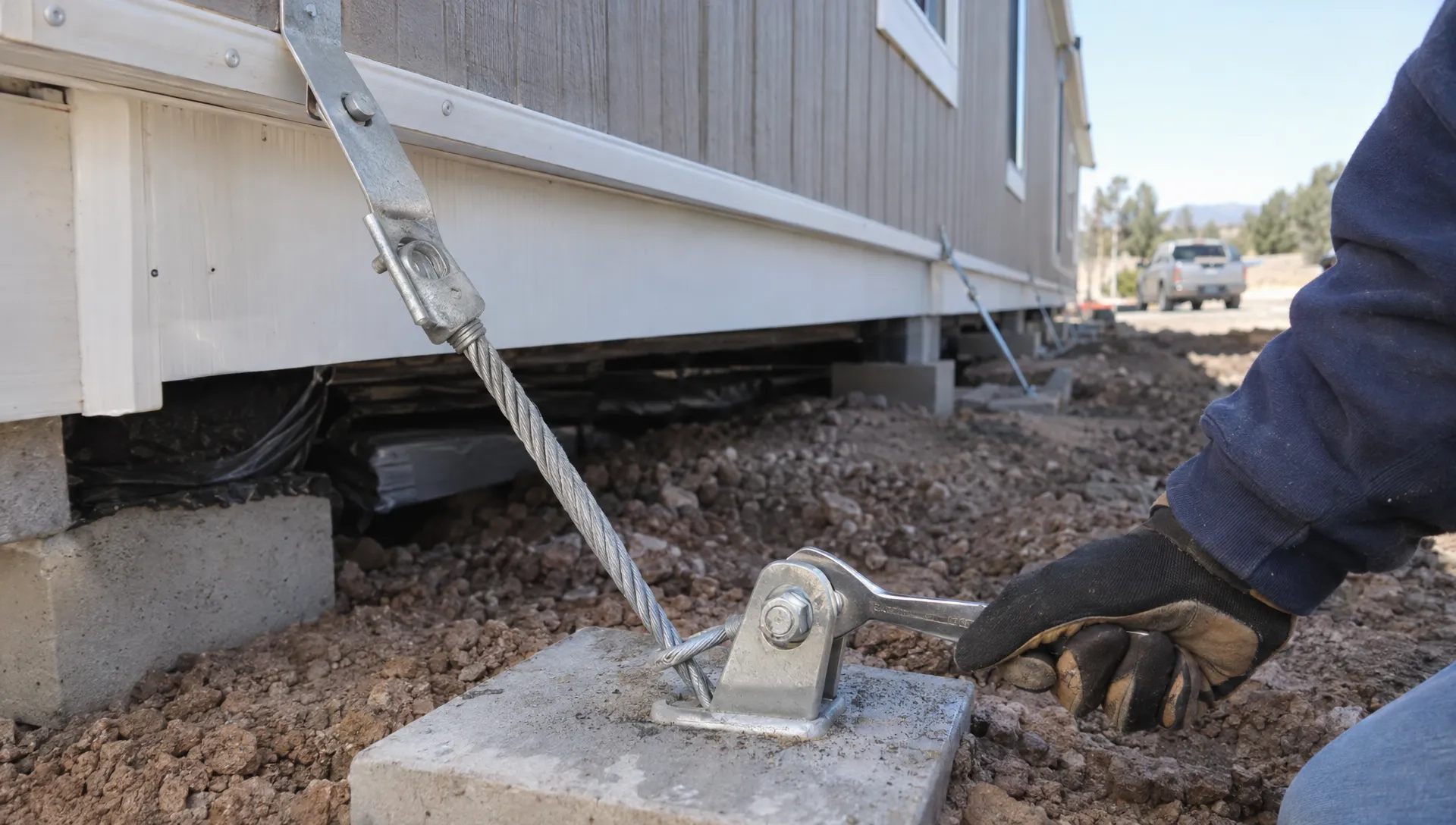
In Texas, setup and related manufactured housing matters are regulated through the Texas Department of Housing and Community Affairs Manufactured Housing Division. For buyers, this matters because site preparation, anchoring, drainage, utility connections and foundation work can affect performance after move-in.
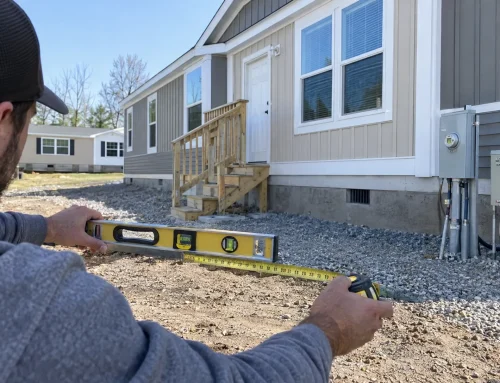
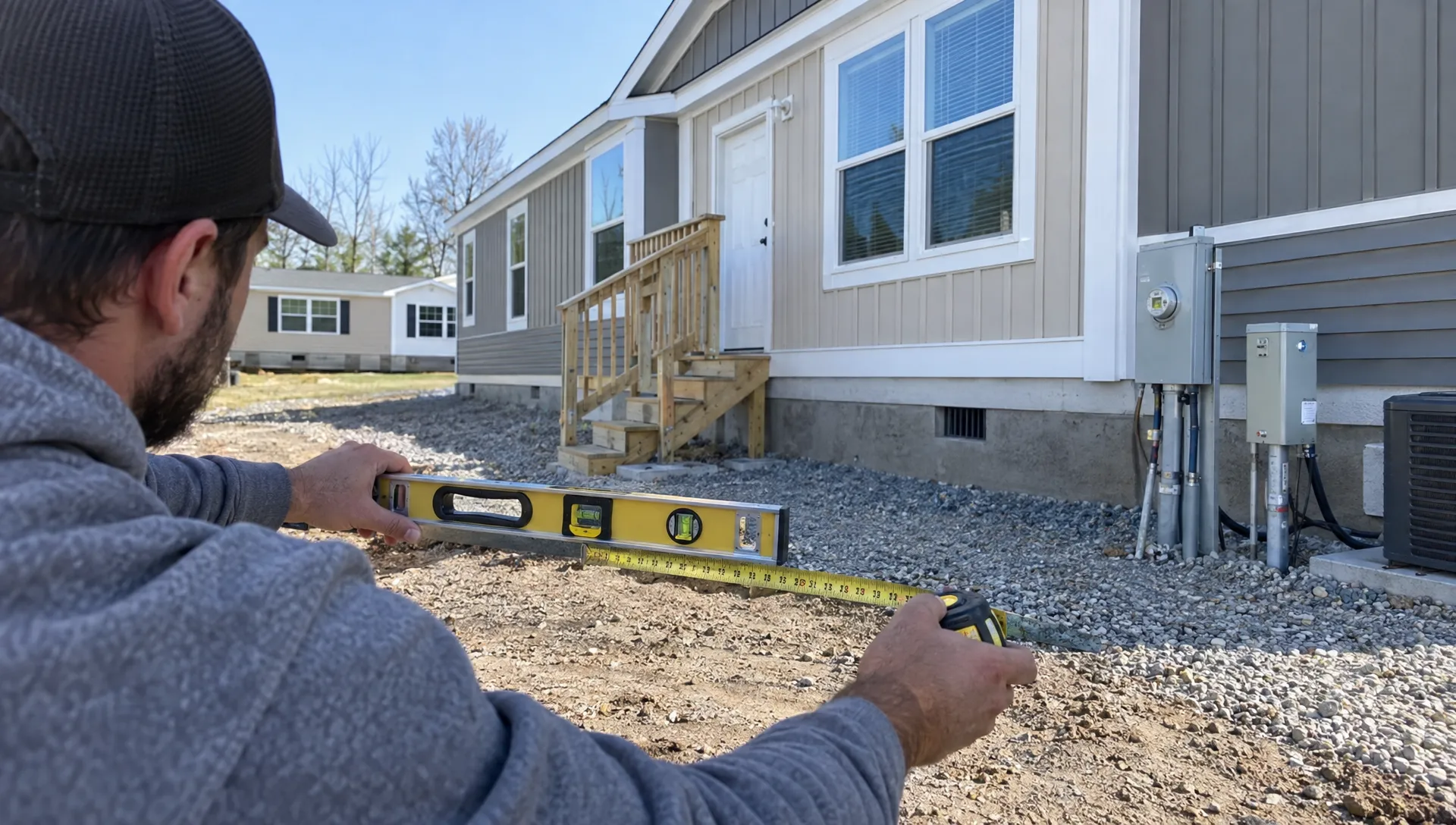
A well-built home can still develop issues if water drains toward the home, skirting blocks needed ventilation, the home is not properly leveled or utilities are connected incorrectly. Those conditions may not be treated as factory defects. Before closing, ask who is responsible for site readiness, who performs the installation and what paperwork you will receive after setup.
Fleetwood Homes Warranty Questions to Ask Before You Buy
Before you commit to a home, use the Fleetwood Homes warranty as a conversation guide. A good retailer should be able to explain what the written documents say, what they do not say and which issues are handled by other parties.
Ask these questions before signing final paperwork:
- What is the exact warranty term for this model and when does it start?
- Which parts of the home are covered by the manufacturer and which are covered by suppliers?
- Are cosmetic items covered only if they are noted during the walkthrough?
- Who handles warranty claims after move-in, the retailer, manufacturer or a third-party service provider?
- What maintenance tasks must I perform to keep coverage valid?
- How do I submit a claim and what documentation is required?
- What issues are considered installation, site or homeowner maintenance problems?
- Are there separate warranties for appliances, HVAC equipment or installed options?
- What happens if I move the home later?
- Can I get every warranty document before closing?
Take notes during these conversations and keep email confirmations. You do not need to be difficult or suspicious, but you do need a clear record. Warranty misunderstandings often happen when a buyer assumes one company is responsible for a problem that the paperwork assigns to another party.
How to Protect Your Coverage After Move-In
A Fleetwood Homes warranty is easier to use when you create a simple documentation routine from day one. Start with a careful walkthrough, take dated photos of each room and record any visible concerns before you accept final condition. If something looks damaged, incomplete or out of alignment, report it promptly through the proper channel.
After move-in, keep a maintenance file. Save receipts for HVAC service, plumbing repairs, roof inspections, skirting work and any other maintenance that could affect warranty questions later. If the warranty requires prompt reporting, do not wait months to see whether a problem gets worse. Delayed reporting can make it harder to determine cause and responsibility.
Use written communication whenever possible. A short email with photos, your home serial number, move-in date and a clear description of the issue is easier to track than a phone call. If you do call, follow up with a written summary so there is a record of the date, issue and next step.
Homeowners should also avoid unauthorized modifications during the warranty period. Changing plumbing, electrical systems, structural supports, roof penetrations or HVAC components without proper approval may affect coverage. If you want to add a deck, carport, ramp or room attachment, ask what permits, installation standards or approvals may apply.
How Warranty Coverage Fits Into Financing and Total Cost
A warranty can lower repair anxiety, but it should not be the only factor in your buying decision. Price, floor plan, energy efficiency, installation quality, financing terms, land arrangement and insurance all affect the real cost of ownership. If you are exploring available models, this guide to new mobile homes for sale, features and pricing can help you evaluate more than the monthly payment.
For buyers using FHA financing, warranty documents are only one piece of a broader approval process. Lenders may also look at the home’s HUD labels, data plate, foundation, title status, site eligibility and whether the home meets program requirements. Homes2Go also explains FHA loan guidelines for manufactured homes in 2026 for shoppers who want a clearer view of financing rules.
The warranty should give you confidence in the home’s support structure, but it does not replace a careful budget. Set aside funds for insurance deductibles, routine maintenance, utility setup, skirting care, HVAC filters, lawn grading and minor repairs that fall outside warranty coverage.
Buyer Checklist Before Signing
Reviewing a Fleetwood Homes warranty is not complicated when you slow the process down and verify each responsibility. Bring this checklist to your appointment or use it when comparing homes online.
| Before you sign | What to do | Why it protects you |
|---|---|---|
| Ask for warranty documents | Request the full written warranty packet | Prevents relying on verbal promises |
| Compare coverage to the home | Match covered items with chosen options | Confirms upgrades and systems are addressed |
| Confirm claim process | Get phone numbers, email addresses and timelines | Helps you act quickly after move-in |
| Review exclusions | Ask about site, weather, maintenance and cosmetic limits | Shows which costs may be yours |
| Document walkthrough items | Use photos and written notes | Creates proof of condition at delivery |
| Keep installer information | Save license, setup date and completion records | Helps separate installation issues from factory issues |
| Register appliances | Follow appliance maker instructions | Protects separate manufacturer coverage |
| Save maintenance receipts | Keep service records in one folder | Supports future claims if questions arise |
If any answer feels unclear, pause and ask for clarification. A reputable retailer would rather explain the paperwork before closing than have a frustrated buyer later.
Red Flags to Watch For
Warranty review should make you feel more informed, not more confused. Be cautious if you cannot get a written warranty before closing, if the explanation changes from one conversation to the next or if you are told not to worry about exclusions because “everything is covered.” That phrase is rarely accurate.
Another red flag is unclear responsibility for installation. If one party sells the home, another transports it and another sets it up, you need to know who coordinates service if something goes wrong shortly after move-in. Clear responsibility does not guarantee that no issues will happen, but it gives you a path to resolve them.
Finally, watch for pressure to skip the walkthrough. New manufactured homes can be move-in ready and still deserve a careful final review. Doors, trim, flooring, cabinets, fixtures, appliances and exterior components should all be checked before you sign off on condition.
Frequently Asked Questions
Does a Fleetwood Homes warranty cover everything in the home? No. A limited warranty covers only what the written warranty says it covers. Appliances, installation work, site conditions and cosmetic items may have separate rules or exclusions.
When should I ask for warranty documents? Ask before signing final purchase paperwork. You should have enough time to read the warranty, understand exclusions and ask questions about the claim process.
Are appliance warranties separate from the home warranty? Often, yes. Appliances and certain components may be covered by their own manufacturers, so keep registration information, manuals and serial numbers.
Can poor site preparation affect warranty coverage? Yes. Drainage, leveling, anchoring, utility connections and ventilation can affect home performance. Problems caused by site conditions may not be treated as factory defects.
What should I do if I find a problem after move-in? Document the issue with photos, review your warranty instructions and report it promptly through the correct claim channel. Keep copies of every message and service note.
Get Clear Warranty Guidance Before You Buy
A new manufactured home is a major decision, and the warranty should help you buy with confidence rather than confusion. Homes2Go San Antonio helps buyers compare home models, review floor plans, understand financing options and ask the right questions before move-in.
If you are considering a Fleetwood home or comparing it with other manufactured home brands, visit Homes2Go San Antonio to explore available options and get local guidance from a team that understands the San Antonio market.
 Buying a Mobile Home From an Owner Without Costly Mistakes
 Double Wide Land-Home Packages: Costs and Buying Steps