
When you shop for a home in San Antonio, the monthly payment is only one part of affordability. Cooling costs, hot rooms, drafty windows, and an overworked HVAC system can all affect how comfortable and affordable the home feels after move-in.
That is why many buyers are searching for Energy Star modular homes. The idea is simple: choose a factory-built home designed to use less energy, stay more comfortable, and support lower utility bills over time. The details matter, though. ENERGY STAR is a specific certification, not just a marketing phrase, and not every home with efficient features is fully certified.
Below, we will break down what ENERGY STAR means, how it applies to modular and manufactured homes, which features matter most in the Texas heat, and what San Antonio buyers should ask before choosing a model.
What does ENERGY STAR mean for a modular home?
ENERGY STAR is a program from the U.S. Environmental Protection Agency that identifies homes and products meeting defined energy-efficiency standards. For homes, certification focuses on the whole building system, not just one appliance or one upgrade.
According to the EPA, ENERGY STAR certified new homes are built and verified to deliver better energy performance, comfort, and quality than standard construction. The certification process may include requirements around insulation, air sealing, windows, HVAC performance, ductwork, ventilation, and independent verification.
The key point for buyers is this: a home can have ENERGY STAR appliances without being an ENERGY STAR certified home. If the entire home is certified, there should be documentation to prove it.
Factory-built housing terms can also get confusing. Many buyers use “modular,” “mobile,” and “manufactured” interchangeably, but they are not the same from a code and financing standpoint.
| Term | What it generally means | Why it matters when shopping |
|---|---|---|
| Modular home | Built in sections in a factory, then assembled on site, usually to state and local building codes | May qualify for ENERGY STAR certification when built and verified under the correct program |
| Manufactured home | Built in a factory to the federal HUD Code, then transported to a site or community | Modern manufactured homes can include strong energy-efficient features, and some may qualify for ENERGY STAR certification if built to the program requirements |
| Mobile home | Often used casually, but technically refers to factory-built homes produced before the federal HUD Code took effect in 1976 | Important for financing, insurance, condition, and code expectations |
| ENERGY STAR certified home | A home verified to meet ENERGY STAR home requirements, not just a home with efficient appliances | Gives buyers a clearer standard to compare efficiency claims |
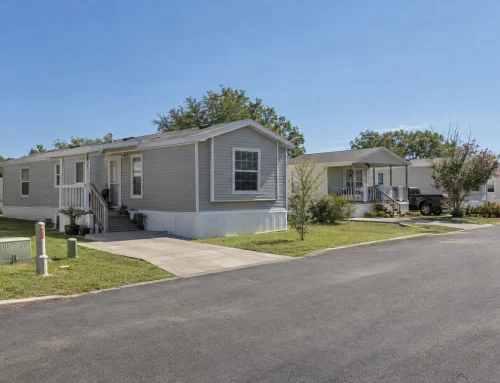
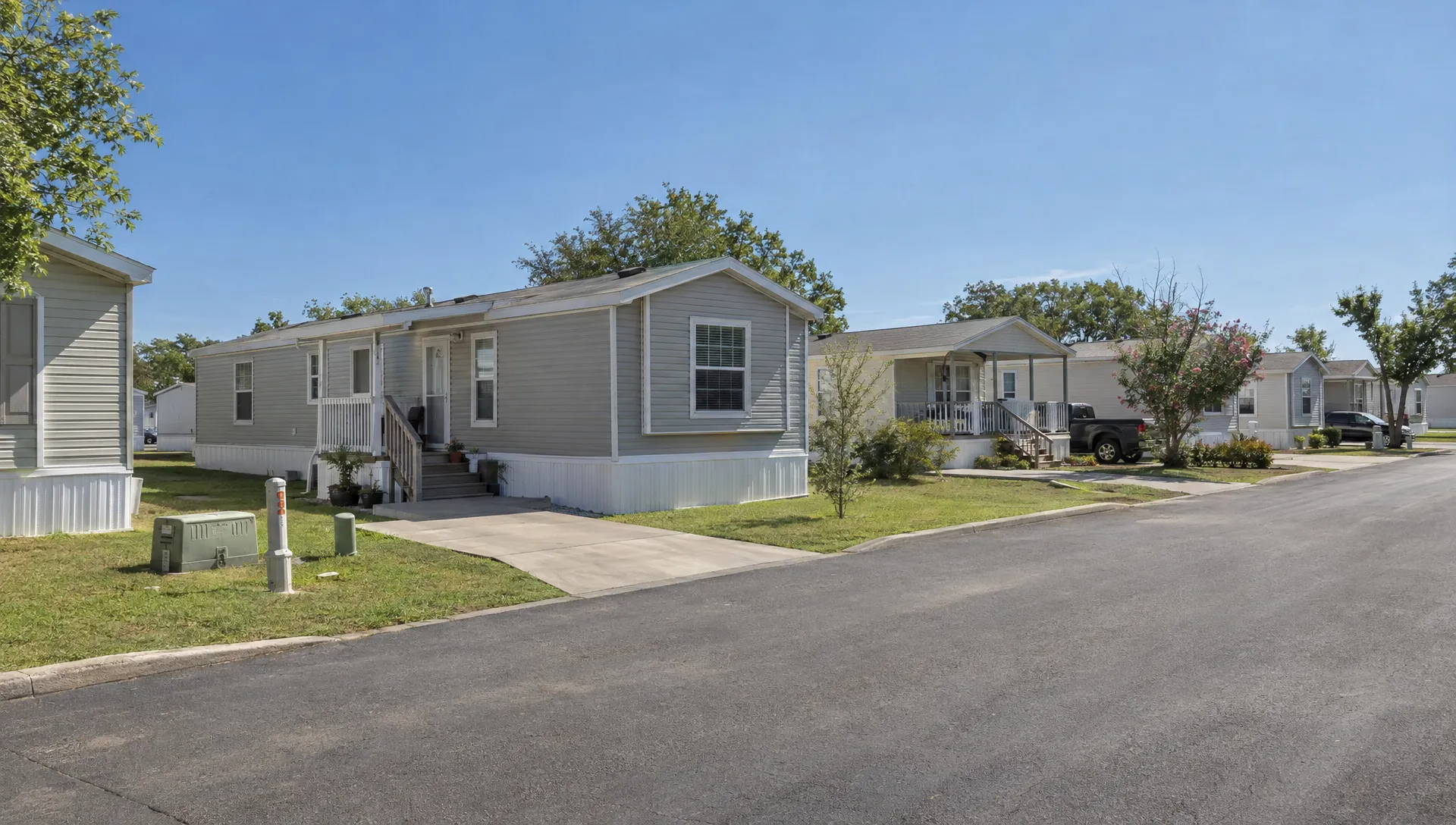
Homes2Go San Antonio focuses on helping buyers find affordable manufactured and mobile home options, including energy-efficient designs. If you are searching for Energy Star modular homes because you want a factory-built home with lower operating costs, the same buying questions can help you compare manufactured home models more confidently.
Why ENERGY STAR features matter in San Antonio
San Antonio buyers do not need a reminder that summers are hot. Long cooling seasons put real pressure on utility bills and comfort. A home that looks affordable on paper can feel expensive if the air conditioner runs constantly, bedrooms stay warm, or humidity is hard to control.
ENERGY STAR features help by reducing the amount of heat that enters the home, limiting air leaks, and improving the way heating and cooling equipment performs. In practical terms, that can mean fewer hot spots, steadier indoor temperatures, and less strain on the HVAC system.
Comfort is especially important in factory-built homes because installation, site orientation, skirting, duct sealing, and window exposure can all affect performance. A well-designed home placed in full afternoon sun with poor shade may still work harder than expected. A good home selection process should consider both the model and the site.
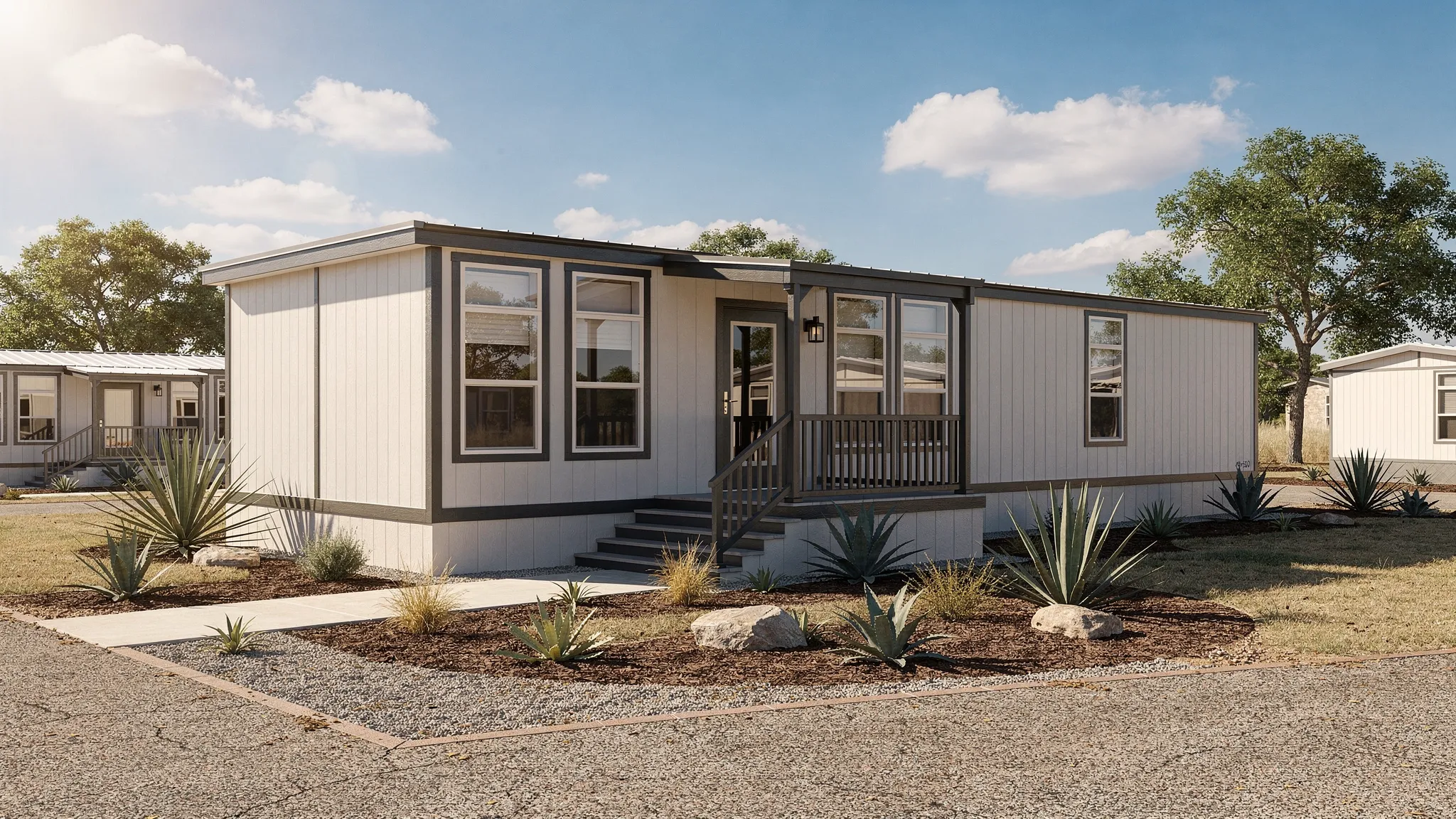
The features that make the biggest difference
Energy efficiency is not one upgrade. It is a package of details that work together. When comparing Energy Star modular homes or energy-efficient manufactured homes, focus on the systems that affect cooling, air movement, and comfort every day.
| Feature | What to look for | Why it matters in Texas heat |
|---|---|---|
| Insulation | Strong roof, wall, and floor insulation for the home’s climate needs | Slows heat gain and helps rooms stay more consistent |
| Air sealing | Tight construction around penetrations, doors, windows, and utility openings | Reduces drafts, dust entry, and cooled-air loss |
| Efficient windows | Low-E glass, double-pane construction, and a solar heat gain rating suited for hot climates | Helps limit radiant heat from direct sun |
| HVAC sizing | Properly sized equipment based on the home, not guesswork | Oversized systems can short-cycle, while undersized systems struggle in peak heat |
| Duct design and sealing | Sealed, protected ducts with efficient airflow | Leaky ducts can waste cooled air before it reaches the room |
| Ventilation | Mechanical ventilation or a fresh-air strategy that matches the home’s design | Supports indoor air quality in tighter homes |
| Shading and orientation | Smart placement, porch coverage, trees, awnings, or shaded exposures | Reduces afternoon heat gain and improves comfort |
Windows deserve special attention in South Texas. ENERGY STAR’s guidance for windows, doors, and skylights highlights that performance ratings vary by climate zone. In San Antonio, buyers should pay attention to windows that reduce solar heat gain, especially on west-facing walls.
HVAC is another major factor. A higher-efficiency system can help, but efficiency ratings alone do not guarantee comfort. The system must be properly sized, installed, and paired with sealed ductwork. The ENERGY STAR heating and cooling program explains why correct installation and maintenance are essential for performance.
ENERGY STAR certified home vs. energy-efficient home
A home can be energy-efficient without carrying ENERGY STAR certification. That does not make it a bad choice. It just means you should know what you are buying and how the claims are supported.
Some models may include upgraded insulation, efficient appliances, improved windows, or modern HVAC equipment. Those features can be valuable, especially when you are trying to manage San Antonio cooling costs. But if a seller says a home is “Energy Star” or “ENERGY STAR rated,” ask whether the full home is certified or whether only certain components are ENERGY STAR labeled.
Here is a simple way to compare the language you may hear while shopping.
| Claim | What it may mean | What to ask next |
|---|---|---|
| ENERGY STAR certified home | The whole home is certified under ENERGY STAR requirements | Can I see the certificate, label, or verification documents? |
| ENERGY STAR appliances | One or more appliances meet ENERGY STAR product standards | Which appliances are included, and is the home itself certified? |
| Energy-efficient package | The builder included certain efficiency upgrades | What are the insulation, window, HVAC, and duct specifications? |
| Solar-ready or eco-friendly | The home may support future solar or include selected green features | How will this reduce my monthly utility use today? |
| High-efficiency HVAC | The equipment has better efficiency ratings | Was the system sized for this floor plan and installed with sealed ducts? |
The strongest buying position is not just choosing the greenest-sounding model. It is getting clear documentation, comparing specifications, and understanding how the home will perform on your actual site or lot.
How to verify an ENERGY STAR home before you buy
Before you commit to a model, ask direct questions. A reputable seller should be comfortable explaining what is included, what is optional, and what documentation is available.
Start with the certification itself. If the entire home is ENERGY STAR certified, ask for written proof. This may include a certificate, label, builder documentation, or third-party verification details. If the seller only has appliance labels, treat the home as having ENERGY STAR products, not necessarily full-home certification.
Next, request the home’s specifications. For San Antonio buyers, the most useful details often include insulation levels, window ratings, HVAC equipment information, duct design, and ventilation approach. If you are comparing multiple homes, place the specifications side by side instead of relying on general descriptions.
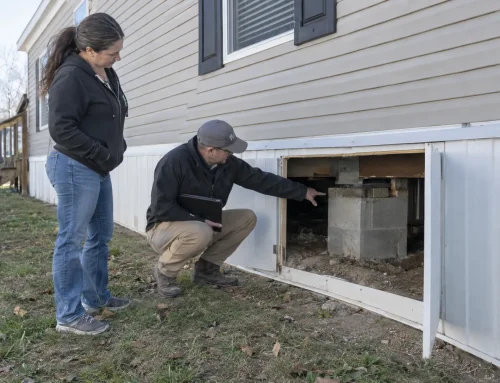
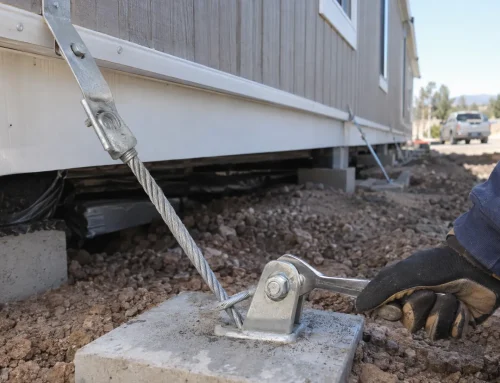
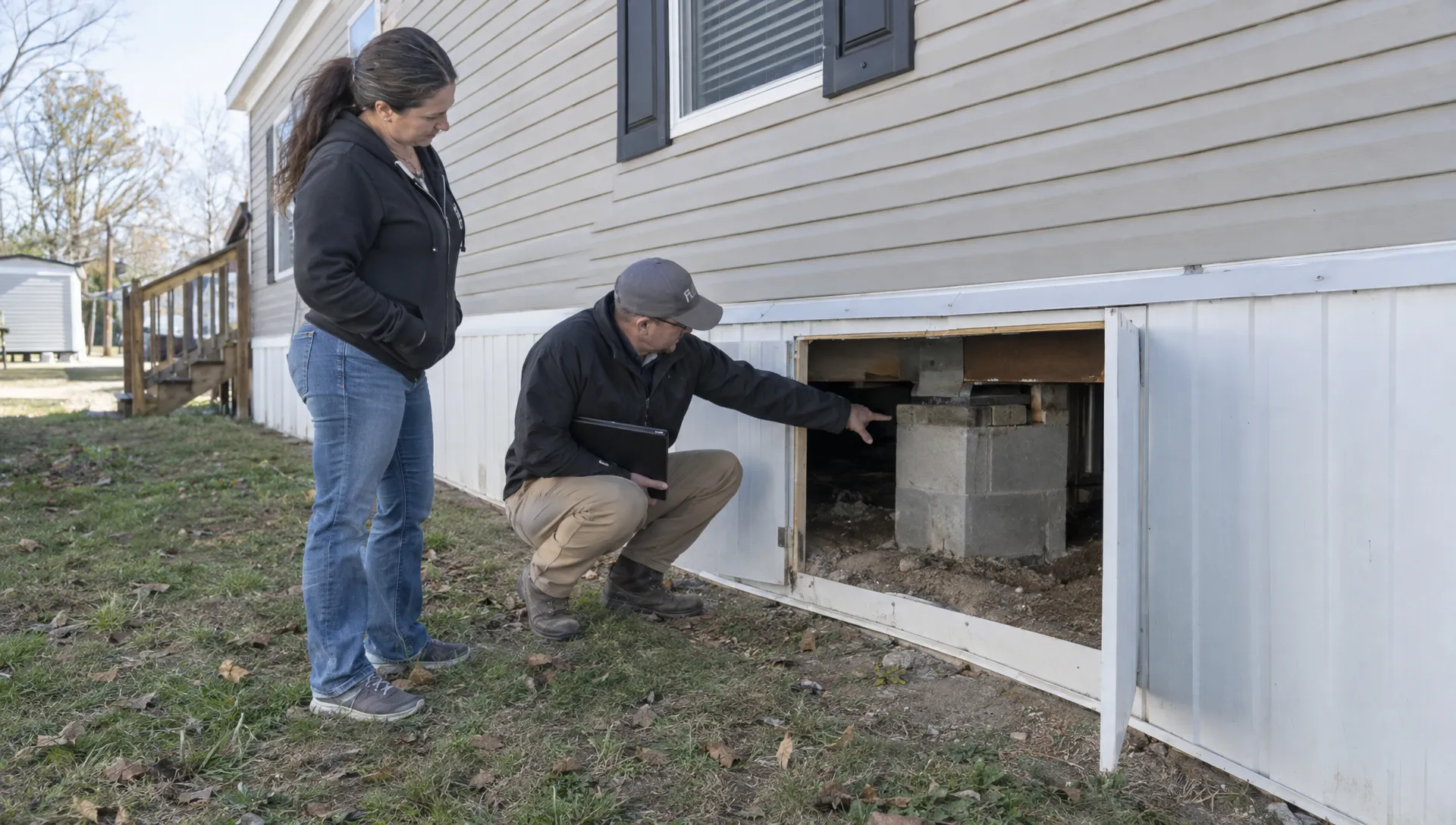
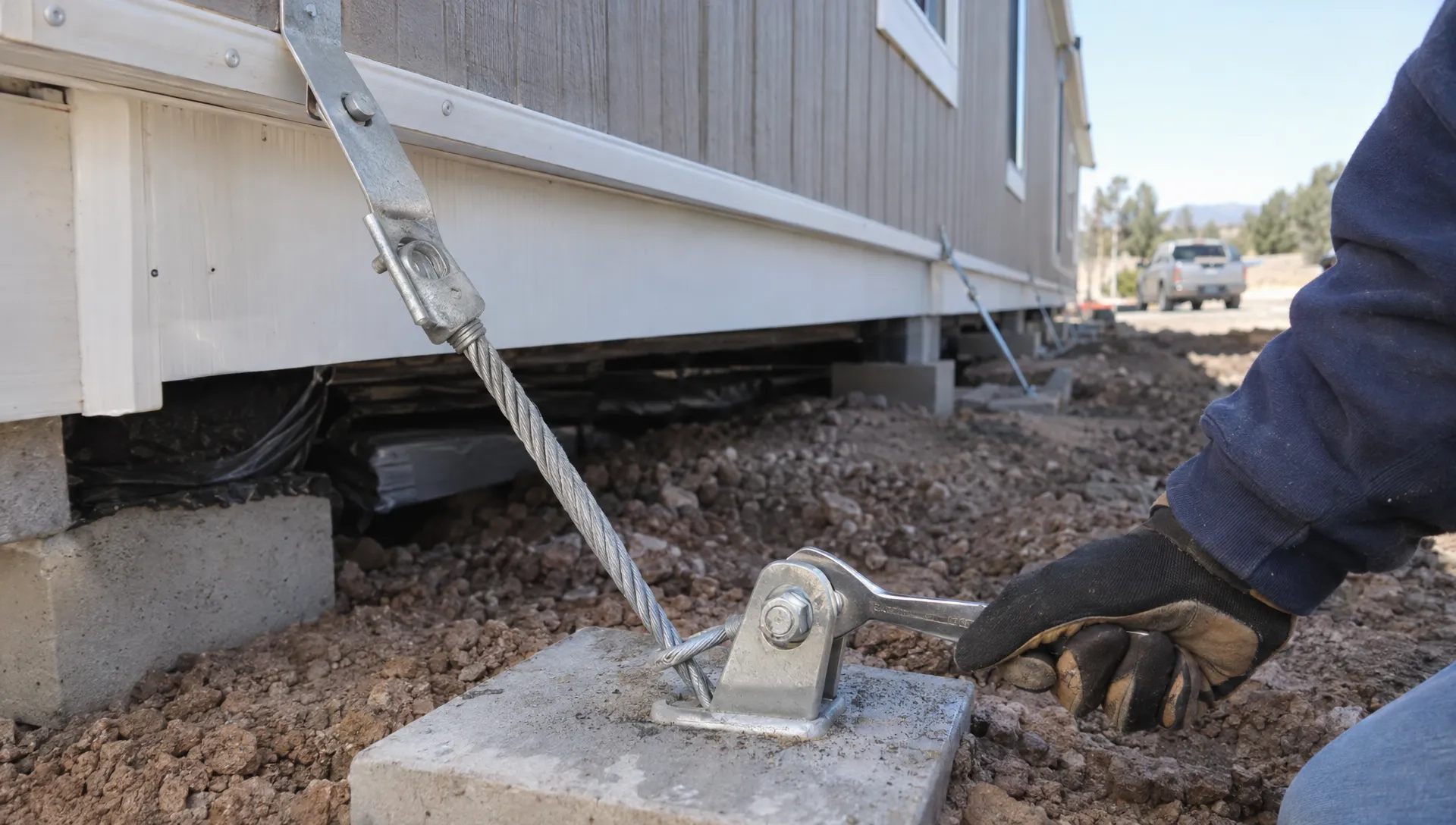
Finally, ask about installation. A strong factory-built home can lose performance if site work is rushed or details are missed. Proper setup, utility connections, skirting, drainage, and sealing around openings all affect comfort and long-term durability.
The U.S. Department of Energy’s air sealing guidance notes that reducing uncontrolled air leaks can improve comfort and reduce energy waste. That principle applies to both site-built and factory-built homes.
Lower bills start with total monthly cost
Energy Star modular homes are attractive because they can reduce operating costs, but buyers should look at the full monthly picture. A slightly higher purchase price may be worth it if the home helps reduce utility bills and improve comfort. On the other hand, an upgrade only makes sense if it fits your budget and lifestyle.
Use this simple formula when comparing homes:
Home payment + land or lot cost + taxes + insurance + estimated utilities + maintenance = real monthly cost
This approach is especially helpful for first-time buyers. The lowest sticker price is not always the lowest-cost home to live in. A better-insulated home with efficient cooling may be easier to afford month after month than a cheaper model that struggles during the summer.
For buyers considering manufactured housing, financing structure also matters. Chattel loans, land-home financing, FHA, VA, USDA, and conventional options can work differently depending on the home, land, credit profile, and eligibility. Homes2Go San Antonio offers guidance through the process and works with trusted local lenders. You can review available paths on the Homes2Go financing page.
Common mistakes to avoid
Many buyers want lower bills, but they do not always ask the questions that reveal true efficiency. Avoid these common mistakes when comparing Energy Star modular homes or energy-efficient manufactured homes.
- Assuming ENERGY STAR appliances mean the whole home is ENERGY STAR certified.
- Comparing only the purchase price and ignoring estimated utility costs.
- Choosing HVAC equipment based only on brand or size instead of proper sizing and installation.
- Forgetting that site orientation, shade, drainage, and setup can affect comfort.
- Skipping written documentation for efficiency claims, included upgrades, and warranty details.
A good home-buying conversation should include both floor plan questions and performance questions. Square footage, bedroom count, and finishes matter, but so do the systems behind the walls.
What San Antonio buyers should ask while touring homes
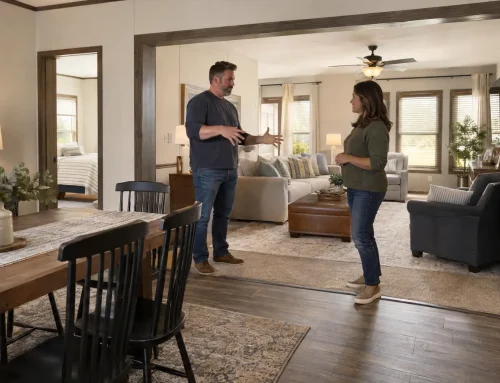
When you tour a home, bring a short list of questions. This keeps the conversation practical and helps you compare models fairly.
| Question | Why it matters |
|---|---|
| Is the entire home ENERGY STAR certified, or are only certain products ENERGY STAR rated? | Clarifies whether you are getting full-home certification or selected efficient components |
| What insulation package is included? | Helps you understand how well the home resists heat gain |
| What type of windows are installed? | Window performance has a major impact in sunny, hot climates |
| What HVAC system is included, and how is it sized? | Comfort depends on proper equipment selection and installation |
| Are ducts sealed and protected? | Duct leakage can reduce efficiency and comfort |
| Can I see detailed floor plans and specifications? | Makes it easier to compare homes and financing options |
| How will this home perform in a community lot versus private land? | Site conditions can affect installation, comfort, and total cost |
Homes2Go San Antonio can help buyers compare floor plans, modern interiors, energy-efficient designs, and move-in ready options. If you are still deciding between a community and private land, you may also want to review the local guide to manufactured homes in San Antonio.
Are Energy Star modular homes worth it?
For many buyers, yes, especially when comfort and monthly costs are priorities. The value comes from the combination of lower energy use, better temperature control, and added confidence that the home was designed around recognized efficiency standards.
That said, the best choice depends on your budget, financing, floor plan needs, and where the home will be placed. A certified home with poor site planning may not feel as efficient as expected. A non-certified manufactured home with strong insulation, good windows, and a properly installed HVAC system may still be a smart choice if it fits your needs and budget.
The goal is not to chase a label blindly. The goal is to understand what the label means, verify the details, and choose a home that will feel good to live in through San Antonio’s hottest months.
Frequently Asked Questions
Are all modular homes ENERGY STAR certified? No. Modular construction and ENERGY STAR certification are separate things. A modular home must be built and verified to ENERGY STAR requirements to be considered certified.
Can manufactured homes be ENERGY STAR certified? Yes, certain manufactured homes can be built to ENERGY STAR requirements when the manufacturer, design, and verification process meet the program standards. Buyers should ask for documentation rather than relying on verbal claims.
Is an ENERGY STAR home the same as a home with ENERGY STAR appliances? No. ENERGY STAR appliances are individual products. An ENERGY STAR certified home refers to the performance of the whole home as a system.
Do ENERGY STAR modular homes cost more? They can cost more upfront depending on the builder, model, and features. The important comparison is total monthly cost, including estimated utilities, not just the purchase price.
What efficiency features matter most in San Antonio? Insulation, air sealing, low-E windows, proper HVAC sizing, sealed ducts, shade, and good installation quality are especially important for comfort in South Texas heat.
Find a more comfortable, efficient home in San Antonio
If you are looking for Energy Star modular homes because you want lower bills and better comfort, Homes2Go San Antonio can help you compare practical factory-built options for your budget. Our team offers a wide selection of home models, detailed floor plans, expert guidance, flexible financing options, and access to top home communities in the San Antonio area.
Start by comparing available manufactured home models, asking about energy-efficient designs, and reviewing financing options with a local team that understands the San Antonio market. Visit Homes2Go San Antonio to take the next step toward a home that is affordable, comfortable, and built for everyday living.
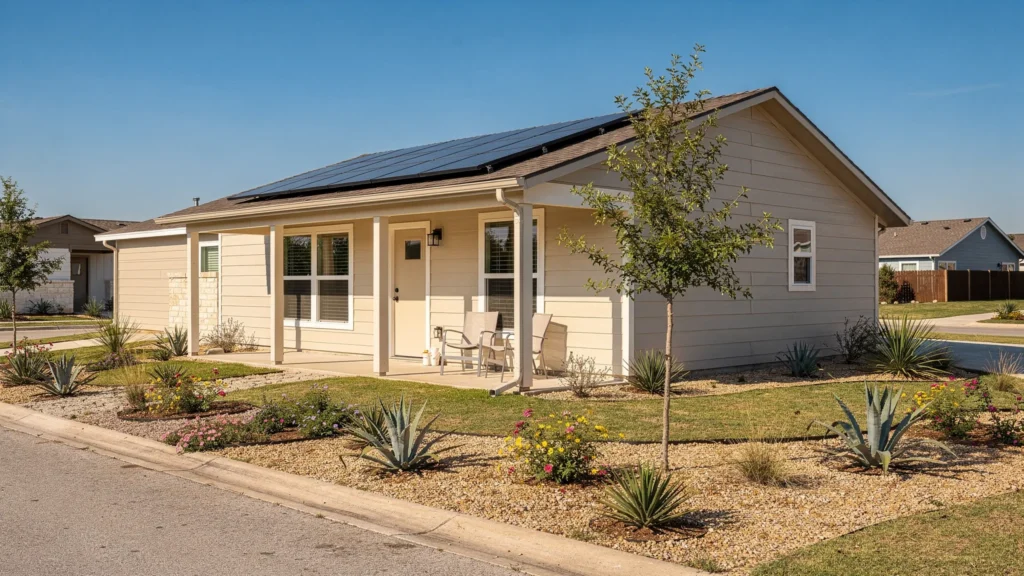 Affordable Eco Friendly Modular Homes Worth a Look
 Can You Use an FHA 203(k) Loan on a Manufactured Home?