
Rising housing costs and Texas utility bills have more buyers asking the same question: can a home be affordable, comfortable, and better for the environment? The answer is yes, but the best value is rarely found by chasing the flashiest “green” label. It comes from choosing a right-sized factory-built home with smart insulation, efficient cooling, durable materials, and a total monthly payment that still makes sense.
If you are searching for affordable eco friendly modular homes, it is also worth understanding a key distinction. Many shoppers use “modular home” to describe any factory-built home, but modular and manufactured homes are not the same. In the San Antonio area, energy-efficient manufactured homes may offer many of the comfort and affordability benefits buyers are looking for, often with more flexible placement and financing paths.
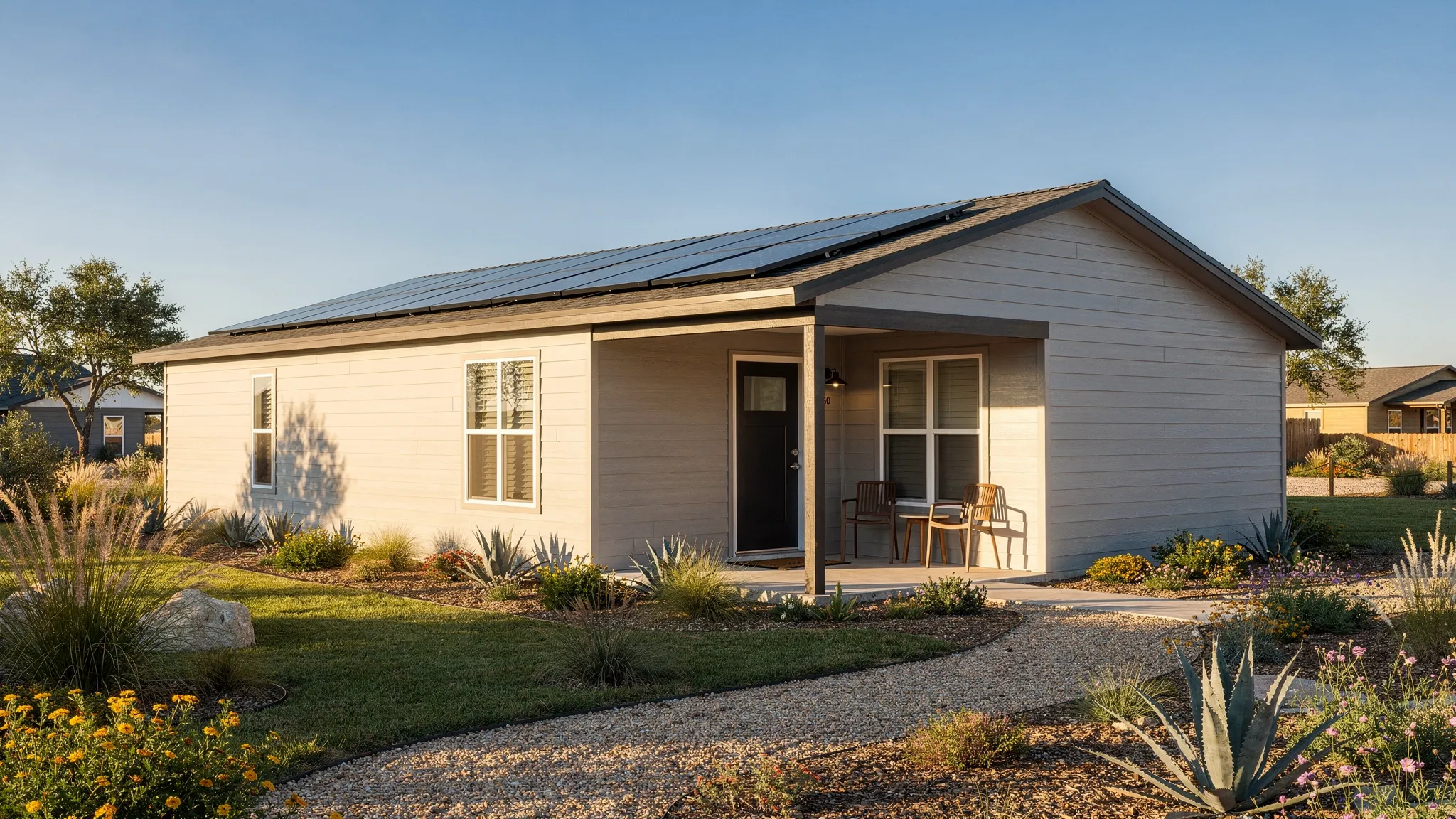
First, know what “modular” really means
A modular home is built in sections inside a factory, transported to the site, and assembled on a permanent foundation. It is generally built to the same state and local building codes as site-built homes. A manufactured home is also built in a factory, but it is constructed to the federal HUD Code, which sets standards for design, construction, durability, transportability, fire safety, and energy efficiency.
That difference matters because it affects financing, placement, permitting, inspections, and sometimes price. Homes2Go San Antonio specializes in manufactured and mobile homes, so buyers who are searching broadly for modular options may find that a modern manufactured home is the more practical and affordable route.
| Factory-built option | Built to | Common placement | Why buyers compare it |
|---|---|---|---|
| Modular home | State and local residential codes | Usually private land on a permanent foundation | Can feel similar to site-built construction with factory efficiency |
| Manufactured home | Federal HUD Code | Private land or manufactured home communities | Often more affordable with many floor plans and faster availability |
| Older mobile home | Pre-HUD Code if built before June 15, 1976 | Varies by condition, location, and local rules | Lower purchase price, but inspections and repairs are especially important |
For official background on manufactured housing standards, HUD’s manufactured housing program is a useful reference. For local buying basics, Homes2Go’s mobile homes San Antonio buyer guide explains the terminology in more detail.
Why eco-friendly factory-built homes can be affordable
Eco-friendly housing does not always mean luxury finishes, oversized solar arrays, or expensive custom design. In many cases, the greenest choice is a well-built home that uses fewer materials, has a practical footprint, and costs less to heat, cool, and maintain.
Factory construction can support affordability because much of the building process happens in a controlled environment. Materials can be ordered more consistently, weather delays are reduced, and the build process is repeatable. For buyers, that can translate into more predictable options and a faster path to move-in compared with a fully custom site-built home.
The environmental advantage often comes from efficiency. A compact, well-insulated home needs less energy to cool during a San Antonio summer. A good building envelope helps the HVAC system work less. Durable finishes reduce the need for early replacement. These choices may not sound dramatic, but they can make a meaningful difference over years of ownership.
The U.S. Department of Energy notes that energy-efficient home design starts with the whole house, including insulation, air sealing, windows, heating and cooling, and site considerations. That “whole home” view is especially important in South Texas, where cooling loads and sun exposure can dominate comfort and utility costs.
Eco-friendly features that matter most in Texas heat
Not every upgrade has the same value. In San Antonio, the most important features are the ones that help manage heat, humidity, air leakage, and cooling demand. When comparing affordable modular-style or manufactured homes, ask for specifications in writing instead of relying only on sales language.
| Feature to compare | Why it matters in San Antonio | What to ask before buying |
|---|---|---|
| Insulation package | Helps slow heat transfer through walls, floors, and ceilings | What insulation levels are included in the home? |
| Air sealing | Reduces hot air infiltration and helps rooms feel more even | How is the home sealed around penetrations, windows, and doors? |
| Low-E windows | Helps reduce heat gain from direct sun | Are windows double-pane and designed for warm climates? |
| Right-sized HVAC | Oversized or undersized systems can hurt comfort and efficiency | What system size and efficiency rating are recommended for this floor plan? |
| Duct quality | Leaky ducts waste cooled air before it reaches rooms | Are ducts sealed, inspected, and properly routed? |
| Light roof color or reflective roofing | Can reduce roof heat absorption | What roof materials and color options are available? |
| Smart or programmable thermostat | Helps control cooling schedules | Is a smart thermostat included or easy to add? |
| Water-saving fixtures | Supports lower water use without changing daily habits | Are WaterSense-style fixtures or low-flow options available? |
If a home is marketed as ENERGY STAR certified, ask for documentation. The ENERGY STAR certified homes program has specific requirements, so the label should be verifiable.
Homes2Go has a dedicated guide on energy-efficient manufactured homes in Texas heat if you want to go deeper on insulation, windows, HVAC, ducts, and shopping specs.
Floor plan styles worth a look
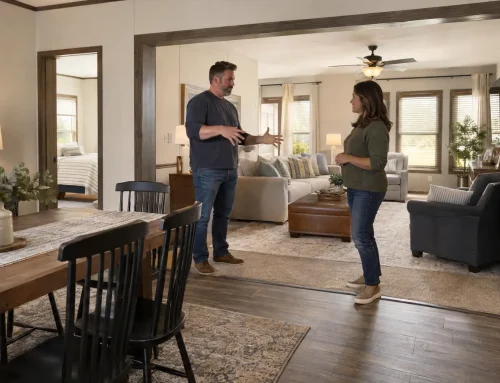
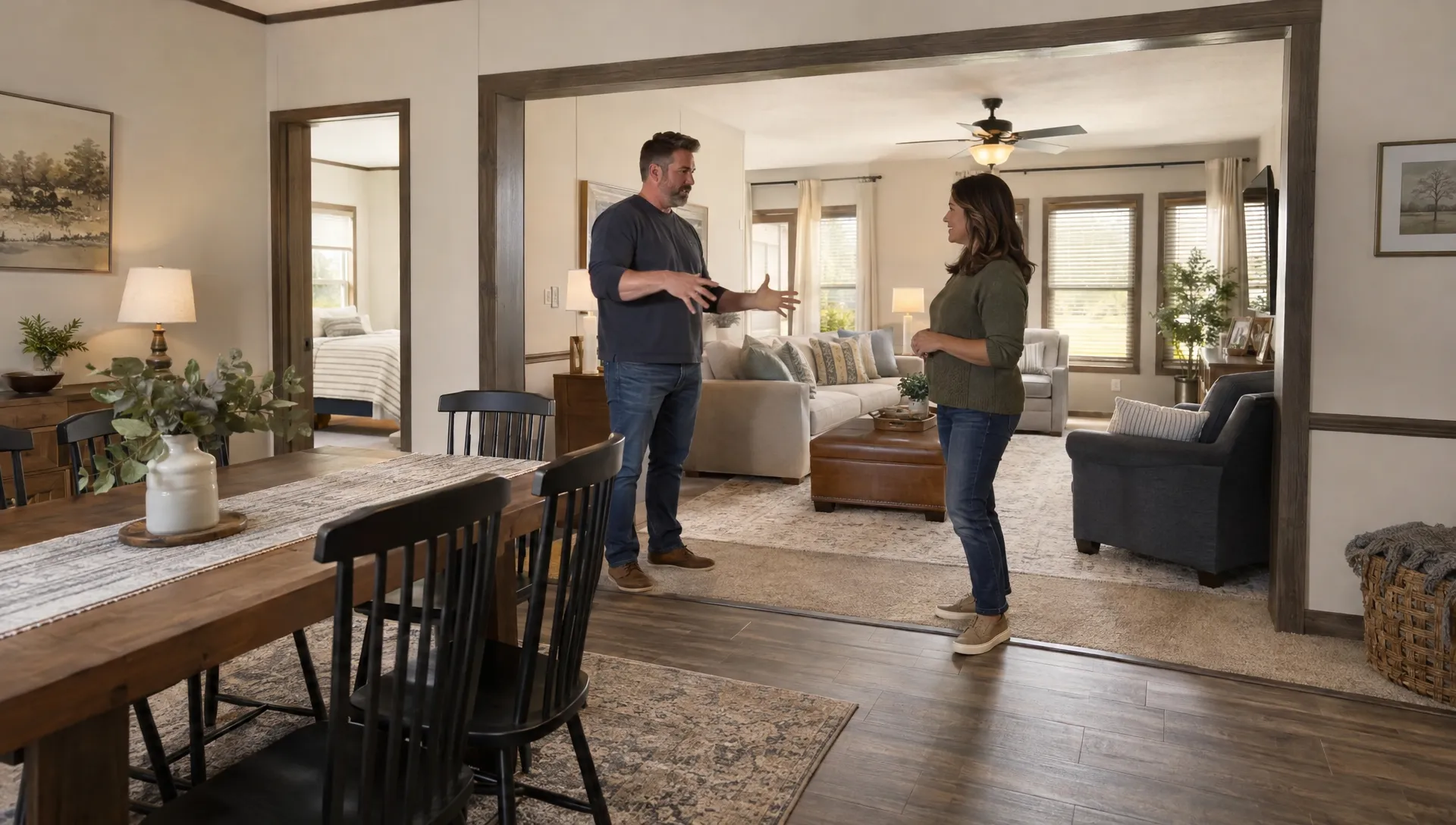
The right floor plan can be just as important as the right equipment. A home that fits your household without wasted square footage will usually be easier to cool, furnish, finance, and maintain.
Compact two-bedroom homes
A two-bedroom layout can be a strong fit for individuals, couples, retirees, or small households that want lower monthly costs without sacrificing privacy. These homes are often easier to place on smaller lots and may reduce energy use simply because there is less interior space to cool.
For eco-conscious buyers, the key is to avoid a cramped layout. Look for good storage, a practical kitchen, natural light, and a living area that does not require oversized furniture. A compact home works best when every square foot has a purpose.
Three-bedroom split layouts
A three-bedroom split layout places the primary bedroom on one side of the home and secondary bedrooms on the other. This can be ideal for families, roommates, multigenerational households, or anyone who needs an office.
From an energy standpoint, the layout should still feel efficient. Long, narrow hallways can waste space. Oversized open areas may be harder to cool evenly. A good three-bedroom plan balances privacy with simple airflow and practical room sizes.
Open kitchen and living areas
Open common areas are popular because they make smaller homes feel larger. They also allow families to share one central space instead of cooling several separated rooms throughout the day.
The tradeoff is that open spaces need thoughtful HVAC design. Ask how air will reach bedrooms, bathrooms, and corners of the living area. Good airflow helps prevent hot spots, which is a major comfort issue during long Texas summers.
Porch-ready and shade-friendly designs
A shaded porch, carport, or awning can make a home more comfortable and reduce direct sun exposure on doors and windows. Even if those features are added later, it helps to choose a home and lot that make shade possible.
Native landscaping, covered entries, and strategic tree placement can also support comfort without relying only on mechanical cooling. Always confirm community rules or local requirements before planning additions.
Green upgrades that usually deserve priority
When budget matters, it helps to separate must-have efficiency features from upgrades that can wait. The best choice depends on the home, the lot, the financing structure, and how long you plan to live there.
| Priority level | Upgrade or feature | Why it may be worth considering |
|---|---|---|
| High priority | Strong insulation and air sealing | These are difficult to improve later and affect comfort every day |
| High priority | Efficient HVAC and sealed ducts | Cooling is one of the biggest comfort factors in South Texas |
| High priority | Quality windows for hot climates | Helps control solar heat gain and indoor comfort |
| Medium priority | Smart thermostat | Often affordable and useful for managing cooling schedules |
| Medium priority | LED lighting and efficient appliances | Can reduce everyday electricity use with little lifestyle change |
| Site-dependent | Solar panels or solar-ready design | Best value depends on roof orientation, shade, utility costs, and financing |
| Site-dependent | Rainwater or advanced landscaping systems | May be useful, but rules, budget, and maintenance needs vary |
Solar is a good example of an upgrade that can be valuable, but not always the first priority. A poorly insulated home with inefficient cooling will still waste energy even if solar panels offset some electricity use. For many buyers, the smarter sequence is to start with the building envelope, HVAC, and windows, then evaluate solar once the home and site are confirmed.
How to spot real value and avoid greenwashing
Eco-friendly marketing can get vague quickly. Words like “green,” “sustainable,” and “high efficiency” sound appealing, but they do not always tell you what you are buying. Real value shows up in specifications, documentation, and total cost of ownership.
Use these questions when comparing affordable eco-friendly factory-built homes:
- What insulation, window, HVAC, and appliance specifications are included in the base home?
- Which energy-saving features are standard, and which are optional upgrades?
- Are any certifications available, and can they be verified in writing?
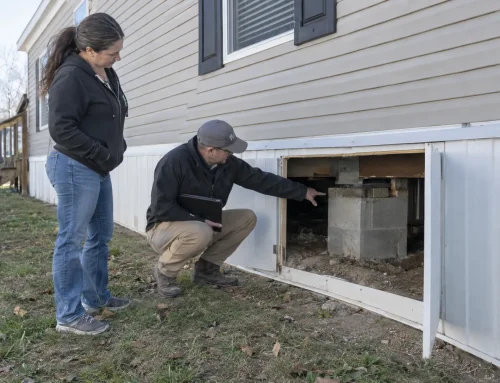
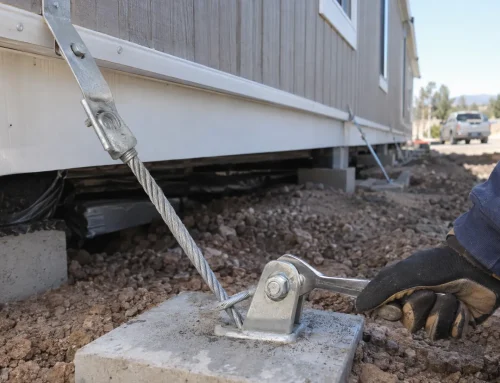
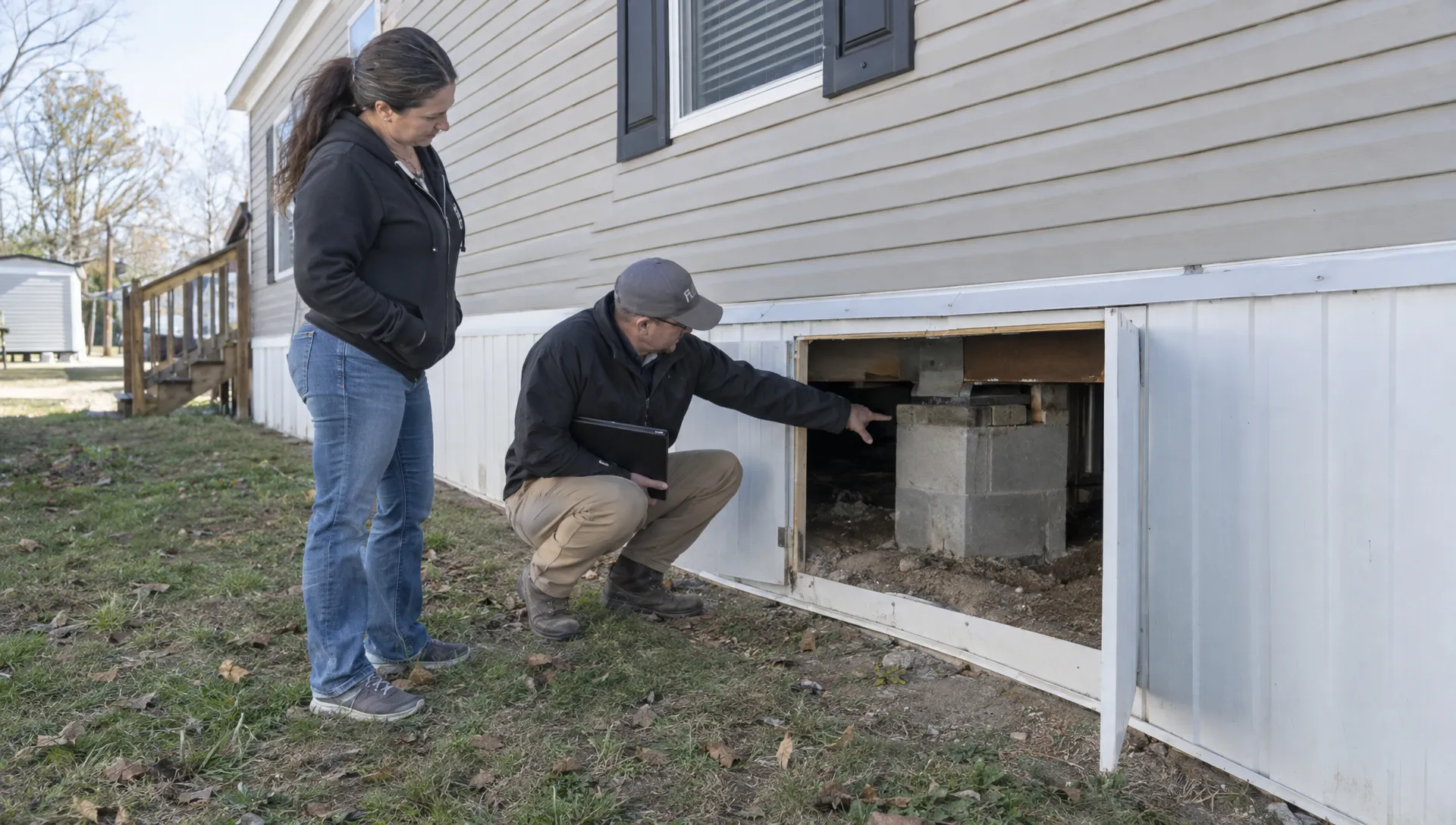
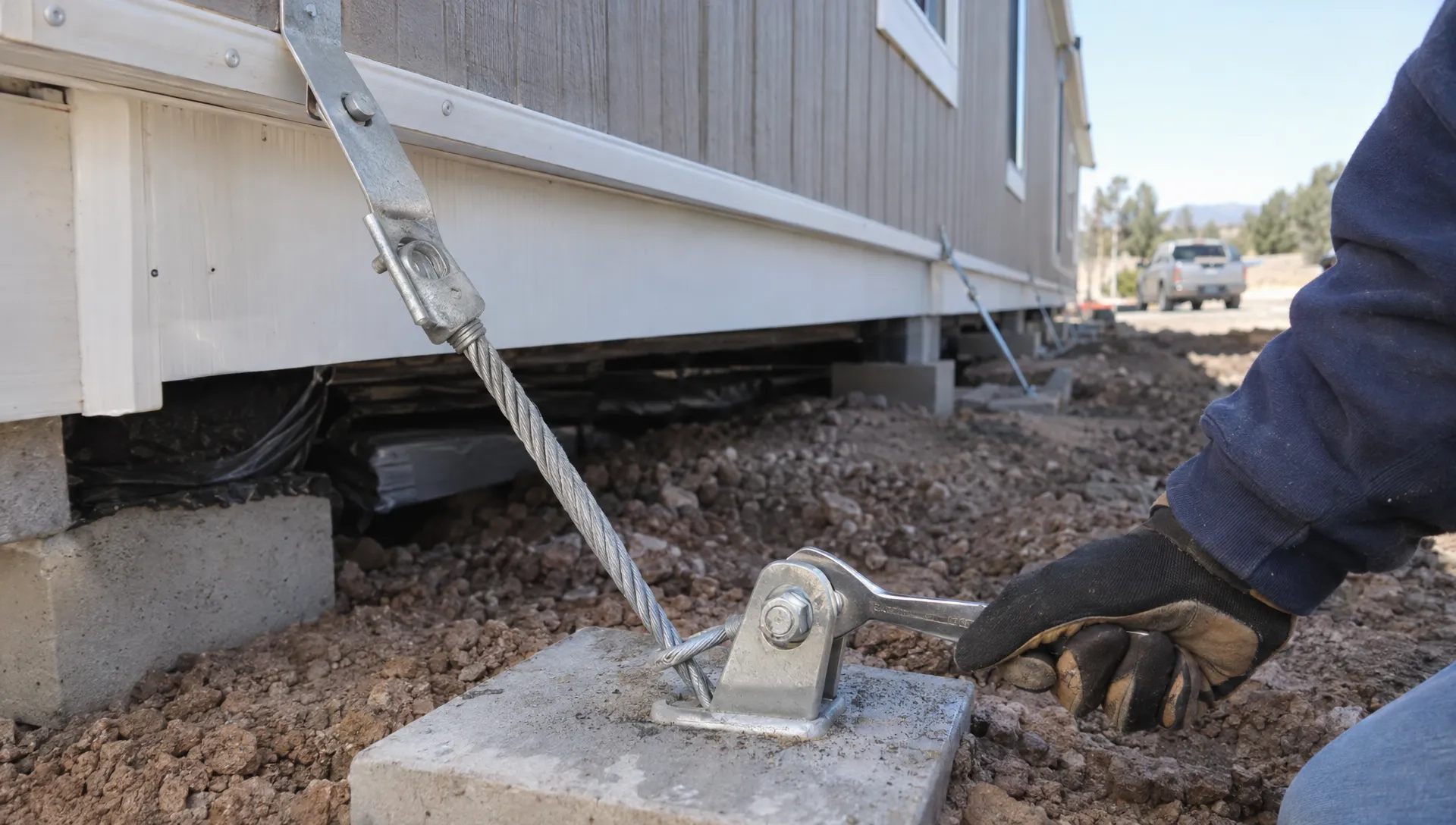
- How will the home be installed, sealed, leveled, and inspected after delivery?
- What is the estimated total monthly cost, including financing, lot rent if applicable, insurance, taxes, and utilities?
- Does the floor plan fit the household without unnecessary square footage?
The cheapest home is not always the most affordable home. A slightly higher purchase price may be worthwhile if it lowers utility costs, improves comfort, reduces maintenance, or helps the home fit your family longer. On the other hand, some upgrades may not pencil out if they increase the payment more than they improve daily living.
San Antonio factors buyers should not overlook
A home’s performance depends on more than the structure itself. Placement, site preparation, drainage, utility access, and community rules can all affect the buying experience.
If you plan to place a home on private land, confirm zoning, utilities, septic or sewer access, driveway needs, flood considerations, and installation requirements early. Homes2Go’s guide to land and home packages in San Antonio explains many of these steps.
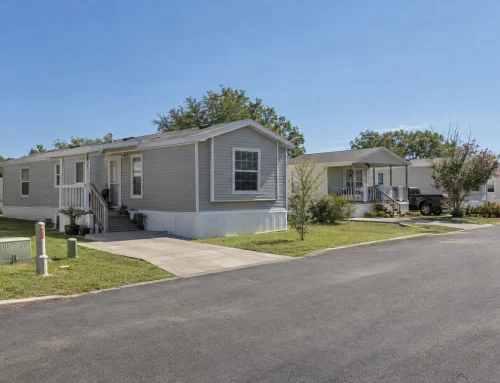
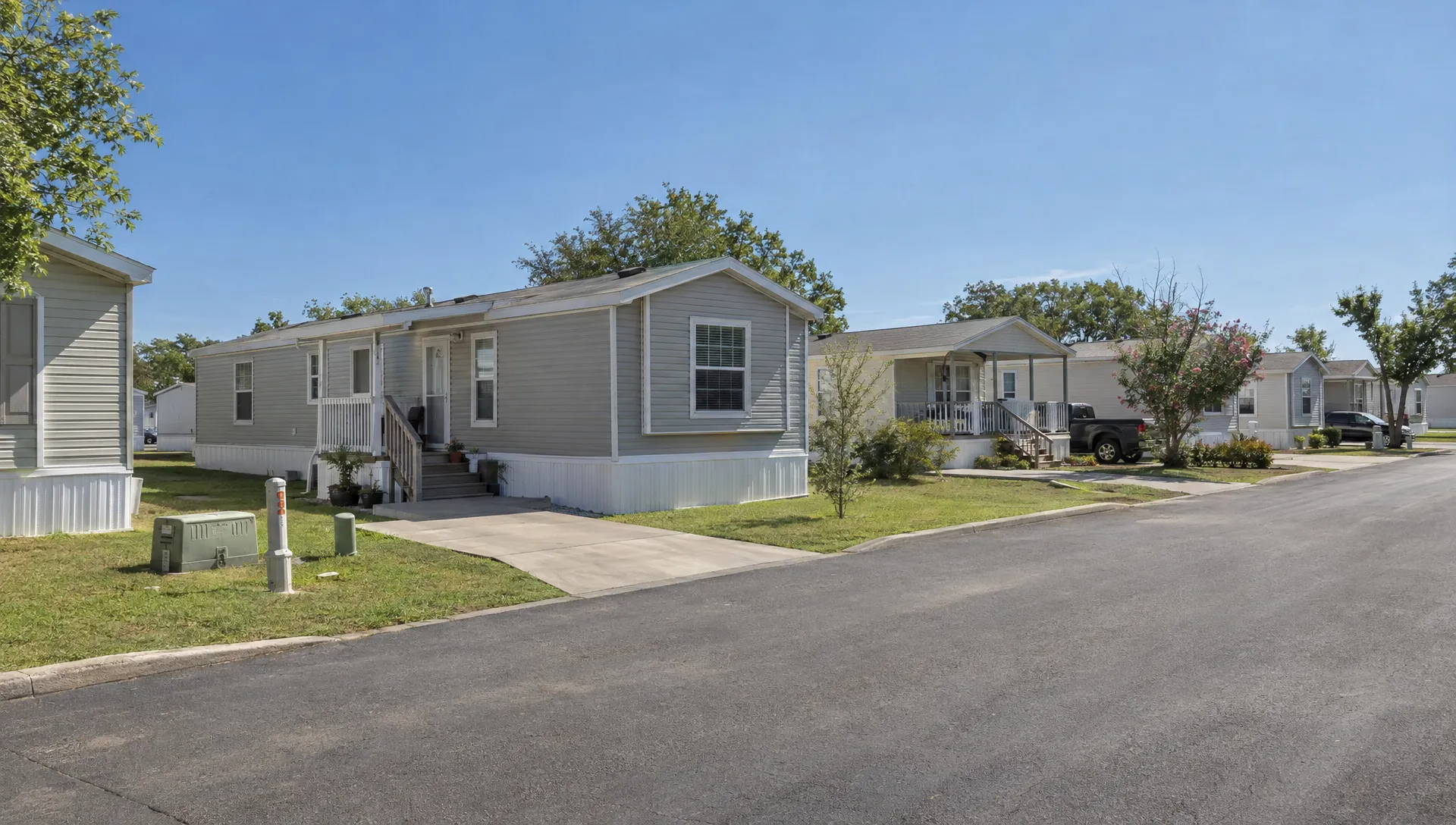
If you prefer a manufactured home community, compare more than lot rent. Rules, fees, home age requirements, pet policies, parking, maintenance standards, and utility billing can all change the true monthly cost. A lower lot rent may not be a better deal if utilities are inefficient, drainage is poor, or the commute does not work for your household.
Financing also shapes affordability. Manufactured homes may be financed in different ways depending on whether the home is titled as personal property or combined with land. Modular homes on permanent foundations are often financed more like site-built homes, but land, appraisal, and construction details can add complexity. Homes2Go’s financing page outlines common options such as chattel loans, conventional mortgages, FHA, VA, and USDA loans.
When a manufactured home may be the smarter eco-friendly choice
For many San Antonio buyers, the best “modular home” alternative is a modern manufactured home with energy-conscious features. This can be especially true if your priorities are a lower entry price, flexible floor plan choices, access to manufactured home communities, or a faster move-in timeline.
Manufactured homes have improved significantly from the older mobile homes many people picture. Modern interiors, open layouts, better windows, improved insulation options, and efficient cooling systems can make them a serious option for buyers who want comfort without stretching their budget too far.
The important thing is to shop carefully. Compare floor plans, review the full cost, ask about energy specifications, and make sure the home fits the site. A home that is affordable upfront, efficient to operate, and practical for your lifestyle is the one truly worth a look.
Frequently Asked Questions
Are modular homes more eco-friendly than manufactured homes? Not automatically. Modular homes and manufactured homes can both include energy-efficient features. The greener option depends on the home’s size, insulation, windows, HVAC system, installation quality, and site conditions.
What is the most important energy feature for homes in San Antonio? Cooling efficiency is critical, but it works best with strong insulation, air sealing, quality windows, and sealed ducts. A high-efficiency HVAC system cannot perform well if the home leaks air or gains too much heat.
Are eco-friendly factory-built homes more expensive? Some upgrades can increase the purchase price, but many efficiency features help control monthly costs over time. The best approach is to compare total cost of ownership, not just the sales price.
Can I put a modular or manufactured home on my own land? Often yes, but you must verify zoning, permitting, utilities, access, foundation or installation requirements, and any deed restrictions. It is best to check these items before buying land or choosing a home.
Does Homes2Go San Antonio sell modular homes? Homes2Go San Antonio focuses on manufactured and mobile homes. If you are searching for affordable eco friendly modular homes, the team can help you compare manufactured home options that may meet similar goals for affordability, comfort, and efficient design.
Ready to compare affordable factory-built homes in San Antonio?
If you want a home that feels modern, fits your budget, and is built with energy-conscious features, Homes2Go San Antonio can help you take the next step. Explore available manufactured home models, compare floor plans, review financing options, and get guidance from a local team that understands San Antonio buyers.
Start by browsing Homes2Go San Antonio or contact the team to discuss what kind of home, land, or community setup makes the most sense for your goals.
 Mobile Home Courts Near Me: Tour Questions to Ask
 Energy Star Modular Homes: Lower Bills, Better Comfort