
Shopping for mobile homes without land for sale means comparing more than floor plans and asking prices. You are buying the home, but you still need a legal place to keep it, permission to occupy that site and a clear understanding of what it will cost to make the home livable.
For San Antonio-area buyers, the most useful first question is whether the home can stay where it is or must be moved. That answer changes your budget, financing options and the checks you should complete before paying a deposit.
Understand what “without land” actually means
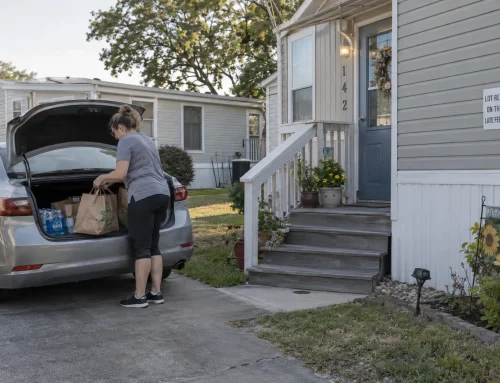
A home-only listing excludes ownership of the underlying lot. It might describe a new manufactured home at a dealership, a used home that must leave the seller’s property or a home in a community where you would lease the lot.
Buying the home does not automatically give you the right to occupy its current location. Even when the seller says it can stay, community management may require a separate application, a new lease and approval of the buyer.
Also confirm what the seller means by “mobile home.” Listings often use that term for both older mobile homes and HUD-code manufactured homes. The federal manufactured home construction standards took effect on June 15, 1976. Age and construction type can affect financing, insurance and placement eligibility, so verify the manufacturing date rather than relying on the advertisement.
How to compare mobile homes without land for sale
Sort listings by their placement situation before comparing bedrooms, finishes or square footage. These three arrangements involve different purchase risks.
| Listing arrangement | What you need to confirm first | Main budget concern |
|---|---|---|
| Home staying on a leased community lot | Buyer approval, lease terms and permission for the specific home to remain | Lot rent, fees and any required improvements |
| Used home that must be relocated | An approved destination and a professional assessment of whether it can be moved | Disconnection, transport, installation and repairs |
| Dealer home delivered to your site | Site eligibility, access and the exact scope of the dealer’s quote | Delivery, foundation or support system, utilities and site preparation |
Once you know the arrangement, compare similar homes using their total move-in cost, not just the advertised price. A lower-priced home that needs relocation can require more cash than a higher-priced home already installed on an approved lot.
Keep a separate record for each listing. Include its location, identifying numbers, placement requirements and everything the seller says is included.
Secure a place for the home before committing
When comparing mobile homes without land for sale, treat site approval as a purchase condition rather than a task to handle after closing. A home that fits your budget may still be unacceptable to your chosen community or unsuitable for your parcel.
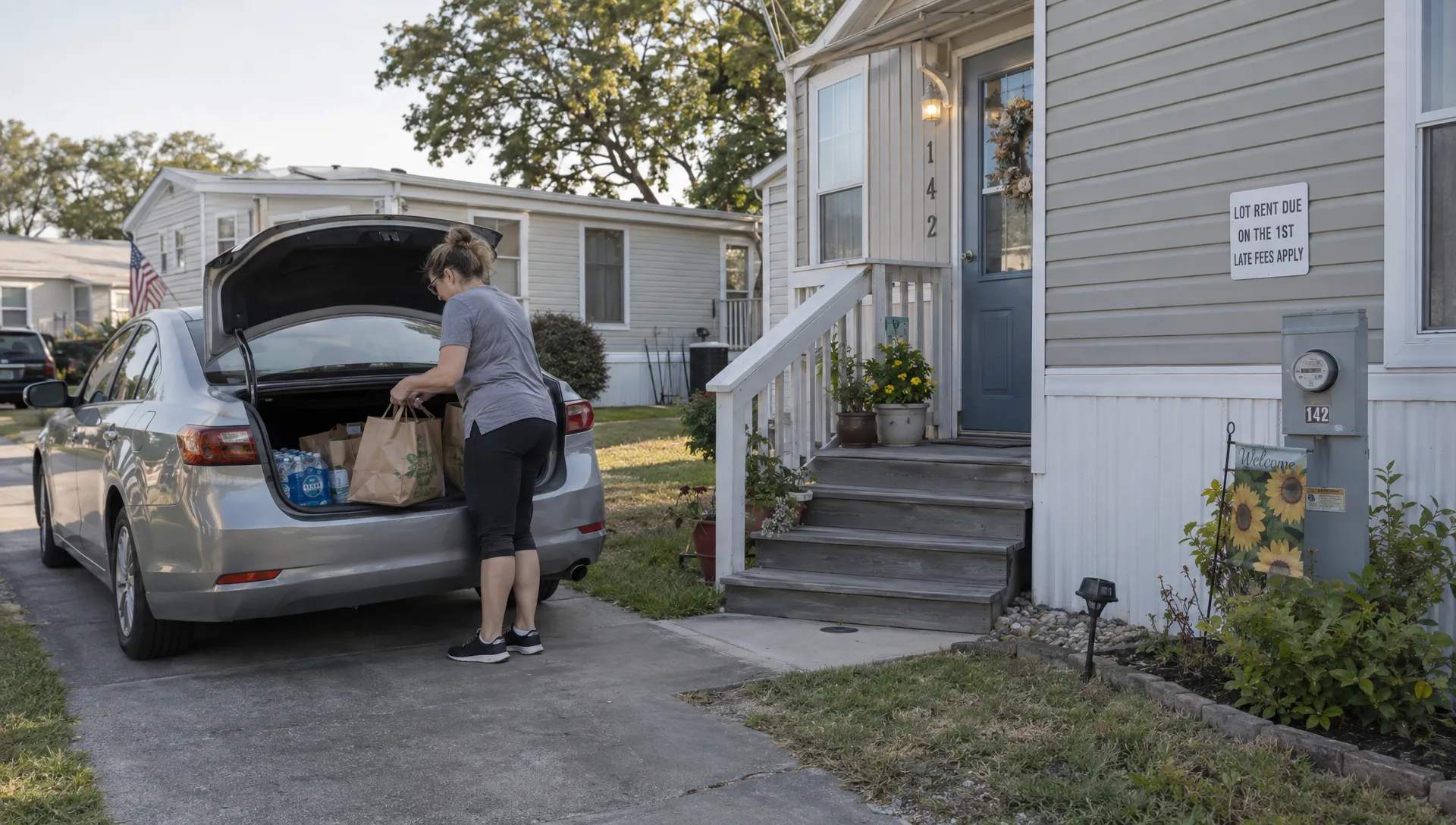
For a leased community lot, ask management to approve both you and the specific home in writing. Confirm the lot available, the proposed lease, current charges and any requirements involving the home’s age, size, condition, skirting or exterior appearance. The seller’s existing rent may not be the rent offered to a new resident.
Review renewal terms, rent-change provisions and who pays for utility connections or required improvements. Our guide to verifying mobile homes with cheap lot rent explains how to evaluate the lease beyond the advertised monthly amount.
If the destination is privately owned land, check with the authority responsible for that exact address. San Antonio city requirements may differ from those in another municipality or unincorporated Bexar County. Outside city limits does not mean unrestricted: deed restrictions, floodplain rules, septic requirements and access limitations may still affect placement.
Ask for written confirmation of applicable requirements before assuming the site is ready.
Verify ownership, liens and the home’s identity
For mobile homes without land for sale in Texas, ownership paperwork deserves the same attention as the physical inspection. Start with the seller’s identity and authority to sell, then match the home to its records.
The Texas Department of Housing and Community Affairs Manufactured Housing Division provides ownership-record resources and information about Statements of Ownership. Check the recorded owner, identifying information, reported liens and the home’s real-property or personal-property status. A bill of sale alone should not be treated as proof that every ownership issue is resolved.
Match the serial number on the home to the paperwork. For a multi-section home, verify the identifying information for each section. HUD certification labels and the interior data plate provide additional information, but they do not replace an ownership check.
Ask how outstanding loans, tax balances or other claims will be cleared. Verify tax status with the relevant local tax offices rather than assuming an ownership-record search answers every tax question.
If the home is recorded as real property or connected to a lien on land, obtain professional confirmation that it can be separated and sold as proposed. Before paying, establish who will prepare the transfer documents, submit the application and provide evidence that required releases have been completed.
Separate the asking price from the move-in price
An advertisement for mobile homes without land for sale may show only the structure’s price. Ask for an itemized written quote that identifies included work, excluded work and allowances that could change after a site inspection.
| Cost category | What to ask |
|---|---|
| Home and included equipment | Are appliances, HVAC equipment, steps, decks or storage buildings included? |
| Transportation | Does the quote cover this destination, required permits, escorts and all home sections? |
| Installation | Who handles the foundation or support system, anchoring, leveling and section connections? |
| Site preparation | Are grading, drainage, vegetation removal or access improvements needed? |
| Utilities | Who pays for electric service, water, sewer or septic connections and inspections? |
| Finish work | Are skirting, entry steps, interior seams and post-move repairs included? |
| Transaction and occupancy costs | What taxes, recording charges, insurance, deposits and community fees apply? |
Do not count an item as included because it appears in listing photos. Decks, carports and furnishings may belong to someone else, be excluded from the sale or be unsuitable for relocation.
Compare both the cash needed before occupancy and the recurring monthly expense. Loan payments, lot rent, insurance, taxes and utility charges should all fit your budget. Keep room for repairs and costs that cannot be finalized until the site has been evaluated.
Inspect the home and assess relocation risk
A condition inspection is particularly important for mobile homes without land for sale that must be moved. A home can appear acceptable while sitting in place yet have damage that complicates transportation or installation.
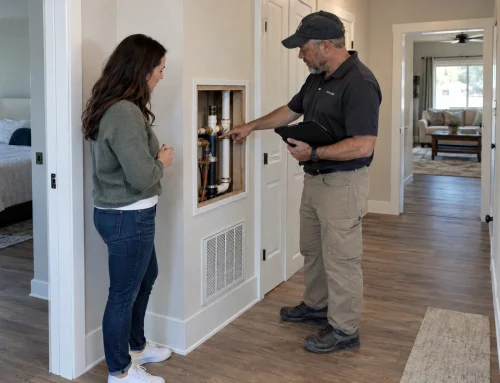
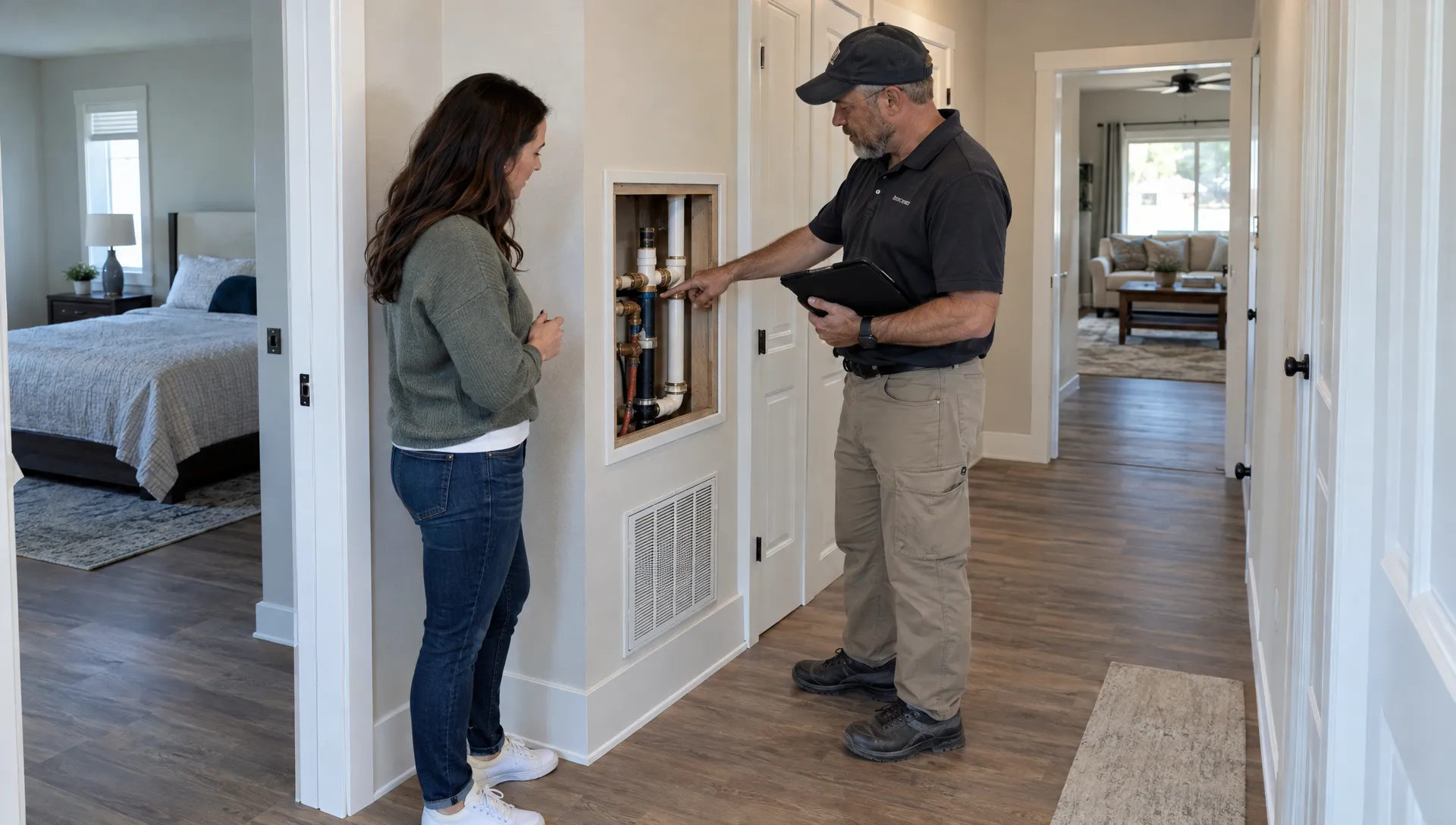
Hire an inspector familiar with manufactured housing to assess the roof, moisture damage, floors, electrical system, plumbing, heating and cooling equipment and accessible structural components. Use our mobile home inspection checklist for Texas buyers to organize questions, not as a substitute for a professional inspection.
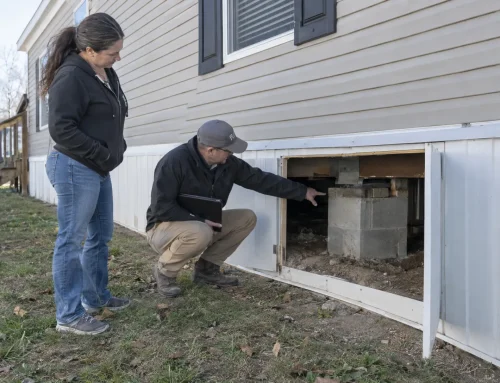
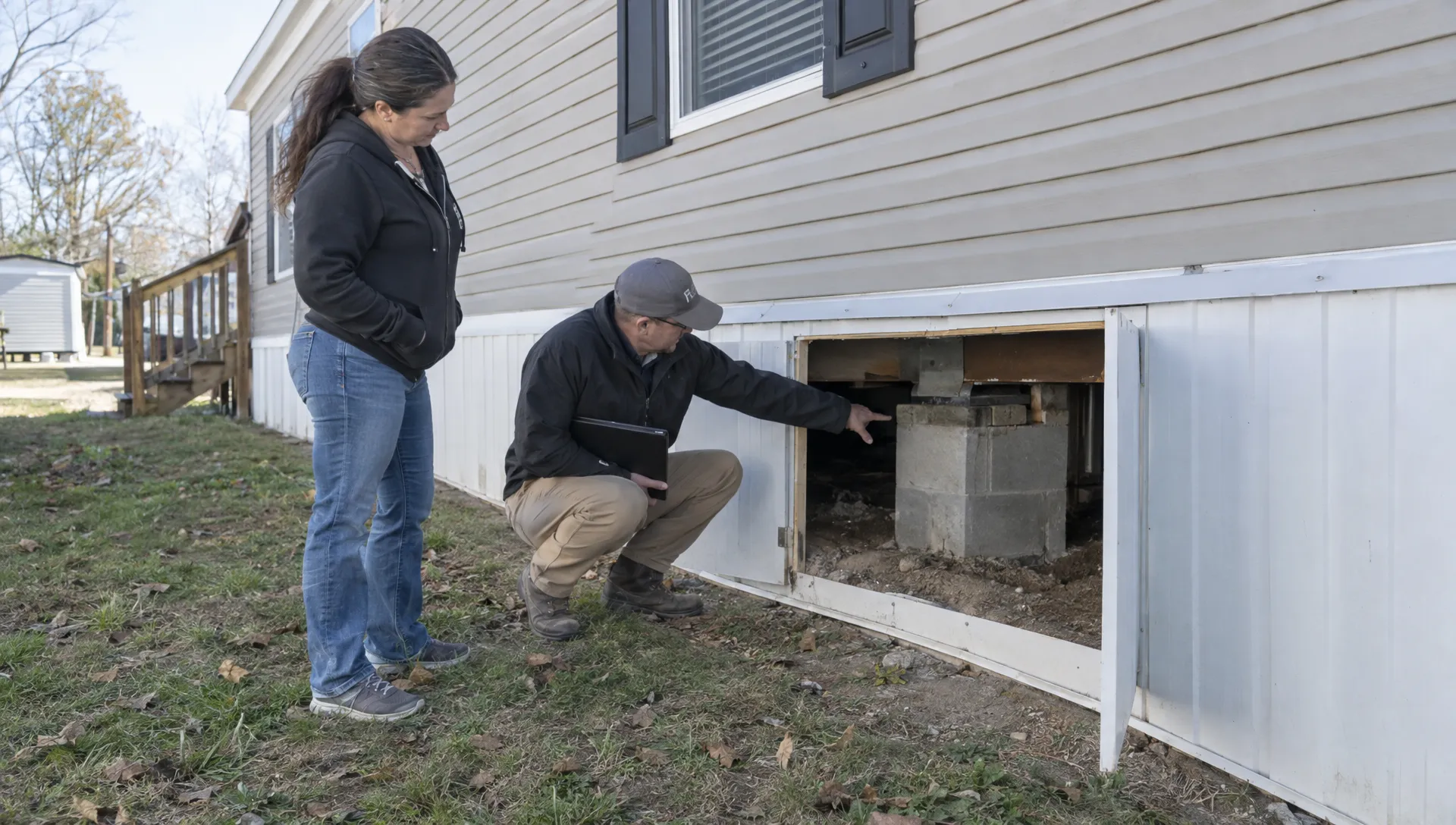
For relocation, also have appropriately licensed professionals evaluate transport and installation feasibility. Ask about chassis condition, additions that must be detached, access at both sites and the proposed route. A porch, room addition or attached roof can create work that is not covered by a basic moving quote.
Clarify responsibility for damage during disconnection, loading, transit and setup. Verify the contractor’s licensing and applicable insurance, and ask what coverage applies to the home itself.
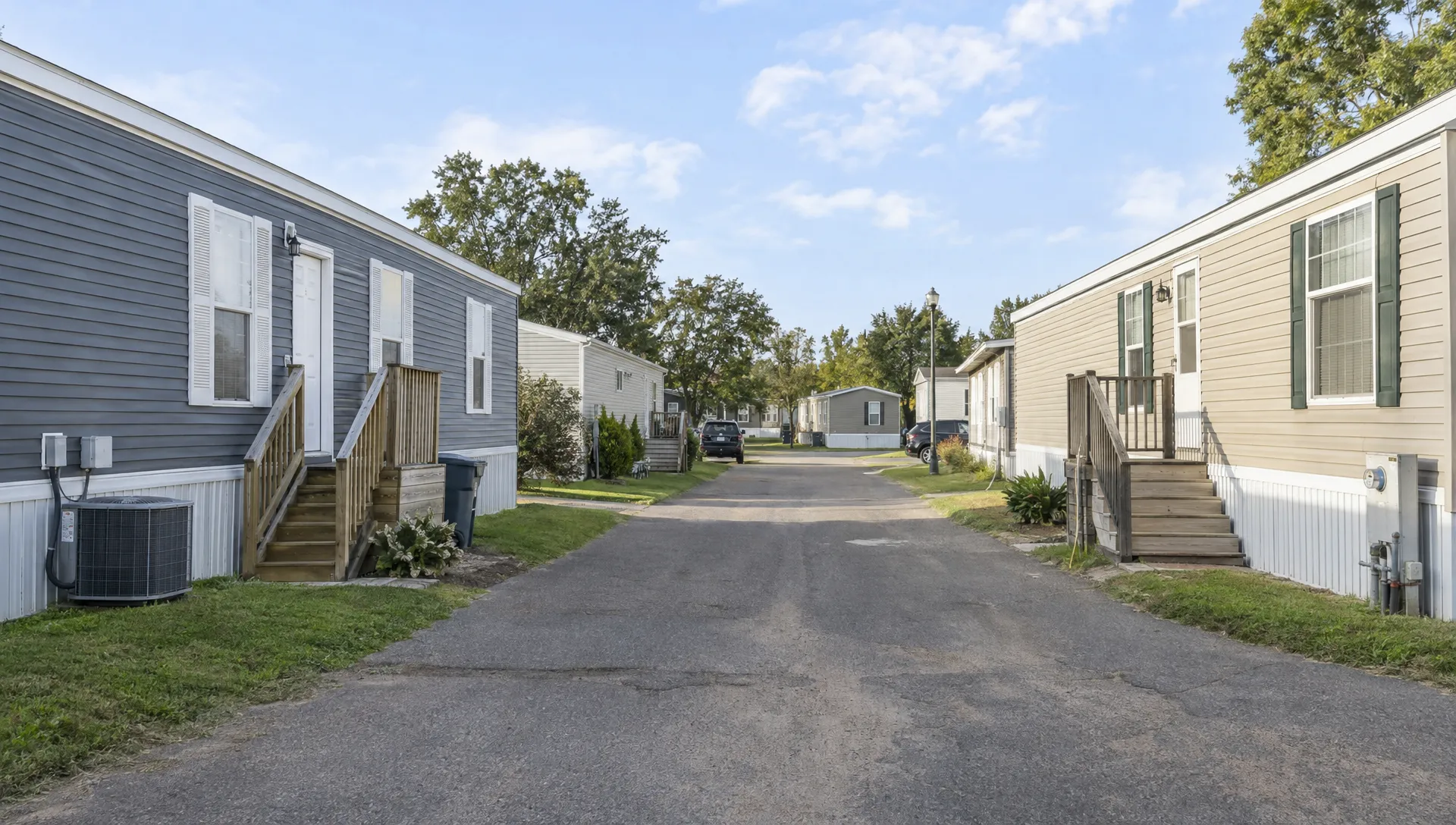
For a home that will remain in place, inspect its existing installation, drainage, anchoring and utility connections. Staying on the lot avoids transportation, but it does not eliminate repair or safety concerns.
Match financing and insurance to the purchase
A home-only purchase is commonly financed as personal property, often through a chattel loan, rather than a traditional mortgage secured by both a home and land. Available programs depend on the home, its age, condition, location, legal status and the borrower’s qualifications.
If you already own land, ask lenders whether a home-and-land financing structure is possible. Do not assume owning a parcel automatically makes a home eligible for a particular mortgage program.
For mobile homes without land for sale, compare the annual percentage rate, loan term, down payment, fees and total amount financed. A lower monthly payment can reflect a longer repayment period rather than a lower overall cost. Confirm whether delivery, installation and eligible site work can be financed or must be paid separately.
Ask whether lender approval applies to the specific home and placement arrangement. A borrower prequalification does not necessarily mean the lender has accepted an older home, a relocated home or a particular leased-lot situation.
Get an insurance quote early as well. Confirm when coverage starts, what applies during transportation and whether the insurer requires repairs or installation documentation. Insurance for a home occupied on a lot should not be assumed to cover every stage of a move.
Put purchase protections in writing
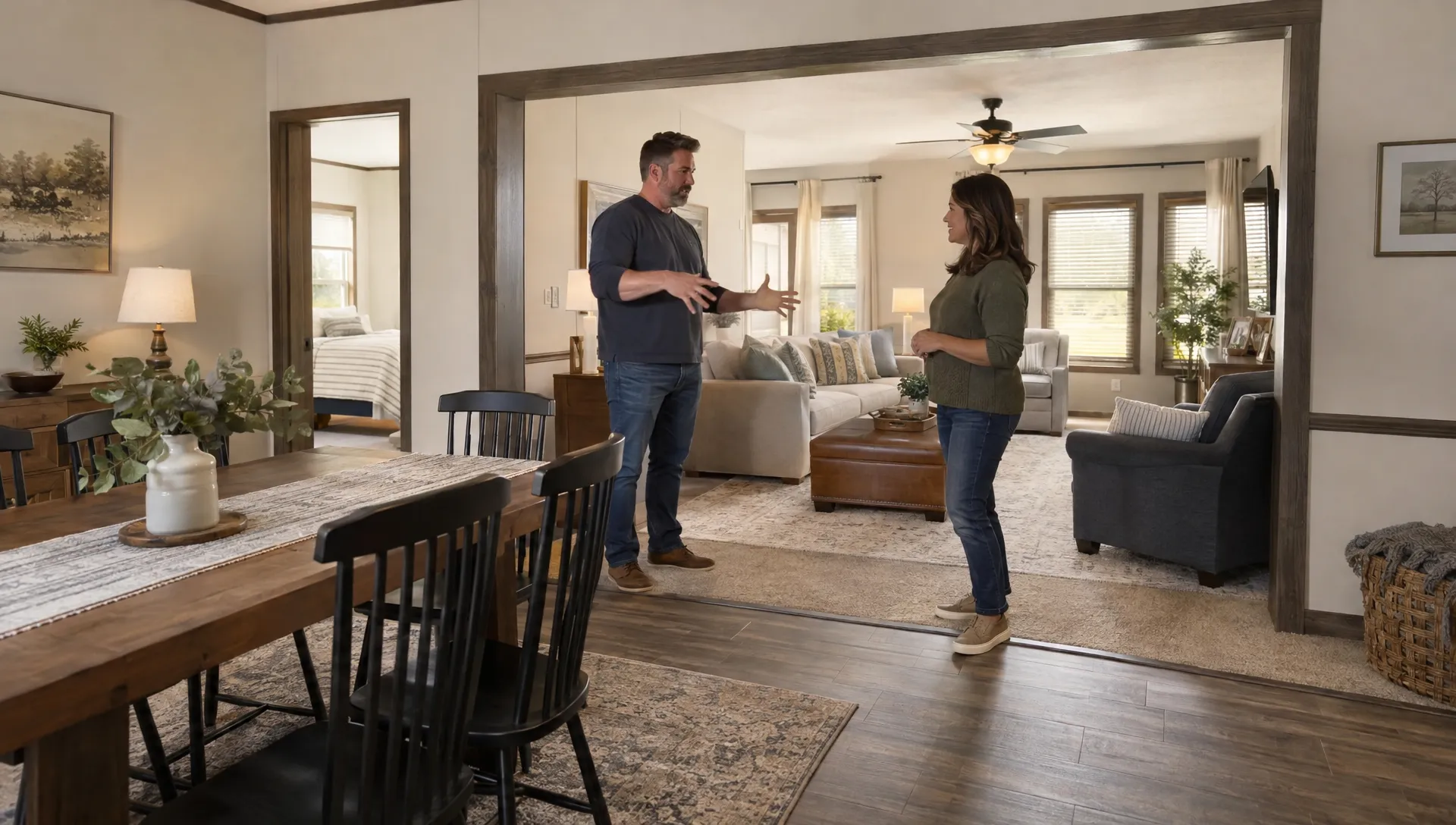
Do not rely on verbal assurances about refunds, delivery dates or community acceptance. The purchase agreement should identify the home and spell out what happens if a required approval or inspection fails.
Useful terms to request include:
- Clear identification: The home’s serial numbers, included equipment and agreed purchase price.
- Approval conditions: Any financing, community, site or inspection conditions that must be satisfied.
- Deposit rules: Whether the deposit is refundable, under what circumstances and by what deadline.
- Work responsibilities: Who handles transport, permits, installation, utilities and repairs, with the scope attached.
- Closing requirements: How liens will be released, ownership transferred and possession delivered.
Contracts for mobile homes without land for sale should also distinguish estimated dates from firm commitments. A promised delivery date is not necessarily an occupancy date, especially when utility work or inspections remain outstanding.
For used homes, understand any “as-is” language before signing. For new homes, ask which warranties come from the manufacturer, retailer or installer and how service requests are handled. These responsibilities may differ.
Pause the transaction if the seller will not allow identifying-number checks, independent inspections or written clarification of major costs. Resolve those gaps before making a nonrefundable commitment, with professional advice when ownership or contract issues are unclear.
Frequently asked questions
Can I buy a mobile home before I have land? Yes, but establish an approved placement plan before making a binding commitment. If delivery must be delayed, ask about storage charges, payment obligations and how long the seller will hold the home.
Can a purchased home stay in its current community? Only if the applicable lease and community requirements allow it. When considering mobile homes without land for sale on rented lots, get management’s written approval and review the lease offered to you rather than relying on the seller’s arrangement.
Is delivery normally included in the advertised price? There is no universal inclusion standard. Ask for a quote tied to your destination that separates transportation, installation, site work and utility connections. An included delivery allowance may not cover every distance or site condition.
Can I move an older mobile home to any available lot? No. The destination may impose age, size or condition requirements, and transport feasibility must be assessed separately. Obtain site approval and professional moving estimates before buying a home that must be relocated.
What should I check before paying a deposit? Verify the seller’s authority, the home’s identity, your placement plan and the written refund terms. Complete ownership, inspection, financing and cost checks within any agreed contingency period.
Compare home-only options with Homes2Go San Antonio
Homes2Go San Antonio offers manufactured home models, financing options and guidance for buyers, including first-time homeowners. Bring your intended location, preferred layout and total monthly budget when discussing your options.
Ask for current availability and a written explanation of what each quote includes. Comparing the home, placement requirements and move-in expenses together gives you a more useful decision than comparing advertised prices alone.
 What a Modular Home Warranty Should Cover Before You Buy
 How FHA Loans for Mobile Homes in Parks Work