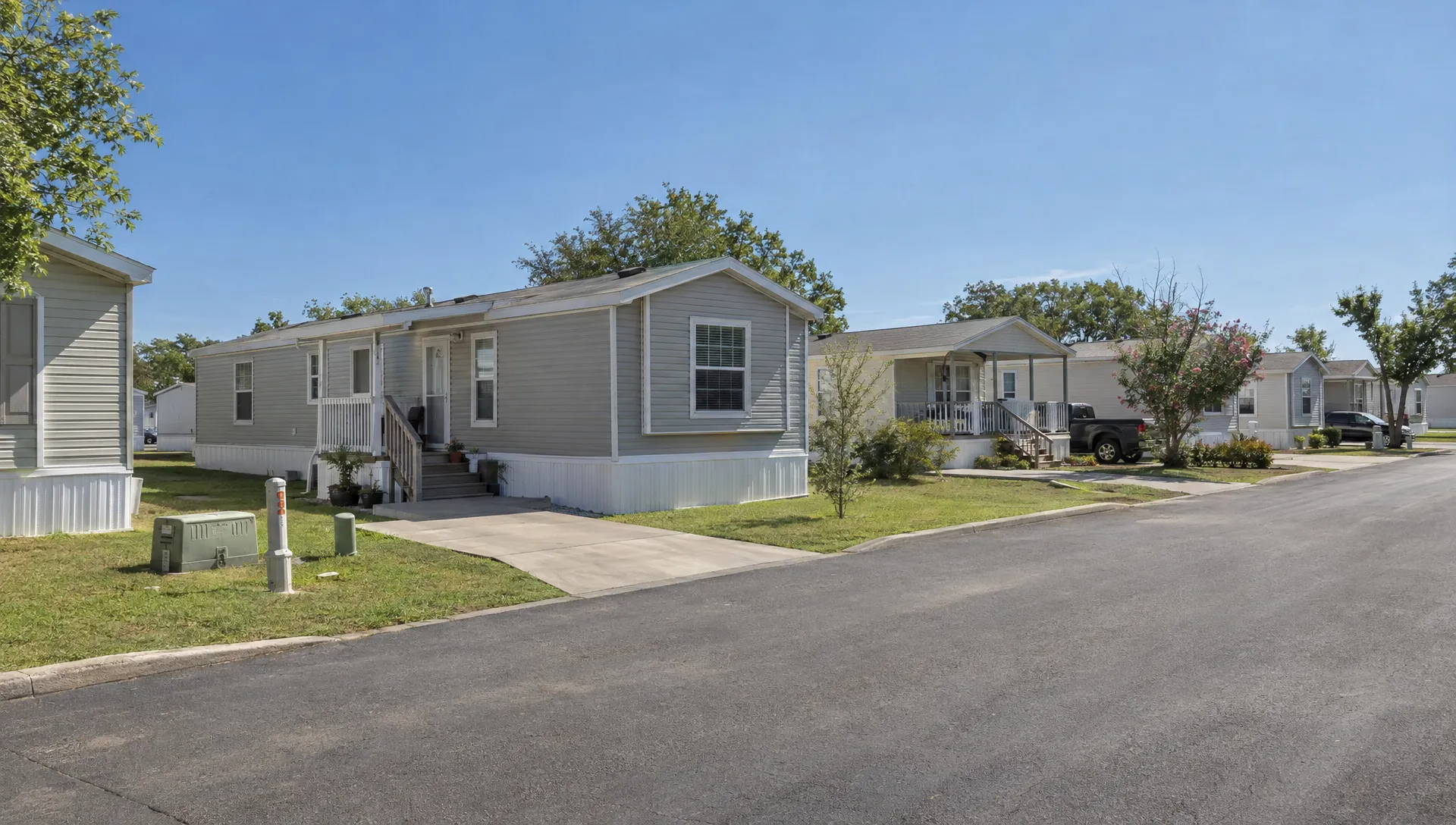

Buying mobile home parks means acquiring more than rental income. You may also be taking responsibility for aging utility lines, resident leases, private roads and homes the seller owns. A strong due diligence process connects every major assumption in the purchase price to a document, an inspection or an independently verified fact.
This guide is for buyers purchasing an entire manufactured home community, not a single home on a leased lot. It focuses on the evidence you need before closing, with Texas and San Antonio considerations where relevant.
Your central question is whether the income, legal use and physical condition support the price you are paying. A full park can still be a poor acquisition if its collections are weak or its wastewater system needs substantial work. Likewise, vacant spaces have little investment value until you confirm they can legally and practically accommodate homes.
Use the checklist below to organize your investigation, then resolve each issue before your contractual deadlines expire.
A due diligence checklist for buying mobile home parks
Create a shared document tracker at the start of the transaction. For each item, record the responsible reviewer, supporting evidence, unresolved questions and completion date.
| Due diligence area | Evidence to obtain | Decision it supports |
|---|---|---|
| Income | Rent roll, leases, payment ledger and bank deposits | Whether collections support advertised revenue |
| Expenses | Operating statements, invoices, tax records and insurance quotes | Whether projected operating income is realistic |
| Land and title | Title commitment, survey, legal description and easements | Whether ownership, boundaries and access are acceptable |
| Approved use | Zoning records, permits and written agency confirmation | Whether existing and proposed sites are lawful |
| Utilities | System maps, inspection findings, bills and repair history | Whether infrastructure is serviceable and adequately funded |
| Homes and equipment | Ownership records, asset inventory and condition reports | Which assets transfer and what they require |
| Resident obligations | Leases, deposits, notices and dispute records | Which obligations the buyer assumes |
| Closing and financing | Loan terms, insurance binder and closing statement | Whether the acquisition remains financeable and funded |
The seller’s marketing package is a starting point, not proof. Keep discrepancies visible rather than replacing the original figures with revised numbers without explanation.
Establish the purchase scope and inspection rights
Define exactly what transfers
Determine whether you are buying real estate and selected assets or an ownership interest in the entity holding the park. An entity purchase can involve liabilities that require additional legal and accounting review.
For an asset purchase, identify the land, park-owned homes, maintenance equipment, utility infrastructure and transferable contracts included in the agreement. Separate resident-owned homes from seller-owned inventory. A manufactured home sitting on the property is not necessarily part of the sale.
When buying mobile home parks, resolve ownership questions before assigning value to homes or equipment. For Texas manufactured homes, review applicable records through the Texas Department of Housing and Community Affairs Manufactured Housing Division, along with liens and the documents needed to transfer ownership.
Protect your ability to investigate
Have your attorney review inspection access, document delivery requirements, financing contingencies and termination rights. Your contract should make clear whether you can conduct sewer testing, environmental work and other intrusive inspections, and whether further seller consent is required.
Track the inspection deadline separately from financing and closing dates. Do not assume earnest money remains refundable after a deadline or that an unanswered document request automatically extends your rights.
Reconcile the rent roll with actual collections
Verify each revenue stream
Request monthly operating statements and supporting records for enough history to identify seasonality, delinquency and unusual events. Two to three years is a useful request when available, with current year-to-date records included.
Compare the rent roll against signed leases, resident ledgers and bank deposits. Identify concessions, unpaid balances, employee housing, vacant homes and occupied lots producing no revenue.
Separate lot rent from park-owned home rent, utility reimbursements, storage fees and home-sale proceeds. These categories have different costs and collection risks.
A key safeguard when buying mobile home parks is to underwrite collected, supportable revenue rather than treating every scheduled charge as cash received. If occupancy appears strong but deposits lag, investigate the difference before accepting the seller’s explanation.
Also confirm whether utility reimbursements are reported gross or net. Mixing the methods can distort comparisons between properties.
Rebuild expenses for your ownership
Historical expenses may not reflect your costs after closing. Obtain insurance quotes, evaluate likely property tax changes with a local professional and include management costs even if the seller manages the property without recording a salary.
Review water and sewer bills, maintenance invoices, payroll, legal costs, trash service and contracts. A low repairs line may indicate deferred maintenance rather than efficient operations.
Keep operating expenses separate from major capital replacements. Both affect the investment, but they belong in different parts of the analysis. For a broader explanation of these categories, the guide to mobile home park costs, risks and returns provides useful background.
Test how corrections affect value
Consider this hypothetical example, not a statement about current San Antonio pricing:
| Item | Seller presentation | Buyer-adjusted estimate |
|---|---|---|
| Annual operating revenue | $240,000 | $240,000 |
| Annual operating expenses | $100,000 | $110,000 |
| Net operating income | $140,000 | $130,000 |
| Indicated value at an illustrative 8% capitalization rate | $1,750,000 | $1,625,000 |
A $10,000 expense correction changes the indicated value by $125,000 at that assumed rate. The capitalization rate itself still needs support from market evidence, property condition and risk.
When buying mobile home parks, do not confuse net operating income with spendable cash flow. NOI generally excludes debt service and capital expenditures, so a property can show positive NOI while leaving little cash after loan payments and infrastructure work.
Confirm legal lot counts, access and resident obligations
Reconcile the physical park with approved records
Obtain a current survey and compare its boundaries with the title commitment, site plan and actual improvements. Ask your attorney and surveyor to investigate encroachments, utility easements, access rights and restrictions affecting future use.
Do not assume every visible pad is an approved rental site. Confirm the permitted lot count and whether vacant sites retain the right to receive replacement homes. Legal nonconforming status, abandonment rules, setbacks and fire access can affect that answer.
In and around San Antonio, identify the authorities responsible for the specific parcel. City limits, county jurisdiction and extraterritorial jurisdiction can change which approvals apply. Obtain written confirmation where an unresolved question could affect value.
Review leases and inherited obligations
Collect all lease forms, amendments, community rules, deposit records and notices. Review disputes, pending eviction matters, promised repairs and prepaid rent.
For buyers evaluating Texas communities, Texas Property Code Chapter 94 addresses manufactured home tenancies. Have Texas counsel determine its application to the park’s arrangements and review notice requirements, lease obligations and planned operational changes.
Buying mobile home parks does not erase existing resident rights or contractual commitments. Your business plan should account for lawful notice periods, consistent enforcement and the cost of delivering services residents were promised.
Inspect infrastructure beyond what a tour reveals
Water and wastewater systems
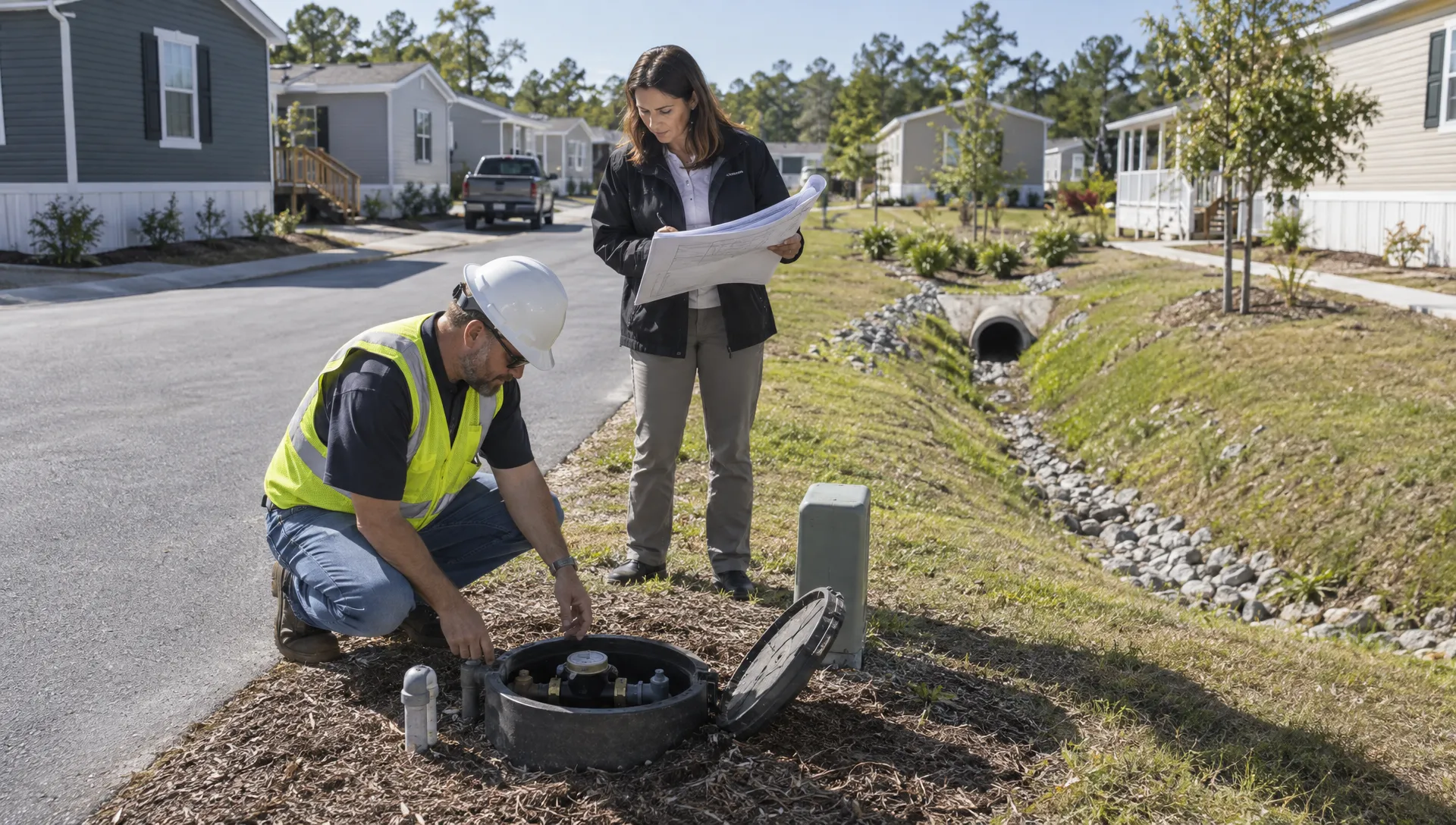
Identify whether water and wastewater services are public, private or shared with another property. Confirm ownership, maintenance responsibility, capacity and any necessary permits.
For private systems, obtain operating records, testing results, inspection history and documentation of unresolved violations. A qualified specialist should determine which additional tests are needed.
For sewer lines, ask about camera inspections where appropriate, recurring blockages and repair history. For septic systems, confirm approved capacity and current condition rather than relying on the number of occupied homes.
Compare water consumption with occupied sites and billing practices. Persistent unexplained use can indicate leakage, faulty meters or unrecorded connections.
The infrastructure review for buying mobile home parks should produce a prioritized repair scope with cost estimates. “The utilities work” is not enough to establish remaining useful life or the cost of a failure.
Electrical service, roads and drainage
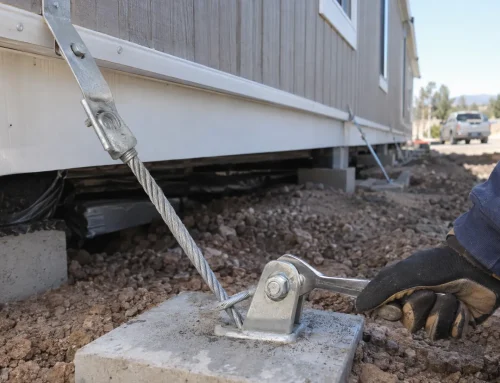
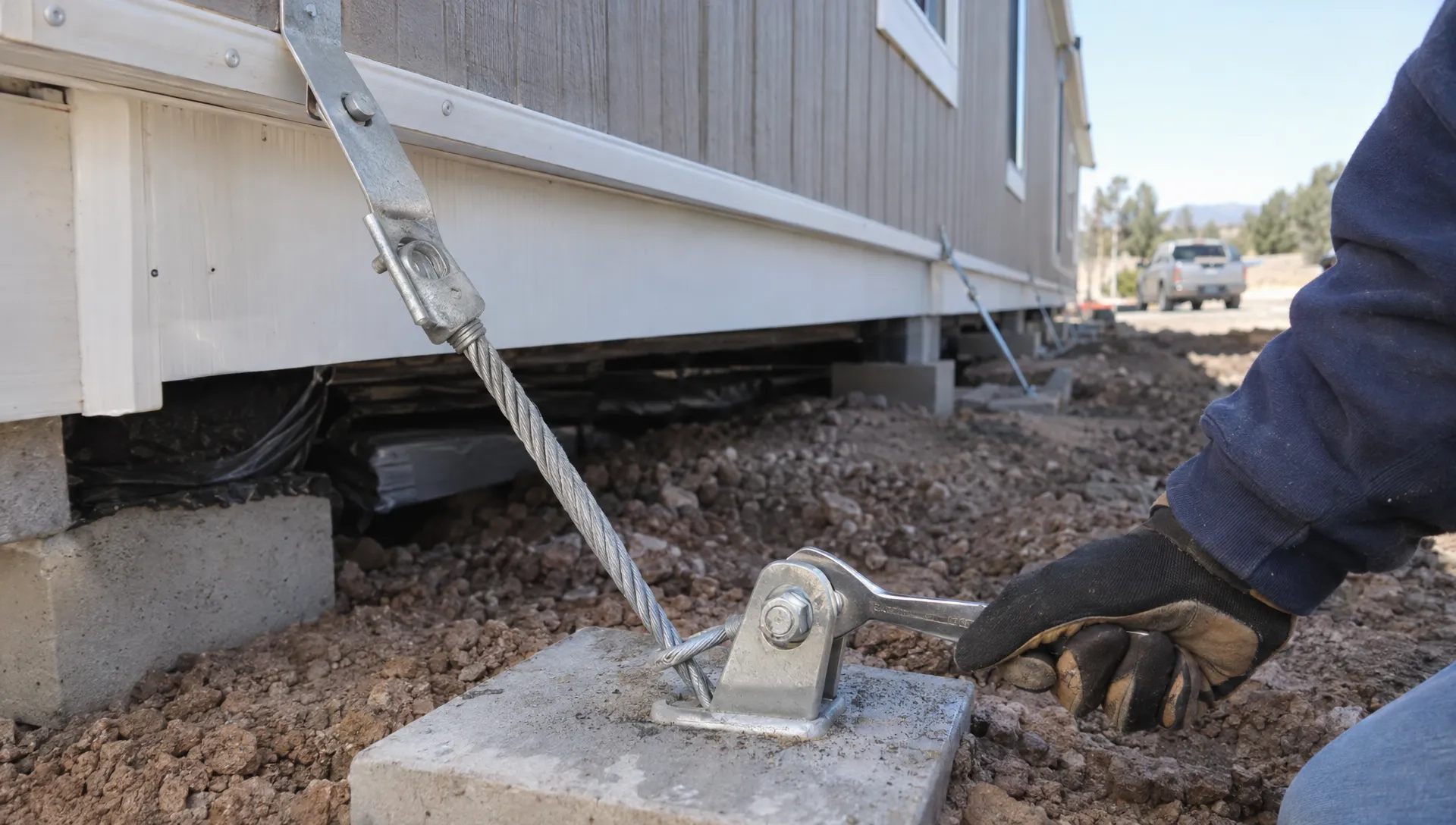
Have qualified professionals assess electrical pedestals, service capacity and visible hazards. Older infrastructure may support existing homes but require upgrades for proposed replacements.
Inspect road surfaces, emergency access, lighting, drainage paths and retaining structures. Visit after rainfall if practical, and ask for photographs or records of previous flooding and road damage.
Use the FEMA Flood Map Service Center to review mapped flood hazards. Mapping is only one input: local drainage problems, prior claims and site elevation still warrant investigation.
Obtain contractor estimates for major work. Identify permit needs, service interruptions and whether excavation could affect multiple occupied sites. A repair budget without a realistic work sequence can understate both cost and disruption.
Environmental conditions and insurance
Ask an environmental professional whether a Phase I Environmental Site Assessment is appropriate and how to structure it for the transaction. The EPA’s guidance on All Appropriate Inquiries explains the environmental inquiry framework relevant to certain federal liability protections.
Review historical land uses, fuel storage, dumping, nearby industrial activity and any known contamination. Follow the environmental professional’s recommendations if further investigation is needed.
When buying mobile home parks, obtain insurance terms early enough to react to exclusions or coverage limitations. Request available loss history and ask about property coverage, liability, flood exposure and the treatment of park-owned homes.
Validate park-owned homes and vacant-lot plans
Inspect homes as separate assets
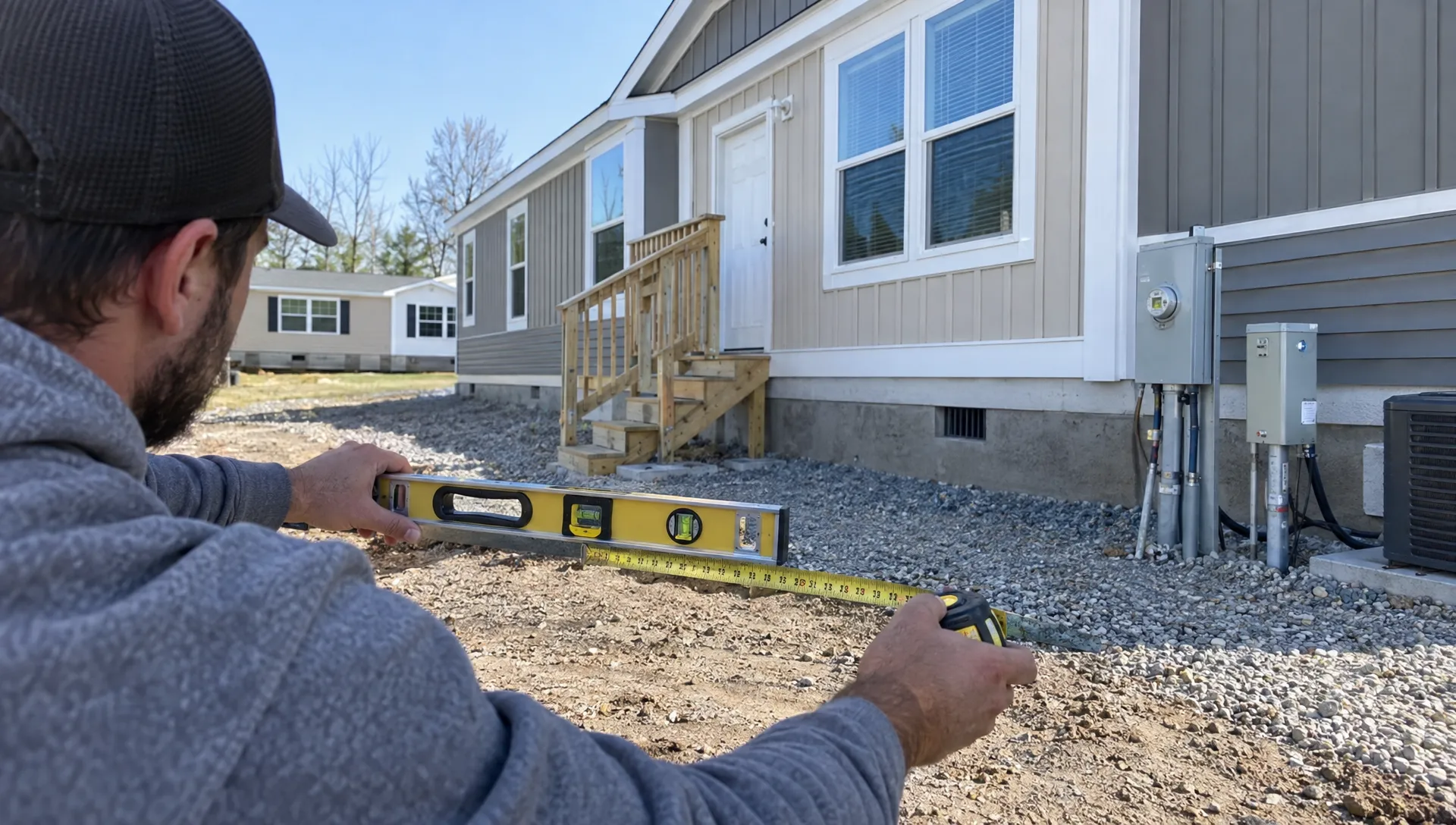
Park-owned homes need their own ownership, condition and repair review. Evaluate roofs, moisture intrusion, HVAC equipment, plumbing, electrical systems and installation conditions.
The mobile home inspection checklist for Texas buyers can help organize the home-level inspection, but it does not replace infrastructure or land-use diligence for the community.
Distinguish homes that can be repaired economically from those requiring removal or replacement. Include removal costs, ownership complications and downtime in the budget where relevant.
Price infill as a complete project
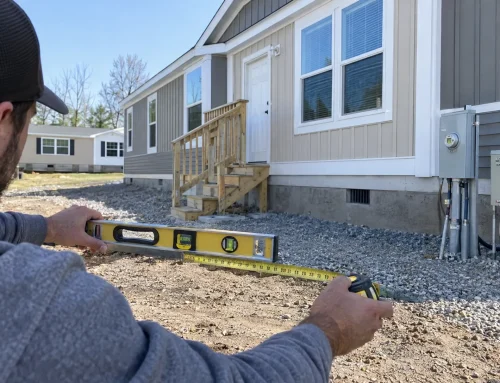
Vacant pads are potential opportunities, not automatic revenue. Confirm approved use, usable lot dimensions, utility capacity, setbacks and installation requirements before choosing a home.
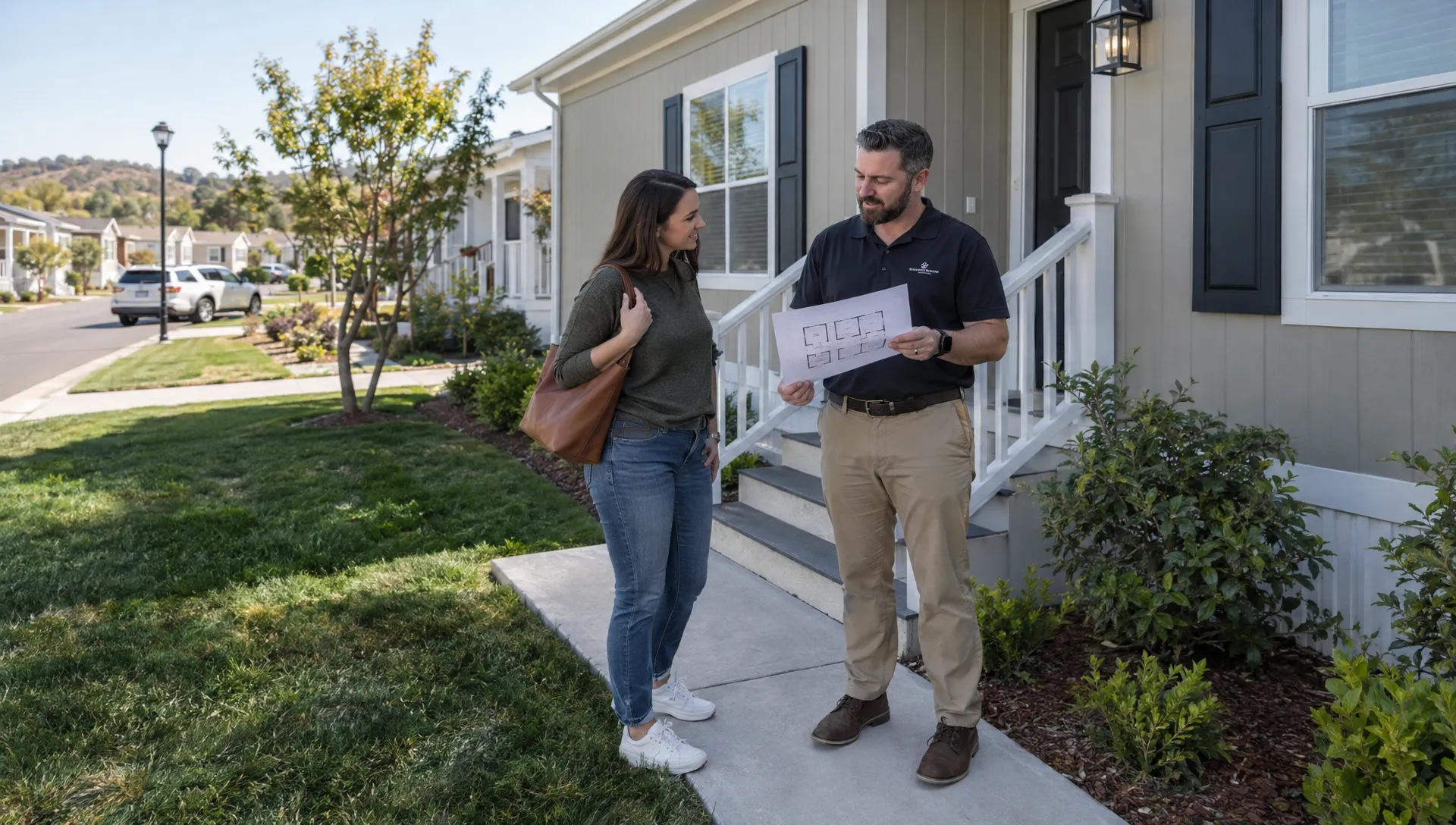
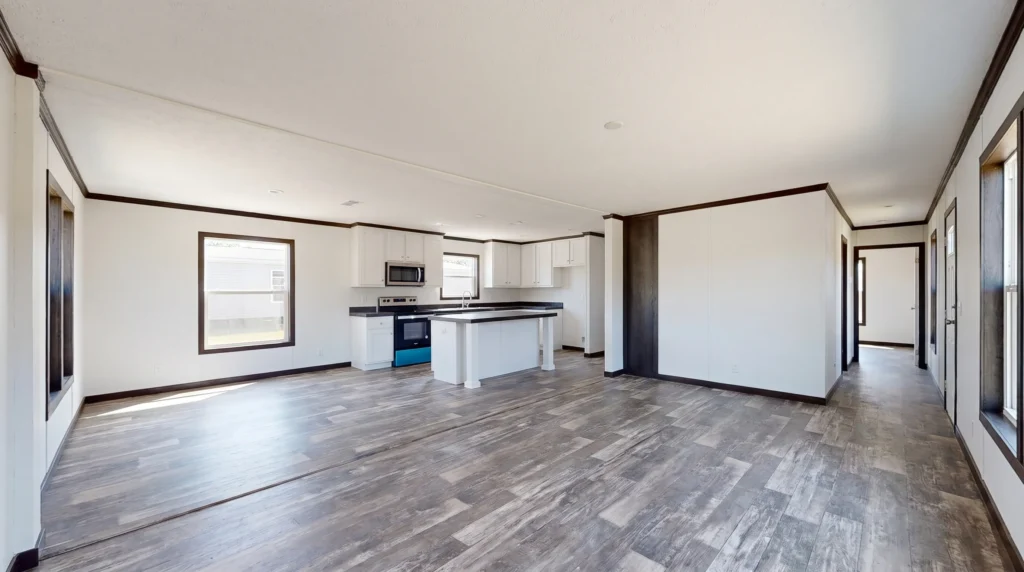
For a two-bedroom placement scenario, the Legacy Heritage H-1668-22A available from Homes2Go in San Antonio offers two bathrooms and 1,005 square feet. For a three-bedroom scenario, the Legacy Heritage H-3248-32A offers two bathrooms and 1,372 square feet. Use manufacturer drawings and site requirements to confirm whether either model suits a particular lot.
When buying mobile home parks with vacant sites, budget beyond the home itself. Delivery, installation, permits, utility connections, site preparation and any required access improvements all affect the total placement cost.
Validate demand for the intended rental or ownership arrangement rather than assuming every new home will fill immediately.
Stress-test financing and working capital
Build a lender-ready forecast using verified income and buyer-specific expenses. Confirm how the lender treats park-owned homes, private utilities, occupancy and planned improvements.
Review interest rate terms, amortization, maturity, recourse, prepayment provisions and reserve requirements. A loan with affordable initial payments may still create refinancing risk at maturity.
Run downside scenarios with flat rents, increased vacancy, higher insurance costs and a major utility repair. Include working capital for operating bills and emergencies, not just the down payment and closing costs.
For example, $130,000 of annual NOI divided by $98,000 of annual debt service produces a debt service coverage ratio of approximately 1.33. If you also reserve $15,000 for capital work, only $17,000 remains before other cash needs. These are illustrative figures, and lender calculations may differ.
Financing approval is not a substitute for due diligence when buying mobile home parks. The acquisition should still work under reasonable operating assumptions without depending on immediate rent increases or perfect execution of an infill plan.
Turn findings into closing conditions
Before the inspection period ends, classify each material issue as verified, unresolved or unacceptable. Tie your decision to evidence and estimated financial impact.
A missing utility map may be manageable with additional investigation. Unconfirmed wastewater capacity, disputed ownership or lack of legal access can require a substantially different response.
Depending on the contract and professional advice, possible responses include additional inspections, seller repairs, a price adjustment, a negotiated escrow arrangement or termination. Do not assume a closing credit adequately addresses a problem whose scope remains unknown.
Reconcile the final rent roll with resident deposits, prepaid rent, prorations and unpaid balances. Confirm which obligations transfer and how they appear on the closing statement. Arrange utility transitions, vendor handoffs, insurance effectiveness and resident communications.
For anyone buying mobile home parks, the final approval should rest on three documented conclusions: the property can operate legally, its major physical risks are understood and its verified economics support the purchase terms.
Keep funds available for identified repairs after closing. Money allocated to immediate work should not also be counted as the operating reserve.
Frequently asked questions
How long should due diligence take? There is no universal timeline. The property’s size, record quality, utility systems and inspection availability determine what is practical. Negotiate enough time for document review, professional inspections and follow-up before you lose contractual termination rights.
Is a high occupancy rate enough to justify the purchase? No. Verify collections, lease terms, legal site counts and operating costs. Occupied sites may have delinquent balances or infrastructure problems that are not visible in the advertised occupancy figure.
What is the biggest risk when buying mobile home parks? The most consequential risk varies by property. Unresolved wastewater capacity, failing utilities, title defects or unsupported income can each undermine a deal. Rank findings by financial impact, operational disruption and whether they can be resolved before closing.
Can vacant lots be valued as future rental income? Potential income belongs in a separately tested business plan. Confirm placement rights, total infill costs, demand and timing before assigning value. Do not treat projected revenue as existing collections.
Which professionals should review the acquisition? Depending on the property, the team may include a Texas real estate attorney, accountant, surveyor, environmental professional, infrastructure specialists, insurance broker and lender. Assign responsibilities so critical issues do not fall between reviewers.
Plan replacement homes around verified site requirements
If your acquisition plan includes replacing aging homes or filling approved vacant sites, confirm the community’s requirements before selecting floor plans. Homes2Go San Antonio offers manufactured home models and guidance for home buyers. Bring your verified lot dimensions, placement requirements and project budget when discussing options, keeping the home purchase separate from the park acquisition’s legal and infrastructure review.
 Do Fannie Mae Chattel Loans Exist for Manufactured Homes?
 Contemporary Floor Plans for Homes That Fit Family Life