
For many San Antonio buyers, a chattel loan is the most practical way to finance a manufactured home without purchasing the land underneath it. The home is financed as personal property, which makes the process different from a traditional real estate mortgage. That difference is exactly why chattel loan requirements can feel confusing at first.
The good news is that the requirements are usually straightforward once you separate them into four categories: the borrower, the home, the homesite and the paperwork. If you want a broader introduction before getting into the checklist, Homes2Go also has a plain-English guide to chattel loans for manufactured homes.
This guide focuses on what manufactured home buyers should prepare before applying, especially if you are shopping for a home in or around San Antonio.
What makes chattel loan requirements different?
A chattel loan is typically used when the manufactured home itself is being financed, but the land is not included as collateral. That often applies when the home will be placed in a manufactured home community, on leased land or on family land where the buyer does not want to tie the land into a mortgage.
With a site-built home mortgage, the lender evaluates both the structure and the land as real estate. With a chattel loan, the lender still reviews your ability to repay, but it also has to confirm that the manufactured home can be properly titled, insured, located and secured by a lien.
A manufactured home is built to the federal Manufactured Home Construction and Safety Standards, commonly called the HUD Code. HUD explains these standards through its Manufactured Housing Program, and lenders often use HUD labels, data plates and home details as part of their review.
Requirements vary by lender, loan program, home age and location. Still, most lenders are trying to answer the same basic question: does the buyer qualify, does the home qualify and is the location acceptable for the loan?
Chattel loan requirements at a glance
The exact checklist can differ, but most manufactured home buyers should expect lenders to review the following areas.
| Requirement area | What lenders usually review | What buyers should prepare |
|---|---|---|
| Credit profile | Payment history, existing debts and recent credit activity | Permission for a credit pull, explanations for major issues and a realistic payment target |
| Income | Employment, self-employment income, benefits or other verifiable income | Pay stubs, W-2s, tax returns or benefit award letters |
| Debt and affordability | Monthly debts compared with income, plus housing-related costs | Current debt list, estimated lot rent, insurance estimate and utility expectations |
| Down payment and cash to close | Available funds and source of funds | Bank statements, savings records and documentation for any gift funds if allowed |
| Home eligibility | Manufacturer, model, year, size, serial numbers, HUD labels and value | Purchase agreement, floor plan, invoice or home details from the retailer |
| Homesite or community | Lot approval, lease terms, site readiness and placement rules | Lot lease, community approval or land-use permission |
| Insurance and title | Ability to insure the home and record the lender’s lien | Insurance quote, title or Statement of Ownership information and lienholder details |
Think of this table as a pre-application checklist rather than a promise of approval. A lender may ask for more information after reviewing your full file.
Borrower requirements: credit, income and repayment ability
The borrower review is similar to other types of financing. Lenders want to see that you have stable income, manageable debt and a history that supports repayment.
Credit requirements are not the same everywhere. Some lenders may place more weight on score, while others may look closely at recent payment history, collections, repossessions, bankruptcies or the size of your down payment. A lower score does not always end the conversation, but unresolved recent credit issues can make approval harder.
Income documentation is just as important. If you are a W-2 employee, the lender may ask for recent pay stubs and W-2s. If you are self-employed, expect to provide tax returns and possibly business bank statements. Retirement income, disability, child support or other income may be considered if it can be verified and is likely to continue under the lender’s guidelines.
Affordability matters beyond the home payment. A manufactured home buyer may also have lot rent, insurance, utilities, transportation-related setup costs or community fees. The lender may not count every expense the same way, but you should. A payment that looks affordable on paper can feel tight if you forget to include the full cost of living in the home.
Before applying, avoid opening new credit accounts, making large undocumented deposits or taking on new debt. Those changes can raise questions during underwriting and may require extra documentation.
Home requirements: what lenders look for in the manufactured home
The home itself must meet the lender’s eligibility rules. For a new manufactured home purchased through a retailer, the lender will typically review the manufacturer, model, floor plan, purchase price, delivery details and installation-related costs. For a used home, lenders may look more closely at age, condition, title history and value.
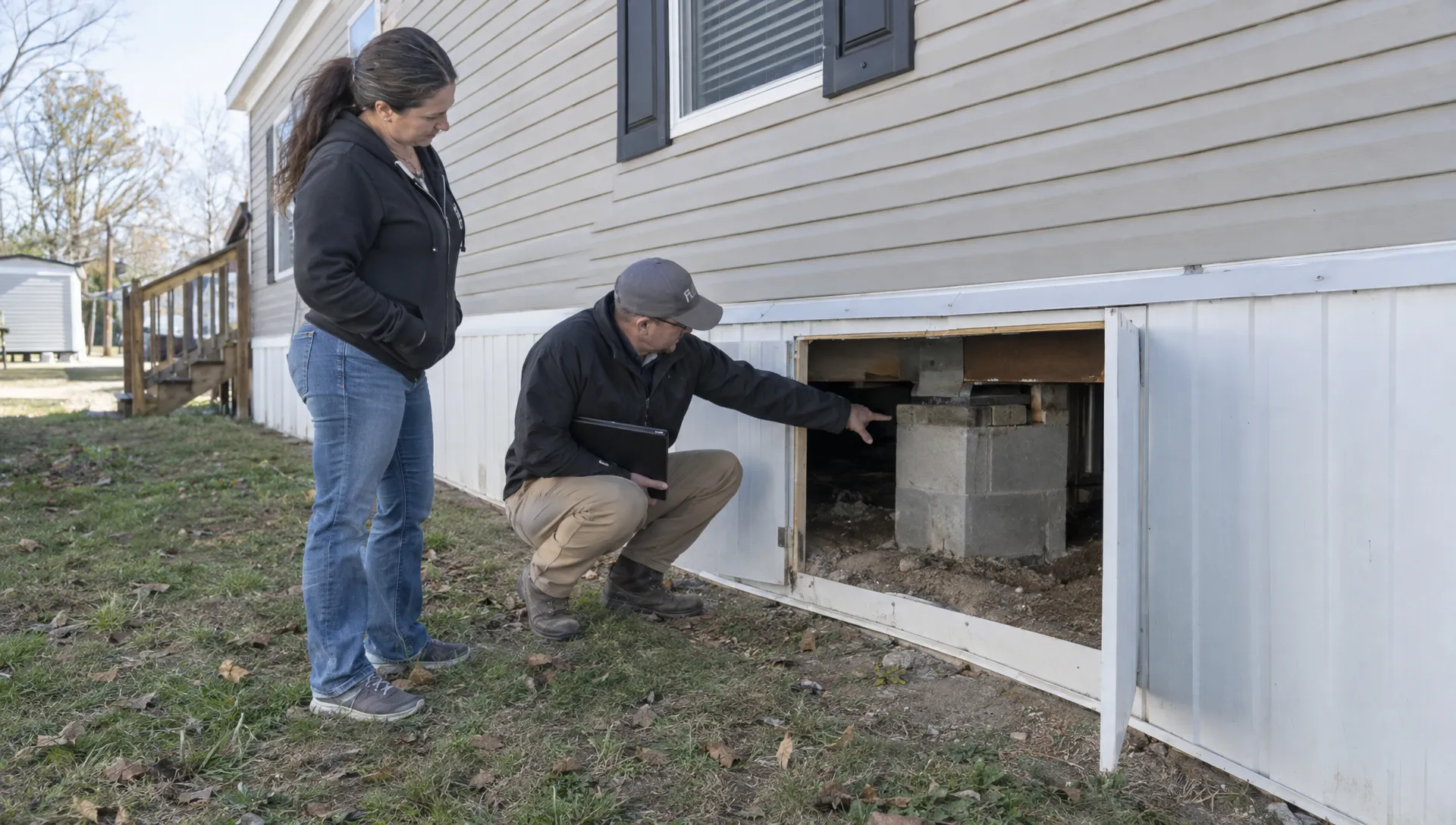
Common home-related requirements include clear identification of the unit, confirmation that the home is HUD-code if applicable, a valid serial number, acceptable condition and a value that supports the loan amount. The lender may also require proof that the home can be insured.
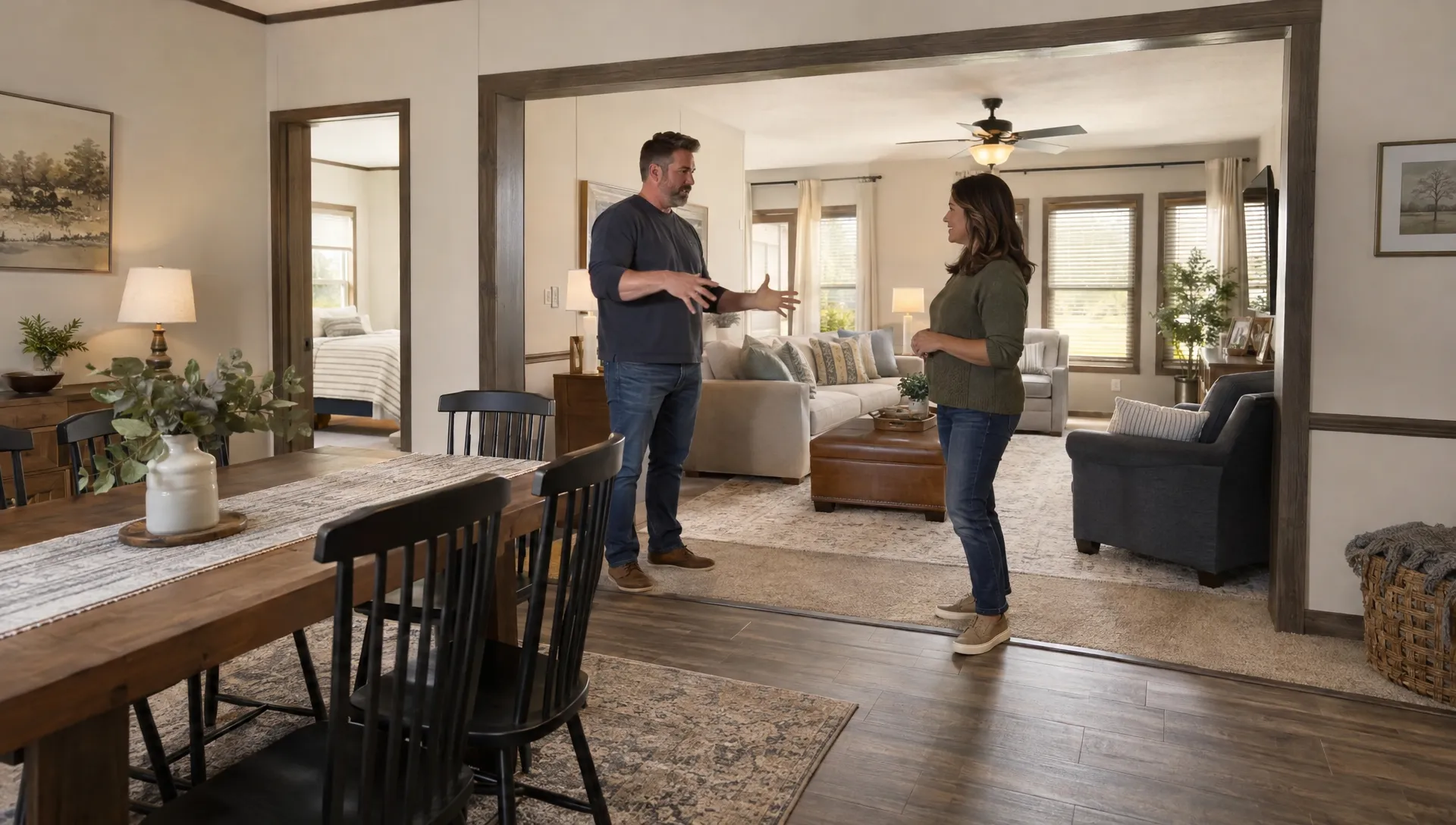
This is where choosing the right floor plan matters. A buyer who wants a smaller layout may compare a 2 bedroom option such as the Legacy Heritage H-1668-22A, a 2 bathroom, 1,005 sq ft Legacy Housing floor plan with 16' x 68' dimensions. A household that needs another bedroom may look at the Legacy Heritage H-1672-32B, a 3 bedroom, 2 bathroom, 1,068 sq ft Legacy Housing floor plan with 16' x 72' dimensions.
The point is not just square footage. The selected home affects the purchase agreement, total financed amount, down payment needs and the documents the lender uses to approve the loan. If you change models after applying, the lender may need updated paperwork.
Homesite requirements: community lot, leased land or private property
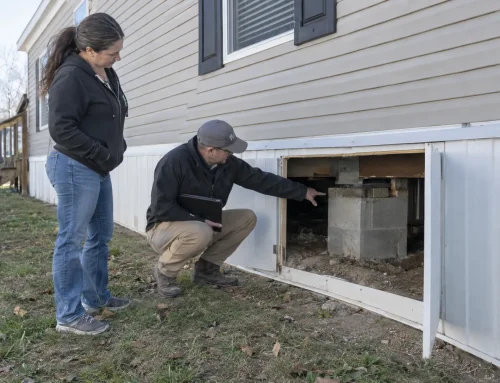
A chattel loan does not usually require you to own the land, but the lender still needs to know where the home will be placed. The home must have a legal and acceptable site, and the site must be ready or on track for delivery and installation.
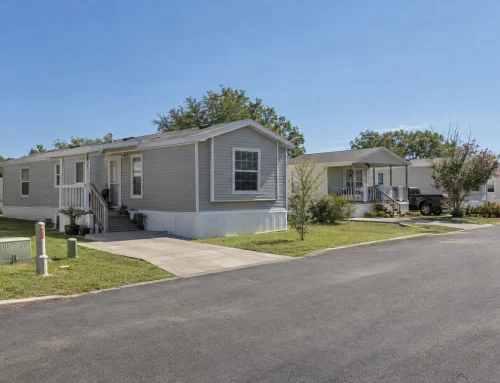
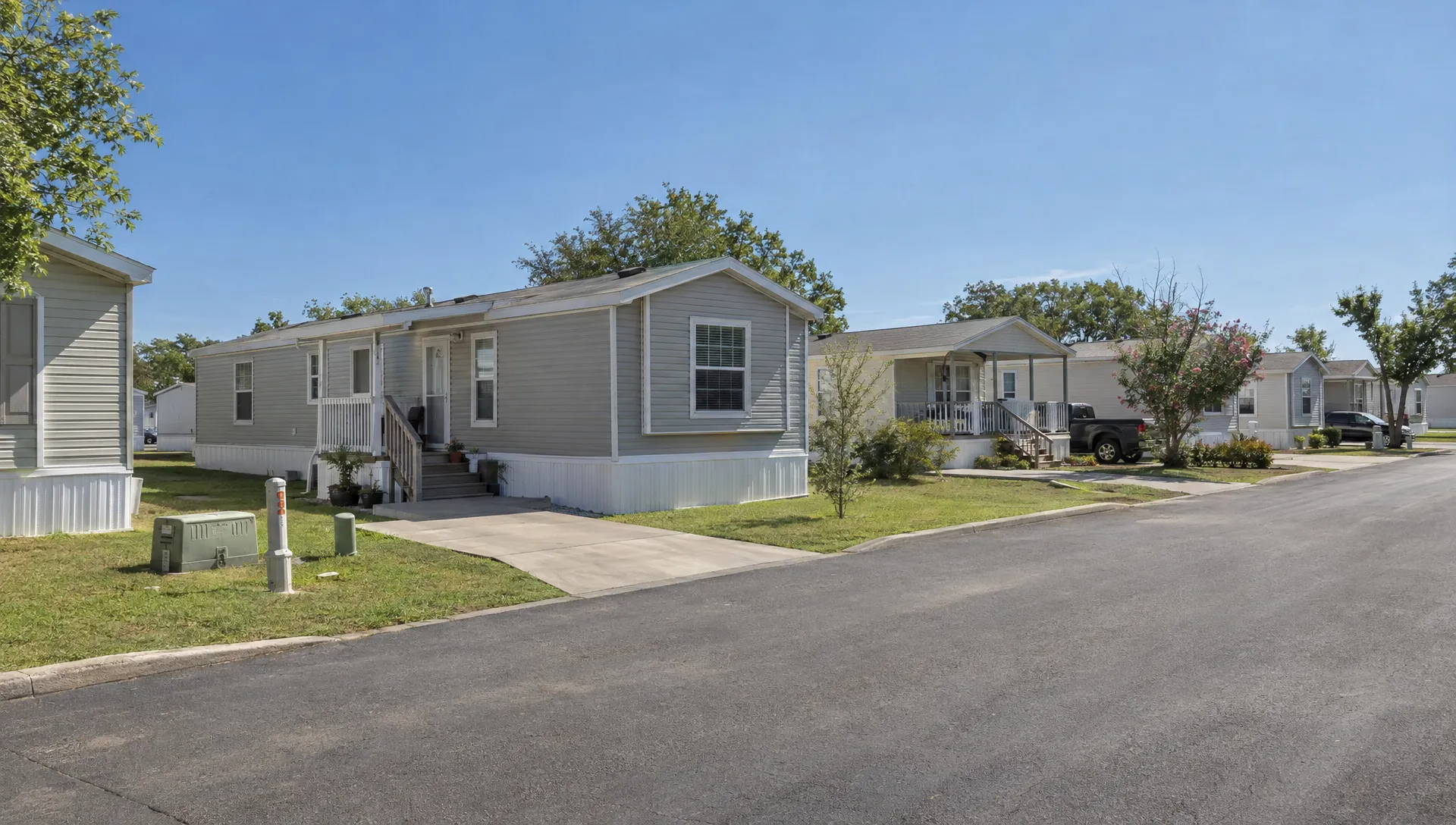
If the home will be placed in a manufactured home community, the lender may ask for proof that you have been approved by the community. This can include a lot lease, estimated lot rent, community contact information and confirmation that the selected home is allowed on that lot.
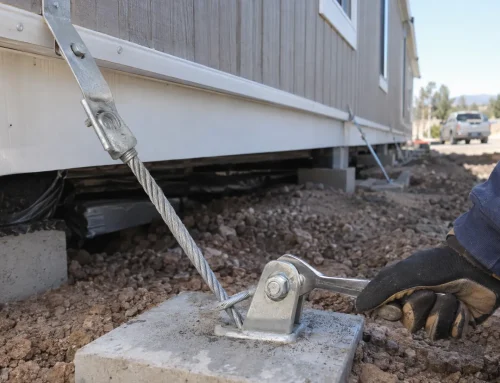
If the home will be placed on private land that you do not own, such as family land, the lender may request written permission, a land lease or other documentation that shows you have the right to place the home there. Local requirements can also affect site preparation, utility connections and installation steps.
If you own the land and want to finance both the home and land together, a real estate mortgage may be a better fit than a chattel loan. Homes2Go has a separate guide comparing a mobile home and land mortgage vs chattel loan if you are deciding between those paths.
Documents to gather before you apply
Getting documents ready early can make the application smoother. You may not need every item on day one, but having them organized helps your retailer and lender move faster.
- Government-issued photo ID and Social Security number or taxpayer identification information
- Recent pay stubs, W-2s, tax returns or benefit award letters
- Bank statements showing down payment funds and reserves
- Current address, employment history and landlord or mortgage information
- List of monthly debts, including auto loans, credit cards, personal loans and child support obligations
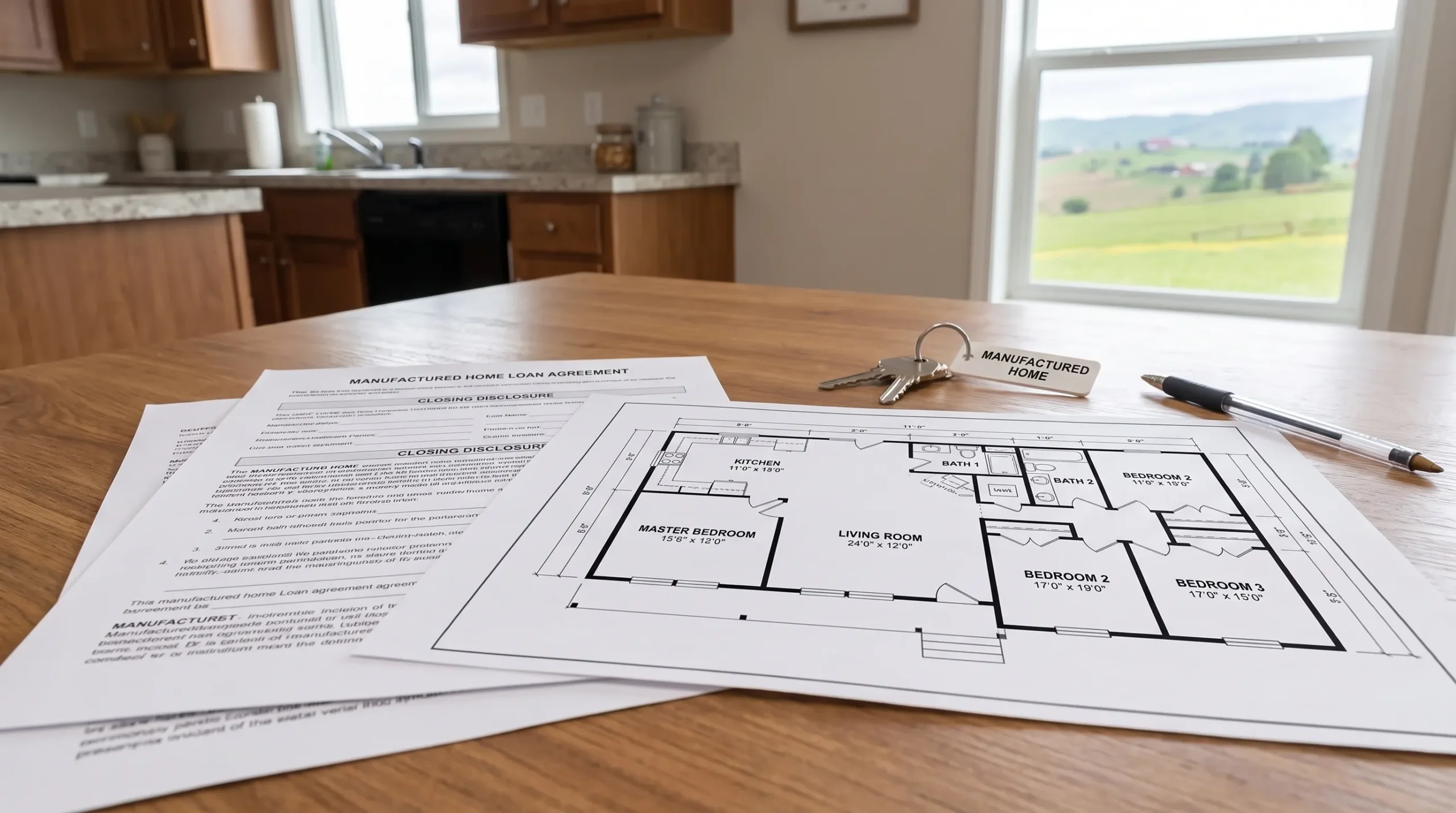
- Purchase agreement, floor plan, home model details and any delivery or installation estimates
- Lot lease, community approval or written homesite permission
- Insurance quote or proof that insurance is available for the home
- Explanation letters for major credit events, employment gaps or unusual bank deposits if requested
- Texas title or Statement of Ownership information when applicable
Do not be surprised if the lender asks follow-up questions. Underwriting is often a process of matching the application to the documents. Clear, consistent paperwork reduces delays.
Texas title and ownership requirements
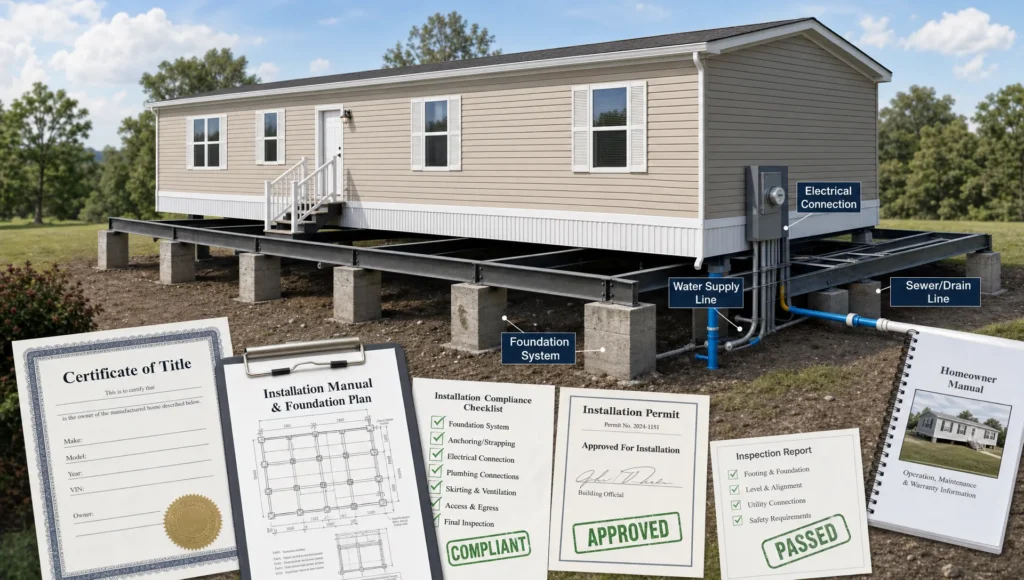
In Texas, manufactured home ownership records are handled through the Texas Department of Housing and Community Affairs Manufactured Housing Division. The division provides information on manufactured home records, ownership and related requirements through the TDHCA Manufactured Housing Division.
For chattel financing, the lender will want its lien recorded correctly. That means the buyer name, home identification, location and lender information must match the loan documents. If the home is new, your retailer and lender may help coordinate much of this process. If the home is used, title or ownership issues can take longer to resolve.
A manufactured home buyer should confirm several details before closing: the correct legal names of all buyers, the home’s serial number, the physical location where the home will be placed and whether there are any existing liens that must be released. Small errors can cause big headaches later, especially when you try to refinance, sell or move the home.
Some buyers also compare chattel financing with FHA options. FHA manufactured home rules can involve additional requirements related to HUD labels, data plates, foundations and title treatment. If that route is on your list, review the Homes2Go guide to FHA mobile home loan requirements before assuming the same paperwork will apply.
How the chattel loan process usually works
The order can vary by lender and retailer, but most buyers move through a similar sequence.
- Budget and prequalification: You discuss income, credit, target payment and available funds so the lender or retailer can estimate what may be realistic.
- Home selection: You choose a manufactured home model, review the floor plan and estimate the full cost, including delivery and installation items when applicable.
- Homesite confirmation: You confirm the lot, community approval or land permission so the lender knows where the home will be located.
- Full application and documents: You complete the application and submit income, bank, identity, home and site documents.
- Underwriting review: The lender verifies the file, asks for any missing items and confirms the loan terms if approved.
- Closing and funding: Final documents are signed, insurance and lien details are confirmed and the home can move toward delivery or move-in readiness.
Buyers often focus only on credit approval, but site approval and home documentation can be just as important. A strong borrower file can still stall if the lot lease is missing or the home details do not match the purchase agreement.
Common reasons chattel loan applications get delayed
Most delays come from missing information, not from unusual problems. The most common issues include incomplete income documents, unexplained deposits, a community approval that has not been finalized, an insurance quote that has not been ordered or a home model change after the lender has already reviewed the file.
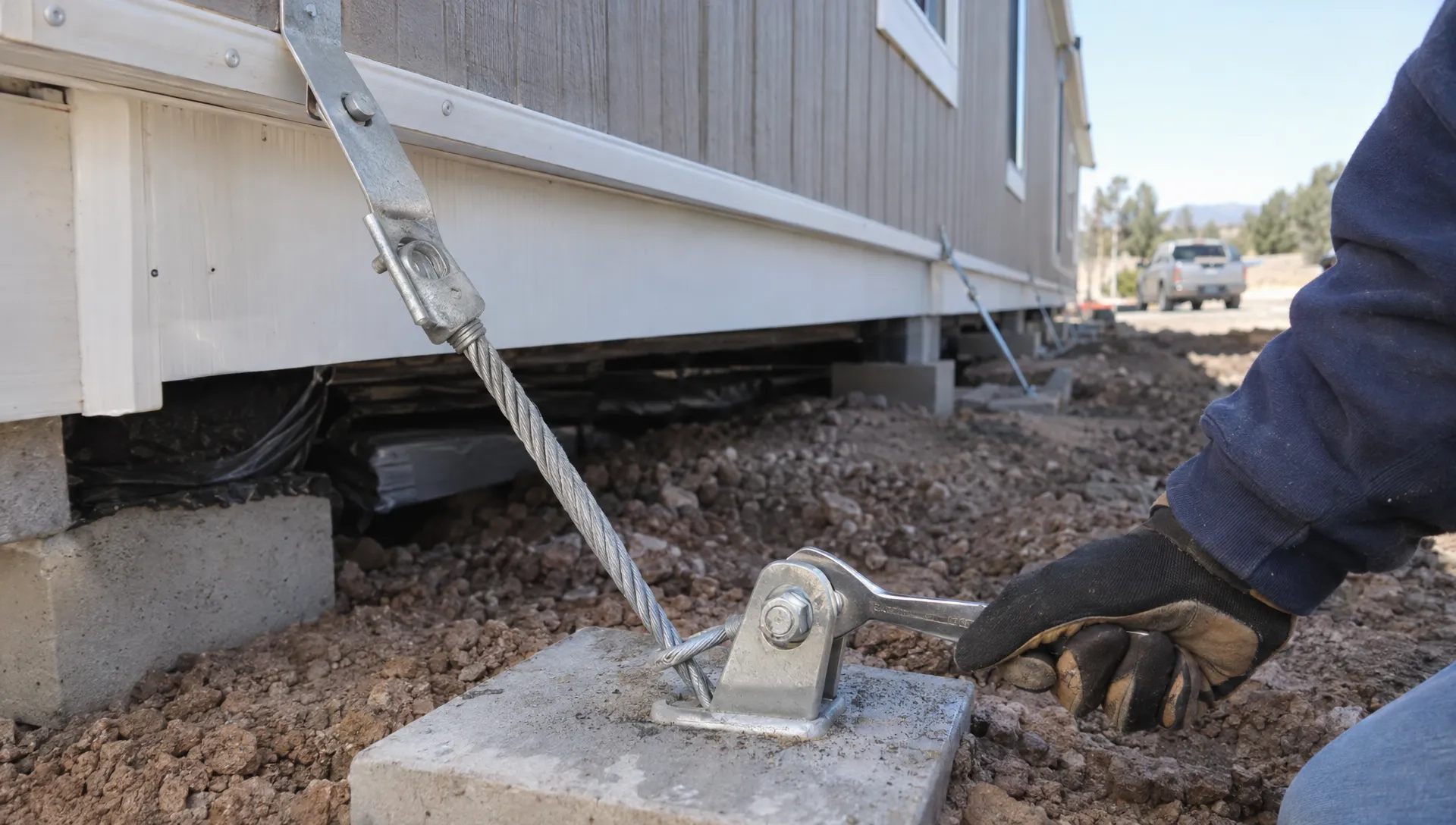
Another frequent delay is not accounting for the full transaction cost. A manufactured home purchase can include the home, taxes, delivery, setup, utility-related work, skirting, steps or other site-specific items depending on the transaction. Ask for a written breakdown so you understand what is included in the financed amount and what may need to be paid separately.
Credit timing can also matter. If you apply, get conditionally approved and then finance a vehicle or open several credit cards before closing, the lender may need to recheck your file. That can change the approval decision or create new documentation requirements.
How to prepare for a stronger application
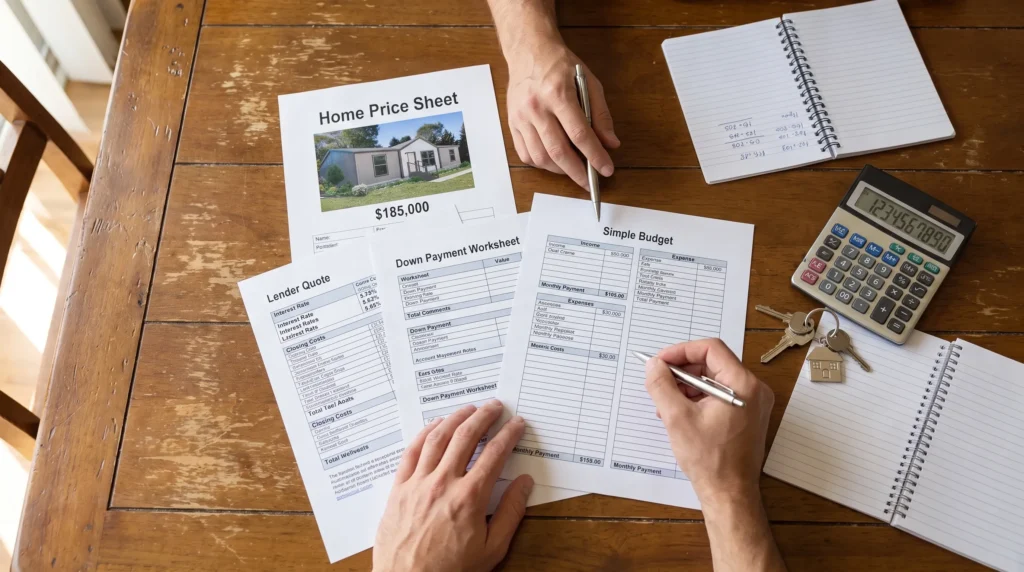
Start with a realistic monthly budget. Include the home payment, lot rent if applicable, insurance, utilities and routine maintenance. Then work backward into the price range and home size that fit that budget.
Next, gather documents before you fall in love with a specific model. This helps you avoid shopping above your approval range and gives your retailer a clearer picture of which homes may fit your financing path.
It also helps to work with a local team that understands manufactured home financing in San Antonio. Local knowledge matters because community rules, homesite logistics, delivery considerations and lender expectations can all affect the timeline.
Finally, ask direct questions before you sign anything: What documents are still missing? What is included in the total cost? Is the lot approved? Will the home be titled as personal property? What could change before closing? A good financing process should make those answers clear.
Frequently Asked Questions
What credit score do you need for a chattel loan? Credit score requirements vary by lender and program. Some lenders may consider lower scores if income, down payment and recent payment history are strong, but unresolved credit issues can make approval harder.
Do chattel loans require a down payment? Many chattel loan programs require some money down, but the amount depends on the lender, borrower profile, home price and program guidelines. Ask for a written estimate that separates down payment from other cash-to-close items.
Can I get a chattel loan if I do not own land? Yes, chattel loans are often used when the home will be placed on leased land or in a manufactured home community. The lender will still need proof that the homesite is approved and acceptable.
Does the manufactured home have to be new? Not always. Some lenders finance used manufactured homes, but requirements may be stricter for age, condition, title history and value. New homes often have cleaner documentation because the retailer can provide current model and purchase details.
Is a chattel loan the same as an FHA loan? No. A chattel loan describes the home being financed as personal property. FHA financing is a specific type of government-backed loan program with its own rules. Some FHA options may apply to manufactured homes, but they are not the same as a standard chattel loan.
How long does chattel loan approval take? Timing depends on the lender, document readiness, home selection and site approval. Buyers who provide complete documents early and already have lot approval are usually in a better position to avoid delays.
Ready to review your manufactured home financing options?
Chattel loan requirements are easier to manage when you know what lenders need before you apply. If you are shopping for a manufactured home in San Antonio, Homes2Go San Antonio can help you compare available models, review floor plans and connect with guidance for flexible financing options through the buying process.
 Texas Mobile Home State Inspections: What Owners Should Know
 How to Compare Chattel Loan Interest Rates in 2026