
Getting an FHA loan on a manufactured (mobile) home is often very doable, but it is rarely “standard mortgage paperwork.” The difference is that FHA lenders and appraisers must verify the home meets HUD’s manufactured housing standards and that ownership is documented correctly. In practice, most delays come from three items buyers do not think about until underwriting, the home title, the HUD certification labels (often called HUD tags), and the HUD data plate.
This guide breaks down the FHA mobile home loan requirements that relate specifically to titles, tags, and HUD data, so you can gather the right documents early and keep your closing on track.
First, which FHA loan are you using (Title I vs Title II)?
“FHA loan” can mean two different programs for manufactured housing. The paperwork around title and the land can change depending on which route you take.
| FHA program | What it can finance | Typical ownership setup | Why titles, tags, and HUD data still matter |
|---|---|---|---|
| FHA Title I | A manufactured home, a lot, or both (depending on structure) | Often used when the home is not financed as real estate | Lender still needs to confirm HUD compliance and verify the home’s identity and ownership records |
| FHA Title II | A traditional FHA mortgage for the home and land together | Home must generally be treated as real property with the land | Underwriting usually requires clean title/ownership proof and strong documentation tying the HUD labels to the home and appraisal |
For official program details, see HUD’s overview of manufactured housing and FHA guidance in the HUD Single Family Housing Policy Handbook (4000.1).
The baseline FHA manufactured home requirements (why documentation is required)
FHA lenders are not just lending on “a house,” they are lending on a home that must be proven to be a HUD-code manufactured home. That is why the home’s labels and data plate matter.
While lender overlays vary, common FHA manufactured home standards include:
- The home was built on or after June 15, 1976, which is when the federal HUD manufactured home construction and safety standards took effect.
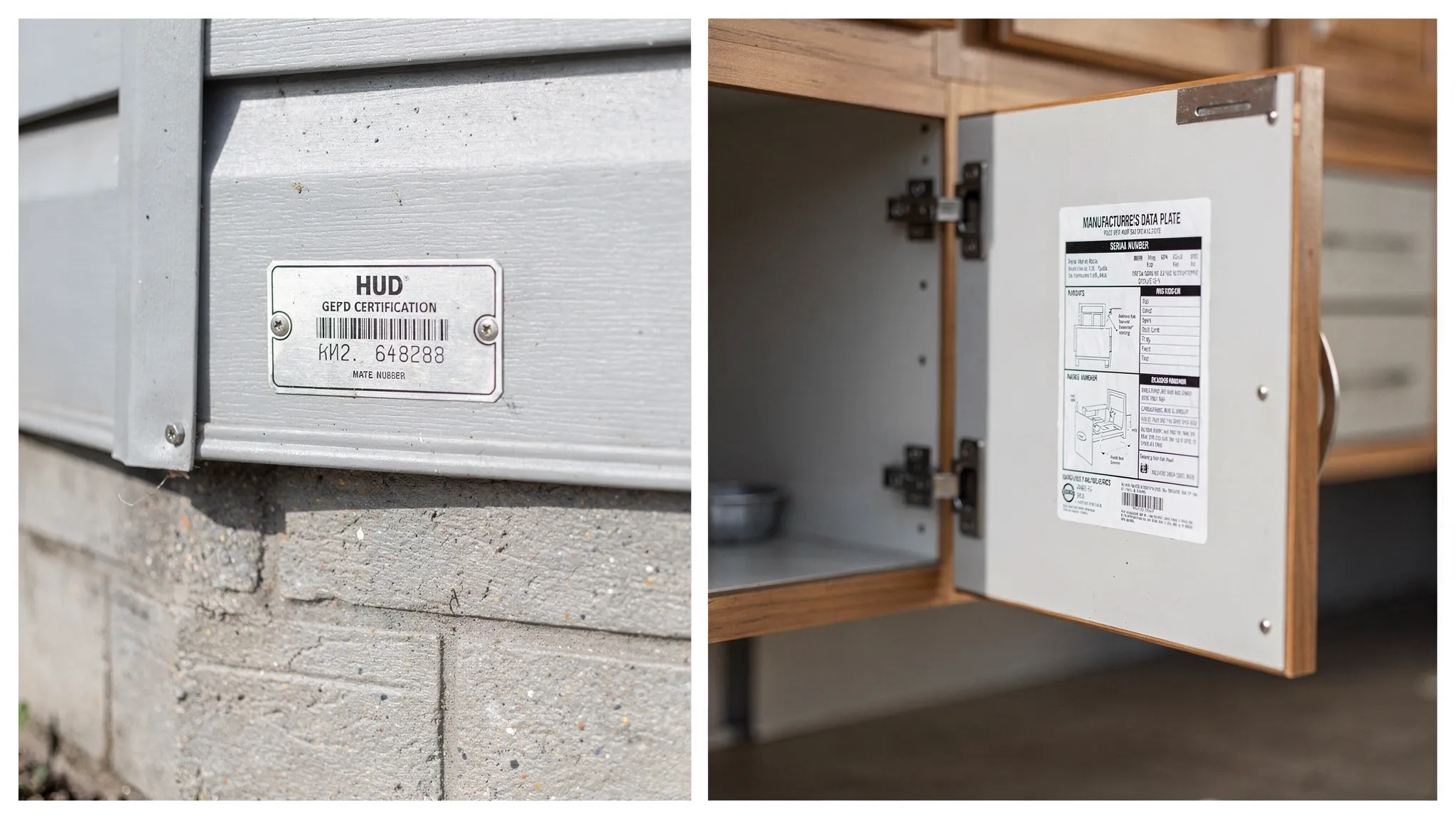
- The home has a HUD Certification Label (HUD tag) on each transportable section.
- The home has a HUD Data Plate (sometimes called a compliance certificate) inside the home.
- For real-estate style FHA financing (often Title II), the home is typically required to be permanently installed and meet foundation expectations in the Permanent Foundations Guide for Manufactured Housing (HUD).
Those requirements are exactly why your lender will ask for identifiers that connect the physical home to the paperwork.
HUD tags, HUD data plate, and title: what each one is (and what FHA uses it for)
HUD Certification Label (HUD tag)
A HUD Certification Label is a small metal plate riveted to the exterior of each section of a HUD-code manufactured home. People casually call these “HUD tags.”
What FHA and the appraiser use it for:
- Confirms the home is a HUD-code manufactured home
- Provides a unique ID number used to match the home to records, appraisals, and (often) title paperwork
- Helps confirm the correct sections belong to the correct home
Where it is usually found:
- On the outside of the home on each section (commonly near the back end of each section, but placement varies)
Important nuance: buyers sometimes confuse “tags” with DMV-style registration tags. For FHA underwriting, “tags” almost always means the HUD certification labels, not a license plate or annual registration.
HUD Data Plate
The HUD Data Plate is an information sheet (often a paper label) placed inside the home at the time of manufacture.
What FHA and the appraiser use it for:
- Verifies manufacturer details and the home’s key design ratings
- Confirms information such as wind zone and other design criteria that can matter for eligibility and appraisal
Where it is usually found:
- Inside a kitchen cabinet
- In a utility room
- In a bedroom closet
- Near the electrical panel (varies by manufacturer)
The home title (and why it can block an FHA closing)
The title is the legal ownership record for the manufactured home. This is where lien issues, ownership mismatches, and “the paperwork does not match the home” problems show up.
What FHA underwriting uses it for:
- Confirms the seller legally owns the home
- Confirms whether there are liens that must be satisfied
- Confirms the home’s serial/section numbers match the HUD identifiers and appraisal
Texas note: manufactured housing ownership and records are typically handled through the state’s manufactured housing system (not the same process as a car title). A common document is the Statement of Ownership and Location (SOL) through the Texas Department of Housing and Community Affairs. For Texas resources, see TDHCA Manufactured Housing.
The lender-ready documentation checklist (titles, tags, and HUD data)
Most FHA delays happen when one of the following is missing or inconsistent. Use this as a pre-underwriting checklist.
| Item | What the lender/appraiser is trying to confirm | What to gather | If it’s missing |
|---|---|---|---|
| HUD Certification Label number(s) | The home is HUD-code and the sections match the home being financed | Photo of each HUD label and the number(s) written clearly | Order a Label Verification Letter through an authorized source such as IBTS (lender acceptance varies) |
| HUD Data Plate | Manufacturer details, manufacture date, design ratings | Clear photo of the data plate | Ask the dealer/seller for documentation, and check IBTS options for verification when applicable |
| Home ownership records (Texas SOL or equivalent) | Legal ownership, lien status, and correct home identifiers | Current ownership document, lien releases (if any), and seller ID match | Work with the state system to correct ownership issues or clear liens before appraisal/closing |
| Serial/section numbers | The IDs match across title paperwork, data plate, and appraisal | Photos of serial numbers (often on the data plate) and any paperwork showing them | Ask the manufacturer/dealer for build info, and confirm consistency before ordering appraisal |
Tip: create a single PDF folder with your photos and documents labeled (Example: “HUD Tag Section A,” “HUD Tag Section B,” “Data Plate,” “SOL”). Underwriters love clarity.
Common problems that derail FHA manufactured home loans (and how to fix them)
Problem 1: The HUD tags are missing or unreadable
This happens more often than buyers expect, especially with older homes or homes that have had exterior repairs.
What to do:
- Take exterior photos around the home where the labels would typically be installed.
- Ask the lender what documentation they accept in place of missing labels.
- If needed, request a verification letter through IBTS.
Important: do this before appraisal whenever possible. Appraisers are often required to report the label numbers, and missing labels can trigger extra conditions.
Problem 2: The HUD data plate is gone (common after remodels)
If cabinets were replaced or walls repainted, the paper data plate may be removed.
What to do:
- Check the usual locations carefully (kitchen cabinets, closets, utility room, electrical panel area).
- Ask the seller if they have any archived paperwork from the original purchase.
- Ask your lender what third-party verification they accept when the plate is missing.
Problem 3: Title ownership does not match the seller, or there is an old lien
This is a major underwriting stop sign.
What to do:
- Run a title/ownership check early (before you pay for inspections and appraisal).
- Confirm any prior lender liens are properly released.
- If the home is being converted to real property for an FHA mortgage, confirm what state steps are required and how long they take.
Texas buyers can start with information from TDHCA Manufactured Housing and ask their lender what documentation they require for the specific FHA program.
Problem 4: The paperwork describes a different home than the appraiser sees
This can happen when section numbers were transposed, the wrong year is listed, or the home was moved and records were never updated.
How to reduce the risk:
- Make sure the HUD label numbers, serial/section numbers, and ownership documents all match before underwriting.
- If buying from a dealer, ask them to confirm identifiers with you in writing.
How FHA underwriting and appraisal use HUD data (what the appraiser will check)
Even if your lender has the paperwork, the FHA appraisal still needs to document the manufactured home correctly.
Typical verification points include:
- HUD label numbers noted in the appraisal report
- Data plate information documented or referenced
- Condition and eligibility observations (the appraiser must confirm the home is a HUD-code manufactured home and meets program rules)
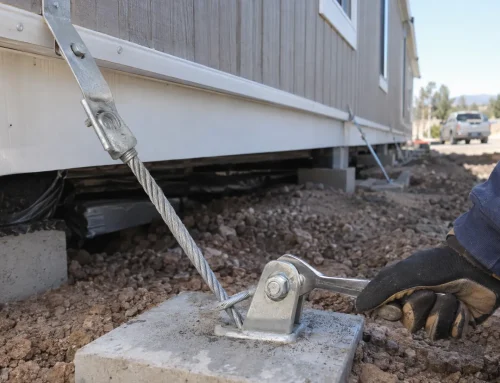
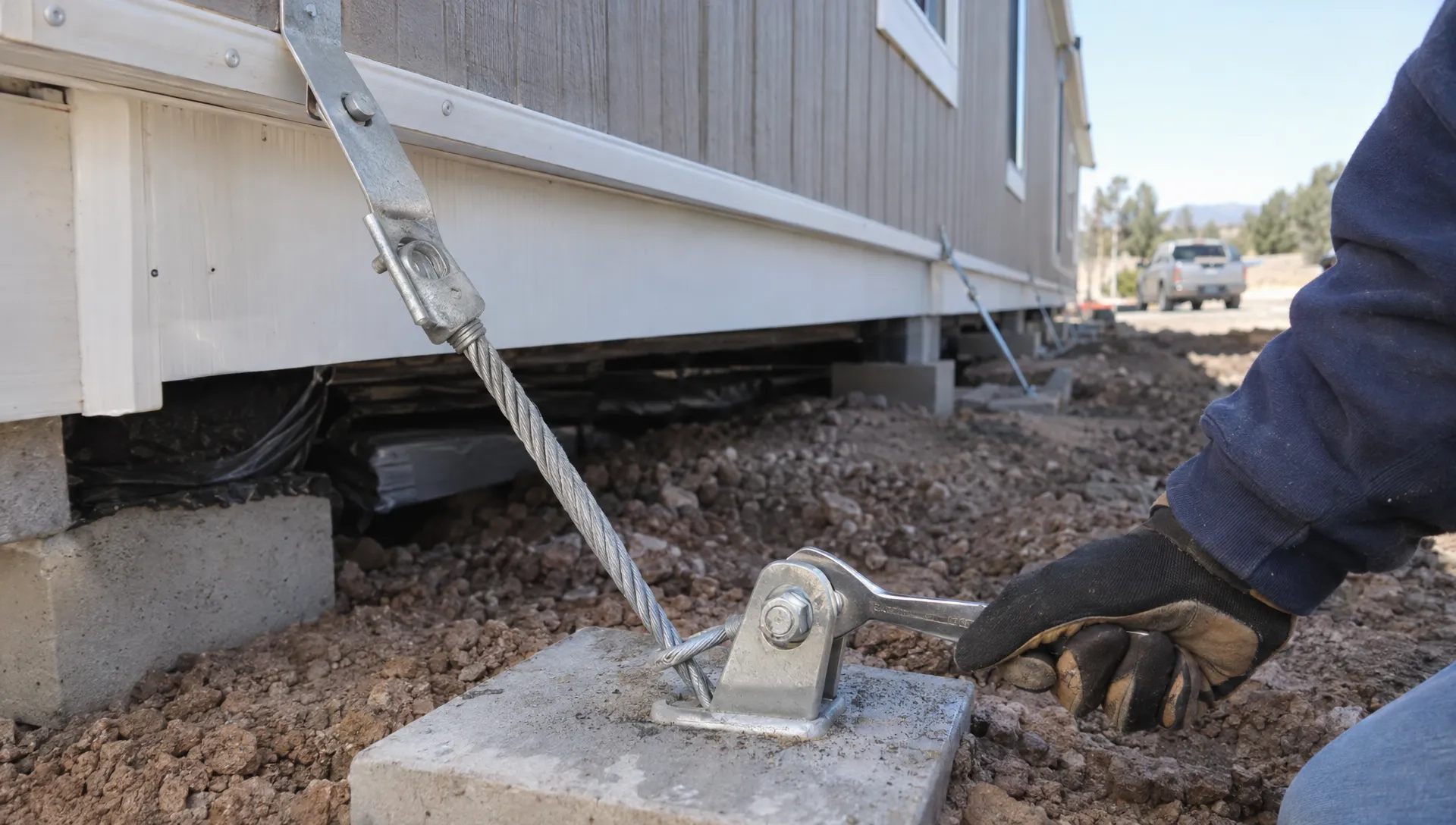
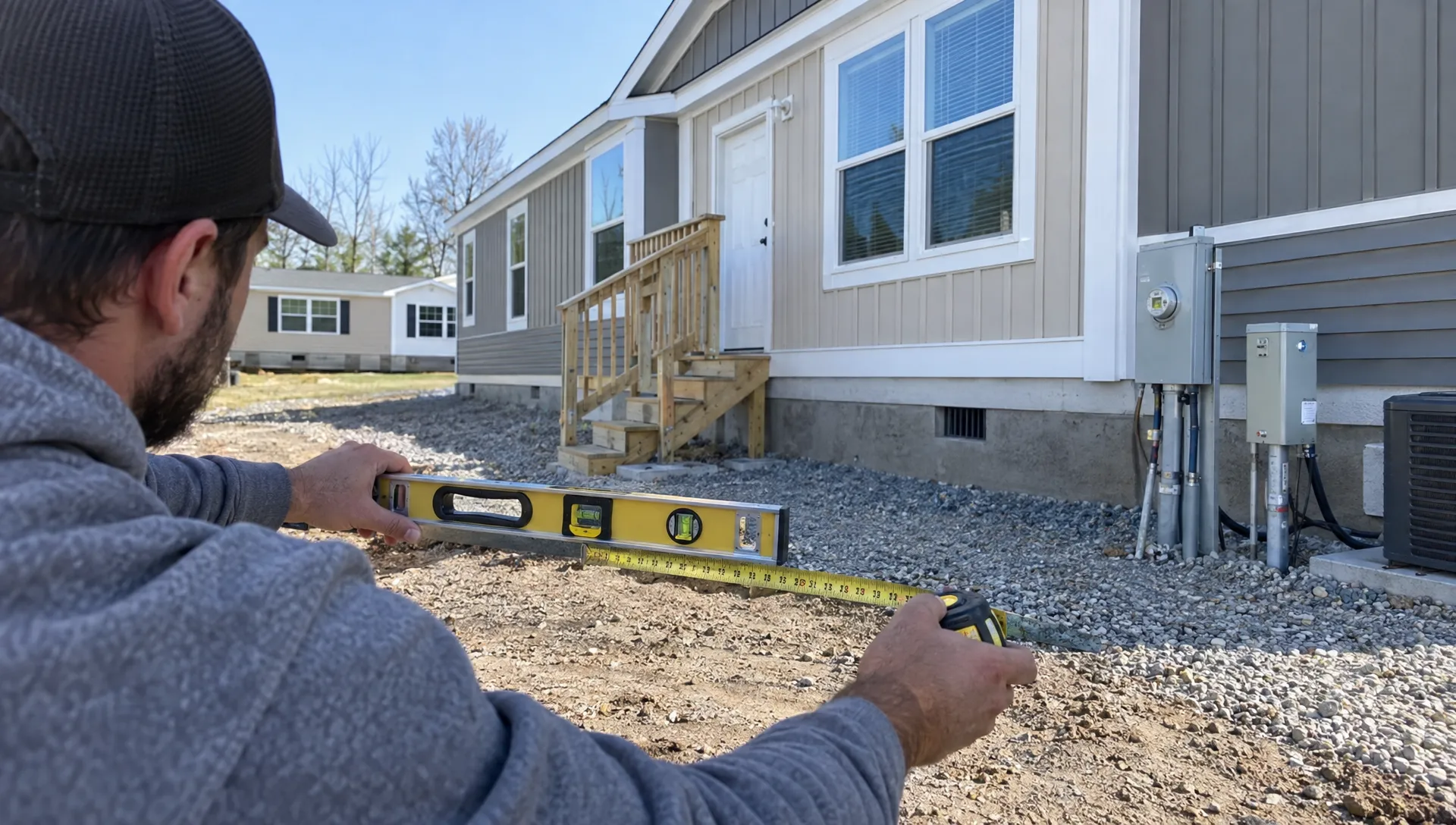
- Installation and foundation expectations, especially when financing as real property (many lenders require additional proof, such as an engineer’s certification, depending on the transaction and property type)
If you are placing a home on private land near San Antonio, also expect extra attention on site-related items that can impact underwriting timelines, utilities, access, and any required permits.
Buying in a community vs on private land: how it can affect “title vs mortgage”
This is where many buyers get surprised.
- In a land-lease community (mobile home park), your home may be financed and titled more like personal property in some scenarios. FHA options can still exist, but the documentation and lender requirements can differ.
- On private land (land and home together), FHA Title II financing is often structured like a traditional mortgage, which usually means the home must be properly recorded with the land as real property under state rules.
If you are still deciding between community living and private land, Homes2Go’s guides on local options can help you think through the lifestyle and budget tradeoffs, starting with their San Antonio mobile home park roundup and their land and home packages guide.
A practical “before you apply” checklist for FHA manufactured home financing
Confirm the home is HUD-code and financeable
Ask the seller or dealer:
- Is the home built on or after June 15, 1976?
- Can you provide photos of the HUD labels and the data plate?
Verify ownership and liens early
Before you spend money on third-party services:
- Confirm the ownership document is current
- Confirm there are no unreleased liens
- Confirm the home identifiers match across paperwork
Align on the FHA program with your lender
Ask specifically:
- Are we doing FHA Title I or FHA Title II for this property?
- If Title II, what is required for the home to be treated as real property in this transaction?
- What do you accept if the HUD data plate or labels are missing?
That last question is critical because lender overlays can be stricter than baseline FHA guidance.
Frequently Asked Questions
What are the FHA mobile home loan requirements for HUD tags? FHA lenders and appraisers generally need the HUD certification label number(s) to prove the home is a HUD-code manufactured home and to match the correct home sections to the loan file.
Where can I find the HUD data plate in a manufactured home? The HUD data plate is often inside a kitchen cabinet, a utility room, a closet, or near the electrical panel. Placement varies by manufacturer.
Can I get an FHA loan if the HUD tags are missing? Sometimes, but it depends on the lender. Many will require third-party verification (for example, a label verification letter) and may add extra underwriting conditions.
Do FHA loans require the manufactured home title to be retired? For FHA loans structured like a traditional mortgage (often Title II), lenders commonly require the home to be treated as real property under state law, which can involve changing how the home is titled or recorded. Your lender and local authority can confirm what applies.
What is the difference between a HUD tag and a title tag? A HUD tag is the HUD certification label on the home that confirms HUD-code construction. A title “tag” is not an FHA term, and buyers often confuse it with vehicle-style registration. FHA underwriting focuses on HUD labels, the data plate, and legal ownership records.
What documents should I ask for before paying for an appraisal? Ask for photos of the HUD labels and the HUD data plate, plus current ownership documents showing the seller and any lien status. Resolving mismatches early can prevent costly delays.
Need help getting FHA-ready paperwork for a manufactured home in San Antonio?
Homes2Go San Antonio helps buyers compare move-in ready manufactured homes and navigate financing with trusted local lenders. If you are trying to line up HUD tags, the HUD data plate, and title/ownership documents before you apply, their team can help you understand what your lender will need for your specific home and setup.
- Browse homes: Homes2Go San Antonio
- Financing overview (including FHA paths): Homes2Go SA Financing
 Single Wide Mobile Homes for Rent: Best Fit and Budget Tips
 FHA Manufactured Home Loan Requirements: 2026 Approval Checklist