
If you are shopping for a manufactured home in San Antonio, you will probably hear the term chattel loan early in the financing conversation. It may sound complicated, but the basic idea is simple: a chattel loan is a loan secured by the manufactured home itself, not by the land underneath it.
That distinction matters. Many manufactured home buyers place their home in a land-lease community, on family land, or on private land they already own. In those situations, a traditional mortgage may not always fit. Chattel loans for manufactured homes can give buyers a practical way to finance the home while keeping land separate.
This guide explains how chattel loans work, when they make sense, what lenders usually review, and what San Antonio buyers should ask before signing.
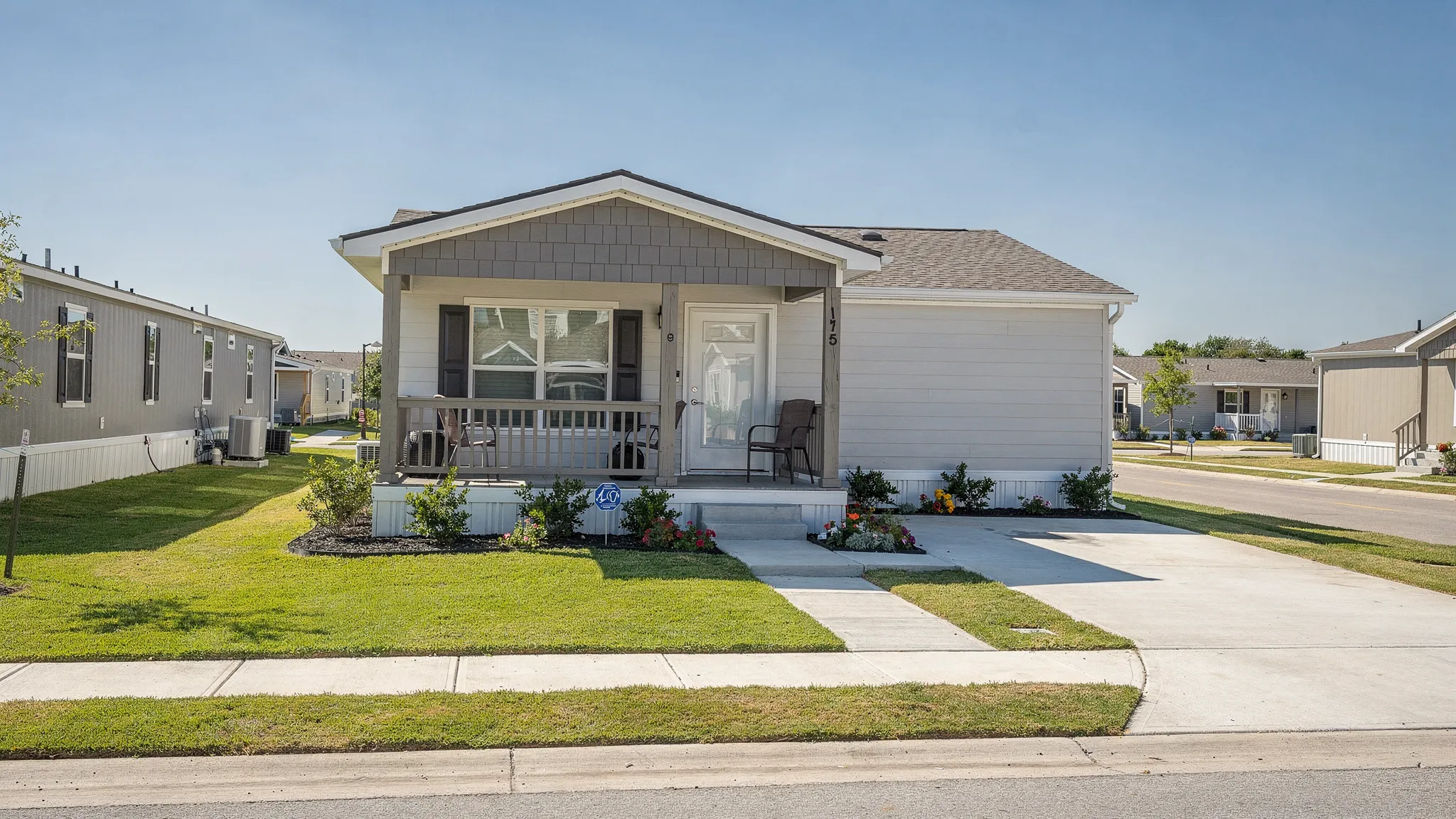
What is a chattel loan for a manufactured home?
A chattel loan is a type of personal property loan. The word chattel means movable personal property. In manufactured housing, the home can be financed as personal property when the land is not part of the loan.
Think of it this way. A traditional mortgage usually finances real estate, meaning land plus the permanent improvements attached to it. A chattel loan finances the home as the collateral. If the buyer stops making payments, the lender has a lien on the manufactured home rather than a lien on the land.
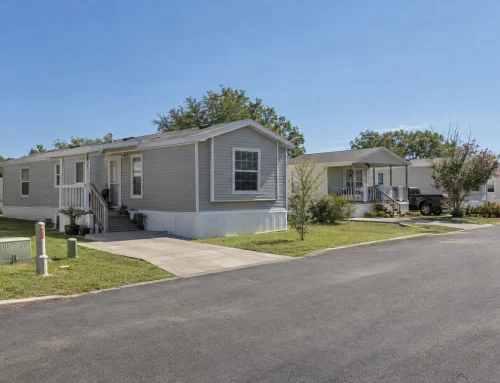
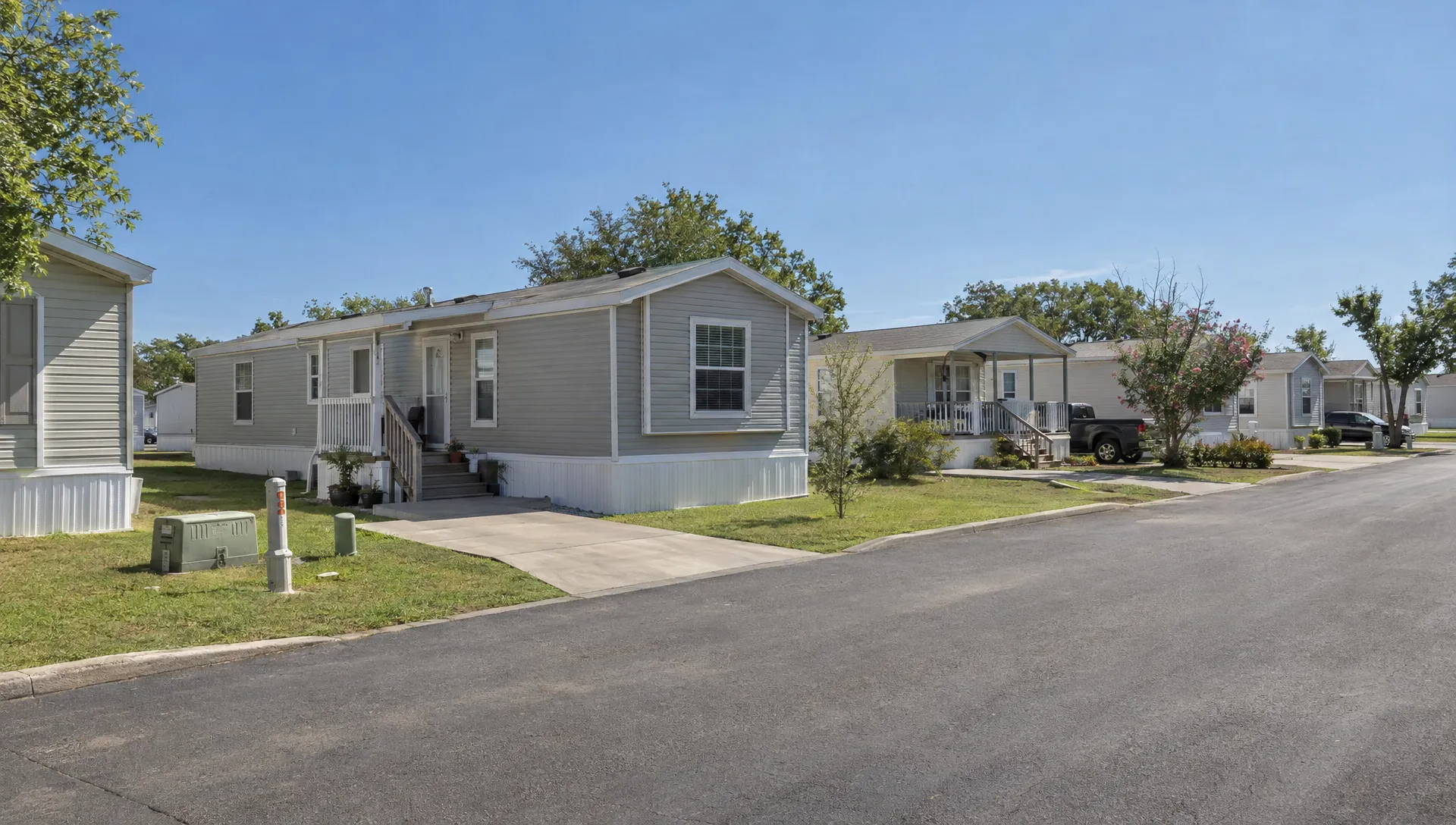
This is why chattel loans are common for manufactured homes placed in communities where the buyer leases the lot. You own the home, but you pay lot rent to the community for the homesite.
Manufactured homes are not the same as older mobile homes in a legal sense. Homes built after June 15, 1976 must meet the federal HUD Code for manufactured housing. HUD explains these standards in its manufactured housing program information. Financing options often depend on the home type, age, condition, location, and how it will be titled.
Why chattel loans are common in manufactured housing
Manufactured homes are flexible because they can be placed in different settings. Some buyers choose a manufactured home community. Others already own land. Some want a complete land and home package. Because the home and land are not always purchased together, lenders need financing options that match that structure.
A chattel loan can be useful when the buyer wants to finance only the home. This can reduce the amount of real estate paperwork compared with a land-home mortgage, although every lender has its own requirements.
The Consumer Financial Protection Bureau has noted that manufactured home financing can differ depending on whether the home is treated as personal property or real property. In general, personal property loans may be easier to use for homes in land-lease communities, but they can also come with different rates, terms, and consumer protections than mortgage loans.
In Texas, manufactured home ownership records are handled through the Texas Department of Housing and Community Affairs Manufactured Housing Division. The TDHCA provides information about the Statement of Ownership process, which is important because the way a home is documented and classified can affect financing, taxes, and future resale.
Chattel loan vs. manufactured home mortgage
The easiest way to understand chattel financing is to compare it with a land-home mortgage.
| Feature | Chattel loan | Land-home mortgage |
|---|---|---|
| What is financed | The manufactured home | The manufactured home and land |
| Collateral | The home itself | The home and real estate |
| Common placement | Land-lease community, family land, or land owned separately, depending on lender rules | Privately owned land included in the loan |
| Typical paperwork | Often less real estate documentation | More real estate, appraisal, title, and land documentation |
| Loan term | Often shorter than a 30-year mortgage | Often longer, depending on the program |
| Interest rate | Often higher than mortgage rates | Often lower than chattel rates, but qualification can be stricter |
| Best fit | Buyers who need home-only financing | Buyers purchasing land and home together |
The right choice is not always the one with the lowest advertised payment. The better question is: which loan structure fits where the home will be placed, how long you plan to live there, and what total monthly cost you can comfortably afford?
If you are comparing a home-only purchase with a complete land and home setup, it can help to review how land and home packages in San Antonio work before choosing a financing path.
When a chattel loan may make sense
A chattel loan can be a good fit for many manufactured home buyers, especially when land is not part of the purchase.
Common situations include:
- You want to place your home in a manufactured home community.
- You prefer to lease a lot instead of buying land right now.
- You already have land available and only need to finance the home, if the lender allows it.
- You want a financing option designed specifically for manufactured housing.
- You are buying a new home and want a lender familiar with delivery, setup, and installation timelines.
For many first-time buyers, this can make homeownership feel more accessible. Instead of needing to qualify for a larger land-home transaction, you may be able to focus on the home, the lot, and the monthly budget.
That said, a chattel loan is still a serious financial commitment. You should understand the loan term, interest rate, fees, insurance requirements, lot rent, and what happens if you later want to move, sell, or refinance the home.
When a chattel loan may not be the best fit
Chattel loans are useful, but they are not perfect for every buyer.
A land-home mortgage may be worth exploring if you are buying land and want the home treated more like traditional real estate. This can sometimes lead to longer repayment terms or different loan programs, depending on your qualifications and the property.
A chattel loan may be less ideal if:
- You want to finance land and home together from the beginning.
- You qualify for a mortgage program with better long-term costs.
- The combined home payment, lot rent, insurance, and utilities stretch your budget.
- You plan to move the home soon, since moving a manufactured home can be expensive and subject to rules.
- You do not yet have community approval or a confirmed homesite.
The main takeaway is simple: do not choose a chattel loan just because it is available. Choose it because it matches your placement plan, budget, and ownership goals.
What lenders look at for chattel loans
Every lender has different guidelines, but most will review the same broad categories. Because manufactured home lending is specialized, it helps to work with lenders who understand the home, the setup process, and Texas documentation.
| Factor lenders review | Why it matters | What to prepare |
|---|---|---|
| Credit history | Helps the lender evaluate repayment risk | Credit report review, explanation of recent issues if needed |
| Income and employment | Shows ability to make monthly payments | Pay stubs, tax documents, bank statements, or benefit income records |
| Debt-to-income ratio | Measures payment comfort compared with existing debts | Current loan, credit card, auto, and housing payment details |
| Down payment | Reduces loan risk and affects cash due at closing | Savings amount and source of funds |
| Home details | Confirms the home qualifies for financing | Model, year, size, HUD information, price, and features |
| Location or community | Confirms where the home will be placed | Lot lease, community approval, land details, or site information |
| Insurance | Protects the home and lender | Manufactured home insurance quote or lender-required coverage details |
| Setup and installation | Ensures the home can be delivered and installed properly | Delivery plan, permits, utilities, foundation, and installation details |
You do not need to know every answer before you start shopping. But the more complete your information is, the easier it becomes to compare financing options and avoid surprises.
Costs to include beyond the loan payment
One of the biggest mistakes manufactured home buyers make is focusing only on the home payment. A chattel loan may cover the home, and sometimes certain related costs, but your true monthly and move-in budget can include several other items.
Ask for an itemized estimate that separates what is included, what is optional, and what is paid separately.
| Cost category | Questions to ask |
|---|---|
| Home payment | What are the monthly payment, APR, term, and total amount financed? |
| Down payment and closing costs | How much cash is due before delivery or move-in? |
| Lot rent | What is the monthly lot rent, and what does it include? |
| Community fees | Are there application fees, deposits, pet fees, or amenity fees? |
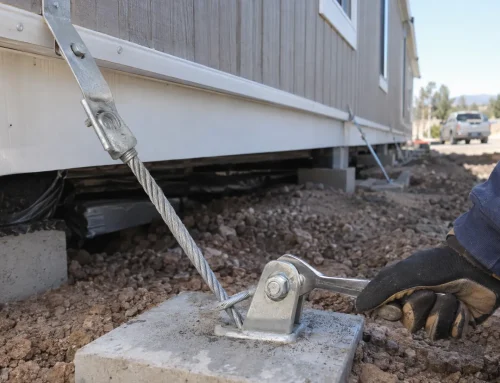
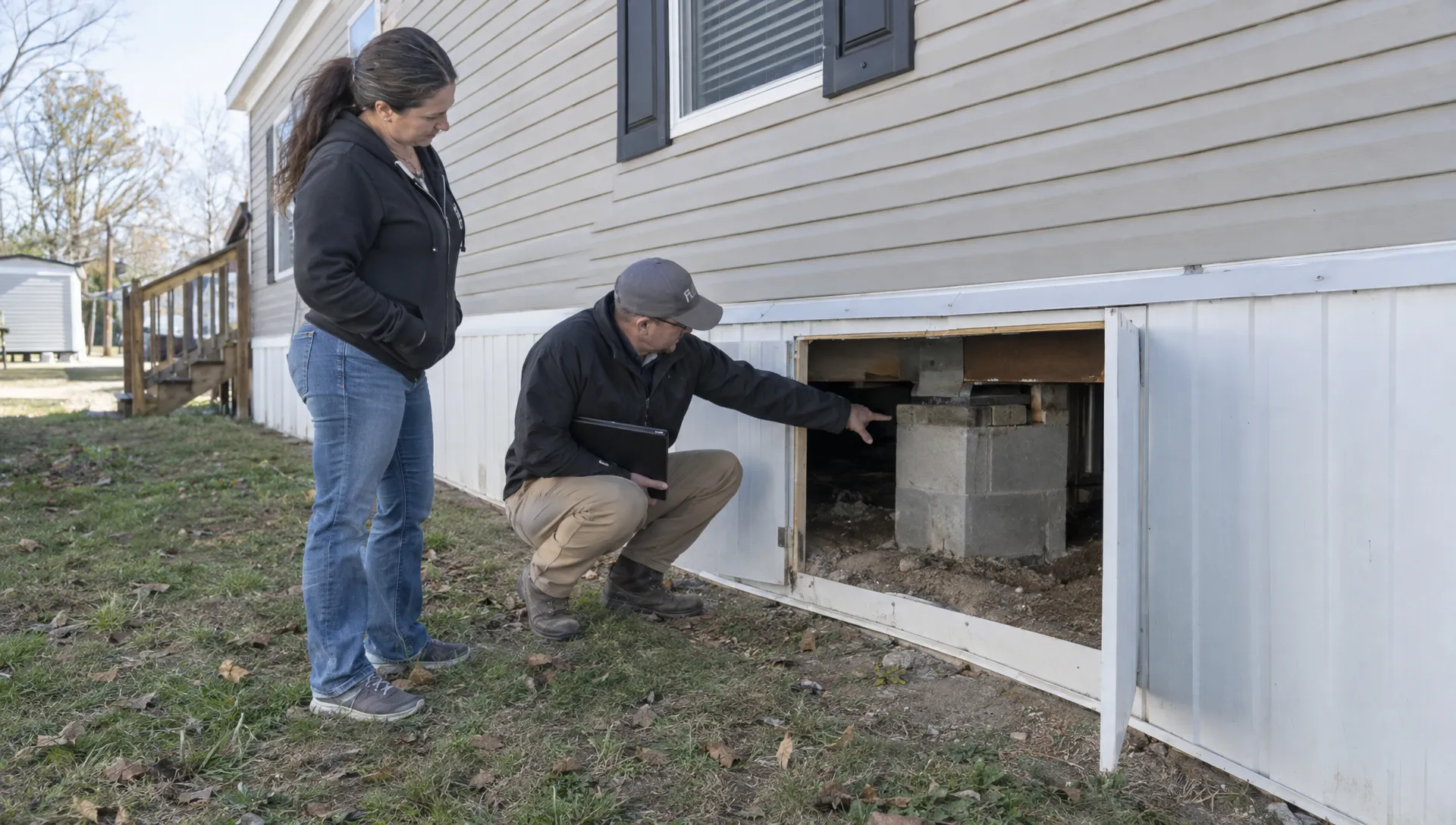
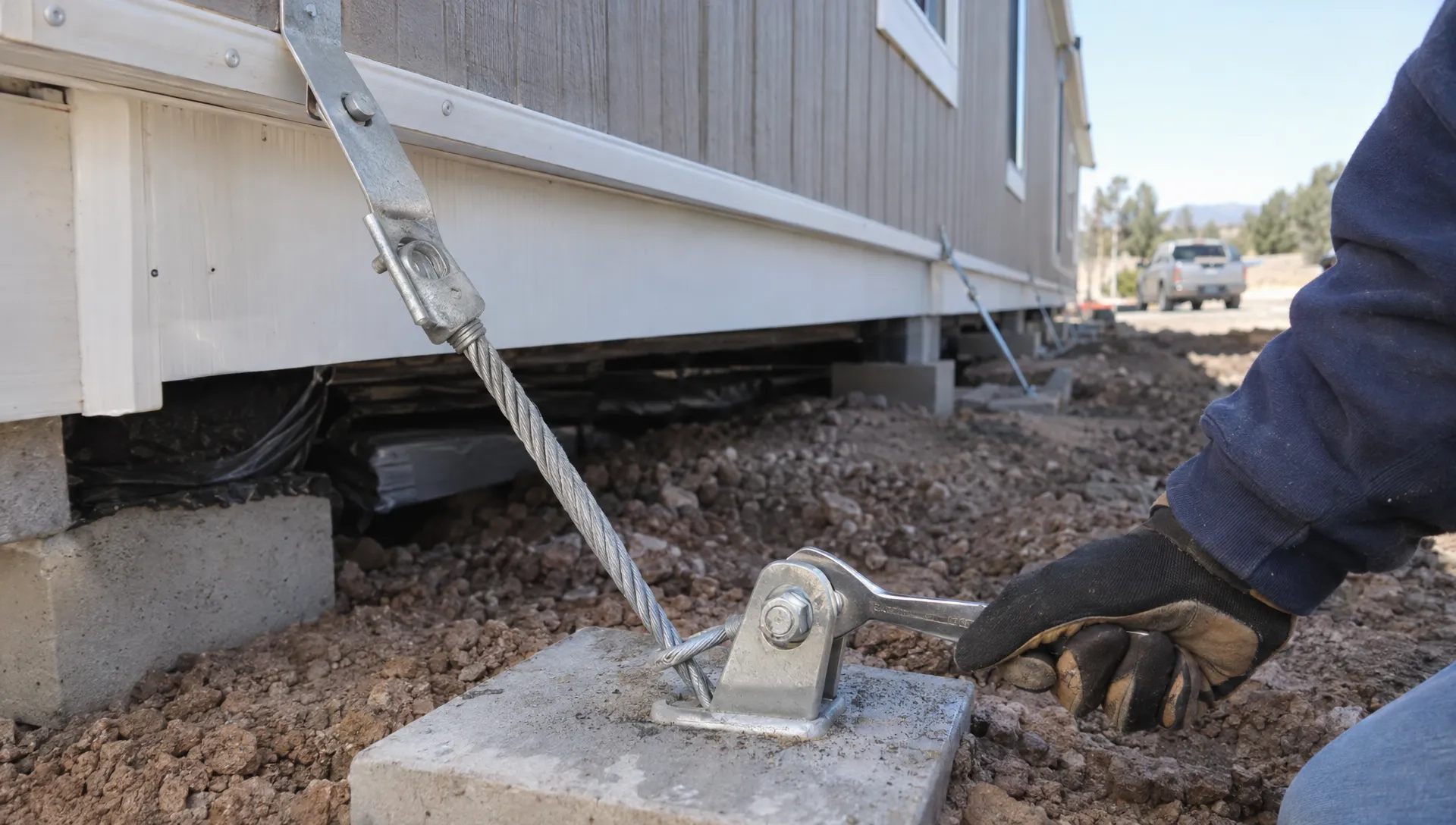
| Delivery and setup | Are transport, blocking, leveling, anchoring, and installation included? |
| Utilities | Who pays for electric, water, sewer, septic, gas, or utility connections? |
| Permits and inspections | Which permits are required, and who handles them? |
| Skirting, steps, and decks | Are these included in the home package or priced separately? |
| Insurance | What coverage does the lender require? |
| Taxes and documentation | What title, ownership, recording, or administrative costs apply? |
For San Antonio buyers, lot rent and utility arrangements can vary significantly by community. If you are still deciding where to place your home, our guide to the best mobile home parks in San Antonio can help you think through location, rules, amenities, and touring questions.
How the chattel loan process usually works
The process can vary by lender, retailer, community, and home type, but most buyers move through a similar path.
- Set a practical budget: Estimate the full monthly cost, including loan payment, lot rent, insurance, utilities, and any community fees.
- Choose a home style and floor plan: Compare single-section and multi-section models, bedroom count, energy-efficient features, and move-in needs.
- Confirm where the home will go: Decide whether you will lease a lot, use land you already have, or explore a land-home option.
- Apply with a manufactured home lender: Provide income, credit, identification, home details, and site information.
- Review the written loan terms: Compare APR, term, payment, down payment, fees, prepayment rules, and total cost over time.
- Complete community or site approvals: If you are moving into a community, approval is usually separate from loan approval.
- Finalize documents and schedule delivery: Once financing, site readiness, and installation requirements are complete, the home can move toward setup and move-in.
A good housing specialist should help you understand what needs to happen next without pressuring you into a decision before the numbers are clear.
How to compare chattel loan offers
When comparing lenders, do not look only at the monthly payment. A lower payment can come from a longer term, a larger down payment, or different fees. The APR and total cost matter too.
Use these questions when reviewing an offer:
- What is the APR, not just the interest rate?
- How long is the loan term?
- How much is due upfront?
- Are there lender fees, document fees, or administrative fees?
- Is there a prepayment penalty?
- Are delivery, setup, skirting, steps, or other items included in the amount financed?
- What insurance is required?
- How will the home be documented with the State of Texas?
- What happens if I want to sell the home before the loan is paid off?
- Can I refinance later if my situation changes?
The best lender is not always the one that gives the fastest answer. Look for clarity, experience with manufactured homes, and willingness to explain the tradeoffs.
San Antonio considerations for chattel loans
San Antonio is a strong market for manufactured homes because buyers can choose from established communities, growing suburban areas, and nearby private land options. But local details matter.
If the home will be placed in a community, you may need both loan approval and community approval. The community may review income, background, pets, household size, and community rules. Your lender may also need proof that the home is approved for that location.
If the home will be placed on private land in or around Bexar County, there may be additional site questions. These can include zoning, floodplain status, driveway access, utility availability, septic requirements, foundation or anchoring standards, and local permitting. These items can affect both timeline and cost.
This is why many buyers benefit from working with a local team. Homes2Go San Antonio helps buyers compare home models, understand financing paths, and connect with lender conversations that fit manufactured housing. You can also review available options on the Homes2Go financing page.
Common myths about chattel loans
Myth 1: Chattel loans are only for buyers with poor credit
Not true. Buyers use chattel loans for many reasons, especially when they are placing a home in a land-lease community. Credit still matters, but the loan type is often about how the home and land are structured.
Myth 2: A chattel loan means the home is lower quality
The financing type does not determine home quality. Many modern manufactured homes offer attractive interiors, efficient layouts, and energy-conscious features. The loan simply reflects whether the home is financed separately from land.
Myth 3: The lowest payment is always the best deal
A low payment can be helpful, but it is not the whole picture. Always compare APR, term, fees, total cost, and whether important setup items are included.
Myth 4: You can always convert a chattel loan into a mortgage later
Sometimes refinancing may be possible, but it is not automatic. It can depend on land ownership, home classification, foundation, lender rules, equity, credit, and local documentation. If this is part of your long-term plan, ask about it before you buy.
Frequently Asked Questions
Are chattel loans for manufactured homes the same as mobile home loans? They are often what people mean when they say mobile home loan, but the more accurate term for newer HUD-code homes is manufactured home loan. A chattel loan finances the home as personal property, usually without land.
Can I get a chattel loan if I do not own land? Yes, in many cases. Chattel loans are commonly used when the home will be placed in a land-lease manufactured home community. You still need to qualify for the loan and be approved by the community if required.
Do chattel loans have higher interest rates than mortgages? They often do because the lender is financing the home without land as collateral. Rates vary by lender, credit profile, down payment, home details, and market conditions, so it is important to compare written offers.
Can FHA financing be used for manufactured homes? FHA has programs that may support manufactured housing, including Title I for eligible manufactured home loans through approved lenders. It is not a direct loan from HUD, and not every buyer, home, site, or lender will qualify.
Is a chattel loan better than a land-home mortgage? It depends on your situation. A chattel loan may fit if you are financing the home only, especially in a leased community. A land-home mortgage may fit better if you are buying land and want one real estate loan.
Get clear on your financing before you choose a home
Chattel loans for manufactured homes are not as complicated as they first sound. They are simply home-only loans designed for situations where the land is separate from the home purchase. For many San Antonio buyers, that can be a practical path to affordable homeownership.
The key is to compare the full picture: home price, APR, loan term, down payment, lot rent, insurance, setup costs, and long-term plans.
If you are ready to explore manufactured homes in San Antonio, Homes2Go can help you review home models, understand placement options, and talk through financing with trusted local lenders. Start by visiting Homes2Go San Antonio or learn more about available manufactured home financing options.
 Manufactured Homes in San Antonio: 2026 Buyer Guide
 Can You Get FHA Loans for Single Wide Mobile Homes?