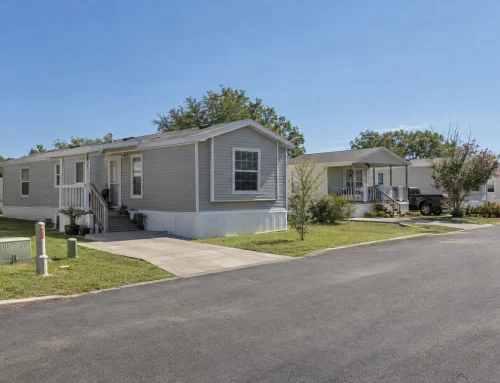

A manufactured home warranty can protect you from surprise repair costs, but only if you know what the paperwork actually says. For buyers comparing Champion Homes in San Antonio, the smartest move is to review warranty coverage before signing, not after delivery or setup.
The phrase “Champion home warranty” sounds simple, but a new manufactured home purchase can involve several layers of responsibility. The home manufacturer may cover certain defects in materials or workmanship, appliance makers may provide separate warranties, the retailer may have its own process for service requests and installation or site work may fall under a different party altogether.
That does not mean warranty coverage is confusing by design. It means buyers should ask the right questions early, keep copies of every document and make sure the model, serial numbers, delivery details and setup responsibilities match what they are purchasing.
Why Warranty Coverage Matters for Manufactured Home Buyers
A warranty is not the same as a promise that nothing will need adjustment. New homes, including site-built and manufactured homes, can require minor corrections after move-in. Doors may need adjustment, trim may need attention or a fixture may need service. The value of a warranty is that it explains what happens next.
For manufactured homes, this matters because the home is built in a factory, transported to the home site, installed, connected to utilities and finished for occupancy. If an issue appears later, the cause may be related to the factory-built home, the setup, the foundation, maintenance or normal wear. A good warranty review helps you understand who handles what.
Manufactured homes are also built to the federal HUD Code, formally found in 24 CFR Part 3280. HUD explains that this national code covers construction, safety, energy efficiency and durability standards for manufactured housing through its Manufactured Housing Program. Warranty documents are separate from the HUD Code, but both matter when you are evaluating quality and buyer protection.
Start With the Written Warranty, Not a Verbal Summary
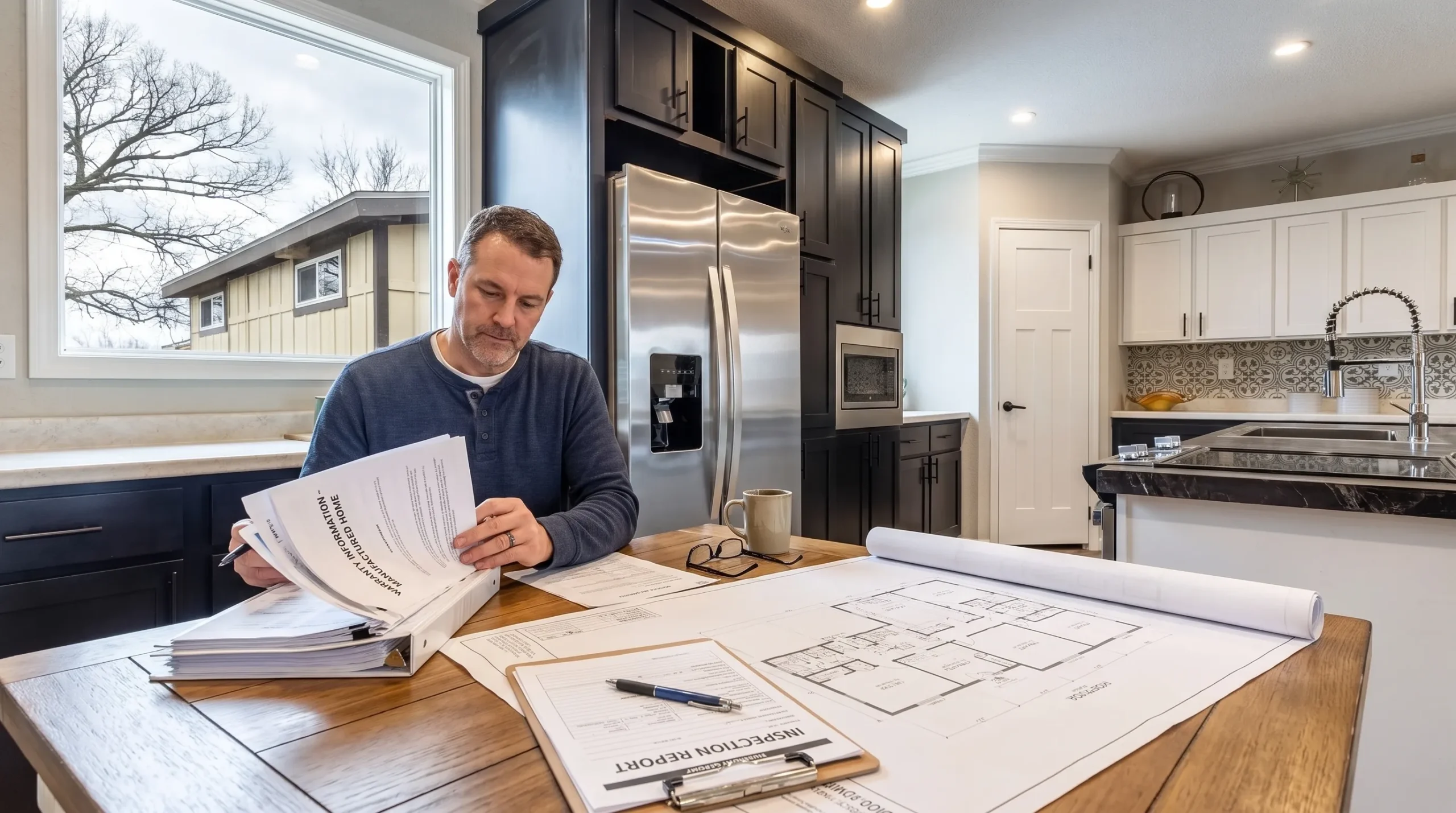
The most important warranty document is the written one. A salesperson may explain the coverage accurately, but if a dispute comes up later, the written warranty controls. Ask for the warranty terms before you commit so you can read them at the same pace you review the floor plan, financing documents and delivery timeline.
The Federal Trade Commission advises consumers to review warranties before buying and to understand what the warranty covers, how long it lasts and what steps are required for service. That general consumer guidance applies well to manufactured homes because coverage can depend on documentation, timelines and proper maintenance.
When reviewing Champion home warranty coverage, check whether the paperwork clearly identifies the home model, manufacturer, retailer, serial number or HUD label information. If any of those details are missing or inconsistent, ask for correction before closing.
Warranty Sources Buyers Should Separate
A manufactured home purchase may include more than one warranty source. Buyers sometimes assume one warranty covers everything in and around the home, but that is rarely the right way to think about it.
| Warranty area to review | What it may relate to | What buyers should confirm |
|---|---|---|
| Manufacturer warranty | Factory-built home components, materials or workmanship | Exact coverage, duration, exclusions and claim process |
| Appliance warranties | Items such as kitchen appliances or HVAC equipment, if included | Whether registration is required and who handles service |
| Retailer service process | Coordination after purchase | Who to contact first and how requests should be submitted |
| Installation or setup responsibility | Leveling, anchoring, utility connections or site completion | Which party performed the work and what documentation is provided |
| Third-party work | Decks, skirting, garages, porches or later modifications | Whether that work is covered separately or excluded |
This separation is especially important if you plan to add features after move-in. A manufacturer warranty may not cover damage caused by later alterations, improper installation of add-ons or work completed by an unrelated contractor. The warranty should say what counts as an unauthorized modification.
Compare Warranty Details to the Exact Champion Model
Warranty review should happen model by model, not just brand by brand. If you are comparing Champion floor plans, confirm that the documents match the home you are actually buying.
For example, the Champion Alice is a 3 bedroom, 2 bathroom doublewide manufactured home with 1,699 square feet and a 30 ft 4 in by 56 ft layout. A buyer considering that home should make sure the warranty packet, floor plan and purchase documents all reference the correct Champion Homes floor plan and specifications.
The same applies to a larger family layout such as the Champion Taylor, a 4 bedroom, 2 bathroom doublewide manufactured home with 2,184 square feet and a 30 ft 4 in by 72 ft footprint. More square footage, more rooms and more systems can mean more items to inspect during the walkthrough, so the warranty review should be just as specific as the floor plan review.
If you are still comparing layouts, Homes2Go’s guide to Champion Homes floor plans, features and value can help you think through room flow, storage, privacy and practical details before you narrow your options.
Check the Start Date and Coverage Period
One of the easiest details to miss is when coverage begins. Buyers should ask whether the warranty starts on the purchase date, closing date, delivery date, setup completion date or occupancy date. Those dates may not be the same.
Also confirm whether different parts of the warranty have different coverage periods. Some warranties treat structural items, workmanship issues, systems and cosmetic items differently. Do not assume one time period applies to the entire home unless the written warranty says so.
Ask these questions in plain language:
- When does coverage officially begin?
- Are cosmetic items handled only during the initial walkthrough?
- Are there separate timelines for appliances, HVAC or structural items?
- Is there a deadline for reporting problems after move-in?
- How long does the buyer have to submit missing or incomplete items from the walkthrough?
If the answer is “it depends,” ask where that rule appears in the warranty paperwork.
Review What Is Commonly Limited or Excluded
Every warranty has boundaries. That does not make the warranty weak, but it does mean buyers need to understand exclusions before they rely on coverage.
Common exclusions or limitations in manufactured home warranties may involve normal wear and tear, owner neglect, damage from improper maintenance, cosmetic items not reported at walkthrough, pest damage, storm damage, flooding, improper site drainage or damage caused by unapproved modifications. Exact terms vary, so use this as a checklist of topics to verify, not as a substitute for the written Champion warranty.
| Topic to clarify | Why it matters |
|---|---|
| Cosmetic defects | Some items must be documented before or immediately after move-in |
| Site drainage | Standing water can affect foundations, skirting and moisture conditions |
| Owner maintenance | Warranties may require routine care to keep coverage valid |
| Weather events | Storm, hail, flood and wind damage are usually insurance questions |
| Pest damage | Termite or rodent issues may be excluded or handled separately |
| Unauthorized repairs | DIY or third-party work can affect future warranty claims |
This is also where insurance comes in. A home warranty is not homeowners insurance. Warranty coverage is meant for covered defects or failures under the written terms, while insurance is generally for covered losses such as storms, fire or certain accidents, depending on your policy.
Do Not Skip the Installation and Foundation Questions
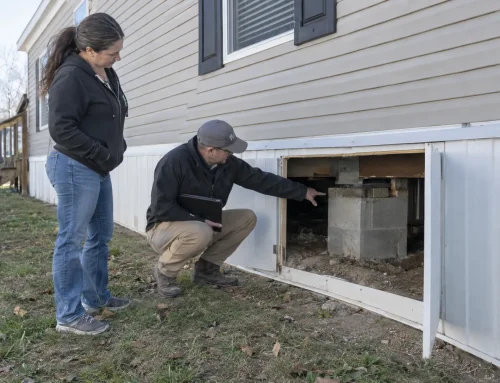
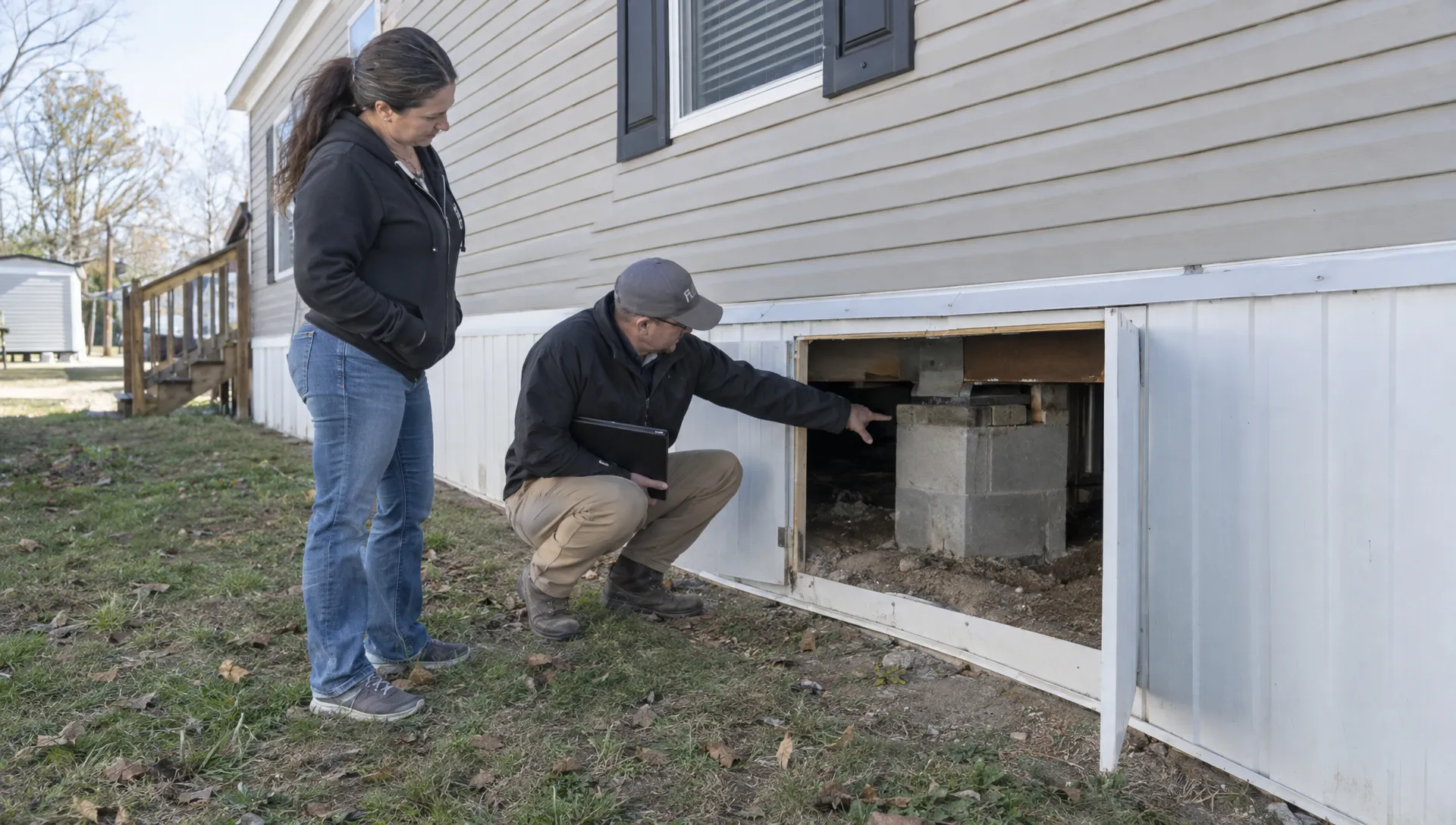
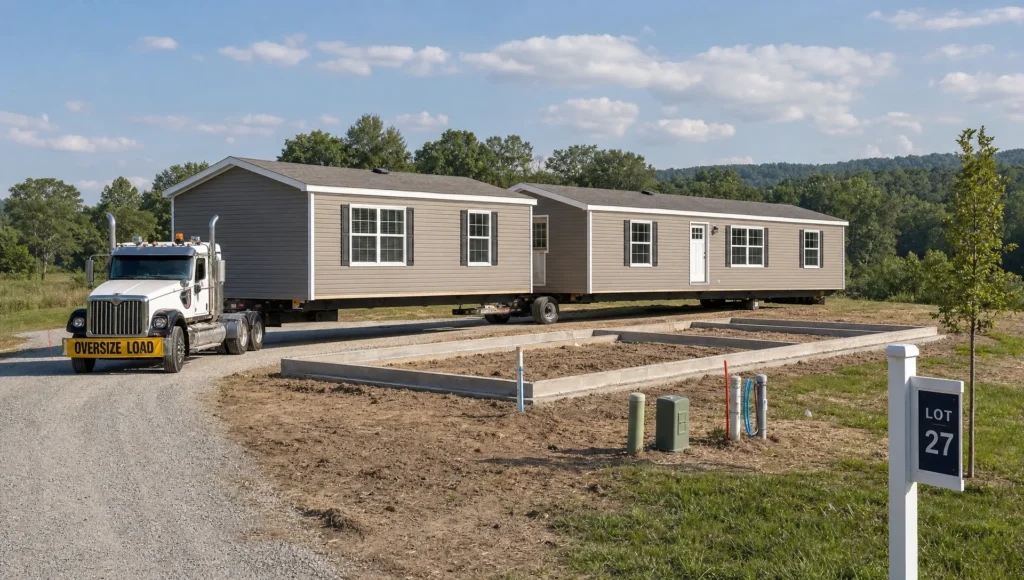
Many manufactured home problems blamed on “the home” may actually be related to setup, leveling, anchoring, drainage or foundation conditions. Before purchase, ask who is responsible for installation, what standards apply and what documents you will receive once setup is complete.
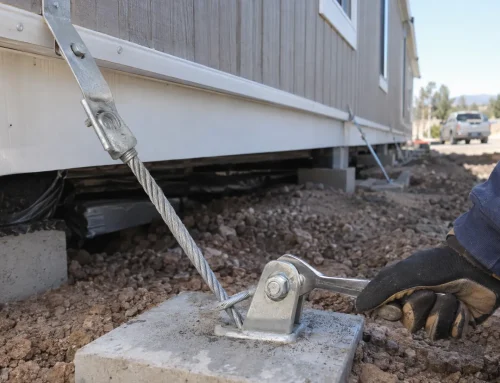
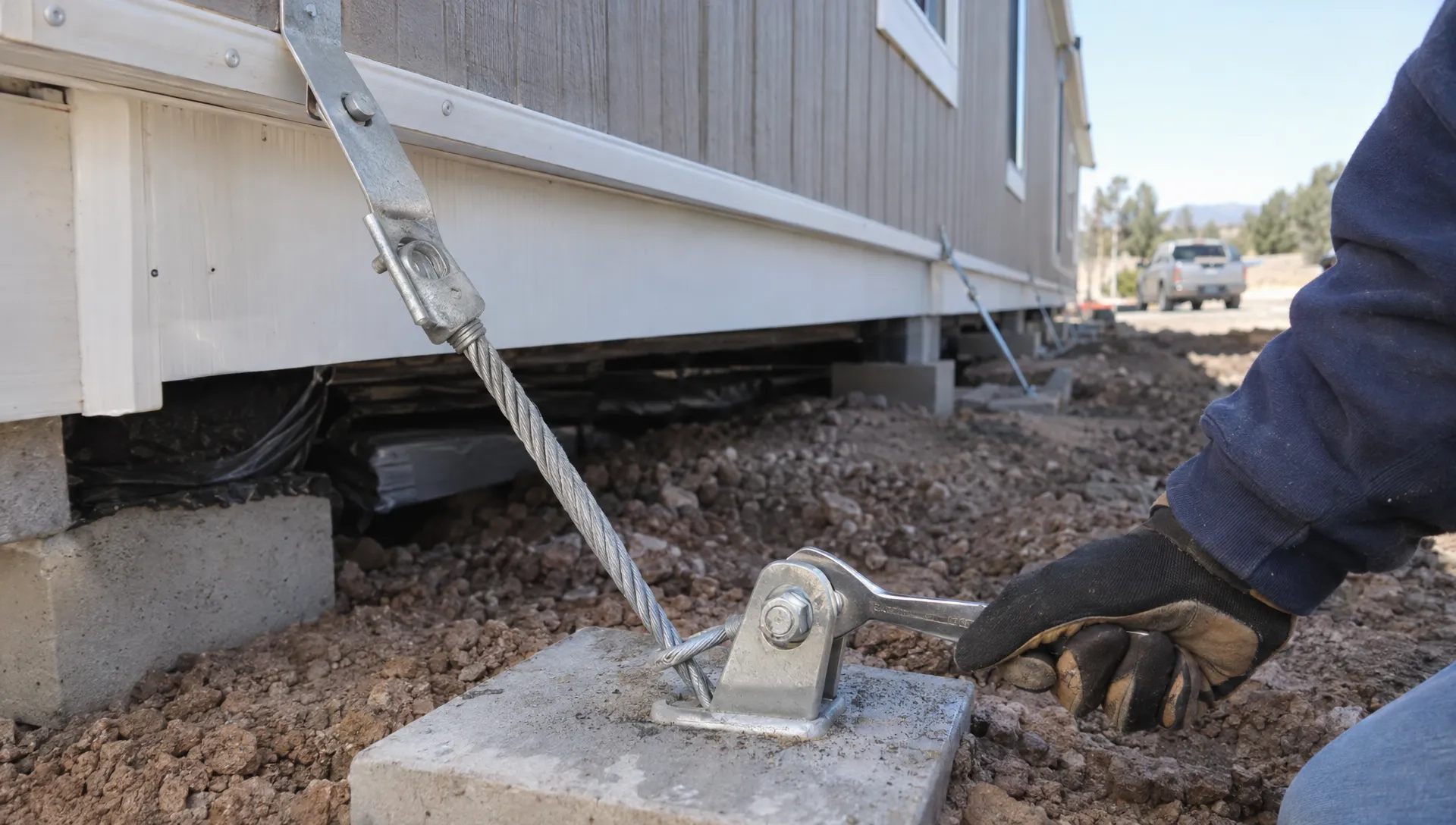
Foundation and anchoring details are especially important in Texas, where soil movement, heavy rain and heat can create long-term stress on a home if the site is not prepared correctly. Warranty coverage may be limited if the issue is caused by site conditions rather than a factory-built component.
A pre-purchase review should include the foundation plan, drainage, pier placement, tie-downs, skirting ventilation and utility penetrations. If you want a deeper checklist, Homes2Go’s mobile home foundation inspection checklist for buyers explains what to look for before you accept the home.
Inspect Before You Sign Off
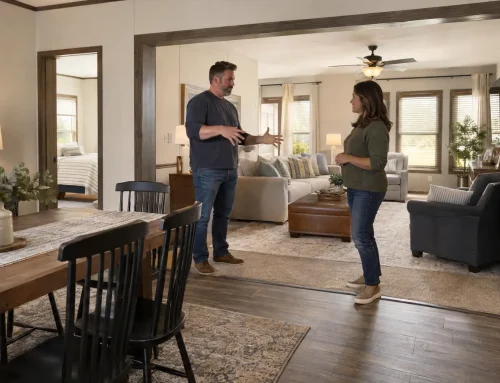
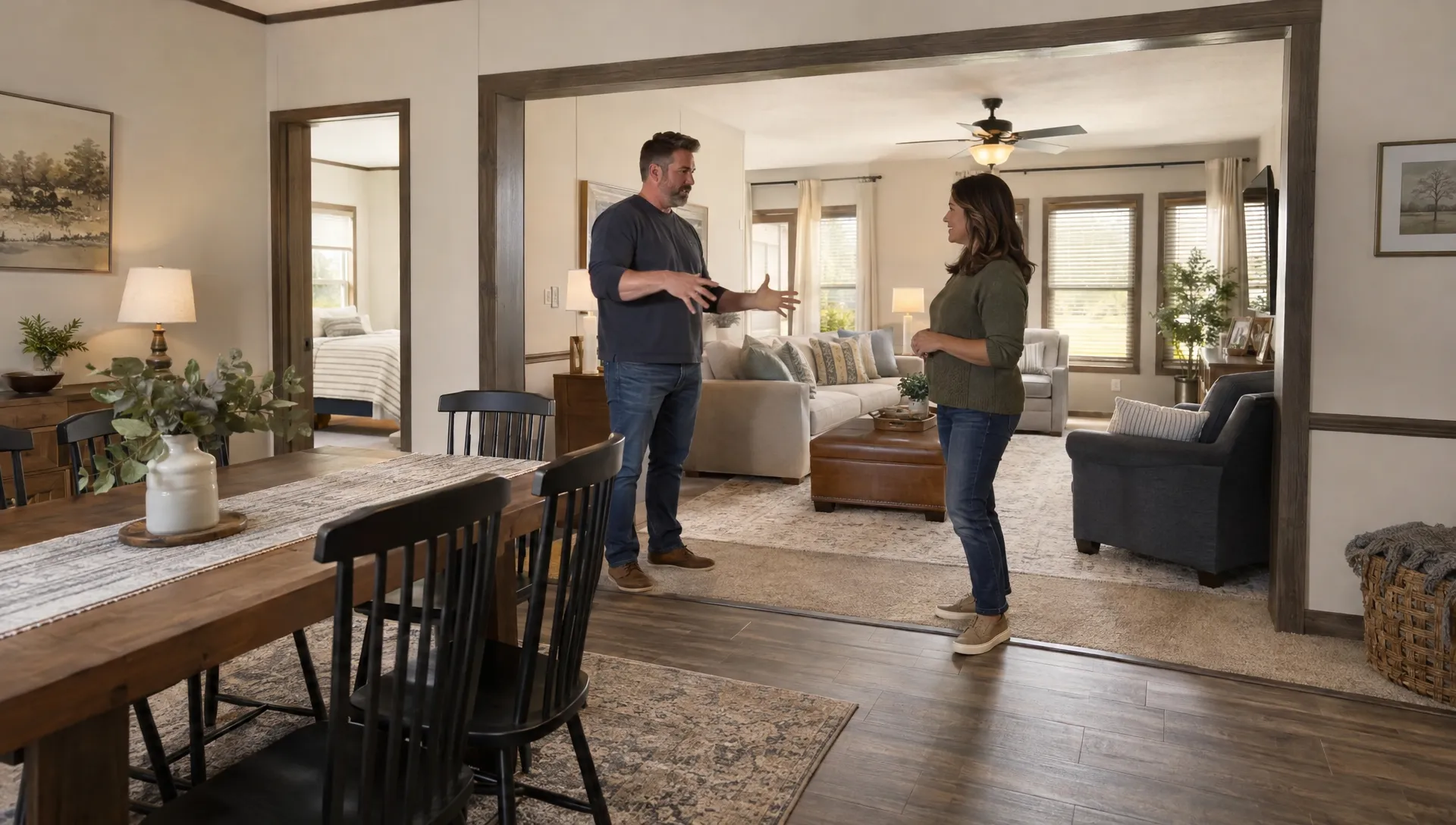
The walkthrough is your best opportunity to document anything visible before it becomes a gray area. Take your time. Open cabinets, test windows, run faucets, check doors, inspect flooring, look at ceilings and confirm that installed items match your purchase documents.
Photos and videos are useful because they show the condition of the home on a specific date. If you see a scratch, dent, leak, loose trim piece or missing component, write it down and make sure the retailer acknowledges it through the proper process.
For a broader inspection approach, the mobile home inspection checklist for Texas buyers covers paperwork, roof condition, skirting, utilities, water intrusion and other items that can affect long-term satisfaction.
Understand the Claims Process Before You Need It
A warranty is only useful if you know how to use it. Ask who receives service requests, what format they prefer and what information they need. Some claims may require photos, model information, the serial number, a description of the issue and proof that maintenance was performed.
Buyers should also ask how emergency issues are handled. A plumbing leak, electrical concern or HVAC failure during extreme weather may require a different response than a minor cabinet adjustment. The warranty or service process should explain how urgent requests are prioritized.
Keep a simple home file from day one. Include your purchase agreement, warranty, appliance manuals, delivery documents, installation paperwork, inspection notes, photos, service requests and receipts for maintenance. If a question comes up later, organized records make the process easier for everyone.
Ask Whether Warranty Coverage Transfers
Even if you plan to stay for years, resale matters. Ask whether any warranty coverage transfers to a future buyer and what steps are required. Some warranties may be limited to the original buyer, while others may allow transfer under specific conditions.
This question is easy to ask before purchase and harder to solve later. If transferability matters to you, get the answer in writing.
Questions to Ask Before Buying a Champion Home
Before you finalize a Champion manufactured home purchase, bring a short warranty checklist to your appointment. It helps keep the conversation practical and prevents important details from getting lost in excitement over layouts and finishes.
- Can I review the full written warranty before signing?
- What exact items are covered by the manufacturer warranty?
- Which items are covered by appliance manufacturers instead?
- When does each warranty period begin?
- Who do I contact first for a service request?
- What installation, foundation or site work is covered separately?
- What maintenance could affect warranty coverage?
- Are cosmetic items handled only at walkthrough?
- What documentation should I keep after move-in?
- Does any warranty coverage transfer if I sell the home?
These questions do not make the buying process harder. They make it clearer. A reputable team should be willing to help you understand the documents before you move forward.
Frequently Asked Questions
What does a Champion home warranty cover? Coverage depends on the written warranty for the specific home and purchase. Buyers should review what is covered for materials, workmanship, systems, appliances and structural items, then confirm exclusions and claim procedures.
Are appliances covered under the Champion home warranty? Appliances may have separate manufacturer warranties rather than being covered only through the home warranty. Ask which appliances are included, whether registration is needed and who handles service.
Does the warranty cover installation or foundation issues? Not always. Installation, setup, foundation and site work may involve separate responsibilities. Buyers should ask who performed the work, what documents are provided and whether site-related issues are excluded.
Can I make changes to the home without affecting the warranty? Some modifications can affect warranty coverage, especially if they cause damage or are completed without proper approval. Review the warranty language before adding decks, porches, major fixtures or other structural changes.
Should I inspect a new Champion manufactured home if it has a warranty? Yes. A warranty is not a replacement for inspection. The walkthrough helps document visible issues early and gives you a clear record if service is needed after move-in.
Get Warranty Clarity Before You Choose Your Home
The best time to understand Champion home warranty coverage is before you sign, schedule delivery or complete your walkthrough. Focus on the written warranty, the exact model you are buying, the start date, exclusions, installation responsibilities and service process.
If you are shopping for a manufactured home in San Antonio, Homes2Go San Antonio can help you compare available models, review floor plans and ask the right warranty questions before you make a decision. Clear paperwork and a careful inspection give you more confidence from the first showing to move-in day.
 Double Wide Prefab Homes: What Buyers Need to Know
 Can You Add Solar Panels to a Manufactured Home in Texas?