
A San Antonio summer is a serious stress test for any home. When the afternoon heat lingers, the air conditioner works longer, rooms with direct sun feel warmer, and small construction details start to matter. That is why energy saving mobile homes are not just about being eco-friendly. For many Texas buyers, they are about monthly comfort, predictable utility bills, and choosing a home that fits real South Texas weather.
If you are shopping for a manufactured or mobile home, the best time to think about energy use is before you choose a floor plan. The right combination of insulation, windows, HVAC design, home placement, and everyday habits can make a noticeable difference once the temperature climbs.
Why summer comfort should shape your home search
Cooling is one of the biggest energy concerns for Texas homeowners. The U.S. Energy Information Administration reports that air conditioning accounts for a significant share of electricity use in American homes, and that share can be even more important in hot climates where cooling season lasts for months.
In San Antonio, summer performance affects more than the electric bill. A home that holds cool air well can feel more consistent from room to room. Bedrooms are less likely to stay warm at night, living areas are more comfortable in the late afternoon, and the HVAC system does not have to work as hard to keep up.
Modern manufactured homes are built under federal standards administered through HUD’s Manufactured Housing Program, but not every home is designed, equipped, or installed the same way. As a buyer, it helps to look beyond broad terms like efficient or affordable and ask which specific features support lower cooling demand in a Texas summer.
What makes a mobile home energy saving?
An energy saving mobile home is built and set up to reduce heat gain, deliver cooled air efficiently, and help the HVAC system maintain comfort without constant cycling. No single feature does all the work. A strong summer performer usually combines several details that work together.
| Feature | What to look for | Why it matters in hot Texas weather |
|---|---|---|
| Insulation and air sealing | Ask about roof, wall, and floor insulation, plus sealing around penetrations and the marriage line on doublewide homes | Slows outdoor heat from entering and helps keep conditioned air inside |
| Efficient windows | Look for features such as Low-E glass, tight frames, and thoughtful window placement | Reduces solar heat gain and helps prevent hot spots near sunny windows |
| Proper HVAC sizing | Ask whether the system is matched to the home size, layout, insulation, and local climate | An oversized or undersized unit can waste energy, cool unevenly, or struggle with humidity |
| Ductwork and registers | Look for sealed ducts, good register placement, and balanced airflow | Delivers cooled air where it is needed instead of losing it under or between rooms |
| Roof and attic details | Ask about roof color, ventilation, and available heat-reduction options | Reduces heat buildup above the living space during long sunny days |
| Efficient lighting and appliances | Compare available appliance packages and lighting options | Lowers internal heat gain and reduces electricity use beyond the HVAC system |
The key is to evaluate the full package. A home with good insulation but leaky ducts may still waste cooled air. A strong HVAC system paired with poor window performance may run longer than expected. A shaded lot can help, but it cannot make up for weak air sealing.
A summer-smart checklist for touring homes
When you tour homes, think like someone who will live through July and August inside that space. Look at the floor plan, but also ask how the home will feel at 5 p.m. after hours of direct sun.
Start with insulation and air leakage
Insulation slows heat transfer, while air sealing helps prevent cooled air from escaping. Both matter. Ask about insulation levels in the roof, walls, and floor. On doublewide manufactured homes, also ask how the home is sealed at the marriage line, since that connection point matters for comfort and performance.
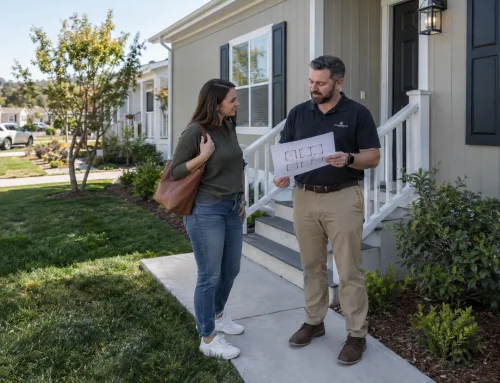
You do not need to become a building scientist to ask useful questions. A simple question like, what helps this home stay cooler in a Texas summer, can lead to a more practical conversation about construction details, duct layout, and home setup.
Pay close attention to windows
Windows can add natural light, but in Texas heat they can also bring in a lot of solar gain. Efficient windows help reduce that effect. The ENERGY STAR guide to windows explains that window performance is influenced by factors such as glass coatings, frame construction, and climate zone.
For manufactured home buyers, the practical question is simple: which rooms get the most afternoon sun, and how are those windows designed to handle it? If windows are high on your priority list, Homes2Go has a helpful guide on how efficient windows cut costs in manufactured homes that goes deeper into what to compare.
Ask about HVAC sizing, not just HVAC presence
A home can have air conditioning and still be uncomfortable if the system is not properly matched to the home. Correct sizing depends on square footage, insulation, windows, ceiling height, ductwork, and climate. Bigger is not automatically better. An oversized unit may cool quickly without removing enough humidity, while an undersized unit may run constantly.
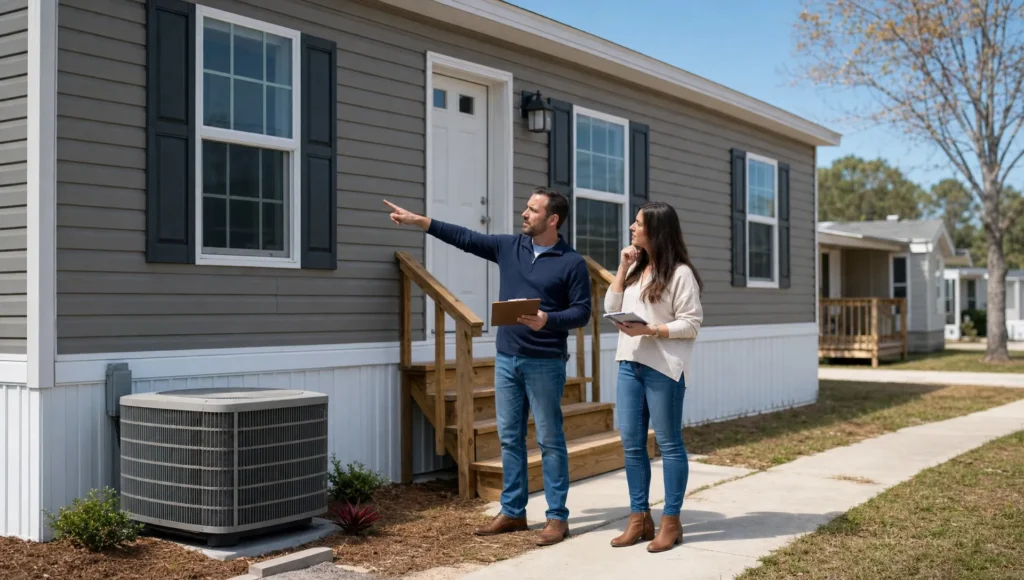
During a tour, ask where the thermostat is located, how air reaches bedrooms, and whether the system is sized for the specific home and local conditions. For more background, this Homes2Go article on how manufactured homes reduce heating and cooling costs explains how floor plans, insulation, windows, and HVAC choices work together.
Use floor plan comparison to think about cooling
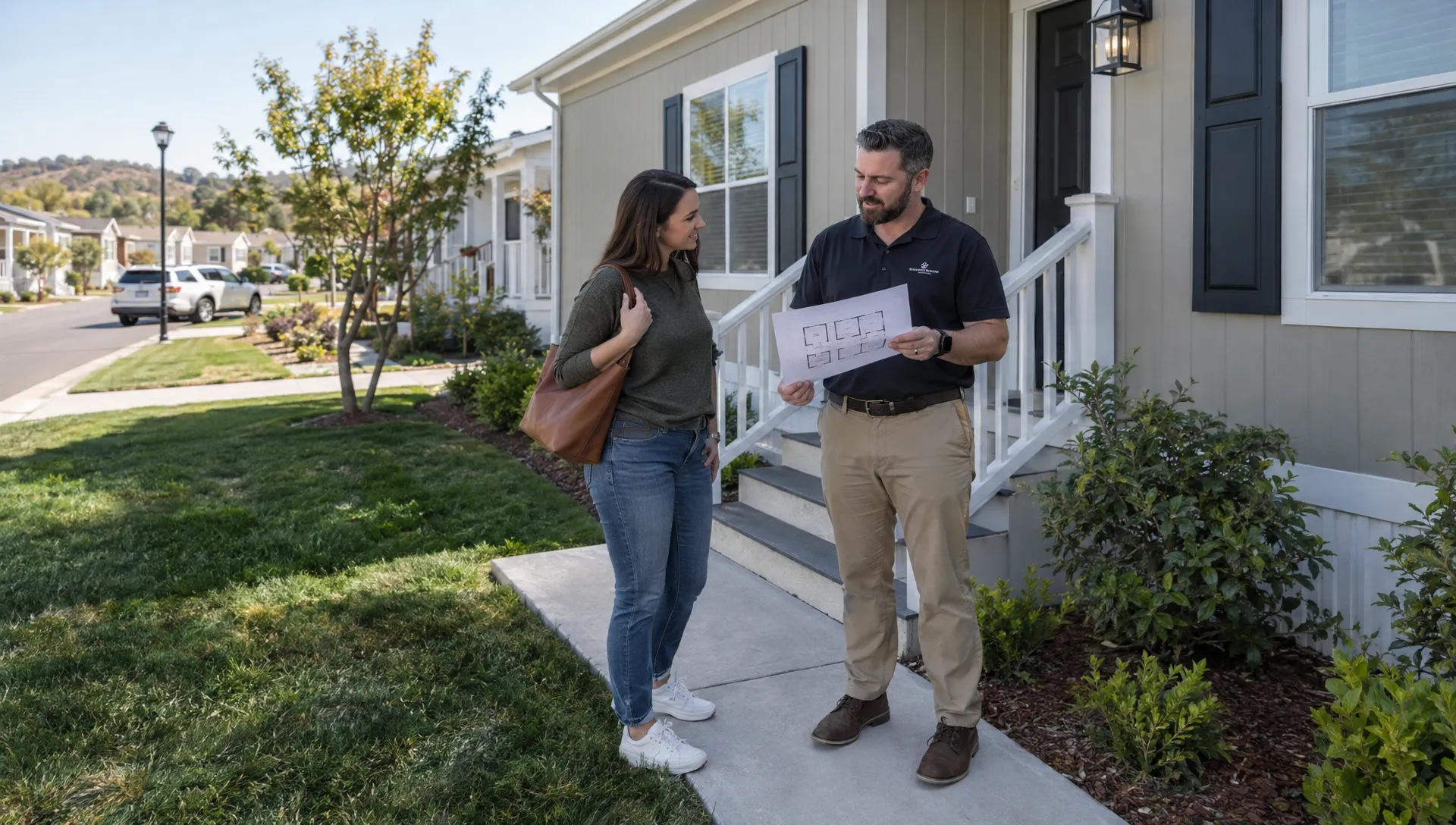
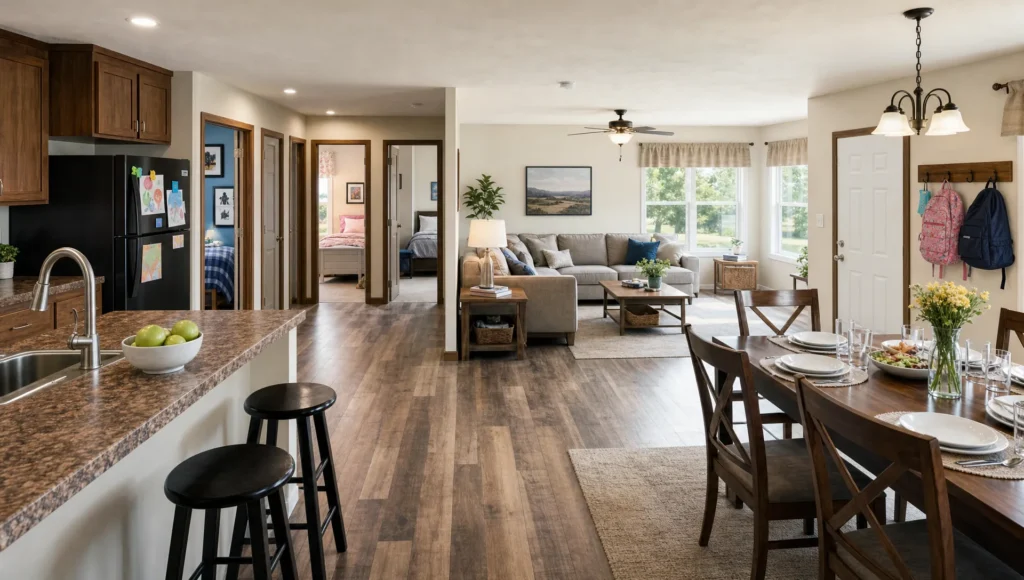
Floor plan choice affects daily comfort. Square footage, room placement, hallway length, window locations, and open living areas all influence airflow and cooling needs. This is especially important for families comparing doublewide manufactured homes, where the layout can create different comfort zones.
For example, the Oak Creek Walnut Cove is a 3 bedroom, 2 bathroom, 1,312 sq ft doublewide manufactured home, Oak Creek Homes floor plan P48P, available from Homes2Go in San Antonio, TX. When evaluating a home like this, ask how air moves between the living areas and bedrooms, where the thermostat would be placed, and which sides of the home may receive the most afternoon sun.
Another option to compare is the Cavco Abeline, a 3 bedroom, 2 bathroom, 1,493 sq ft doublewide manufactured home, Cavco Homes floor plan Valu 28563U, also available from Homes2Go in San Antonio, TX. With a larger footprint, it becomes even more important to ask about HVAC sizing, register placement, and how the home is set up for balanced cooling across bedrooms and shared spaces.
| Home to compare | Listed size | Summer-focused questions to ask |
|---|---|---|
| Oak Creek Walnut Cove | 3 bed, 2 bath, 1,312 sq ft | How is airflow balanced between bedrooms and common areas? Which side of the home is best protected from afternoon sun? |
| Cavco Abeline | 3 bed, 2 bath, 1,493 sq ft | Is the HVAC system sized for the larger footprint? Where are registers and thermostat locations placed for even cooling? |
The goal is not to choose a home based on square footage alone. A slightly smaller home is not automatically cheaper to cool, and a larger home is not automatically inefficient. The better question is how the whole package performs, from envelope to equipment to placement.
Site placement can help or hurt an efficient home
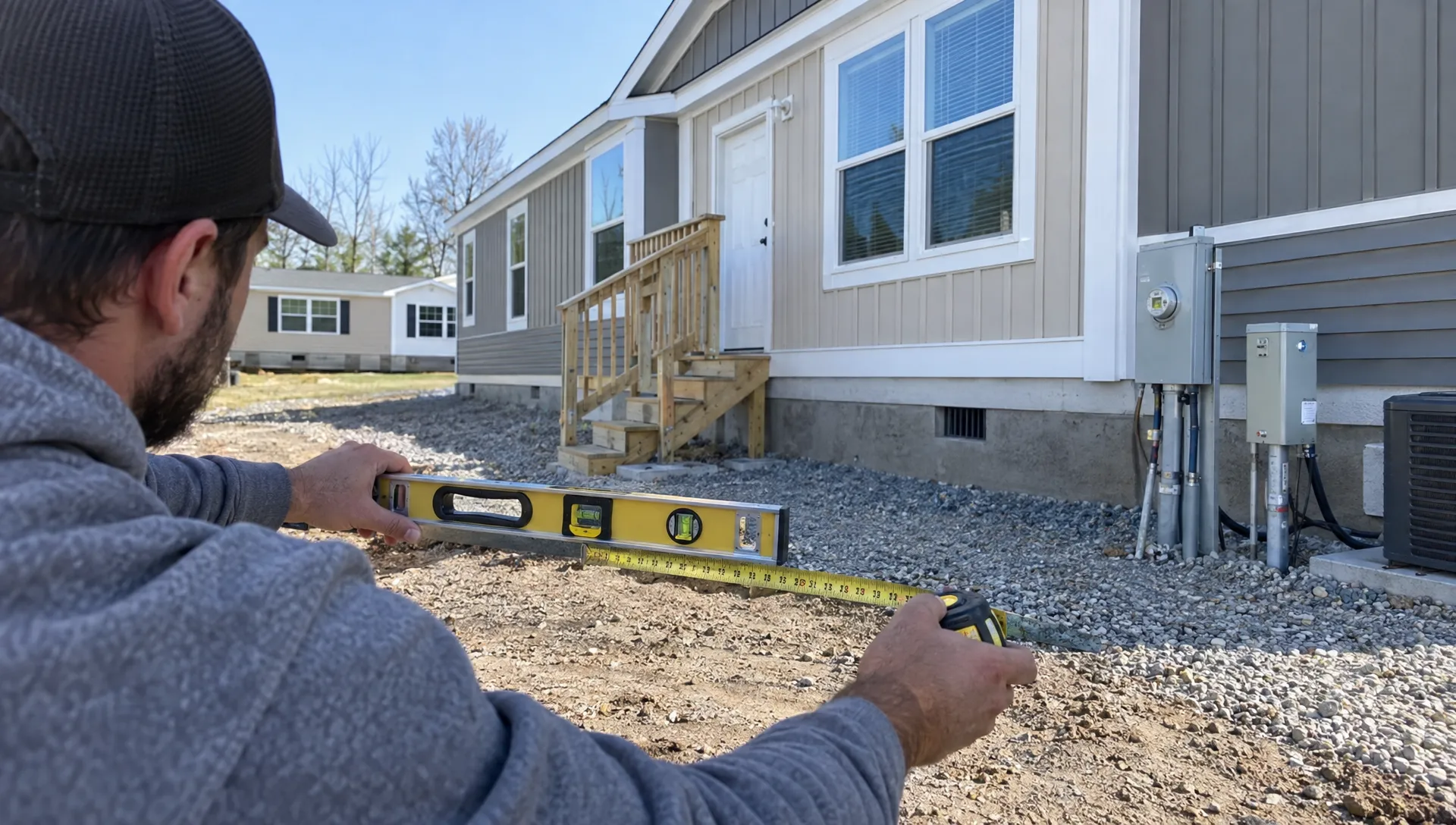
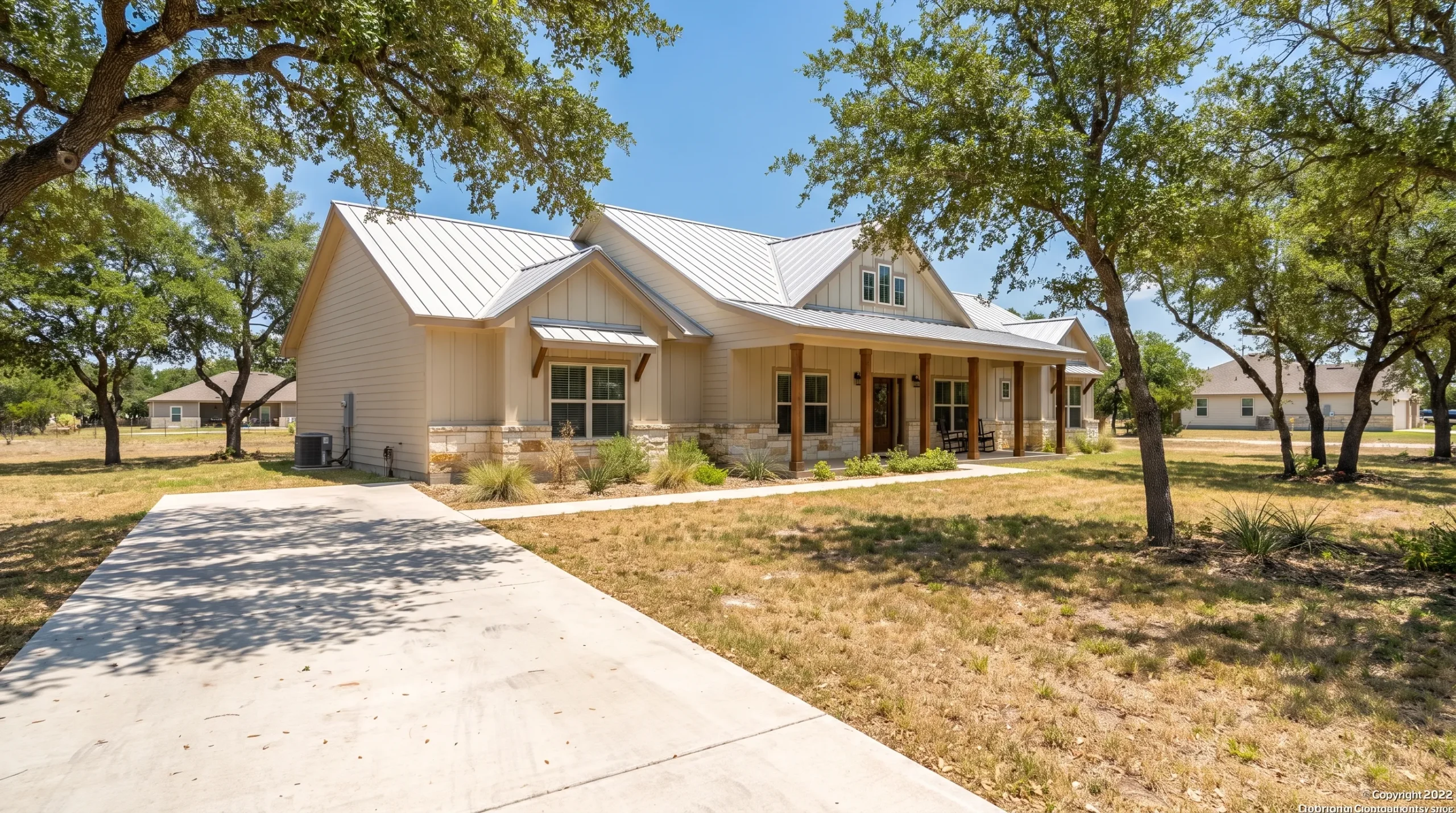
Even a well-built home can lose efficiency if it is poorly positioned. In South Texas, west-facing windows often take the harshest afternoon sun. If you have flexibility on placement, ask how the home can be oriented to reduce direct solar heat gain in the hottest part of the day.
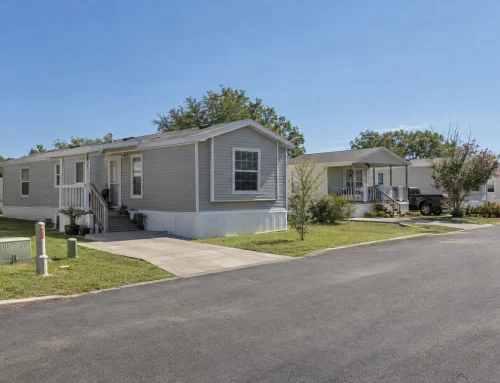
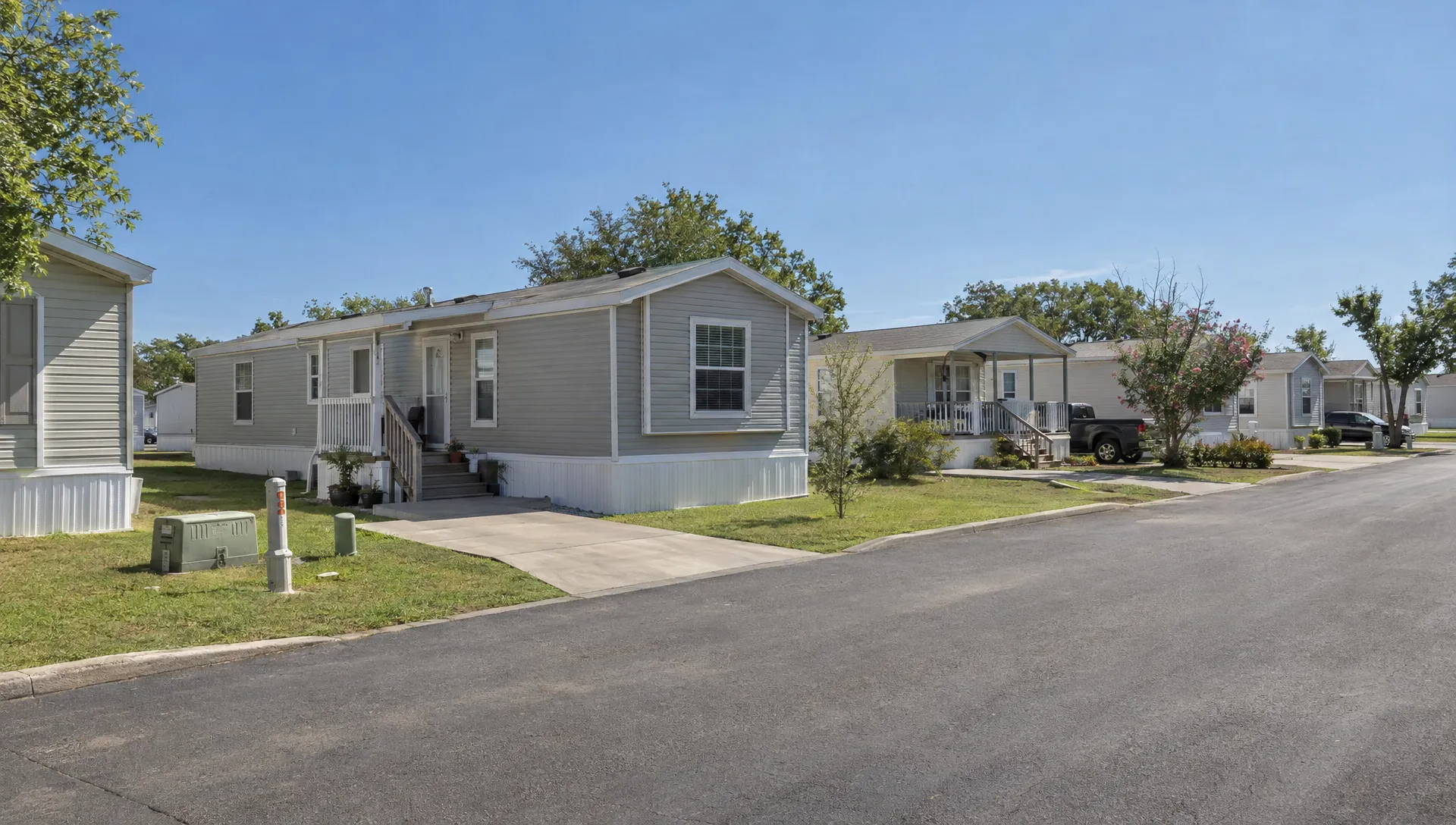
Shade is another major factor. Mature trees, porch placement, awnings, and nearby structures can all reduce sun exposure, although any additions should follow community rules, local requirements, and manufacturer guidance. If you are considering a manufactured home community, ask about lot orientation, shade opportunities, driveway location, and any rules related to exterior improvements.
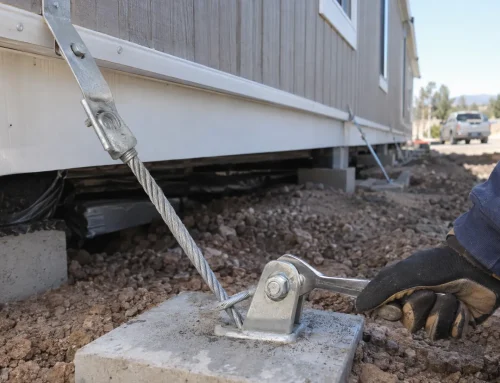
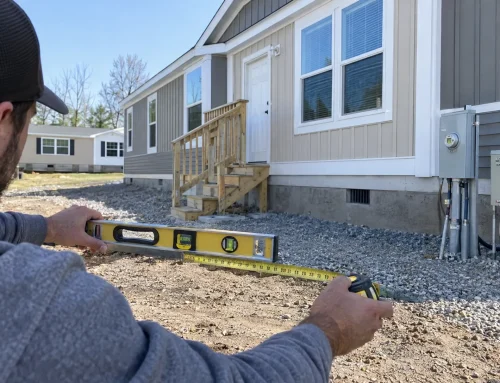
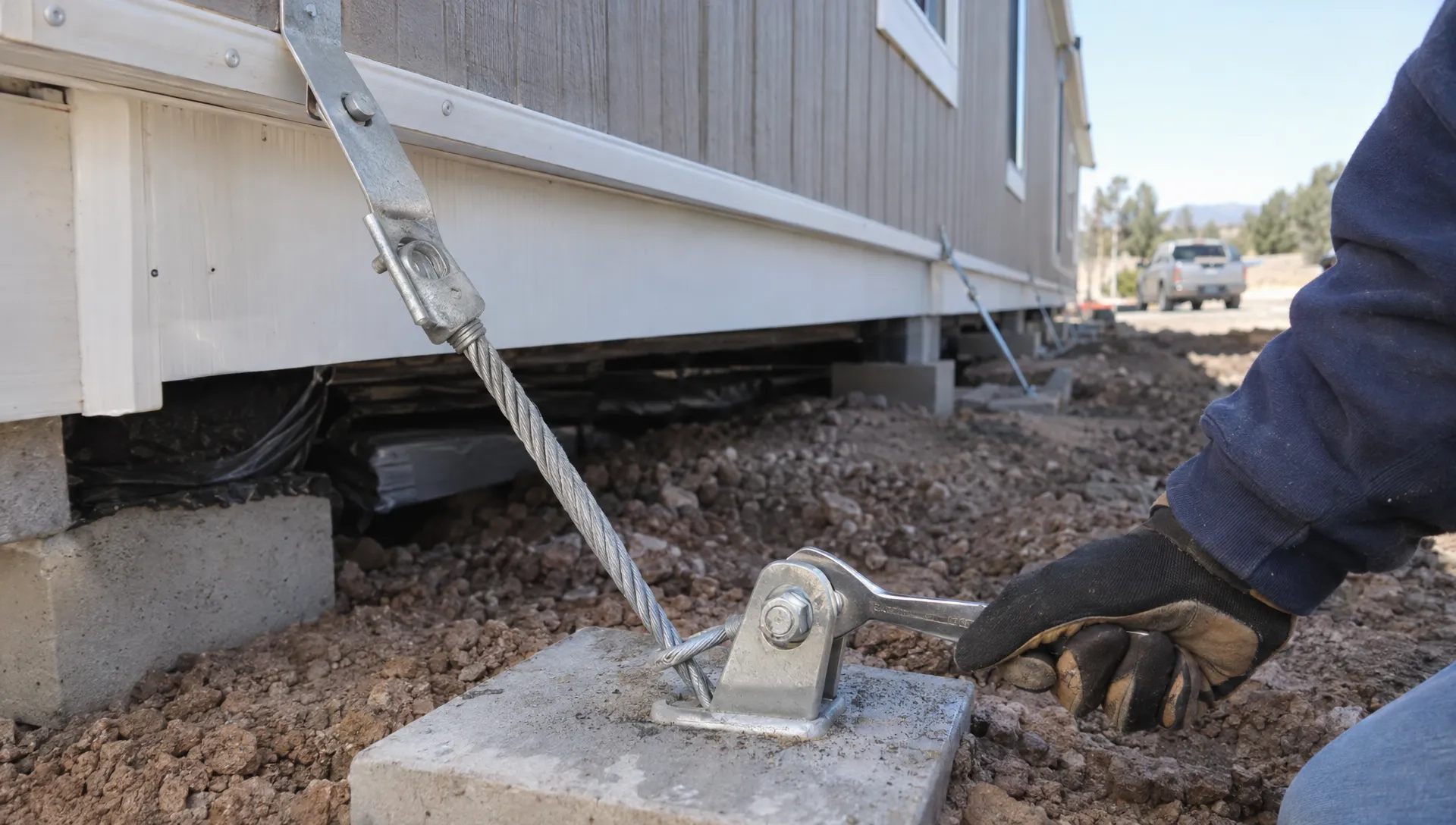
Skirting and under-home conditions also matter. Properly installed skirting can help protect the underside of the home and reduce unwanted air movement. The details of installation, ventilation, drainage, and access should be handled correctly, especially in a climate that brings heat, humidity, and sudden storms.
Simple habits that protect savings after move-in
Energy efficiency does not stop on move-in day. Once you live in the home, small habits can protect the savings built into the home design.
The U.S. Department of Energy notes that homeowners can save as much as 10% a year on heating and cooling by adjusting the thermostat 7 to 10 degrees for 8 hours a day. In summer, that usually means setting the temperature higher when you are away, then cooling the home when you return. Smart thermostats can help some households automate that routine, and Homes2Go has a separate guide on whether smart thermostats are worth it in mobile homes.
Other practical habits include:
- Replace or clean HVAC filters on schedule so the system can move air efficiently.
- Use blinds or curtains during peak afternoon sun, especially on west-facing windows.
- Run ceiling fans only in occupied rooms, since fans cool people rather than the air itself.
- Keep supply registers open and unblocked so cooled air can circulate properly.
- Schedule HVAC service before the hottest months if the system shows signs of weak airflow or uneven cooling.
These habits are not complicated, but they matter most in homes where the air conditioner runs frequently. A clean filter, good thermostat schedule, and smart window coverings can help the home perform closer to its potential.
Compare total monthly cost, not just purchase price
Manufactured homes are often attractive because they can make homeownership more accessible. Still, the best financial decision is based on total monthly cost, not just the price of the home. Utility bills, insurance, maintenance, community costs if applicable, land-related costs if applicable, and financing all affect affordability.
Energy saving features can help reduce one of the most variable parts of that monthly picture: electricity use during cooling season. A home that costs less to cool can be easier to live with during months when air conditioning demand is high.
| Monthly cost factor | Why it matters when comparing homes |
|---|---|
| Home payment | Financing structure affects the baseline monthly cost |
| Cooling bills | Summer electricity use can change significantly based on efficiency and habits |
| Maintenance | Well-maintained HVAC equipment and sealed building details help preserve performance |
| Comfort | A home that feels better may reduce the temptation to overcool every room |
| Placement or community costs | Lot choice, shade, and rules can influence long-term comfort and upgrade options |
Homes2Go San Antonio offers a wide selection of manufactured homes, detailed floor plans, expert guidance, flexible financing options, and support for first-time buyers. When comparing homes, bring energy questions into the conversation early so your decision reflects both the home you like and the summer conditions you will live with.
Questions to ask before choosing an energy saving mobile home
Before you commit to a floor plan, use your tour to gather clear, practical answers. Good questions include:
- What insulation details should I know about for the roof, walls, and floor?
- What window features help reduce heat gain?
- How is the HVAC system sized for this home and San Antonio weather?
- How are ducts sealed and registers placed for balanced airflow?
- Which rooms are most likely to receive afternoon sun on the available lot?
- Are there options for shade, porches, awnings, or exterior additions based on community rules?
- What maintenance steps should I follow during the first summer?
A trustworthy buying process should make room for these questions. Energy efficiency is not just a technical feature. It is part of how the home will feel and what it may cost to operate.
Frequently Asked Questions
Are energy saving mobile homes worth it in Texas? Yes, they can be worth considering because Texas summers create heavy cooling demand. Features such as insulation, efficient windows, sealed ducts, and properly sized HVAC equipment can help improve comfort and reduce wasted energy.
What is the most important energy saving feature for a mobile home in hot weather? There is no single feature that does everything. The strongest results usually come from a combination of insulation, air sealing, efficient windows, good ductwork, correct HVAC sizing, and smart home placement.
Is a doublewide manufactured home more expensive to cool than a single-section home? Not always. Larger homes may require more cooling capacity, but efficiency depends on the full design. A well-insulated doublewide with good windows and a properly sized HVAC system can perform better than a smaller home with weaker efficiency details.
Can I improve energy efficiency after buying a manufactured home? Yes. Thermostat settings, HVAC maintenance, filter changes, window coverings, shade improvements, and sealing small air leaks can all help. Larger upgrades should be discussed with qualified professionals and should follow manufacturer and community guidelines.
Should first-time buyers ask about utility costs before choosing a home? Absolutely. First-time buyers should compare likely monthly costs, not just the home payment. Asking about cooling performance, floor plan layout, and financing options can help create a clearer affordability picture.
Find a manufactured home built for San Antonio living
If you are shopping for energy saving mobile homes in San Antonio, Homes2Go SA can help you compare floor plans, ask the right efficiency questions, and explore manufactured homes that fit your budget and lifestyle. Visit Homes2Go San Antonio to start reviewing available homes and get expert guidance for your next step toward homeownership.
 Best Doublewide Homes in San Antonio for Growing Families
 How Manufactured Homes Can Lower Utility Bills