
If you searched for “rent to own mobile homes bad credit,” you are probably trying to solve two problems at once: finding an affordable place to live and finding a path to ownership when a traditional mortgage feels out of reach.
The good news is that bad credit does not automatically disqualify you from every manufactured home option. The more important truth is this: not every “bad credit okay” rent-to-own offer is safe, affordable, or truly designed to help you become the owner.
A real option should give you more than a monthly payment. It should clearly explain the purchase price, how much of your payment counts toward ownership, what happens if you are late, who owns the home today, when title transfers, and whether you also need approval from a manufactured home community.
This guide focuses on realistic paths for buyers with bruised credit, especially in markets like San Antonio where manufactured homes can offer a more accessible route to homeownership.
First, know what “bad credit” changes
Bad credit can mean different things. For one buyer, it may be a low score caused by medical collections. For another, it may be late car payments, repossession, high credit card balances, a thin credit file, or a past bankruptcy.
Sellers, communities, and lenders do not all evaluate credit the same way. Some focus heavily on the credit score. Others care more about current income, rental history, down payment, debt load, and whether your recent payment behavior shows improvement.
In practice, bad credit usually affects four parts of the process:
| Factor | What may change with bad credit | Why it matters |
|---|---|---|
| Upfront cost | You may need a larger down payment, option fee, or move-in fund | Sellers and lenders use cash reserves to reduce risk |
| Monthly payment | Terms may be less favorable than prime-credit financing | A lower score can increase the cost of borrowing |
| Approval speed | You may need more documentation | Income, rental history, and debt payments become more important |
| Contract risk | Some sellers use bad credit pressure to push weak agreements | Buyers may sign quickly because they feel out of options |
The goal is not just to get approved. The goal is to get approved for a home and payment structure you can actually keep.
Mobile home vs. manufactured home: why the wording matters
Many buyers use “mobile home” as a general phrase, but most newer homes are technically manufactured homes. Manufactured homes are built to federal HUD construction and safety standards, while the term mobile home is often used for older pre-1976 homes.
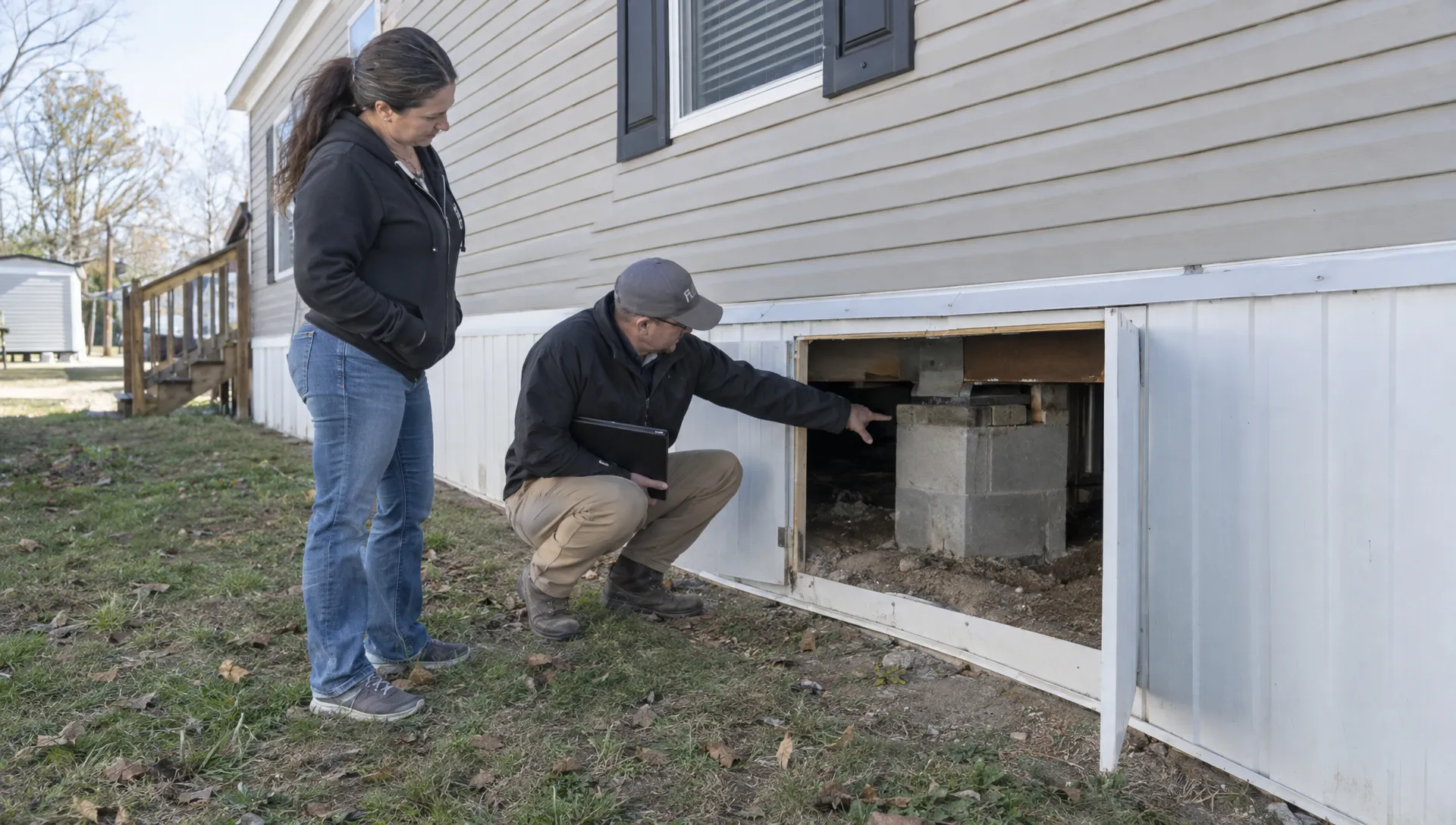
That difference can affect financing, insurance, title, community rules, and long-term resale value. If you are comparing rent-to-own offers, always ask for the year, manufacturer, model, size, serial number, current title status, and whether the home is move-in ready.
The HUD manufactured housing program explains the federal framework for manufactured homes, and in Texas, ownership records for manufactured homes are handled through the Texas Department of Housing and Community Affairs Manufactured Housing Division.
Real rent-to-own options when your credit is damaged
A rent-to-own arrangement can take several forms. The name on the ad is not enough. You need to understand the structure behind the offer.
If you want a general walkthrough of the model before comparing credit-related options, Homes2Go has a helpful guide to how mobile homes rent to own arrangements work. For bad credit buyers, the main question is whether the structure gives you a fair shot at ownership or simply collects extra fees while keeping the title out of reach.
| Option | How it works | Why it may help with bad credit | What to verify |
|---|---|---|---|
| Lease-option | You rent now and may have the option to buy later | Gives time to improve credit before applying for financing | Whether the option fee is refundable, purchase price, deadline, and rent credit |
| Lease-purchase | You rent now and agree to buy under set terms | May lock in a path if you are confident about the home and payment | Whether you are legally obligated to buy and what happens if financing fails |
| Seller financing | The seller acts like the lender and you pay over time | May rely more on down payment and income than a bank score | Interest rate, payment schedule, title transfer, default rules, and total cost |
| Contract for deed | You make payments and may receive title after completing the contract | Can be offered to buyers who cannot qualify elsewhere | High risk if title does not transfer until the end, so review carefully |
| Retailer or lender financing | You buy through a dealer or lender with formal financing | Some lenders consider buyers with past credit issues | Required down payment, interest rate, term, fees, insurance, and community approval |
Lease-option agreements can be useful if you need time to rebuild credit. Lease-purchase and contract-for-deed agreements can be more serious because you may be committing to buy or risking money if you cannot complete the terms.
Seller financing may sound more flexible, but it still needs to be documented clearly. A handshake deal is not enough, especially when the home may sit on rented land, inside a community, or on property you do not own.
What sellers and lenders may look for besides credit score
Bad credit is only one part of the picture. A buyer with a lower score but steady income, documented rent payments, low debt, and a realistic home budget may be in a better position than someone with a higher score but unstable income.
Expect to be asked for some combination of income documents, identification, rental history, bank statements, employment verification, and references. If the home is in a manufactured home community, the community may have its own application process separate from the home purchase or rent-to-own contract.
Strong approval signals include:
- Stable income that comfortably supports the full monthly housing cost
- Recent on-time rent, utility, or car payments
- A reasonable down payment or move-in fund
- Low new debt and limited overdrafts
- Clear identification and verifiable contact information
- Willingness to choose a home that fits your budget instead of stretching too far
Before applying, review your credit reports for errors. The Consumer Financial Protection Bureau explains how to access and understand credit reports through its credit reports and scores resources. If you find incorrect information, dispute only what is inaccurate. Removing or correcting an error can sometimes make a meaningful difference.
Calculate the full monthly cost, not just the advertised payment
Bad credit buyers are often drawn to the lowest advertised payment. That number may not include everything you will actually owe each month.
For manufactured homes, the total cost can include the home payment, lot rent, utilities, insurance, taxes, maintenance, community fees, and sometimes trash, water, sewer, or lawn requirements. If the home must be moved or installed, transportation, setup, permits, utility connections, skirting, stairs, and site work can add significant cost.
| Cost category | Ask this before signing | Why it matters |
|---|---|---|
| Home payment | Is this rent, loan payment, or rent-to-own payment? | You need to know whether it builds ownership |
| Rent credit | How much of each payment applies to the purchase? | Some agreements apply little or none |
| Lot rent | Is land included or separate? | Many manufactured homes sit on leased lots |
| Insurance | Is coverage required, and who provides it? | Required coverage can affect monthly affordability |
| Taxes and fees | Who pays them, and when? | Unexpected bills can cause default |
| Repairs | Who fixes appliances, roof, plumbing, HVAC, and skirting? | Repair responsibility should be written clearly |
| Community charges | Are there application fees, deposits, pet fees, or utilities? | Community costs can change the real monthly budget |
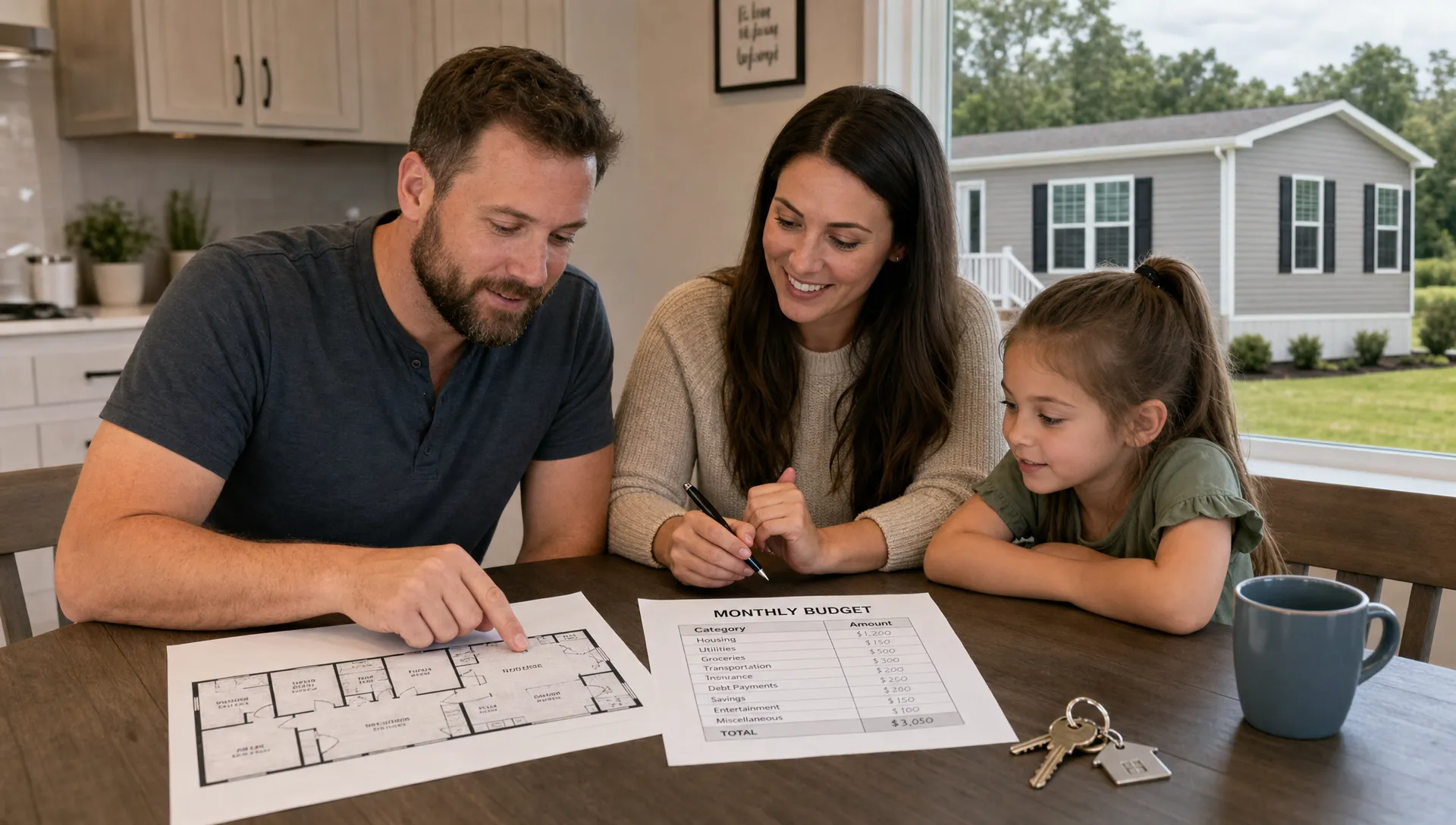
A safer rule is to qualify yourself before anyone else does. If the full monthly housing cost would leave no room for groceries, gas, insurance, childcare, debt payments, and savings, the deal is too tight, even if someone says you are approved.
How to improve your odds in the next 30 to 90 days
If you need housing immediately, you may not have months to rebuild credit. But even a short preparation window can improve your position and help you avoid bad deals.
| Action | Why it helps | Practical tip |
|---|---|---|
| Pull your credit reports | You can spot errors, collections, and old balances | Review all accounts before applying |
| Lower revolving balances | Credit card utilization can affect credit health | Focus on cards closest to their limits |
| Document income | Sellers and lenders want proof you can pay | Gather pay stubs, bank statements, award letters, or tax records |
| Save a move-in cushion | Cash reserves reduce risk | Separate application fees, deposits, insurance, and emergency savings |
| Avoid new debt | New loans can hurt approval strength | Delay furniture, car, or personal loan applications if possible |
| Track rent payments | Good rental history can support your application | Ask your landlord for a written payment history |
You do not need perfect credit to prepare like a serious buyer. Showing organization, transparency, and realistic budgeting can separate you from applicants who only ask, “What is the lowest down payment?”
Red flags that target bad credit buyers
Some rent-to-own ads use bad credit as bait. They know buyers feel pressure, so they make the deal sound easy while hiding the most important terms.
Be cautious if a seller says approval is guaranteed, refuses to show proof of ownership, asks for money before a tour, avoids written terms, or cannot explain how and when you become the legal owner.
Other warning signs include vague purchase prices, missing rent-credit details, large nonrefundable deposits, balloon payments you cannot realistically afford, late fees that stack quickly, and contract language that lets the seller cancel after one missed payment while keeping all your money.
The contract details matter more than the sales pitch. Homes2Go’s guide to what the fine print in a mobile rent-to-own agreement really means is especially useful if you are comparing lease-option, lease-purchase, or seller-financed offers. You can also review common rent-to-own contract traps to avoid before paying a deposit.
Questions to ask before paying any deposit
A deposit should come after verification, not before it. Before you hand over money, ask for clear answers in writing.
- Who owns the home today, and can they prove it?
- What is the total purchase price?
- How much is due upfront, and is any part refundable?
- How much of each monthly payment applies to ownership?
- When does title transfer to me?
- Is the land included, leased separately, or part of a community lot?
- Do I need community approval before moving in?
- Who pays for repairs, taxes, insurance, utilities, and fees?
- What happens if I pay late or need to move before buying?
- Can I have the agreement reviewed before signing?
A legitimate seller or retailer should not be offended by practical questions. If the deal falls apart because you asked for written terms, it was probably not a safe path.
Texas and San Antonio considerations
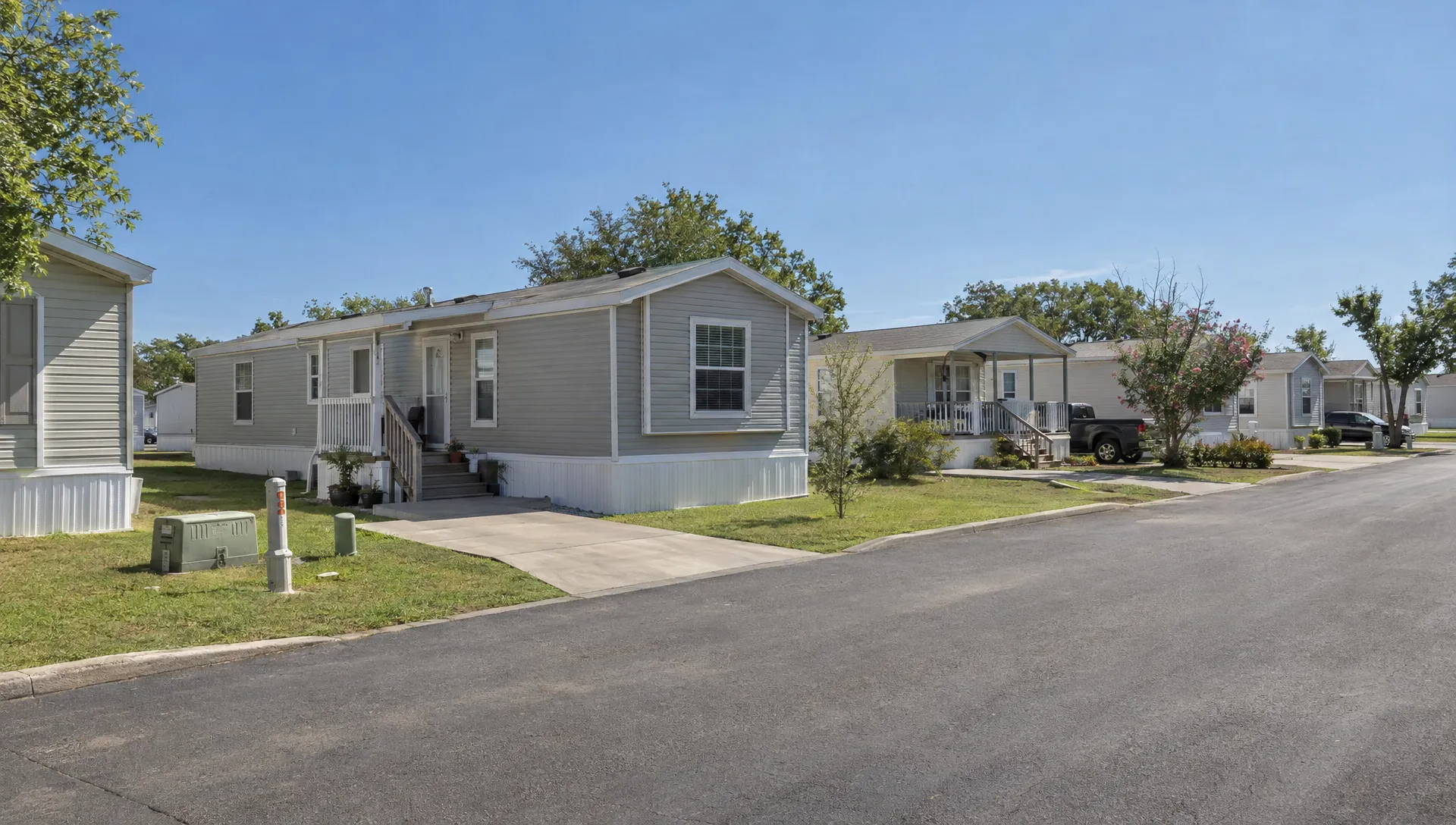
In San Antonio and the surrounding area, many manufactured homes are located in communities where the home and the land are separate. That can be a good fit for buyers who want a lower upfront cost than buying land, but it means you need to understand both the home agreement and the community rules.
Community approval may involve a separate application, income review, background check, pet policy, parking rules, occupancy limits, and lot-rent agreement. Do not assume that being approved for the home automatically means you are approved for the community.
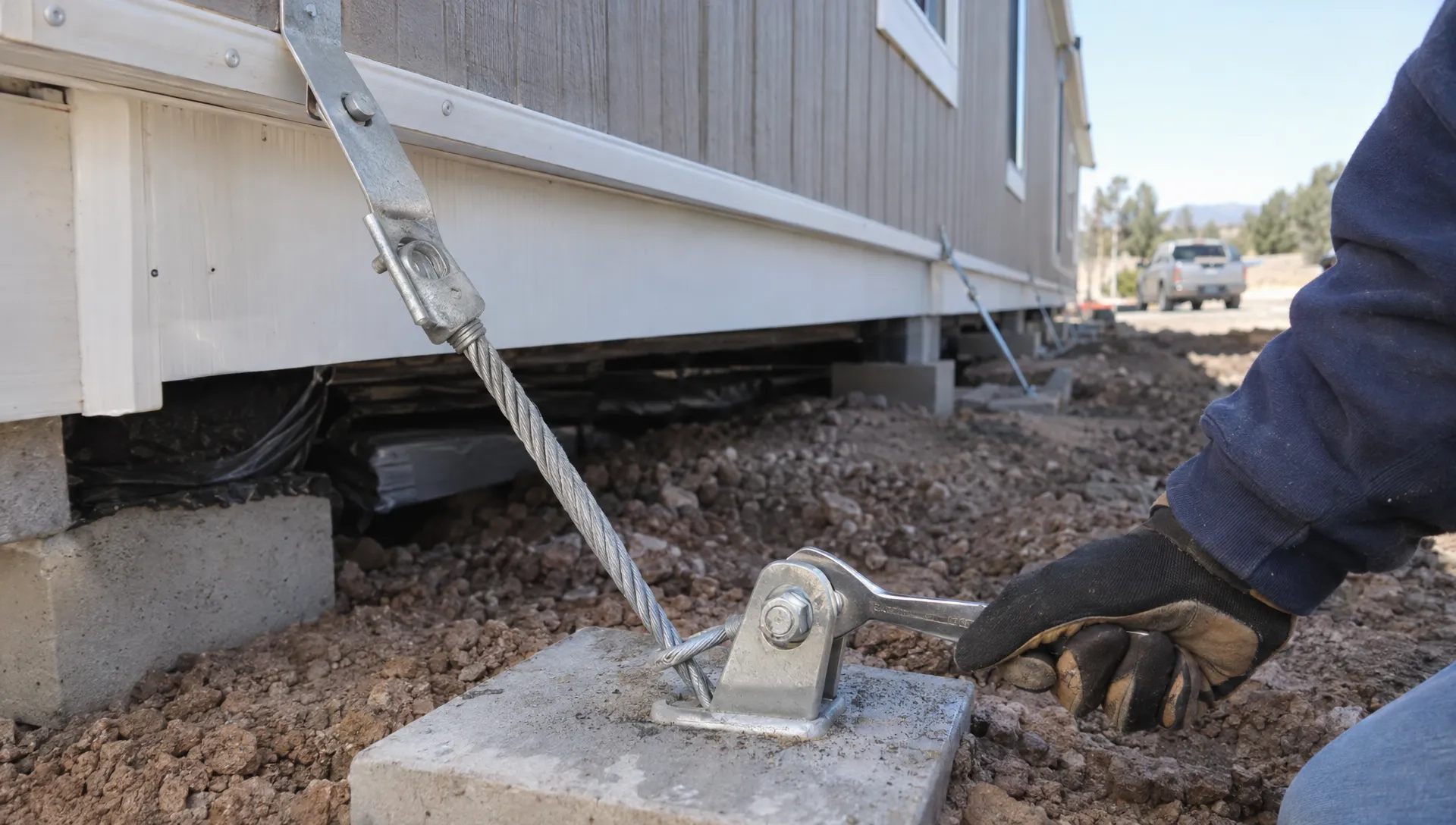
If the home will be placed on private land, the process can involve site preparation, utility access, permits, delivery, installation, inspections, and local requirements. These costs and timelines should be discussed before you commit to a home.
Also ask whether the home is personal property or attached to land in a way that affects ownership and financing. In Texas, manufactured home title and ownership questions should be handled carefully, especially if the seller is not a licensed retailer or if the home has been moved before.
When rent-to-own is not the best answer
Rent-to-own can be helpful, but it is not always the safest or cheapest path. Sometimes a straight rental for six to twelve months while you rebuild credit is better. In other cases, formal manufactured home financing with a realistic down payment may offer clearer ownership rights than a private rent-to-own contract.
You may want to pause before signing if the monthly cost is already uncomfortable, if you cannot verify ownership, if the seller pressures you to skip review, or if the contract does not clearly state the purchase price and title-transfer process.
A real option should reduce uncertainty, not create more of it.
Frequently Asked Questions
Can I get a rent-to-own mobile home with bad credit? Yes, it may be possible, but bad credit usually means you need stronger proof of income, a realistic budget, and careful contract review. Approval depends on the seller, lender, home, community, and your overall financial picture.
Are “no credit check” mobile home deals safe? Some private sellers may not run a traditional credit check, but “no credit check” does not automatically mean safe. Always verify ownership, total price, payment terms, rent credit, repair responsibility, and title-transfer rules before paying money.
Does rent-to-own help rebuild credit? Usually, rent-to-own payments help your credit only if they are reported to credit bureaus. Many private arrangements are not reported. Ask in writing whether payments are reported and continue working on credit separately.
How much down payment do I need with bad credit? There is no universal amount. It depends on the home price, seller or lender requirements, your income, debt, rental history, and whether the home is in a community. Be cautious of large nonrefundable deposits without clear written ownership terms.
What is the biggest mistake bad credit buyers make? The biggest mistake is focusing only on getting approved instead of understanding the full cost and contract. A bad deal can make credit and finances worse, even if it solves the short-term housing problem.
Ready to compare real options in San Antonio?
Rent-to-own with bad credit is not about chasing the easiest approval. It is about finding a manufactured home, payment structure, and ownership path that make sense for your life and budget.
Homes2Go San Antonio helps buyers explore affordable manufactured home options, compare floor plans, understand flexible financing possibilities, and connect with guidance throughout the process. If you are trying to move from uncertainty to a realistic plan, start by looking at homes and asking the right questions before you sign.
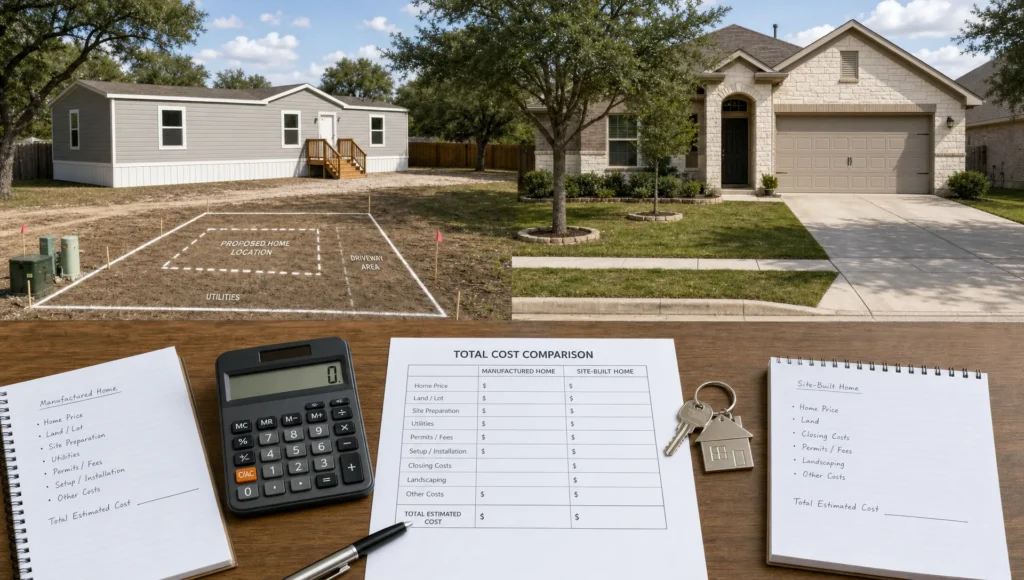 Manufactured Homes vs Traditional Cost in 2026
 Trendy Mobile Home Interiors That Still Age Well