
Buying pre-owned mobile homes for sale can be a smart path to affordable homeownership, especially in a competitive housing market like San Antonio. A well-kept used home may offer more space, a faster move-in timeline, and a lower purchase price than many traditional housing options.
But a lower sticker price should not be the only reason you say yes. Pre-owned mobile and manufactured homes can also come with hidden repair costs, title questions, lot restrictions, transportation expenses, or financing limits. The best buyers slow down, verify the details, and make the decision with a checklist instead of emotion.
Use this guide to evaluate condition, paperwork, location, financing, and red flags before making an offer.
First, know what you are really buying
Many listings use the terms mobile home and manufactured home interchangeably. In everyday conversation, that is common. Technically, homes built after June 15, 1976 must meet federal manufactured housing standards administered by HUD. Older homes are often called mobile homes, while post-1976 homes are generally manufactured homes.
That distinction matters because age, HUD certification, condition, and documentation can affect financing, insurance, moving options, and community approval. The HUD Manufactured Housing Program is the federal source for manufactured housing standards, but local rules, lender requirements, and community policies also matter.
A good deal is not just a low price. It is a home with clear ownership, acceptable condition, a realistic total monthly cost, and a confirmed place to live.
Pre-owned mobile home buyer checklist at a glance
Use this table as your quick screening tool before you spend money on inspections, deposits, or applications.
| Checkpoint | What to verify | Why it matters |
|---|---|---|
| Home identity | Year, manufacturer, model, size, serial number, HUD labels, data plate | Confirms what the home is and whether it may qualify for certain financing or community rules |
| Ownership | Texas ownership paperwork, seller name, lien status, taxes or fees owed | Prevents title problems and ownership disputes |
| Roof and exterior | Roof condition, siding, skirting, drainage, windows, doors | Water intrusion is one of the most expensive issues in a used home |
| Interior condition | Soft floors, wall stains, ceiling marks, odors, cabinetry, fixtures | Cosmetic updates are manageable, structural or moisture damage is more serious |
| Systems | Plumbing, electrical, HVAC, water heater, appliances | Repairs can quickly change the true cost of the home |
| Location | Community approval, lot rent, rules, private land readiness, utilities | A home is only useful if it can legally and affordably stay where you need it |
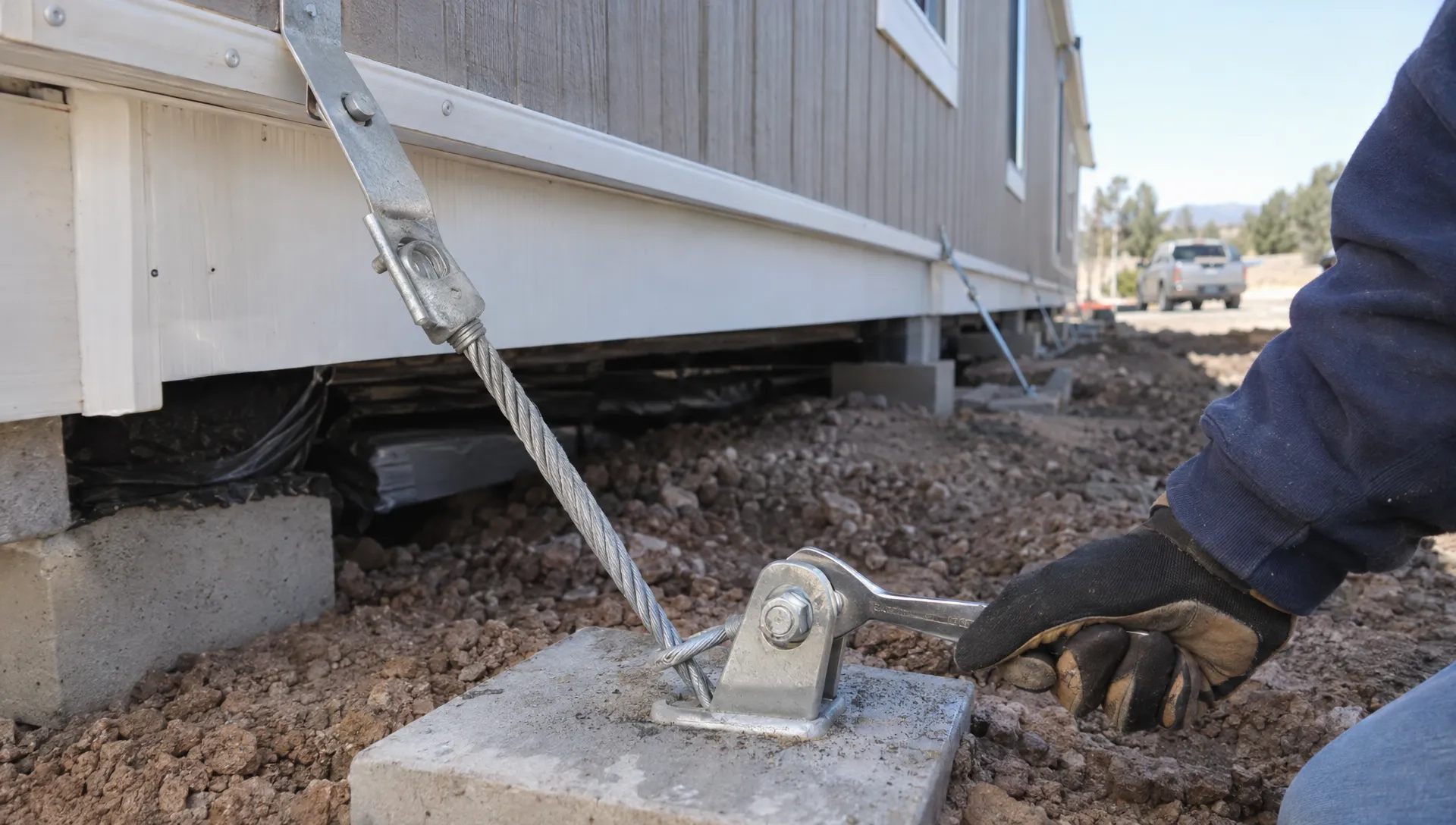
| Moving needs | Transport, permits, setup, tie-downs, steps, utility connections | Moving a home can add major cost and complexity |
| Financing | Loan type, down payment, term, APR, insurance, lender eligibility | Used homes may have different financing requirements than new homes |
| Repair budget | Written estimates for immediate and near-term repairs | Helps you negotiate and avoid buying more project than you can handle |
Set your real budget before you tour
The asking price is only one part of the cost. Before touring pre-owned mobile homes for sale, decide what monthly payment and move-in cost you can comfortably handle. This keeps you from falling in love with a home that becomes unaffordable after repairs, lot rent, utilities, and insurance.
Your budget should include the purchase price, lender fees, inspection costs, insurance, taxes, lot rent or land payment, utility deposits, possible delivery and setup, skirting, steps, decks, appliance replacement, and immediate repairs. If the home will be moved, you also need estimates for transport, permits, foundation or support systems, tie-downs, utility reconnection, and any work required after relocation.
If the home sits in a manufactured home community, ask for the full monthly lot cost in writing. That includes base lot rent, trash, water, sewer, pet fees, parking fees, amenities, and any other recurring charges. Homes with attractive prices can become less affordable if the lot cost is unclear or rising. If lot rent is part of your decision, review what to verify in communities with mobile homes with cheap lot rent before signing anything.
Verify the home’s identity and ownership paperwork
Do not rely only on a seller’s description. Ask for the year, manufacturer, model, size, serial number or VIN, and any HUD certification labels. HUD labels are typically metal plates attached to the exterior of the home. The data plate is usually found inside the home, often in a cabinet, closet, utility area, or near the electrical panel.
In Texas, manufactured home ownership is handled through the Texas Department of Housing and Community Affairs Manufactured Housing Division. Buyers should verify that the seller has proper ownership documents and that any liens are released or clearly disclosed. The seller’s name should match the ownership paperwork, and any unpaid taxes, community fees, or liens should be resolved before closing.
Be cautious if the seller says the paperwork will be handled after you pay, cannot explain the ownership history, or pressures you to skip verification. Clear title is not a small detail. Without proper ownership transfer, you may struggle to finance, insure, move, resell, or legally occupy the home.
Inspect the structure like repairs come out of your pocket
A pre-owned home does not need to be perfect, but you do need to understand what is worn, what is damaged, and what is expensive. Cosmetic issues such as dated cabinets, old carpet, or paint are easier to manage than roof leaks, floor rot, plumbing problems, or electrical concerns.
Start with the roof and ceiling. Look for sagging, missing shingles, patched areas, cracked sealant, water stains, bubbling ceiling panels, or musty smells. Walk the entire interior and pay close attention around bathrooms, the kitchen, laundry area, exterior doors, and windows. Soft flooring in these areas can signal subfloor damage from leaks.
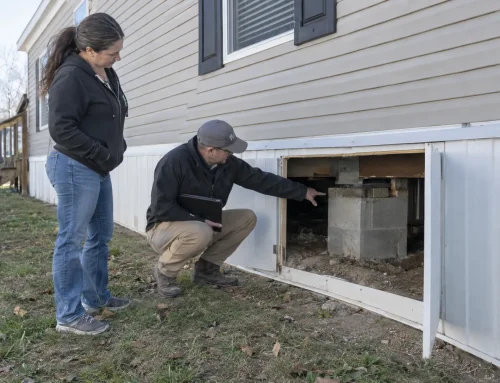
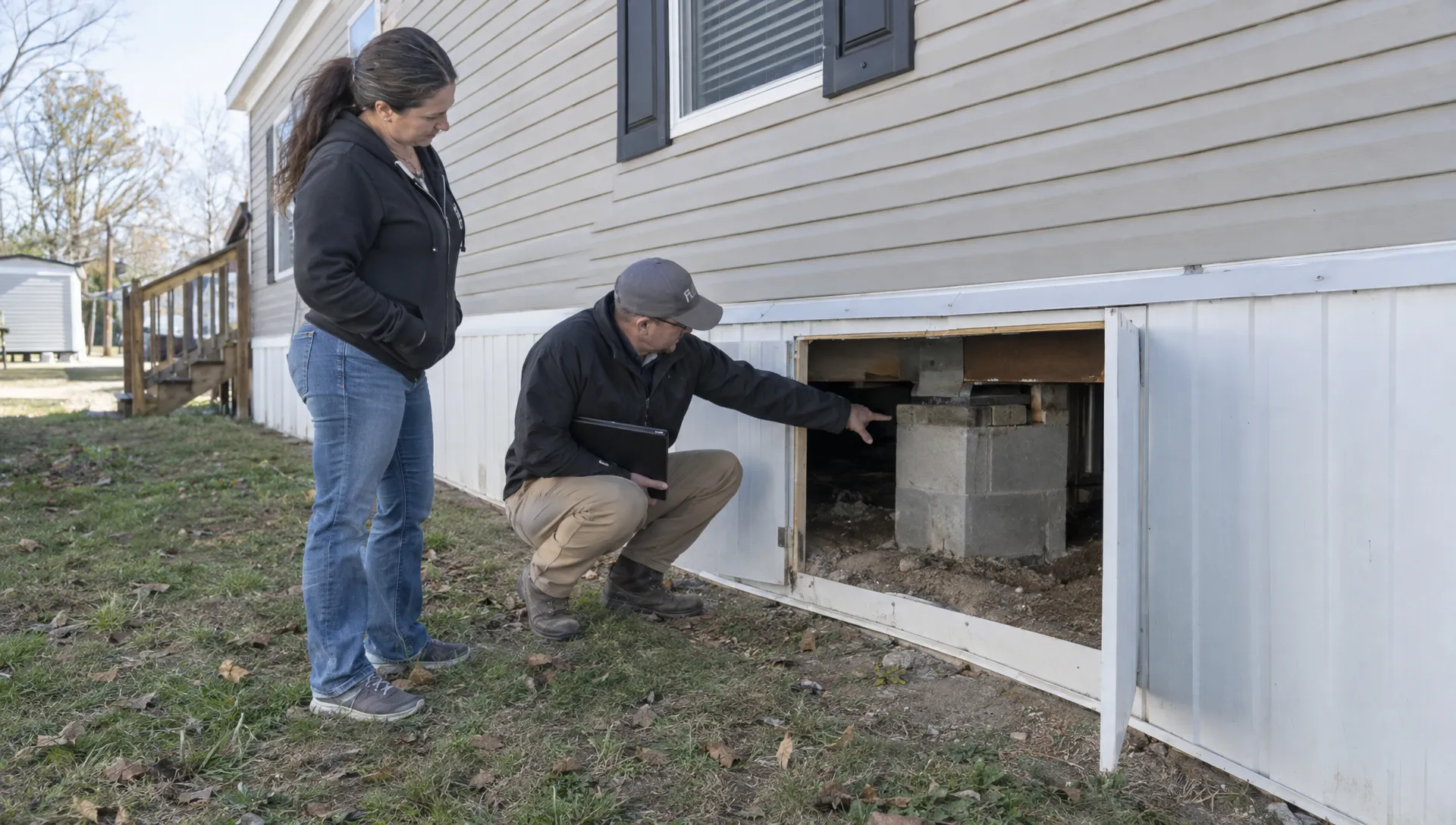
Check the exterior siding, skirting, windows, doors, steps, decks, and underbelly. Skirting helps protect the underside of the home from weather and pests, but it can also hide plumbing leaks or insulation damage. If possible, use a flashlight to look under the home for standing water, exposed pipes, torn belly wrap, damaged ductwork, or signs of pests.
A professional inspection is worth considering, especially if you are a first-time buyer. An inspector familiar with manufactured homes can help you distinguish normal wear from problems that should change your offer or stop the purchase.
Test plumbing, electrical, HVAC, and appliances
Surface updates can make a used home look move-in ready, but the systems determine whether it will live comfortably. Turn on faucets, flush toilets, run showers, test hot water, and look below sinks for active leaks or old water damage. Ask about the age and condition of the water heater.
For electrical, test outlets where practical, check that lights and switches work, and look at the breaker panel. Wet areas should have appropriate safety protection, and exposed wiring or frequent breaker trips should be treated seriously. If anything looks improvised, ask a qualified professional to review it.
In San Antonio, cooling performance is a major comfort and cost issue. Ask for HVAC service records, test the system during the tour if possible, check air flow from vents, and look at the condition of filters and ductwork. Older or poorly maintained systems may still run, but they can create high utility bills or fail soon after move-in.
Also clarify what appliances are included. If the refrigerator, stove, washer, dryer, or window units are part of the sale, list them in writing. If they are not included, add replacements to your move-in budget.
Decide whether the home stays or must be moved
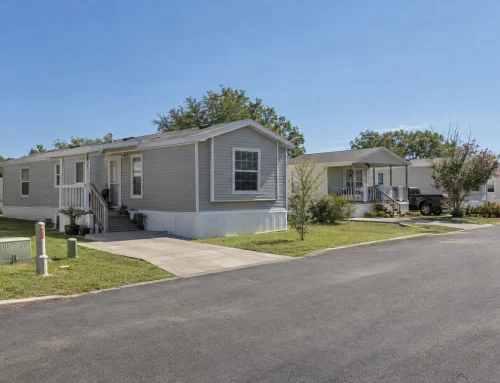
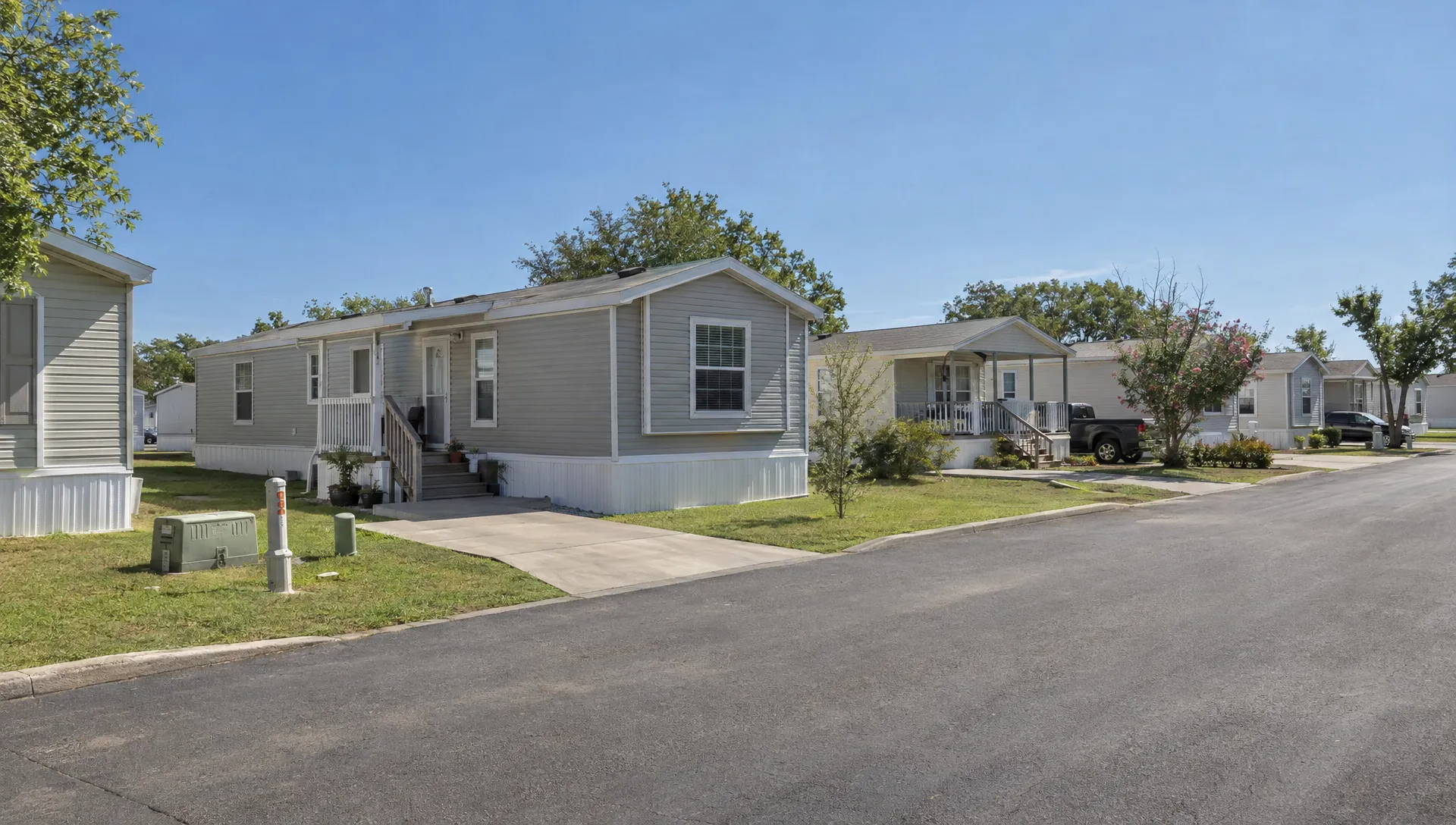
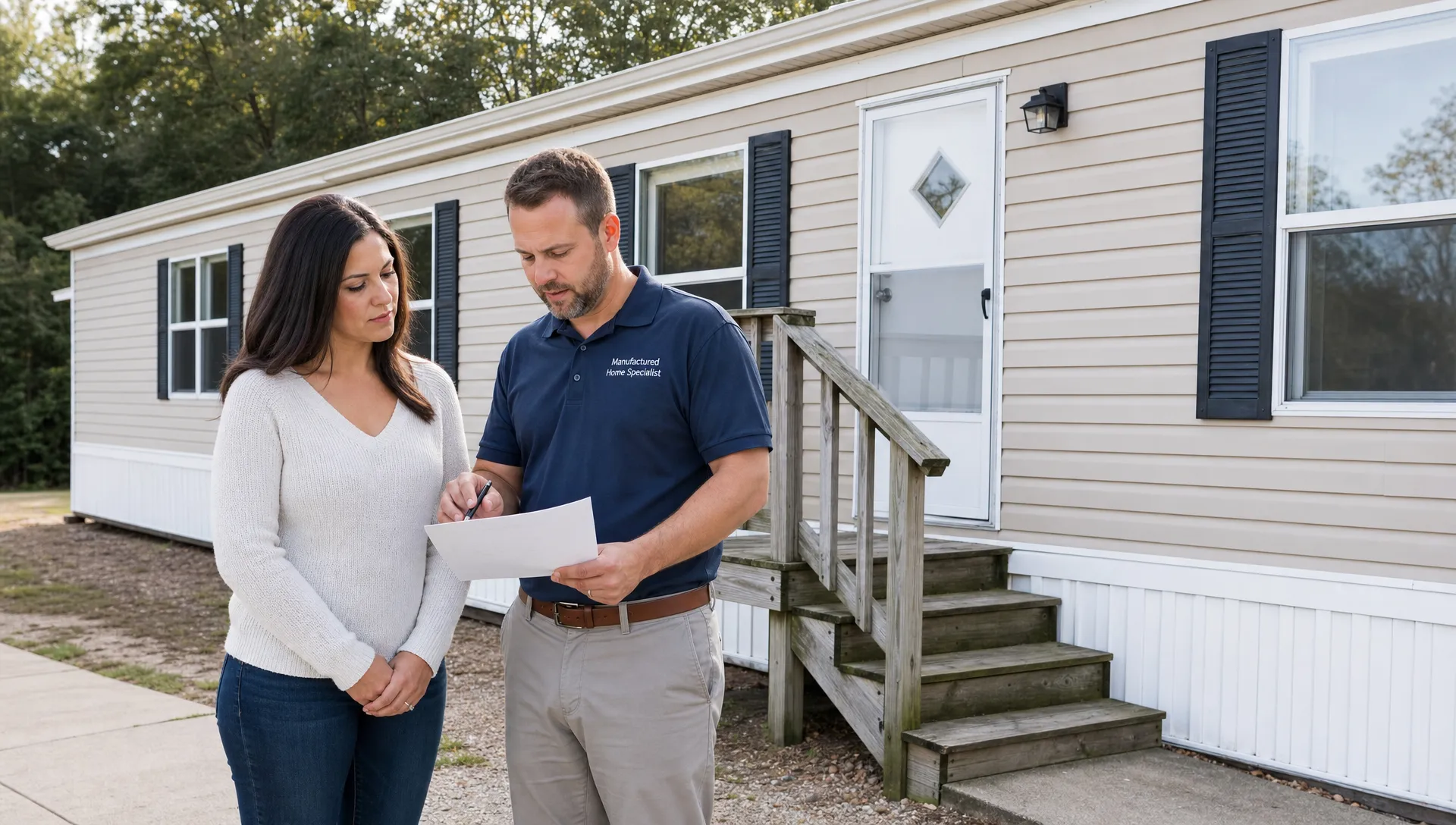
A pre-owned mobile home that stays in its current community is a very different purchase from one that must be transported. If the home stays, your main questions are community approval, lot lease terms, lot rent, rules, parking, pets, guests, maintenance responsibilities, and future rent increases.
Do not assume you can buy the home and automatically remain on the lot. Many communities require buyer approval before occupancy. Ask about application fees, income requirements, background checks, pet rules, vehicle rules, and any age or occupancy restrictions. Get approval before committing to the purchase.
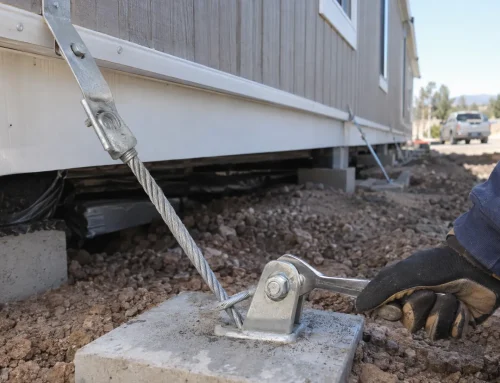
If the home must be moved, get written estimates before making a final offer. Transport costs can include disconnecting utilities, permits, escort vehicles, moving labor, setup, leveling, tie-downs, skirting, steps, decks, AC reconnection, utility hookups, and repairs after transport. Some older homes may not be accepted by movers or destination communities due to age, condition, or code requirements.
For private land, verify zoning, setbacks, access, water, septic or sewer, electrical service, drainage, floodplain status, and permit requirements. Rules can vary across San Antonio, Bexar County, and nearby areas, so confirm details with the appropriate local authority before you buy.
Match financing to the home, land, and condition
Financing a pre-owned mobile or manufactured home depends on the home’s age, condition, documentation, whether land is included, and how the home is installed. Some purchases are financed as personal property, often called chattel loans. Others may qualify for mortgage-style financing when the home and land are financed together and the home meets lender requirements.
Lenders may ask for HUD labels, a data plate, ownership paperwork, appraisal details, inspection results, proof of insurance, and information about the home’s location. They may also have rules about the age of the home, foundation, condition, and whether the home has been moved.
If you are exploring government-backed financing, requirements can be specific. Homes2Go has a helpful overview of FHA mobile home requirements that explains common eligibility topics, including HUD-code status, labels, data plates, foundation rules, and title considerations.
Do not compare loans only by monthly payment. A longer term can lower the payment but increase total interest. Ask each lender about the down payment, APR, loan term, fees, insurance requirements, prepayment rules, and whether repairs must be completed before closing.
Price the repairs before you make an offer
A used home can still be a strong value if the repairs are understood and reflected in the price. The mistake is buying first and estimating later. Before making a firm offer, list the repairs you see, separate must-do items from nice-to-have updates, and get estimates for the expensive items.
| Finding during tour | Smart buyer response |
|---|---|
| Soft floors near bathrooms or doors | Ask for a subfloor inspection and repair estimate before negotiating |
| Roof stains or active leaks | Get a roof assessment and assume interior repairs may also be needed |
| HVAC does not cool well | Request service records or budget for professional evaluation and possible replacement |
| Missing HUD labels or unclear data plate | Ask your lender and inspector whether the issue affects financing or approval |
| Seller cannot prove clear ownership | Pause the purchase until documentation is verified |
| Community approval not complete | Do not close until you know you can live there |
| Home must be moved | Get mover approval and a full setup estimate before agreeing to the price |
Negotiation should be based on facts, not guesses. A seller may not agree to every repair request, but written estimates help you decide whether the home is still worth the price.
Red flags that should slow you down
Some issues do not automatically mean you should walk away, but they should make you pause and investigate. The bigger the red flag, the more documentation you need before moving forward.
- The seller asks for cash before showing ownership paperwork.
- The price is far below market, but you must decide immediately.
- You cannot inspect the roof, underbelly, utilities, or key rooms.
- Strong air fresheners, new paint, or rugs appear to hide moisture smells or stains.
- The seller says the home can be moved without a mover reviewing it.
- Lot rent, utility charges, or community rules are not available in writing.
- Add-ons such as decks, porches, or room additions appear unstable or unpermitted.
- The name on the paperwork does not match the person selling the home.
- The home has unpaid taxes, liens, or community balances that are not clearly resolved.
A trustworthy seller or dealer should be willing to answer questions, provide documents, and give you time to verify the deal.
Questions to ask on every tour
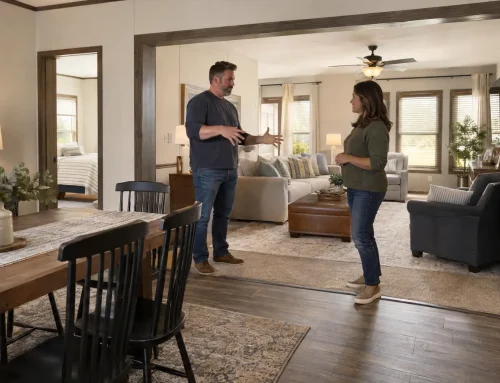
Bring a printed checklist or save these questions on your phone. The goal is to leave each tour with enough information to compare homes side by side.
- What year, make, model, size, and serial number is the home?
- Are HUD labels and the data plate present?
- Who legally owns the home, and are there any liens?
- Is the home staying in the current community or does it need to be moved?
- What is the total monthly lot cost, including utilities and fees?
- Are taxes, lot rent, and community balances current?
- What appliances, decks, steps, skirting, or sheds are included?
- Has the roof, HVAC, plumbing, or flooring been repaired recently?
- Are there any known leaks, pest issues, storm damage, or insurance claims?
- Can my lender, inspector, or mover review the home before I pay a deposit?
If the answers are vague, ask follow-up questions. If the answers keep changing, slow down.
Choose the best documented home, not the fastest deal
The strongest pre-owned mobile home purchase usually passes four tests. The home is in acceptable condition, the ownership paperwork is clear, the total monthly cost fits your budget, and the location is approved before closing. If one of those pieces is missing, the deal may still work, but it needs more verification.
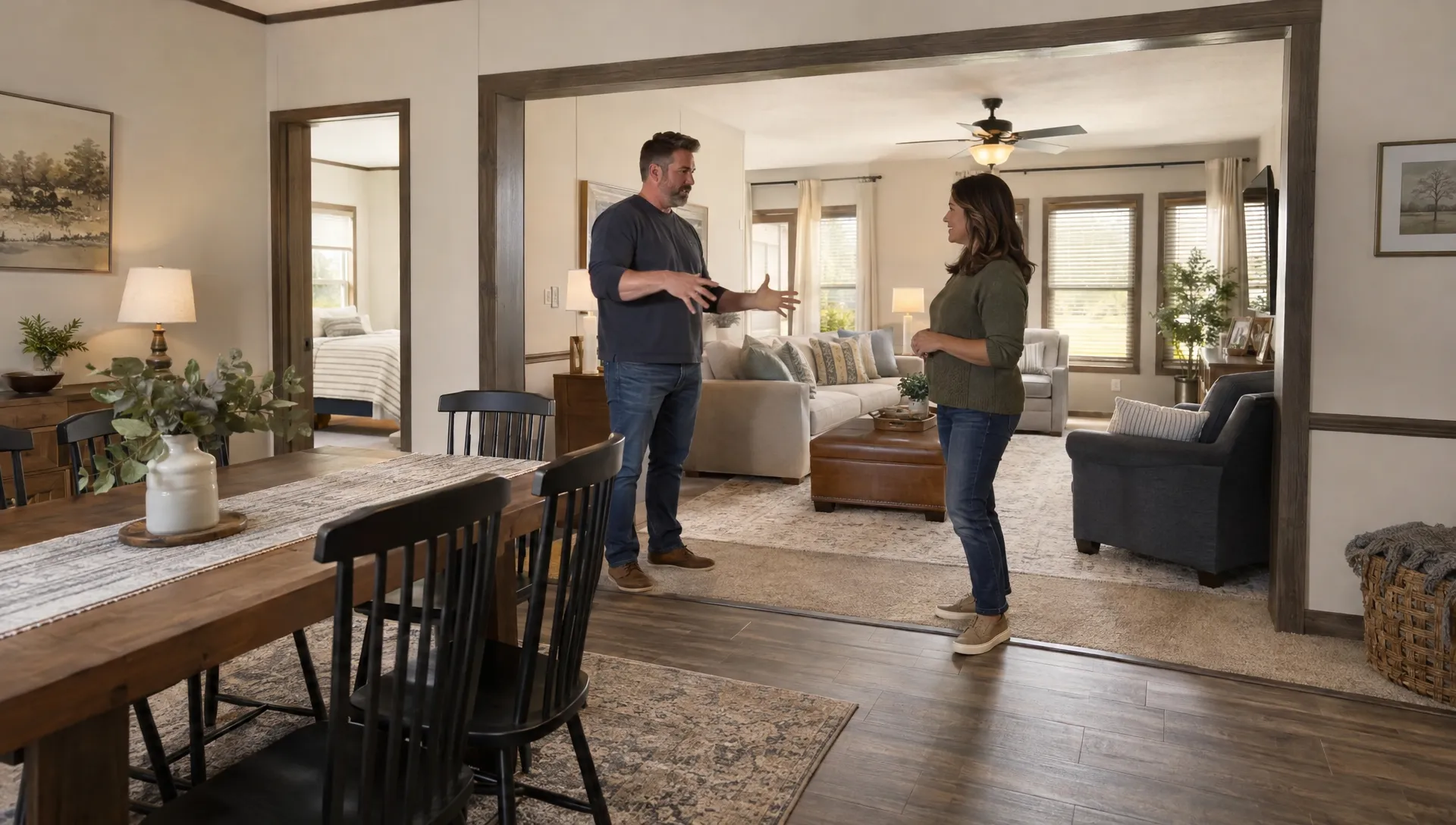
This is especially important for first-time buyers. Manufactured housing can be an affordable and practical option, but the buying process has details that are different from a traditional house purchase. Working with knowledgeable local professionals can help you compare homes, understand financing options, review floor plans, and think through community or land decisions.
If you are weighing used options against newer manufactured homes, Homes2Go San Antonio can help you compare available manufactured and mobile home choices, flexible financing options, floor plans, and local community considerations. Visit Homes2Go San Antonio to start the conversation.
Frequently Asked Questions
Are pre-owned mobile homes for sale a good buy? They can be a good buy when the home is structurally sound, ownership paperwork is clear, financing is realistic, and the lot or land situation is confirmed. The key is comparing total cost, not just the listing price.
What is the difference between a mobile home and a manufactured home? In common listings, the terms are often used together. Technically, homes built after June 15, 1976 are manufactured homes built to HUD standards. Older factory-built homes are often called mobile homes.
Can I finance a pre-owned mobile home? Yes, financing may be available, but options depend on the home’s age, condition, documentation, whether land is included, and lender requirements. Ask lenders early so you know what homes may qualify.
What documents should I check before buying in Texas? Ask for ownership paperwork, the seller’s legal name, lien information, the home’s serial number or VIN, HUD labels if applicable, and any community or tax balances. Verify these details before paying a large deposit.
Should I hire an inspector for a used mobile home? Hiring an inspector is often a smart move, especially for first-time buyers. A manufactured home inspector can check roofing, flooring, plumbing, electrical, HVAC, moisture damage, leveling, skirting, and underbelly condition.
What should I do if the home must be moved? Get a professional mover to inspect the home before you buy. You need written estimates for transport, permits, setup, tie-downs, utility connections, steps, skirting, and any repairs required after the move.
 How to Compare Modular Home Parks Before You Move
 Manufactured Homes for Sale Nearby: How to Compare