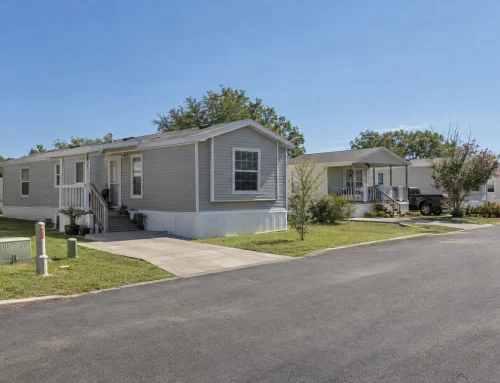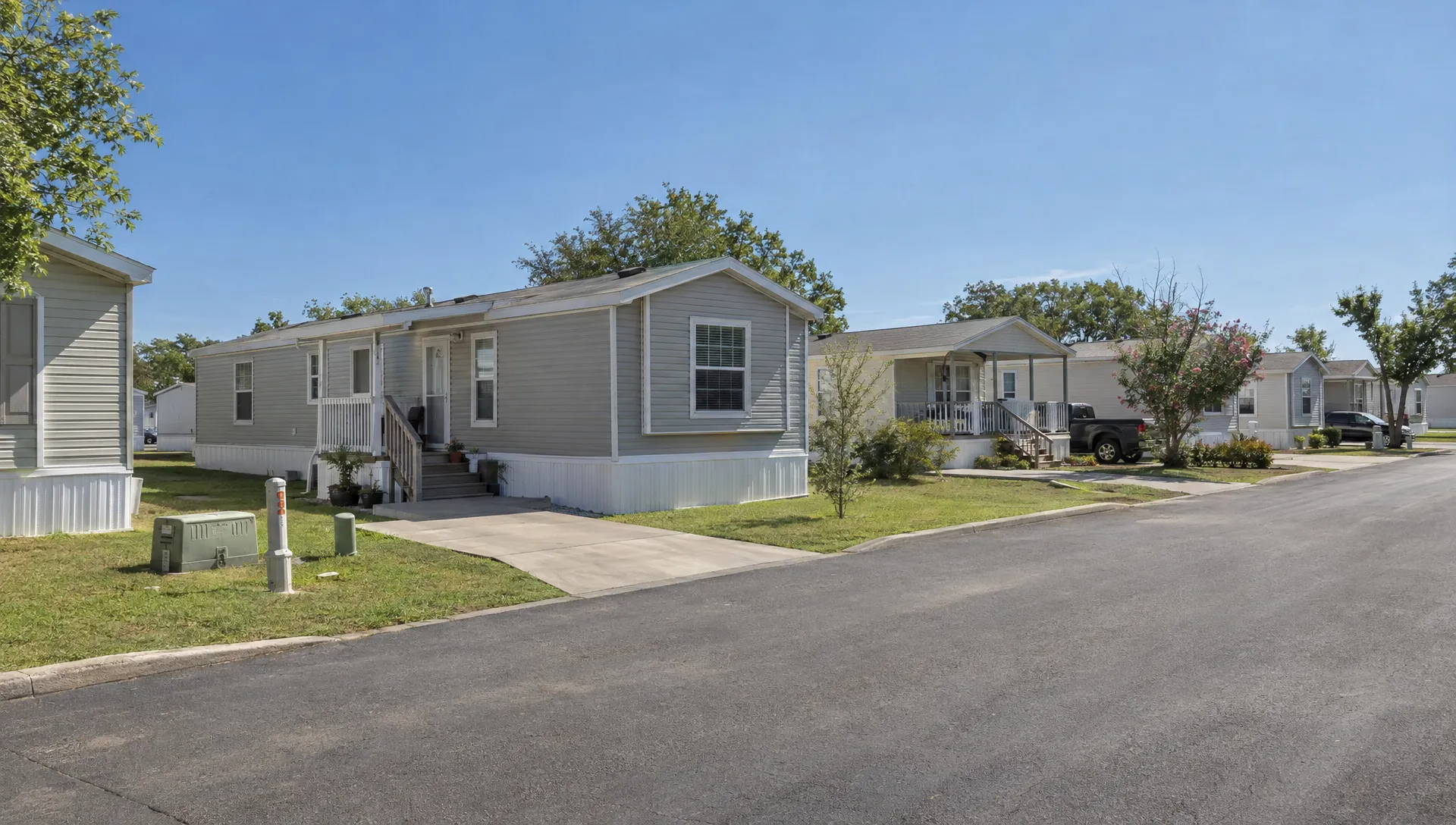

A home can have the right floor plan, the right price, and the right finishes, but still feel like the wrong choice if the community does not fit your life. That is why comparing modular home parks before you move is just as important as comparing bedrooms, square footage, and monthly payments.
For many San Antonio buyers, the search can get confusing fast. Listings and conversations may use modular home, manufactured home, mobile home, and trailer home in different ways. Communities may have their own rules about what they accept, how homes must be installed, and what residents can do on their lots. The safest approach is to compare the home and the park together, not as two separate decisions.
Use this guide as a practical checklist before you apply, sign a lease, move a home, or commit to a financing plan.
Start with what the park actually accepts
In everyday searches, people often use the phrase modular home parks to describe communities for factory-built homes. Technically, modular and manufactured homes are not the same. HUD explains that manufactured homes are built to the federal HUD Code, while modular homes are generally built to state and local building codes. Older mobile homes usually refer to factory-built homes produced before the HUD Code took effect in 1976.
That distinction matters because a community may accept one home type but not another. Some parks welcome HUD-code manufactured homes but do not allow modular homes. Others may have age limits, size requirements, skirting standards, or exterior appearance rules. Before you pay an application fee or schedule delivery, get written confirmation that your specific home is allowed.
Ask the community manager these questions early:
- Does the community accept modular homes, manufactured homes, or both?
- Are single wide and double wide homes both allowed?
- Are there minimum size, roof pitch, siding, skirting, porch, or age requirements?
- Who approves the home before it is moved into the community?
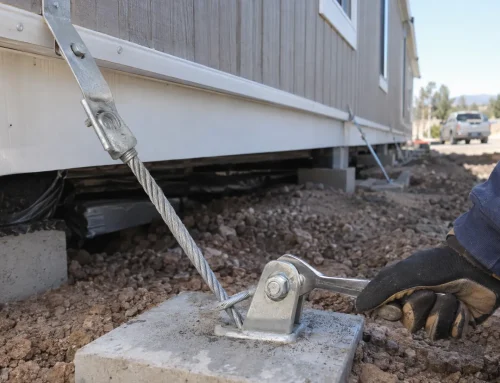
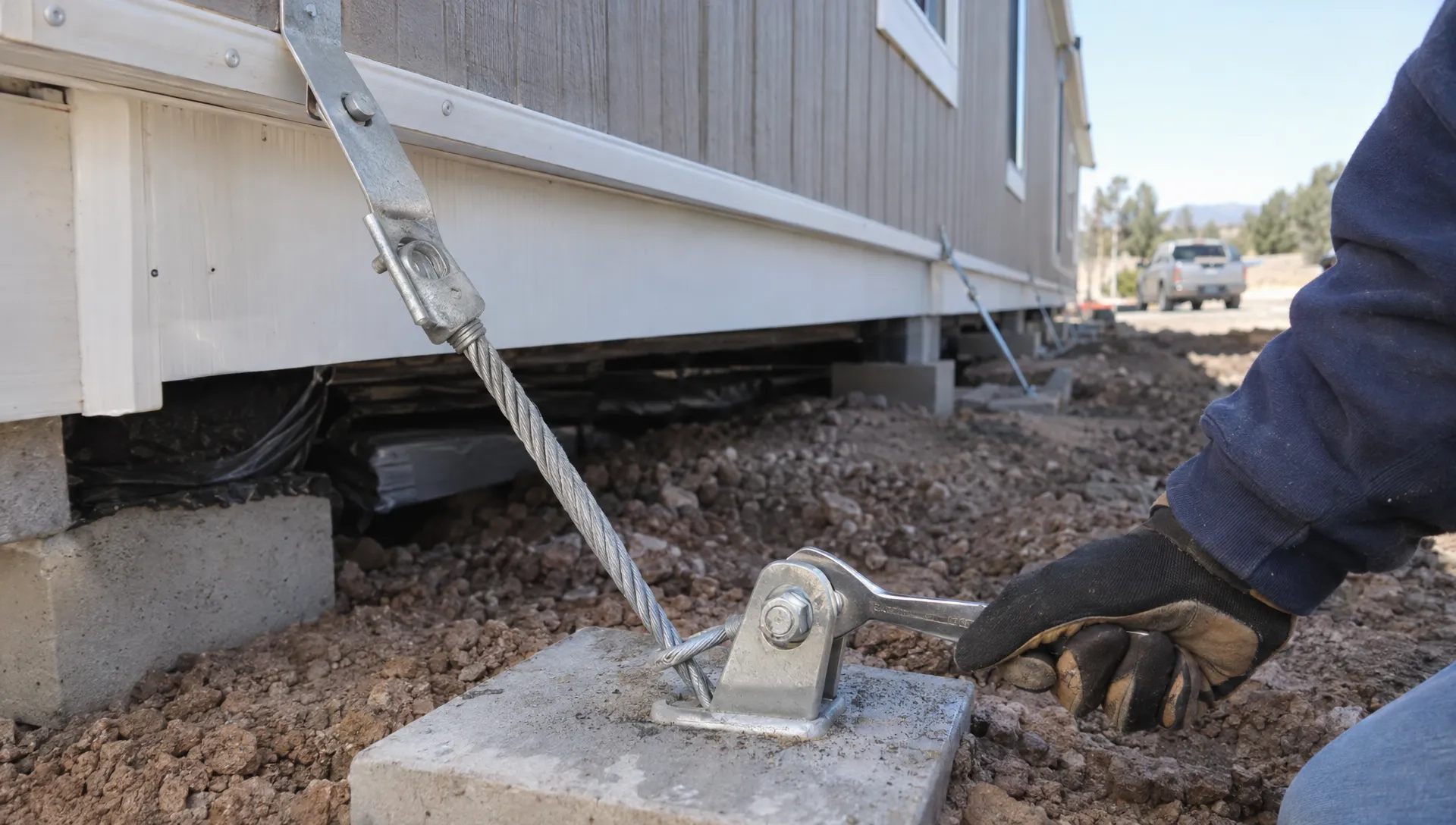
- Are there specific setup, tie-down, foundation, or utility connection standards?
If you are still building your shortlist, Homes2Go's guide on what to check first when searching for modular homes parks near me can help you organize the first round of questions before you tour.
Compare the true monthly cost, not just lot rent
Lot rent is usually the number buyers notice first, but it is only one part of the monthly cost. A park with lower lot rent may end up costing more if utilities, trash, water, sewer, pet fees, or maintenance charges are separate. A park with higher lot rent may be a better value if it includes services you would otherwise pay for separately.
Build a full monthly estimate before you compare communities. Include your home payment, lot rent, insurance, utilities, taxes if applicable, and any community fees. For San Antonio buyers, energy costs also deserve attention because long cooling seasons can affect the real cost of ownership.
| Cost item | Why it matters | What to ask |
|---|---|---|
| Lot rent | This is the base cost for the homesite | What is included, and when can it increase? |
| Home payment | Financing terms affect the total monthly budget | Is the home loan separate from the lot lease? |
| Utilities | Water, sewer, electric, gas, and trash can vary by park | Which utilities are billed by the park, and which are direct? |
| Insurance | Coverage may be required by lenders or the community | What type of coverage is needed before move-in? |
| Move-in charges | Deposits, application fees, setup costs, and utility connections add up | What must be paid before keys or occupancy approval? |
| Add-on fees | Pets, extra vehicles, sheds, or late payments may create extra costs | Can you provide a current written fee schedule? |
The goal is not to find the lowest number on paper. The goal is to find the most predictable, sustainable monthly cost. If a park cannot clearly explain its fees, keep comparing.
For a deeper look at fee structures, lease terms, and warning signs, this guide to fees, rules, and red flags in local mobile home parks is a helpful next step.
Read the rules before you fall in love with the community
Community rules can protect residents, maintain curb appeal, and help keep the neighborhood orderly. They can also affect your daily life in ways you may not expect. Always ask for the current lease, community guidelines, and fee schedule before you make a final decision.
Pay special attention to rules about occupancy, pets, guests, parking, commercial vehicles, fencing, sheds, decks, porches, landscaping, exterior paint, holiday decorations, and home resale. If you work from home, own a work truck, have multiple vehicles, or plan to add outdoor storage, the rules matter even more.
A good rule is clear, written, and consistently enforced. A vague rule can become stressful later. Ask how notices are delivered, how long residents have to fix violations, and whether rent increases or rule changes are announced in writing.
| Rule area | Why to compare it before moving |
|---|---|
| Vehicles and parking | Extra cars, trailers, boats, and work trucks may be restricted |
| Pets | Breed, size, number, and registration rules vary widely |
| Outdoor additions | Sheds, decks, ramps, fences, and carports may need approval |
| Home appearance | Skirting, siding, paint, lawn care, and exterior upkeep can be regulated |
| Guests and occupancy | Long-term guests and household size may be limited |
| Resale or removal | Some communities have rules for selling the home or moving it out |
If a rule would affect something important to your household, do not rely on a verbal answer. Ask for written clarification.
Inspect the lot like the home depends on it
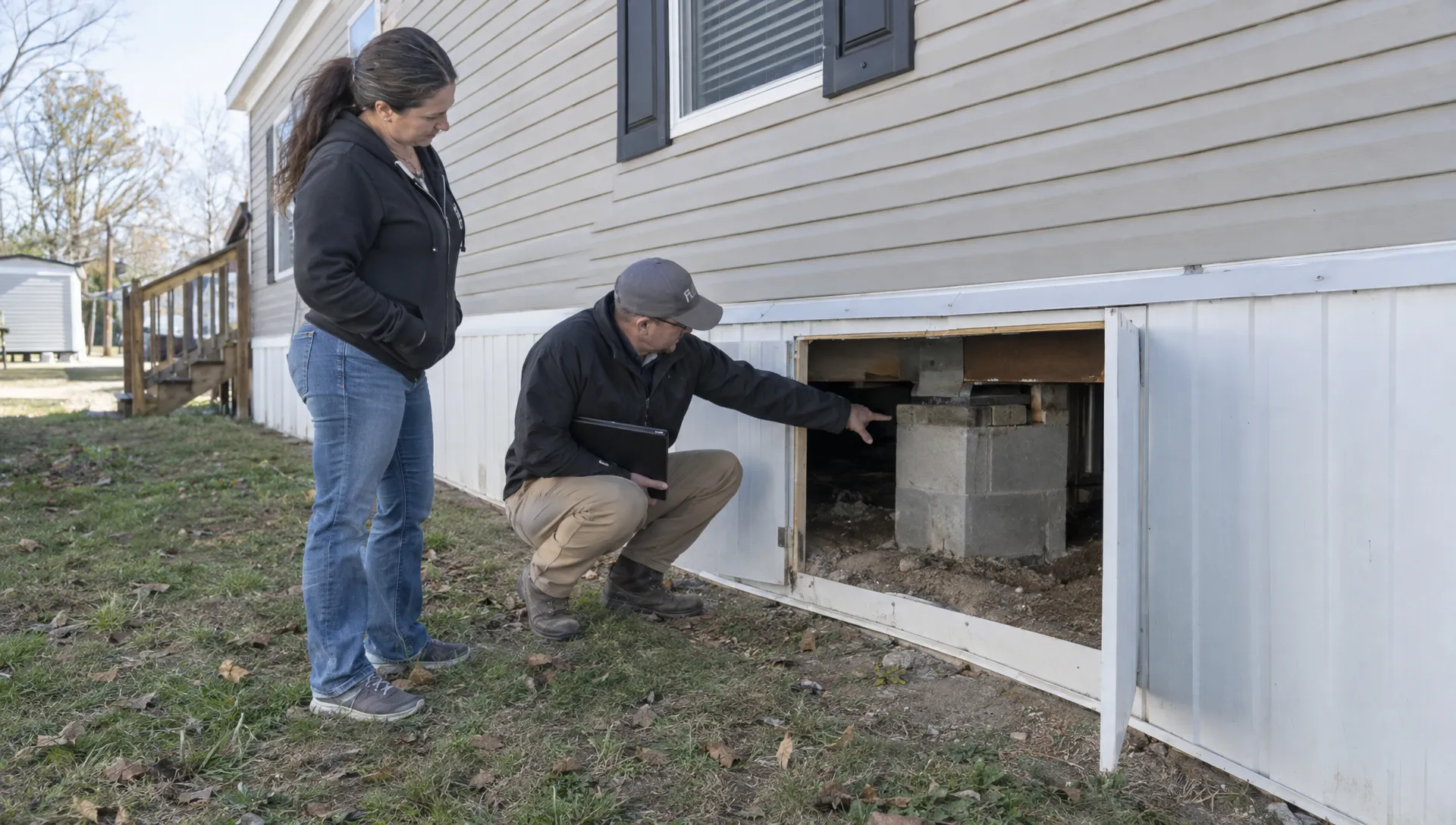
The homesite itself can make or break the move. A beautiful home needs a lot that fits the dimensions, supports the setup, connects properly to utilities, and drains well after rain. A quick drive through the park is not enough.
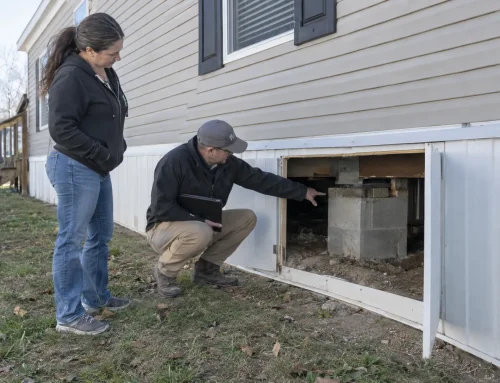
Ask for the lot dimensions, setback requirements, utility locations, driveway details, and any setup standards. If you are considering a double wide, confirm that the roads, turns, and lot access can accommodate delivery. If the lot has trees, slopes, soft soil, or drainage issues, ask who is responsible for correcting those conditions before installation.
Drainage is especially important in South Texas. Look for standing water, washed-out gravel, low spots, blocked ditches, or homes sitting noticeably lower than surrounding lots. You should also ask whether the lot has flooded before and whether any drainage work is planned.
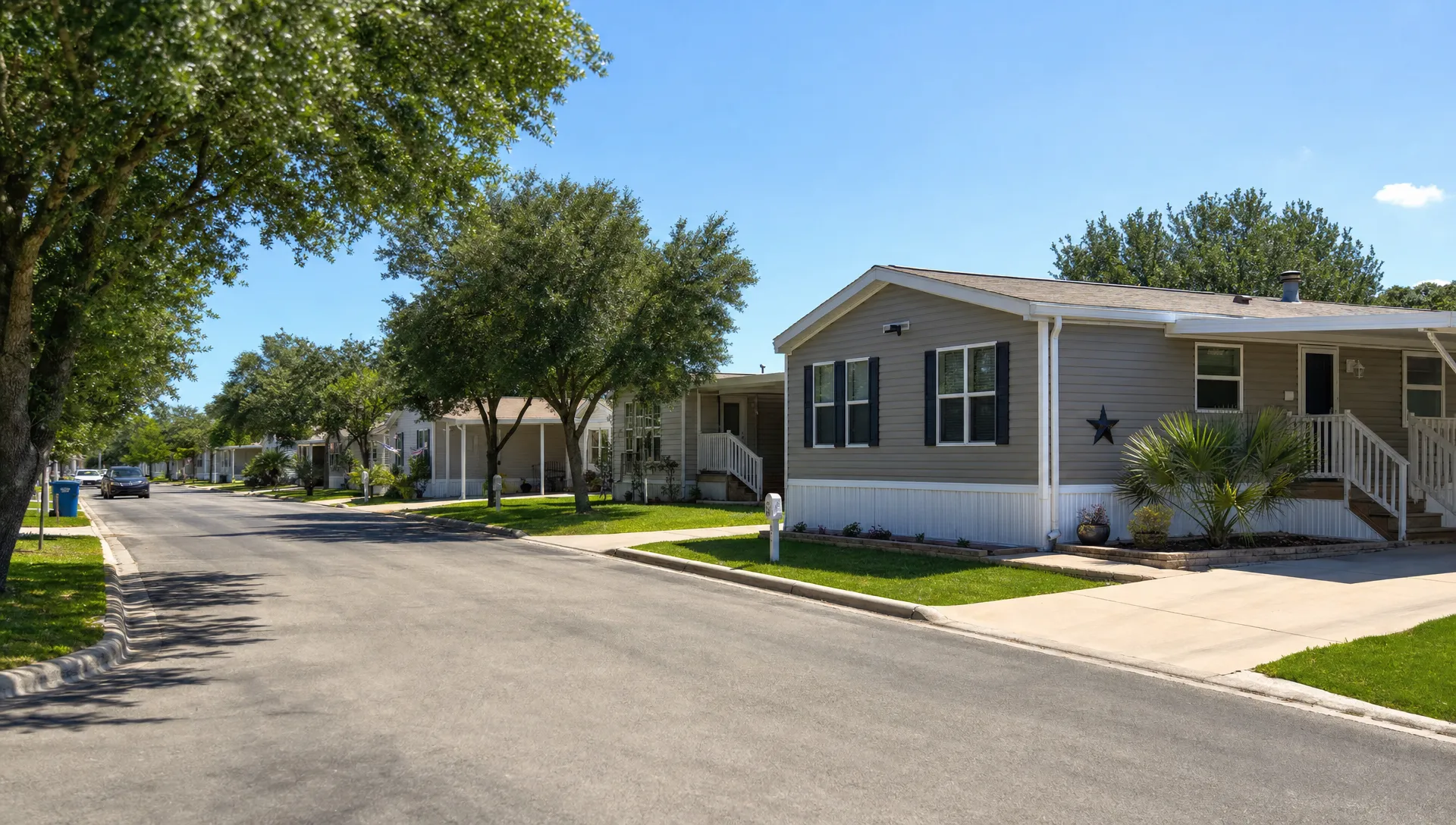
Utilities deserve the same level of attention. Confirm whether the home will connect to public sewer, septic, park water, city water, natural gas, propane, or all-electric service. Ask who pays for connection, inspection, trenching, meters, and repairs between the home and the main utility lines.
Evaluate the location like you already live there
A park can look convenient on a map and still feel inconvenient in real life. Before you apply, drive the route to work, school, childcare, grocery stores, medical care, and family during the times you would normally travel. A 15-minute drive at noon may become much longer during commute traffic.
Also check the surroundings. Nearby highways, rail lines, industrial areas, flood-prone roads, or poorly lit streets may affect comfort and resale appeal. If you have children, confirm school boundaries directly with the district because boundaries can change and online listings may be outdated.
Think beyond the first month. Moving a manufactured or modular home later can be expensive and complicated, so it is wise to choose a community that can fit your needs for several years. If you expect job changes, a growing family, aging relatives, or a different commute, include those possibilities in your decision.
Look closely at community condition and management
A community does not need luxury amenities to be a good place to live. It does need basic upkeep, clear communication, and management that responds when residents need help. As you tour, look at the condition of roads, lighting, signage, vacant lots, common areas, drainage ditches, mail areas, and trash collection points.
You can learn a lot by contacting the office more than once. Notice whether calls are returned, whether answers are consistent, and whether the manager is willing to provide written information. If basic questions feel difficult before you move in, they may feel even harder after you are already a resident.
If you feel comfortable, speak with current residents. Ask simple, respectful questions about maintenance response times, rent increases, utility interruptions, noise, safety, and how rules are enforced. One opinion should not decide everything, but repeated patterns are worth taking seriously.
Understand approval, financing, and timing
Park approval is separate from home financing. You may be approved for a home loan but still need community approval before the home can be placed on a lot. You may also find a community you like, then discover that your preferred home model does not meet its requirements.
The best approach is to coordinate the home, the lot, and the financing timeline together. Ask the community how long approval takes, what documents are required, whether background or credit checks are part of the process, and whether all adult residents must apply. Also ask whether approval expires after a certain period.
Financing can also be affected by the home type, land arrangement, home age, installation requirements, and lender guidelines. Homes2Go San Antonio works with buyers who are comparing models, floor plans, and financing options, which can be especially useful when you are trying to match a home to the right community. You can explore available options through Homes2Go San Antonio and ask for guidance before you commit to a park.
Watch for red flags before you sign
Some problems are easy to overlook when you are excited about moving. Slow down if anything feels unclear, rushed, or inconsistent. A good community should be able to explain costs, rules, approvals, and lot conditions in plain language.
Common red flags include:
- The manager will not provide the lease, rules, or fee schedule in writing.
- The park says your home should be fine but will not confirm approval in writing.
- Lot rent seems unusually low, but utility billing and added fees are unclear.
- You see standing water, damaged utility connections, unsafe roads, or neglected vacant lots.
- Residents mention frequent unexplained rent increases or unresolved maintenance issues.
- You are pressured to sign before reviewing the lease or inspecting the lot.
- Rules are vague, outdated, or different from what you were told verbally.
- The community cannot explain who is responsible for setup, inspections, and utility connections.
One red flag does not always mean you should walk away, but it does mean you should ask more questions. If the answer still feels unclear, keep looking.
Use a simple scorecard to compare modular home parks
When you tour several communities, details can blur together. A simple scorecard helps you compare each park more objectively. Rate each category from 1 to 5, then add notes about anything that could affect your budget, timeline, or lifestyle.
| Category | 1 means weak | 3 means acceptable | 5 means strong |
|---|---|---|---|
| Home compatibility | Requirements are unclear | Home may fit with conditions | Written approval standards are clear |
| Total monthly cost | Fees are confusing | Costs are mostly clear | Full written estimate is easy to understand |
| Lease and rules | Vague or restrictive | Manageable with some concerns | Clear and reasonable for your lifestyle |
| Lot condition | Fit, access, or drainage concerns | Usable with minor questions | Ready, well-drained, and properly sized |
| Utilities | Connection or billing questions | Basic services confirmed | Utilities and responsibilities are clearly explained |
| Location | Daily routine feels difficult | Works for now | Fits work, school, shopping, and long-term needs |
| Management | Slow or inconsistent communication | Answers most questions | Responsive, organized, and transparent |
| Long-term fit | You may outgrow it quickly | Could work for a few years | Fits your likely future plans |
After scoring, compare the highest and lowest categories. The best choice may not be the park with the most amenities. It may be the one with the clearest costs, the best lot fit, and the fewest surprises.
How many parks should you compare?
If possible, compare at least three communities before making a decision. One tour gives you a first impression. Two tours give you contrast. Three or more help you understand what is normal for pricing, rules, lot quality, and management in your area.
If you are on a tight timeline, prioritize the questions that could stop your move: home type approval, total monthly cost, lot readiness, utility connections, lease terms, and application requirements. Those items can affect whether the move is possible at all.
Frequently Asked Questions
Are modular home parks the same as manufactured home parks? Not always. Many people use the terms interchangeably when searching online, but modular and manufactured homes are different types of factory-built housing. Always ask the park what home types it accepts and get approval requirements in writing.
What should I ask before paying a park application fee? Ask about total monthly costs, application criteria, home type requirements, lot availability, lease terms, utility billing, pet rules, vehicle rules, and how long approval takes. You should also ask whether the fee is refundable.
Is the cheapest lot rent usually the best deal? Not necessarily. Low lot rent can be attractive, but extra utility charges, unclear fees, poor drainage, strict rules, or weak management can make the total value worse. Compare the full monthly cost and the quality of the lot.
Can the park affect my home financing? Yes, it can. Lenders may consider the home type, age, installation, land arrangement, insurance, and whether the home will be placed in an approved community. Coordinate financing and park approval before finalizing your decision.
How do I know if a lot will fit my home? Ask for lot dimensions, setback rules, utility locations, road access details, and written approval for the specific home model. If possible, have the retailer, installer, or community confirm fit before scheduling delivery.
Should I choose the home or the park first? Ideally, compare them together. Choosing the home first can create problems if the park will not accept it. Choosing the park first can limit your home options. The best path is to match the floor plan, budget, financing, and community requirements at the same time.
Make the home and community decision together
Before you move, take time to compare the park as carefully as you compare the home. The right community should fit your budget, your daily routine, your household needs, and the specific home you plan to buy.
Homes2Go San Antonio helps buyers explore affordable manufactured and mobile home options, compare floor plans, understand financing possibilities, and think through community fit before making a commitment. If you are preparing to move in the San Antonio area, start with clear questions, written answers, and guidance from a local team that understands the process.
 How to Shop Mobile Trailer Homes for Sale Locally
 Pre-Owned Mobile Homes for Sale: Smart Buyer Checklist