
Typing “modular home for rent near me” into Google can pull up everything from true modular homes to manufactured homes, mobile homes, and park model listings, often with very different lease terms and responsibilities.
Before you sign anything, it helps to slow down and verify what you’re actually renting, who owns what (the home, the land, or both), and which costs you’ll be responsible for each month. Below is a practical, renter-focused guide to help you avoid surprises, especially if you’re shopping around San Antonio and surrounding areas.
1) First, confirm what type of home you’re renting (because listings often mix terms)
Many rental ads use “modular,” “manufactured,” and “mobile” interchangeably, but the construction standards and paperwork can differ.
Quick definitions (in plain English)
- Modular home: Built in sections in a factory, then assembled on-site, typically to the same local building codes as site-built homes (often the IRC, depending on your jurisdiction). Modular homes are usually treated more like traditional real estate when placed on a permanent foundation.
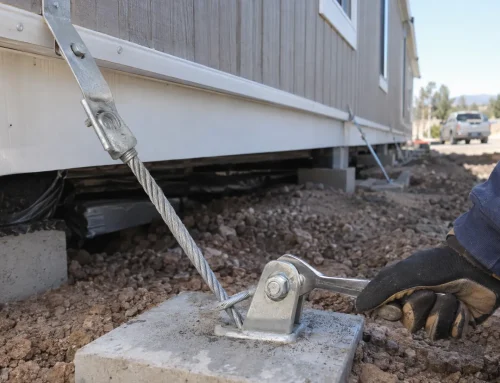
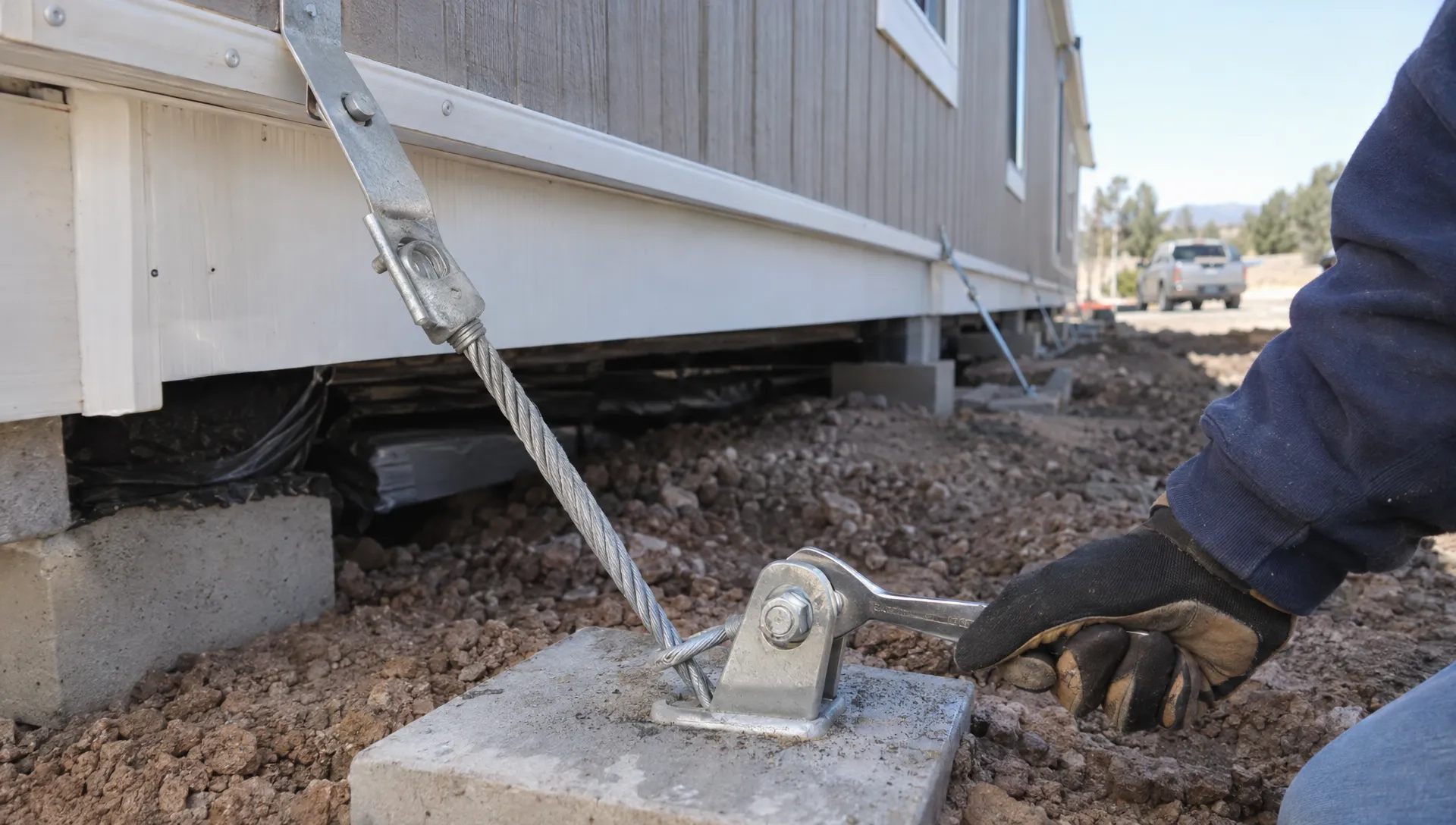
- Manufactured home: Factory-built to the federal HUD Code (generally homes built after June 15, 1976). These are common in land-lease communities and on private land.
- “Mobile home”: Often used as a casual term for manufactured homes, especially older ones.
If you want a reliable starting point on manufactured housing standards, HUD provides consumer information here: HUD manufactured homes, and Texas oversight is handled through the Texas Department of Housing and Community Affairs (Manufactured Housing Division).
Why this matters to you as a renter
The home type can affect:
- Who handles repairs and installation issues
- What insurance is expected
- How the home is titled and documented
- Whether the home sits in a community with separate rules and fees
If a listing says “modular,” ask the landlord or property manager directly:
- “Is this home modular or HUD-code manufactured?”
- “Do you have the home’s documentation available?”
You are not being difficult, you are protecting yourself.
2) Identify who owns the home and who owns the land (this changes the lease)
A lot of frustration with factory-built rentals comes from unclear “who’s responsible for what.” Start by determining the setup:
Common rental setups
A) Home on private land (single landlord, single lease)
This can feel closest to renting a small single-family house. Your lease is typically only with the property owner or manager.
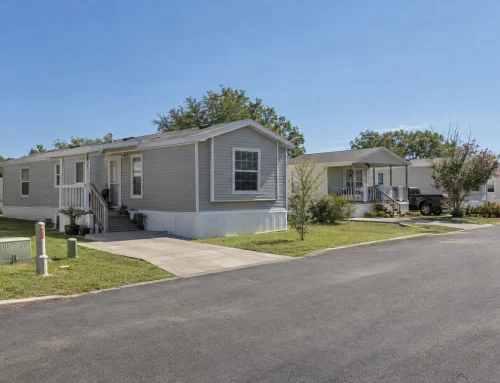
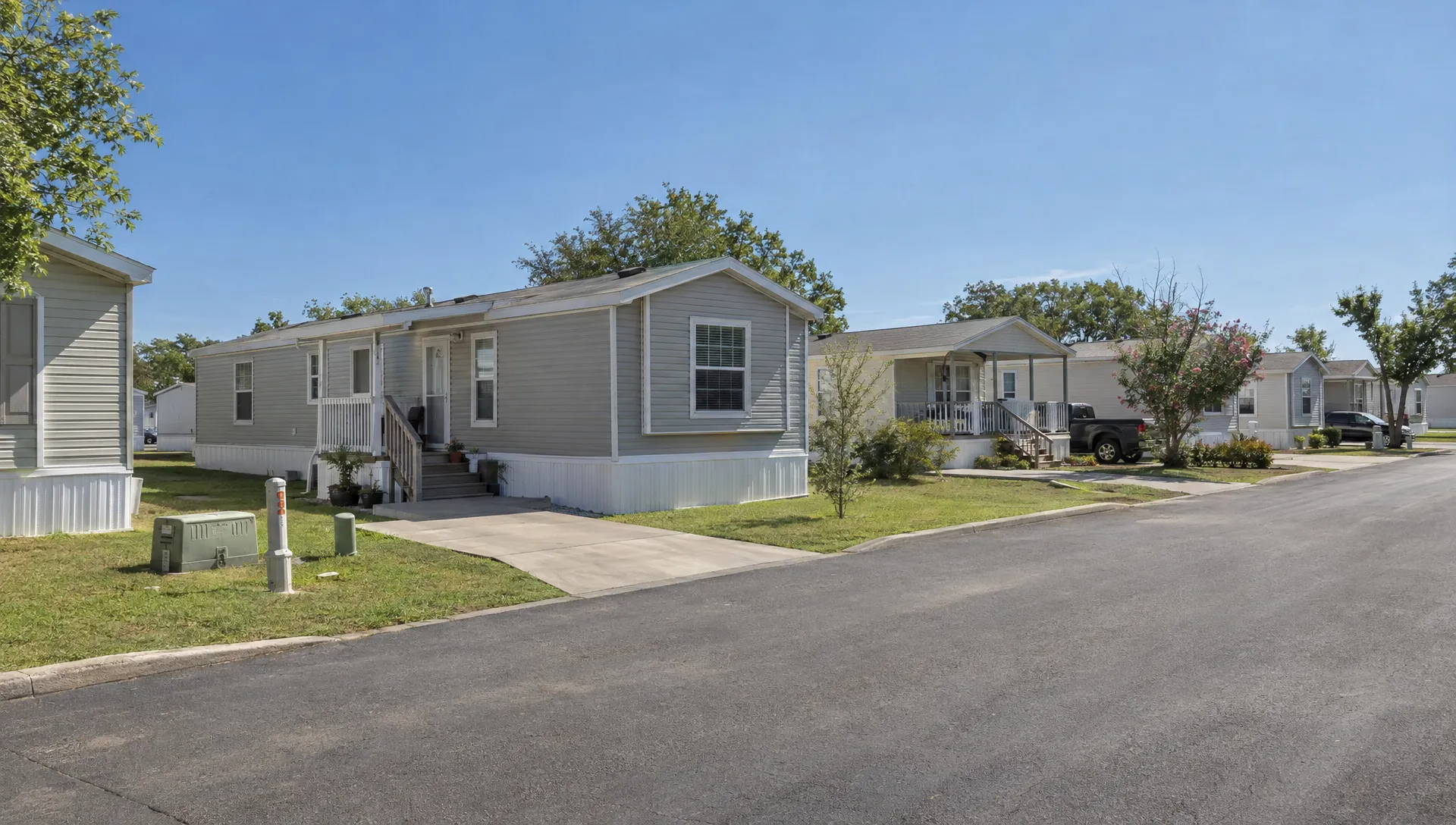
B) Home inside a land-lease community (community rules apply)
Even if you rent the home itself, the community may have rules that affect:
- Parking
- Pet policies
- Guest policies
- Quiet hours
- Exterior changes (ramps, fencing, sheds)
Sometimes your rent includes the lot. Sometimes it does not. Make sure it’s spelled out.
C) You rent from a homeowner, but the home sits in a community
In this case, you may have:
- A lease with the homeowner (for the home)
- Community rules you must follow (even if you are not paying the community directly)
Ask: “If there’s a community manager, do I need separate approval or a separate set of rules in writing?”
3) Get clear on the full monthly cost (not just the advertised rent)
Factory-built home rentals can look affordable in ads, but your true monthly cost depends on utilities, fees, and what’s included.
Here’s a simple way to compare listings apples-to-apples.
| Cost item to confirm | What to ask before signing | Why it matters |
|---|---|---|
| Base rent | “What is monthly rent and when is it due?” | Prevents surprises around due dates and payment methods |
| Security deposit | “How much is the deposit and what are the conditions for full return?” | Deposits can be lost over vague cleaning or damage definitions |
| Utilities | “Which utilities are included, and which are in my name?” | Some homes have separate water, sewer, trash, electric, and gas arrangements |
| Internet | “Is internet available at the site and who sets it up?” | Coverage and provider availability can vary by neighborhood and community |
| Community fees (if applicable) | “Are there any monthly fees beyond rent?” | Some communities charge separate trash or amenity fees |
| Maintenance responsibilities | “What do you handle vs what do I handle?” | Yard care, filter changes, pest control, and minor repairs should be explicit |
| Late fees and grace period | “What is the late fee policy and is there a grace period?” | Avoids a small mistake becoming a costly habit |
| Rent increases and renewal terms | “How does renewal work and how much notice is required for changes?” | Helps you plan if you intend to stay longer than a year |
If you’re in Texas, it’s also smart to review the state’s general tenant guidance through the Texas Attorney General tenant resources.
4) Review the lease like a checklist (these clauses matter most)
You don’t need to be a lawyer to protect yourself. You do need to read the lease carefully and insist on clarity.
Maintenance and repairs (the biggest source of conflict)
Factory-built homes have some unique “wear points,” so get responsibilities in writing.
Confirm who is responsible for:
- HVAC servicing and filter changes
- Plumbing clogs vs plumbing failures
- Water leaks (including under-sink and behind washer hookups)
- Pest control
- Broken appliances
- Steps, handrails, skirting, and exterior lights
- Yard care (mowing, weeds, tree trimming)
If the lease is vague (example: “tenant responsible for all maintenance”), ask for revisions or written clarification.
Utility billing and winterization
Even in San Antonio’s climate, cold snaps happen. Clarify what you must do to prevent freeze damage (and whether the owner provides pipe wraps or instructions). Also confirm how water is metered and billed.
Alterations and accessibility
Need a ramp, grab bars, or an extra handrail? Ask before signing whether you can install accessibility features and what must happen at move-out.
Guests, occupants, and subleasing
Communities and landlords often limit:
- How long guests can stay
- How many people can live in the home
- Whether subleasing is allowed
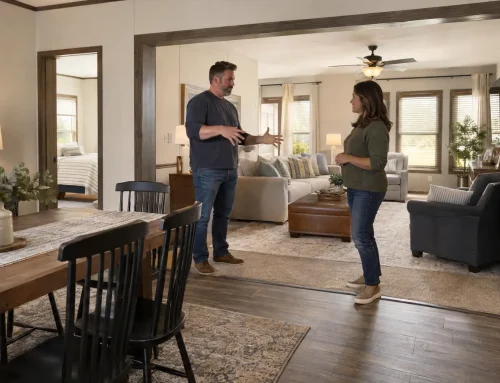
If you expect a changing household (roommate, partner moving in later), discuss it now, not after.
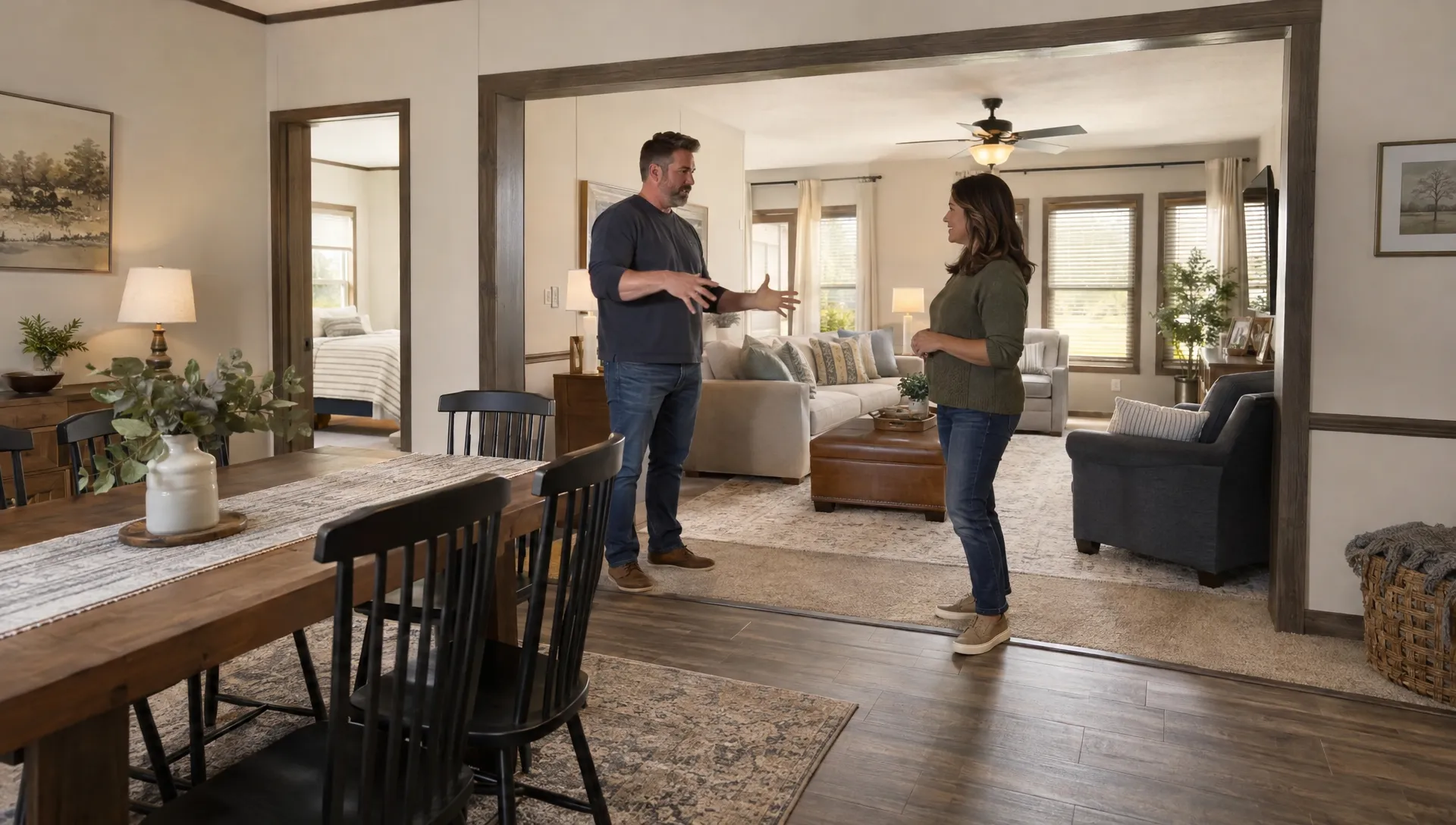
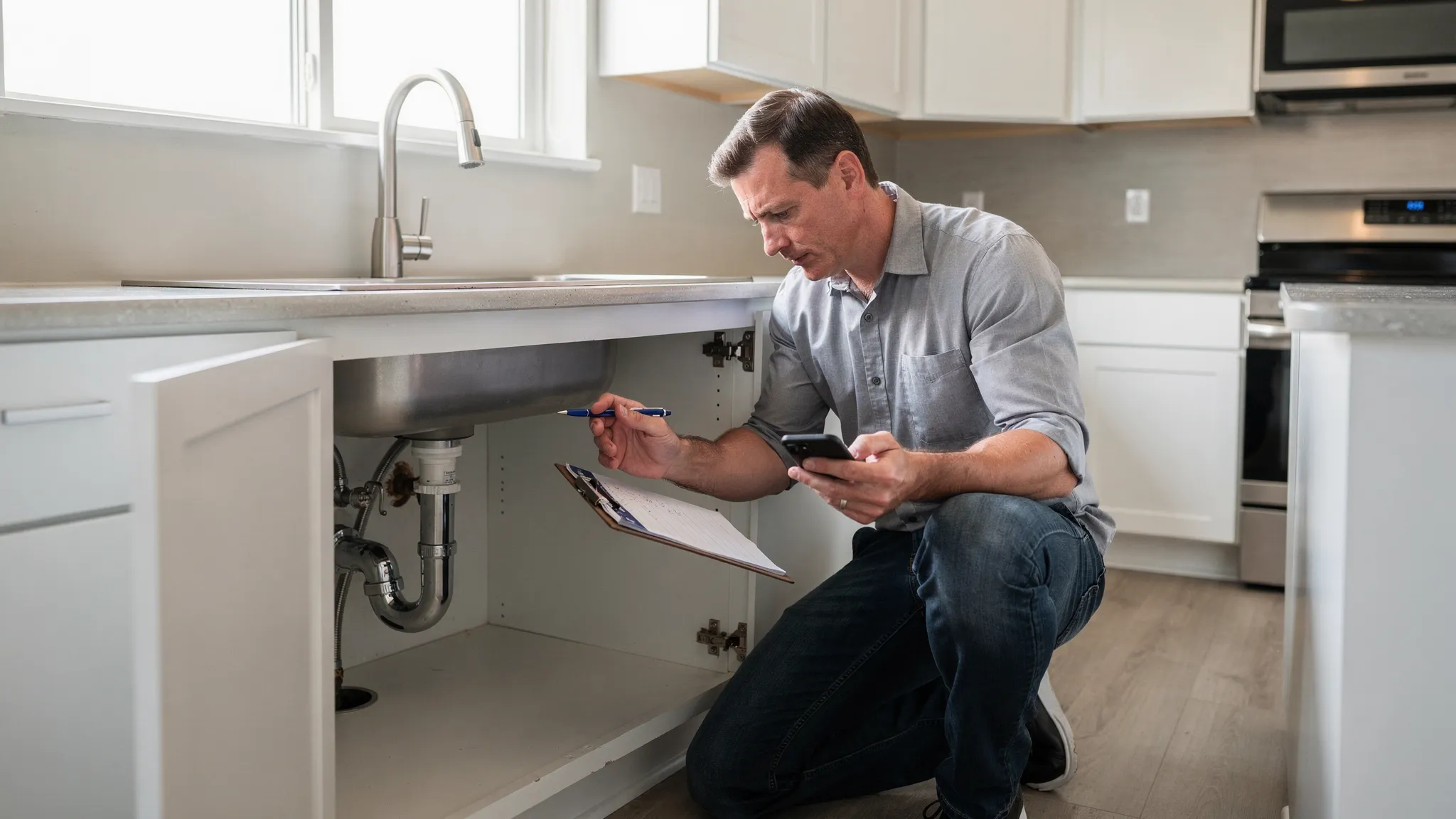
5) Do a real walkthrough (and document it thoroughly)
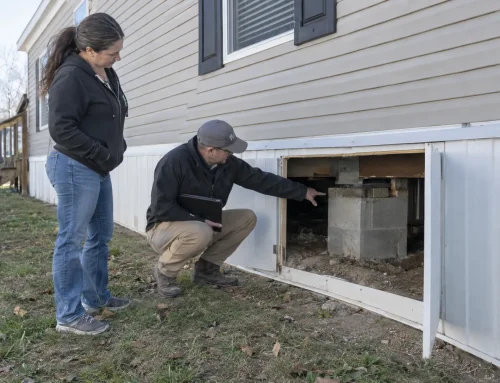
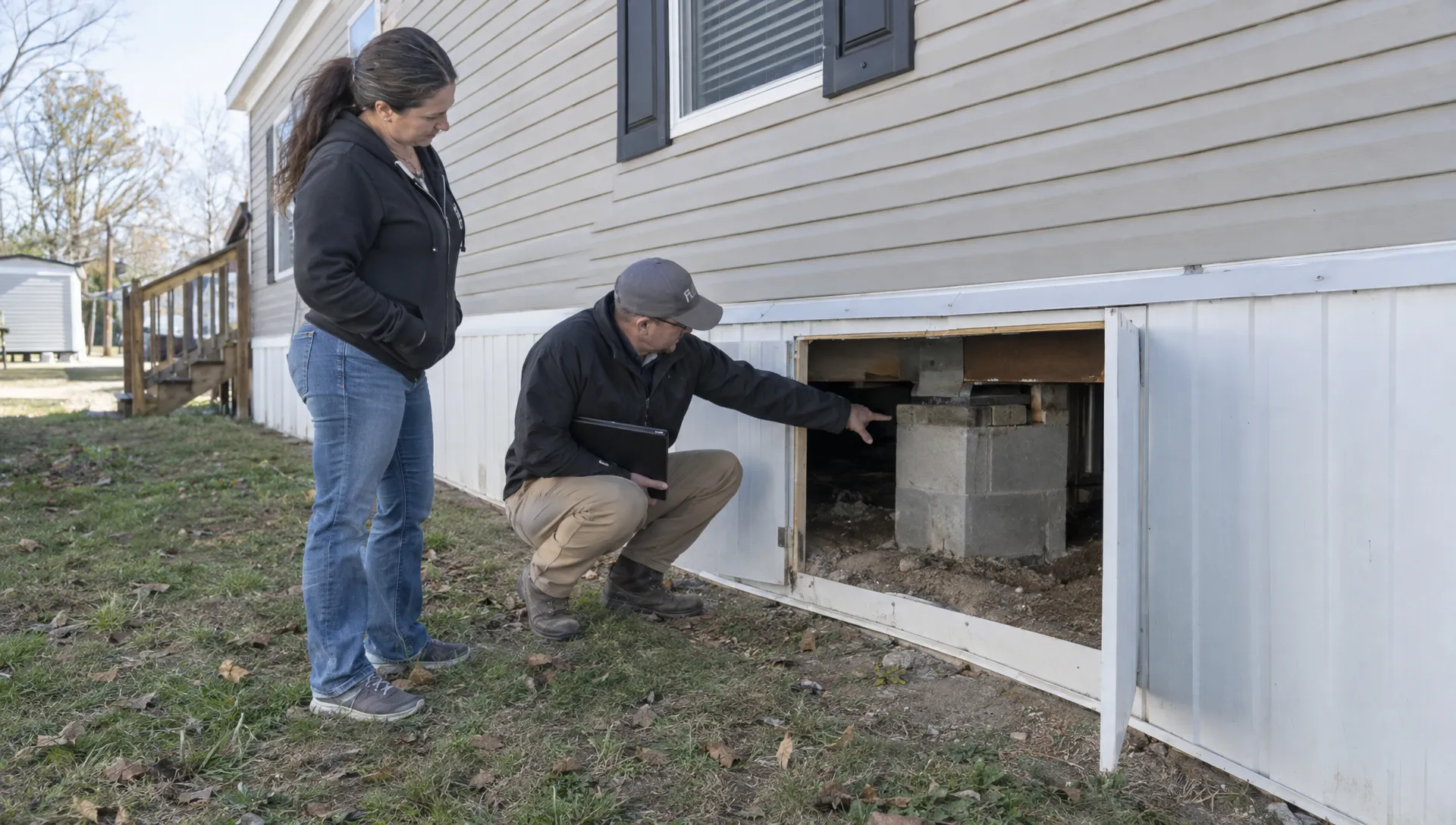
A modular or manufactured home can be perfectly comfortable, but the inspection routine should be more detailed than a quick look at the paint.
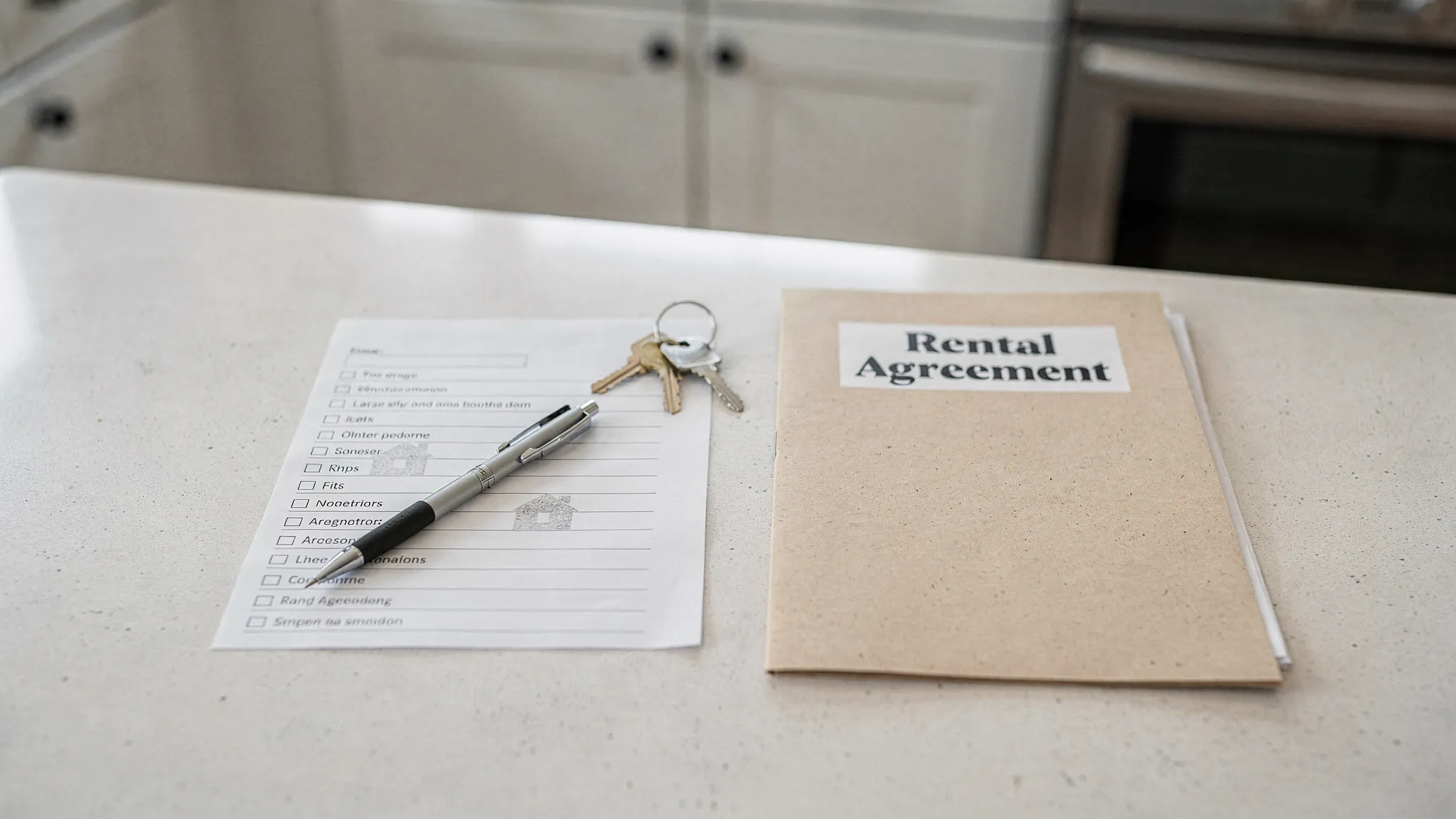
Bring your phone, take photos, and complete a move-in condition form.
What to look for during the walkthrough
- Floors and soft spots: Walk every room slowly. Soft areas can indicate moisture issues.
- Windows and doors: Check locks, drafts, and signs of water staining.
- Ceilings and corners: Look for discoloration or bubbling paint that suggests leaks.
- Bathroom ventilation: Confirm fans work to reduce moisture.
- Electrical safety: Test outlets where possible. Look for missing cover plates.
- Under-sink cabinets: Look for swelling, staining, or active drips.
- Exterior drainage: Standing water near the home can lead to moisture problems.
Ask for a written process for repairs (who to contact, expected response times, and what qualifies as an emergency).
6) Understand community rules (if the home is in a park or community)
If your rental is inside a community, ask for the rules in writing before you sign.
Pay extra attention to:
- Pet limits and breed/weight restrictions
- Parking rules (work trucks, trailers, guest parking)
- Quiet hours
- Outdoor storage policies
- Requirements for upkeep (mowing, porch condition, skirting)
If you’re comparing communities in the San Antonio area, this related guide can help you think through what to evaluate: Best mobile home parks in San Antonio (roundup).
7) Watch for common rental listing scams (especially with “near me” searches)
Rental scams exist in every housing category, and factory-built home rentals are not immune.
Be cautious if:
- The “landlord” won’t let you tour the home before you pay anything.
- The story is high-pressure (example: “I’m out of town, pay today or it’s gone”).
- The rent seems far below comparable listings nearby.
- You’re asked to wire money or use unusual payment methods.
A basic rule: verify the property and the person offering it, and keep everything documented.
8) Know when renting a modular home is a great fit (and when it may not be)
Renting can be an excellent option if you:
- Need flexibility for work or family
- Want a home-like layout without committing to a mortgage
- Are testing a neighborhood or community before buying
It may be less ideal if you:
- Expect to stay long-term and want stable housing costs
- Want the freedom to remodel, landscape, or customize heavily
- Prefer building equity instead of paying rent
If you’re leaning toward ownership, it can help to understand the differences and the buying process in Texas. Homes2Go San Antonio has a practical overview here: Mobile homes in San Antonio: a quick buyer guide.
9) If you’re considering buying instead, compare your “rent path” to an ownership path
Some renters start searching for a “modular home for rent near me” because they want a more affordable home, not necessarily because they want to rent forever.
If that’s you, here are the two ownership routes many San Antonio buyers explore:
- Home in a community (often lower upfront land cost, but you pay monthly lot rent)
- Land and home together (more control, different financing considerations)
You can learn how bundled ownership works here: Land and home packages in San Antonio.
And if financing is the main barrier, this overview explains common loan paths for manufactured housing in the area: Financing options.
A simple “before you sign” question set to bring to any showing
Use these questions as a script. Good landlords and managers will answer clearly.
| Category | Ask this | You’re listening for |
|---|---|---|
| Home type | “Is it modular or HUD-code manufactured?” | A direct answer, not vague marketing terms |
| Included costs | “What exactly is included in rent?” | Clear inclusion of utilities, trash, yard care, fees |
| Repairs | “How do I request repairs and what’s the normal timeline?” | A defined process and realistic expectations |
| Rules | “Are there community rules I must follow?” | Written rules provided before you commit |
| Renewal | “What happens at the end of the lease term?” | How notice, renewal, and rent changes work |
| Move-out | “What would cause deductions from my deposit?” | Specific standards, not broad language |
If you want local guidance in San Antonio
If you’re renting now but considering buying in the near future, Homes2Go San Antonio can help you compare options realistically, from move-in ready homes to models with modern interiors and energy-efficient designs.
To explore ownership pathways and what financing could look like, you can start here: Homes2Go SA financing and browse additional buying resources like the manufactured homes guide for San Antonio.
 Manufactured Mobile Homes: Key Differences and Buying Tips
 Mobile Home Layouts: Popular Floor Plans That Live Bigger