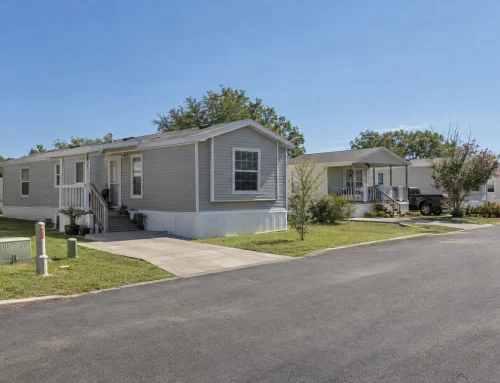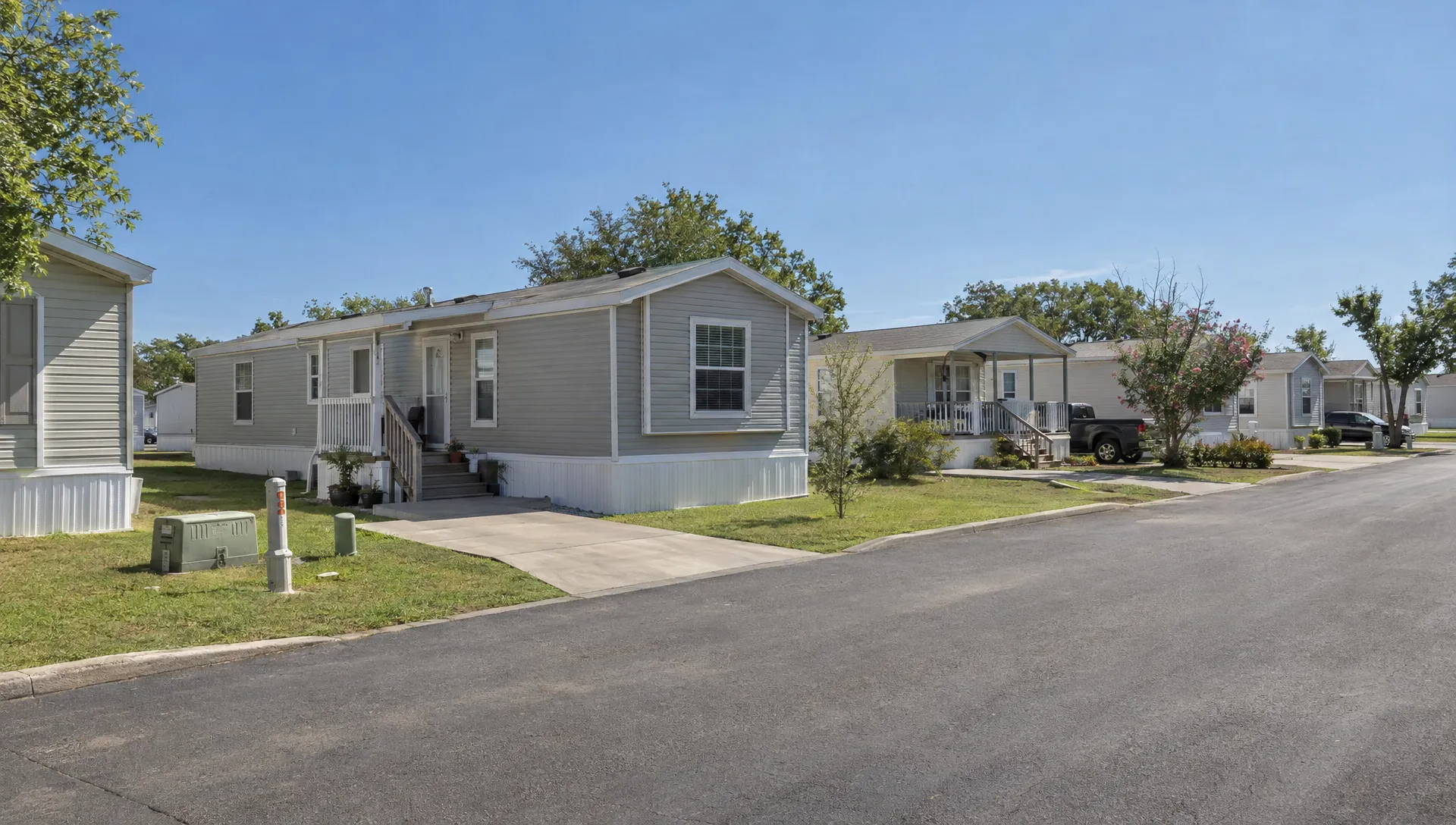

If you are searching for mobile home parks for seniors near me, a tour is where the “nice photos online” meet real life. The right 55+ community can offer quieter streets, lower-maintenance living, and neighbors in a similar stage of life. The wrong one can surprise you with rising lot rent, strict rules that do not fit your needs, or maintenance issues you only notice after move-in.
This guide gives you the most important questions to ask on a tour, plus what to look for with your own eyes, so you can compare communities clearly and protect your budget.
Start with the basics: Is it truly a 55+ community?
Not every “senior-friendly” park is a legally qualified 55+ community. Before you fall in love with a location, ask how they verify age and what happens if household makeup changes.
Key questions:
- What is the minimum age requirement and how is it verified?
- Is the community designed to meet the 55+ housing exemption rules? Many communities follow the federal “Housing for Older Persons” framework under the Fair Housing Act (HUD overview).
- Can someone under 55 live with me as a caregiver, spouse, or family member? Ask what documentation is required.
- What are the rules for long-term guests (adult children, grandkids visiting, extended stays)? Some 55+ communities allow short visits but restrict longer stays.
Why it matters: the rules that feel like “paperwork” now can affect your future flexibility if your health needs change.
The money questions: Lot rent, fees, and how increases work
For most seniors, the biggest long-term risk is not the home, it is the lot lease. You are often paying a monthly lot rent in a land-lease community, and you need to understand what that covers, and what can change.
Ask for the community’s current fee sheet and a copy of the lease to review before you apply.
Questions to ask about monthly costs
- What is today’s lot rent for my specific lot size or section? (Rates can vary by street, lot type, or view.)
- What does lot rent include? Common inclusions can be trash pickup, some water, sewer, or basic grounds, but it varies.
- How are utilities billed (submetered, flat rate, city billing)? Ask who the provider is for water, sewer, electric, and gas.
- Are there add-on fees? Examples include pass-through charges, amenity fees, pet fees, reserved parking, storage, or lawn enforcement fees.
- What deposits are required? Clarify application fees, background check fees, security deposit, and any “community deposit.”
Questions to ask about rent increases and lease terms
- How often has lot rent increased in the last 3 to 5 years? Ask for actual numbers, not just “a little each year.”
- How do increases work (annual, tied to inflation, set by management)?
- Is there a lease term (month-to-month vs. annual)?
- What is the process if you dispute a charge or fee?
Texas note: manufactured home community relationships are often governed by Texas Property Code Chapter 94. It is worth skimming the state statute and understanding notice and lease basics before you sign (Texas Property Code, Chapter 94).
A simple cost-comparison table (use this during tours)
| Cost item | Ask for | Why it matters |
|---|---|---|
| Lot rent | Current rate for the exact lot | Your largest ongoing expense in many communities |
| Utilities | Who bills, average ranges if available | Prevents “surprise” monthly totals |
| Pass-through fees | List of all monthly add-ons | Small fees add up on a fixed income |
| One-time fees | Application, deposits, move-in fees | Impacts cash needed to move |
| Rent increases | Past increases and policy | Helps you plan 3 to 10 years out |
Home rules: What can you place there, and what is allowed to stay?
Senior-focused communities can have stricter standards for safety and appearance, which can be good, but you need to be sure your home (or the home you plan to buy) qualifies.
Ask:
- Are there restrictions on home age, size, or roof type? Some communities limit older homes or require certain exterior conditions.
- Do they allow single-wide, double-wide, or both?
- Are there requirements for skirting, sheds, ramps, or exterior colors?
- Can you build an accessibility ramp or widen steps if needed later? Get the approval process in writing.
- Are fences allowed (for pets) and what type?
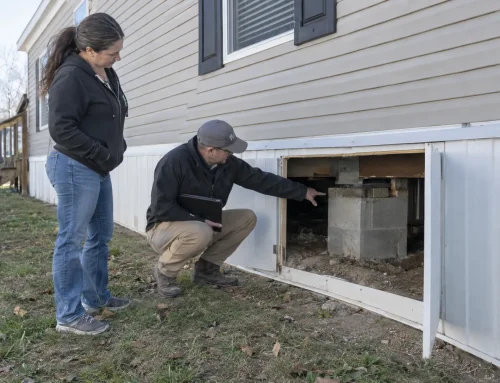
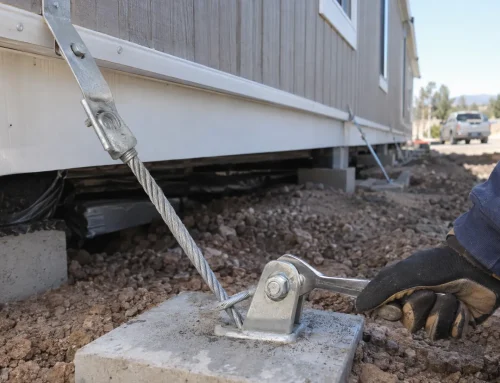
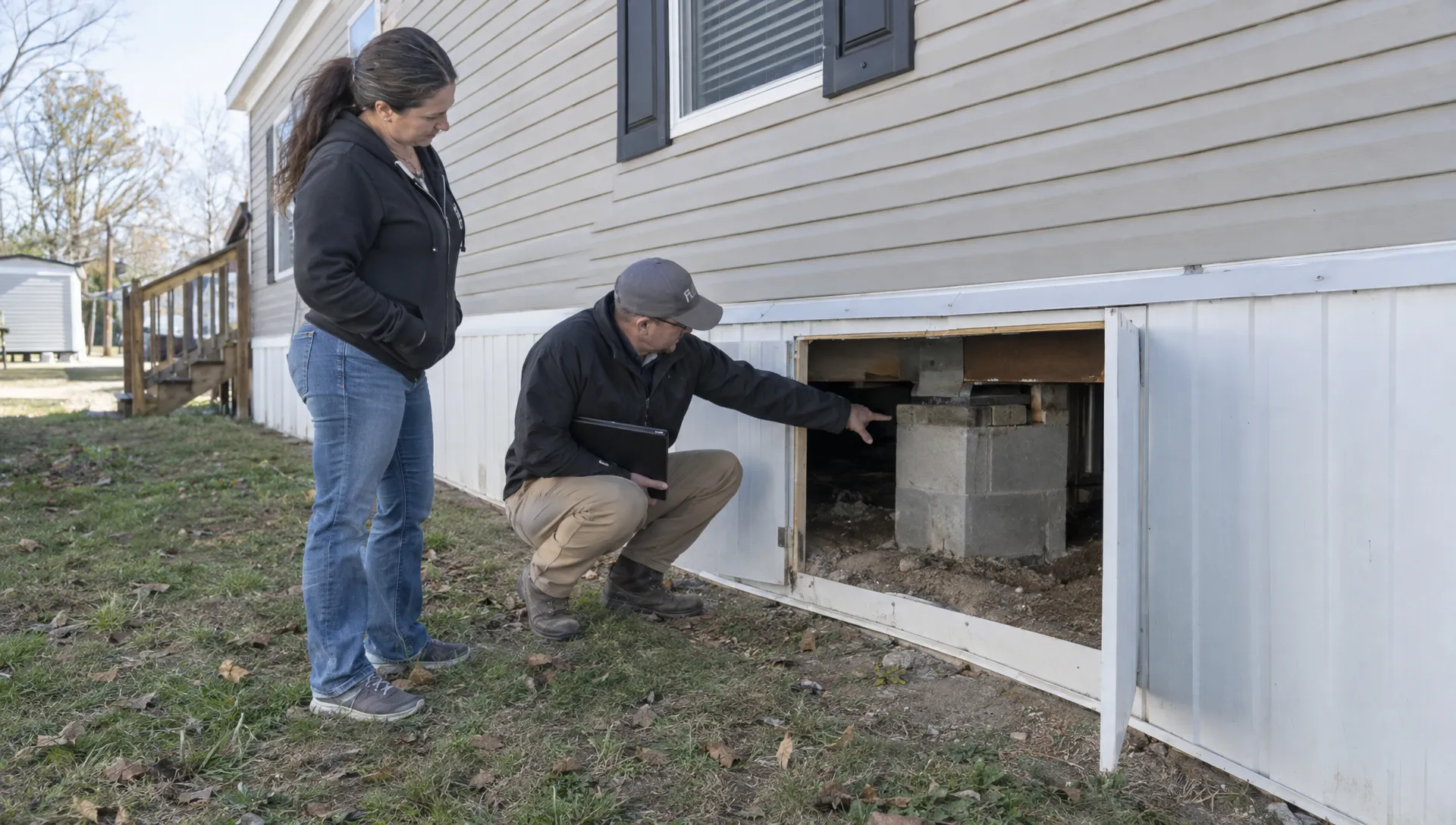
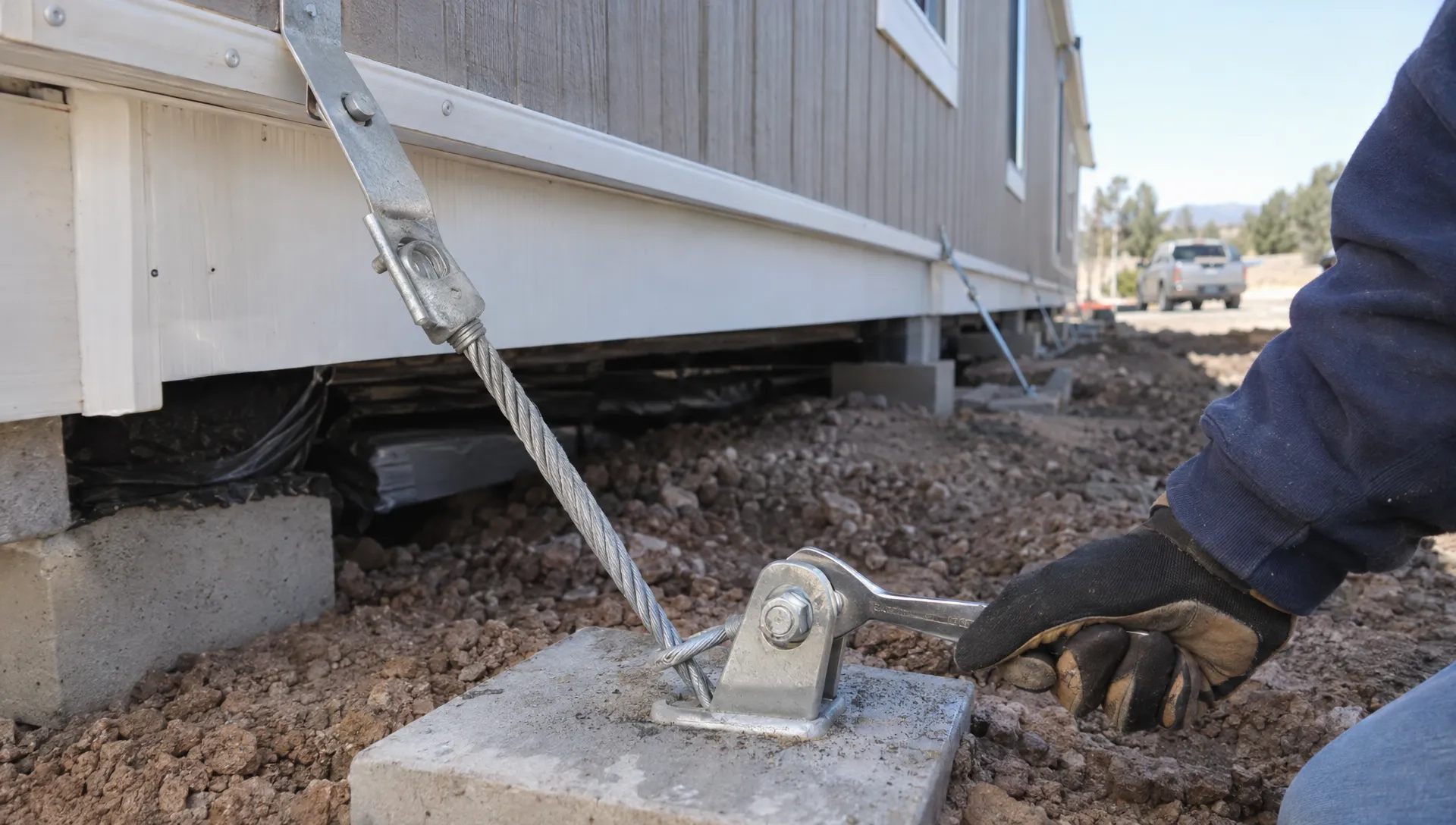
If you are buying a manufactured home, confirm it is a HUD Code home and understand how it is installed and maintained. HUD provides a helpful overview of manufactured homes and consumer information (HUD manufactured homes).
Maintenance and management: Who fixes what, and how fast?
A clean entrance does not always mean good ongoing maintenance. On tour, you are evaluating both the physical property and the management process.
Ask:
- What does the community maintain vs. the homeowner? Clarify roads, sidewalks (if any), street lights, drainage, trees, and common areas.
- How are maintenance requests submitted and tracked? (Online portal, phone, office hours.)
- What is the typical response time for urgent issues? Examples: water leaks, sewer backups, broken street lights.
- Who enforces rules and how? Ask how they handle noise complaints, pet issues, and repeated violations.
- Are there planned capital projects? Road resurfacing and utility work can affect access and noise.
Tour tip: look down as much as you look around. Cracked roads, standing water, and patched utility trenches can signal drainage or infrastructure problems.

Safety and accessibility: The “senior-friendly” reality check
For many seniors, the best community is the one that supports independence longer. That means thinking about mobility, visibility, and emergency readiness.
Ask:
- Is the community gated, and if so, how is access managed? (Keypad, remote, staffed gate.)
- What lighting exists at night? Walk or drive the streets near dusk if you can.
- Are there sidewalks or safe walking shoulders? If not, ask about speed limits and enforcement.
- What is the emergency plan for severe weather and power outages? Ask about shelters, notification methods, and backup power for common facilities.
- Is there on-site security, patrols, or cameras? If yes, ask what areas are covered.
Also ask about accessibility modifications:
- Are handrails, ramps, and wider steps allowed?
- Do community facilities have step-free access and accessible restrooms?
Lifestyle fit: Quiet, community, pets, and parking
Senior communities vary widely. Some feel like a social neighborhood, others are intentionally quiet with minimal events.
Ask:
- What are quiet hours and how are they enforced?
- Are there organized activities, clubs, or community events?
- What amenities are included (clubhouse, pool, fitness room)? Then ask how often they are open and whether there are additional fees.
- What is the pet policy? Size limits, breed restrictions, number of pets, and where pets can be walked.
- How does parking work? Guest parking, caregiver parking, RV storage, and whether street parking is allowed.
Tour tip: ask to see the trash area, mailbox area, and any shared laundry or clubhouse bathrooms. These spots reveal how the property is cared for day-to-day.
Healthcare and transportation: Plan for the future, not just today
Even if you drive now, it is smart to plan for the possibility that you might not later.
Ask:
- Is there public transportation nearby or community shuttle service? If not, ask what residents commonly use.
- Are ride-share pickups easy at the gate or entrance?
- How close are hospitals, urgent care, and pharmacies? In San Antonio, proximity can matter a lot for convenience and peace of mind.
- Are in-home care services allowed (nurse visits, physical therapy, home health aides)? Some communities have policies about commercial vehicles or repeated visitors.
Resale and moving: What happens if you need to sell later?
A good decision now should still work if you need to downsize again, move closer to family, or transition to assisted living.
Ask:
- Can you sell the home and keep it in the community?
- Does the park require buyers to meet certain standards (credit, age, background checks)?
- Are there transfer fees when you sell?
- Are there restrictions on signage, showings, or using an agent?
- If you move the home out, are there requirements or fees?
Red flags to watch for during the tour
A community can still be a good fit even if it is older, but these warning signs deserve extra questions:
- Residents mention frequent, unpredictable rent increases
- Poor drainage, standing water, or strong sewer odors
- Multiple abandoned homes or boarded windows
- Rules are not provided in writing, or staff avoids giving you the lease in advance
- Pressure to “apply today” without time to review costs
- Deferred maintenance (street lights out, potholes, broken mailboxes)
- A pattern of “temporary fixes” (patches, exposed utility work) instead of permanent repairs
A tour script you can bring with you
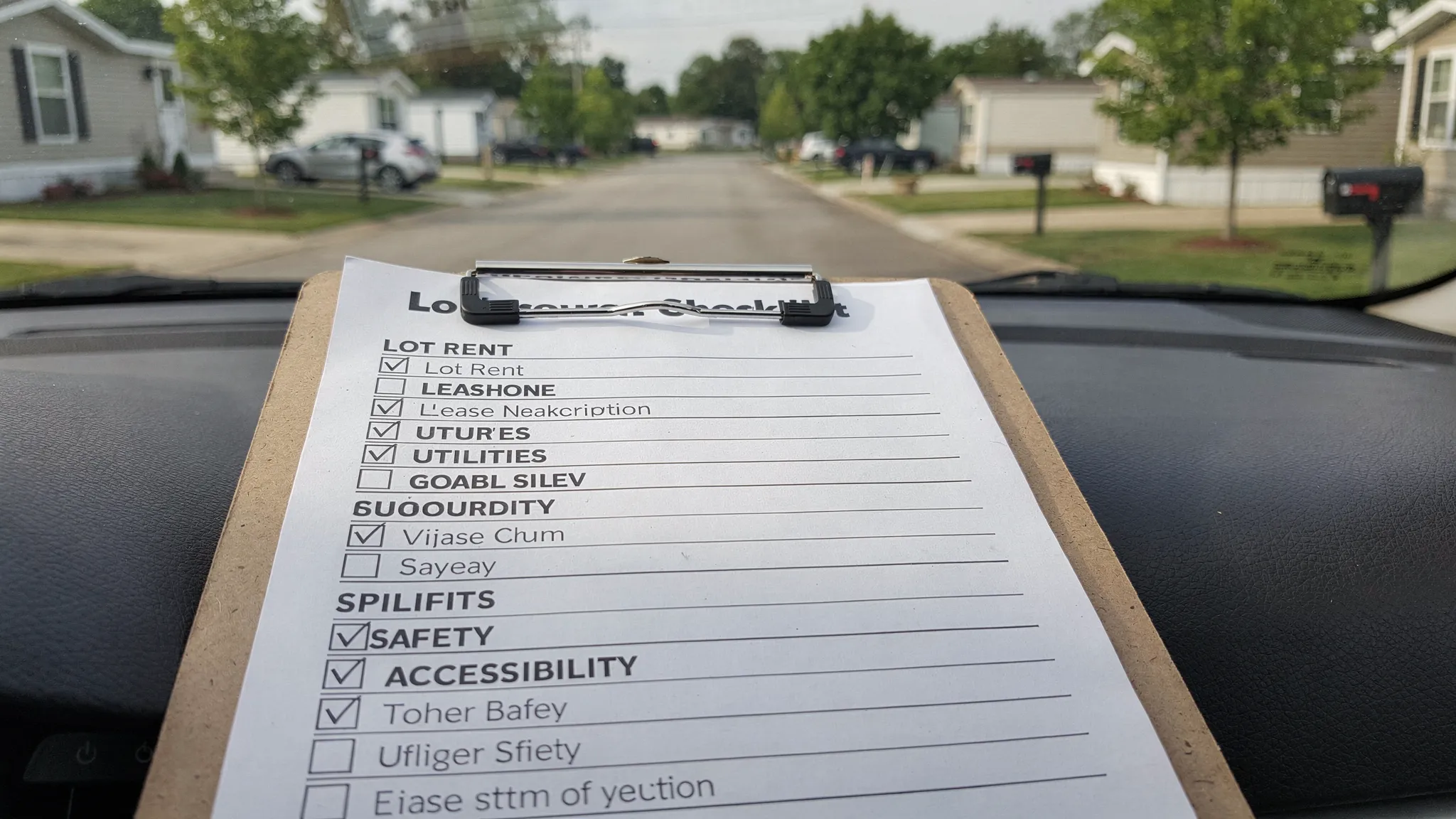
If you want a simple way to stay organized, bring this checklist and write the answers down for each community.
- Request: lease, rules, fee sheet, and a list of what lot rent includes
- Confirm: age qualification policy and caregiver/guest flexibility
- Ask: lot rent history and how increases are set
- Walk: the lot area, trash/mail areas, and a few streets beyond the entrance
- Check: lighting, drainage, road condition, and noise level
- Verify: pet rules, parking rules, and accessibility modification approvals
How Homes2Go San Antonio can help you evaluate senior communities
If you are comparing parks and also choosing the right home, the decisions connect. A community’s rules on home size, age, and exterior features can narrow your options quickly.
Homes2Go San Antonio helps buyers shop manufactured and mobile homes with access to floor plans, move-in ready models, and guidance through the buying process. If you are also weighing financing, you can review the main loan paths on the Homes2Go SA financing page (including chattel and mortgage options): Flexible financing options.
For additional San Antonio context, you may also like:
Frequently Asked Questions
What should I bring to a tour of a 55+ mobile home park? Bring a notebook (or this checklist), a phone for photos, and a list of must-haves (budget, pets, accessibility needs). Ask for the lease, rules, and a complete fee sheet to take home.
How do I compare mobile home parks for seniors near me if the lot rent is similar? Compare what lot rent includes, the history of rent increases, utility billing method, rule flexibility (guests and caregivers), and visible maintenance (roads, lighting, drainage). Similar base rent can still mean very different monthly totals.
Are rent increases negotiable in mobile home parks? Usually no, but policies vary. The key is understanding the lease term, how increases are set, and the community’s history. Always get the terms in writing.
Can a caregiver live with me in a 55+ community? Many communities allow it, but not all, and some require documentation. Ask specifically about live-in caregivers, long-term guests, and what happens if a household member is under 55.
Do I own the land in a mobile home park? In most land-lease communities, you own the home (or are buying it), but you rent the lot. That makes the lease terms and rent increase policy especially important.
If I buy a manufactured home, can I place it in any senior mobile home park? Not always. Parks may have restrictions on home size, age, roof pitch, skirting, or exterior condition. Confirm requirements before you buy or sign.
Next step: Get matched with a home that fits the community rules
If you are touring senior communities in the San Antonio area and want help aligning budget, lot rent, community rules, and home options, talk with Homes2Go San Antonio. You can explore available homes and get expert guidance through the process at Homes2GoSA.com.
 Manufactured Homes for Rent by Owner: Lease Red Flags
 FHA Requirements for Manufactured Homes: 2026 Checklist