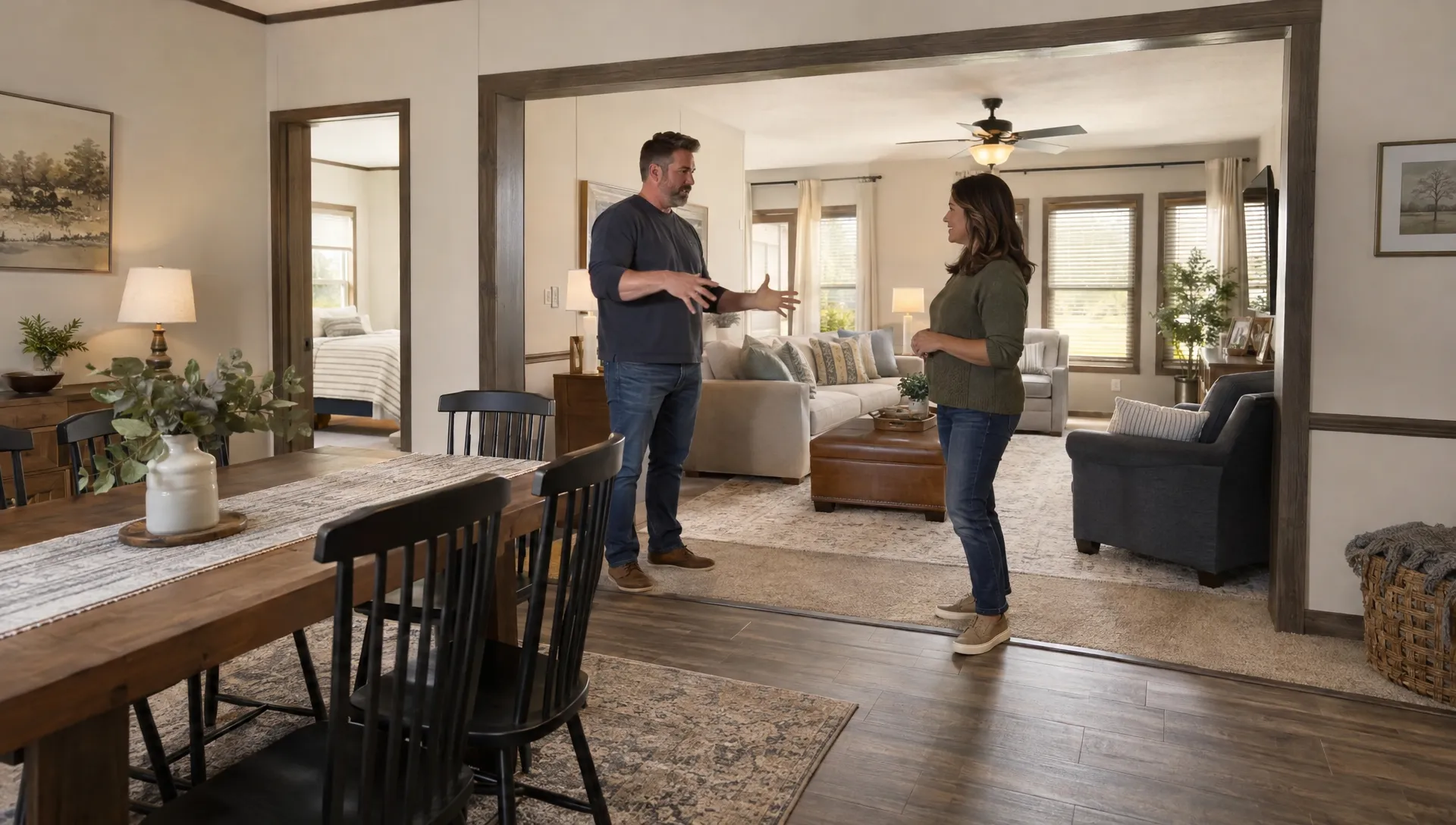

Renting a manufactured home directly from an owner can be a smart way to get more space for your budget, especially when you want a yard, parking, and a residential feel without committing to a purchase. It can also be one of the easiest places for bad paperwork and outright scams to hide, because some “rent by owner” deals happen informally.
If you are looking at manufactured homes for rent by owner, this guide focuses on the lease and process issues that tend to turn into expensive problems later. You will learn what to verify, what should be in writing, and which lease clauses should make you pause (or walk away).
Note: This article is general information, not legal advice. For a specific situation, consider speaking with a Texas landlord-tenant attorney or a local tenant assistance organization.
Why “rent by owner” is different for manufactured homes
A manufactured home rental can involve more moving parts than a typical apartment lease.
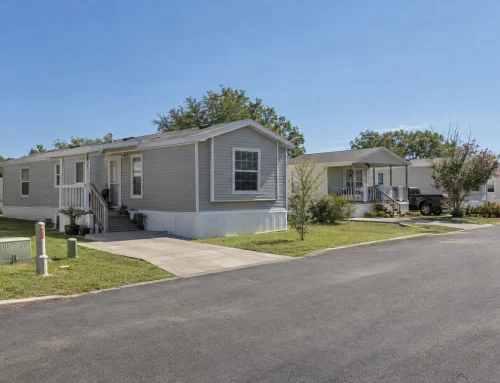
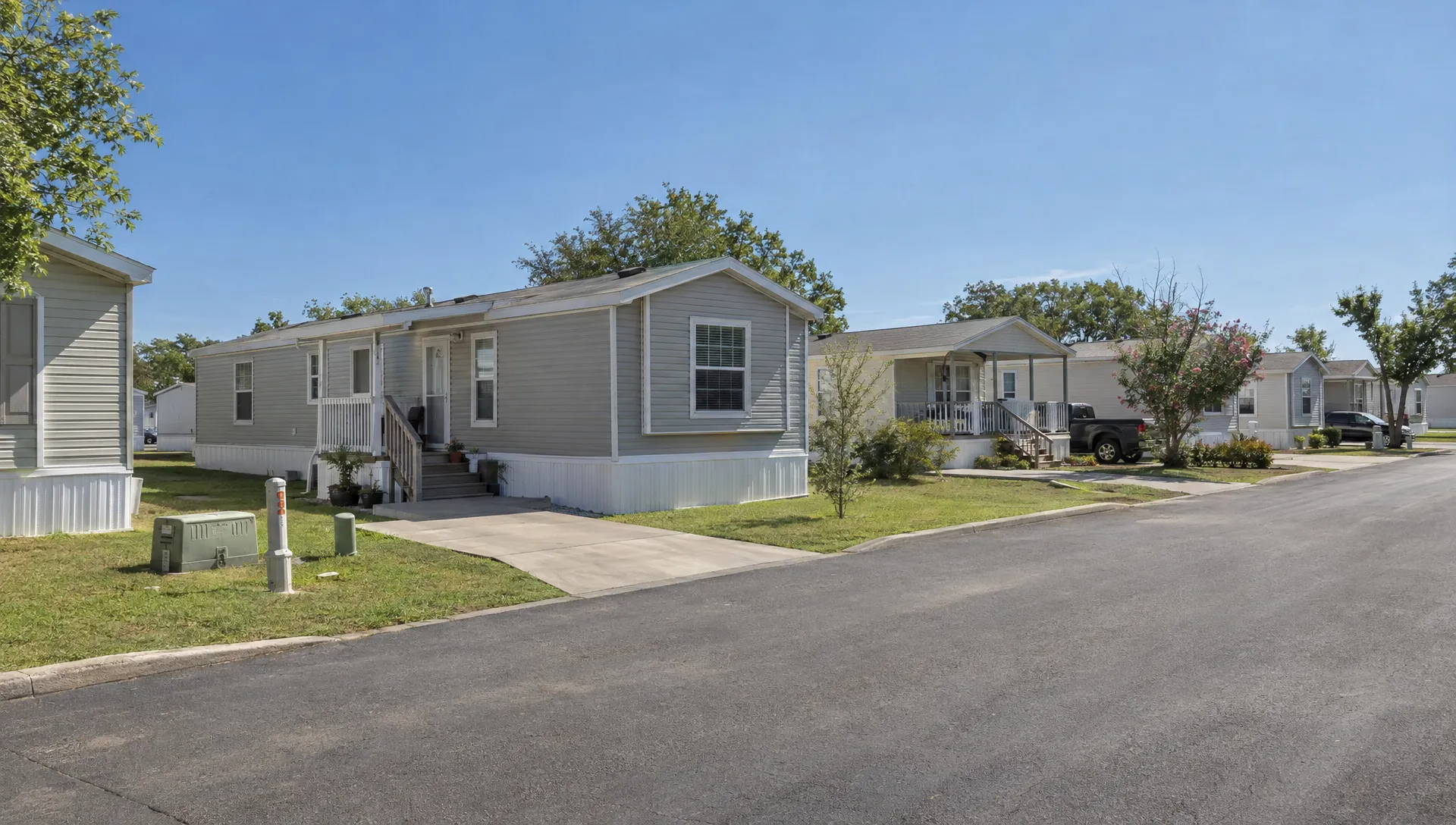
- The home may sit in a manufactured home community where a separate lot lease (between the homeowner and the community) controls rules, parking, pets, and even whether subleasing is allowed.
- Utilities may be arranged differently (community-billed water, submetering, propane, septic) than a standard city apartment setup.
- Responsibility for maintenance can be unclear if the owner is used to living in the home themselves.
Because of those variables, the biggest red flags tend to be about ownership, authority to rent, and who pays for what.
Red flag #1: The “owner” cannot prove they own (or can legally rent) the home
Before you pay an application fee, deposit, or first month’s rent, confirm you are dealing with someone who actually has the right to rent the home.
What to ask for (and why)
- A government ID that matches the lease signer.
- Proof of ownership for the manufactured home. In Texas, manufactured homes are typically documented through the state system (commonly via a Statement of Ownership and Location, often called an SOL). If the home has been converted to real property, ownership may also be reflected in county real property records.
- If the person is a property manager or relative, request written authorization from the owner.
Texas-specific ways to sanity-check ownership
- If the home is on private land and treated like real property, check the county appraisal district for who owns the parcel (for San Antonio, that often means checking the Bexar County Appraisal District records).
- For manufactured housing documentation and program information, see the Texas Department of Housing and Community Affairs (TDHCA) Manufactured Housing Division: TDHCA Manufactured Housing.
Deal-breaker warning signs
- They refuse to show any documentation or say you “do not need it.”
- They want you to send money before they will show the home.
- The name on the payment account does not match the person on the lease and they will not explain why.
- The home is in a community, but the community office says subleasing is not allowed, or they have no idea the home is being rented.
Red flag #2: The listing price is “too good,” with pressure tactics
Scammers often weaponize urgency. If a manufactured home rental is far below comparable rentals and the “owner” pushes you to commit immediately, slow down.
High-risk patterns include:
- “Many people are interested, pay the deposit now to hold it.”
- “I am out of town, I will mail you the keys.”
- “Do not contact the community office, they are difficult.”
For background on common rental scams, review the Federal Trade Commission guidance: FTC rental listing scams.
Red flag #3: No written lease (or a lease full of blanks)
A legitimate rent-by-owner situation should still come with a complete written lease that you can read before you pay.
Minimum items a lease should clearly state
- The legal names of all landlords/owners and all adult tenants
- The property address and what is included (home, yard, sheds, appliances)
- Lease term (start/end date) and renewal terms
- Monthly rent amount, due date, grace period (if any), and where/how to pay
- Security deposit amount and conditions for deductions
- Utility responsibility (electric, water, trash, gas/propane, internet)
- Maintenance responsibilities and how repairs are requested
- Rules for pets, smoking, parking, guests, and occupancy limits
- Rules for entry/notice (except emergencies)
If the lease has blank spaces, “TBD” sections, or handwritten changes that are not initialed by both parties, treat that as a serious risk.
Red flag #4: Vague costs (especially lot rent and utilities)
One of the most common manufactured home rental surprises is learning that “rent” did not include major monthly costs.
If the home is inside a manufactured home community, clarify whether the owner is bundling lot rent into your payment or whether you are expected to pay the community separately.
Use this quick cost clarity table when you talk to the owner.
| Cost item | What you need in writing | Why it matters |
|---|---|---|
| Lot rent (if in a community) | Who pays it and whether it is included in monthly rent | If lot rent is unpaid, the owner may face community action that affects you |
| Water/sewer/trash | Who bills it (city, community, third party), and if submetered | Submetering and admin fees can change the bill significantly |
| Electricity | Account name, deposit requirements, and start date | Prevents gaps where you cannot turn on power |
| Gas/propane | Who owns the tank, who refills, and leak responsibilities | Safety and cost control |
| Lawn care | Who mows, trims, and handles weeds | Avoids surprise fees or conflict with community rules |
| Fees | List all fees (pet, late, NSF, admin) | Stops “mystery fees” mid-lease |
If the owner cannot answer these clearly, expect ongoing disputes later.
Red flag #5: “Nonrefundable deposit” language that looks like a loophole
Owners sometimes use casual language like “nonrefundable deposit” to mean “I keep it no matter what.” In Texas, the rules about deposits and refunds depend on how the payment is characterized, what the lease says, and what deductions are permitted.
At minimum, protect yourself by requiring:
- A written receipt for all money paid
- A lease that clearly labels each payment (security deposit vs. pet deposit vs. application fee)
- A move-in condition form (and your photos) so deductions cannot be invented later
For a plain-English overview of general tenant rights, the Texas Attorney General provides consumer information here: Texas AG landlord-tenant resources.
Red flag #6: Late fees that are extreme or triggered too quickly
Late fee disputes are one of the fastest ways a rent-by-owner relationship turns hostile.
Be cautious if the lease includes:
- A late fee charged the day after rent is due with no clear grace period
- A daily late fee that has no cap
- Additional “processing fees” stacked on top of late fees
Texas has rules about late fees in many residential leases (including reasonableness standards). If the lease feels punitive, it is usually a sign the owner expects conflict.
Red flag #7: Repairs and habitability are pushed onto the tenant
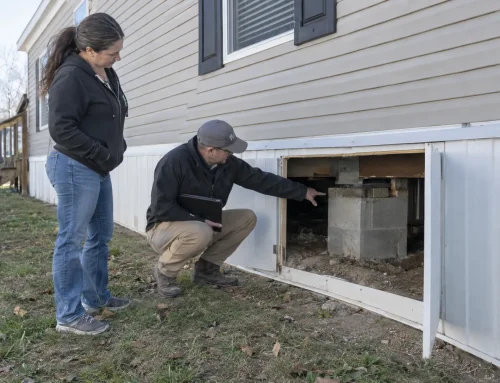
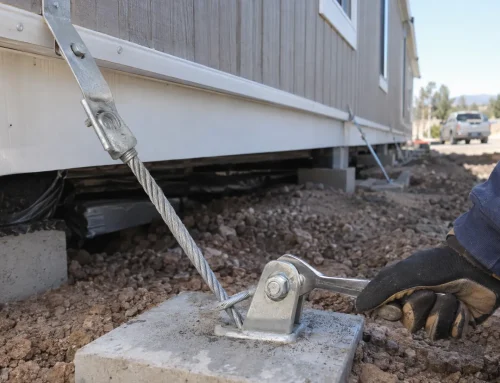
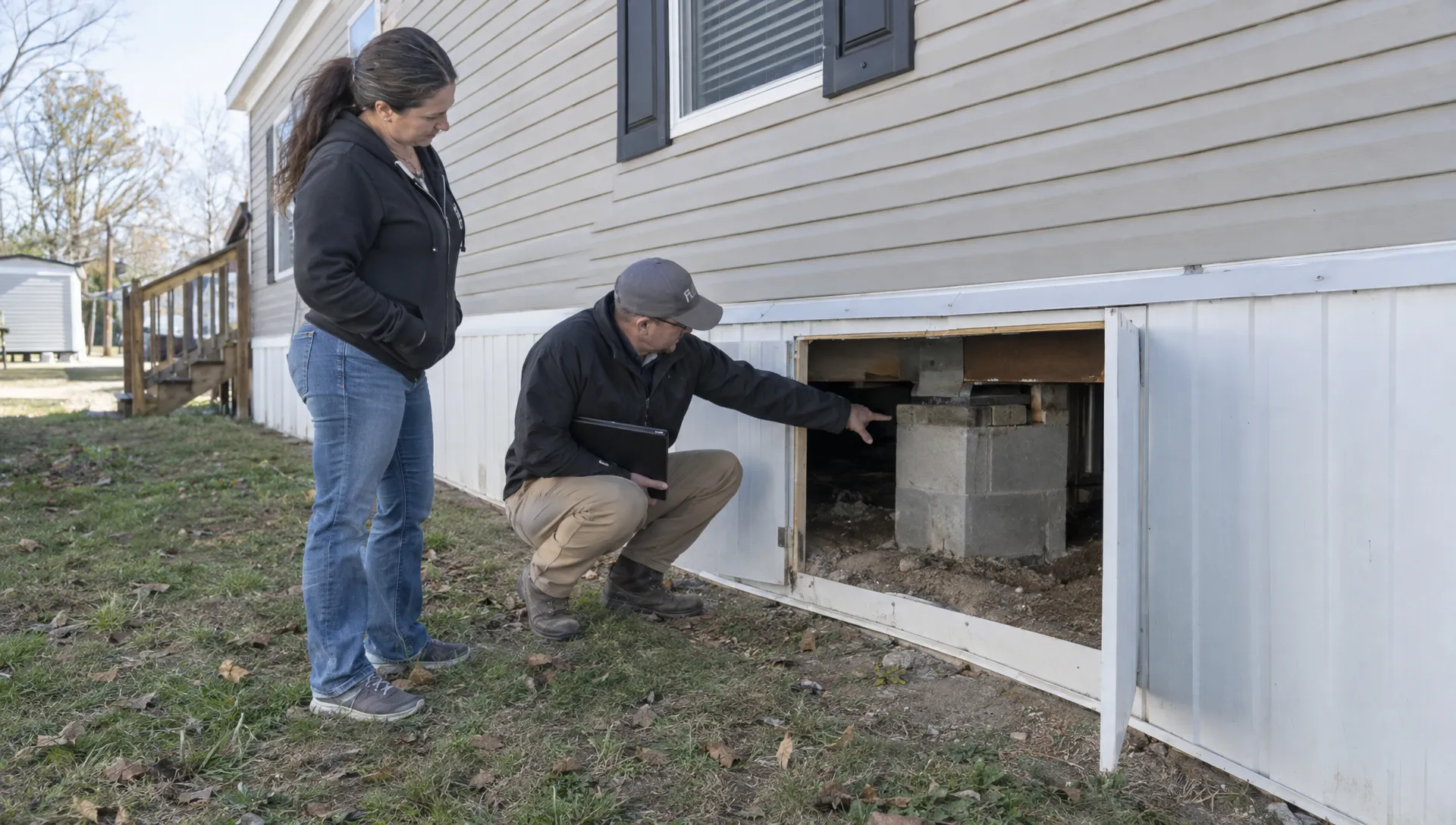
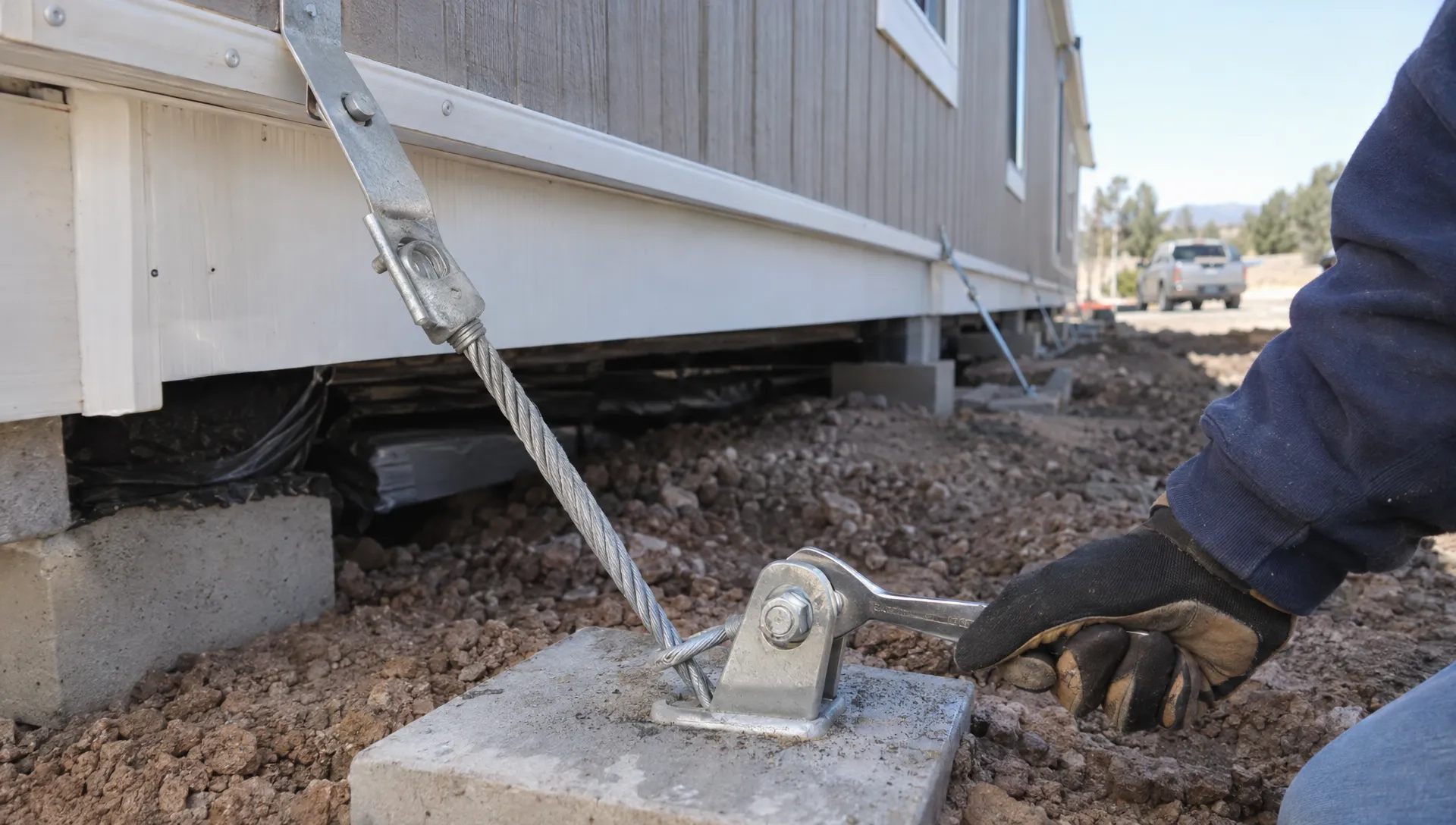
Manufactured homes have unique repair needs (roof sealing, HVAC sizing and duct performance, tie-downs, skirting, moisture control). A fair lease can require tenants to do normal housekeeping and basic upkeep, but it should not attempt to offload major safety or structure issues onto you.
Be especially careful if the lease says (or the owner tells you) that:
- You are responsible for major plumbing leaks, electrical issues, or HVAC failures
- You must pay for repairs “unless proven not your fault”
- The home is rented “as-is” with no repair commitment
Texas law includes landlord duties to repair or remedy conditions that materially affect the physical health or safety of an ordinary tenant in many residential situations. You can review the statutory framework in the Texas Property Code (start at Chapter 92 for many landlord-tenant rules): Texas Property Code.
Practical touring tip
During the showing, test what you reasonably can:
- Run multiple faucets and flush toilets to check water pressure and drainage
- Look under sinks for staining and active leaks
- Check for soft spots around tubs, toilets, and exterior doors
- Ask how the home is heated and cooled, and how old the HVAC is
If the owner discourages you from checking basics, that is information in itself.

Red flag #8: The community rules are hidden (or conflict with what you were promised)
If the home is in a manufactured home community, you may be agreeing to more than just the owner’s lease. Communities often have written rules about:
- Parking (number of vehicles, commercial vehicles, guest parking)
- Pets (breed/weight limits, number of pets)
- Noise, outdoor storage, and exterior appearance
- Background checks or application requirements for adult occupants
A common red flag is when the owner promises something the community forbids, like keeping a third vehicle, adding a fence, or having certain pets.
Ask for the community rules in writing and confirm:
- Whether the community must approve you
- Whether you will sign any community documents
- Who you contact for rule questions (owner vs. community office)
Texas also has a specific chapter addressing many manufactured home community tenancy issues (often referenced as Property Code Chapter 94): Texas Property Code, Chapter 94.
Red flag #9: Untraceable payment methods and missing receipts
You should be able to prove every payment you make.
High-risk payment setups include:
- Cash only, with no written receipts
- Requests for gift cards, crypto, or wire transfers to an unrelated name
- A refusal to provide a ledger showing rent, fees, and balances
A professional owner does not have to use a property management platform, but they should accept traceable payment methods and provide documentation.
Red flag #10: Lease-to-own language that is not legally and financially clear
Some owners market a rental as “rent-to-own” or “lease-to-own,” especially for manufactured homes. This can be legitimate, but it can also be used to collect a large upfront “option fee” with no real path to ownership.
If you are considering any lease-to-own arrangement, you need clarity on:
- Whether your payments build equity or are simply rent
- What happens if you pay late once
- Who holds title during the term
- Who pays taxes, insurance, and major repairs during the term
If the paperwork is vague, do not assume it will “work out later.” Get it reviewed.
A practical checklist before you sign
Use this as a final pre-signing filter. If you cannot check most of these boxes, your risk is high.
- You toured the inside and outside in person (or with a trusted local representative).
- The owner proved identity and provided reasonable proof of ownership/authority to rent.
- You confirmed whether the home is in a community and reviewed the community rules.
- Rent, deposits, all fees, and utilities are clearly written in the lease.
- Repair responsibilities are realistic and an emergency contact path exists.
- You received and saved copies of everything you signed.
- You have photos and video of the home condition on move-in day.
- Payments are traceable and receipts are provided.
If the lease keeps feeling “off,” consider whether buying is actually safer
Many people start by looking for rent-by-owner because they want affordability and control. But if the rental arrangement is messy, you can end up with all the responsibilities of a homeowner and none of the protections.
If you are staying in the San Antonio area for a few years, it can be worth comparing renting versus buying a manufactured home that is properly documented, installed, and financed.
Homes2Go San Antonio focuses on helping buyers understand realistic paths to ownership, including financing options and guidance through the process. If you want to explore that route, these resources can help you benchmark your choices:
- Learn how different loan types work on the manufactured home financing page.
- If you are early in the process, the San Antonio buyer guide breaks down steps, timelines, and common mistakes.
- If you are deciding between private land and a community, the mobile home parks roundup explains what to check before committing.
The best rent-by-owner deals are transparent: clear paperwork, clear costs, and a clear plan for repairs. If the owner cannot provide that clarity upfront, it is usually a preview of how problems will be handled after you move in.
 Mobile Homes for Sale in Parks: Approval and Closing Steps
 Mobile Home Parks for Seniors Near Me: What to Ask on Tour