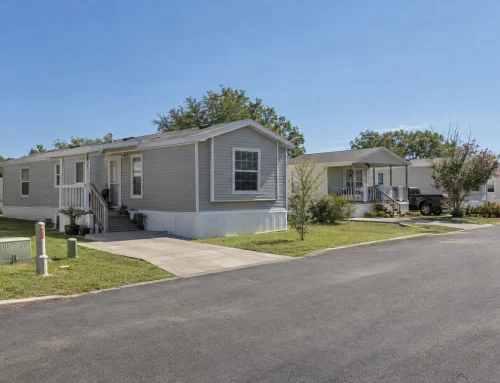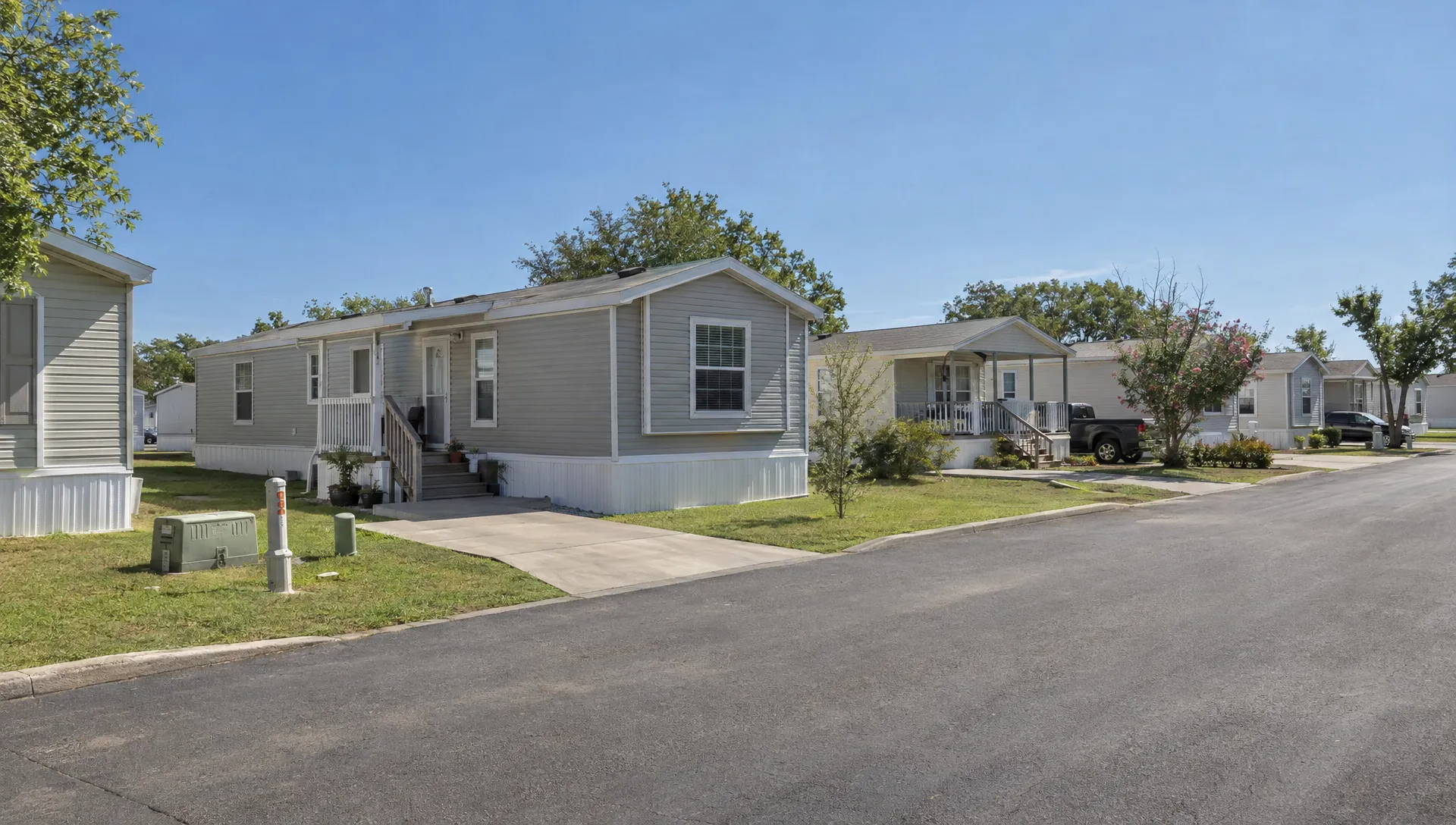

Buying a home inside a land-lease community (often called a “park”) can be one of the fastest paths to homeownership, but it comes with a unique twist: you are getting approved twice. Once for the home purchase and financing, and once by the community that will lease you the lot.
If you are looking at mobile homes for sale in parks, this guide walks through the approval and closing steps that typically happen in Texas, what documents you will be asked for, and how to avoid the delays that most often derail move-in dates.
Why park purchases have extra steps (and why that’s a good thing)
When you buy a home in a park, there are usually two parallel tracks:
- Home purchase and financing: selecting a home, choosing a loan type, underwriting, title paperwork, insurance, and the sale closing.
- Community approval and lease signing: the park’s application, background and income verification, review of the home’s size and condition, and the lot lease.
Communities do this to protect residents, enforce safety standards, and ensure the home is a good fit for the lot. Practically, it means your timeline depends on how well you coordinate these tracks.
Start with “park fit” before you fall in love with a home
Before you place a deposit, ask the community office for their current requirements in writing. Most communities have rules that affect whether a home can be placed or purchased in that park.
Common park requirements include:
- Minimum home size (single-wide vs. double-wide) and skirting/steps standards
- Age or condition guidelines (especially for older pre-owned homes)
- Setback rules, driveway placement, shed rules, and exterior appearance standards
- Occupancy rules (number of residents), pet policies, and vehicle restrictions
- Screening criteria such as income verification and background checks
In Texas, manufactured home community tenancies are governed by specific state rules (for example, Texas Property Code Chapter 94), so it is smart to understand your lease terms and community policies before signing anything. You can read the statute on the official Texas Legislature website: Texas Property Code Chapter 94.
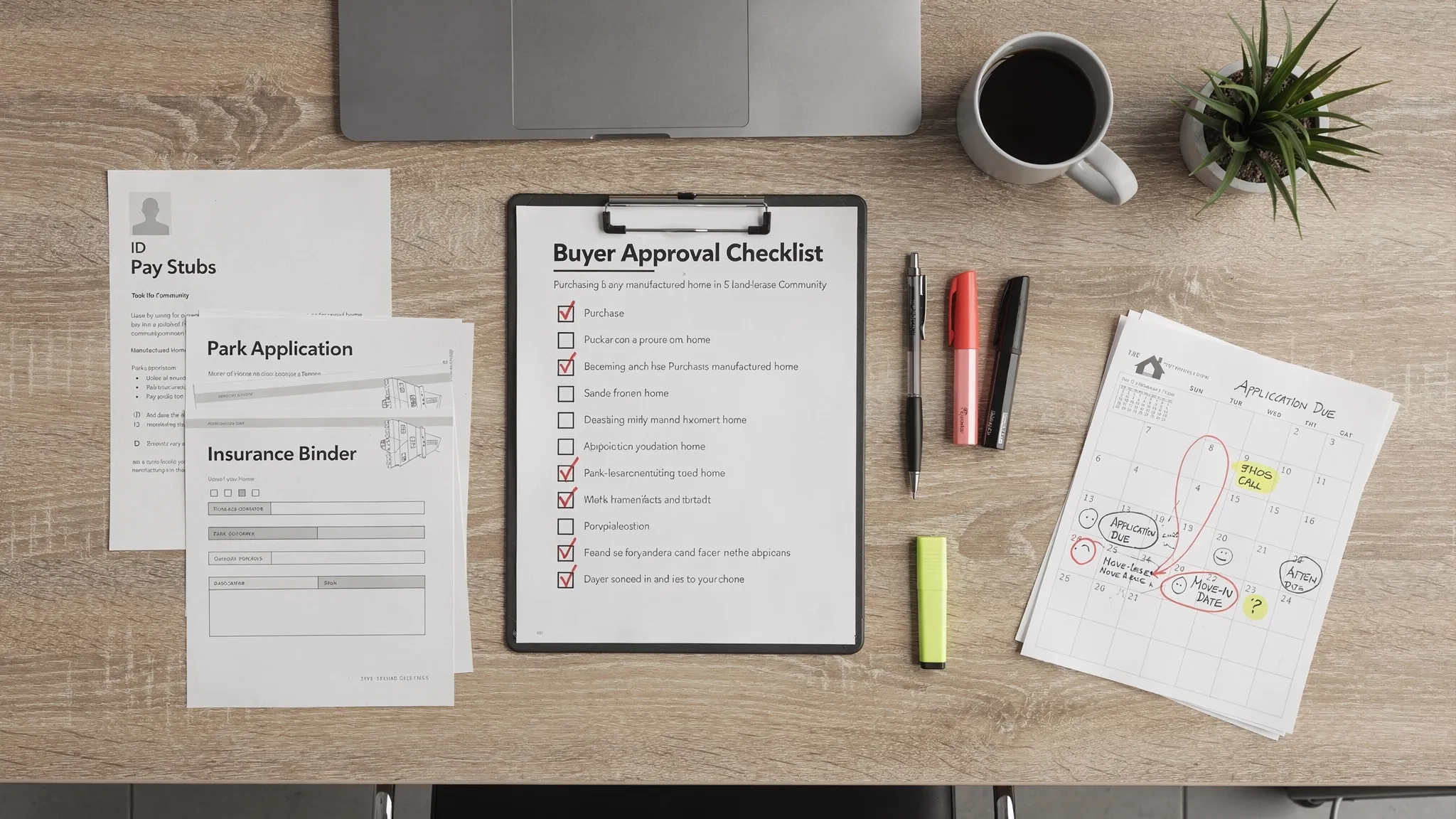
Park approval checklist (what communities typically request)
Every community is different, but these are the items that most commonly show up in a park application packet:
| Category | What you may be asked for | Why it matters |
|---|---|---|
| Identity | Government-issued ID, SSN/ITIN (as required) | Verifies applicant identity |
| Income | Recent pay stubs, offer letter, benefit letters, bank statements (varies) | Confirms ability to pay lot rent and utilities |
| Housing history | Prior addresses, landlord references | Helps the community assess rental history |
| Background screening | Authorization to run screening | Community safety and policy compliance |
| Pets | Vaccination records, breed/weight info (if applicable) | Verifies compliance with pet rules |
| Vehicle info | Make/model/plate info | Confirms parking compliance |
| Home details | Floor plan, dimensions, exterior photos or model spec sheet | Confirms the home fits the lot and community standards |
Tip: Ask whether the community approves (1) the household, (2) the home, or (3) both, and whether approvals must be completed before the purchase closing.
Mobile homes for sale in parks: approval and closing steps (end-to-end)
The sequence below is the cleanest way to keep financing and park approval moving together, without last-minute surprises.
Step 1: Choose your community, then request the application packet
Start by touring the community and confirming:
- Current lot availability and estimated move-in timelines
- Lot rent, fees, and what is included (trash, water, sewer, etc.)
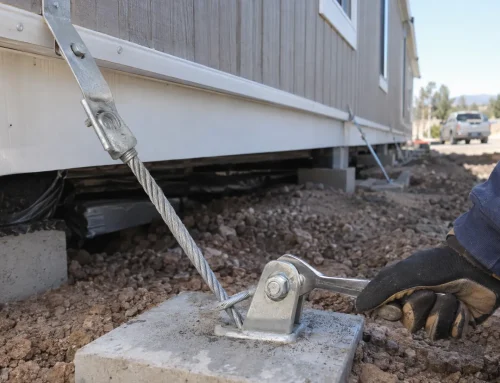
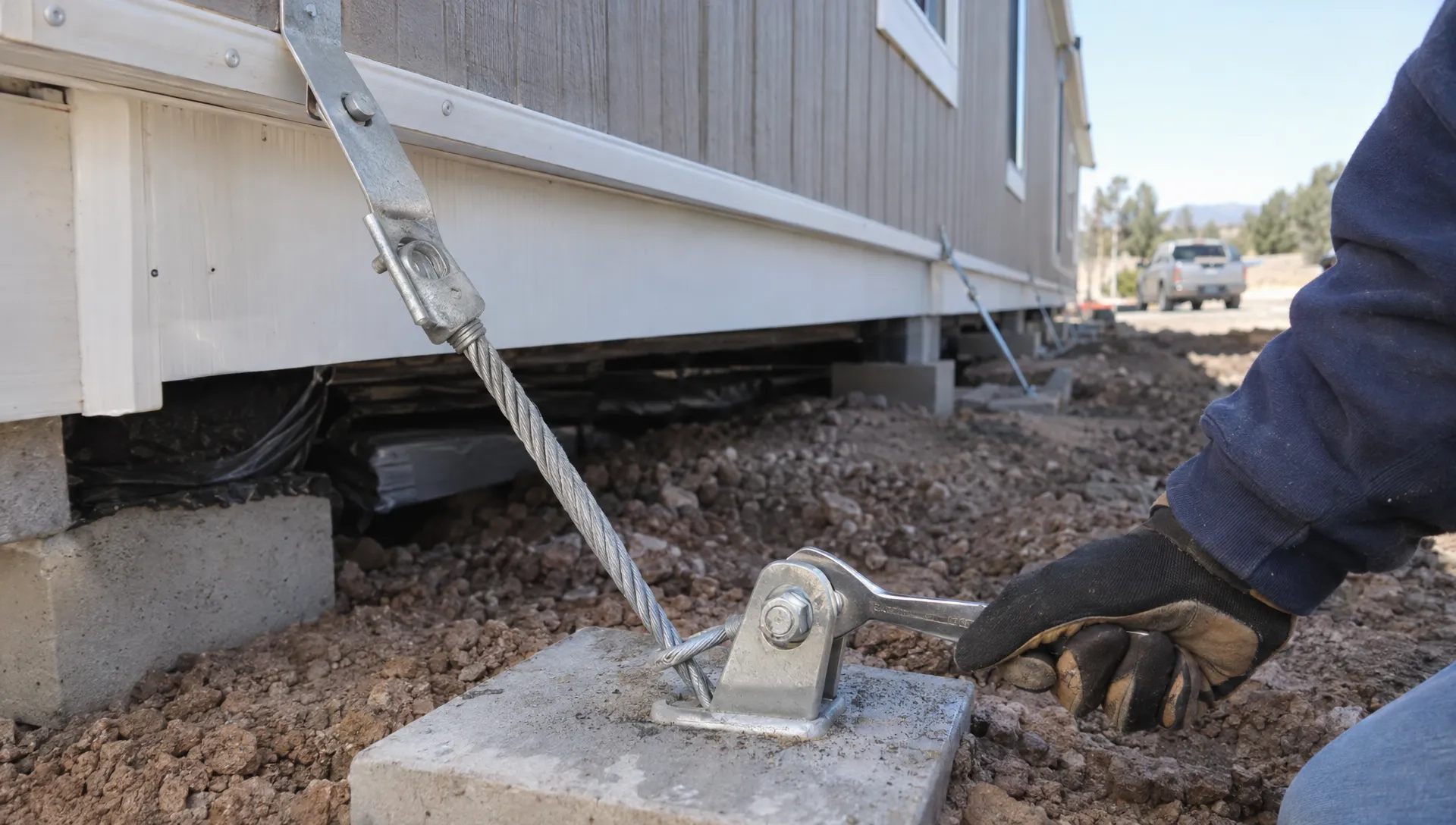
- Community rules and any required upgrades (skirting, steps, tie-downs, sheds)
If you are still comparing neighborhoods and community types, you may find it helpful to cross-check park options with a local roundup like Homes2Go’s guide to mobile home parks in San Antonio.
Step 2: Get financing pre-qualification (and budget for park-specific costs)
In a park setting, your monthly housing cost is typically:
Loan payment (if financed) + lot rent + utilities + insurance
Depending on your situation, financing may be structured as a manufactured home loan (often personal property or “chattel” when the home is not tied to land ownership) or, in other scenarios, a mortgage. The “right” option depends on how the home is titled, where it sits, and lender requirements.
Homes2Go San Antonio outlines common pathways (including chattel, FHA options, VA, USDA, and conventional programs) on their financing page. It’s also worth reading the CFPB’s explainer on manufactured housing finance to understand terminology and lender expectations: CFPB manufactured housing consumer resources.
What to do in this step:
- Ask the lender what documentation they want upfront (income, IDs, credit explanations)
- Confirm down payment expectations and whether the park has minimum income rules
- Plan cash for community deposits and setup items that are not always rolled into a loan
Step 3: Select the home model (and verify it meets park requirements)
Once you have a target monthly budget, choose a home that the park will accept.
Make sure you can answer:
- Does the home size match the lot and setbacks?
- Will the park accept that exterior (roof pitch, siding, color rules, etc.)?
- Is the home new, used, or being moved in from another location (parks may treat these differently)?
If you’re considering a used home, also ask how the community handles pre-owned home transfers, inspections, and any “make-ready” standards.
Step 4: Submit the park application early (do not wait for the lender)
Park approvals often take longer than buyers expect, especially if third-party screening or landlord references are involved.
In most cases, you will:
- Complete the park application
- Pay the application fee (if required)
- Authorize screening
- Provide income documentation
Some communities will issue a conditional approval pending final closing, while others require full approval before they will sign a lease or allow occupancy. Get that policy in writing.
Step 5: Move from pre-qualification to underwriting with your lender
Underwriting is where the lender verifies everything and issues a final approval, subject to any conditions.
Expect requests like:
- Updated pay stubs and bank statements
- Proof of down payment funds
- Proof of insurance (or an insurance quote/binder)
- Verification of the home details (serial/VIN numbers for used homes, or manufacturer details for new homes)
If the home is being placed in a park, the lender may also want park information (lot address, lease terms, and confirmation of approval).
Step 6: Confirm title and ownership paperwork for Texas
Texas manufactured housing has its own paperwork requirements for ownership and location records.
A key document in Texas is the Statement of Ownership and Location (SOL), which is handled through the Texas Department of Motor Vehicles manufactured housing resources. Start here to understand the official process and terminology: Texas DMV manufactured housing information.
Also plan for taxes and closing costs that may apply to the purchase. For background on tax treatment, the Texas Comptroller provides guidance on manufactured housing sales: Texas Comptroller, manufactured housing and sales tax.
If anything in the title chain is unclear (especially on pre-owned homes), resolve it before setting a firm move-in date. Title issues are one of the most common causes of closing delays.
Step 7: Set up insurance that satisfies both lender and community
Most lenders require hazard coverage, and many parks require liability coverage (and sometimes additional insured language or specific limits).
Do this early so you are not scrambling before closing:
- Ask the lender exactly what coverage they require
- Ask the park what proof of insurance they require to sign the lease or issue keys
- Request an insurance binder timed to your closing date
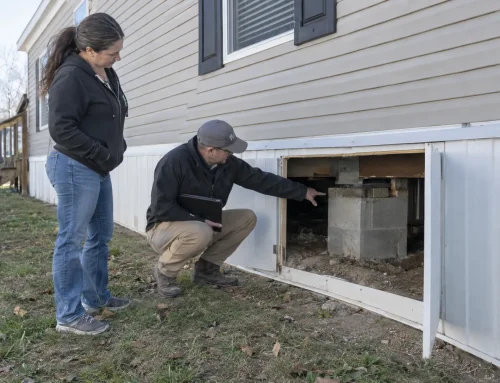
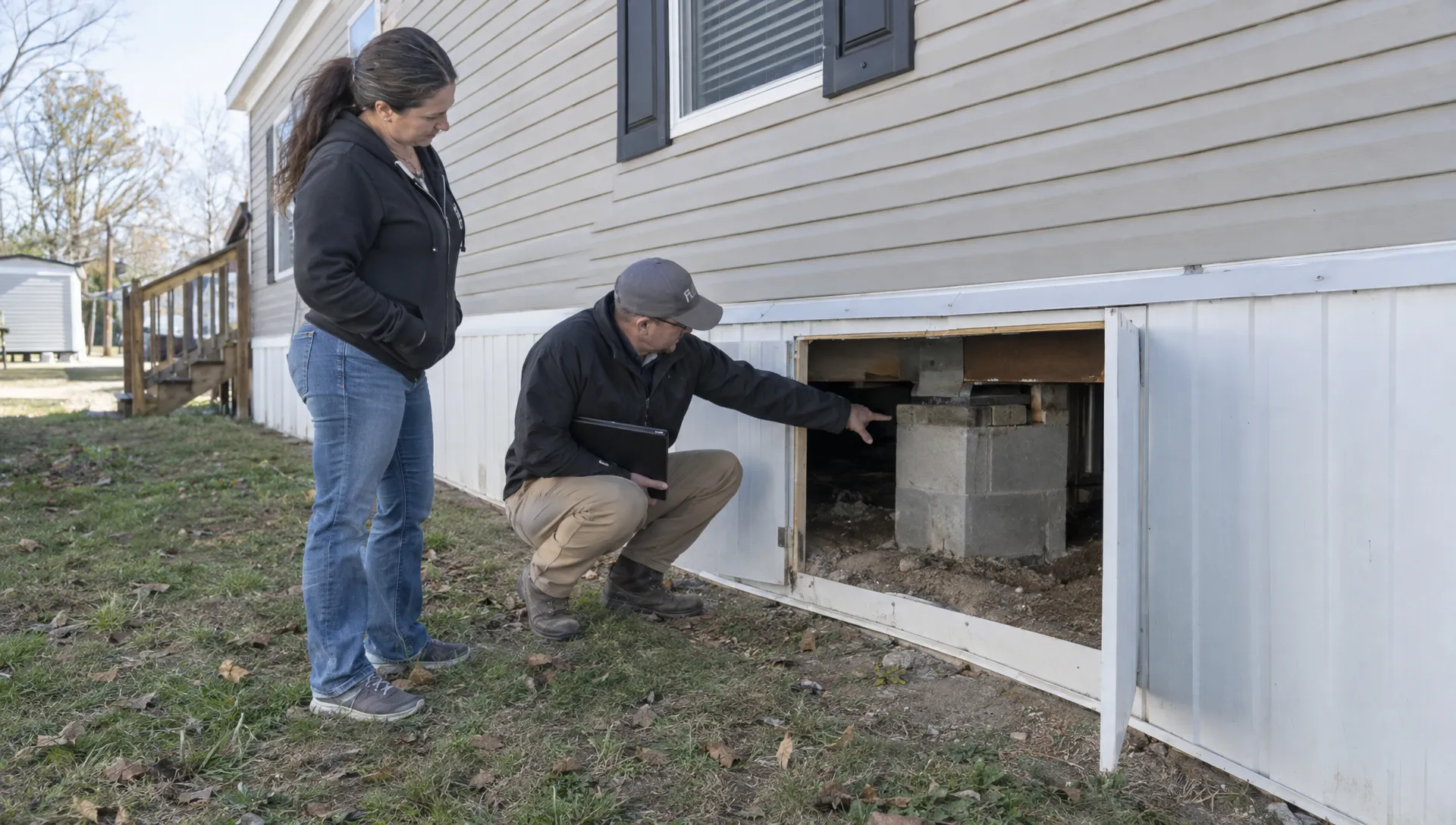
Step 8: Schedule installation, transport, and required inspections
If you’re buying a new manufactured home to be placed on a lot, the installation phase is a project of its own.
Texas regulates manufactured housing installation and related standards through the Texas Department of Housing and Community Affairs (TDHCA). Reviewing the state’s official manufactured housing resources can help you understand installer requirements and compliance basics: TDHCA Manufactured Housing Division.
Coordinate:
- Delivery and setup schedule
- Utility connections (water, sewer, electric)
- Any community-required additions (steps, skirting, driveway work)
If you are purchasing an existing home already located in the community, installation may be minimal, but you still want to confirm any inspection requirements and move-in readiness standards.
Step 9: Closing day, what gets signed and paid
Closing for mobile homes for sale in parks typically includes two major signings:
- Home purchase closing: sales contract, financing documents (if any), and ownership/title paperwork.
- Lot lease signing: lease agreement, community rules addendum, deposits, and confirmation of park approval.
Bring or be ready with:
- Valid ID(s)
- Any required cashier’s checks or wired funds instructions (confirm exact amounts in advance)
- Proof of insurance
- Park approval letter or confirmation
Step 10: Post-closing, lock in a smooth move-in
After closing, keep momentum by completing the final “handoff” items:
- Confirm first lot rent due date and payment method
- Transfer utilities (or confirm what is included in lot rent)
- Walkthrough the home and document any punch-list items
- Store copies of your lease, closing documents, and warranty paperwork
Who does what? A quick responsibility and timing map
This table helps you spot bottlenecks before they happen.
| Phase | Primary owner | Typical dependency | Where delays happen |
|---|---|---|---|
| Park application | Buyer, park office | Completed packet, screening | Missing income docs, slow references |
| Financing underwriting | Buyer, lender | Income/asset verification, home details | Conditions not met, insurance not ready |
| Home acceptance by park | Park office | Home specs, age/condition rules | Home does not meet standards |
| Title/SOL paperwork | Seller/dealer, buyer | Clear ownership chain | Prior liens, incorrect serial/VIN info |
| Installation scheduling | Dealer/installer, park | Lot readiness, utilities, permits | Crew availability, utility coordination |
| Final closing | Buyer, lender, seller/dealer, park | All approvals complete | Last-minute fee changes, missing signatures |
A realistic timeline for park approvals and closing
Timelines vary by inventory (move-in ready vs. ordered), park screening speed, and financing complexity. As a planning baseline:
- Existing home already in the park: often faster because setup is done, but you still need title verification, insurance, and park approval.
- New home to be placed on a lot: usually longer because delivery, setup, and inspections must be scheduled.
To protect your move-in date, treat the park application as a first-week task, not a last-week task.
The most common approval and closing delays (and how to prevent them)
Incomplete park application packets
Small omissions can restart the clock.
Prevention: Ask the park office to confirm, in writing, that your packet is complete and submitted for processing.
Home does not meet park standards
This happens most with pre-owned homes or when the buyer selects a model before reading the park’s rules.
Prevention: Provide the park with the floor plan and exterior specs before you commit to the purchase.
Insurance arranged too late
Insurance is often a closing condition for lenders and also a lease condition for communities.
Prevention: Request quotes as soon as you have a target home and estimated closing date.
Title and ownership snags on used homes
If the ownership trail is unclear or there is an unresolved lien, closing can stall.
Prevention: Ask early what documents will be used to confirm ownership and whether any correction paperwork is needed.
Installation scheduling conflicts
Install crews and utility coordination can be tight during busy seasons.
Prevention: Schedule tentatively as soon as you have conditional approvals, then confirm once final approvals are in.
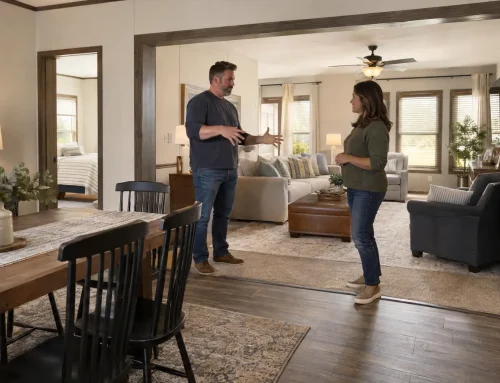
What to bring to your first serious “approval” conversation
Whether you’re meeting the park manager or a housing specialist, showing up prepared speeds everything up.
Bring:
- Estimated monthly budget range (including lot rent)
- Proof of income documents you can share quickly
- A short list of must-haves (beds/baths, size, accessibility needs)
- A list of parks you are considering and any rules you already received
If you’re working with a retailer, ask them to help you match home models to communities that will accept them, using the community’s written standards.
How Homes2Go San Antonio can help you move from “interested” to “approved”
If you want to reduce surprises, the best leverage point is coordination: aligning the home selection, lender requirements, and park acceptance rules early.
Homes2Go San Antonio focuses on manufactured homes for the San Antonio area and can help you:
- Compare home models and review detailed floor plans
- Understand financing pathways and connect with trusted local lenders (see financing options)
- Match a home to communities that fit your lifestyle and budget
- Navigate the practical sequence from park application through closing
If you want a broader buyer overview before you commit to a park purchase, you can also read their local guide: Mobile homes in San Antonio, a quick buyer guide.
When you are ready to start the approval process, the fastest next step is to pick a target community (or two), get their application packet, and align your financing pre-qualification to the full monthly cost (loan payment plus lot rent). That combination prevents most closing-day surprises.
 Manufactured Homes for Rent Near Me: Application Tips
 Manufactured Homes for Rent by Owner: Lease Red Flags