
Searching “manufactured homes for rent near me” usually means you want three things: a safe place, a predictable monthly payment, and an approval process that does not drag on for weeks. Manufactured home rentals can be a great fit (often more space than an apartment, sometimes a yard, and community amenities), but the application details are a little different than a typical apartment lease.
Below is a practical, renter-focused guide to getting approved faster, avoiding common pitfalls, and understanding what landlords and manufactured home communities typically look for.
How renting a manufactured home is different from renting an apartment
Before you apply, clarify what you are actually renting:
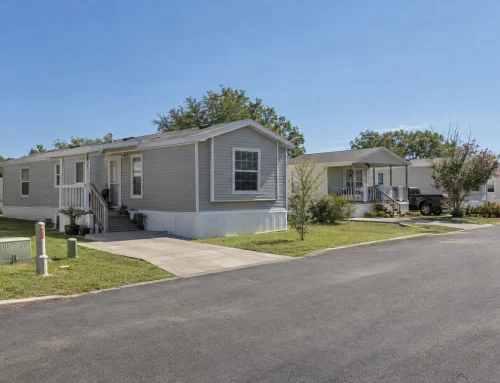
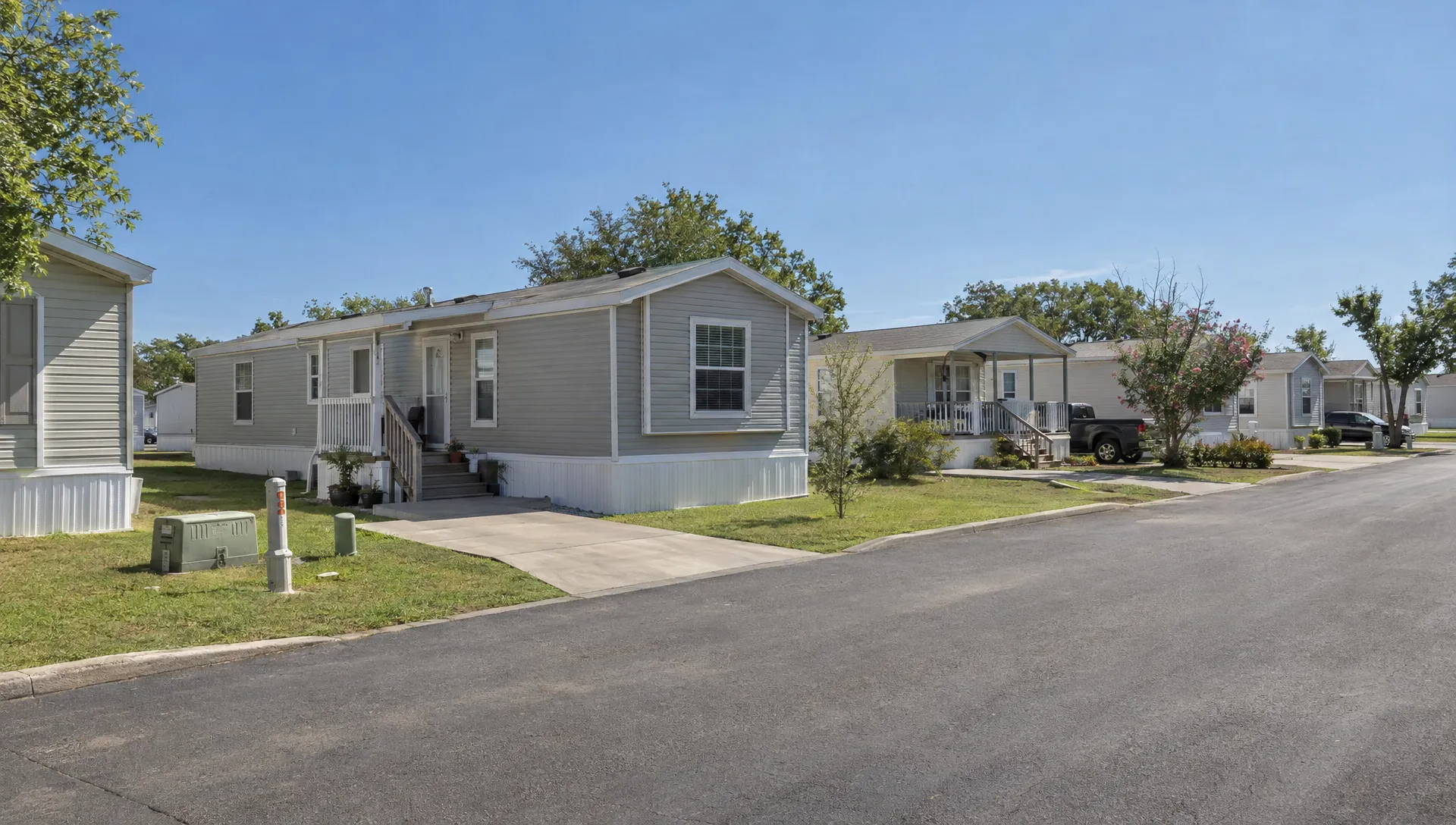
- A manufactured home in a land-lease community: You rent the home itself, and it sits in a community. In some cases the owner pays the lot rent, in others it is baked into your monthly rent.
- A manufactured home on private land: Similar to renting a single-family house. Utilities, maintenance, and rules can be different.
- A park model or tiny home style unit: Often has separate rules, occupancy limits, and utility setups.
Why this matters: the approval process may involve both a landlord and a community office (especially in land-lease communities). You may need to pass community rules in addition to the standard rental screening.
Step 1: Pre-screen yourself before you apply (and save application fees)
Many renters lose money on repeated application fees because they apply first and ask questions later. A quick pre-screen helps you focus on listings you can realistically qualify for.
Ask these questions up front
When you call or message about a listing, ask:
- What income multiple is required? (Example: 2.5x to 3x monthly rent.)
- What is included in rent? (Lot rent, trash, water, sewer, HOA-type community fees.)
- What are the minimum credit criteria? Some landlords use a score cutoff, others use “no recent evictions” plus income verification.
- What is the background screening policy? (Felonies, misdemeanors, lookback periods.)
- What are the pet rules? Weight limits, breed restrictions, pet rent, deposits.
- Is renter’s insurance required? Many properties require it, and it is smart either way.
If they will not answer basic screening questions, treat that as a red flag.
Step 2: Build an “approval-ready” application packet
Landlords typically approve faster when your documents are complete and consistent. Aim to submit everything the same day you apply.
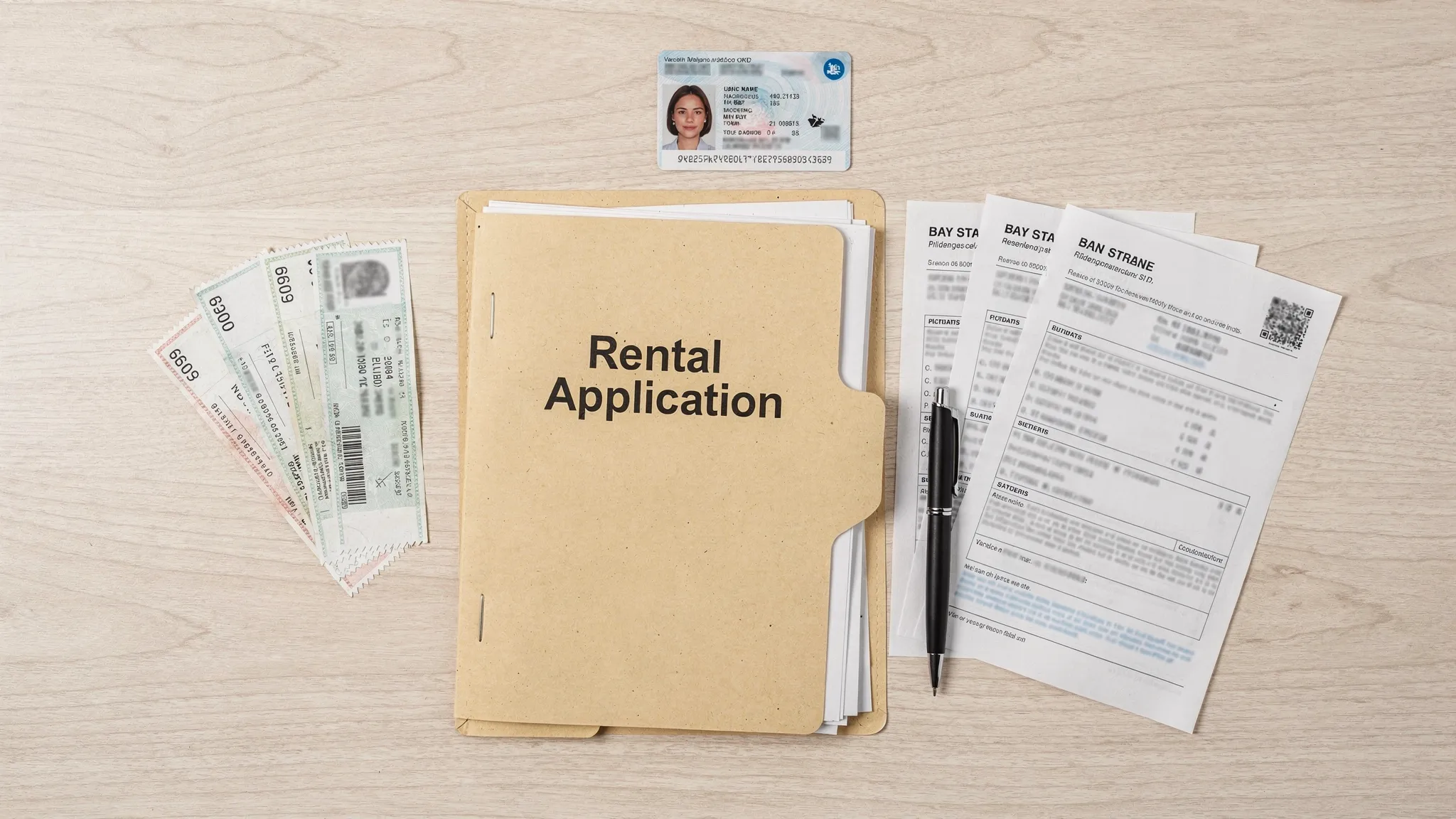
What to gather (typical requirements)
| Item | Why they ask for it | Tips to avoid delays |
|---|---|---|
| Government-issued photo ID | Confirms identity | Make sure it is unexpired and readable |
| Proof of income | Confirms ability to pay | Use pay stubs, offer letter, benefits letter, or tax returns if self-employed |
| Recent bank statements (sometimes) | Verifies funds and stability | Provide the pages showing name, deposits, and ending balance |
| Rental history and references | Predicts reliability | Include landlord contact info and dates of tenancy |
| Consent for background/credit check | Screening | Apply only where criteria are clear to reduce wasted fees |
| Vehicle information | Community rules and parking | Provide plate number, make, model if you have it |
If you are self-employed or gig-based
Be proactive. Many denials happen because income is hard to verify.
Bring:
- 2 years of tax returns (or the most recent year if that is all you have)
- Recent invoices or contracts
- 3 to 6 months of bank statements showing consistent deposits
Step 3: Know the most common approval factors (and how to strengthen yours)
Most landlords focus on a combination of income, payment history, and risk signals.
Income and debt-to-income (DTI)
Even with decent income, high monthly obligations can be an issue.
If you are close to the cutoff:
- Offer a larger security deposit if allowed (and if you are comfortable)
- Add a qualified co-signer/guarantor (ask what standards they require)
- Provide proof of consistent overtime or additional income (documented)
Credit challenges
Not every rental requires perfect credit, but be ready to explain issues clearly.
What helps:
- A short written note explaining the situation (medical event, job loss, etc.) and what changed
- Evidence of on-time rent payments, even if your score is low
- Paying down or settling small collections (get receipts)
Background and prior evictions
Policies vary widely. Some communities and landlords have strict rules, others evaluate case-by-case.
If you have an issue in your history:
- Ask about the policy before paying an application fee
- Bring court documents showing the disposition if it was dismissed or resolved
For general guidance on renter rights and security deposits in Texas, you can review the Texas Attorney General’s tenant resources and compare them to what your lease says.
Step 4: Understand land-lease community rules (the part many renters miss)
If the home is in a manufactured home community, approval can include community standards such as:
- Occupancy limits per bedroom
- Pet policies (sometimes stricter than apartments)
- Parking rules (commercial vehicles, trailers, guest parking)
- Noise and conduct standards
- Exterior upkeep expectations (porch, skirting, yard)
Ask whether you must apply with the community office separately. If yes, get the community’s rules in writing before you sign anything.
If you are comparing neighborhoods or community styles in the San Antonio area, Homes2Go SA’s guide to mobile home parks in San Antonio can help you understand what to look for while touring.
Step 5: Read the lease like a checklist (especially maintenance and utilities)
Manufactured home rentals can come with “house-like” responsibilities, even when you are renting.
Pay close attention to:
- Utilities: Who pays water, sewer, trash, electricity, gas, and any community billing fees?
- Maintenance responsibilities: Lawn care, A/C filter changes, pest control, minor repairs.
- Emergency repairs: Who do you call after hours, and what is considered an emergency?
- Late fees and grace periods: Look for exact amounts and dates.
- Renewal terms and rent increases: Know what happens at the end of the lease.
- Move-out charges: Cleaning standards, carpet cleaning rules, key replacement fees.
If you do not understand a clause, ask for clarification in writing. Clear communication up front prevents surprises later.
Step 6: Spot rental scams quickly (common in “near me” searches)
Scams are common in rental listings, and manufactured homes are not immune.
Be cautious if:
- The “landlord” refuses to meet or show the home inside
- You are asked to wire money, pay with gift cards, or use crypto
- The rent is far below comparable listings with a “must move fast” story
- Photos look like a different region, or the listing has inconsistent address details
A safer process typically includes a showing, a written application, and a lease you can review before paying large sums.
Step 7: Plan your move-in costs and timeline
Even if monthly rent looks affordable, move-in costs can be higher than expected.
Typical move-in costs include:
- Application fees (sometimes per adult)
- Security deposit
- First month’s rent (and sometimes last month)
- Pet deposit and/or pet rent
- Utility deposits (especially electricity)
If you are on a tight deadline (job start date, school enrollment), ask how long screening usually takes and whether they can expedite if your documents are complete.
If you own a manufactured home and want to rent it out
Many “manufactured homes for rent near me” searches are made by renters, but some local owners also research the process because they are considering becoming landlords.
If you own a manufactured home (or any rental property) and want a more hands-off approach, you can compare traditional self-management with third-party models like a rent-to-rent service for landlords. Services in this category typically focus on occupancy, tenant vetting, and operational management, which can be especially relevant if you live out of area or do not want to handle day-to-day turnover.
When renting is not the best long-term deal (and what to do instead)
Renting can be the right move, especially if you need flexibility. But in some cases, your monthly rent plus fees may be close to what a home payment could be, particularly if you plan to stay put for several years.
If you are exploring ownership in the San Antonio area, Homes2Go SA shares practical next steps for budgeting, choosing between land-lease communities and private land, and avoiding common mistakes in this mobile homes buyer guide. You can also review local financing paths on the financing options page.
Frequently Asked Questions
What do I need to apply for a manufactured home rental? Most landlords ask for a photo ID, proof of income, rental history, and consent for a credit and background check. Some also request bank statements and vehicle information.
Do manufactured home communities have separate application rules? Often, yes. If the home is in a land-lease community, you may need to meet community rules (pets, parking, occupancy) and sometimes apply with the community office in addition to the landlord.
How can I improve my chances if my credit is not great? Submit complete income documentation, provide strong landlord references, write a brief explanation for any past issues, and ask if a higher deposit or guarantor is allowed.
What fees should I expect at move-in? Common costs include application fees, security deposit, first month’s rent, pet deposits or pet rent, and possible utility deposits. Ask for a written move-in cost breakdown.
Are manufactured homes “mobile homes” in Texas listings? Many listings still use “mobile home” as a general term, but newer homes built to the federal HUD Code are typically called manufactured homes. Always confirm the year, condition, and what is included in rent.
Need help exploring manufactured housing options in San Antonio?
If you are comparing renting versus buying, or you want to understand community options, floor plans, and realistic monthly payment ranges, Homes2Go San Antonio can walk you through manufactured home choices and financing paths without guesswork. Start by browsing resources on Homes2Go SA or contact the team through Homes2GoSA.com to discuss what fits your timeline and budget.
 Discount Manufactured Homes: Spot Real Savings vs Add-Ons
 Mobile Homes for Sale in Parks: Approval and Closing Steps