
The phrase “low cost” can be misleading in housing. A manufactured home can look affordable on the sticker and still become expensive if you cut the wrong corners on installation, energy efficiency, or site work. The good news is that there are plenty of places you can trim costs safely, without sacrificing comfort, durability, or long-term value.
This guide breaks down where to save money when shopping for low cost manufactured homes, and where saving usually backfires (especially in the San Antonio climate).
Start with the real number: total move-in cost (not just the home price)
Most budget surprises happen because buyers only compare base prices. A smarter approach is to map the full “to move-in” budget, then decide which items can be reduced and which should stay protected.
Here’s a practical breakdown to use when you compare quotes.
| Cost category | What it includes | Can you cut safely? | What to watch for |
|---|---|---|---|
| Home base price | Model, size, standard features | Yes | Avoid deleting safety or energy essentials just to hit a number |
| Factory options | Cabinets, flooring, baths, windows, roof pitch | Yes | Some “upgrades” are mostly cosmetic, others reduce utility bills |
| Delivery and set | Transport, crane if needed, set on piers/foundation | Usually no | Cheap set crews and shortcuts can become costly repairs |
| Site prep | Pad, grading, driveway, drainage, skirting prep | Limited | Poor drainage and weak pads cause leveling and moisture issues |
| Utilities | Electric service, water/sewer or septic, gas, trenching | Limited | Under-sizing service or cutting corners can fail inspection |
| Permits and inspections | Local permits, third-party inspections where applicable | No | Skipping permits can block utility hookups and resale |
| HVAC and comfort | Heat pump/AC, duct sealing, ventilation | Limited | San Antonio heat punishes weak HVAC and leaky ducts |
| Insurance and protection | Homeowners, wind/hail considerations | No | Underinsuring can wipe out savings fast |
| Community costs (if applicable) | Lot rent, utilities, park rules, deposits | Sometimes | A “cheap” lot can be expensive monthly or restrictive |
If you want the lowest lifetime cost, the goal is to minimize:
- cash surprises before move-in
- monthly bills (utilities, lot rent, insurance)
- repair risk in years 1 to 5
Where you can cut costs safely (and still get a great home)
Safe savings are usually about simplifying choices, not reducing build integrity. Most buyers can lower the purchase price by focusing on value-oriented design decisions.
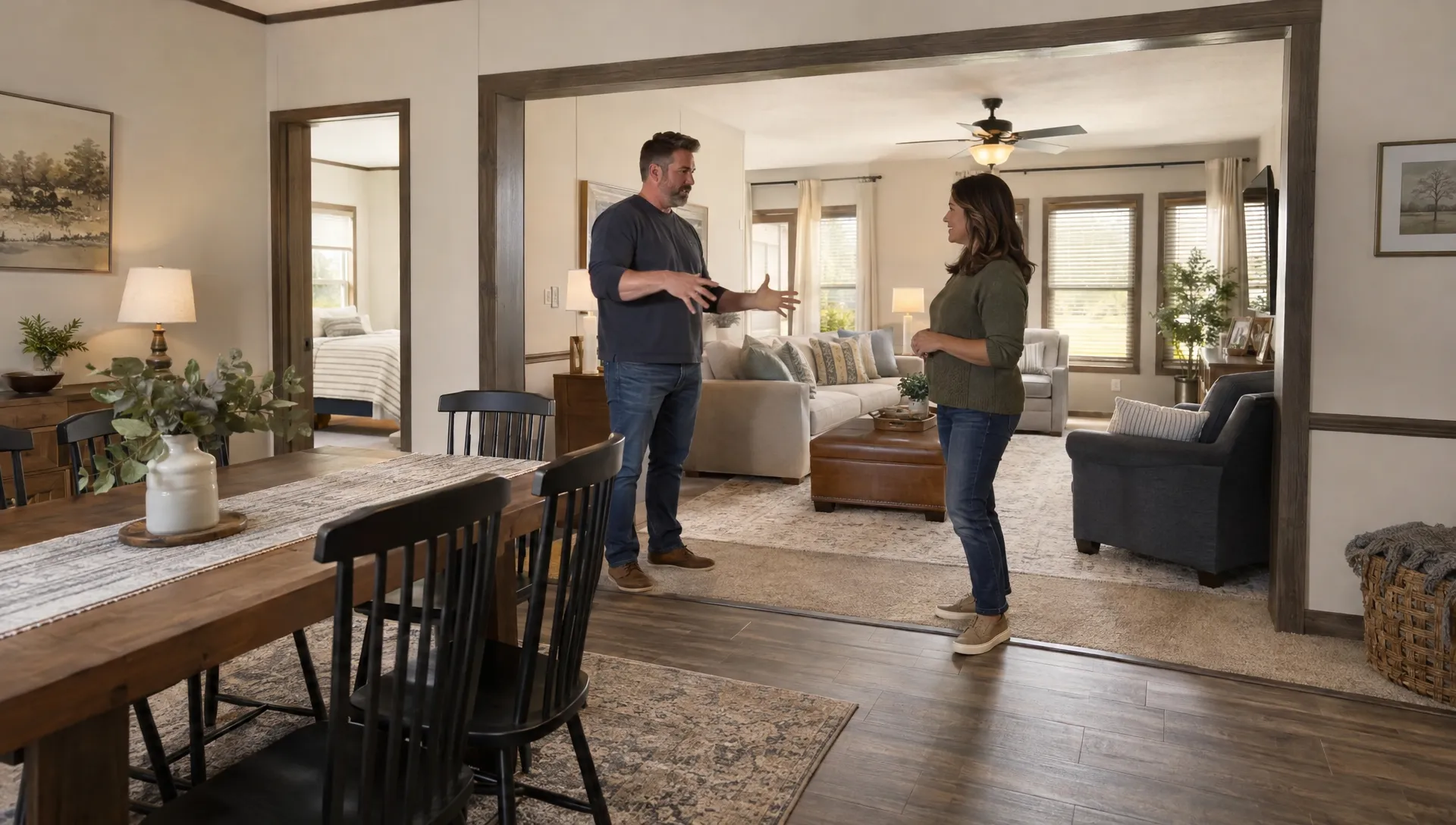
1) Choose a smaller footprint and a smarter layout
Square footage is a major price driver. But “smaller” does not have to mean “cramped.” Look for layouts that reduce wasted hallway space, oversized utility rooms, or extra formal spaces you do not use.
A well-designed 2 bedroom plan with open living areas can feel bigger (and cost less) than a poorly laid out 3 bedroom.
2) Keep the roofline simple
Complex rooflines (multiple pitches, dormers, heavy architectural details) raise cost and introduce more potential leak points over time.
If you’re trying to stay low cost, a straightforward roof design is often a better value than a “fancier” profile.
3) Save on cosmetic finishes that are easy to upgrade later
Some of the best “safe cuts” are choices you can change after move-in without touching structure, utilities, or code-related items.
Good candidates:
- light fixtures (swap later)
- cabinet hardware
- faucets (keep quality acceptable, upgrade later)
- accent walls and paint
- backsplash
- landscaping and exterior touches
In contrast, things like insulation packages, window performance, or HVAC sizing are harder and more expensive to improve later.
4) Go standard on kitchens and baths (but avoid bargain-grade components)
Kitchens and bathrooms can balloon a budget quickly. You can usually keep costs down by selecting standard cabinet lines, laminate counters, and straightforward shower/tub packages.
What to do instead of “cheapest possible”:
- choose standard, not custom
- avoid unusual sizes that increase material and labor cost
- pick durable mid-grade materials that resist humidity and frequent cleaning
5) Select fewer factory add-ons and plan “Phase 2” upgrades
Many options added at the factory are convenient, but not always the best value. If you are budget-focused, ask which options are truly difficult to add later.
Often worth considering later (homeowner-friendly projects): shelving systems, closet organizers, and many smart-home add-ons.
Often better to decide up front: window package, insulation/energy package, and HVAC configuration.
6) Compare “included” items line by line
Two quotes can look different even if the homes are similar because one includes steps, skirting, appliance packages, or delivery/set allowances and the other does not.
Ask for a clear itemization so you can compare apples to apples. This is one of the fastest ways to keep a low-cost plan from turning into a high-cost surprise.
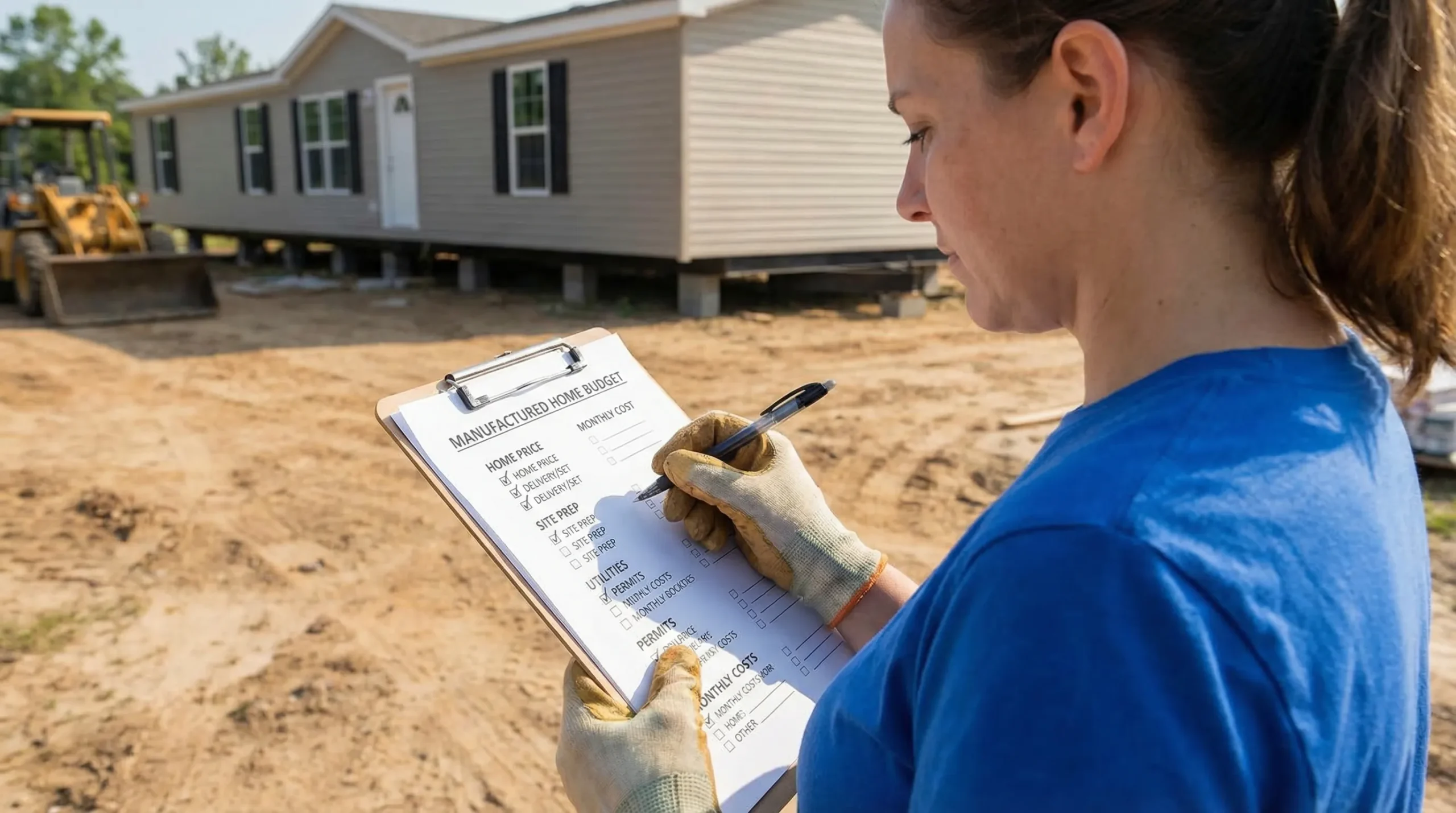
Where you should NOT cut costs (because it risks safety, inspections, or expensive repairs)
If you’re aiming for a low total cost, the best strategy is to protect the parts of the project that affect structural performance, weather resistance, and code compliance.
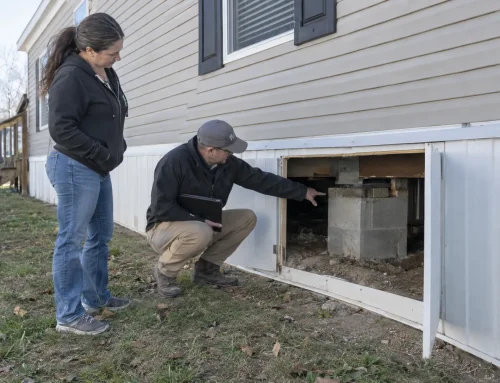
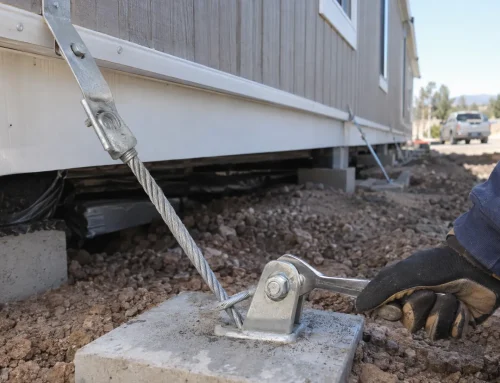
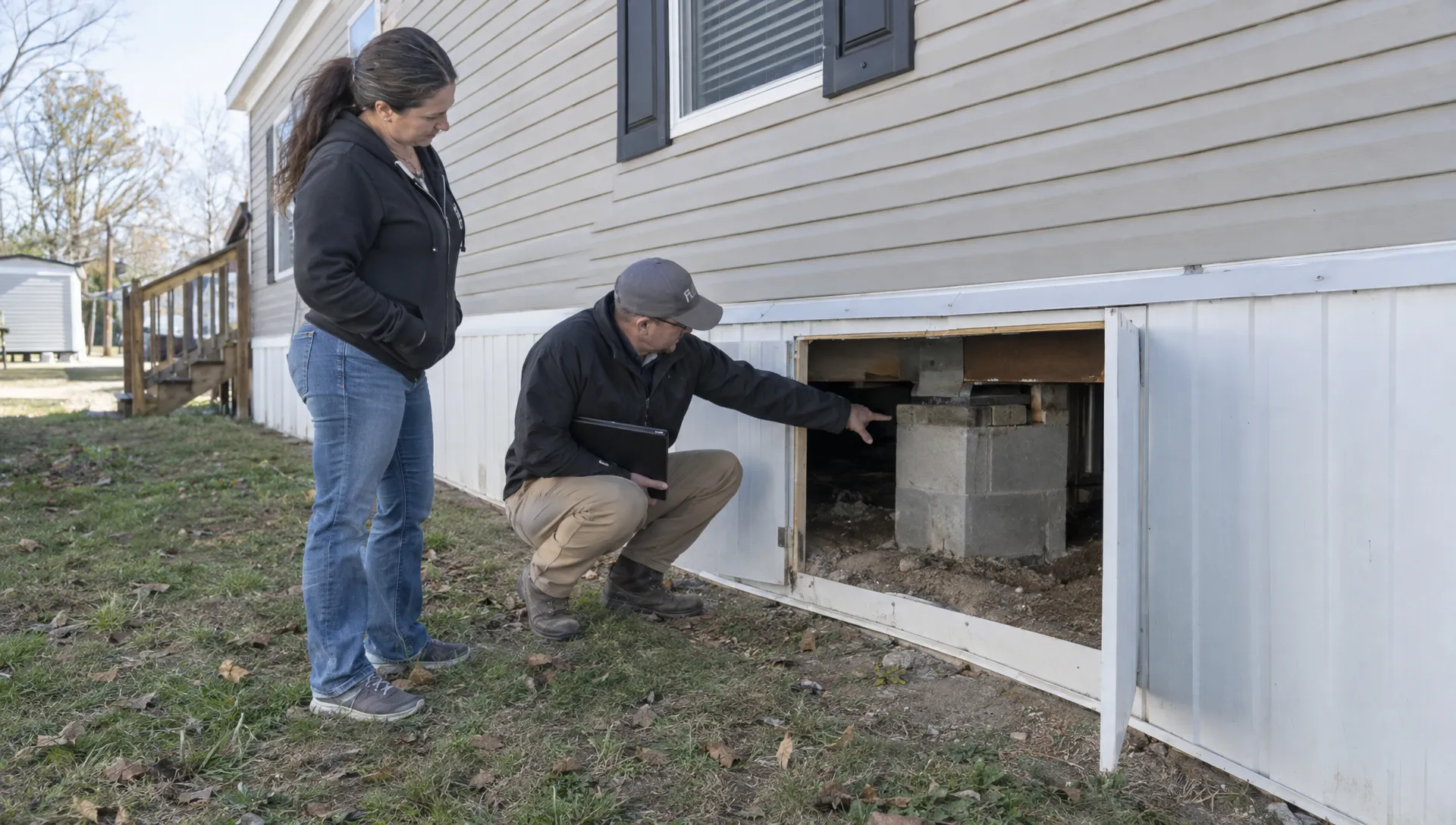
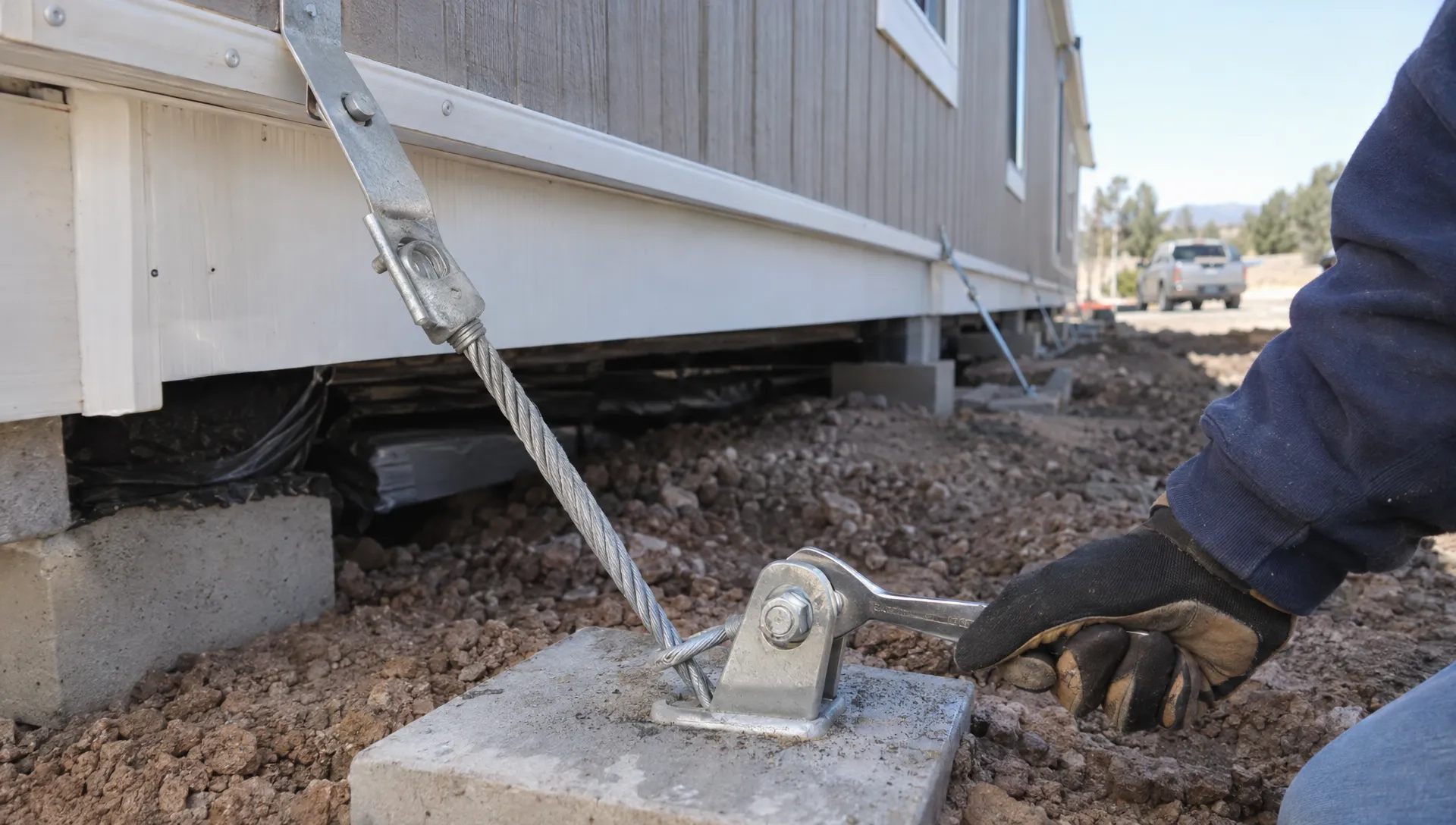
1) Installation and anchoring
Proper installation is not “extra.” It is what makes the home perform like a home.
Shortcuts in leveling, anchoring, or tie-downs can lead to:
- doors and windows going out of square
- drywall cracks and floor soft spots
- plumbing and duct stress
- long-term settling problems
Manufactured homes are built to federal standards (the HUD Code), but performance depends heavily on correct installation. If you want to understand the baseline federal construction standard, see HUD’s overview of the Manufactured Home Construction and Safety Standards (HUD Code) on the U.S. Department of Housing and Urban Development site.
2) Site prep, grading, and drainage
In the San Antonio area, drainage and soil behavior matter. A “cheap pad” that holds water or shifts can create ongoing re-leveling and moisture problems.
Good site work supports:
- stable support under the home
- water moving away from the home
- reduced humidity and pests under the home
If you cut costs here, you usually pay later.
3) Electrical service and utility connections
Utility work must meet requirements and pass inspection. Under-sizing electrical service, using unqualified labor, or ignoring local rules can delay move-in and create safety hazards.
If you’re placing a home on private land, confirm what the City or county will require for permitting and inspections. For San Antonio specifics, start at the City of San Antonio Development Services Department.
4) Insurance and weather protection
Texas weather can be rough on roofs and exteriors. Cutting insurance coverage to reduce monthly payments can be risky if you face hail, wind, or water damage.
Also avoid “saving” by skipping basic protective features that fit the region, like adequate roof durability choices and proper moisture management around the home.
5) Energy efficiency fundamentals
Energy efficiency is one of the most misunderstood parts of “low cost.” The cheapest home upfront can be the most expensive home over time if it leaks air, has weak insulation, or runs inefficient HVAC.
At a minimum, protect:
- insulation and air sealing
- duct sealing and proper returns
- window performance appropriate for heat
- sensible HVAC sizing for the home
For buyer-friendly guidance on efficiency and upgrades, see ENERGY STAR’s resources.
A practical “save vs spend” framework for low cost manufactured homes
If you want a quick way to decide, use this principle:
Save on what you can change later. Spend on what’s expensive to redo or what affects safety, inspection, and monthly bills.
Safe to save (common high-value trims)
- fewer square feet (but better layout)
- standard cabinets and counters
- standard bath packages
- simpler roofline and exterior detailing
- basic lighting and fixtures (upgrade later)
- non-structural cosmetic upgrades
Usually worth spending (or at least not cutting)
- professional installation and setup
- site prep, grading, and drainage
- insulation and air sealing choices
- windows suited for hot climates
- HVAC quality and duct sealing
- permits, inspections, and compliant utility work
Financing choices that lower your total cost
Two buyers can purchase the same home and end up with very different total costs based on financing structure and fees.
A few cost-control moves that are “safe” because they reduce waste rather than quality:
- compare multiple lenders, including local lenders who understand manufactured housing
- ask for a clear breakdown of fees and any optional add-ons
- choose a payment you can sustain comfortably, not just the maximum you’re approved for
- understand whether you’re financing a home-only purchase (often called personal property or chattel) or a land-and-home scenario
For general consumer guidance on loan shopping and avoiding surprises, the Consumer Financial Protection Bureau is a reliable resource.
If you are considering energy-related improvements after move-in, you may also want to review the IRS information on potential federal credits for qualifying improvements (rules change and eligibility depends on the specific upgrade). Start with the IRS Energy Efficient Home Improvement Credit overview.
San Antonio realities: cut costs with heat, storms, and soil in mind
A low-cost plan that works in a mild climate can struggle in South Texas. If you’re buying around San Antonio, keep these region-specific realities in your decision-making:
Heat load matters. Efficient windows, insulation, and a properly performing HVAC system often pay back in comfort immediately and can reduce long-term operating costs.
Storm resilience matters. Wind, hail, and heavy rain are common. A durable exterior and correct water management around the home reduce the chance of expensive repairs.
Soil and drainage matter. Some local soils expand and contract with moisture, and poor drainage can make that worse. Spending on correct grading is often cheaper than repeated service calls and re-leveling.
How Homes2Go San Antonio can help you stay low cost without cutting corners
If you want to keep your purchase affordable, the most helpful step is usually not hunting for the “absolute cheapest” model. It is building a plan that keeps the whole project affordable.
Homes2Go San Antonio can help by:
- walking you through model choices and floor plans that fit your budget
- showing you which options increase cost without adding much value for your lifestyle
- connecting you with flexible financing options through trusted local lenders
- helping first-time buyers understand the move-in cost categories that cause surprises
You can explore available homes and request guidance at Homes2Go San Antonio.
Frequently Asked Questions
What’s the safest way to get a low cost manufactured home? The safest approach is to lower costs through smart design choices (size, layout, standard finishes) while protecting installation quality, site prep, and energy efficiency.
Is it better to buy a smaller home or a cheaper home with fewer upgrades? Often, a slightly smaller home with solid energy and installation choices costs less over time than a bigger home that is expensive to heat and cool.
Can I cut costs by doing installation myself? In most cases, cutting costs on professional setup is risky. Poor installation can lead to failed inspections, warranty issues, and expensive structural or utility problems later.
Which upgrades are worth it in San Antonio? In many cases, insulation and air sealing, window performance suitable for heat, and HVAC and duct quality provide strong comfort and operating-cost benefits in South Texas.
How do I avoid getting surprised by setup and site costs? Ask for an itemized estimate that separates home price from delivery, setup, permits, site prep, and utilities. Compare quotes line by line, not just the base price.
Do manufactured homes qualify for normal mortgages? Some do, especially when the home is attached to land and meets lender requirements. Others are financed as home-only (personal property). A lender experienced in manufactured housing can explain your options.
Talk to a specialist and build a low-cost plan you can trust
If you’re shopping for a manufactured home in the San Antonio area and want to cut costs safely, the fastest path is a clear, itemized game plan: the right home, the right options, and the right setup approach.
Browse homes and reach out for guidance through Homes2Go San Antonio.
 Mobile Homes Community Near Me: How to Vet Management
 Discount Manufactured Homes: Spot Real Savings vs Add-Ons