
Buying a “trailer” (more accurately, a HUD Code manufactured home) can be one of the most cost-effective paths to homeownership in Texas. It can also be one of the easiest purchases to get wrong if you skip due diligence. A thorough trailer home inspection helps you uncover hidden water damage, electrical risks, installation problems, and documentation gaps that can turn an affordable home into an expensive project.
Below is what inspectors typically check in Texas, what’s unique about manufactured homes versus site-built homes, and how to prepare so your inspection day actually answers the questions that matter.
Why a trailer home inspection is different in Texas
Manufactured homes are built in a factory to federal HUD Code standards (homes built after June 15, 1976). That factory-built structure then relies heavily on what happens on-site: transport, blocking and leveling, anchoring, utility connections, drainage, and any add-ons like porches or carports.
That means your inspection is not just about “the house.” It’s also about the home’s installation and long-term performance:
- Movement and settling can create doors that don’t latch, cracked finishes, and plumbing stress.
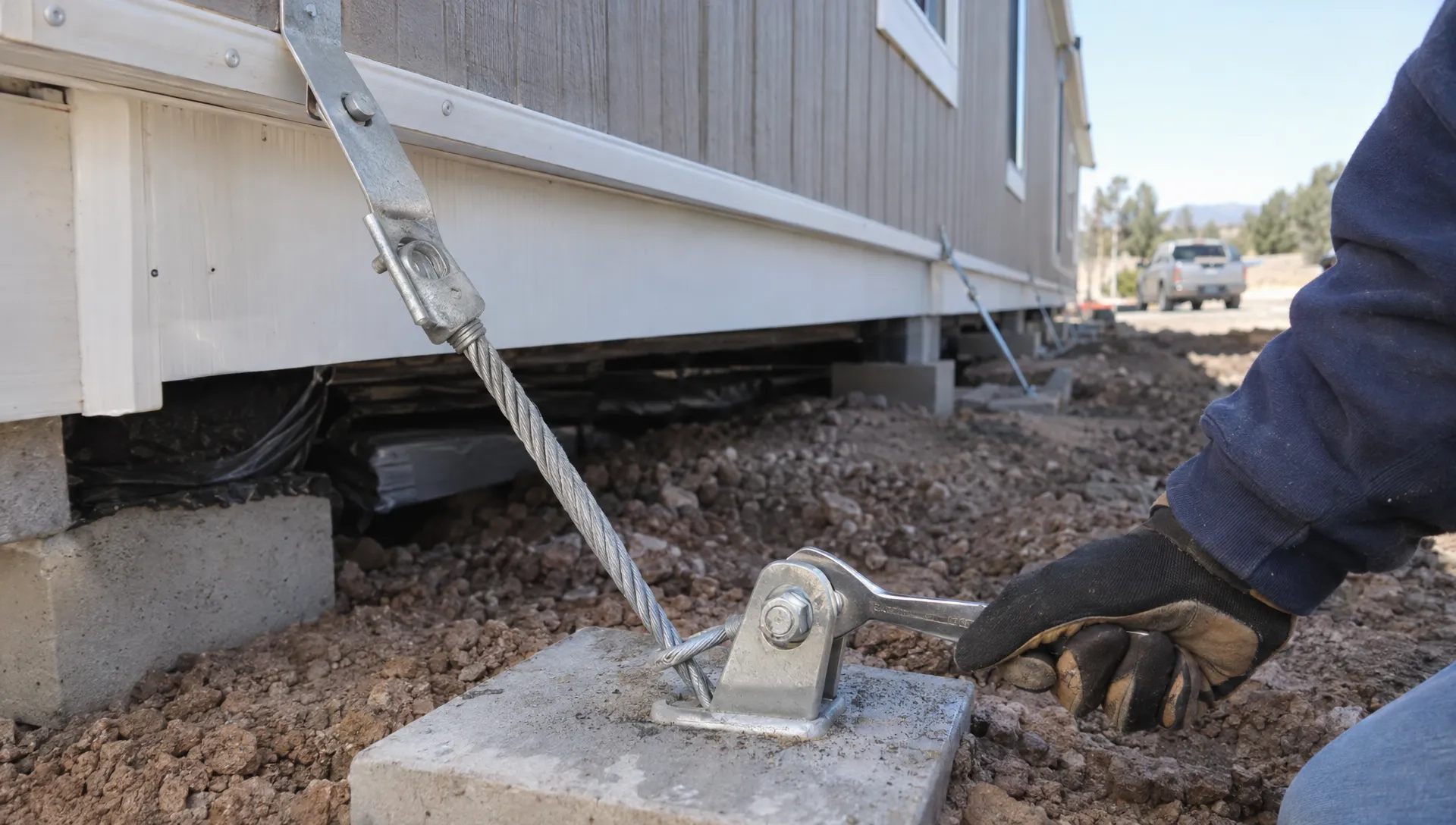
- Anchoring and tie-downs matter in Texas weather, and also for certain loan and insurance requirements.
- Underfloor systems (ducting, plumbing, insulation, belly wrap) are critical, but easy to overlook.
- Paperwork and identification (HUD labels, data plate, title/ownership) can be deal-breakers if missing.
If you’re looking at a pre-1976 mobile home, treat it as a special case. Many lenders and insurers have stricter rules, and components may not align with modern safety expectations.
Who usually performs the inspection
In Texas, a real estate transaction often involves a licensed home inspector (Texas Real Estate Commission, TREC). For manufactured homes, it’s common to add one or more specialists depending on the property:
- Manufactured-home experienced inspector: familiar with undercarriage, tie-downs, belly systems, and transport-related issues.
- Structural engineer (as needed): especially if there are concerns about foundation/piers, settlement, or major modifications.
- Pest/WDI inspector (common in many Texas areas): termites and wood-destroying insects can affect skirting, additions, and subflooring.
- HVAC, plumbing, electrical specialists (as needed): for deeper diagnostics beyond a general inspection.
If you’re relocating for a new job and coordinating a purchase remotely, inspection scheduling becomes a project of its own. Some buyers line up their move with a job start date and closing timelines, sometimes with help from an international recruiter such as Optima Search Europe to keep relocation plans realistic while inspections and repairs are underway.
What inspectors check in a trailer home inspection (Texas focus)
Inspection scope varies by inspector, by access, and by whether utilities are on. Still, most thorough manufactured home inspections cover the same core areas.
1) Identification and documentation (often overlooked, but crucial)
Before anyone crawls under the home, a smart inspection starts by confirming what the home actually is.
Inspectors (and buyers) commonly look for:
- HUD certification labels (tags): typically metal plates on the exterior of each section (for multi-section homes). Missing labels can complicate verification.
- HUD data plate: usually inside the home (often in a kitchen cabinet, bedroom closet, or near the electrical panel). It contains key info like manufacturer, date, and design zones.
- Serial/VIN consistency: labels/data plate should match other records.
- Evidence of major alterations: additions, removed walls, roof-overs, conversions, or moved utility points.
In Texas, manufactured home ownership and title status can affect financing and closing logistics. If something does not match, you want to know early, not after negotiating repairs.
2) Roof, exterior, and water management
Water is the enemy of any home, and manufactured homes can hide water damage inside wall cavities, around windows, and in the ceiling assembly.
Inspectors typically check:
- Roof covering and penetrations: condition of shingles or metal, flashing at vents and stacks, sealant condition.
- Evidence of leaks: ceiling stains, soft spots, musty odor, patched decking.
- Gutters and downspouts (if present): whether water is directed away from the home.
- Siding and trim: gaps, rot, impact damage, loose panels.
- Windows and doors: seals, operation, broken panes, water intrusion points.
- Grading and drainage: whether the site slopes away, ponding near skirting, erosion under the home.
Texas downpours can expose weak drainage quickly. A home that looks fine on a sunny day can still have an under-home moisture problem if water collects after storms.
3) Foundation, piers, leveling, and anchoring
Manufactured homes depend on proper support and anchoring. Inspectors will look for visible signs of settlement and improper blocking.
Common checks include:
- Pier condition and spacing: stable piers, proper materials, no obvious shifting or crushing.
- Leveling indicators: doors rubbing, sloped floors, cracked interior finishes, separated trim.
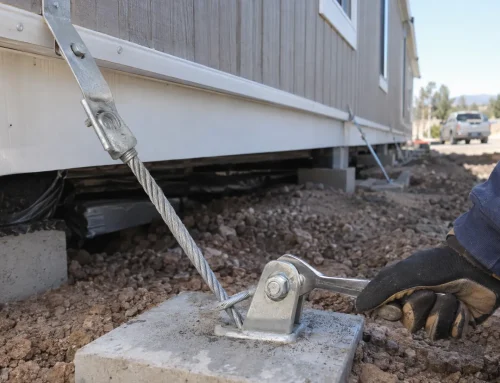
- Anchors and tie-downs: presence, obvious corrosion, slack straps, and signs of movement.
- Add-ons and load paths: porches, decks, and carports should be independently supported when required, not hanging off the home in a way that causes stress.
If there’s evidence of major movement, many buyers opt for a foundation evaluation by a qualified professional before they finalize terms.
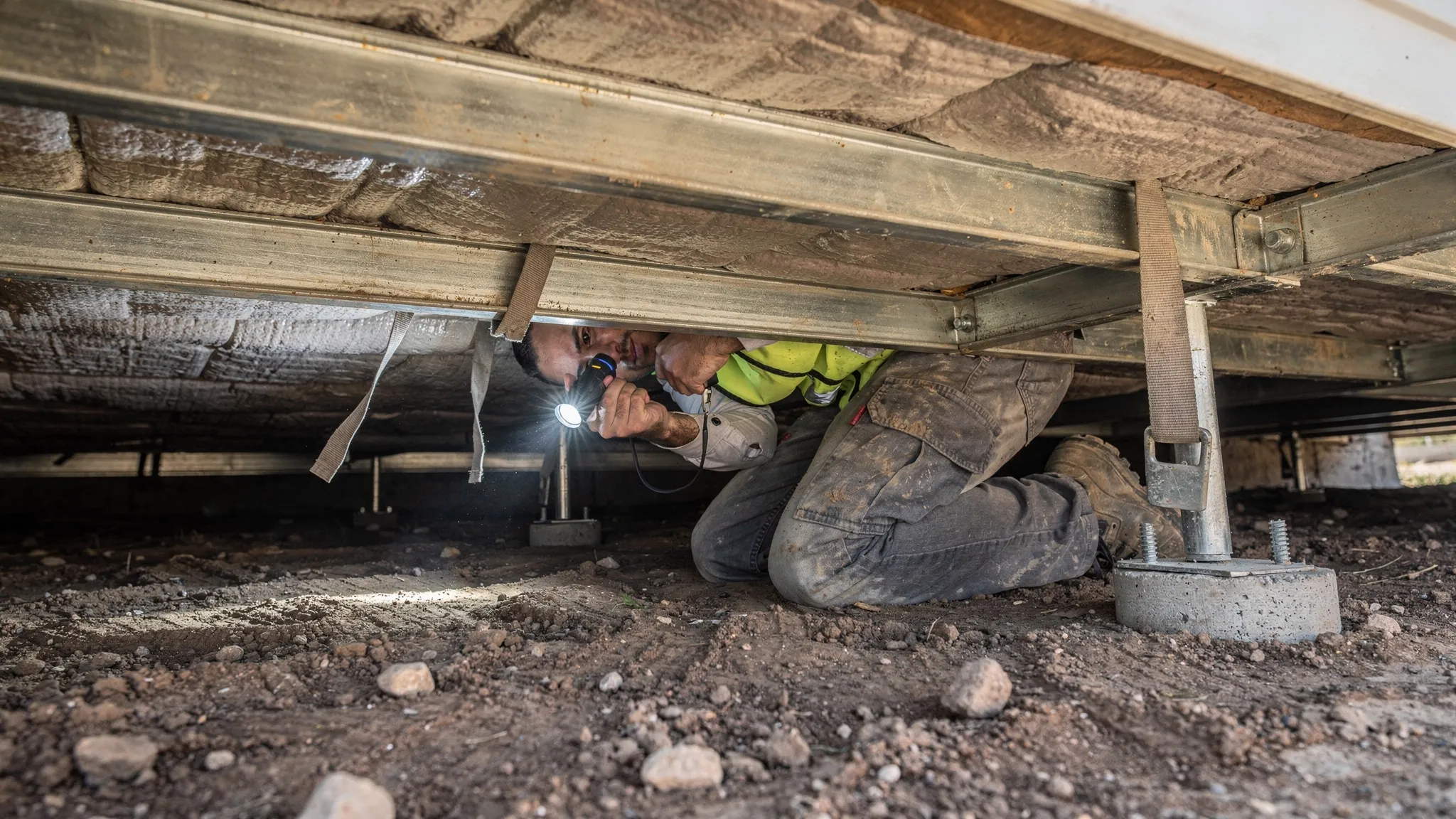
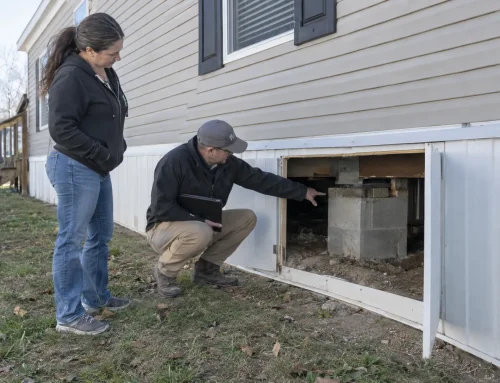
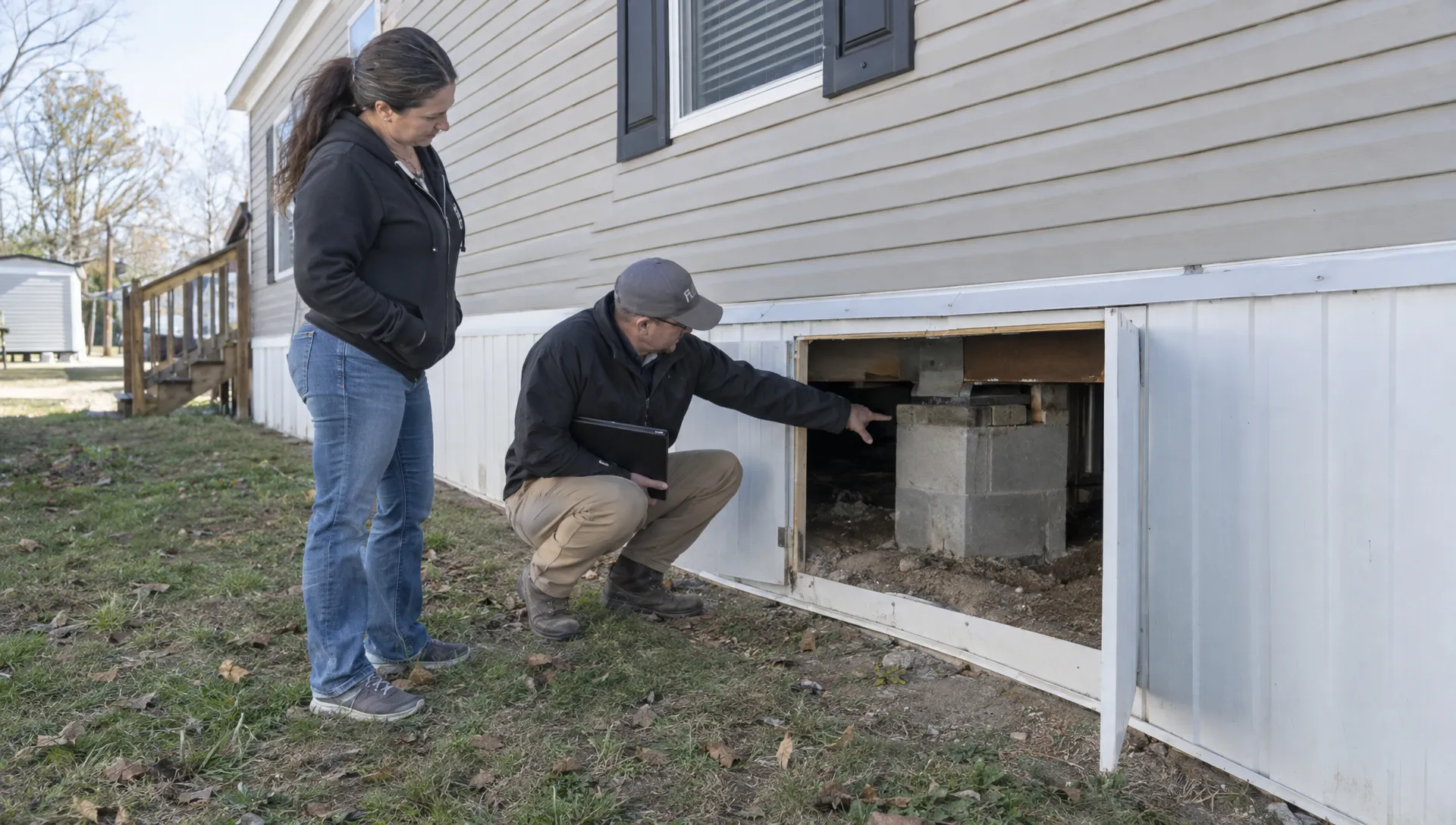
4) Underbelly and chassis (one of the highest-value parts of the inspection)
The “underbelly” is where manufactured homes differ most from site-built houses. It’s also where expensive problems hide.
Inspectors may check:
- Chassis frame and crossmembers: corrosion, damage, bent sections.
- Belly wrap condition: tears, sagging, repairs, missing sections.
- Insulation: wet or missing insulation, displaced batts.
- Rodent activity: nesting, droppings, chewed materials.
- Ductwork: disconnected or crushed flex duct, poor sealing, missing insulation.
- Plumbing runs: leaks at connections, improper supports, past repairs.
If the inspector cannot access the underbelly due to tight clearance, sealed skirting with no hatch, or debris, consider that a serious limitation. The under-home systems matter as much as what you can see inside.
5) Electrical system and safety
Electrical problems can be both dangerous and expensive, particularly when DIY work is involved.
Inspectors commonly evaluate:
- Service equipment: panel condition, labeling, clearances, signs of overheating.
- Branch circuits: proper operation of outlets and switches, visible defects.
- GFCI protection: kitchens, baths, exterior outlets, and other required locations.
- Exterior disconnect and feeder (where applicable): condition and safe access.
- Evidence of unpermitted modifications: added receptacles, splices, extension-cord “solutions,” overloaded circuits.
A key inspection outcome is not just “works or doesn’t work,” but whether the electrical system shows red flags that suggest deeper issues.
6) Plumbing, water heater, and leak indicators
In Texas, plumbing issues often show up as:
- Stains around tubs and toilets
- Soft flooring near bathrooms or laundry
- Underbelly moisture
- Past patchwork repairs
Inspectors usually check:
- Fixture operation: water pressure, drainage, leaks at supply stops.
- Water heater: age, relief valve discharge line, signs of corrosion or leaking.
- Under-sink conditions: active drips, mold-like growth, prior water damage.
- Main shutoff access: ability to shut water off quickly.
If the home has been vacant, a pressure test or longer water run-time can sometimes reveal slow leaks that a quick check might miss.
7) HVAC and comfort performance
Many manufactured homes in Texas rely on a central system with ducting in the belly. Efficiency and comfort depend on duct sealing and insulation, not just the equipment label.
Inspectors may evaluate:
- System operation: heating and cooling response (seasonal limitations may apply).
- Filter and return air: basic airflow, cleanliness.
- Duct condition: crushed sections, disconnections, missing insulation.
- Condensate management: proper drainage and no signs of overflow.
If you’re buying in the San Antonio area, energy performance is not a luxury. It affects monthly cost and livability. (Homes2Go has a helpful overview of what to look for in energy-efficient manufactured homes.)
8) Interior: floors, walls, ceilings, windows, and appliances
Interior checks help confirm whether issues are cosmetic or symptoms of bigger problems (movement, moisture, roof leaks).
Inspectors typically look for:
- Floor softness or bounce: especially near bathrooms, exterior doors, and around the kitchen.
- Wall and ceiling staining: signs of roof leaks or plumbing leaks.
- Window operation and fogging: failed seals and water intrusion.
- Cabinetry and counters: swelling, delamination from moisture.
- Appliance basic function (if included and powered): varies by inspector and agreement.
9) Skirting, ventilation, and moisture control
Skirting is not just cosmetic. It affects pests, plumbing freeze risk, and moisture conditions.
Inspectors often check:
- Skirting integrity: gaps, damage, missing panels.
- Access points: adequate access for maintenance and inspection.
- Ventilation: whether the under-home area can dry out.
- Vapor barrier (if present): condition and coverage.
Moisture trapped under a home can contribute to mold-like growth, wood rot in floor components, and persistent odors.
10) Add-ons and site features
Many issues in manufactured home transactions come from what was added later.
Inspectors may note:
- Porches/decks: proper support, attachment method, rot, unsafe steps/rails.
- Carports and patio covers: stability and safe attachment.
- Sheds and outbuildings: condition (often out of scope, but visible hazards may be noted).
- Driveway and drainage paths: erosion, pooling near the home.
Quick reference: what gets checked (and why it matters)
| Area inspectors check | Examples of what they look for | Why it matters in Texas purchases |
|---|---|---|
| Identification | HUD labels, data plate, serial consistency | Supports verification, resale, and smoother closing |
| Roof and exterior | Leaks, flashing, siding gaps, window seals | Water damage can be hidden and costly |
| Site drainage | Grading, downspouts, ponding near skirting | Reduces moisture, settling, and underbelly damage |
| Support and anchoring | Piers, leveling signs, tie-downs | Movement creates cracks, leaks, and structural stress |
| Underbelly/chassis | Belly wrap tears, wet insulation, duct damage | High repair impact, affects comfort and durability |
| Electrical | Panel condition, GFCI, overheating signs | Safety and insurability concerns |
| Plumbing | Active leaks, water heater issues, damage indicators | Prevents expensive subfloor and mold issues |
| HVAC | Operation, duct sealing, condensate drainage | Comfort and monthly cost, especially in heat |
| Interior | Soft floors, stains, window function | Confirms moisture and movement problems |
| Add-ons | Porches, carports, site-built modifications | Unstable add-ons create safety and structural issues |
Texas-specific red flags that should slow you down
Some findings are common anywhere. These are the ones that frequently matter in Texas manufactured home deals:
- Missing HUD labels or missing data plate: not always impossible to resolve, but it can complicate verification.
- Evidence the home was moved multiple times: transport increases risk of frame stress, leaks, and utility damage.
- Underbelly damage and wet insulation: often tied to plumbing leaks, animals, or poor drainage.
- Unpermitted or poorly built additions: especially when the addition loads are transferred onto the home.
- Drainage problems around the pad: leads to long-term moisture and settlement issues.
- DIY electrical or plumbing work: may not be up to code or safe.
Not every red flag means “walk away,” but each should trigger better documentation, specialist evaluation, or a repair budget that reflects real costs.
How to prepare for your inspection (so you get real answers)
Manufactured home inspections can be limited by access. A little prep improves the quality of the report.
- Confirm utilities will be on: electricity and water should be active if possible.
- Ensure under-home access: skirting hatch unlocked, debris cleared.
- Ask where the HUD data plate is located: so it can be verified quickly.
- Provide attic/roof access if applicable: especially for roof-over structures.
- Clear around water heater and HVAC closet: inspectors need safe access.
- Have a list of known issues: leaks after rain, tripping breakers, soft spots.
If you’re buying in a land-lease community, also clarify community rules about repairs, skirting, steps, and exterior modifications.
How to use the inspection report to negotiate smartly
The goal is not to create a “perfect house.” The goal is to understand risk and cost.
Focus on:
- Safety items first: electrical hazards, gas issues, unstable steps/rails.
- Active water problems: roof leaks, plumbing leaks, wet underbelly.
- Structural or support concerns: significant leveling, damaged supports, anchoring concerns.
- Systems near end-of-life: roof, HVAC, water heater, major appliances.
Ask for repair documentation when possible, and get quotes for items that can swing the budget. In many negotiations, credits or targeted repairs make more sense than a long punch-list.
Where Homes2Go San Antonio fits in your buying process
Homes2Go San Antonio focuses on helping buyers find affordable manufactured homes, understand options, and navigate financing with trusted local lenders. If you’re earlier in the process, their broader buyer guidance can help you choose the right path before you spend money on inspections, including their overview on mobile homes in San Antonio and financing basics on their financing page.
When you’re ready to make an offer, a solid inspection plan is one of the best ways to protect your budget and your timeline.
Bottom line
A trailer home inspection in Texas should cover more than the interior cosmetics. The highest-value insights usually come from the roof and water management, the underbelly, the support and anchoring, and the home’s identification details.
If you treat the inspection as a systems-and-installation audit, not just a quick walkthrough, you’ll be in a much stronger position to negotiate, plan repairs, and buy a manufactured home with confidence.
 Energy Star Certified Homes: What the Label Really Means
 Mobile Homes Community Near Me: How to Vet Management