
Energy bills in South Texas can be unforgiving, so it’s no surprise that “ENERGY STAR” gets a lot of attention when you’re shopping for a home. The challenge is that the label is often used as shorthand for “efficient,” even though it has a specific, verified meaning.
This guide breaks down what Energy Star certified homes really are, what the certification does (and does not) guarantee, and how to confirm you’re getting the efficiency features you’re paying for, especially when comparing manufactured homes in the San Antonio area.
What ENERGY STAR is (and who runs it)
ENERGY STAR is a voluntary certification program backed by the U.S. government and jointly managed by the U.S. Environmental Protection Agency (EPA) and the U.S. Department of Energy (DOE). For homes, the label is intended to identify new construction that meets specific energy efficiency requirements and is verified through a defined process.
In other words, ENERGY STAR is not just a manufacturer’s claim. It is designed to be a measurable standard with documentation and quality checks.
If you want the source definition, start with the program overview at the ENERGY STAR website.
What “certified” actually means for a home
A home can be advertised as “energy efficient” in a lot of ways, but an ENERGY STAR certified home is meant to clear three important bars:
1) The home is built to a program requirement, not a marketing slogan
ENERGY STAR for homes is based on a set of construction and equipment requirements that vary by home type and climate region. San Antonio’s climate priorities (long cooling season, humidity control, solar heat gain) are not the same as a colder northern market, and the certification requirements are designed to account for those differences.
2) Key energy details are verified
While the exact verification steps differ across home programs and construction types, the certification is structured around verification and documentation, not “trust us.” That’s a big deal, because many energy problems happen in the gaps between good materials and good installation (duct leaks, air leaks, incorrect HVAC sizing, poor insulation alignment).
3) The label points to a package, not one feature
One high-efficiency appliance does not make the whole house efficient. ENERGY STAR certification is meant to reflect a whole-home approach, commonly including:
- A tighter building envelope (air sealing plus insulation installed correctly)
- Heating and cooling systems designed and installed to perform as intended
- Ductwork and ventilation details that support comfort and indoor air quality
- Windows and lighting choices appropriate for the region
ENERGY STAR vs “energy efficient”: the differences buyers should know
Many homes can be efficient without being ENERGY STAR certified, and some “efficient” claims are simply vague. Here’s a practical comparison to keep you from apples-to-oranges shopping.
| Term you’ll see | What it typically means | What to ask for | How reliable is it? |
|---|---|---|---|
| ENERGY STAR certified home | Built to ENERGY STAR program requirements and intended to be verified | Proof of certification, documentation, and what program it was certified under | High, when documentation is provided |
| “Energy-efficient home” | Could mean anything from good insulation to a single upgraded appliance | Specific specs (insulation levels, windows, HVAC ratings), plus what’s included as standard | Medium to low unless supported by documents |
| HERS score | A scoring system used to compare energy performance (lower is better) | The HERS report, assumptions used, and whether it’s tied to actual testing | Useful, depends on quality of inputs and verification |
| Built to code (IECC, local code) | Meets minimum legal requirements | Which code year and what upgrades exceed minimum | Baseline, not a premium label |
| DOE Zero Energy Ready Home | A higher bar than ENERGY STAR, aimed at ultra-efficient, low-energy homes | Program certification details and what additional requirements were met | Very high, but less common |
What ENERGY STAR means specifically for manufactured homes
Manufactured homes are built under the HUD Code, which sets national construction and safety standards. ENERGY STAR certification is an additional efficiency layer beyond baseline requirements.
For buyers, that matters because manufactured homes can vary significantly in energy performance depending on:
- How the home is insulated and air sealed at the factory
- How ductwork is designed, sealed, and protected
- The efficiency and setup of the HVAC system
- Window performance and solar heat gain control
- The quality of setup and final connections after delivery
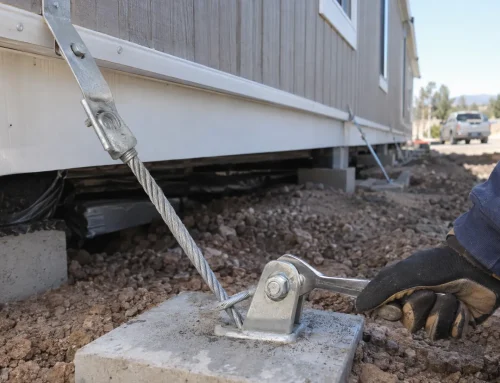
A key point: with manufactured housing, performance depends on both factory build quality and proper installation at the home site. A true certification framework is valuable because it encourages consistent standards and documentation across that whole process.
Why the label can be especially helpful in Texas
In the San Antonio region, energy costs are often driven by cooling demand and humidity management. ENERGY STAR-aligned construction generally emphasizes reducing unwanted heat gain and air leakage, which can help your HVAC system run more steadily and keep indoor comfort more consistent.
This tends to show up for homeowners as:
- Fewer hot spots and cold spots
- Better temperature hold between HVAC cycles
- Reduced drafts from unsealed gaps
- Improved comfort during extreme summer heat
(Exact savings vary widely based on thermostat settings, utility rates, shading, occupancy, and maintenance.)
How to verify an ENERGY STAR certified home before you buy
If a home is presented as ENERGY STAR certified, verification should be straightforward. Use this checklist to avoid confusion.
Ask for documentation, not just a verbal claim
Request:
- The ENERGY STAR certification information for the specific home (not “our models can be ordered ENERGY STAR”)
- A copy of the home’s specifications showing the efficiency package included
- Any testing or verification documents provided with the certification process (what’s available depends on the program and builder workflow)
Look for clarity on what is included as standard
Two homes can be the same floor plan and differ greatly based on what’s “standard” versus “optional.” Confirm items like:
- Window package (especially performance suited for hot climates)
- Insulation and air sealing details
- HVAC equipment efficiency level and installation scope
- Duct sealing approach and protections
Confirm installation responsibilities
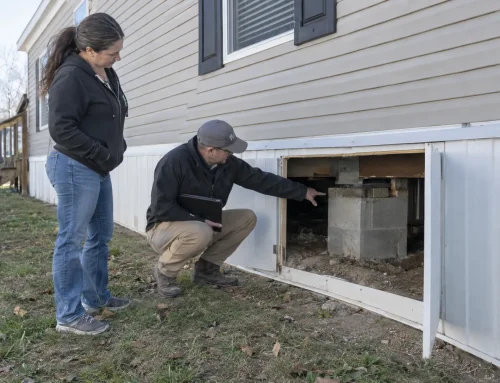
With manufactured homes, parts of the final performance depend on delivery and setup. Ask who is responsible for key steps like:
- Utility hookups and sealing penetrations
- Duct connections (and whether sealing is included)
- Thermostat setup and HVAC commissioning or startup
This is also where logistics and scheduling can matter. If a home must be transported from a factory or distribution point, delivery coordination may involve specialized partners (freight, warehousing, and trucking). For readers curious about what those supply-chain services look like in general, see this overview of freight forwarding and 3PL logistics services.
Common misconceptions about ENERGY STAR certified homes
“ENERGY STAR means my bills will be low no matter what”
The label signals an efficiency-focused build and verification, but your bills still depend on behavior and conditions, including:
- Thermostat set points and schedules
- Duct and filter maintenance
- Appliance usage
- Shade trees, orientation, and roofing exposure
- Local utility pricing and seasonal weather
“If the appliances are ENERGY STAR, the home is ENERGY STAR”
Appliance labels and home labels are separate. A home certification is about the whole building, not just a refrigerator or dishwasher.
“All ‘high-efficiency’ HVAC is the same”
Equipment ratings matter, but installation quality matters too. Poor airflow, leaky ducts, and incorrect sizing can erase a lot of the benefit of a high-efficiency unit.
Buying tips: how to shop ENERGY STAR the smart way
If you’re comparing multiple homes (or comparing a manufactured home to a site-built option), focus on questions that reveal performance, not just buzzwords.
Here are practical questions to bring to a tour or call:
- Is this specific home certified, or is ENERGY STAR an available upgrade?
- What efficiency features are included in the base price vs options?
- What are the window specs for heat and sun control in a hot climate?
- How is ductwork sealed and protected, and what happens at setup?
- What ventilation approach is used to manage humidity and fresh air?
- Can I see the home’s spec sheet and certification documentation?
If you want additional context on what “good efficiency fundamentals” look like in Texas heat, Homes2Go also breaks down key features in this related guide on energy-efficient manufactured homes.
How Homes2Go San Antonio can help you choose the right efficiency package
ENERGY STAR is a strong signal, but the best outcome comes from matching the label to your real-life needs: your budget, whether the home will be placed in a community or on private land, and how you prioritize comfort, monthly payment, and long-term operating costs.
Homes2Go San Antonio can help you:
- Compare floor plans and available models with efficiency features in mind
- Review documentation and spec sheets so you know what’s included
- Discuss financing paths that fit your situation, especially if you are buying your first home (see manufactured home financing options)
- Coordinate the steps from selection to move-in so the home you choose performs as expected
When you’re ready, the simplest next step is to shortlist a few models you like, then ask for the exact efficiency package details for each, including whether the specific build is ENERGY STAR certified.
 Manufactured Homes Parks Near Me: Tour Checklist for Buyers
 Trailer Home Inspection: What Inspectors Check in Texas