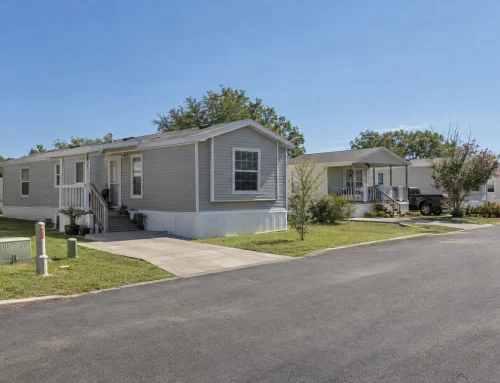

Searching “manufactured homes parks near me” is usually a sign you are close to making a decision. You have probably narrowed down home models and financing, and now the real question is: which community will actually be a good place to live, and a safe place to invest in a home?
A park tour is where hidden costs, rule conflicts, and maintenance issues show up. It is also where you can find a well-run community that feels stable, clean, and neighborly.
This guide gives you a practical, buyer-focused tour checklist you can use to compare parks side by side, ask better questions, and avoid surprises after you apply.
First, know what you are evaluating
A manufactured home community (often called a mobile home park) is typically a land-lease setup: you own the home, and you rent the lot. That means your total monthly cost is not just a loan payment, it can include:
- Lot rent
- Utility charges (sometimes billed through the park)
- Fees (pets, trash, parking, lawn, water, admin)
- Maintenance responsibilities (which vary by community)
If you are new to manufactured housing definitions, HUD explains the federal construction standard (the HUD Code) and what qualifies as a manufactured home. You can read an overview on HUD’s manufactured home topic page.
Quick pre-tour checklist (do this before you drive over)
A tour goes better when you treat it like a mini inspection, not a casual visit. Before you schedule, call or email the manager and confirm a few basics so you do not waste a trip.
Ask these questions in advance:
- Do you have current openings, and what lot sizes are available? (single-wide, double-wide, corner lots)
- Are there home age or size restrictions? Some communities limit older homes or certain widths.
- What is the full monthly lot rent today, and what does it include? Ask specifically about water, sewer, trash, lawn, and any pass-through fees.
- What does the application and approval process require? (income verification, credit checks, background checks, references)
- Do you require park approval before a home can be delivered and installed? Many communities do.
Bring a few basic tools:
- A notes app or printed scorecard
- Tape measure (helpful for driveways, sheds, lot width)
- Phone camera (photograph signs, fee sheets, street conditions)
- A list of your non-negotiables (pets, parking, commute time, school zone)
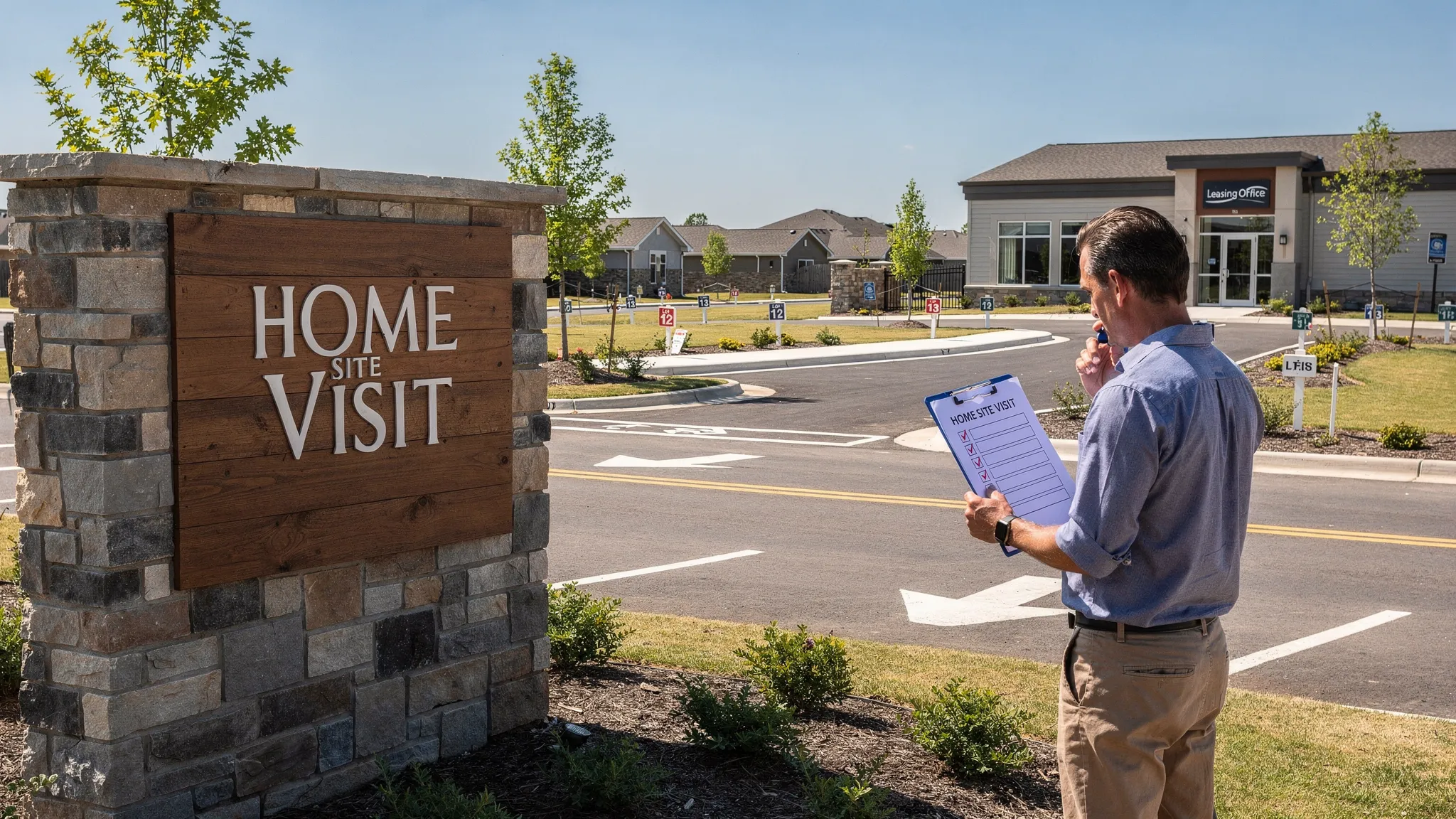
The “arrival test”: what you learn in the first 5 minutes
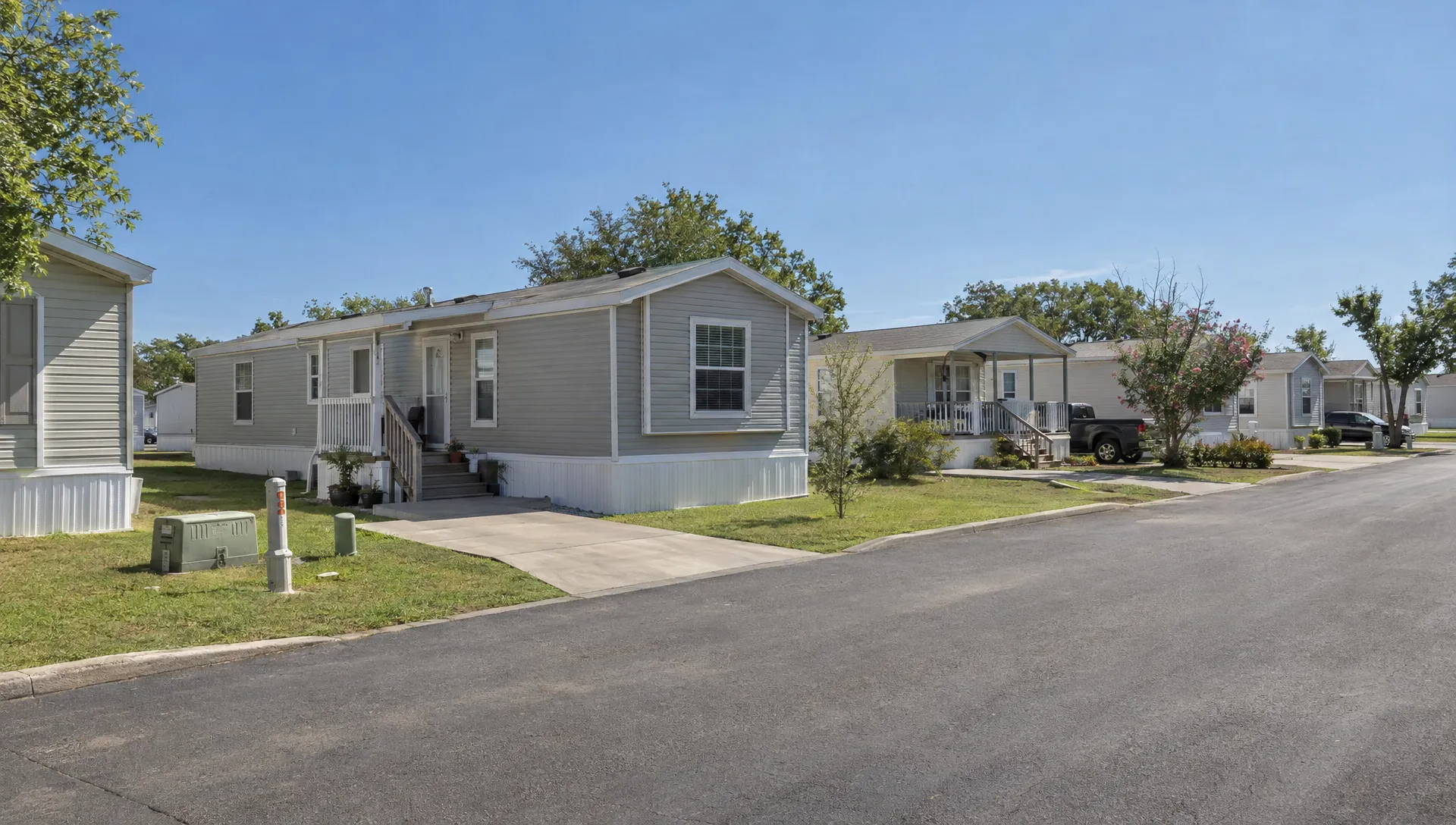
Your first impression is data. When you drive in, slow down and look at the infrastructure, because parks with deferred maintenance often show it at the edges first.
Pay attention to:
- Entrance and signage: Is it easy to find? Is the community name posted and maintained?
- Road condition: Potholes, sinking pavement, standing water after rain, speed bumps that look damaged.
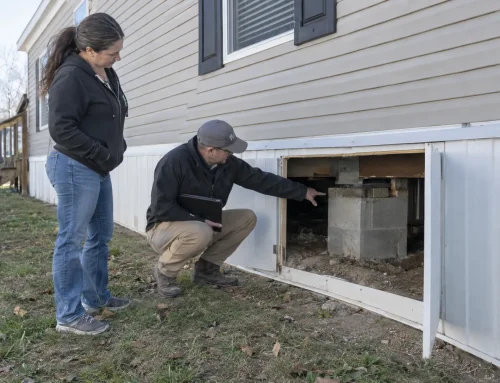
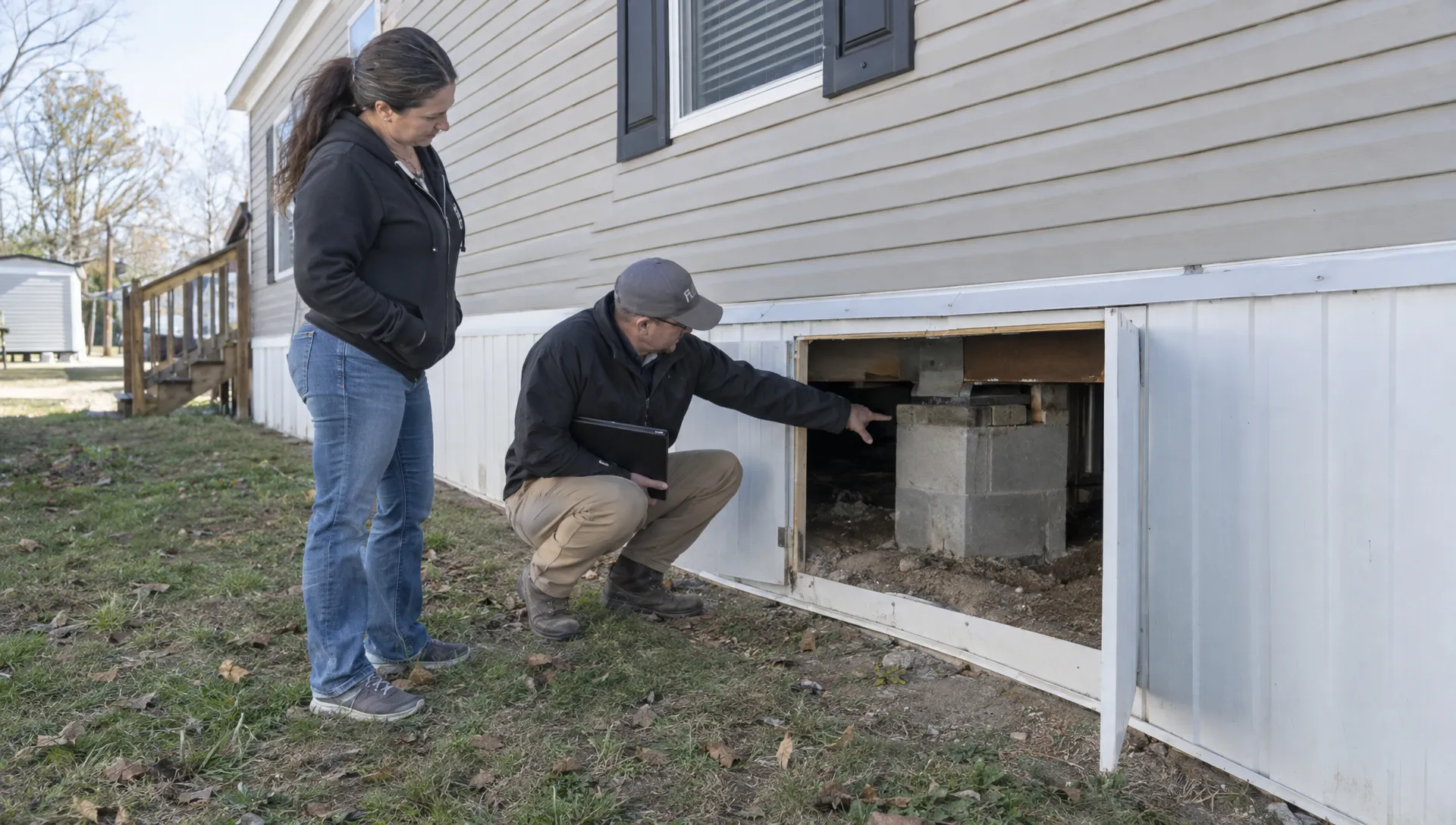
- Drainage: Ditches, culverts, low spots, and any signs of erosion. Drainage problems can become foundation and skirting problems later.
- Lighting: Street lights, dark corners, and whether common areas feel safe at dusk.
- Noise and traffic: Highway noise, industrial neighbors, or cut-through traffic.
If you are touring in the San Antonio area, try to visit once during weekday business hours (to assess management access) and once in the early evening (to assess noise, parking, and lighting).
Lot-by-lot checklist: inspect where your home would sit
Even a well-run community can have a few “tough lots.” Ask to see the exact available lots (not just a model home) and walk the perimeter.
The lot surface, pad, and slope
Look for clues that the home may be harder to set or keep level:
- Slope or uneven grade: Leveling and long-term re-leveling needs can increase.
- Soil and standing water: Muddy areas, moss, or water marks on nearby skirting.
- Base condition: Ask what type of base is typical (packed caliche, concrete runners, etc.).
If you are buying a home to be installed in Texas, installation must follow state and manufacturer requirements. For Texas-specific installation and manufactured housing oversight, the Texas Department of Housing and Community Affairs (TDHCA) is a key reference point. Start at the TDHCA Manufactured Housing Division.
Utilities at the lot (do not assume anything)
Stand where the home connections would be and identify:
- Water connection location and whether the meter is individual or shared
- Sewer connection type (municipal sewer vs septic system for the community)
- Electrical pedestal condition (look for corrosion, open panels, older equipment)
- Gas availability (natural gas vs propane rules)
- Internet options (ask which providers actually service the park)
If the manager cannot clearly explain utilities, request the utility addendum and fee schedule before applying.
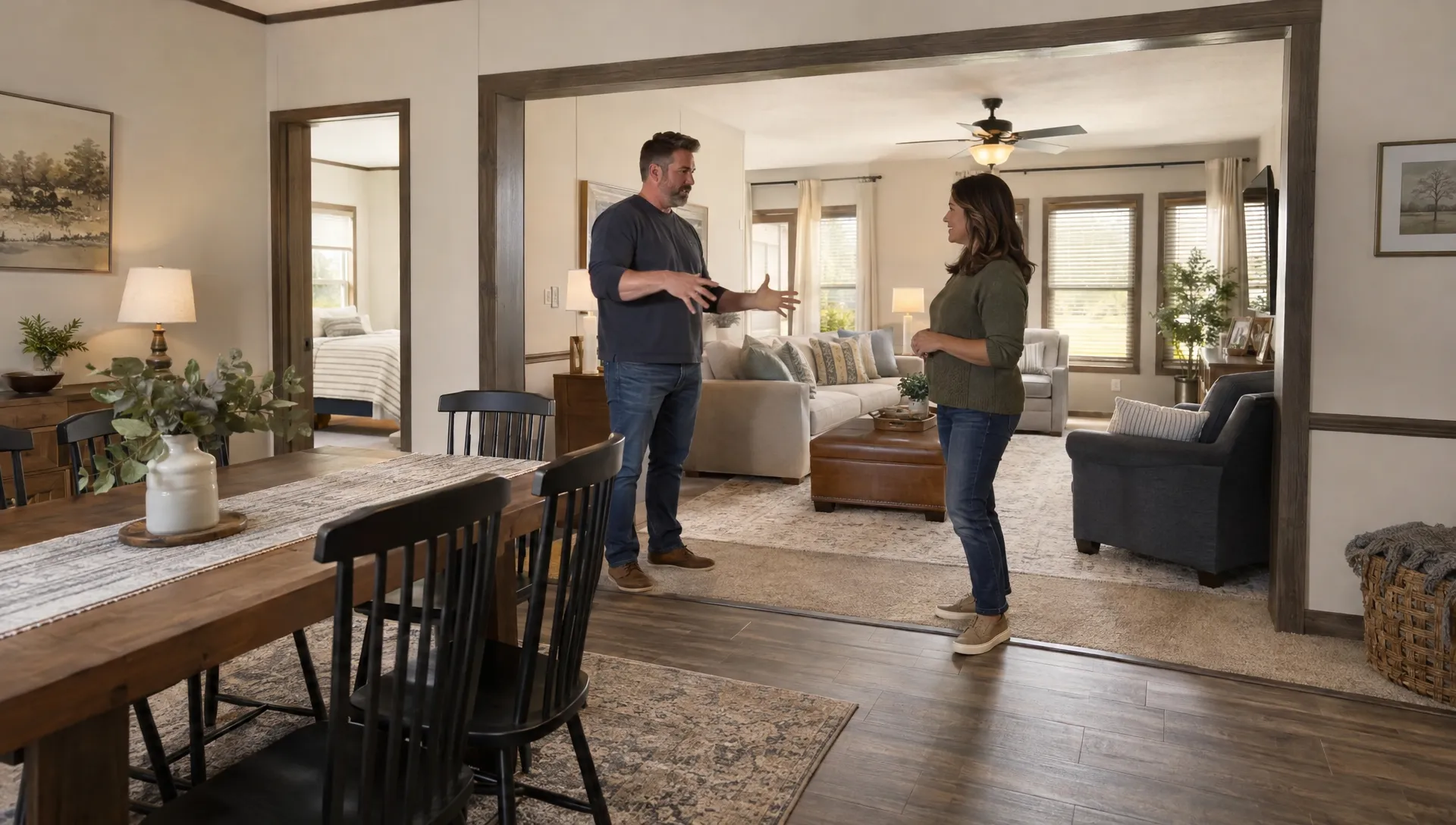
Space and livability details
These small things matter daily:
- Driveway length and guest parking availability
- Tree cover and shade (great for comfort, but consider root risk and storm debris)
- Storage rules (sheds allowed, size limits, anchoring requirements)
- Fencing rules and pet areas
- Mailbox location and package delivery setup
Costs and rules: get the “all-in” monthly picture
Many buyers compare parks by lot rent alone, then get surprised by add-ons. During the tour, ask for a printed fee sheet (or email copy) and confirm which items can change.
Here is a practical way to organize what you learn.
| Cost item to verify | Questions to ask on tour | Why it matters |
|---|---|---|
| Lot rent | What is it today, and how often can it increase? | Drives long-term affordability |
| Utilities | Are water/sewer/trash included, submetered, or billed by the park? | Changes your real monthly total |
| Fees | Pet fees, parking fees, admin fees, late fees, amenity fees | Small charges add up quickly |
| Maintenance | Who maintains lawns, trees, fences, and the roadway edge? | Avoid unexpected responsibility |
| Move-in costs | Deposits, application fees, setup fees | Impacts cash needed at closing |
| Insurance requirements | Do they require liability coverage amounts or named insureds? | You need to price this early |
Documents you should request (ideally before you apply)
You are not being difficult by asking for paperwork. You are being a careful buyer.
Request:
- Community rules and regulations (including pet rules)
- A sample lease or rental agreement, plus any addenda
- A complete fee schedule
- Utility billing explanation (submetering, RUBS, pass-through charges, billing cycle)
- Home standards (skirting, steps, exterior colors, parking limits, sheds)
- Any resale rules (whether you can sell the home in place later)
If something is “verbal only,” treat it as unknown until you see it written.
Management quality: how to evaluate it without guesswork
A community can look fine but be difficult to live in if management is unresponsive or inconsistent.
During your tour, notice:
- Responsiveness: Did they return calls? Do they answer directly or dodge questions?
- Office organization: Are documents ready? Do they explain the process clearly?
- Maintenance follow-through: Look at common areas, signage, and trash pickup consistency.
- Resident vibe: If you meet residents, ask simple questions like “How fast do repairs happen?” or “Is billing clear each month?”
You can also check whether a company has a complaint history or pattern of issues. For general consumer guidance on housing-related financial decisions, the Consumer Financial Protection Bureau (CFPB) is a reliable resource.
Safety and neighborhood context (what you can reasonably assess)
No checklist can guarantee safety, but a tour can reveal whether the community prioritizes it.
Look for:
- Functional street lighting
- Clear sightlines at intersections and speed control
- Maintained fences or perimeter boundaries (if used)
- Common areas that are clean and not vandalized
Also consider practical lifestyle safety: sidewalks (if any), bus stops, school bus pickup areas, and how children and pedestrians move through the park.
Installation and “park approval” questions that protect your timeline
Even when you find the right park, your move-in timeline depends on approvals and logistics. Parks often have requirements about installers, delivery routes, setup standards, and inspection steps.
Ask:
- Do you require pre-approval of the home model and exterior? (photos, specs, roof pitch, siding)
- Are there installer requirements? Some parks require licensed installers or approved contractors.
- What site work is included in the lot? (pad readiness, driveway, utility hookups)
- Are there delivery constraints? (gate width, turning radius, restricted delivery hours)
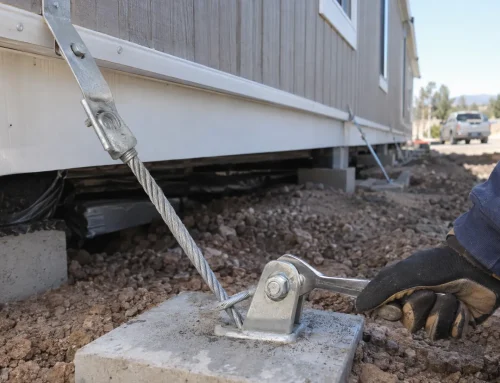
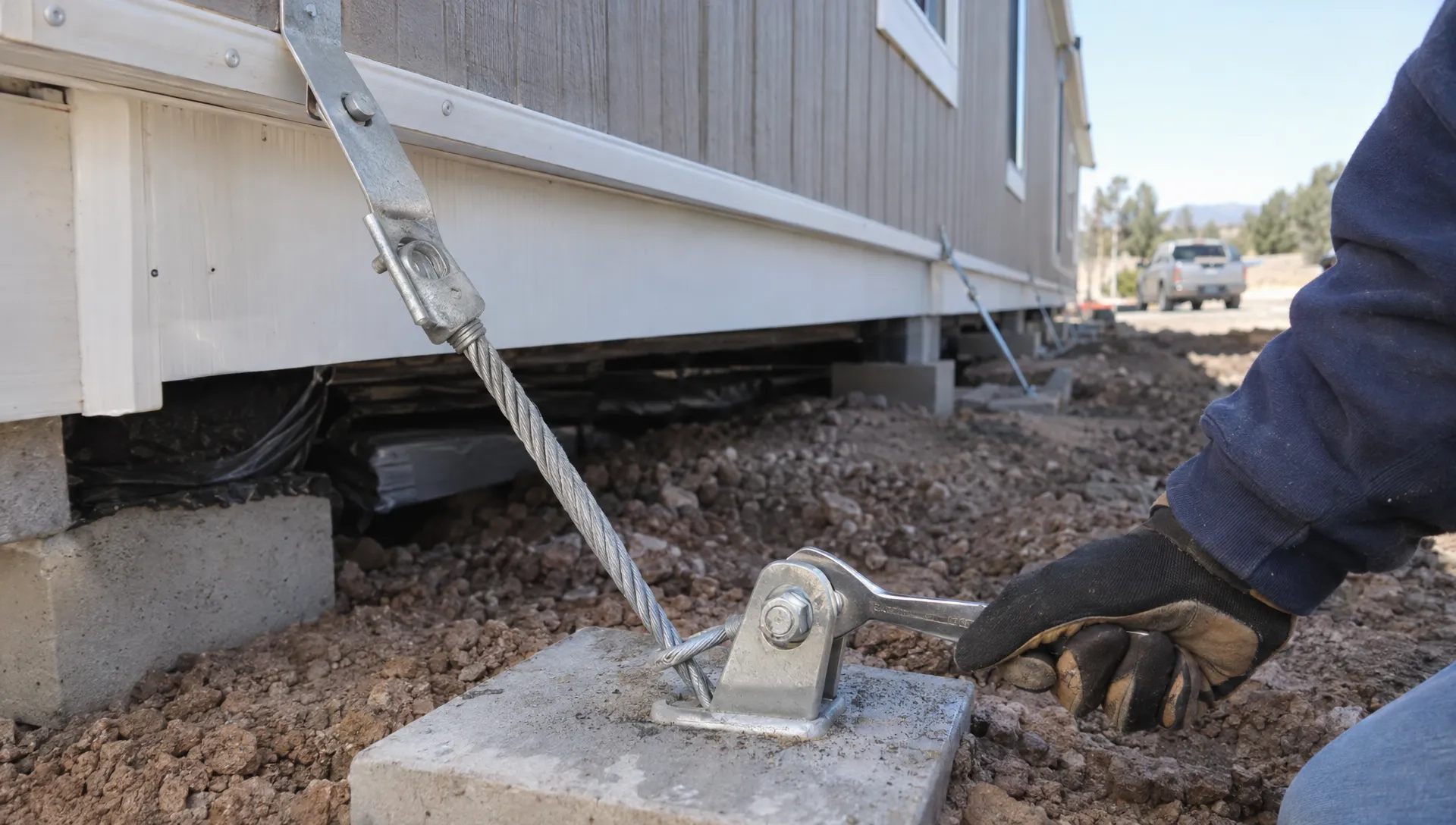
- What must be completed before move-in? (steps, skirting, tie-downs, inspections)
If you are buying a home and need financing, it also helps to match the park decision to the loan type and ownership structure (home-only vs land-home). Homes2Go San Antonio explains common options on their manufactured home financing page.
A simple scoring method to compare parks fairly
After touring two or three communities, details blur together. Use a consistent scoring approach so you can compare apples to apples.
Create 5 categories and rate each from 1 to 5:
- Total monthly cost clarity (how confident you are in the all-in number)
- Lot quality (drainage, space, utility access)
- Rules fit (pets, parking, appearance standards, guests)
- Maintenance and cleanliness (roads, common areas, trash)
- Management trust (responsiveness, transparency, professionalism)
A park with slightly higher lot rent can be the better value if fees are transparent, utilities are reliable, and management is strong.
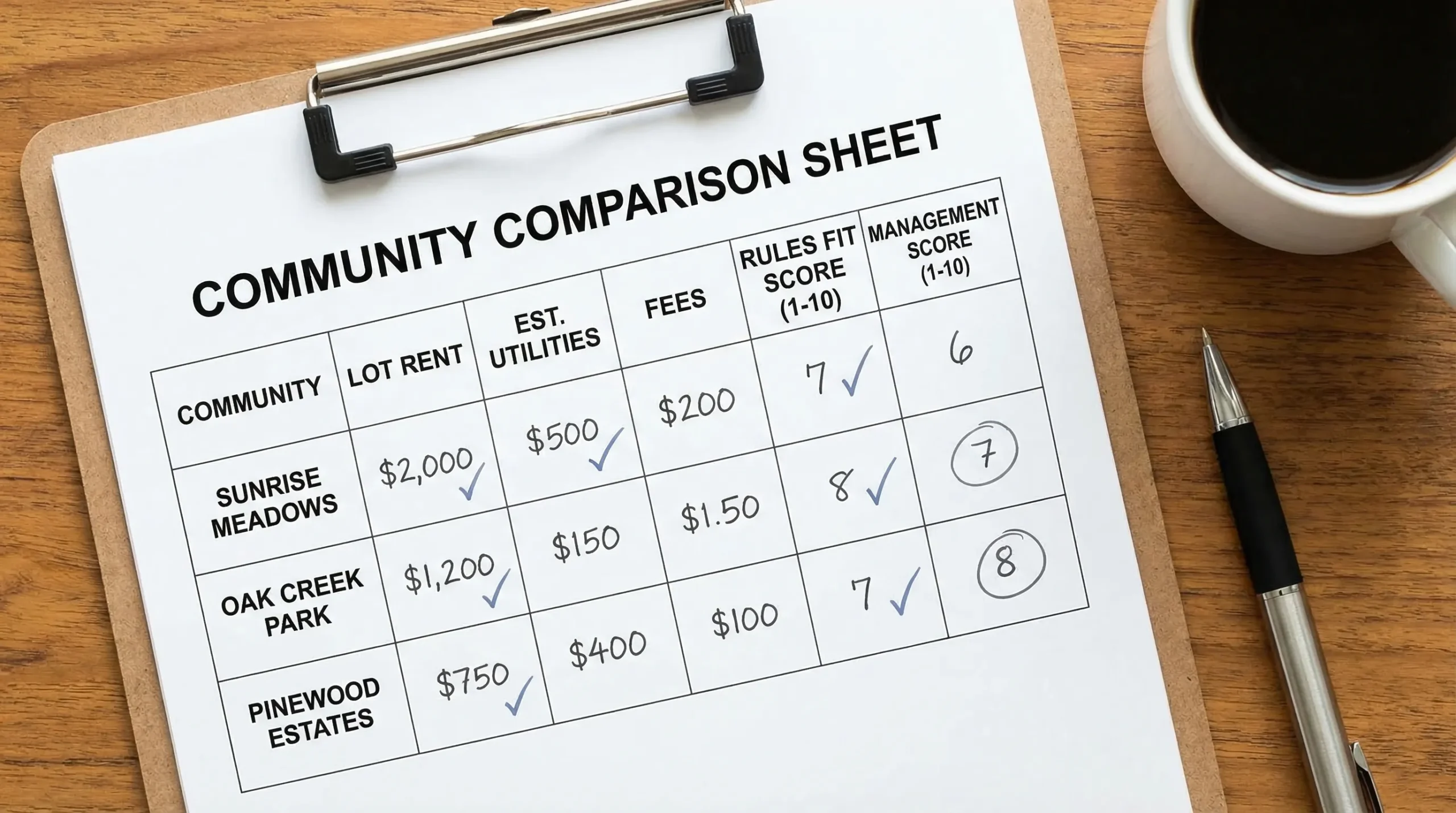
What to do next once you find a park you like
When a community passes your tour checklist, move quickly but still verify details in writing.
- Request the sample lease and fee schedule by email so you can review calmly.
- Confirm the exact lot number and whether it will be held during your application.
- Ask what documentation you need for approval (and how long approvals typically take).
- Coordinate the home model choice with the park’s size and exterior requirements.
If you are touring around San Antonio and want help matching a home to community requirements and budget, Homes2Go San Antonio can guide you through model selection and financing pathways, and help you plan next steps. You can also explore their local resources like the guide to manufactured homes in San Antonio or their San Antonio-focused roundup of communities if you want ideas on where to start: best mobile home parks in San Antonio.
The goal is not just finding “manufactured homes parks near me.” It is finding a community where the numbers make sense, the rules fit your life, and the lot supports a stable, comfortable home for years.
 Legacy Homes: Floor Plans and Build Quality Explained
 Energy Star Certified Homes: What the Label Really Means