
Typing “mobile homes parks near me” is a great starting point, but it can also be misleading. Two communities that look similar on a map can have very different monthly costs once you factor in utilities, pass-through fees, rules, and what amenities are actually included.
This guide gives you a practical way to compare lot rent and amenities so you can choose a community that fits your budget and your day-to-day life, especially if you’re shopping in the San Antonio area.
First, separate your home payment from your lot rent
In most manufactured home communities (also called land-lease communities), you typically:
- Own or finance the home (your loan payment, if you have one)
- Lease the homesite from the community (your monthly lot rent)
That split matters because a “low monthly payment” advertisement can refer to the home only, the lot only, or a bundled estimate that leaves out key costs.
A clean comparison always starts with this question:
What is the all-in monthly cost to live here, including the home, the lot, utilities, and recurring fees?
If you’re also considering private land, compare that option separately because your costs shift from lot rent to land payment, taxes, insurance, and maintenance. Homes2Go has a deeper explainer on this tradeoff in their land and home packages guide.
What “lot rent” can include (and what it often does not)
Lot rent is the fee to lease the homesite and access the community. It may include certain services, but you should never assume.
Use this as a quick “included or billed separately?” checklist when you call or tour.
| Cost item | Often included in lot rent? | What to ask the park manager | Why it matters |
|---|---|---|---|
| Water | Sometimes | Is water submetered per home or flat rate? | Submetering can change month to month |
| Sewer | Sometimes | Is sewer included, flat, or usage-based? | Can be bundled with water |
| Trash | Sometimes | Who is the trash provider and what’s the schedule? | Impacts convenience and recurring fees |
| Lawn/common area upkeep | Common for common areas | What is the resident responsible for vs the park? | Sets expectations and time/cost |
| Gate/security | Varies | Is there controlled access, patrols, cameras, lighting? | Safety and insurance considerations |
| Amenities (pool, gym, clubhouse) | Varies | Are amenities included or is there an extra fee? | “Nice-to-have” can become a monthly add-on |
| Home taxes | Usually not | Any pass-through charges billed with rent? | Surprise add-ons can affect budgeting |
| Internet/cable | Sometimes | Are there required providers or bulk internet packages? | Impacts work-from-home reliability and cost |
The hidden line items that change your monthly budget
When people get surprised by affordability, it is usually not because the base lot rent changed, it’s because the “extras” were not captured up front.
Here are the most common budget busters to ask about before you apply.
Utilities and billing method
Communities handle utilities in different ways:
- Resident pays providers directly (you open your own accounts)
- Submetered utilities (you pay the park based on usage)
- Flat monthly utility charges (predictable, but verify what’s included)
Ask for a sample utility breakdown from a comparable occupied homesite, if available, and confirm whether any administrative fees are added to submetered billing.
One-time move-in and setup costs
Even if the home is “move-in ready,” the community may require fees such as:
- Application/background checks
- Deposits (security, utility)
- Home inspection or “homesite approval” fees
- Pet deposits
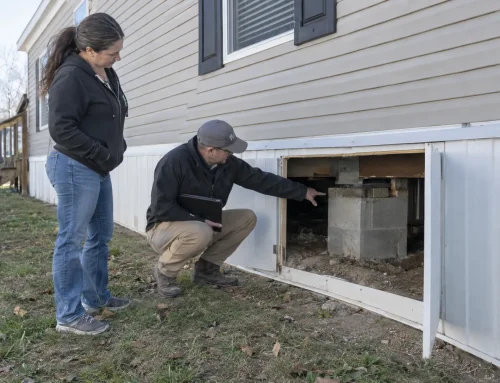
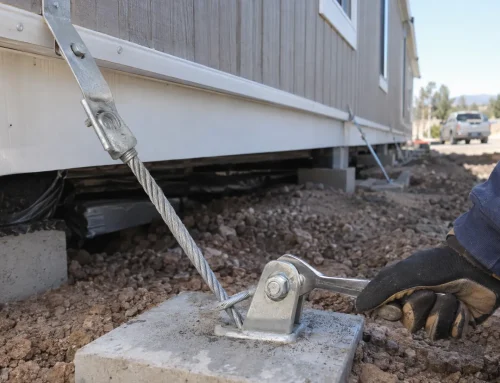
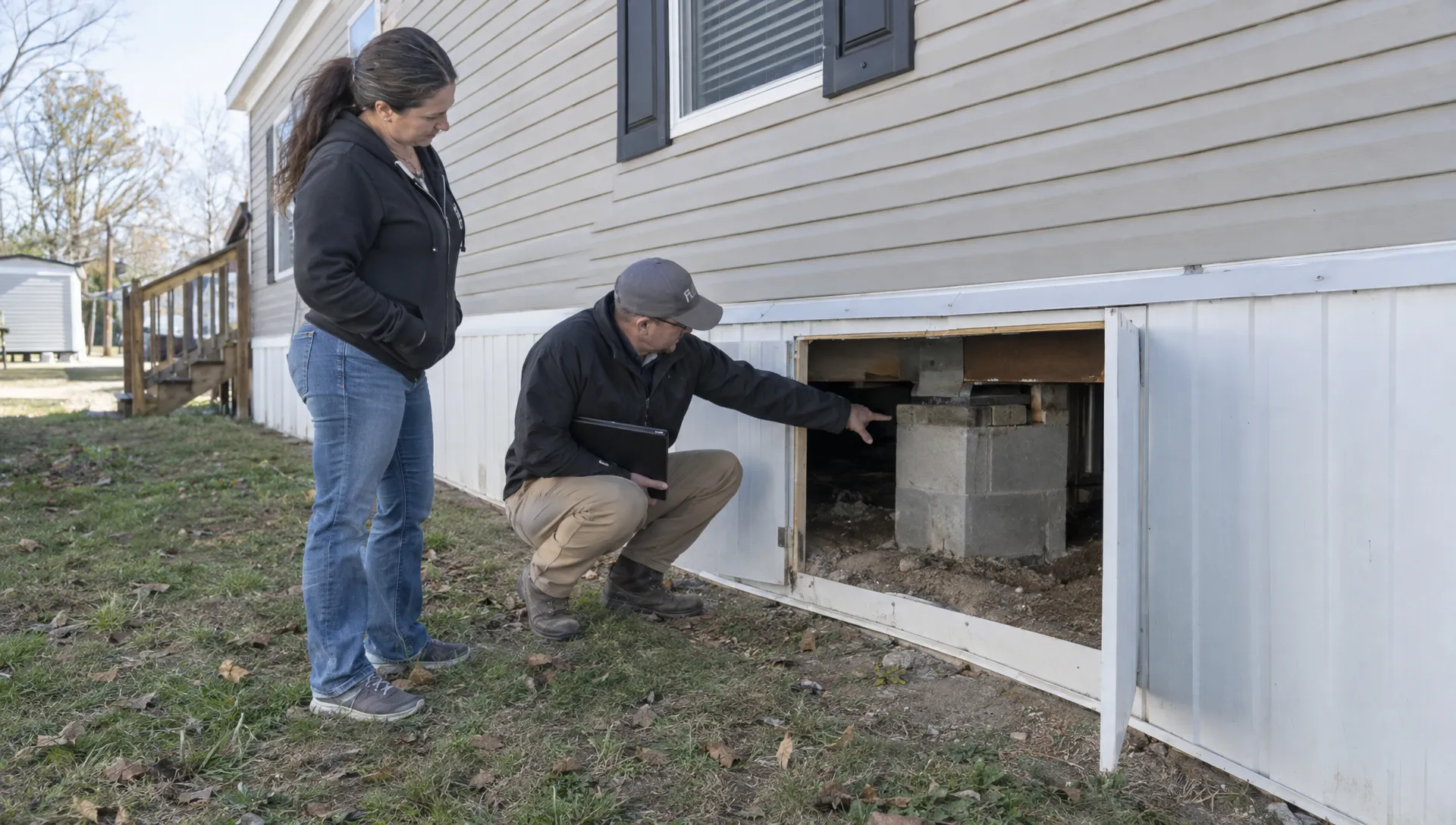
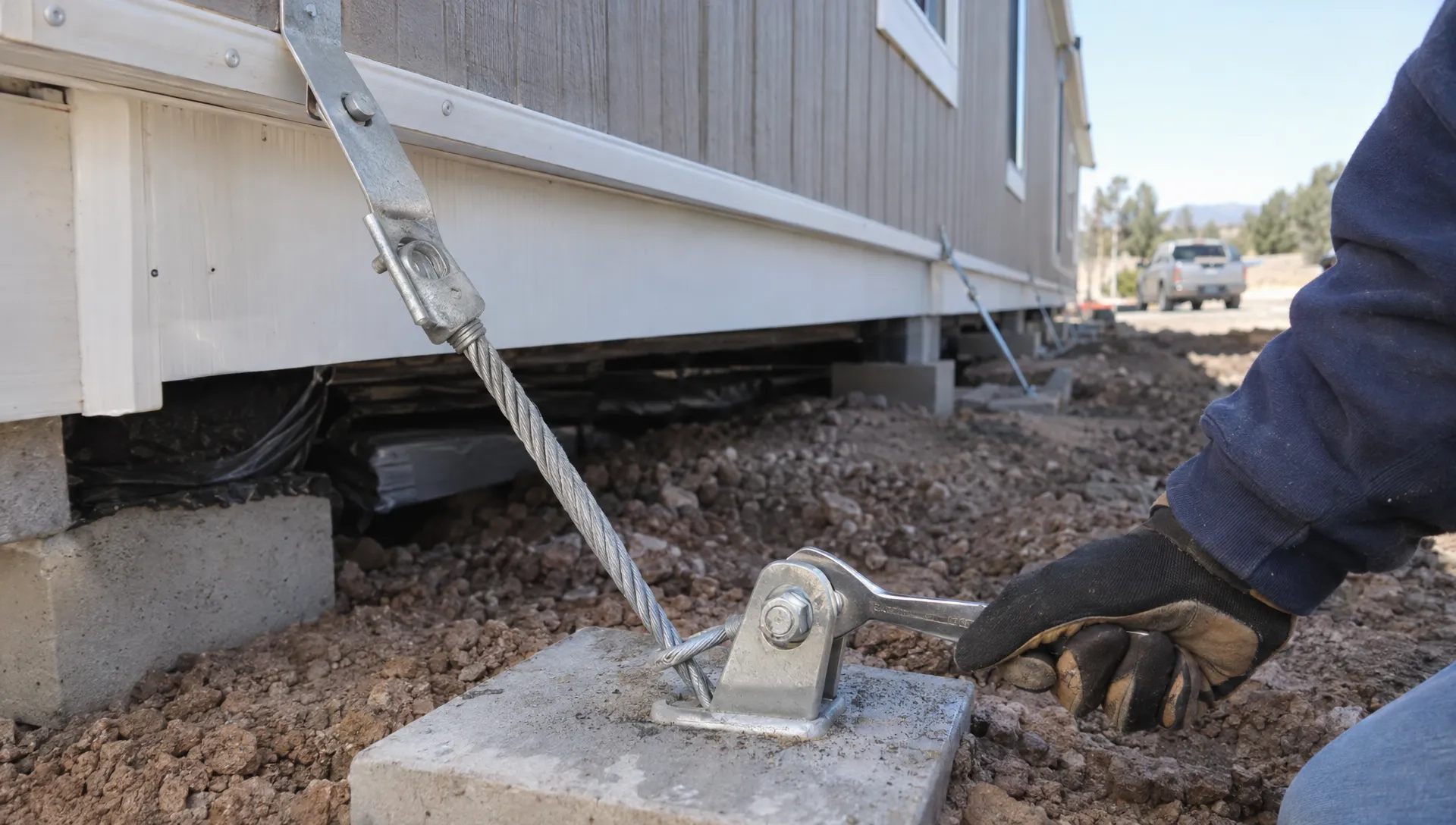
If you’re bringing in a new home, confirm what you must pay for transport, installation, skirting, steps, tie-downs, and utility connections. (Homes2Go can help you plan these line items when you’re choosing a home and a placement.)
Rules that create costs
Rules are not automatically bad, but they can affect your real expenses. Examples:
- Age limits on homes (some parks restrict older homes)
- Skirting/material requirements
- Parking limits (extra vehicle fees)
- Fence/shed rules
- Pet breed/size restrictions
If a rule forces an upgrade after move-in, it effectively becomes a cost.
Amenities: what’s worth paying for (and what to verify)
Amenities are part lifestyle, part value, and part maintenance. Two communities might both say “pool,” but one may have reliable upkeep and clear hours, and the other may have long closures.
Instead of asking “does it have amenities,” ask which amenities actually reduce your costs or improve your quality of life.
Amenities that often justify higher rent
These tend to be worth paying for because they replace costs you would otherwise have somewhere else:
- On-site laundry (if your home setup is limited)
- Included bulk internet (if it’s reliable and fast enough for your needs)
- Playgrounds or safe walking areas (families)
- Covered parking or RV storage (if you’d pay for storage off-site)
Amenities to inspect carefully
These can be great, but only if the community maintains them consistently:
- Pool and clubhouse
- Gym equipment
- Gated access systems
- Community events and shared spaces
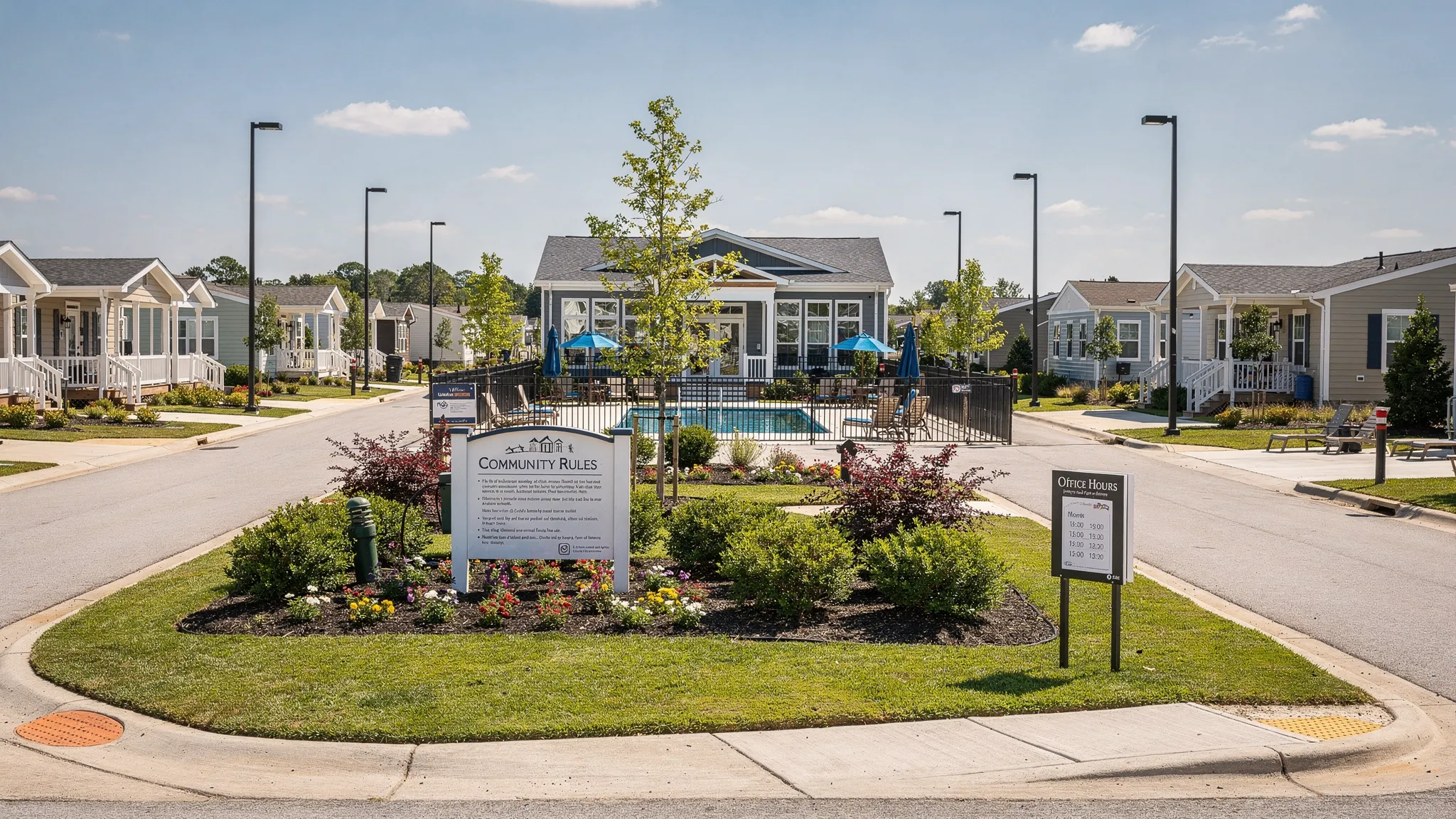
A simple way to validate: tour at a time you’d realistically use the amenity (after work, weekends) and check whether it appears actively maintained.
Build an apples-to-apples comparison in 10 minutes
To compare “mobile homes parks near me” results quickly, you need one worksheet that converts every community into the same monthly view.
Use these categories and fill them in for each park you’re considering.
| Category | Park A | Park B | Park C |
|---|---|---|---|
| Base lot rent | |||
| Water | Included / Est. $ | Included / Est. $ | Included / Est. $ |
| Sewer | Included / Est. $ | Included / Est. $ | Included / Est. $ |
| Trash | Included / Est. $ | Included / Est. $ | Included / Est. $ |
| Electricity (typical) | Est. $ | Est. $ | Est. $ |
| Internet/cable | Est. $ | Est. $ | Est. $ |
| Pet fees | $ | $ | $ |
| Parking/storage fees | $ | $ | $ |
| Other recurring fees | $ | $ | $ |
| Estimated all-in monthly lot cost |
This does two things:
- It prevents you from choosing a “cheap” lot rent that becomes expensive after fees.
- It makes amenities easier to judge, because you can see what you are truly paying.
Touring a community: what to look for beyond the brochure
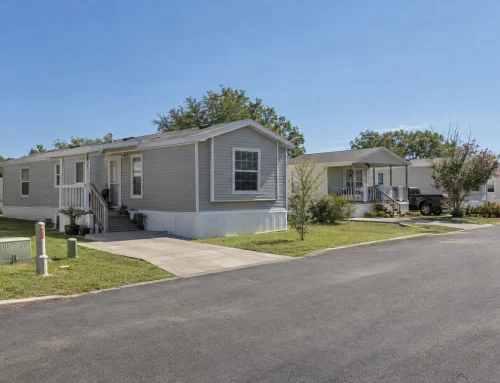
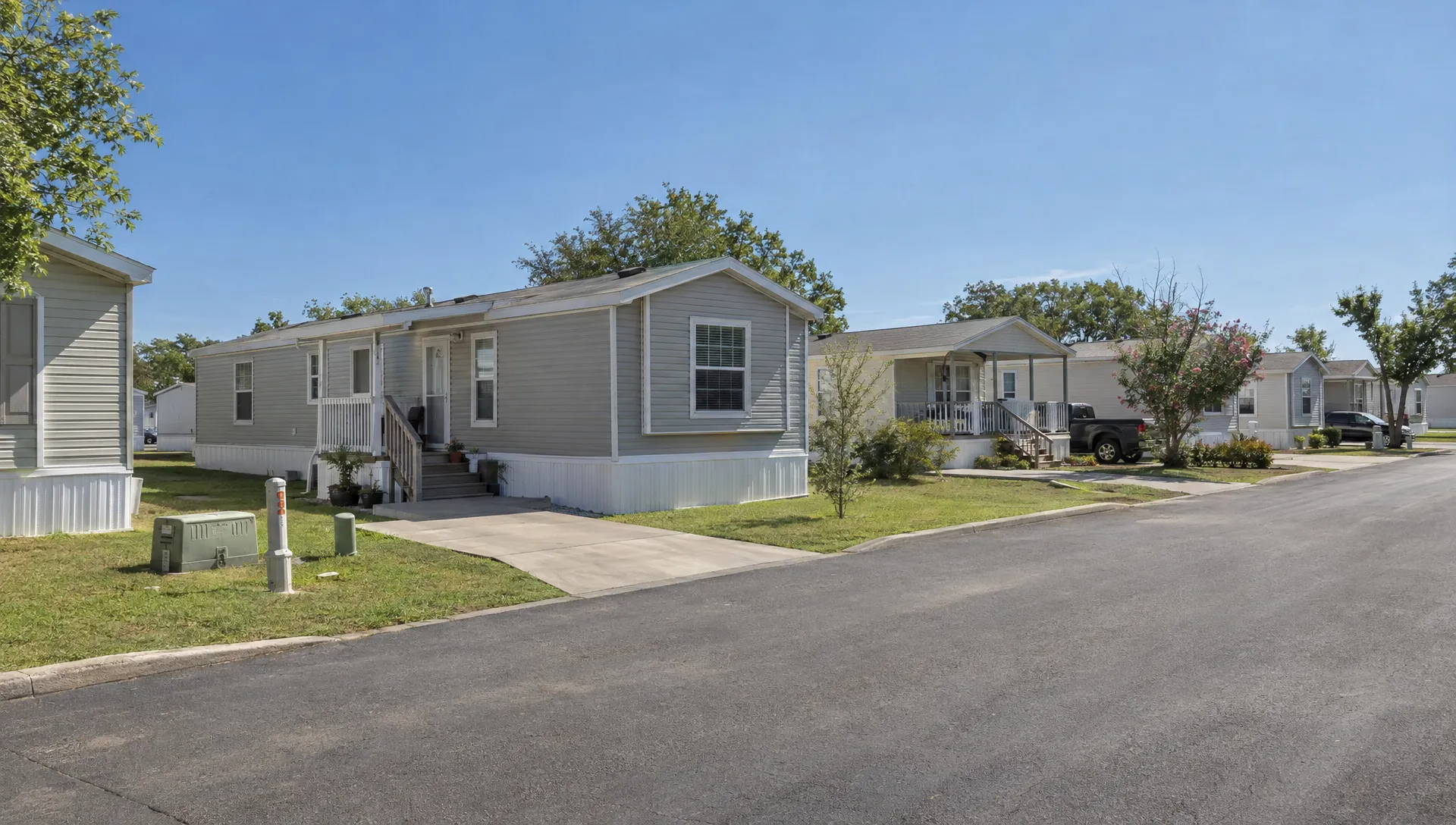
Online reviews and photos help, but a short tour reveals the real story. As you walk or drive through, focus on signals of day-to-day management.
A practical tour checklist:
- Road condition and drainage: standing water after rain can indicate ongoing issues.
- Lighting and visibility: look at entries, common paths, and mailbox areas.
- Trash areas and common spaces: consistent cleanliness often reflects consistent management.
- Home spacing and rules enforcement: not about perfection, but about predictability.
- Office communication: clear posted hours and easy-to-reach staff matters when you need help.
Bring a short list of questions and write the answers down. If answers are vague (for example, “it depends” with no details), ask for the policy in writing.

Lease terms: the questions that protect you later
Before you commit, read the lease and park rules with the same care you’d use for a home loan.
Key items to confirm:
- How and when can rent increase? Ask about renewal timing and notice practices.
- What fees can be added later? Look for language about pass-through charges.
- Who maintains what? Especially trees, shared fences, water lines, and common areas.
- Guest and parking rules: these affect real life, not just paperwork.
- Home sale rules: if you plan to sell later, ask about moving the home out, selling in place, and approval requirements.
For Texas shoppers, it’s also smart to familiarize yourself with the general legal framework for manufactured home communities. You can review the Texas Property Code, Chapter 94 (Manufactured Home Communities) and discuss any lease questions with a qualified professional if something is unclear.
San Antonio-specific considerations (what locals should ask)
San Antonio and surrounding areas can vary widely by commute pattern, school needs, and infrastructure.
A few local-angle questions that often change the decision:
- Commute reality: test the drive during your actual work hours, not mid-day.
- School zones: verify the district and bus availability if that matters for your household.
- Flood risk and drainage: ask how the community handles heavy rains, then look around for evidence.
- Wind and installation standards: confirm the park’s placement requirements align with your home and installer plan.
For broader “what to know before you buy” context, Homes2Go’s San Antonio buyer guide pairs well with this community comparison approach.
If you need a home plus a park, align the two early
One common mistake is shopping for the home first, then discovering the preferred parks have restrictions that make placement harder (home size, roof pitch, exterior materials, age, and so on).
A smoother path is:
- Shortlist communities that fit your budget and commute.
- Confirm each community’s written placement standards.
- Choose a home model that meets those standards.
Homes2Go San Antonio can help coordinate this match, especially if you’re comparing multiple floor plans and trying to keep both the home payment and the lot cost within a comfortable monthly target. If financing is part of your plan, start with the basics in their financing overview so you know what loan types may fit your situation.
When “near me” should mean “best fit,” not shortest drive
The best community is rarely the closest. It’s the one where the total monthly cost is clear, the rules are understandable, the amenities match your lifestyle, and the management feels consistent.
If you’re searching in or around San Antonio and want help comparing options, you can:
- Browse Homes2Go’s manufactured home options and pricing considerations to narrow your home choices.
- Review their local-oriented roundup for starting points on communities in the area, then apply the comparison framework from this article: best mobile home parks in San Antonio roundup.
- If you’re interested in available homesites and a semi-rural community setup, see the Sandy Oaks (Elmendorf) property listing.
When you’re ready, Homes2Go San Antonio can walk you through models, budgeting, and the practical steps to move in without unpleasant surprises.
 All Age Mobile Home Parks: Rules, Fees, and Best Fit
 Legacy Homes: Floor Plans and Build Quality Explained