
If you’re searching “trailer homes rent to own near me,” you’re usually looking for a path to homeownership with a smaller upfront cost than a traditional purchase. Rent-to-own can be a legitimate option for manufactured homes in and around San Antonio, but the details matter a lot because “rent-to-own” is not one standard program. It is a broad label for several different contract types, each with different risks, fees, and timelines.
Below is a clear, buyer-focused breakdown of how rent-to-own trailer home deals work, what to watch for in the paperwork, and when a more straightforward financing route may be safer.
First, a quick clarification: “trailer home” vs manufactured home
Many buyers still use “trailer home” as a catch-all phrase. In most modern transactions, the homes being sold are manufactured homes built to the federal HUD Code (generally, homes built after June 15, 1976). That matters because the home’s classification affects:
- How it can be financed (chattel loan vs mortgage)
- How title, taxes, and insurance work
- Where it can be placed (community rules, zoning, and installation requirements)
If you want a reliable baseline on what qualifies as a HUD Code manufactured home, HUD’s overview is a good starting point: Manufactured Homes (HUD).
The most common rent-to-own structures (and what they really mean)
When people advertise “rent to own,” they are usually offering one of the following.
Lease-option (rent now, option to buy later)
You sign a lease and pay an option fee (a one-time fee for the right, not the obligation, to buy later). Part of your monthly payment may be credited toward the purchase price.
Key point: You can usually walk away, but you typically lose the option fee and any nonrefundable credits if you do.
Lease-purchase (rent now, committed to buy later)
This looks similar to a lease-option, but the contract is often written so you’re obligated to purchase at the end of the term.
Key point: This can create pressure if financing is not guaranteed later. You do not want a contract that assumes you will qualify in 12 to 36 months without a realistic plan.
Seller financing (owner financing)
Instead of “rent,” you make payments directly to the seller under a promissory note, sometimes with the seller holding a lien. This can be structured like an installment sale.
Key point: Terms vary widely. You must verify how and when the title transfers, who pays taxes/insurance, and what happens if you miss a payment.
Contract for deed (installment contract)
In some states this is common. In Texas, these arrangements exist but can be complicated and risky if poorly drafted. Often, you do not receive the deed or title until you finish payments.
Key point: If the seller keeps legal ownership until the end, your protections depend heavily on the contract wording and applicable law. Consider getting legal advice before signing.
Quick comparison table
| Deal type | What you’re paying | When you become the owner | Main upside | Main risk to manage |
|---|---|---|---|---|
| Lease-option | Rent + option fee (sometimes rent credit) | Only when you close on purchase | Flexibility to walk away | Losing option fee/credits, unclear credit rules |
| Lease-purchase | Rent-like payments + purchase commitment | At closing (later) | “Forces” a timeline | Being locked in without guaranteed financing |
| Seller financing | Monthly loan payments to seller | Depends on structure (can be early) | More flexible underwriting | Title/lien confusion, balloon payments |
| Contract for deed | Installment payments with delayed ownership | Often at final payment | Low upfront in some cases | Limited rights until paid off, default consequences |
How the money works in a rent-to-own trailer home deal
Even when ads sound simple, rent-to-own deals usually stack multiple cost buckets. Ask for the full breakdown in writing.
Common cost components
Option fee or upfront consideration: Often labeled “option consideration,” “move-in fee,” or “deposit.” Confirm whether it is refundable and under what conditions.
Monthly payment: Sometimes higher than market rent because it may include a credit toward the purchase.
Rent credit (if any): Get clarity on:
- The exact amount credited per month (dollars, not vague percentages)
- Whether credits apply only if you pay on time
- Whether credits are forfeited if you renew, refinance late, or terminate
Purchase price: Make sure the agreement says whether the price is:
- Locked in today
- Set later by appraisal
- Increased by a schedule
Balloon payment: Some agreements are designed to end with a large lump-sum payoff. If you do not plan for it, you can lose the home or your accumulated credits.
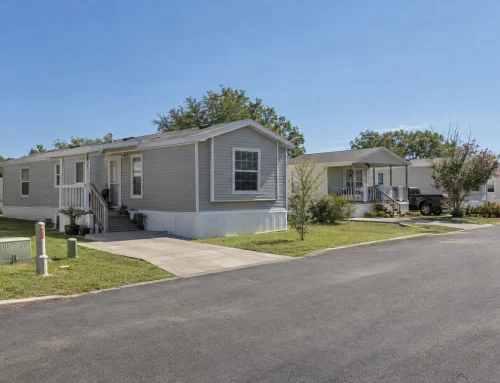
Lot rent (if in a community): Many “rent-to-own” offers cover only the home, not the land. Lot rent is usually separate, and communities may have their own rules, fees, and approval processes.
Taxes and insurance: Your contract should clearly state who pays what during the term.
A realistic “total monthly cost” lens
A rent-to-own ad might highlight a single monthly number, but your real monthly outlay may include:
- Payment to the seller (rent or installment)
- Lot rent (if land-lease)
- Utilities
- Insurance
- Maintenance and repairs (often shifted to the occupant in rent-to-own deals)
The right question is not “What’s the monthly payment?” It’s “What is my total monthly housing cost, and what increases can occur over the term?”
Rent-to-own in a community vs on private land
Where the home sits changes the deal.
If the home is in a land-lease community
Pros:
- You may be able to move in faster
- Utilities and infrastructure are typically already in place
Watch-outs:
- Community approval: Many communities require background checks, income verification, and lease compliance.
- Separate legal relationships: You can be buying the home from one party and leasing the lot from another.
- Rent increases and fees: Lot rent can change, and fees (pets, parking, trash, amenities) can add up.
- Restrictions on moving the home: Moving a manufactured home can be expensive and sometimes not practical.
If the home will be placed on private land
Pros:
- You control the land (or are working toward it)
- No lot rent if you own the land
Watch-outs:
- Site prep costs (driveway, pad/foundation, utilities, septic or sewer)
- Permits, setbacks, and installation requirements
For Texas buyers, the Texas Department of Housing and Community Affairs (TDHCA) is a key resource on manufactured housing requirements, titling, and installation: TDHCA Manufactured Housing.
The contract terms you should review before signing
Rent-to-own deals can be fair, but only when the paperwork matches the promises. Pay close attention to these areas.
- Who holds title today, and when does it transfer? Ask for proof of ownership and confirm whether there are liens.
- What happens if you are late once? Many agreements are strict and may cancel credits or trigger default.
- Maintenance and major repairs: Clarify who pays for HVAC, roof leaks, plumbing failures, and appliance replacement.
- Insurance responsibility: Confirm whether you need renters insurance, manufactured home insurance, or both.
- Default and cure period: The contract should spell out notice requirements and whether you can “cure” a default.
- Inspection rights: You want the right to inspect the home before you commit, even if it is “as-is.”
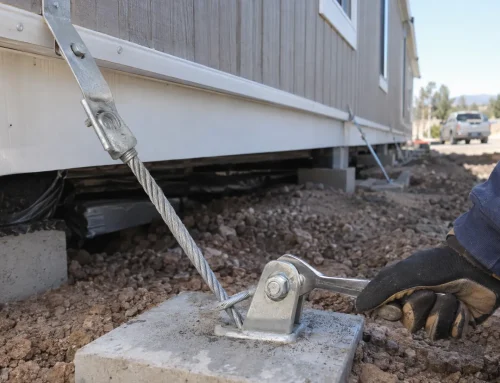
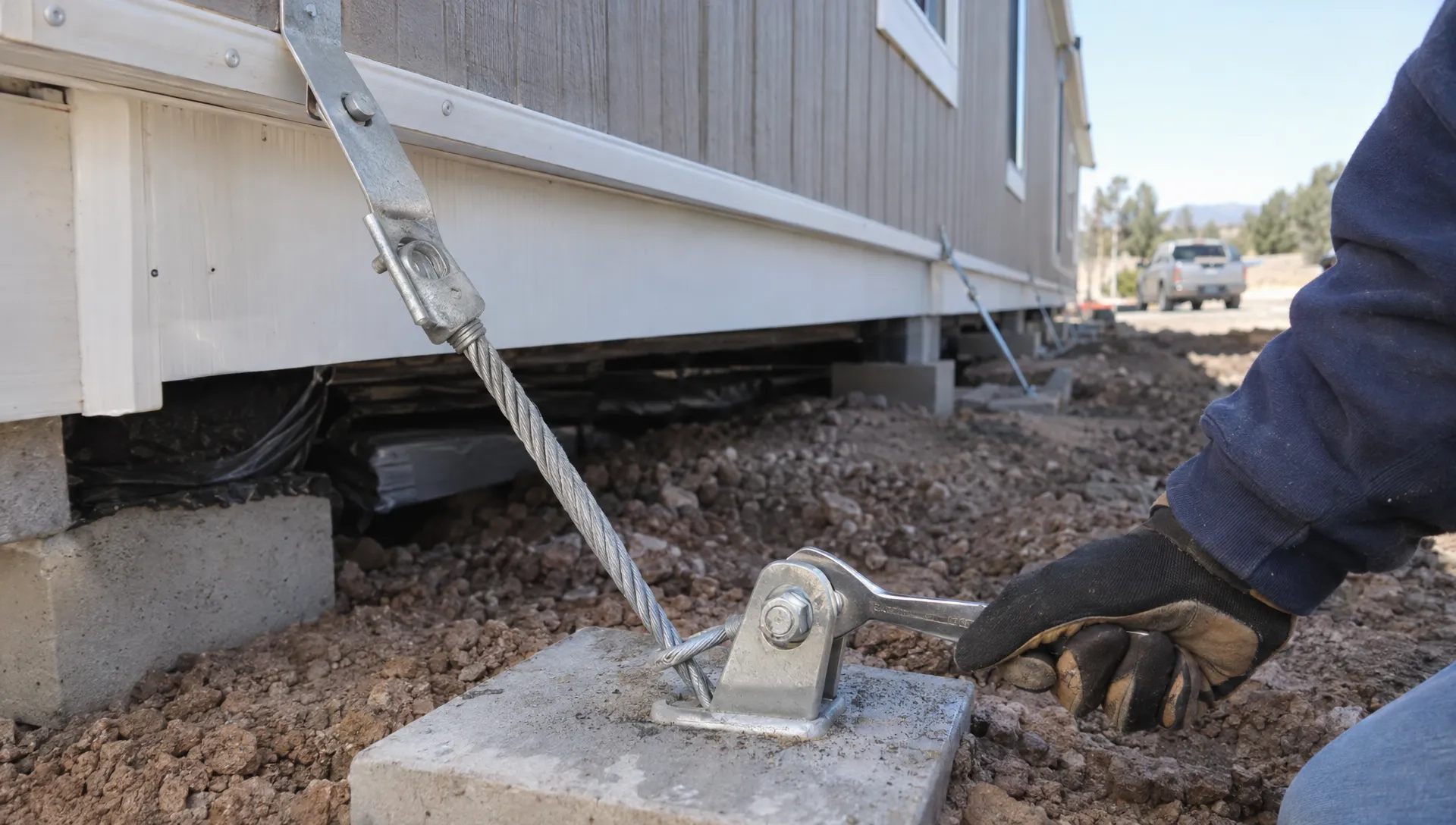
- What is included in the sale? Appliances, skirting, decks/steps, sheds, and tie-downs should be specified.
If anything important is “verbal,” treat it as not real until it is written into the agreement.
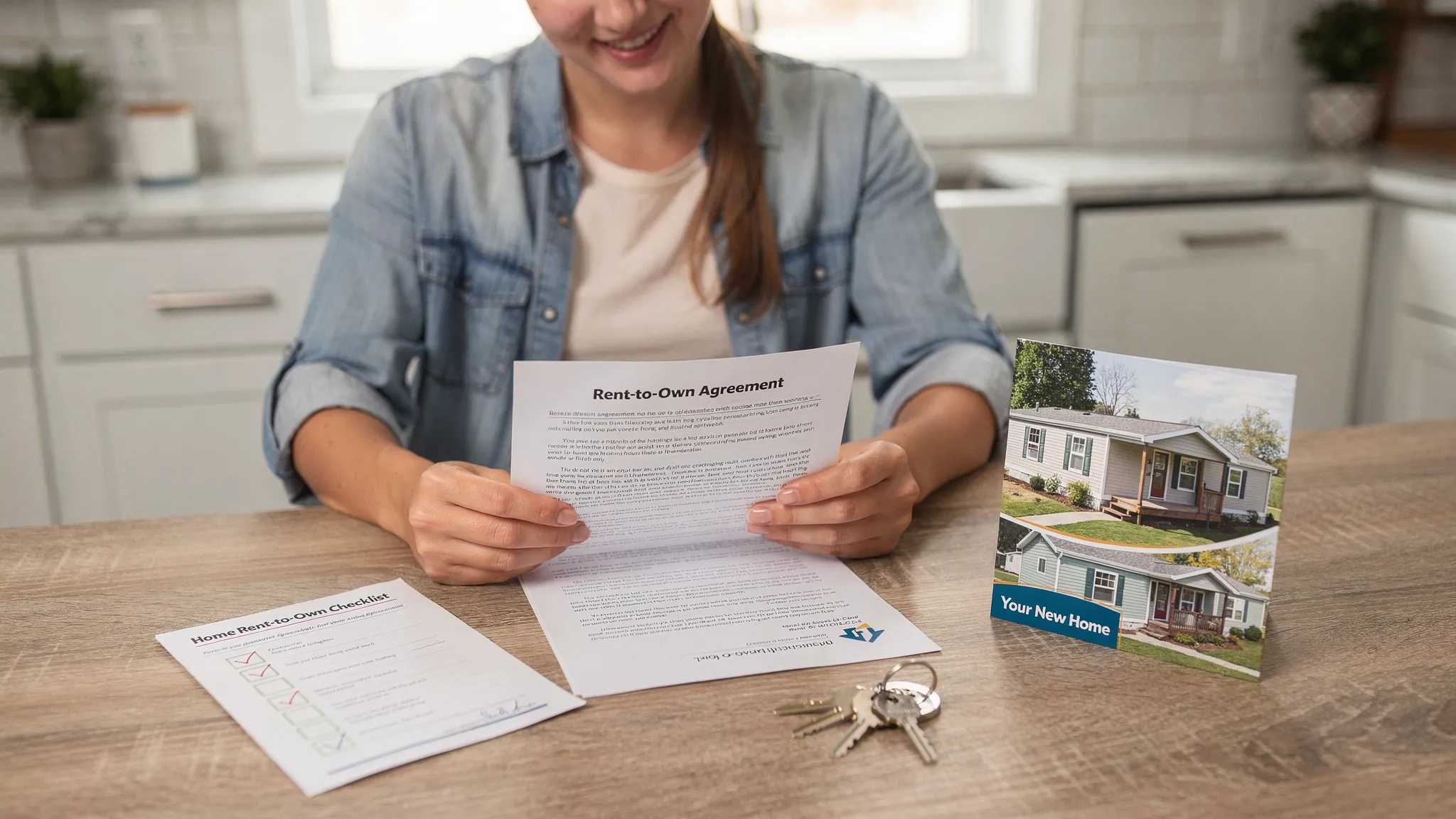
How to find legitimate “rent to own near me” opportunities in San Antonio
In the San Antonio area, rent-to-own listings pop up on marketplaces, local groups, and community boards. The challenge is separating real opportunities from vague offers and scams.
Places to look (and how to vet them)
Manufactured home retailers and local dealers: Even if they do not offer rent-to-own directly, they can often explain realistic financing pathways and inventory availability.
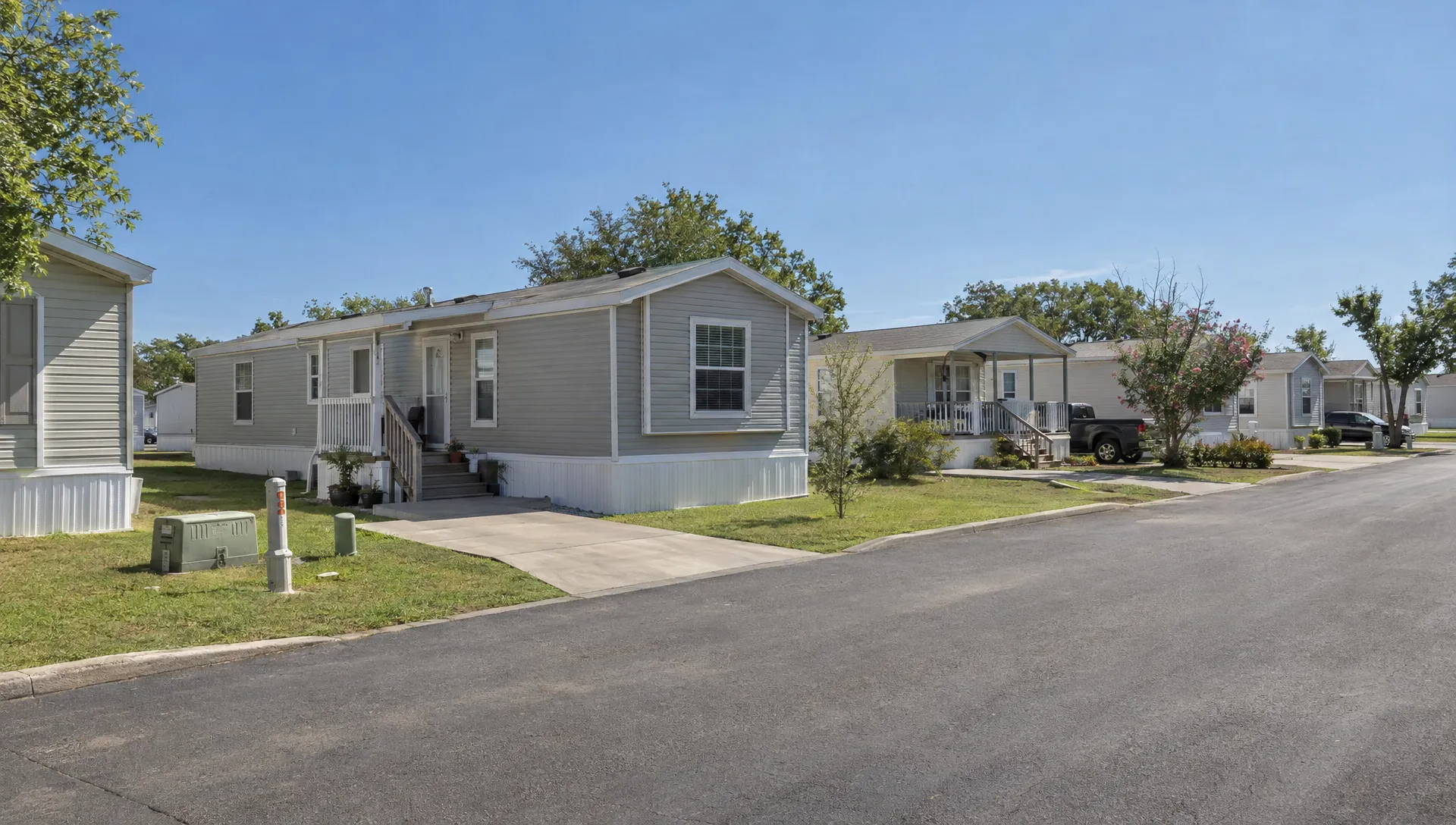
Established communities: Some communities have homes for sale, repos, or private sellers inside the park. Ask the office what purchase options are allowed and what approval looks like.
Local listings and social platforms: If you find a deal on a marketplace, take extra steps:
- Verify the seller’s identity and ownership
- Avoid wiring money or paying “application fees” before you tour a home
- Get a written agreement reviewed before paying a large upfront amount
Red flags that should stop you
- The seller refuses to show proof they own the home, or avoids title questions.
- The “rent-to-own” ad has no address, no home details, and pushes urgency.
- You are told you cannot see the contract until after you pay a fee.
- The deal requires payments through unusual methods with no receipts.
When rent-to-own can make sense (and when financing is usually better)
Rent-to-own is sometimes used as a bridge when a buyer needs time to:
- Repair credit
- Save a larger down payment
- Establish job history
But it is often not the cheapest path, and it can be higher risk if the contract is one-sided.
Financing can be simpler than many buyers expect
Manufactured homes can be financed in multiple ways, depending on whether you own land, the home’s age and condition, and how it will be titled. Common paths include chattel loans and, in some situations, mortgage-style financing.
If your goal is to own a manufactured home in the San Antonio area, it can help to compare rent-to-own against standard financing options side by side. Homes2Go SA has a helpful overview of common loan types here: manufactured home financing options.
If you are exploring placing a home on land (instead of a land-lease community), this guide can also help you understand the moving parts: land and home packages in San Antonio.
A practical, safer process to follow before you commit
Start with your end goal: Do you want to own the home only, or the home and land? That single choice changes the entire cost structure.
Get the home details in writing: Year, make/model, size, serial/VIN, and whether it is HUD Code. Ask to see the HUD labels and data plate when available.
Confirm ownership and lien status: Before you pay a meaningful upfront fee, verify who owns the home and whether any lender has a lien.
Estimate total monthly housing cost: Include payment to seller, lot rent, insurance, utilities, and a maintenance buffer.
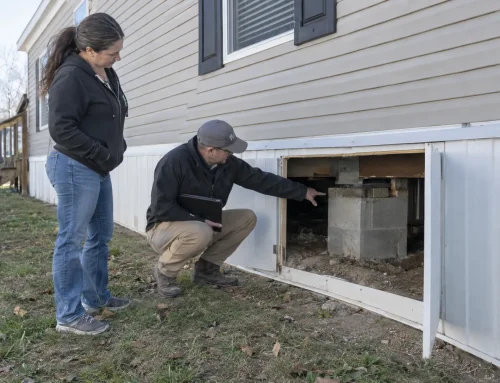
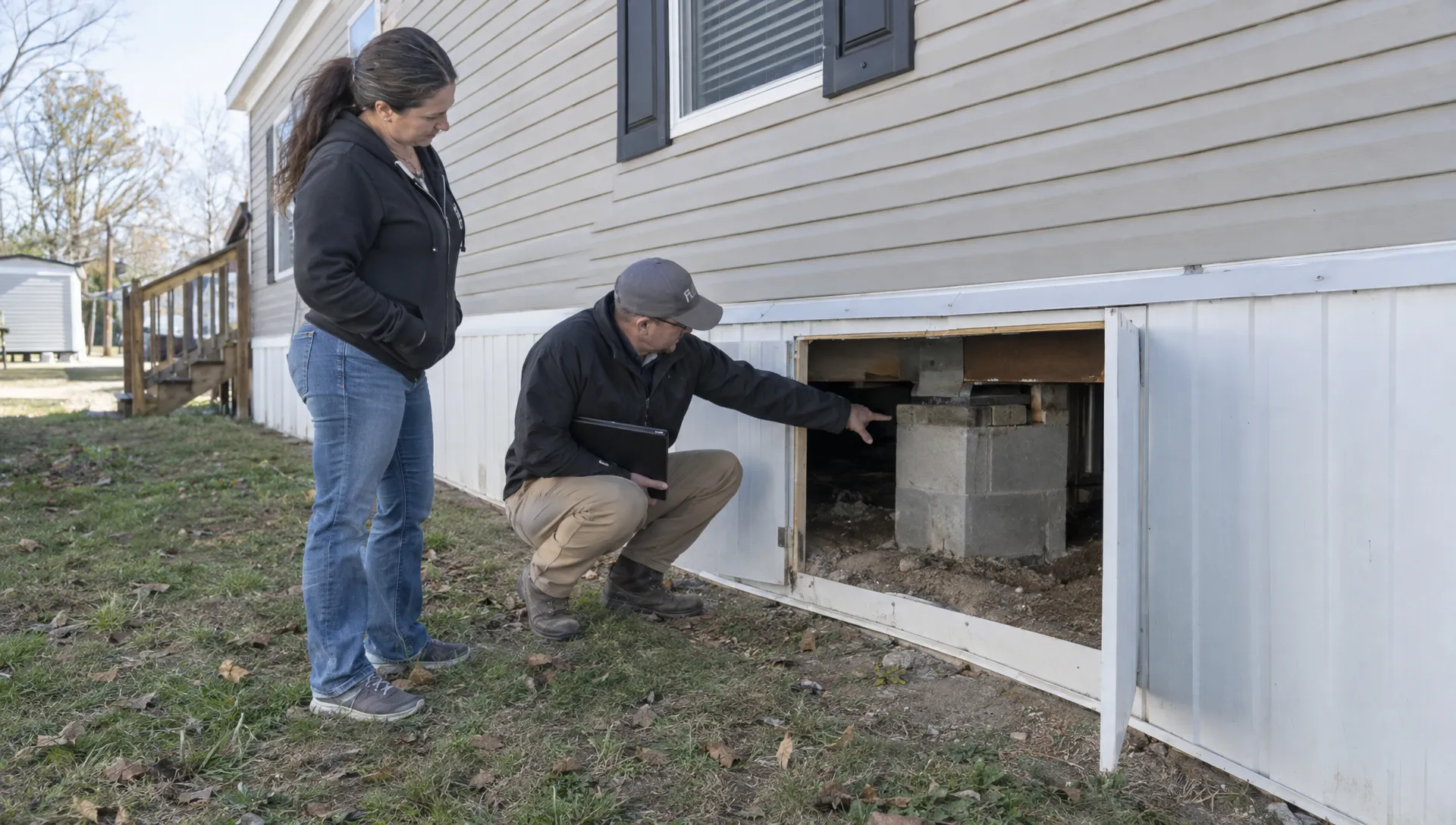
Inspect the home: Even a basic inspection can reveal expensive issues (roof, subfloor, plumbing leaks, electrical hazards).
Read the default section like it is the main section: Because in a rent-to-own deal, default rules often determine whether you keep your credits.
Have the contract reviewed: A short review by a qualified Texas real estate attorney can be cheaper than a mistake that costs thousands.
Frequently Asked Questions
Are rent-to-own trailer homes the same as buying a manufactured home? Not exactly. Rent-to-own is a contract structure (lease-option, lease-purchase, seller financing), while “manufactured home” describes the type of home and how it is built and titled.
Do rent-to-own payments build equity automatically? Only if the contract says so. Some deals include rent credits, others do not, and many credits apply only if you pay on time and complete the purchase.
Who pays repairs in a rent-to-own manufactured home? It depends on the agreement. Many rent-to-own contracts shift maintenance and even major repairs to the occupant, so you should confirm responsibilities in writing.
Can I do rent-to-own inside a mobile home park in San Antonio? Sometimes, but community rules apply. You may need park approval, and you may have a separate lot lease even if you are buying the home.
Is rent-to-own better than a chattel loan? It depends on pricing and contract terms. A chattel loan can be more straightforward and legally clean, while rent-to-own can be flexible but often carries higher risk if the contract is strict.
What should I ask before paying an option fee or deposit? Ask who holds title today, whether there are liens, how credits work, what happens if you are late, and whether you can inspect the home before committing.
Want help comparing rent-to-own vs financing in San Antonio?
If you’re weighing a rent-to-own offer but want to understand your alternatives, Homes2Go SA can help you compare realistic paths to ownership, including flexible financing options and available manufactured home models.
- Browse options: Homes2Go SA
- Learn about loan types and next steps: Financing
- Get oriented if you’re new to the process: Mobile homes San Antonio, a quick buyer guide
 Modular Homes Dealer: Questions to Ask Before You Buy
 Oak Creek Homes: Models, Finishes, and Price Expectations