
Most “good deals” in manufactured housing stop being good the moment a tenant moves in. A rent-ready unit is the one that stays occupied, stays insurable, and stays inexpensive to maintain. If you are evaluating investment mobile homes in the San Antonio area, this guide breaks down what to look for before you buy, so your first year of ownership is about rent checks, not repairs.
What “rent-ready” really means (for an investor)
A rent-ready manufactured or mobile home is not just “clean and available.” For an investment, rent-ready means:
- Code compliant and documentable (HUD tags/data plate, clean title path, installation documentation)
- Safe and durable (electrical, plumbing, HVAC, smoke/CO alarms, secure steps and rails)
- Easy to insure and finance (home age, condition, installation type, location all matter)
- Tenant-proofed (materials and layouts that reduce damage and service calls)
- Low operating cost (energy efficiency, water leak prevention, simple maintenance)
If any of those are weak, your “cheap” unit can quickly become a vacancy and capex problem.
Step 1: Match the unit to your rental strategy
Before you compare floor plans, get clear on where the home will sit, because location and land control affect everything from tenant quality to financing.
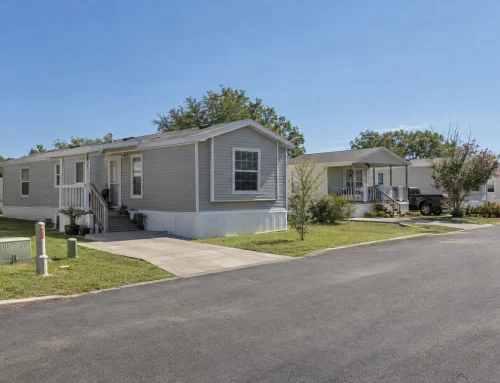
Land-lease community (park)
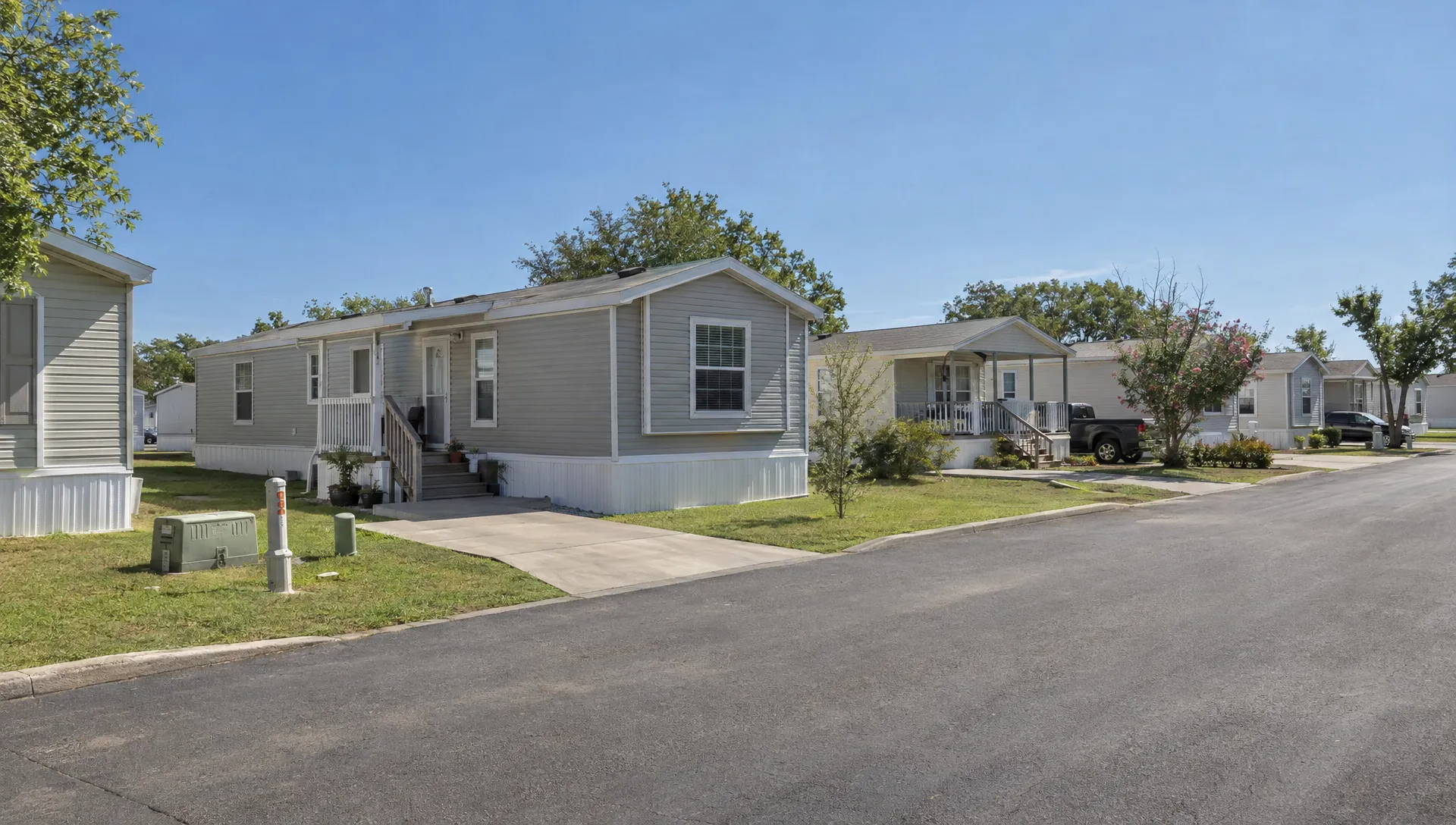
You own the home and lease the lot. Many investors like land-lease communities because:
- Move-in demand can be strong due to lower monthly cost versus apartments
- Community management often sets baseline rules that can reduce chaos
- Utilities and infrastructure may already be in place (depending on the community)
Your main risks are community rule changes, lot rent increases, and limits on subleasing.
Private land or land and home package
You control the land and the home, which can improve long-term stability. It also adds responsibilities (site prep, utilities, septic, permitting). If you are exploring this route around San Antonio, Homes2Go has a helpful overview of the full process in their land and home packages guide.
Step 2: Confirm it is a true HUD-code manufactured home (and rentable where you need it)
For most investors, the cleanest path is a HUD-code manufactured home (built to the federal Manufactured Home Construction and Safety Standards). HUD-code homes are built under HUD’s manufactured housing program and standards are published in 24 CFR Part 3280.
What to verify during due diligence:
- HUD label (tag) on each transportable section (commonly on the exterior end of each section)
- Data plate inside the home (often in a kitchen cabinet, electrical panel area, or primary bedroom closet)
- Wind zone and thermal zone on the data plate that fit your region and comfort expectations
In Texas, manufactured housing is regulated at the state level as well. If you want to understand titling, installation, and related requirements, start with the Texas TDHCA Manufactured Housing page.
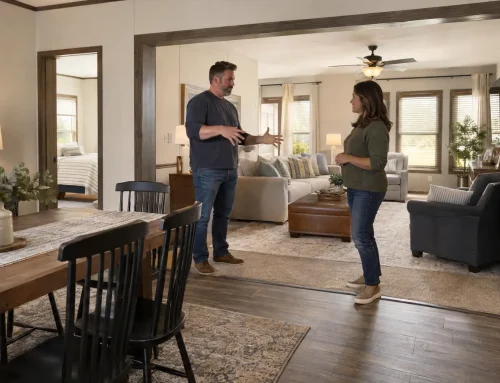
Step 3: Choose a “rentable” layout (not just a pretty one)
For investment mobile homes, floor plan decisions show up later as vacancy time, turnover cost, and maintenance frequency.
Prioritize tenant demand and re-rent speed
In many rental markets, these layouts tend to rent faster:
- 2 bed, 2 bath (roommate-friendly, less bathroom conflict)
- 3 bed, 2 bath (family demand)
A 1 bath can still work, but it often narrows your tenant pool.
Look for maintenance-saving layout features
Small design choices reduce work orders:
- Washer/dryer connections inside (not a shared exterior closet)
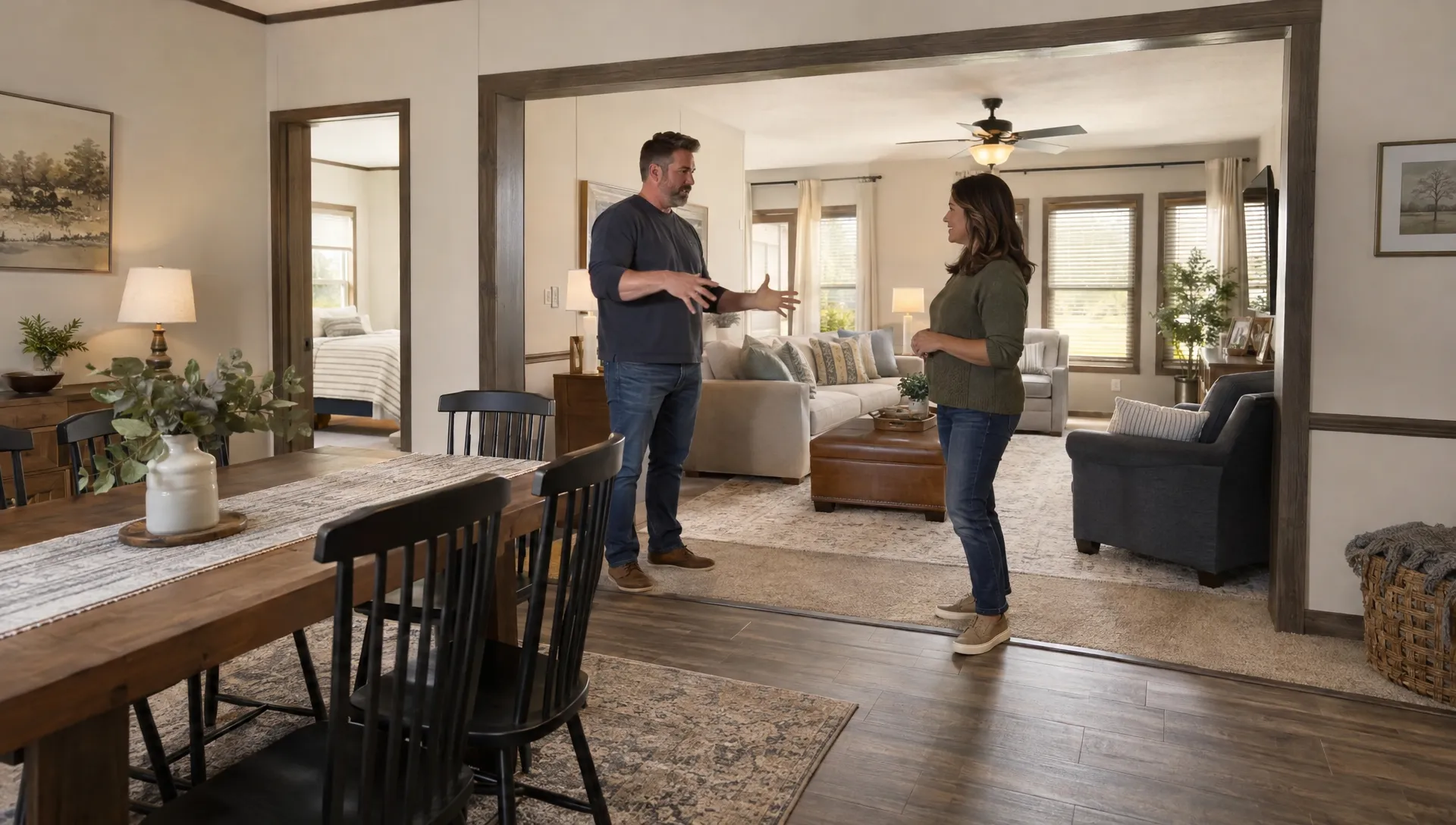
- Simple traffic flow (fewer tight corners that scuff walls)
- Dedicated dining nook or flexible area that is easy to furnish
- Good storage (closets, pantry), because clutter increases wear
If you are comparing models, ask for detailed floor plans and think like a property manager: “Where will furniture go?” and “What gets damaged first?”
Step 4: Pick finishes that survive tenants (and turn fast)
The “best” interior for an investment is the one that still looks good after a lease term and can be reset quickly.
A rent-ready finish profile
- Flooring: Durable, water-tolerant options are your friend. Avoid anything that swells easily from minor leaks.
- Walls and trim: Easy-to-clean paint and sturdy baseboards reduce touch-up time.
- Counters and cabinets: Favor materials that handle heat, moisture, and repeated cleaning.
- Fixtures: Standard sizes and common replacement parts reduce repair friction.
Exterior durability matters too
Exterior choices affect curb appeal, insurance, and long-term maintenance.
- Roofing and drainage: Look for a roof system and gutters (if applicable) that move water away from the home and the entry points.
- Siding: Choose options that resist impact and weathering.
- Skirting: Proper skirting helps protect plumbing and reduces pest issues.
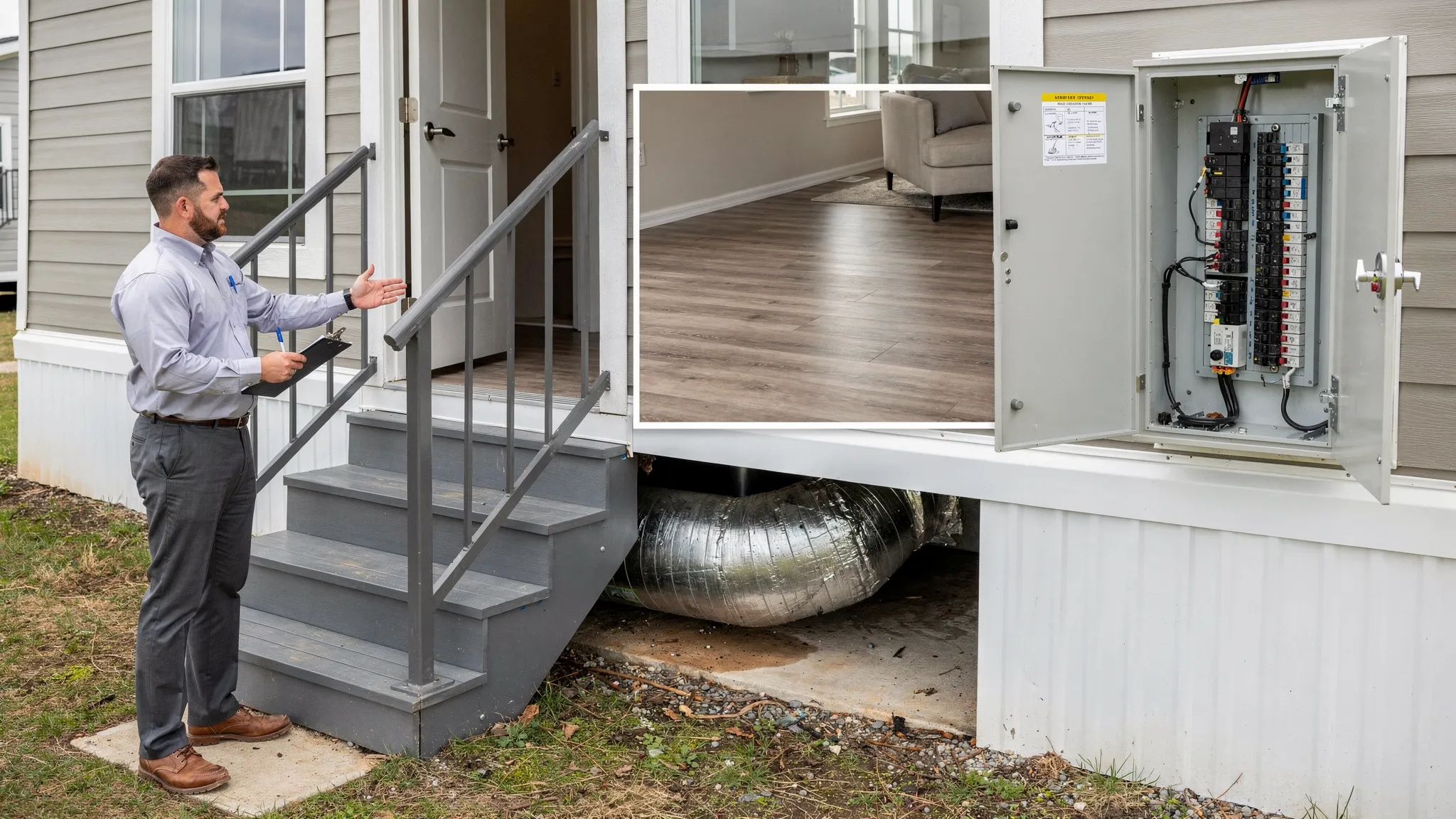
Step 5: Treat energy efficiency as an investment lever (especially in South Texas)
Tenants care about monthly bills, and in Texas heat, cooling cost can influence renewals. Efficient homes can also reduce HVAC stress and moisture problems.
Rent-ready, investor-friendly efficiency features include:
- Strong insulation and air sealing
- Quality windows appropriate for hot climates
- High-efficiency HVAC (sized correctly) and sealed ducts
For a Texas-specific breakdown of what to look for, use Homes2Go’s guide on energy-efficient manufactured homes in Texas heat.
Step 6: Verify installation, utilities, and “habitability basics”
Many rental headaches come from what is under (or behind) the walls, not the countertops.
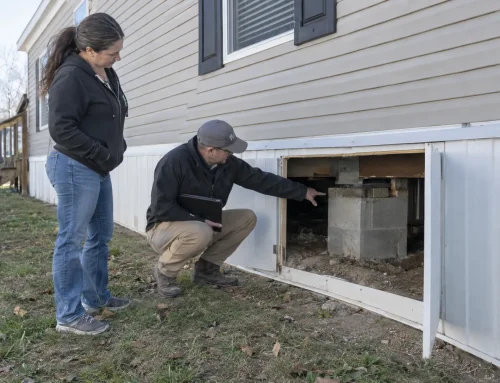
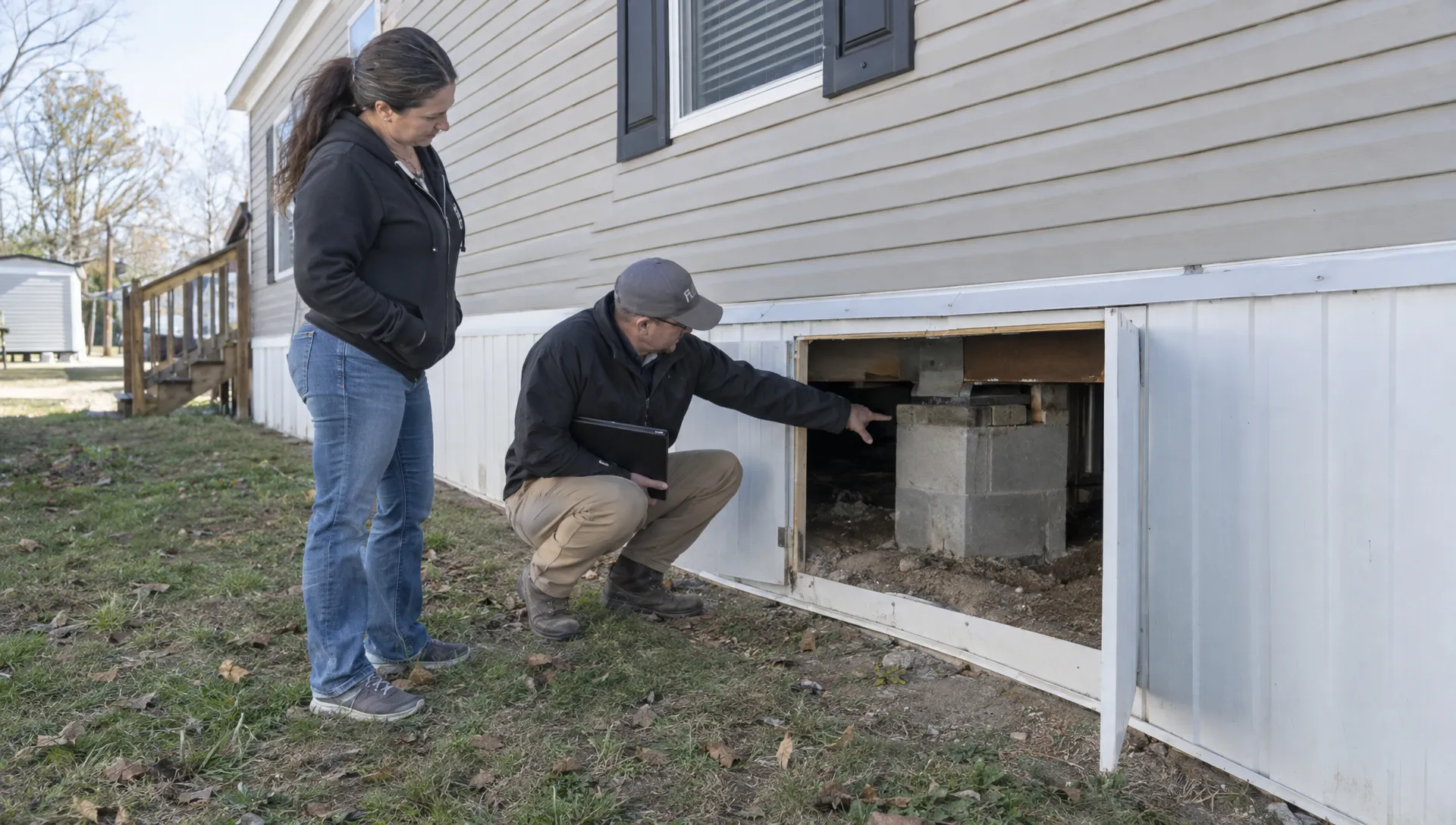
Installation and site readiness checks
Confirm:
- Proper foundation/support system for the site plan
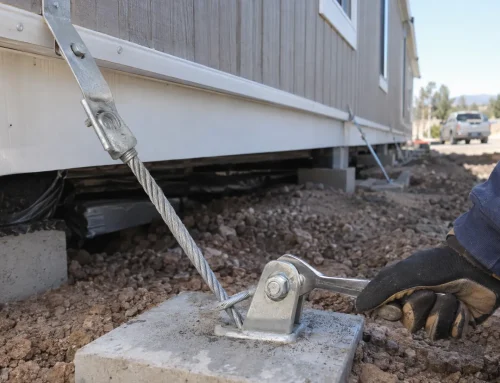
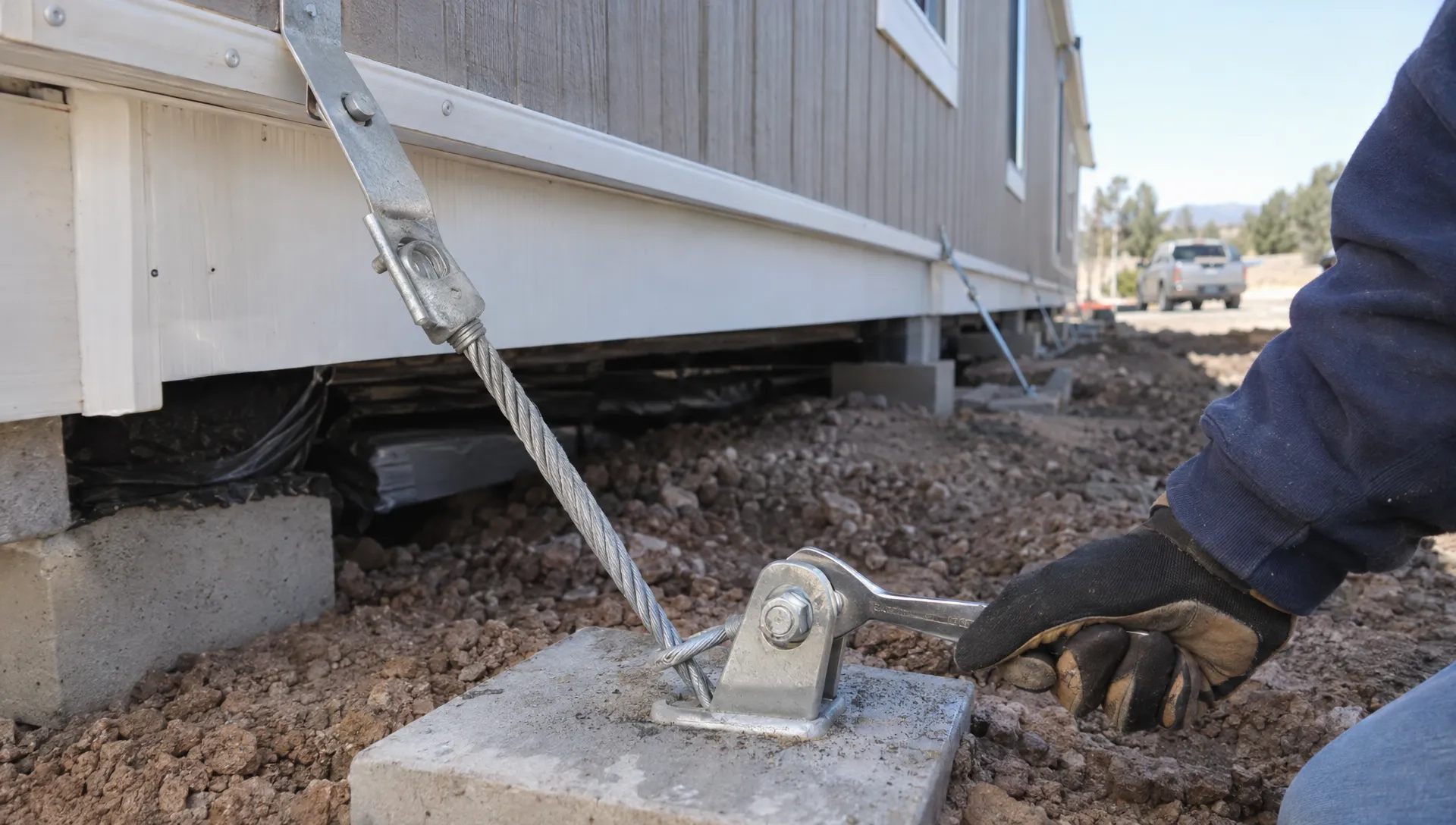
- Tie-downs/anchoring consistent with requirements for the home and location
- Steps, landings, and handrails that feel solid and safe
- Proper grading and drainage away from the home
Utility reliability (avoid repeat service calls)
- Electrical panel condition and labeling
- Water shutoff access and leak history (ask directly)
- Water heater age/condition and safe relief valve discharge routing
- HVAC performance and filter access
If you are newer to manufactured housing due diligence, Homes2Go’s mobile homes buyer guide is a useful companion for understanding the moving parts.
Step 7: Underwrite the true “rent-ready” budget (not just purchase price)
Even when a home is advertised as move-in ready, investors should underwrite a realistic make-ready plan.
Here is a practical framework for your budget review:
| Cost area | What it can include | Why it matters for rent readiness |
|---|---|---|
| Acquisition + delivery | Home cost, transport, scheduling | Delays can push back lease start dates |
| Setup + installation | Blocking/support, tie-downs, skirting, steps | Safety and inspection readiness |
| Utility connections | Electric, water, sewer/septic coordination | Prevents move-in day failures |
| Safety essentials | Smoke/CO alarms where required, locks, exterior lighting | Reduces liability and improves tenant confidence |
| Turnover-ready finishes | Paint touch-ups, flooring repairs, hardware | Faster re-rent and fewer concessions |
| Preventive maintenance | HVAC service, minor plumbing fixes, sealing | Reduces emergency calls in first 90 days |
Tip: If you plan to self-manage, favor materials and systems that you can service quickly with common parts. If you plan to hire property management, ask them what features reduce after-hours calls.
Step 8: If placing it in a community, treat the park rules like part of the lease
For investment mobile homes in land-lease communities, your tenant experience is partly controlled by the community.
Before you buy a home for a specific park, confirm:
- Subleasing policy (some communities restrict rentals)
- Application and background check requirements for residents
- Pet rules, parking limits, vehicle condition rules (these affect who can qualify)
- Utility billing (tenant-paid vs community-billed)
- Home requirements (age limits, skirting standards, shed rules)
If you are still comparing options, Homes2Go’s local guide to mobile home parks in San Antonio walks through what to evaluate during tours.
Homes2Go also highlights a local community opportunity in Elmendorf (Sandy Oaks) on their property page, which can be useful context if you want a place where lots are prepared for manufactured homes.
Step 9: Think through financing and exit options before you commit
Financing affects cash flow, but it also affects what you can resell later. Manufactured homes may be financed as real property (when certain conditions are met) or as personal property (often called chattel), and lender requirements vary.
Investor-oriented questions to ask early:
- Does the lender require a certain home age, foundation type, or title status?
- Will the home’s location (community vs private land) change loan options?
- What insurance will be required, and what factors could raise premiums?
Homes2Go provides a clear overview of common pathways on their manufactured home financing page. It is a good starting point before you select a specific model.
A simple rent-ready scoring checklist (use this during showings)
If you want a quick, repeatable method, score each candidate unit against these categories:
- Documentation: HUD labels/data plate present, serial/VIN matches paperwork
- Layout: 2/2 or 3/2 demand profile, functional storage, laundry hookups
- Durability: Flooring and counters suitable for heavy use
- Mechanical: HVAC age/performance acceptable, accessible shutoffs, no active leaks
- Safety: Solid steps/rails, door and window security, required alarms
- Efficiency: Insulation and windows consistent with Texas comfort needs
- Placement fit: Park rules or land requirements align with your plan
- Insurability: Condition and location likely to qualify for coverage
When a unit checks these boxes, “rent-ready” becomes predictable.
How Homes2Go San Antonio can help investors choose the right unit
If you are building a small portfolio or buying your first rental, the fastest way to avoid expensive learning curves is to work with people who do this every day.
Homes2Go San Antonio can help you:
- Compare home models and floor plans with an investor mindset
- Understand setup and placement considerations for communities or land
- Explore flexible financing options through trusted local lenders
- Identify move-in ready homes and practical upgrades that protect cash flow
You can also review their broader overview of shopping considerations in the manufactured homes in San Antonio guide.
Frequently Asked Questions
Are investment mobile homes the same as manufactured homes? In everyday conversation, people often say “mobile home” for any factory-built home. In most investment scenarios today, you are looking at HUD-code manufactured homes (built to federal standards).
What size unit is best for a rent-ready investment? Often, 2 bed/2 bath and 3 bed/2 bath layouts rent well because they fit families and roommates. The best choice depends on your target tenant and the community or neighborhood.
What documents should I verify before buying a manufactured home as a rental? Confirm HUD labels, the data plate, and a clean title path (matching serial/VIN). In Texas, review TDHCA guidance and make sure installation and titling requirements can be satisfied for your situation.
Is a newer unit always a better rental investment? Newer can reduce early maintenance and improve efficiency, but condition, installation quality, and location often matter more than year alone.
Can I rent out a home in a mobile home park? Sometimes, but not always. Many communities have rules about subleasing and resident approvals. Always get park rules in writing before buying for a specific location.
What makes a unit “turnkey” for renters? Safe access (steps/rails), reliable HVAC and plumbing, secure doors/windows, working appliances (if included), clean finishes, and documentation that supports insurance and occupancy.
Get help picking a rent-ready unit in San Antonio
If you want to invest without guessing, Homes2Go San Antonio can help you compare models, review floor plans, and line up financing so you can purchase a unit that is truly rent-ready.
Explore options at Homes2Go San Antonio or start with financing guidance on the financing page.
 Mobile Home and Land: Mortgage vs Chattel Loan Explained
 Cheap Homes for Sale San Antonio: Where Deals Are Still Possible