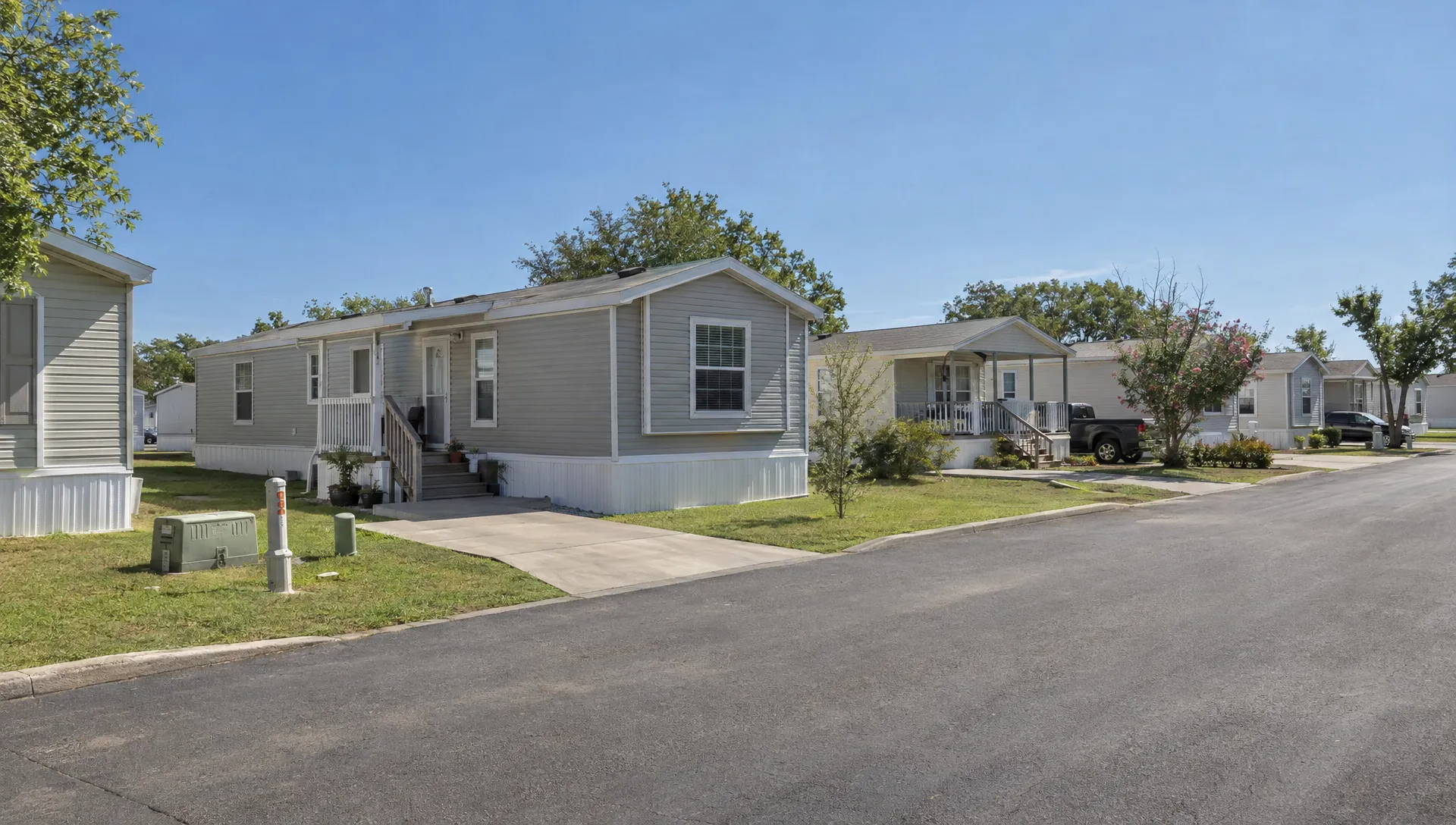

Manufactured homes are not the lightweight, temporary structures many people still picture. Today, durable manufactured homes are engineered around national construction standards, built in controlled factory environments, and installed with systems designed to handle real-world use.
For buyers in San Antonio, durability is not just about whether a home “feels solid” during a tour. It is about how the structure, roof, floor system, insulation, moisture protection, foundation, and maintenance plan work together over time. Heat, wind, seasonal storms, shifting soil conditions, and everyday family life all put stress on a home.
The good news is that modern manufactured housing has improved dramatically. If you know what to look for, you can compare homes with more confidence and choose a model built for long-term comfort.
Modern manufactured homes are built to a national code
One of the biggest reasons manufactured homes are more durable today is the HUD Code. Since 1976, manufactured homes have been built to federal construction and safety standards rather than the loose standards associated with older mobile homes.
The federal manufactured housing standards are published in 24 CFR Part 3280. These rules address important parts of construction, including structural design, fire safety, energy performance, plumbing, electrical systems, heating and cooling, and transportation durability.
That last point matters. A manufactured home is not only built to sit on a homesite. It must also be strong enough to be transported from the factory to the final location. That transportation requirement influences the way the frame, floor system, walls, and roof are engineered.
The HUD Code also recognizes different climate and load conditions. Homes are built for designated wind zones, roof load zones, and thermal zones. A home placed in South Texas may not face the same design concerns as a home placed in a heavy snow region, but it still needs to match the requirements for its location and installation.
If you want to go deeper into the structural side, Homes2Go has a helpful guide on what strong manufactured construction really looks like, including the frame, floor system, walls, roof, and installation details.
Factory construction improves consistency
Durability starts before the home ever reaches the property. Modern manufactured homes are built inside factories where materials and processes can be managed more consistently than on many outdoor jobsites.
In a factory setting, lumber, panels, insulation, fixtures, and finishes are less exposed to rain, mud, and jobsite delays during construction. Crews repeat specialized tasks, which can improve consistency from one home to the next. Manufacturers also use planned production steps, inspections, and standardized procedures to reduce preventable errors.
This does not mean every manufactured home is identical in quality. Manufacturer reputation, floor plan design, selected options, dealer support, transportation, installation, and maintenance all matter. But factory construction gives modern manufactured housing an important durability advantage: the home is assembled in a more controlled environment.
That control helps protect the structure during the most vulnerable part of the build, before the home is sealed, finished, and ready for delivery.
Stronger systems work together, not separately
A durable home is not made durable by one feature alone. The roof cannot perform well if drainage is poor. The floor system cannot stay strong if plumbing leaks are ignored. Energy efficiency will not help much if installation leaves gaps or air leaks.
The strongest modern manufactured homes depend on multiple systems working together.
| Durability factor | Why it matters | What buyers should ask |
|---|---|---|
| Engineered frame and floor system | Supports the home during transport, installation, and daily use | How is the home supported and installed on the site? |
| Roof and wall construction | Helps resist weather, heat, wind, and long-term movement | What roof design, wall system, and exterior materials are used? |
| Moisture management | Protects against leaks, swelling, mold risk, and premature wear | How are windows, doors, roof edges, bathrooms, and plumbing areas protected? |
| Insulation and air sealing | Improves comfort and helps reduce stress on HVAC systems | What energy-efficient features are included or available? |
| Modern plumbing and electrical systems | Supports safety, serviceability, and long-term reliability | Where are key access points and shutoffs located? |
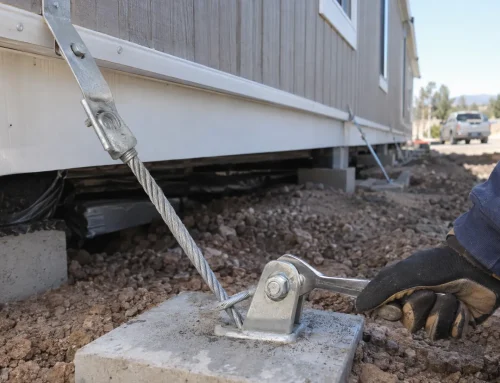
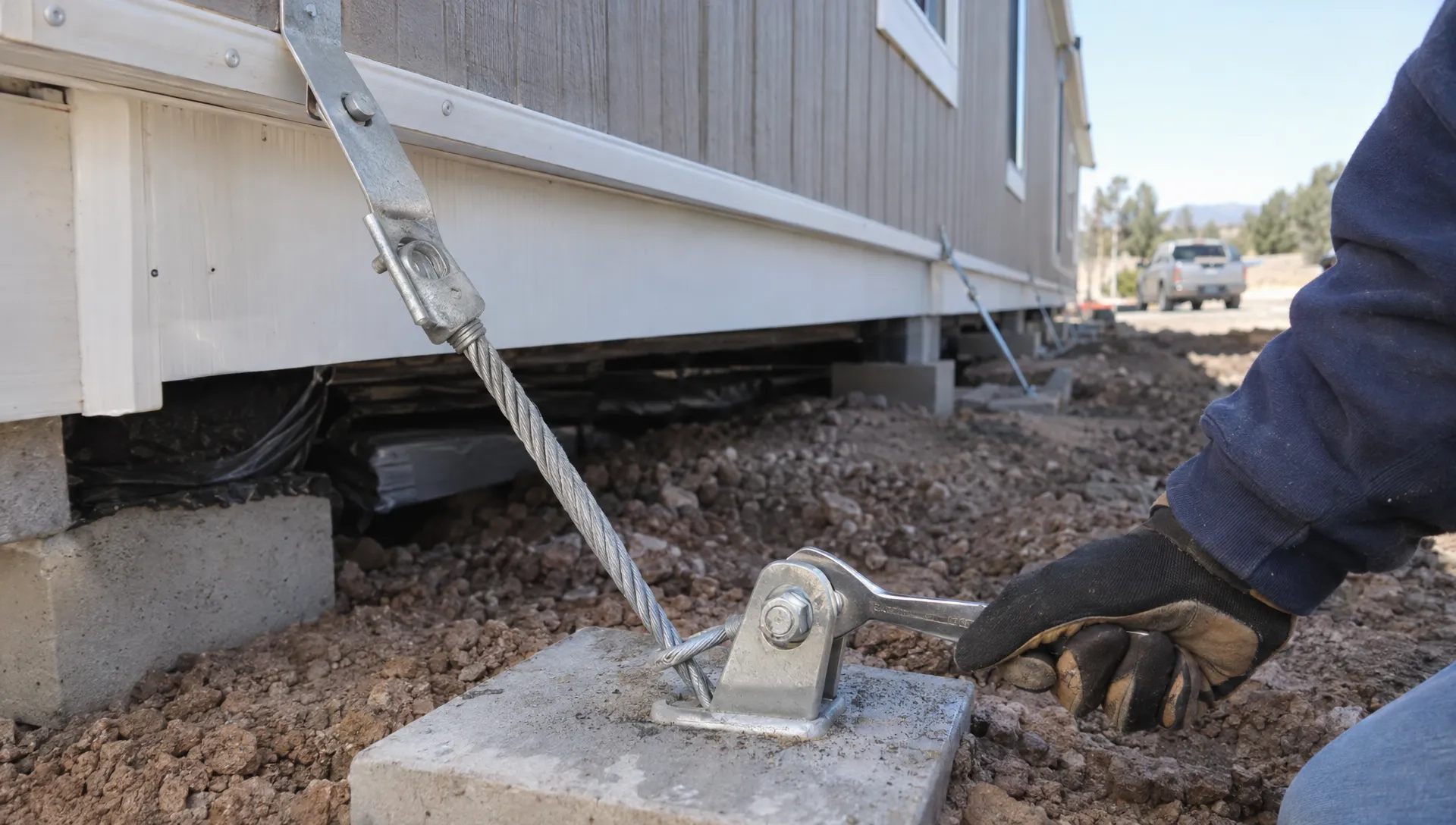
| Proper foundation and anchoring | Keeps the home stable after delivery | Who handles installation, setup, leveling, and tie-downs? |
This is why shoppers should look beyond surface finishes. Modern interiors are important, but the systems behind the walls and under the home are what help determine long-term performance.
Installation is a major part of durability
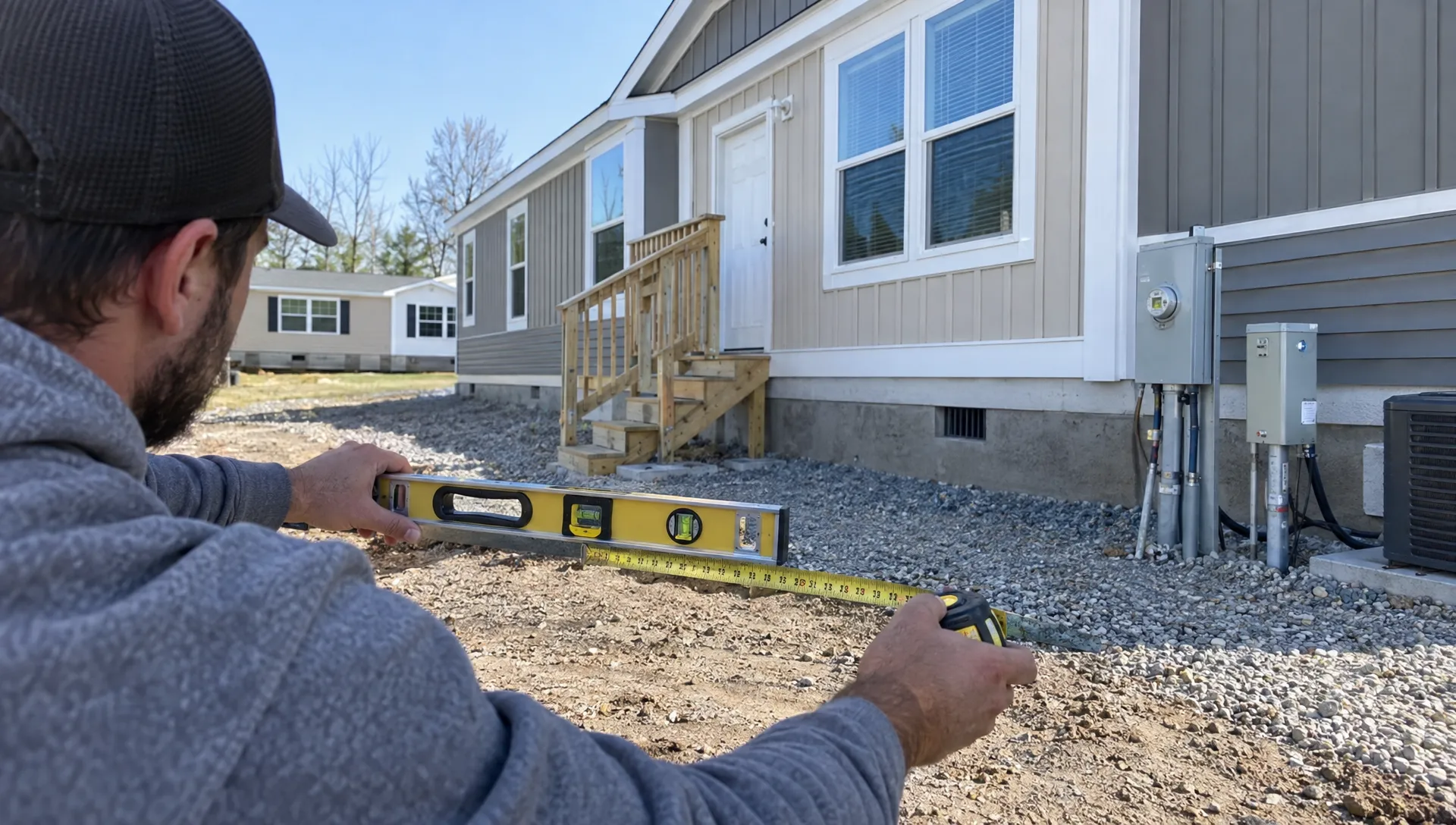
A well-built manufactured home still needs proper installation. In fact, installation can be one of the biggest differences between a home that performs well for decades and one that develops avoidable problems.
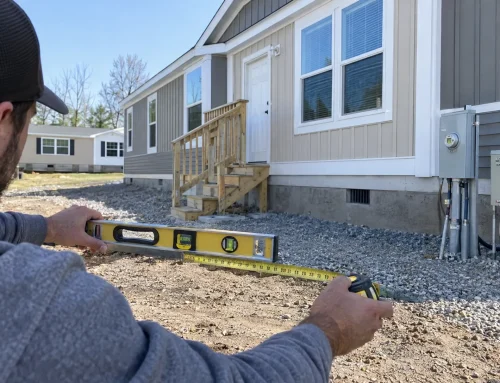
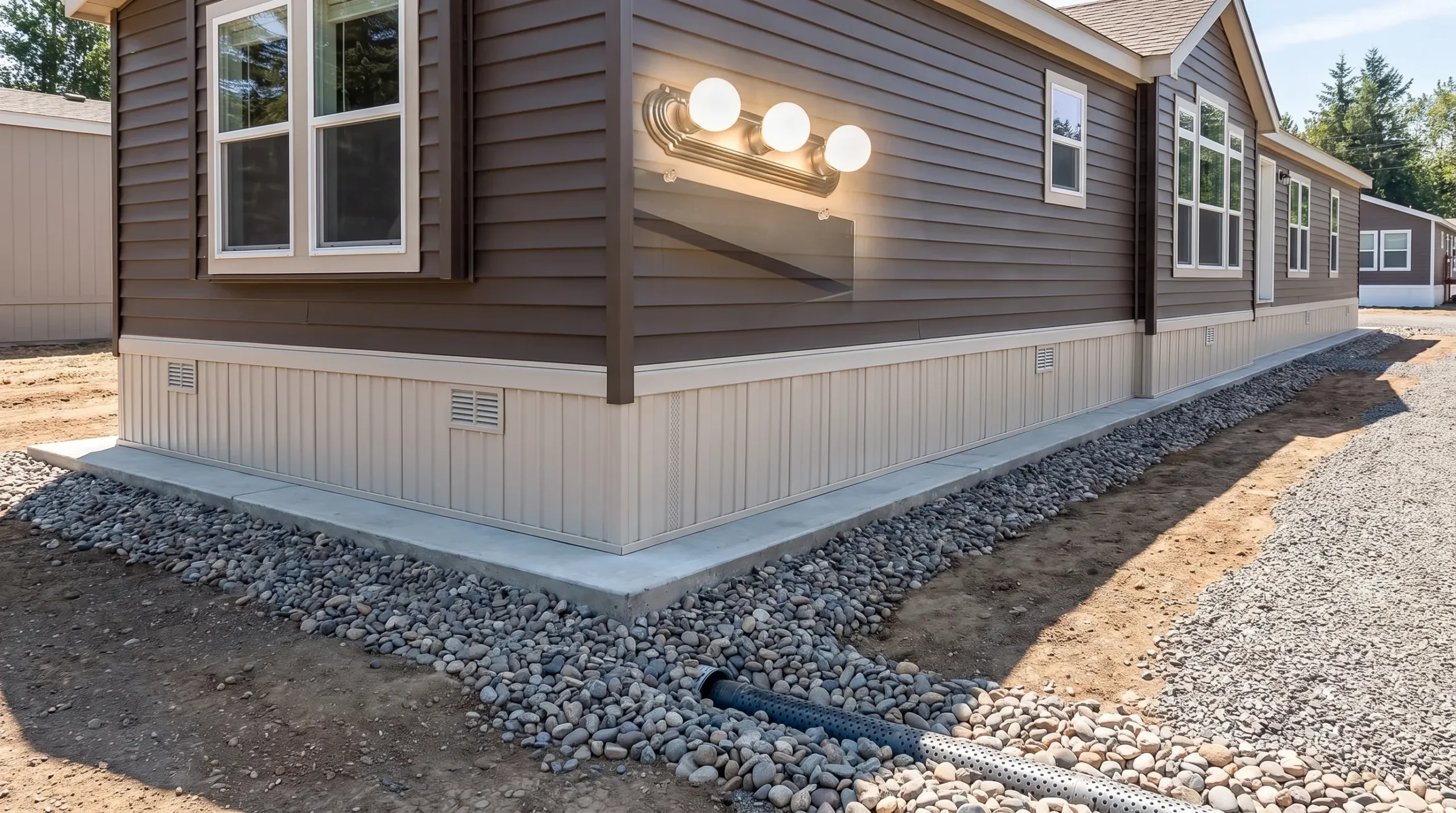
Site preparation should account for drainage, soil conditions, access, utility connections, and the home’s support system. Water should move away from the home, not collect underneath it. The home should be properly leveled and supported. Anchoring should match the installation requirements and local conditions.
Skirting, ventilation, utility penetrations, steps, decks, and porches also need attention. A durable home can still suffer if water is trapped under the structure, if drainage is ignored, or if additions are attached in a way that creates stress points.
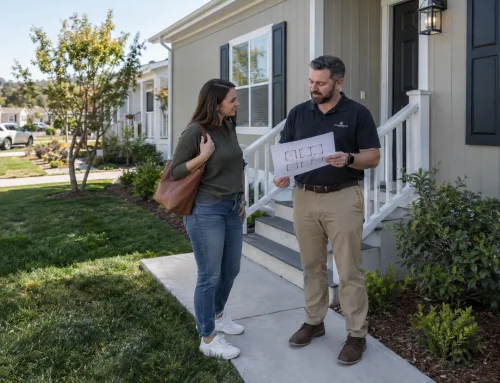
For San Antonio buyers, this is where expert guidance matters. A local team can help you understand how a specific home, site, community, and financing path fit together. Homes2Go San Antonio works with buyers comparing manufactured homes, available communities, and move-in ready options, which can make the process easier for first-time buyers and families upgrading to more space.
Energy-efficient design can support long-term performance
Energy efficiency is often discussed in terms of monthly utility costs, but it can also support durability. A home that is better insulated, better sealed, and better matched to its HVAC system can be more comfortable and less prone to temperature swings.
In a hot climate like San Antonio, heat gain matters. A home that manages heat more effectively may reduce strain on cooling equipment and help maintain a more stable indoor environment. That can be beneficial for comfort, finishes, flooring, cabinetry, and other interior materials.
Moisture control is also connected to energy performance. Air leaks, poor ventilation, or unbalanced HVAC operation can contribute to humidity problems. Modern manufactured homes often include energy-conscious designs and materials, but buyers should still ask detailed questions about insulation, windows, air sealing, HVAC sizing, and maintenance needs.
The goal is not just a lower bill. The goal is a home that feels good, performs consistently, and protects its materials over time.
Better floor plans reduce everyday wear
Durability is not only about construction materials. A floor plan can affect how a home wears over time.
Think about traffic flow. If everyone has to squeeze through one narrow area between the kitchen, living room, laundry, and bedrooms, flooring and trim may show wear faster. If storage is limited, belongings may pile up in high-traffic spaces. If bathrooms and laundry areas are poorly placed, moisture-prone zones may become harder to manage.
Modern manufactured homes often offer more thoughtful layouts than many buyers expect. Doublewide models, in particular, can provide wider living areas, better bedroom separation, and more usable storage. That added space can reduce daily friction, which helps the home feel newer for longer.
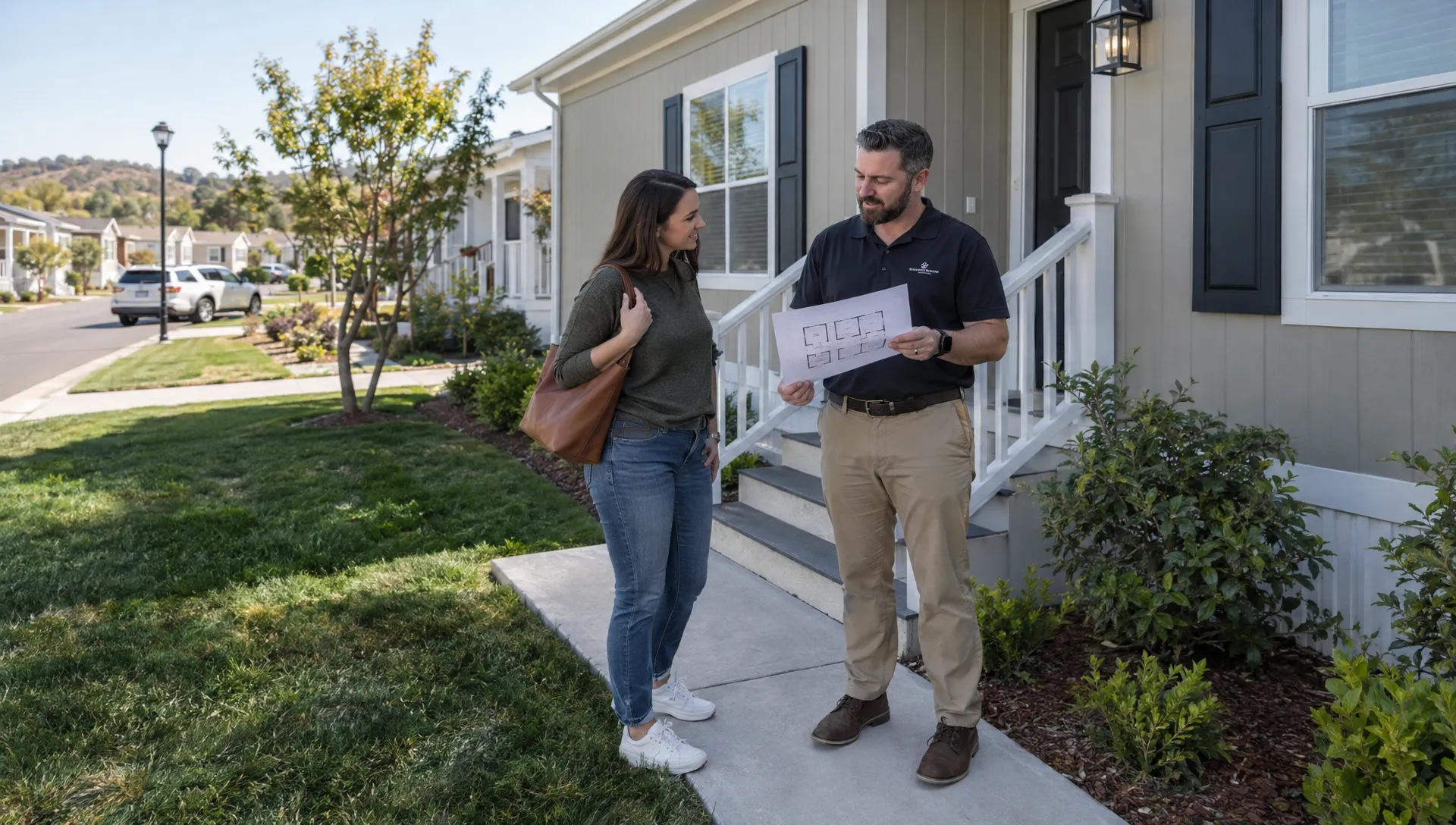
For example, buyers comparing larger doublewide options can review detailed plans like the Legacy Avery, a 3 bedroom, 2 bathroom, 1,865 sq ft doublewide manufactured home with 32' x 64' dimensions, or the Legacy Heritage H-3264-32A, another 3 bedroom, 2 bathroom, 1,865 sq ft doublewide manufactured home with the same 32' x 64' dimensions. Looking at floor plans this way helps buyers think beyond square footage and consider how the home will function every day.
When reviewing any floor plan, pay close attention to the kitchen work triangle, laundry access, bedroom privacy, bathroom placement, storage, and entry points. A durable home should be easy to live in, not just strong on paper.
Exterior materials and moisture details have improved
Weather protection is one of the most important parts of long-term durability. Modern manufactured homes typically benefit from better exterior materials, improved sealing practices, and more attention to roof and wall assemblies than older mobile homes.
Important details include roof slope, roof covering, flashing, siding, window installation, door sealing, and the way exterior penetrations are finished. These areas are where water often tries to enter a home. Even small leaks can become expensive if they go unnoticed.
Buyers should ask how the exterior is designed to handle rain, sun exposure, and normal seasonal movement. In South Texas, intense sun can be just as important as rain. UV exposure, heat, and expansion and contraction can all affect caulking, paint, roofing, and trim over time.
A durable manufactured home should make maintenance straightforward. You want to know where to inspect, what to clean, what to reseal, and how often to schedule routine checks.
Durable does not mean maintenance-free
No home is maintenance-free, whether it is manufactured, modular, or site-built. The difference is that modern manufactured homes can last a long time when they are properly installed and maintained.
Routine maintenance protects the investment. That includes checking the roof, cleaning gutters if applicable, inspecting exterior sealants, watching for plumbing leaks, maintaining the HVAC system, managing drainage, and making sure the home remains level over time.
Durability and lifespan are related, but they are not the same thing. Durability describes how well a home resists stress. Lifespan describes how long it can continue performing with proper care. For a broader look at expected longevity, see this guide to how long manufactured homes typically last.
The main takeaway is simple: the home’s build quality matters, but so does ownership behavior. A strong home that is neglected can wear out early. A well-built home that is maintained can remain comfortable and dependable for decades.
What to ask before choosing a manufactured home
When comparing manufactured homes for durability, do not rely only on photos, decor, or the advertised price. Ask questions that reveal how the home is built, installed, and supported after purchase.
Good durability questions include:
- What HUD wind, roof load, and thermal zones apply to this home?
- What foundation, pier, anchoring, and setup method will be used?
- How is site drainage handled before and after installation?
- What insulation, windows, and energy-efficient features are included?
- Where are plumbing shutoffs and access points located?
- What maintenance schedule does the manufacturer or dealer recommend?
- What financing, community, and move-in options are available for this model?
These questions help you compare real value rather than just comparing homes by bedroom count or monthly payment. They also give your dealer an opportunity to explain the process clearly.
If you are comparing multiple models, Homes2Go’s guide on Legacy Homes floor plans and build quality can help you evaluate layouts, storage, privacy, insulation, and installation details with a more practical eye.
Frequently Asked Questions
Are manufactured homes durable today? Yes. Modern manufactured homes are built to the federal HUD Code and use engineered systems for structure, transport, installation, safety, and energy performance. Durability still depends on the manufacturer, installation quality, site conditions, and maintenance.
What makes modern manufactured homes stronger than older mobile homes? Modern manufactured homes are built under national standards that did not apply to pre-1976 mobile homes. Factory construction, improved materials, engineered frames, better insulation, and proper installation practices all contribute to better durability.
Does a doublewide manufactured home last longer than a singlewide? Not automatically. A doublewide may offer more space and better traffic flow, which can reduce everyday wear, but lifespan depends more on construction quality, installation, site drainage, maintenance, and how the home is used.
What is the most important durability factor to check before buying? Installation is one of the most important factors. Even a well-built home needs proper site preparation, leveling, support, anchoring, drainage, and utility connections to perform well over time.
How can San Antonio buyers choose a more durable manufactured home? Work with a local dealer that can explain floor plans, construction details, financing options, community placement, installation requirements, and maintenance expectations. Comparing the full picture is more useful than shopping by price alone.
Find a manufactured home built for real life
Today’s manufactured homes are more durable because they combine national building standards, factory precision, stronger systems, improved energy performance, and better installation practices. For buyers in San Antonio, the smartest choice is the home that fits your budget, site, lifestyle, and long-term maintenance expectations.
If you are ready to compare floor plans and understand your options, Homes2Go San Antonio can help you explore affordable manufactured homes, flexible financing options, modern interiors, energy-efficient designs, and available communities in the San Antonio area.
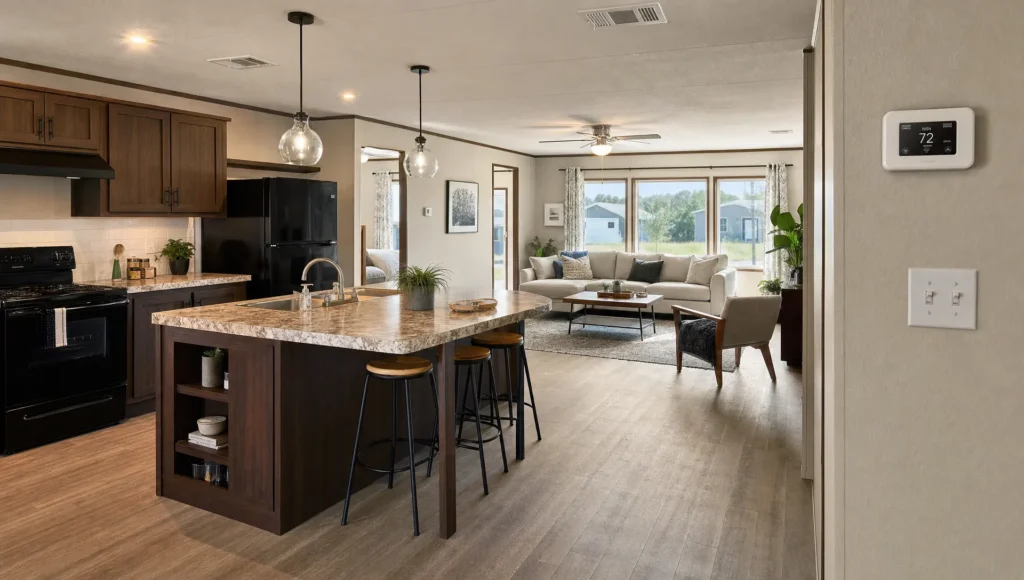 New Mobile Homes in San Antonio: Smart Buying Tips
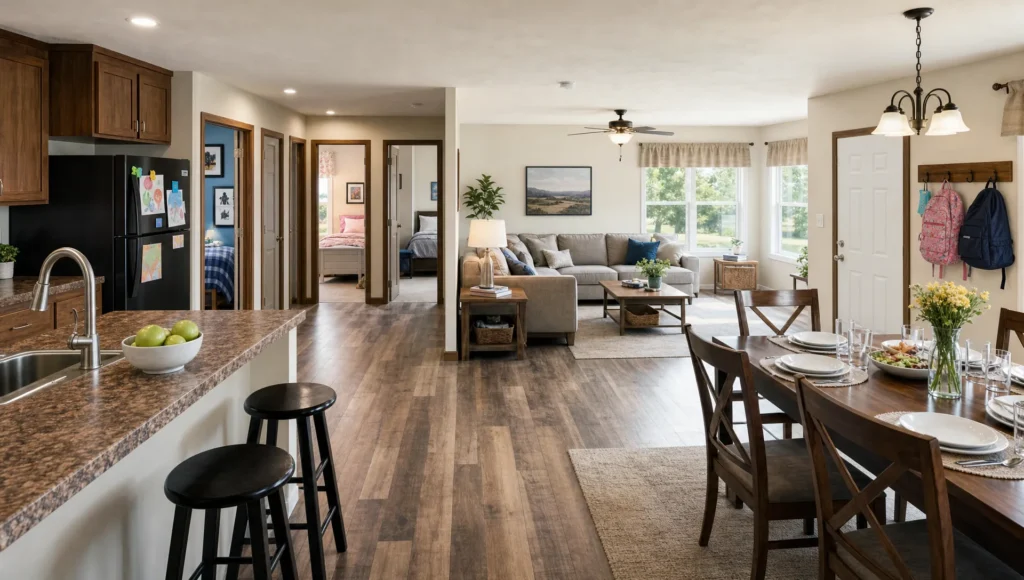 Best Doublewide Homes in San Antonio for Growing Families