
Short answer: usually not in the way buyers mean. If you are searching for FHA approved mobile home parks, you are probably looking for a community where an FHA loan can be used to buy a manufactured home on a rented lot. That can happen, but FHA normally does not certify an entire private mobile home park with a simple yes or no stamp that applies to every buyer and every home.
Instead, FHA focuses on whether a specific borrower, home, site, loan type, and lender file meet the program rules. A community may be FHA-friendly, lender-friendly, or familiar with FHA paperwork, but that is different from being automatically approved for every FHA-financed purchase.
That distinction matters because a buyer can waste time chasing the wrong thing. The better question is not only, is this park FHA approved? It is, can this home, on this lot, with this lease or land arrangement, qualify for the FHA financing I plan to use?
What people usually mean by FHA approved mobile home parks
The phrase FHA approved mobile home park is often used informally. It may appear in online listings, buyer conversations, or even casual sales language, but it can mean several different things.
A community might be described that way because it has allowed FHA-financed buyers before. It might mean the park offers lease documents that a lender has accepted in the past. It might mean the community is open to manufactured homes that meet HUD Code standards. Or it might simply mean a seller believes FHA financing could be possible there.
Those meanings are not the same. FHA does have formal approval systems in some areas, such as the FHA-approved condominium lookup for condo projects. Manufactured home communities are handled differently. For most park purchases, there is no universal public list that turns a mobile home park into a permanently FHA-approved community for all transactions.
Here is a more accurate way to think about it:
| Common phrase | What it may actually mean | What you should verify |
|---|---|---|
| FHA approved park | The community may have supported FHA files before | Ask which loan type was used and which lender handled it |
| FHA-friendly community | Management understands lender paperwork and lot leases | Review lease terms, rules, and community approval requirements |
| FHA eligible home in a park | A particular home may meet manufactured housing guidelines | Confirm HUD labels, data plate, title status, and installation details |
| Financing available | A lender may offer a loan, but not always FHA | Ask whether it is FHA Title I, FHA Title II, chattel financing, or another loan |
The safest approach is to treat FHA eligibility as a file-by-file decision, not a label attached to the whole park.
The real question: which FHA loan are you using?
FHA financing for manufactured homes is not one single product. The two programs buyers most often hear about are FHA Title I and FHA Title II. The difference is especially important when the home is located in a land-lease community.
| FHA loan path | Common use | Can it involve a rented lot in a mobile home park? | Main issue for the buyer |
|---|---|---|---|
| FHA Title I | Manufactured home, lot, or home and lot financing | Yes, in certain cases, if the lease and site meet program and lender rules | The home, borrower, lease, and site must all work together |
| FHA Title II | Mortgage financing for a manufactured home treated as real property | Usually not for a standard rented lot, unless the legal land arrangement meets mortgage requirements | The home typically needs to be permanently attached and treated as real estate |
For leased land, HUD’s Manufactured Home Loan Insurance program explains that the lease must meet certain protections, including an initial term of at least three years and advance written notice before lease termination. Lenders may also apply their own overlays, which means one lender might say no even when another is willing to review the file.
If you want a deeper breakdown of what these programs can and cannot cover, Homes2Go has a separate guide on FHA financing for mobile homes that explains the difference between Title I and Title II in more detail.
What a lender may check before financing a home in a park
When a manufactured home sits in a mobile home community, the lender is not just looking at the park name. The lender is reviewing the complete risk picture: the buyer’s qualifications, the home’s eligibility, the lease terms, the site, and whether the transaction can be documented properly.
Park approval and loan approval are also separate. A community may approve you as a resident, but that does not guarantee FHA financing. A lender may prequalify you, but that does not guarantee the park will accept your application. This two-track process is one reason buyers should understand the approval and closing process for mobile homes in parks before paying deposits or scheduling a move.
| Item reviewed | Why it matters for FHA or lender approval |
|---|---|
| Lot lease | The lender needs to know your right to occupy the site is stable enough for the loan |
| Community rules | Age restrictions, pet rules, home standards, and occupancy rules can affect approval |
| Lot rent and fees | Monthly housing costs may be included in the borrower’s qualification review |
| Home documentation | HUD labels, data plate, title records, and model details help prove the home is eligible |
| Installation and site condition | The home must be properly installed and safe for occupancy |
| Utilities and access | Water, sewer, electric, road access, and local compliance can affect the file |
| Community application | The park may require separate screening before the buyer can live there |
This is why a simple yes or no answer from a park office is not enough. The details of the home and the lease matter just as much as the community itself.
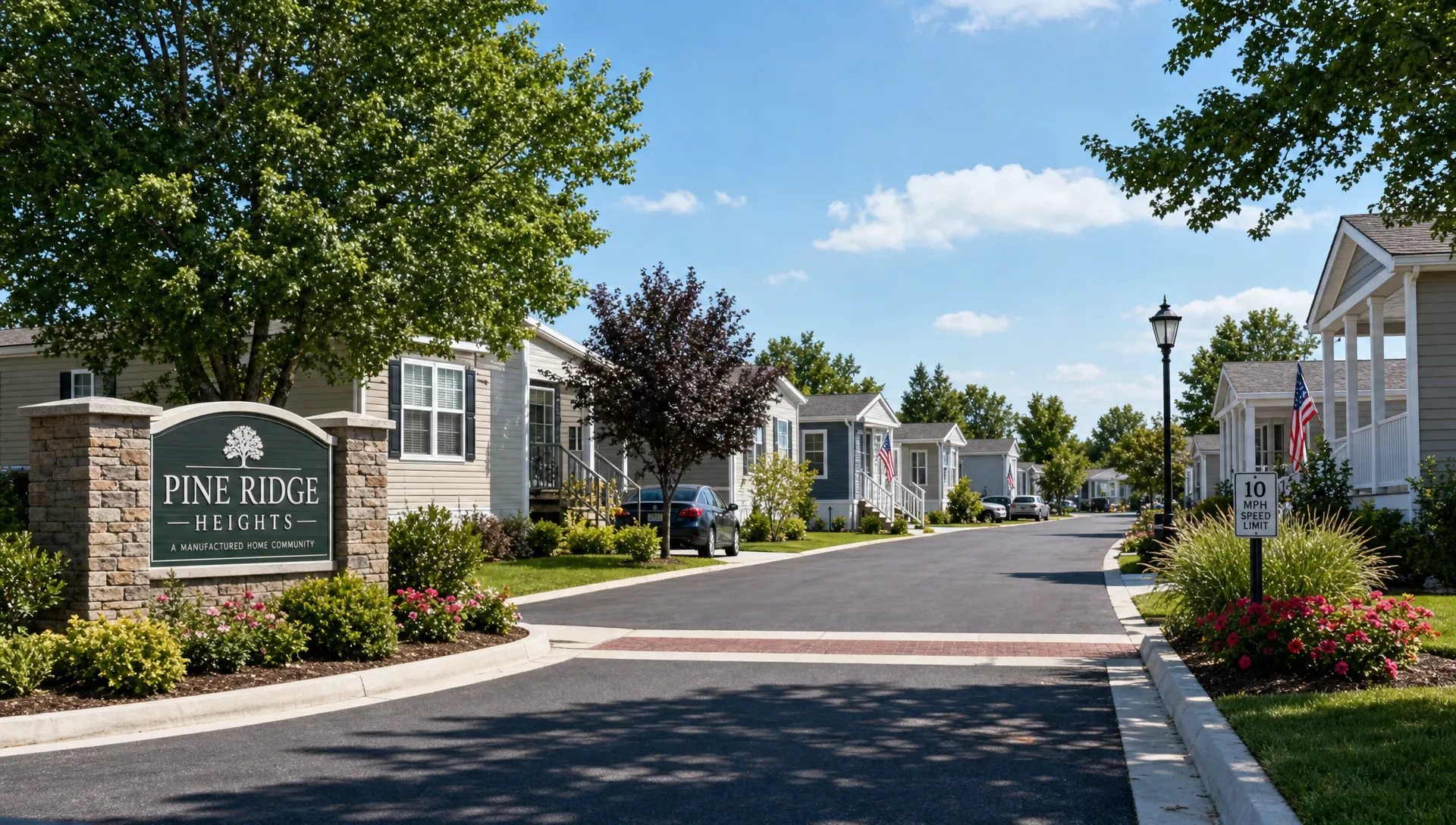
Why the phrase can be misleading
The phrase FHA approved mobile home park can create false confidence. A buyer may assume that if the park is FHA approved, every home in that park qualifies. That is not how it works.
A home still needs to meet manufactured housing standards. In everyday conversation, people often use mobile home and manufactured home interchangeably. For financing, the distinction matters. Manufactured homes are built to the federal HUD Code, which has applied to manufactured homes built after June 15, 1976. HUD’s manufactured housing program is built around those federal construction and safety standards.
Even if the community has had FHA-financed sales before, a specific home may have issues that stop the loan. Missing HUD certification labels, unclear title history, improper additions, site concerns, or a lease that does not meet lender requirements can all create problems.
Here are the most common assumptions buyers should avoid:
| Assumption | Reality |
|---|---|
| The park is FHA approved, so any home there qualifies | FHA eligibility depends on the specific home, site, buyer, and loan file |
| Community approval means lender approval | The park and lender make separate decisions |
| Any FHA lender can finance a home in a park | Not every FHA lender offers manufactured home loans, especially on leased land |
| Older mobile homes are treated the same as newer manufactured homes | Age, HUD Code status, and documentation can make a major difference |
| A verbal yes from the park is enough | Lenders need written documentation, lease terms, and verifiable details |
A better phrase would be FHA-compatible transaction. It is less catchy, but it is much more accurate.
How to verify whether a mobile home park is FHA-friendly
Before you commit to a home in a park, ask direct questions and get answers in writing. The goal is not to prove that the entire park has a magic approval status. The goal is to confirm whether your specific purchase can move through underwriting.
Start with the community office. Ask for a copy of the lot lease, current lot rent, community rules, application requirements, and any move-in or home age restrictions. If the park has recently worked with FHA-financed buyers, ask whether they can identify the type of FHA loan used. They may not be able to share private buyer details, but they can often tell you whether they have dealt with lender paperwork before.
Next, speak with a lender that actually handles manufactured home financing in Texas. Some mortgage companies advertise FHA loans but do not work with manufactured homes on leased land. Others may handle FHA Title II but not Title I. If you need help knowing what to ask, this guide on finding FHA mobile home lenders in Texas is a useful starting point.
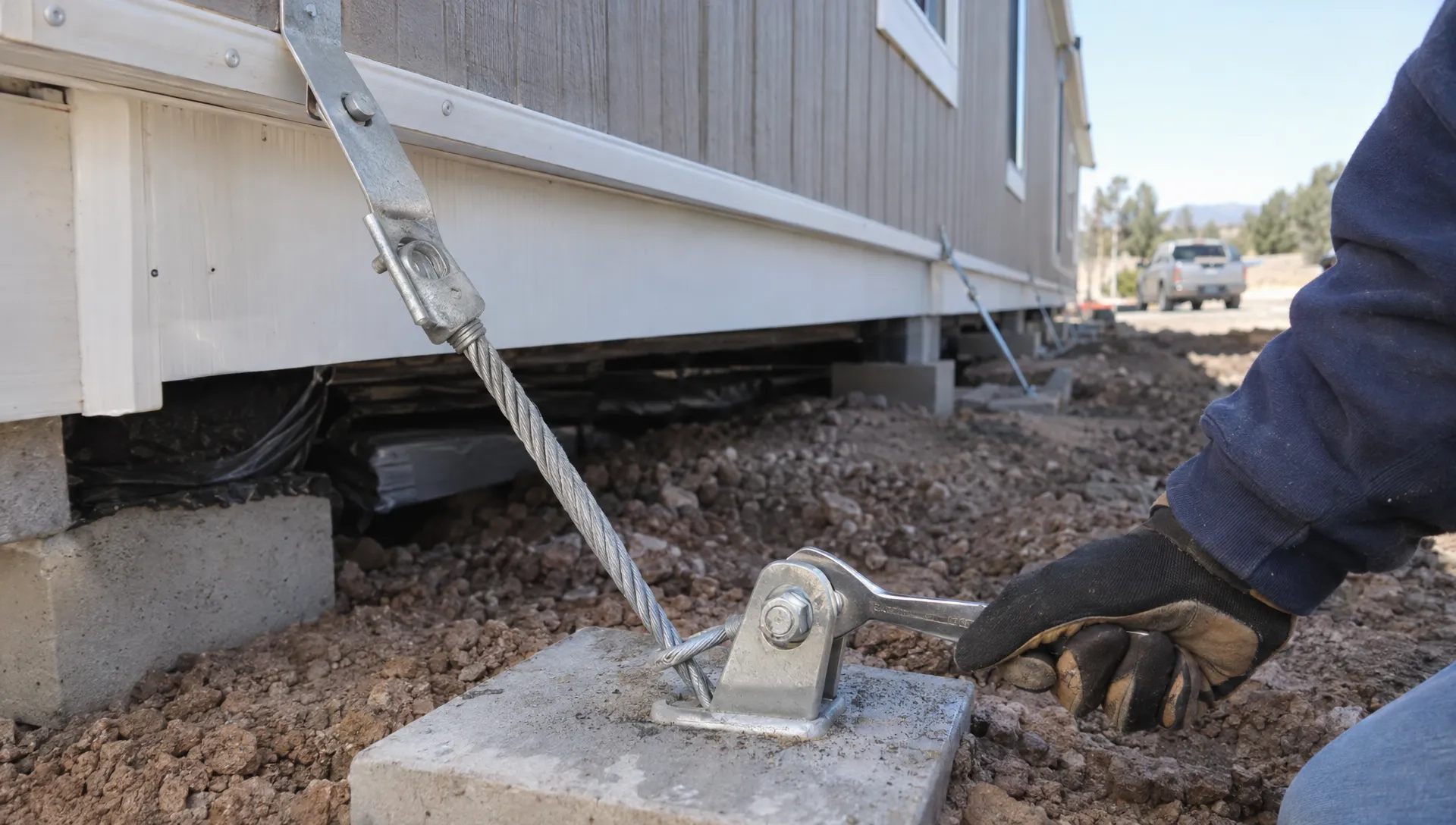
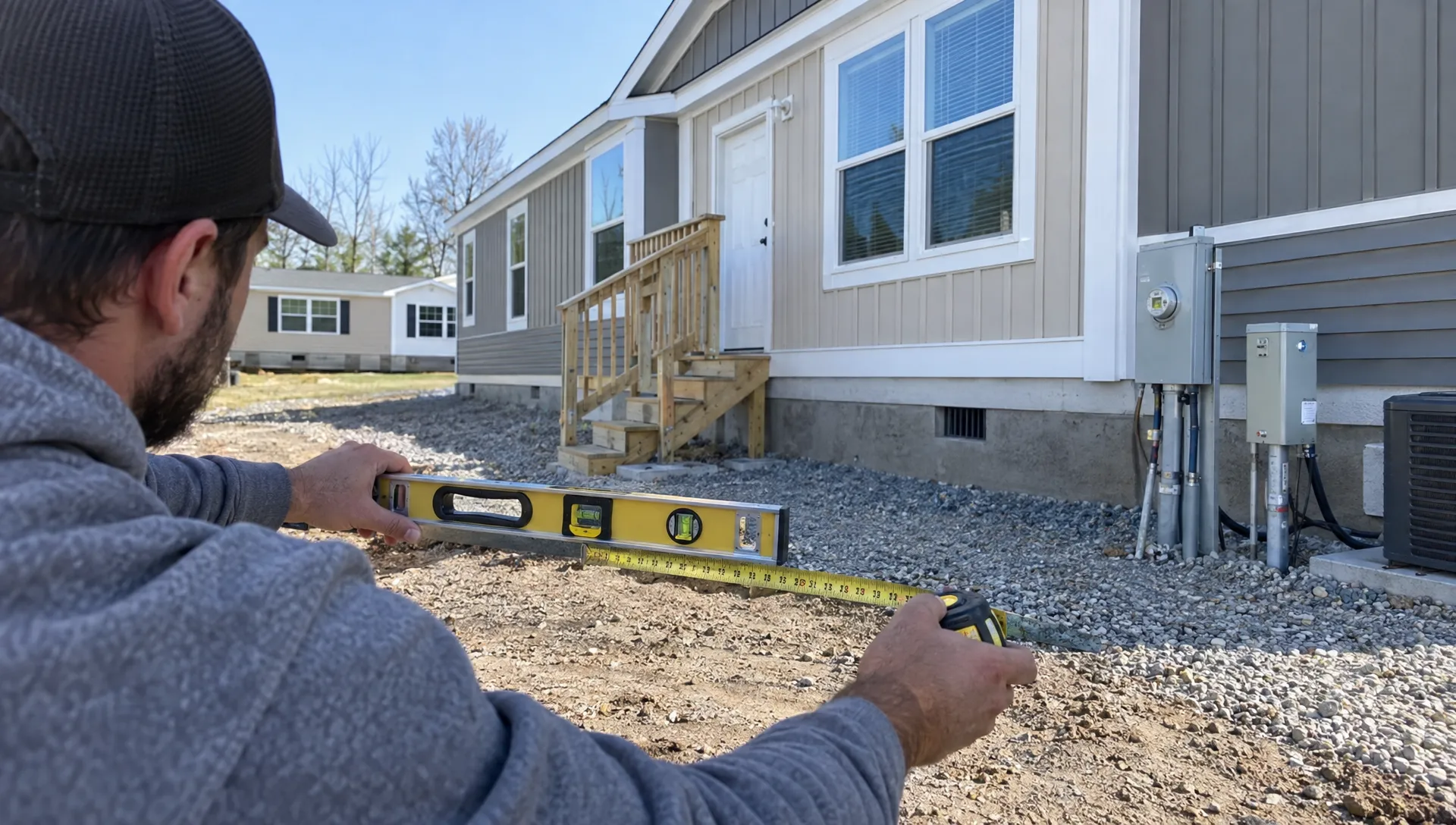
You should also confirm the home’s paperwork early. Ask about HUD certification labels, the HUD data plate, serial numbers, title status, and whether the home has been moved from another location. If the home has additions, porches, decks, or site-built modifications, ask whether they were permitted and whether they could affect financing.
Finally, do not rely on listing language alone. A listing that says FHA possible or FHA approved may be well-intentioned, but your lender is the party that must confirm whether the file can be insured.
Questions to ask the park manager or seller
The right questions can save you from surprises late in the process. Use the table below as a practical conversation guide.
| Question | Why it matters |
|---|---|
| Has this community worked with FHA-financed buyers before? | Past experience can make paperwork easier, though it does not guarantee approval |
| What is the initial lease term? | FHA Title I leased-land transactions require lease protections that lenders will review |
| How much is lot rent, and what fees are separate? | The lender may count these costs when evaluating affordability |
| What are the resident approval requirements? | You may need park approval even if the lender approves your loan |
| Are there restrictions on home age, size, skirting, exterior condition, or additions? | Community standards can affect whether the home can remain or move into the park |
| Can the lender and appraiser access the home and lot if needed? | Delays happen when inspections, appraisal access, or paperwork are not coordinated |
| Are utilities connected and compliant with local requirements? | Site readiness can affect closing and occupancy |
If the manager or seller cannot answer these questions, slow down. Missing information does not always mean the deal is impossible, but it does mean you need more due diligence before spending money on inspections, applications, or moving plans.
What about San Antonio buyers?
In the San Antonio area, manufactured home buyers often compare several paths: buying a home for private land, buying a home and land together, or buying a home located in a community. Each path can involve different financing rules.
For a buyer who wants a home in a land-lease community, the practical goal is to find the right combination of home, community, and lender. A beautiful home in a park may still be difficult to finance if the lease is not acceptable. A community may be easy to work with, but the home itself may lack the documentation a lender needs. A buyer may qualify financially, but the park may have its own resident approval standards.
That is why local guidance matters. A team familiar with manufactured homes can help you compare floor plans, understand which questions to ask, and avoid assuming that a park label tells the whole story.
So, do FHA approved mobile home parks really exist?
Yes, in a practical sense, some mobile home communities are more FHA-friendly than others. They may have lease documents lenders can review, management teams familiar with financed transactions, and homes that are more likely to meet manufactured housing requirements.
No, in the strict sense, you should not treat FHA approved mobile home parks as a universal category where every home and buyer automatically qualifies. FHA approval is usually about the specific loan file, not a blanket endorsement of the entire park.
The best way to protect yourself is to verify three things early: the loan type, the home’s eligibility, and the park’s lease and approval requirements. When those pieces align, FHA financing may be possible. When one piece is missing, the deal can stall even if everyone started with good intentions.
Frequently Asked Questions
Does FHA approve mobile home parks? Not usually in the broad way buyers imagine. FHA generally insures eligible loans made by approved lenders and reviews the specific home, site, borrower, and documentation. A park may be FHA-friendly, but that does not make every home in the park automatically eligible.
Can I use an FHA loan to buy a mobile home in a park? It may be possible, especially through FHA Title I if the home, borrower, lease, and site meet program and lender requirements. A standard rented lot is usually more complicated for FHA Title II mortgage financing because Title II often depends on real property status and acceptable land rights.
What lease terms matter for FHA financing on rented land? For FHA Title I leased-lot transactions, HUD requires certain lease protections, including an initial lease term of at least three years and advance written notice before lease termination. Your lender will review the actual lease and may have additional requirements.
Is park approval the same as FHA approval? No. Park approval means the community is willing to accept you as a resident under its rules. FHA or lender approval means the financing file meets loan guidelines. You often need both before closing.
What documents should I ask for before applying? Ask for the lot lease, community rules, lot rent and fee schedule, resident application requirements, home title information, HUD label details, data plate information, and any records related to installation or additions.
Get help finding the right manufactured home path
If you are trying to buy a manufactured home in or near San Antonio, do not rely on vague FHA approved park claims. Focus on the home, the loan type, the community requirements, and the lender’s documentation checklist.
Homes2Go San Antonio helps buyers explore affordable manufactured home options, compare models, review floor plans, and understand financing paths with local guidance. If FHA financing is part of your plan, start the conversation early so you can avoid surprises and move forward with more confidence.
 Double Wide Trailer Homes: What to Compare Before Buying
 FHA Loan Requirements for Modular Homes Explained