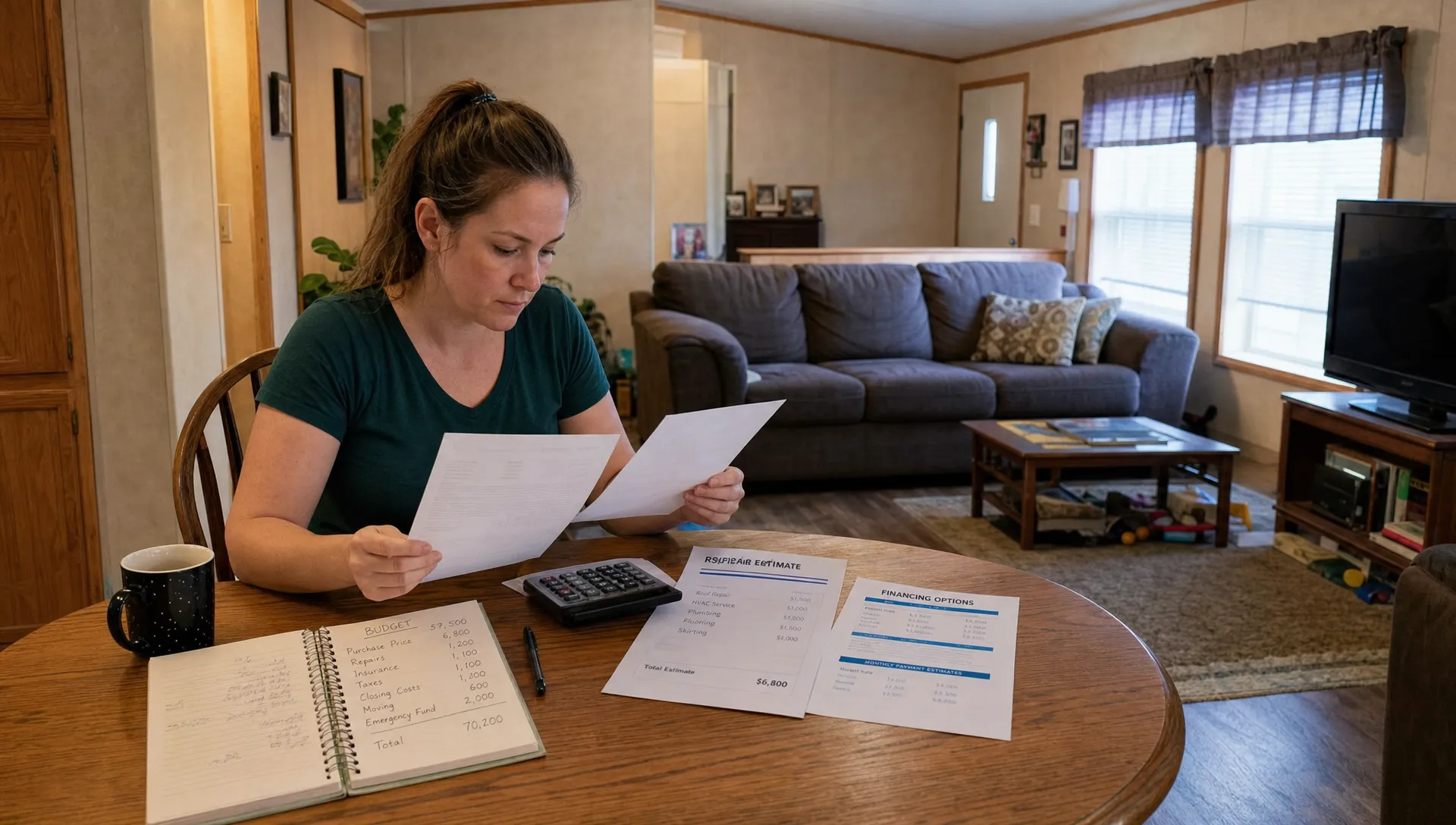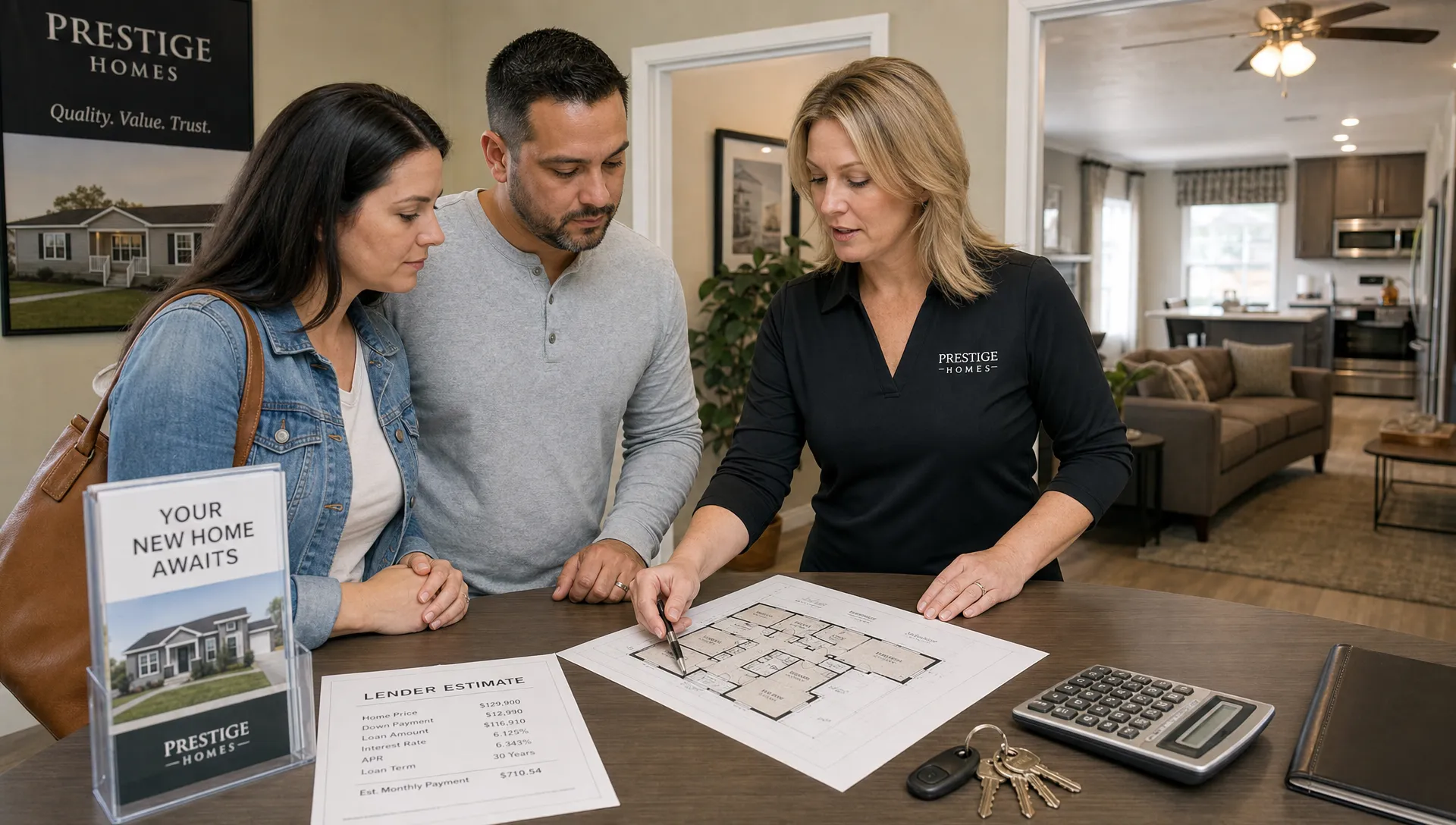

Applying for FHA financing on a manufactured home is not the same as filling out a basic personal loan form. The lender has to review you, the home, the land or lot arrangement, the installation, and the title paperwork. That sounds like a lot, but the process becomes manageable when you follow it in the right order.
Before we start, one important note: many buyers say “mobile home,” but FHA rules generally use the term “manufactured home.” In most FHA contexts, the home must be built to the HUD Code, which applies to manufactured homes built on or after June 15, 1976. Older mobile homes usually do not qualify for FHA manufactured home financing.
This step-by-step guide focuses on the application process, from early preparation to closing, so you know what to expect before you talk to a lender.
Quick overview: the FHA mobile home loan application process
Here is the big-picture sequence most buyers follow when they apply for an FHA mobile home loan.
| Step | What you do | Why it matters |
|---|---|---|
| 1 | Decide what you want to finance | The loan path changes if you are buying the home only, land only, or home plus land |
| 2 | Check the basic FHA fit | You avoid applying for a loan type that does not match your credit, income, home, or site |
| 3 | Find a lender that handles manufactured homes | Not every FHA-approved lender offers manufactured home financing |
| 4 | Gather documents | A complete file helps prevent underwriting delays |
| 5 | Get pre-approved | You learn your estimated budget before choosing a final home |
| 6 | Choose an FHA-eligible home and site | The home, installation, and paperwork must satisfy FHA and lender requirements |
| 7 | Submit the full application | The lender begins formal review, disclosures, appraisal, and underwriting |
| 8 | Clear conditions and close | You finalize documents, funds, title work, and move-in timing |
Step 1: Decide what you are actually financing
The first step is not the loan application. It is deciding what the loan needs to cover.
With FHA manufactured home financing, your options may vary depending on whether you are buying:
- A manufactured home only
- A manufactured home and the lot it sits on
- A manufactured home to place on land you already own
- A manufactured home in a community where you lease the lot
This matters because FHA has different programs and lenders may offer only certain versions. FHA Title I can be used for certain manufactured home purchases, lots, or home-and-lot combinations. FHA Title II is typically used when the manufactured home is treated as real property and is connected to the land in a way that meets FHA requirements.
HUD explains that FHA manufactured home loan insurance is provided through approved lenders, not directly by the government to the borrower. You can review HUD’s overview of the Manufactured Home Loan Insurance program for a helpful official starting point.
If you are still comparing routes, Homes2Go’s local guide to FHA loans for mobile homes in San Antonio can help you understand how the main options apply in this market.
Step 2: Check whether FHA financing is a realistic fit
Before you apply, do a quick self-check. This is not a substitute for lender approval, but it can help you prepare.
FHA loans are known for accessible credit and down payment options, but approval still depends on your financial profile and the property. Lenders review factors such as credit history, income stability, debt-to-income ratio, available funds, and whether the home meets FHA rules.
For manufactured homes, the home itself must also be eligible. That can include HUD labels, a data plate, proper installation, acceptable foundation requirements for the loan type, and correct title or ownership documents.
A good pre-application question is: “Can I document both my ability to repay and the home’s eligibility?” If the answer is yes, you are in a stronger position to move forward.
Step 3: Understand Title I versus Title II before choosing a lender
You do not need to become a mortgage expert, but you should understand the difference between the two FHA paths before applying.
| FHA option | Common use | Key application consideration |
|---|---|---|
| FHA Title I | Manufactured home only, lot only, or home plus lot in certain cases | May work when the home is not financed as traditional real estate, but lender availability varies |
| FHA Title II | Manufactured home and land treated as real property | Usually involves stricter site, foundation, appraisal, and title requirements |
The best option depends on how the home is sold, where it will be placed, and whether land is included. In Texas, the paperwork can be especially important because manufactured homes have specific title and ownership documentation.
If you are unsure which path applies, ask lenders early. Do not wait until after you have chosen a home, paid deposits, or made site plans.
Step 4: Find an FHA lender that works with manufactured homes
This is one of the most important steps. A lender can be FHA-approved but still not offer manufactured home loans, or may offer only certain types.
When you contact lenders, be direct. Tell them you want to apply for an FHA mobile home loan for a manufactured home in Texas, and explain whether you plan to buy land, lease a lot, or place the home on land you already own.
Good questions to ask include:
- Do you finance manufactured homes with FHA loans in Texas?
- Do you offer FHA Title I, FHA Title II, or both?
- Do you finance homes in manufactured home communities?
- What credit score, down payment, and debt-to-income guidelines do you use?
- What documents do you need for the home, land, foundation, and title?
- How long does underwriting usually take for manufactured homes?
HUD provides a lender list search tool, but you still need to confirm whether a lender handles manufactured homes. For a more Texas-specific approach, this guide on how to find FHA mobile home lenders in Texas explains what to ask before you apply.
Step 5: Gather your borrower documents
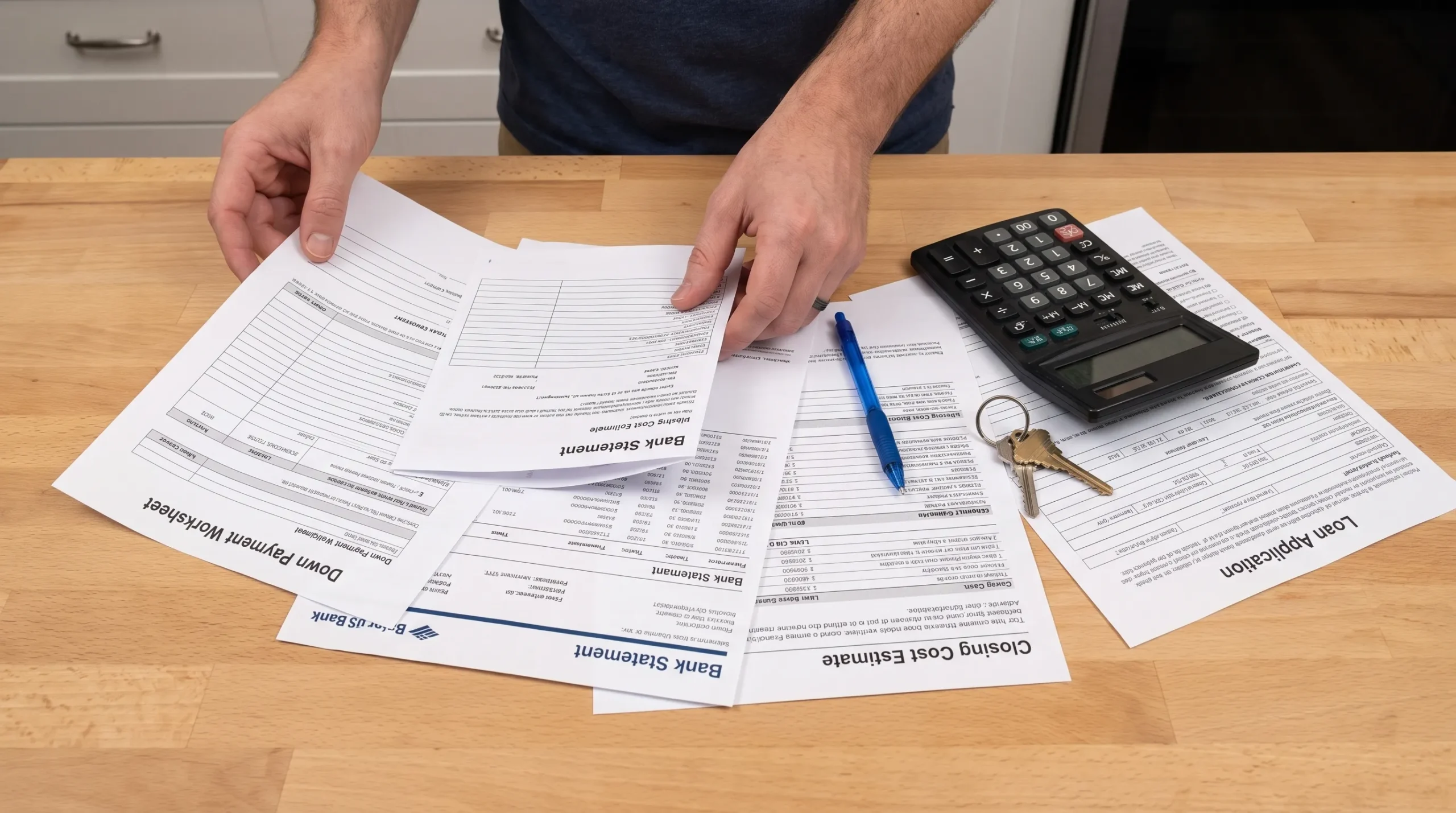
Once you find a lender, they will request documents to verify your identity, income, assets, debts, and housing history. Having these ready can shorten delays.
Most buyers should be prepared to provide:
- Government-issued photo ID
- Social Security number or taxpayer identification details, as applicable
- Recent pay stubs or income statements
- W-2s or tax returns, depending on employment type
- Bank statements showing available funds
- Information on current debts, including auto loans, credit cards, and student loans
- Rental history or current mortgage information
- Divorce, child support, or bankruptcy documents, if applicable
Self-employed buyers may need additional tax returns, profit and loss statements, or business bank statements. Buyers using gift funds may need a gift letter and proof that the funds meet lender requirements.
The goal is simple: make it easy for the lender to verify that your income is stable, your funds are documented, and your monthly payment is affordable.

Step 6: Get pre-approved before choosing the final home
A pre-approval is not a final loan approval, but it gives you a realistic price range. It also helps you shop with more confidence.
During pre-approval, the lender usually reviews your credit, income, debts, and available funds. They may estimate the loan amount you could qualify for, your expected monthly payment, and the cash you may need for down payment, closing costs, prepaid expenses, and setup-related costs.
Be careful with online calculators at this stage. They can be useful for rough estimates, but manufactured home financing can include variables that a simple calculator may not capture, such as land status, community fees, delivery, installation, foundation, taxes, insurance, and title work.
If you are shopping in San Antonio, this is also the right time to compare floor plans, community options, and move-in timelines. Homes2Go San Antonio offers a wide selection of manufactured homes and guidance for buyers who want help matching a home model with their financing path.
Step 7: Choose an FHA-eligible manufactured home
After pre-approval, you can narrow your home search. This is where many buyers accidentally slow down the process. The home must fit your budget, but it also has to meet FHA and lender standards.
For FHA financing, the lender may need to verify details such as the home’s HUD certification labels, HUD data plate, year built, serial numbers, floor plan, installation plans, and whether the home will be permanently attached to an acceptable site if required by the loan type.
The home should also match the lender’s property requirements. For example, a Title II loan generally involves a real estate-style process, so the site, foundation, appraisal, and title treatment become central to approval.
If the home is missing key HUD information, has unclear title history, or cannot meet installation requirements, it may not pass underwriting. That is why you should confirm eligibility before signing final purchase documents.
For a deeper explanation of the home paperwork side, including titles, HUD tags, and data plates, see this guide to FHA mobile home loan requirements for titles and HUD data.
Step 8: Submit the full loan application
Once you have a lender, a purchase plan, and a selected home, you can move from pre-approval to the full application.
A complete mortgage application usually includes your personal information, income, assets, debts, requested loan amount, and property details. Once the lender has the required application information, federal mortgage rules generally require the lender to provide a Loan Estimate within three business days for many covered mortgage loans. The Consumer Financial Protection Bureau explains how to read and compare a Loan Estimate.
Review this document carefully. It will estimate your interest rate, monthly payment, closing costs, taxes, insurance, and other loan terms. It is not the final closing document, but it helps you compare costs and spot questions early.
This is also when you should ask about rate locks, estimated closing timelines, and what conditions could affect approval.
Step 9: Prepare for appraisal, inspections, and site review
After the full application is underway, the lender will order the appraisal and any required property reviews. You generally do not choose the FHA appraiser yourself.
For manufactured homes, the appraisal is not only about value. The lender and appraiser also look at whether the property appears to meet program requirements. Depending on the loan type and property setup, additional inspections or certifications may be required.
Common review items can include:
- The home’s age and HUD-code status
- HUD labels and data plate information
- Site access and utilities
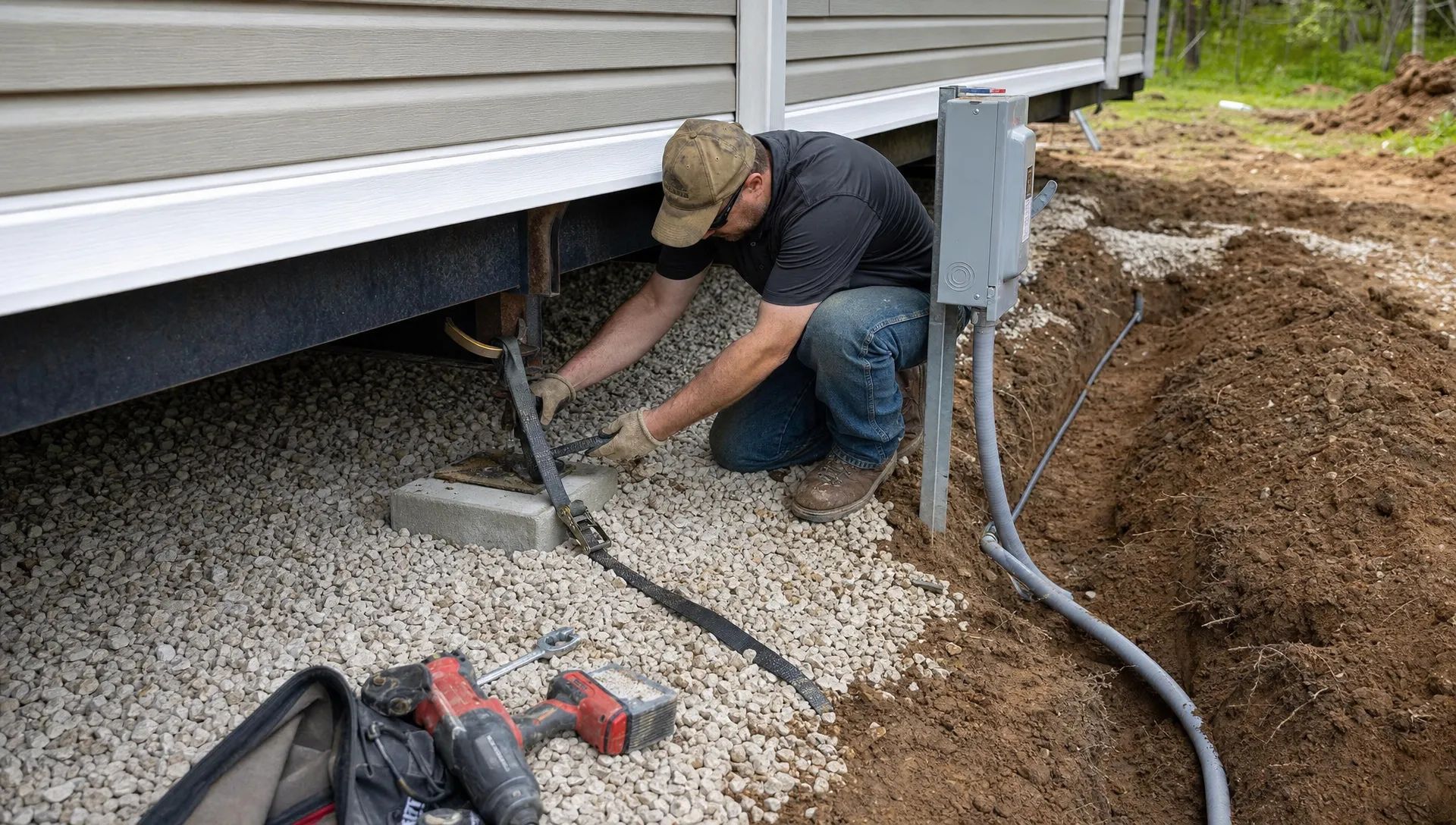
- Foundation and installation requirements
- Whether the home is classified correctly as personal property or real property
- Flood zone, property taxes, insurance, and community documentation, when applicable
If you are placing a new manufactured home, timing matters. The lender may need installation documents, foundation certifications, final inspections, and updated title paperwork before closing or funding, depending on the transaction structure.
Step 10: Respond quickly to underwriting conditions
Underwriting is where the lender verifies your file and decides whether it meets FHA, investor, and lender guidelines. It is normal to receive “conditions,” which are requests for additional information or corrections.
A condition does not automatically mean something is wrong. It might be as simple as an updated bank statement, a letter explaining a large deposit, proof of homeowners insurance, or a corrected document.
The key is speed and accuracy. If your lender asks for a specific document, send exactly what they request. Avoid sending partial screenshots, cropped statements, or unclear photos unless the lender says they are acceptable. Full PDF statements are often easier for underwriting teams to review.
Also, avoid major financial changes while your loan is in process. Do not open new credit lines, finance furniture, change jobs, deposit unexplained cash, or move money between accounts without talking to your lender first. These actions can create new conditions or affect approval.
Step 11: Review your Closing Disclosure and close
Near the end of the process, you will receive a Closing Disclosure for many mortgage transactions. This document shows your final loan terms and closing costs. Compare it with your Loan Estimate and ask questions about any changes you do not understand.
Before closing, confirm practical details such as:
- Final cash needed to close
- Acceptable payment method for closing funds
- Insurance effective date
- Title or ownership paperwork
- Delivery, installation, and move-in schedule
- Community approval or lot lease documents, if applicable
At closing, you sign the final documents. Depending on the loan structure, the transaction may include mortgage documents, title documents, purchase agreements, land documents, or community-related paperwork.
After closing, keep copies of everything. Manufactured home paperwork can matter later if you refinance, sell, insure the home, or prove ownership.
Common mistakes that delay FHA mobile home loan applications
Many delays are avoidable. The most common problems happen when buyers treat manufactured home financing exactly like a site-built home mortgage or a standard vehicle-style loan.
Watch out for these issues:
- Applying with a lender that does not regularly handle manufactured homes
- Choosing a home before confirming FHA eligibility
- Missing HUD labels, data plates, serial numbers, or title documents
- Assuming leased land and owned land are financed the same way
- Making large cash deposits that cannot be documented
- Taking on new debt before closing
- Underestimating closing costs, setup costs, insurance, taxes, or community fees
- Waiting too long to provide underwriting documents
The safest approach is to keep your lender, home retailer, land seller, community manager, and title contacts aligned from the beginning.
Documents to keep in one application folder
A simple folder can save you time. Create one digital folder for borrower documents and one for home and property documents. Use clear file names so you can respond quickly when your lender requests updates.
| Folder | Examples of documents to save |
|---|---|
| Borrower documents | ID, pay stubs, W-2s, tax returns, bank statements, debt statements, rental history |
| Home documents | Purchase agreement, invoice, floor plan, serial number, HUD label information, data plate details |
| Land or community documents | Lot lease, land contract, deed information, tax details, utility information, community approval |
| Closing documents | Loan Estimate, Closing Disclosure, insurance policy, title paperwork, signed final documents |
Even if your lender does not ask for everything on day one, having it ready makes the process less stressful.
Frequently Asked Questions
Can I apply for an FHA mobile home loan before choosing a home? Yes. Many buyers start with pre-approval before selecting the final manufactured home. The lender can review your finances first, then complete the property review once you choose an eligible home and site.
Do all FHA lenders offer mobile home loans? No. Some FHA-approved lenders do not finance manufactured homes, and others only offer certain loan types. Always ask whether the lender handles FHA manufactured home loans in Texas before you apply.
What credit score do I need for an FHA mobile home loan? FHA has general credit guidelines, but lenders may set their own minimums, especially for manufactured homes. Your approval also depends on income, debts, down payment, property eligibility, and loan type.
Can I use FHA financing for a manufactured home in a community? It may be possible under certain programs and lender guidelines, but the details matter. The lender will review the lot arrangement, lease terms, home eligibility, and whether the transaction fits Title I or another available structure.
How long does the FHA mobile home loan process take? Timelines vary by lender, loan type, home status, land arrangement, appraisal, title work, and installation requirements. A complete application and an experienced manufactured home lender can help reduce delays.
Ready to take the next step in San Antonio?
If you are planning to apply for an FHA mobile home loan, start by getting clear on your budget, your preferred home type, and where the home will be placed. Then work with professionals who understand manufactured homes, local communities, and the financing questions that come up in Texas.
Homes2Go San Antonio helps buyers explore affordable manufactured homes, compare floor plans, and understand available financing options. When you are ready to look at models or discuss your next step, visit Homes2Go San Antonio and start your homeownership plan with local guidance.
 Double Wide Mobile Homes for Sale Locally: Buyer Tips
 Affordable First-Time Homebuyer Options in San Antonio