
Searching for double wide mobile homes for sale locally can feel exciting and overwhelming at the same time. A double wide gives you more room than a single wide, often with a layout that feels closer to a site-built home, but the best purchase is not always the first model that looks good online.
Local buyers in and around San Antonio need to think beyond square footage. The right home depends on where it will be placed, how it will be financed, what site work is required, and whether the floor plan truly fits daily life. A smart search helps you avoid surprise costs and focus on homes that are realistic for your budget, land, family, and timeline.
This guide walks through practical buyer tips for comparing local double wide mobile homes, asking better questions, and moving toward homeownership with more confidence.
Start With the Meaning of “Local”
When people search for “double wide mobile homes for sale near me,” they usually want convenience. They want to tour homes nearby, work with someone who understands local requirements, and avoid complicated delivery logistics. That is a good starting point, but “near me” should be defined carefully.
A home that is physically nearby may not be the best fit if delivery, land preparation, permitting, or community approval becomes difficult. On the other hand, a local manufactured home retailer may have access to multiple models, floor plans, and communities even if every home is not sitting on the lot that day.
For San Antonio buyers, it helps to think in terms of a practical service area. Ask whether the home can be delivered to your land, whether the retailer works with communities you are considering, and whether they can explain common local setup requirements. Local expertise matters because manufactured home purchases involve both the home itself and the place where it will sit.
If you are still early in your search, Homes2Go SA’s guide on how to search for mobile homes near you like a pro can help you narrow your options before you start comparing specific homes.
Know Why Double Wides Are Popular With Buyers
Double wide mobile homes are built in two sections and joined together at the home site. That design typically allows for wider living areas, more separation between bedrooms, larger kitchens, and more flexible floor plans than many single wide homes.
For families, the appeal is often simple: more livable space at a more accessible price point than many traditional housing options. For first-time buyers, a double wide can offer a path to ownership with modern finishes, efficient layouts, and financing options designed for manufactured housing. For downsizers, the single-level layout can be easier to maintain while still offering enough space for guests, hobbies, or a home office.
The key is to buy based on use, not just size. A larger home is only better if the layout supports the way you live. A 4-bedroom plan may be perfect for a growing family, while a 3-bedroom with a flex room may work better for someone who needs office space. Tour homes with your daily routines in mind, including cooking, laundry, storage, privacy, parking, and outdoor access.
Set a Realistic Total Budget Before You Tour
The advertised home price is important, but it is not the full financial picture. Local buyers should ask for a clearer estimate of the total cost to become move-in ready. Depending on your situation, the total may include delivery, setup, utility connections, foundation work, skirting, steps, permits, inspections, land improvements, and community fees.
If you are placing the home on private land, site preparation can vary widely. Land may need grading, utility access, septic planning, driveway work, or other improvements. If you are moving into a manufactured home community, you may have lot rent, application fees, community rules, or home placement standards to review.
A helpful way to compare homes is to separate the purchase into three cost categories.
| Cost category | What to ask locally | Why it matters |
|---|---|---|
| Home cost | What is included in the displayed price? | Some models, options, and upgrades may change the final amount. |
| Placement cost | What delivery, setup, foundation, and utility work may apply? | These costs can affect affordability as much as the home price. |
| Ongoing cost | What will I pay monthly for financing, insurance, taxes, utilities, and lot rent if applicable? | A comfortable monthly payment is just as important as qualifying. |
Before you fall in love with a model, ask for a written breakdown of what is included, what is estimated, and what is not yet known. A reputable local team should be willing to explain the difference.
Compare Floor Plans by How They Live, Not Just How They Look
Online photos are useful, but they do not always show how a floor plan feels in person. When touring double wide mobile homes for sale locally, pay attention to how the rooms connect.
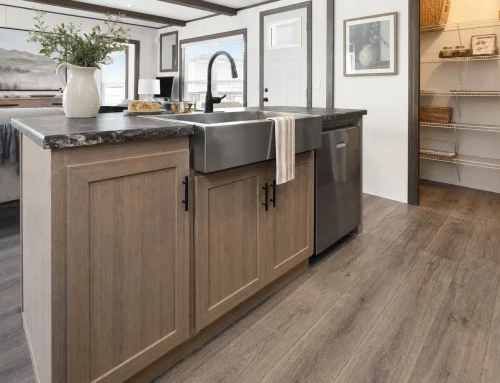
Open-concept layouts are popular because they make the kitchen, dining, and living space feel larger. They can be great for entertaining or keeping an eye on children while cooking. However, some buyers prefer more defined rooms because they reduce noise and create privacy.
Split-bedroom layouts, where the primary suite is separated from secondary bedrooms, are another common double wide feature. This can be ideal for parents, roommates, guests, or multigenerational living. If you work from home, consider whether a secondary bedroom is far enough from the main living area to stay quiet during calls.
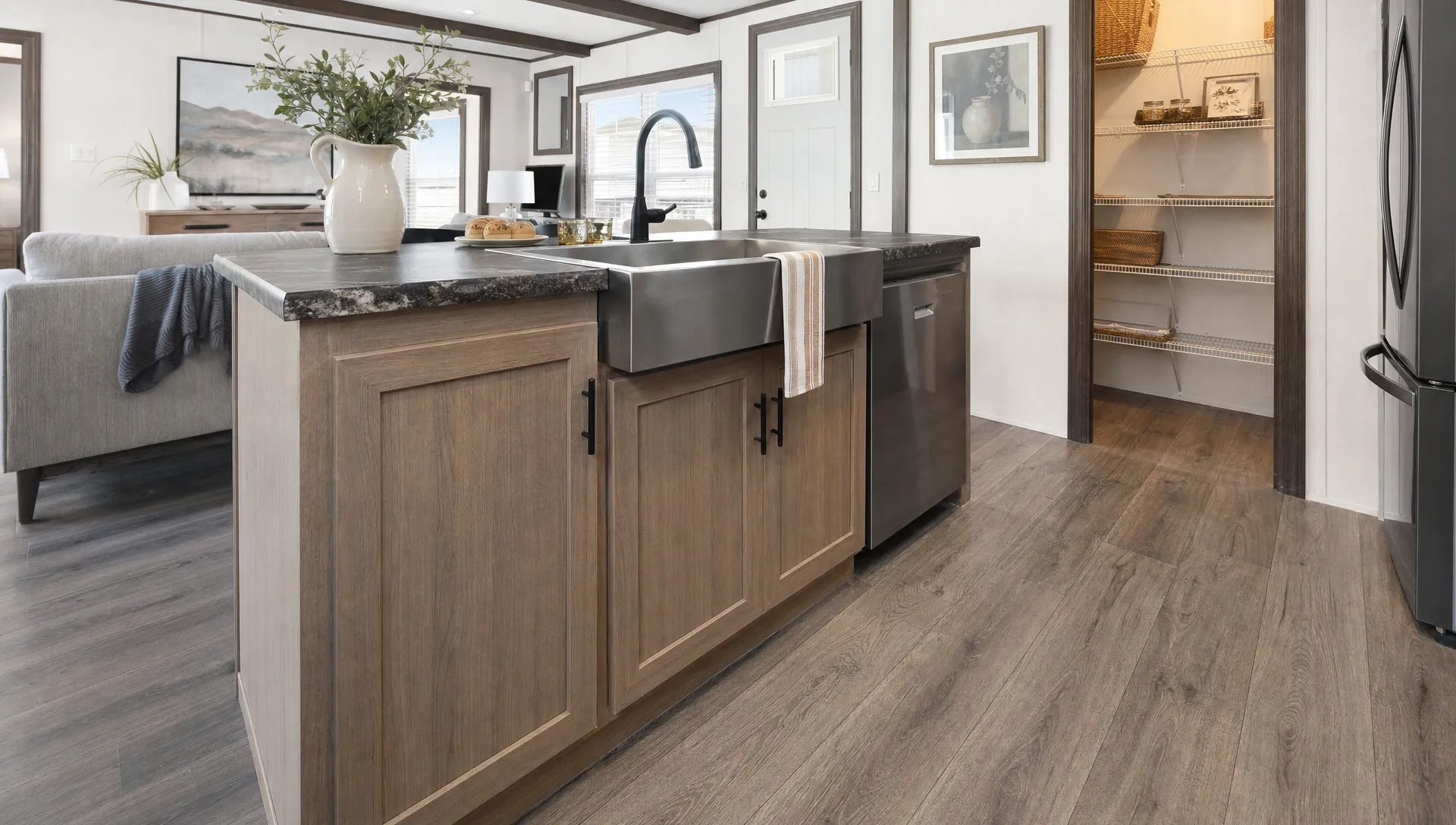
Storage deserves special attention. Look for pantry space, linen closets, bedroom closets, utility room cabinets, and entryway storage. A beautiful home can become frustrating if there is not enough space for everyday items.
For a deeper overview of layouts and buying considerations, this buyer guide to double wide manufactured homes for sale is a useful companion as you compare models.
Ask About Construction Standards and Energy Efficiency
Manufactured homes are built to federal construction and safety standards administered by the U.S. Department of Housing and Urban Development. HUD’s Manufactured Housing Program explains that homes built under the federal manufactured home construction and safety standards must meet requirements for design, construction, strength, durability, transportability, fire resistance, and energy efficiency.
That federal standard is one reason many buyers feel more comfortable considering modern manufactured homes. Still, not every model has the same insulation package, window quality, appliance package, or HVAC setup. If energy costs matter to your monthly budget, ask specific questions instead of assuming every home performs the same.
Good local questions include:
- What insulation features are included in this model?
- Are energy-efficient appliances available or included?
- What type of windows come standard?
- How is the HVAC system sized for the home?
- Are there upgrade options that may lower long-term utility use?
Energy-efficient designs can be especially valuable in South Texas, where cooling performance matters during long hot seasons. A slightly higher upfront investment may be worthwhile if it improves comfort and reduces monthly utility pressure.
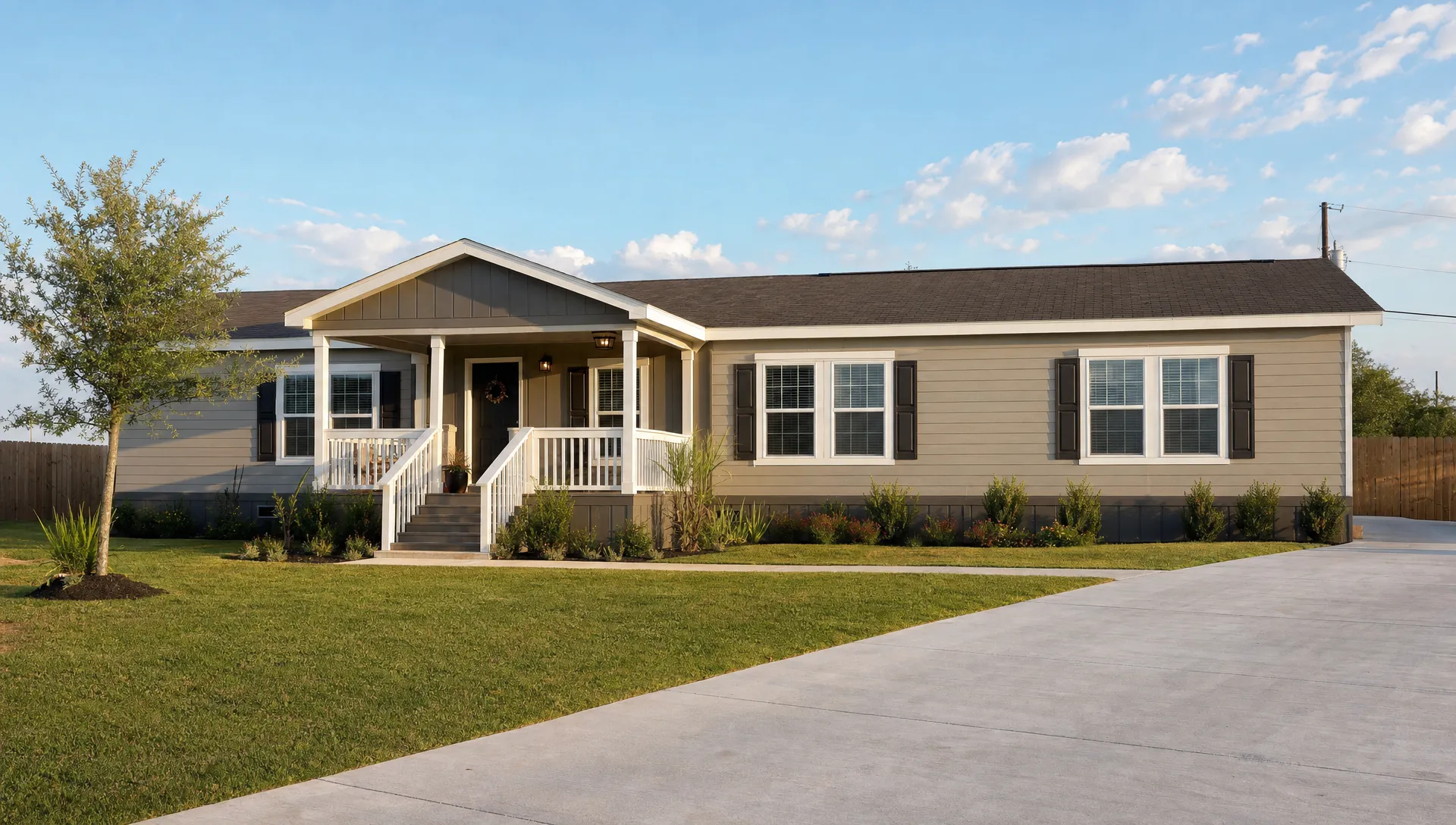
Decide Where the Home Will Go Before You Commit
A double wide purchase depends heavily on placement. Before signing paperwork, confirm whether you plan to place the home on private land or in a manufactured home community.
Private land can offer more independence, but it may require more planning. You may need to confirm zoning, deed restrictions, utility access, driveway placement, floodplain considerations, and local permitting requirements. If the land is rural or undeveloped, septic and well planning may also come into play.
A manufactured home community can simplify some parts of the process because lots are already designed for homes. However, communities often have their own application process, lot rent, rules, home age requirements, exterior standards, pet policies, parking rules, and approval timelines.
Neither option is automatically better. The right choice depends on your budget, lifestyle, commute, schools, pets, and long-term plans. The important thing is to evaluate the home and the homesite together. A great floor plan can become the wrong choice if it does not fit the lot, the community, or the local setup requirements.
Review Financing Early, Especially if You Are a First-Time Buyer
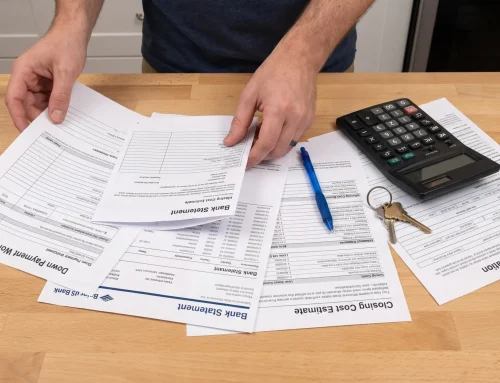
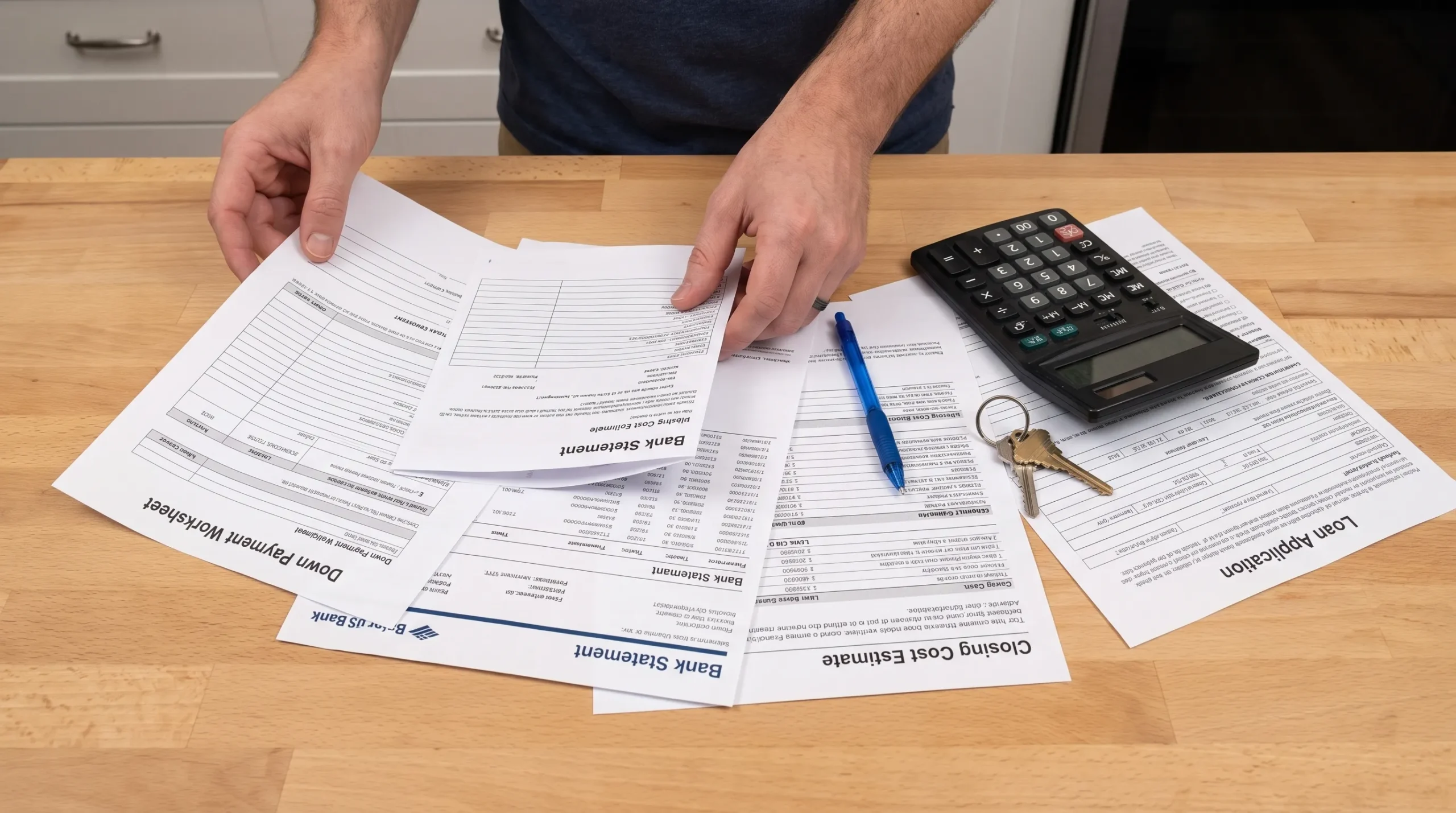
Financing a manufactured home can look different depending on whether you are buying the home only, buying land and home together, or placing the home in a community. Some buyers use chattel loans for the home itself, while others may qualify for mortgage-style financing if the home and land are being financed together and meet lender requirements.
The Consumer Financial Protection Bureau notes that manufactured housing can involve different loan types, terms, and consumer considerations than traditional site-built home financing. That makes it especially important to compare more than the monthly payment.
Ask lenders or your local home consultant about:
- Down payment expectations
- Interest rate and loan term
- Whether taxes and insurance are included in the payment
- Estimated closing or loan fees
- Requirements for land, foundation, and title
- Whether early payoff penalties apply
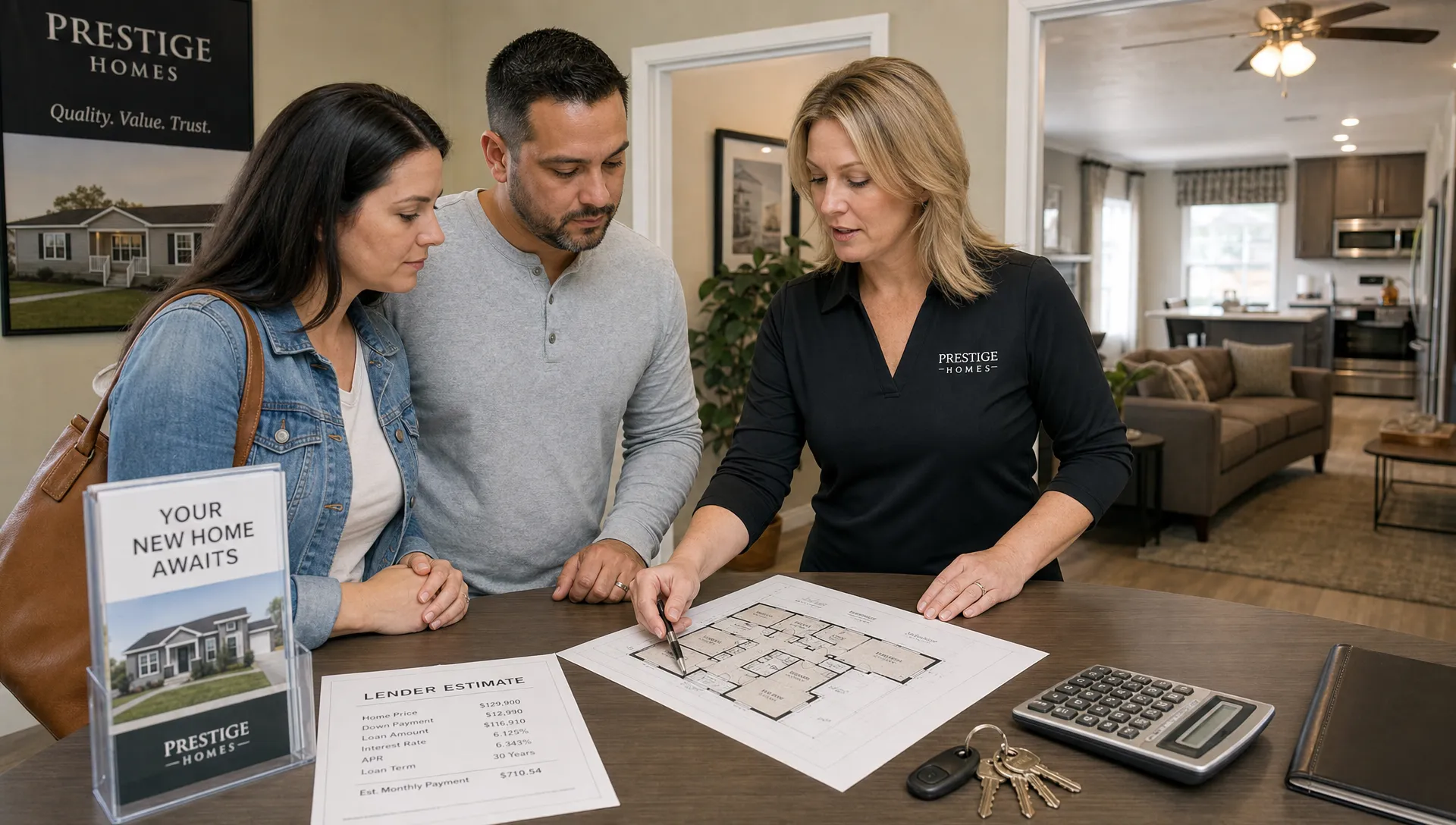
Homes2Go San Antonio offers flexible financing options and works with trusted local lenders, which can be helpful if you are trying to understand what you may qualify for before choosing a model. Getting prequalified or reviewing financing early can also keep your search realistic and reduce delays once you find the right home.
Inspect the Home Like You Plan to Live There
Touring a model home is not just about style. It is your chance to test the practical details. Bring a checklist and slow down as you walk through each room.
Open cabinets. Check closet depth. Stand in the laundry area and imagine using it with baskets and supplies. Picture your furniture in the living room. Look at natural light, outlet placement, hallway width, bathroom storage, and kitchen workflow.
If you are comparing multiple double wides, take notes immediately after each tour. Floor plans can blur together quickly, especially if you visit several homes in one day. Photos, measurements, and written impressions will make it easier to choose later.
Here is a simple touring checklist you can use.
| Area to check | What to notice | Buyer tip |
|---|---|---|
| Kitchen | Counter space, cabinet storage, pantry, appliance layout | Imagine cooking a normal weeknight meal, not just hosting guests. |
| Living room | Furniture placement, traffic flow, natural light | Check whether your sofa, TV, and dining area fit comfortably. |
| Bedrooms | Privacy, closet size, window placement | Think about noise between rooms and future household changes. |
| Bathrooms | Storage, ventilation, tub or shower preference | Make sure the setup works for children, guests, or accessibility needs. |
| Utility areas | Laundry space, mechanical access, exterior doors | These practical spaces affect daily convenience. |
A home should feel good on tour, but it should also work on a busy Monday morning.
Understand Delivery, Setup, and Timeline
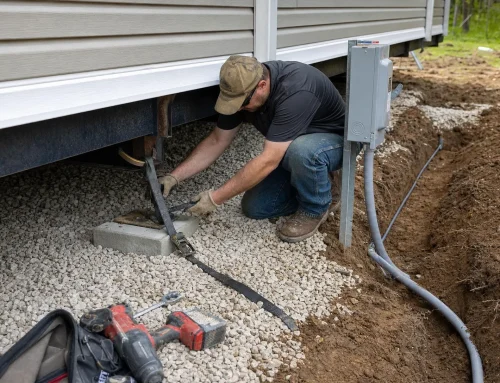
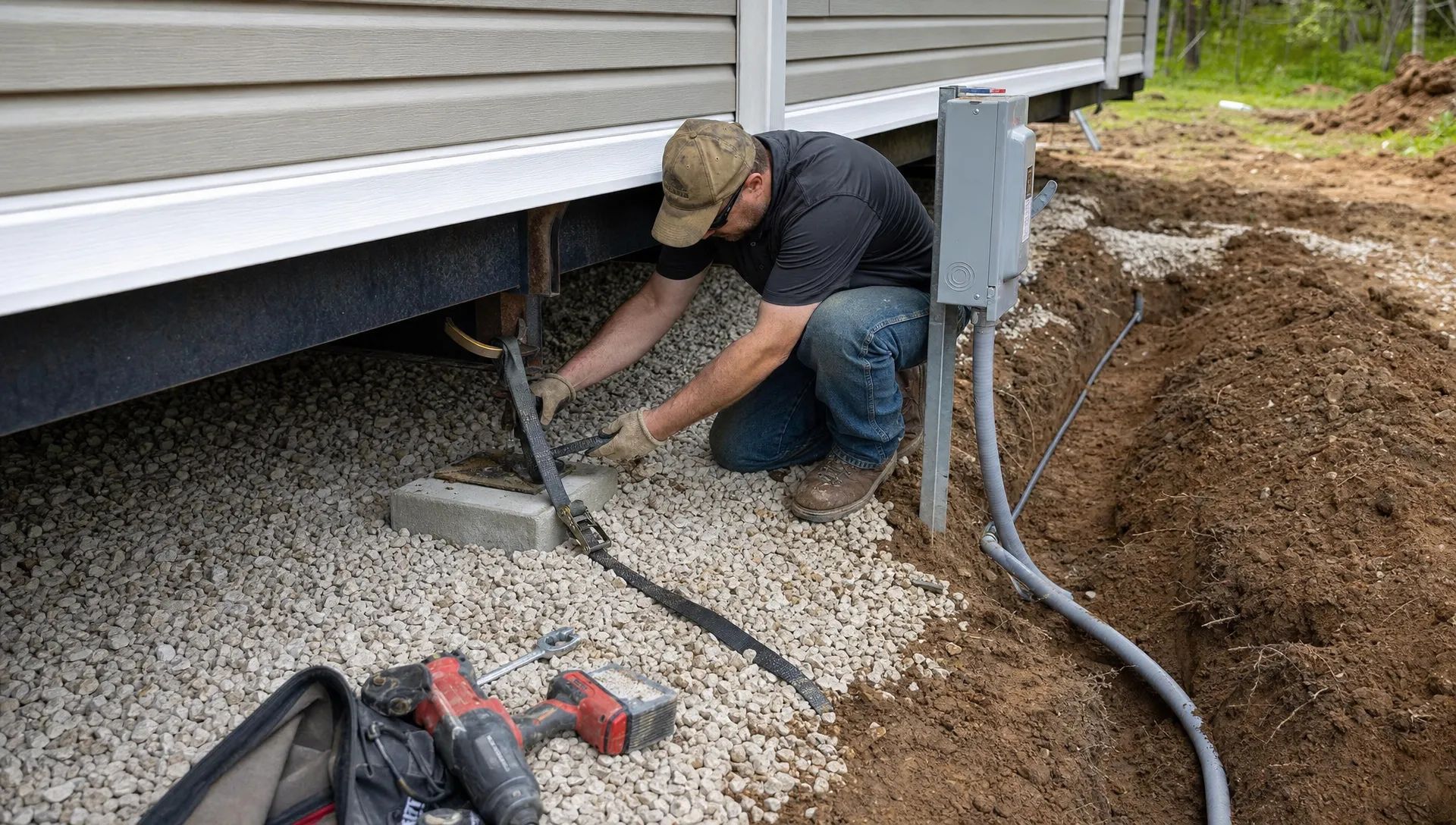
Double wide homes are delivered in sections and assembled on-site. That process requires coordination, and the timeline can depend on home availability, financing, permits, weather, site readiness, transportation scheduling, inspections, and utility connections.
Ask your local retailer to explain the sequence from purchase agreement to move-in. Buyers often underestimate how many steps happen after choosing a home. A clear timeline helps you plan lease endings, moving dates, school changes, storage needs, and utility transfers.
You should also ask who is responsible for each part of the process. Some tasks may be handled by the retailer, some by contractors, some by the buyer, and some by the community or local authority. Clarity prevents misunderstandings.
Helpful timeline questions include:
- Is the home in stock, ordered, or still being built?
- What must happen before delivery can be scheduled?
- Who handles permits and inspections?
- What site preparation is required before the home arrives?
- When can utilities be connected?
- What could delay move-in?
For a broader overview of what to inspect and consider before purchasing, review Homes2Go SA’s guide on what to know about double wide mobile homes for sale.
Compare Local Retailers, Not Just Local Homes
A local home search is also a search for the right guidance. The retailer you choose can affect how clearly you understand your options, how smoothly financing moves, and how confidently you navigate the buying process.
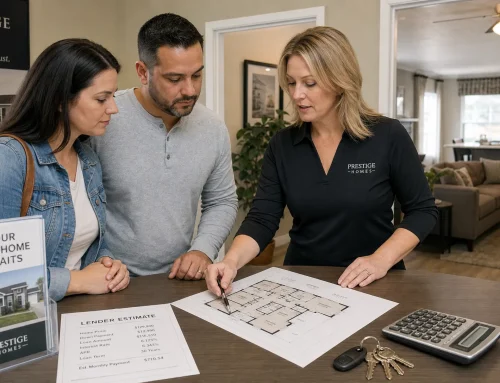
Look for a team that explains details without pressuring you. You should feel comfortable asking basic questions, especially if you are a first-time buyer. A good consultant will help you compare models, understand floor plans, review financing paths, and think through placement before you commit.
Signs of a helpful local buying experience include clear communication, written cost information, realistic timelines, available floor plans, home tours, financing guidance, and knowledge of nearby communities. If answers are vague or rushed, slow down.
Watch for Red Flags in Local Listings
Local listings can be useful, but not all listings give the full picture. Be cautious when a home appears dramatically cheaper than comparable models without explaining why. The price may exclude delivery, setup, land, utility work, repairs, or required upgrades.
Also be careful with listings that use limited photos, unclear ownership details, or pressure tactics. If a seller cannot explain the home’s title status, location, age, condition, included features, or moving requirements, you may need more documentation before moving forward.
For any double wide mobile home, especially a used one, ask about the HUD certification label, data plate, title, taxes, liens, and whether the home can legally be moved or placed where you want it. Rules can vary by location and situation, so documentation matters.
Think About Resale and Long-Term Fit
Even if you plan to stay for years, buy with the future in mind. Household needs can change. A spare bedroom may become an office, nursery, guest room, or caregiver space. A large kitchen island may matter more as children grow. A primary suite separated from other bedrooms may become more valuable over time.
Location also affects long-term satisfaction. Consider commute times, school zones, nearby shopping, healthcare access, community amenities, and neighborhood feel. If you are buying land, think about drainage, expansion possibilities, outdoor storage, fencing, and maintenance.
The best local double wide purchase balances today’s budget with tomorrow’s flexibility.
Frequently Asked Questions
Are double wide mobile homes the same as manufactured homes? In everyday conversation, many people use the terms interchangeably. Technically, modern manufactured homes are factory-built homes constructed to the federal HUD Code. A double wide refers to a manufactured home built in two sections and joined at the site.
Is it better to buy a double wide on land or place it in a community? It depends on your goals. Private land may offer more control, but it can require more site preparation and permitting. A community may simplify placement, but you will need to review lot rent, rules, and approval requirements.
What should I ask before buying a local double wide mobile home? Ask what is included in the price, where the home can be placed, what delivery and setup cost, what financing options are available, what permits may be needed, and what timeline to expect before move-in.
Can first-time buyers finance a double wide mobile home? Many first-time buyers explore manufactured home financing. The right option depends on credit, income, down payment, whether land is included, and lender requirements. Working with local lenders familiar with manufactured housing can make the process easier to understand.
How do I compare double wide mobile homes for sale near me? Compare total move-in cost, floor plan usability, energy features, placement options, financing terms, retailer support, and long-term location fit. Do not rely on sticker price alone.
Find the Right Double Wide Mobile Home Locally
Buying locally gives you the advantage of seeing homes in person, asking market-specific questions, and working with people who understand San Antonio-area placement, communities, and financing considerations.
If you are ready to compare floor plans, explore move-in ready options, or talk through financing, Homes2Go San Antonio can help you take the next step. With a wide selection of manufactured and mobile homes, expert guidance, flexible financing options, and support for first-time buyers, you can shop with a clearer plan and more confidence.
 Are Smart Thermostats Worth It in Mobile Homes?
 How to Apply for an FHA Mobile Home Loan Step by Step