
Buying a manufactured home can make homeownership feel more realistic, especially in a market where site-built homes may be out of reach for many first-time buyers. But once you start comparing models, communities, and monthly payments, one financing term often appears quickly: chattel dwelling loans.
A chattel dwelling loan is not the same as a traditional mortgage. It can be a practical way to finance a manufactured home when you are buying the home itself but not the land beneath it. That distinction affects the application process, closing costs, loan terms, title paperwork, and what questions you should ask before signing.
If you are shopping for a manufactured or mobile home in San Antonio, here is a plain-English guide to how these loans work, when they make sense, and how to compare them with other financing options.
What are chattel dwelling loans?
“Chattel” means movable personal property. In manufactured housing, a chattel dwelling loan is a loan secured by the home as personal property rather than by real estate. The word “dwelling” simply means the home is intended to be lived in.
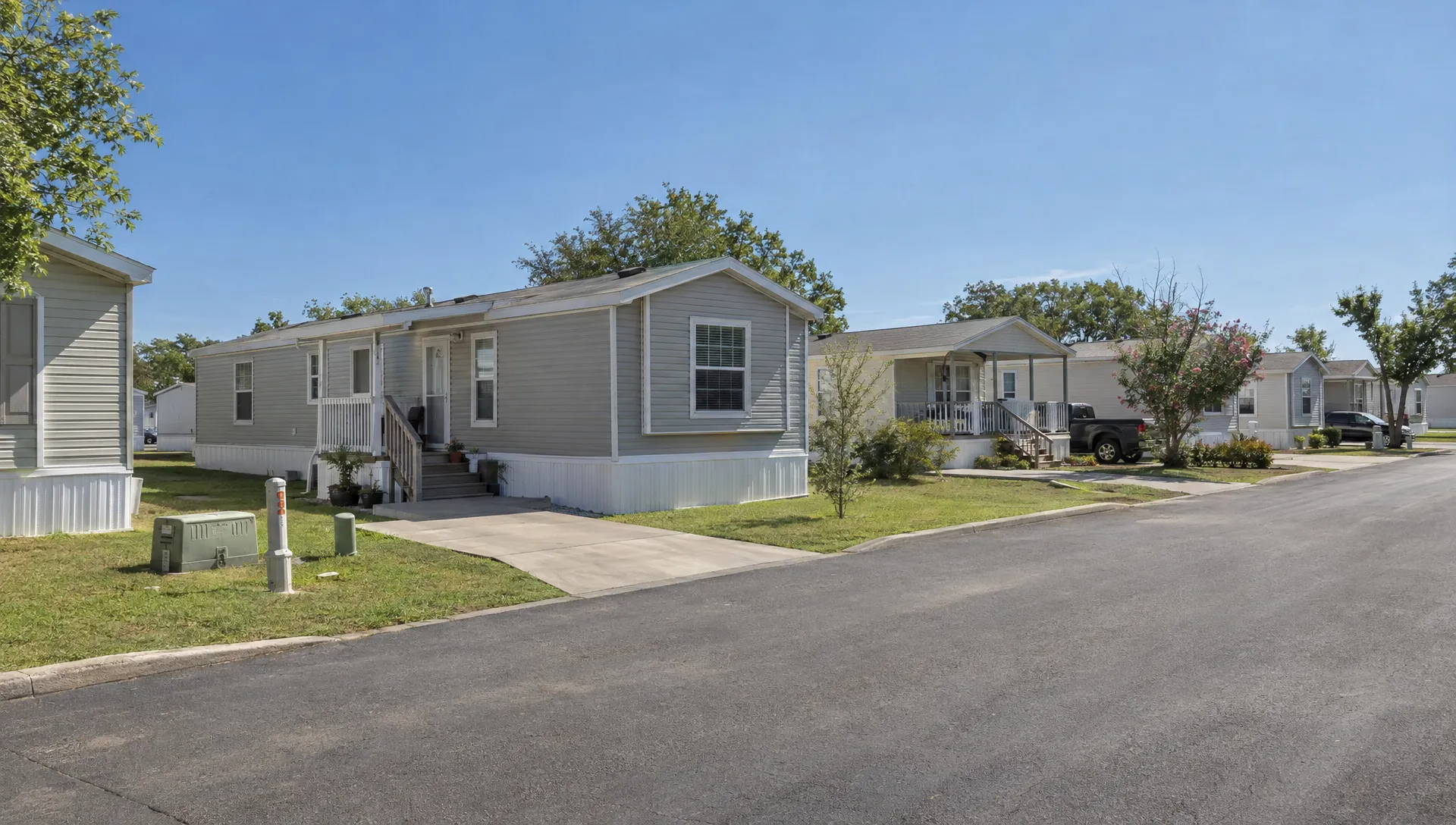
In practical terms, the lender is financing the manufactured home, not the land. This type of loan is common when a buyer plans to place the home in a land-lease community, on family land, or on land that is not being financed together with the home.
A chattel loan is still a secured loan. The home itself serves as collateral, and the lender may record a lien on the home’s title or ownership documents. If the borrower defaults, the lender may have rights to recover the home, depending on the contract and applicable law.
Many buyers hear several phrases that mean similar things, including home-only loan, personal property loan, manufactured home chattel loan, mobile home loan, or chattel dwelling loan. The exact term matters less than the structure: the loan is tied to the home, while the land is separate.
For a shorter overview of the same concept, Homes2Go also has a simple explainer on chattel loans for manufactured homes.
How chattel dwelling loans differ from traditional mortgages
Traditional mortgages usually finance real estate, meaning the home and the land are part of the same collateral package. With a chattel dwelling loan, the land is not part of the loan. That one difference can change several parts of the buyer experience.
| Feature | Chattel dwelling loan | Traditional land-home mortgage |
|---|---|---|
| What is financed | The manufactured home | The home and land together |
| Collateral | The home as personal property | Real estate, usually home plus land |
| Common setting | Land-lease community, family land, separate land arrangement | Buyer owns or buys the land with the home |
| Closing process | Often more streamlined than real estate closing | Usually includes real estate title, appraisal, and property closing steps |
| Loan terms | Often shorter than traditional mortgages | Often longer, depending on loan program |
| Rate expectations | May be higher than real estate mortgage rates | Often lower when land and home qualify together |
| Title treatment | Home may remain personal property | Home may need to be classified as real property |
This does not mean one option is automatically better. A mortgage may be better if you are buying land and the home qualifies for real-property financing. A chattel dwelling loan may be a better fit if your priority is purchasing the home itself and placing it in a community or on land you already have access to.
Why manufactured home buyers use chattel financing
The biggest reason buyers consider chattel financing is flexibility. Many manufactured home buyers do not want to purchase land right away. Others prefer the lifestyle and amenities of a manufactured home community. Some have access to family land but do not want to refinance or encumber that land.
Chattel dwelling loans can also help buyers focus on the home model, floor plan, and monthly affordability without adding a land purchase to the transaction. That can be especially helpful for first-time buyers who want a modern home but need a more accessible path into ownership.
In the San Antonio area, where buyers may be comparing community living, rural property, and suburban locations, this flexibility matters. A home-only loan can let you move forward when the home is the main purchase and the site is handled separately.
When a chattel dwelling loan may make sense
A chattel dwelling loan may be worth considering if your buying situation looks like one of these:
- You want to buy a manufactured home in a land-lease community.
- You are placing the home on land owned by a family member.
- You already own land but do not want to include it in the loan.
- You want a home-only financing option with a potentially simpler process.
- You are focused on monthly payment and do not need to buy land right now.
- You are comparing manufactured home communities before deciding where to settle long term.
The key is to compare the full housing cost, not just the loan payment. If you rent a homesite, your lot rent or community fee is separate from the chattel loan. If the home will be placed on private land, site preparation, utilities, permits, delivery, and installation can affect the total budget.
What lenders usually evaluate
Each lender has its own underwriting standards, but most chattel dwelling loan applications look at a similar set of factors. Buyers should be prepared to document income, debts, credit history, and the details of the home being purchased.
| Factor | Why it matters |
|---|---|
| Credit profile | Helps the lender assess repayment risk and available loan terms |
| Income and employment | Shows whether the monthly payment is affordable and stable |
| Debt-to-income ratio | Compares existing debts plus the new payment to income |
| Down payment | Can affect approval, payment size, and total interest cost |
| Home model and age | Lenders may have requirements for eligible manufactured homes |
| Installation location | Community approval, land access, and site readiness can affect closing |
| Insurance | The lender may require coverage before funding |
| Title or ownership documents | Confirms how the home is classified and whether liens can be recorded properly |
In Texas, manufactured homes are documented through a Statement of Ownership. Depending on the facts, including land ownership and title election, a manufactured home may be treated as personal property or real property. If you are unsure which applies to your situation, ask your lender, retailer, or a qualified Texas professional before you commit.
Costs to budget beyond the loan payment
A common mistake is comparing homes only by the monthly loan payment. That payment matters, but it is only one part of the real monthly and upfront cost of ownership.
You may also need to budget for delivery, setup, skirting, steps, utility connections, insurance, taxes, lot rent, community fees, and routine maintenance. Some of these costs may be included in the purchase package, while others may be separate. Always ask for a written breakdown.
| Cost category | What to ask before signing |
|---|---|
| Down payment | How much is required, and when is it due? |
| Loan fees | Are there origination, document, or processing fees? |
| Delivery and setup | Is transportation and installation included in the quote? |
| Site work | Who handles grading, utility connections, and permits? |
| Insurance | What coverage is required before move-in? |
| Lot rent or land costs | Is the homesite payment separate from the loan? |
| Taxes | How will the home be taxed, and who collects the payment? |
| Community fees | Are there application, amenity, trash, water, or maintenance fees? |
The typical chattel loan process for home buyers
The process can vary by lender and home location, but most buyers move through a few predictable stages.
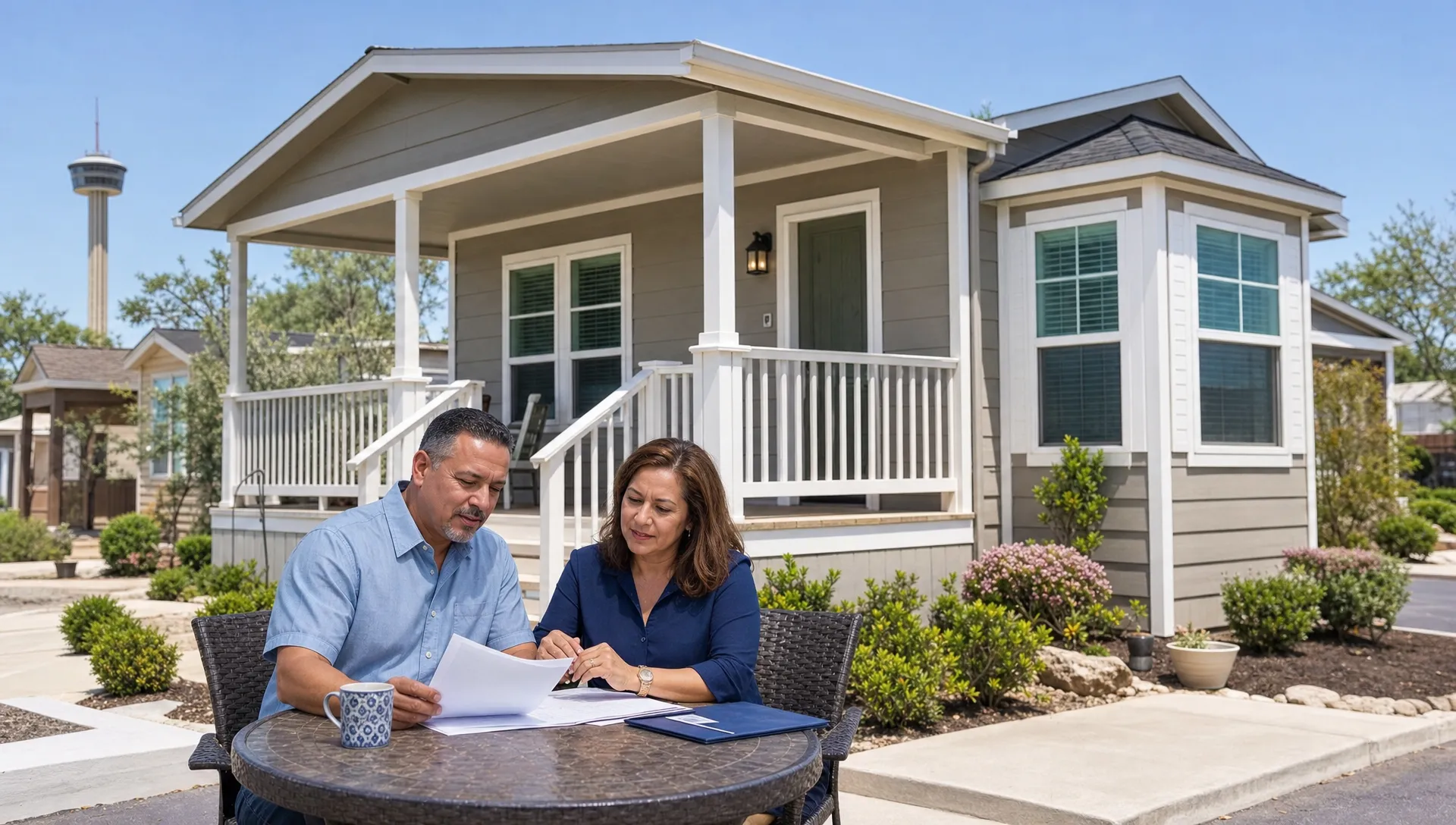
First, you get prequalified or preapproved. This gives you a realistic price range before you choose a home. Prequalification is not always a final approval, but it can help you shop with better expectations.
Next, you select a home model and confirm where it will be placed. This is where floor plan, bedroom count, home size, community requirements, and site readiness all come together. A home that looks perfect on paper still needs to fit the chosen site and lender requirements.
Then, you complete the full loan application. The lender may request pay stubs, tax documents, bank statements, identification, and details about the home. If the home will be placed in a community, the community may also have its own application or approval process.
After underwriting, the lender issues final terms. This is the point where you should review the interest rate, annual percentage rate, payment amount, term length, fees, insurance requirements, and whether there are prepayment penalties.
Finally, the loan closes and the home moves toward delivery, setup, and occupancy. Before you move in, confirm that installation, utilities, inspections, and community requirements are complete.
Questions to ask before accepting a chattel dwelling loan
Good financing decisions come from asking specific questions. Before signing, make sure you understand both the loan and the total ownership arrangement.
| Question | Why it matters |
|---|---|
| Is the rate fixed or variable? | A fixed rate keeps the payment more predictable. |
| What is the APR? | APR helps compare loans because it includes certain costs beyond the interest rate. |
| What is the loan term? | A longer term may lower payments but can increase total interest. |
| Is there a prepayment penalty? | You may want the option to pay extra or refinance later. |
| What happens if I move the home? | Some lenders and communities restrict relocation. |
| Is lot rent included? | Usually it is separate, so confirm your full monthly cost. |
| What insurance is required? | Insurance affects both closing and monthly budget. |
| How is the home titled? | Title treatment affects liens, taxes, and future sale options. |
| What fees are due at closing? | You need to know your total cash-to-close amount. |
| What happens if I sell the home? | Resale rules can vary by loan, community, and title status. |
A reputable lender should be willing to explain these points clearly. If an answer feels vague, ask for it in writing.
Alternatives to chattel dwelling loans
Chattel financing is not the only way to buy a manufactured home. Depending on your situation, other loan types may be available.
If you are buying the land and the home together, a land-home mortgage may be worth exploring. These loans may offer longer terms and different rate structures because the loan is secured by real estate. However, the home and property must meet lender and program requirements.
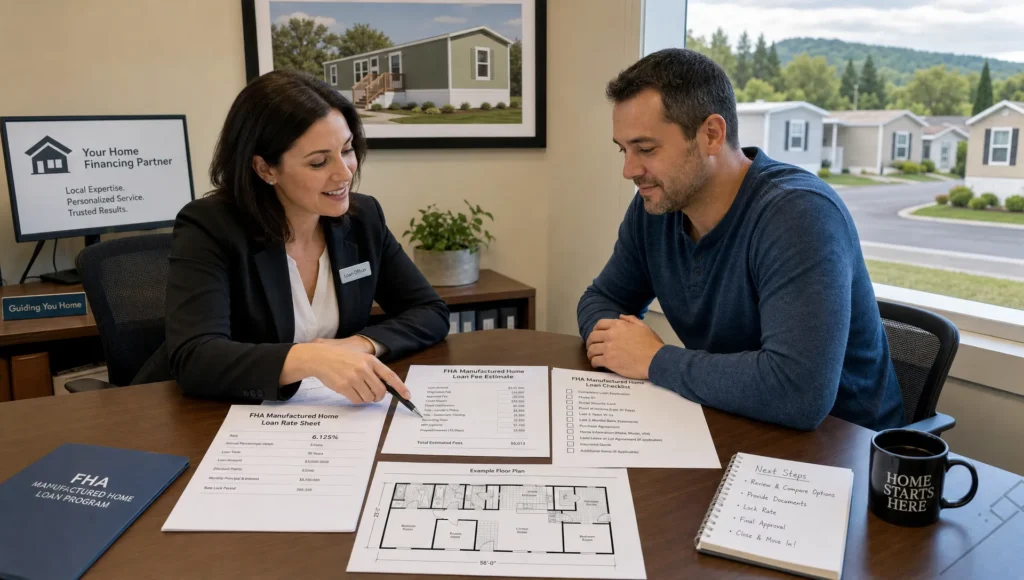
FHA financing may also be an option for some buyers. FHA Title I can apply to manufactured home loans in certain circumstances, while FHA Title II is generally tied to manufactured homes classified as real property with eligible land and foundation requirements. If this path interests you, review the basics of FHA loan requirements for manufactured homes before comparing lenders.
Some buyers may also qualify for VA, USDA, or conventional manufactured housing programs, depending on borrower eligibility, property type, land ownership, and lender participation. Availability can vary, so it is smart to compare more than one financing path when possible.
Common mistakes to avoid
One of the biggest mistakes is shopping for the home before understanding financing. It is exciting to compare kitchens, bedrooms, and finishes, but your lender’s requirements can affect which homes qualify and how much you can comfortably spend.
Another mistake is ignoring the site. A chattel dwelling loan may finance the home, but the location still matters. Community approval, lot rent, utility access, delivery routes, installation standards, and local rules can all affect whether the purchase works smoothly.
Buyers should also avoid focusing only on the lowest monthly payment. A lower payment can come from a longer term, a larger amount financed, or fees added to the loan. Always compare total cost, not just the number due each month.
Finally, know when to involve a professional. Loan contracts, title documents, community leases, insurance policies, and tax questions can all involve rights and responsibilities outside the sales conversation. The same principle applies in other legal situations: someone dealing with an accident claim in Florida would look for focused personal injury legal services in Tampa, while a manufactured home buyer in San Antonio should seek Texas-specific guidance for housing, title, and consumer-finance questions.
How Homes2Go San Antonio can help you compare options
A manufactured home purchase works best when the home, site, and financing are considered together. Homes2Go San Antonio helps buyers explore manufactured home models, understand available floor plans, and connect with guidance throughout the buying process.
Because chattel dwelling loans are often used by buyers purchasing the home separately from the land, it helps to work with a team familiar with manufactured housing, home communities, and the questions first-time buyers commonly face. The goal is not simply to get approved. The goal is to choose a home and financing structure that fit your budget, lifestyle, and long-term plans.
If you are still comparing home types, start by browsing manufactured homes in San Antonio through Homes2Go and make a list of the models, sizes, and payment ranges you want to discuss.
Frequently Asked Questions
What is a chattel dwelling loan? A chattel dwelling loan is a secured loan used to finance a manufactured home as personal property. It typically covers the home itself, not the land beneath it.
Is a chattel loan the same as a mortgage? No. A traditional mortgage usually finances real estate, often the home and land together. A chattel loan is usually secured by the manufactured home only.
Can I use a chattel dwelling loan in a manufactured home community? Yes, that is one of the most common uses. The loan may cover the home, while lot rent or community fees are paid separately.
Are chattel dwelling loans only for mobile homes? They are commonly used for manufactured homes, including homes many people casually call mobile homes. Lenders may use specific eligibility rules based on the home’s age, construction, title, and condition.
Do chattel loans have higher rates than mortgages? They often can, because the loan is secured by personal property rather than land-backed real estate. Actual rates depend on the lender, borrower profile, home, down payment, and market conditions.
Can I refinance a chattel dwelling loan later? Sometimes. Refinancing depends on lender availability, your credit and income, the home’s value and condition, title status, and whether the home later qualifies for another type of financing.
Ready to explore manufactured home financing?
Chattel dwelling loans can be a useful path to homeownership when you want to finance the manufactured home without buying land at the same time. The right choice depends on your budget, location, title setup, and long-term plans.
Homes2Go San Antonio can help you compare home models, understand the buying process, and discuss financing options that may fit your situation. Start with the home you want, ask the right loan questions, and make sure your full monthly cost is clear before you move forward.
 How to Compare FHA Manufactured Home Loan Lenders
 Mobile Home Foundation Inspection Checklist for Buyers