
Choosing the right home is only half the decision. The mobile home neighborhood you choose will shape your monthly budget, commute, safety, comfort, resale potential, and day-to-day quality of life.
For many San Antonio buyers, especially first-time homeowners, a manufactured home can make ownership more realistic without giving up modern layouts, energy-conscious designs, or community access. But the best fit is not always the community with the lowest lot rent or the closest available space. The right choice is the place where your home, household needs, budget, and long-term plans all line up.
Here is how to compare mobile home neighborhoods with confidence before you commit.
Understand what “right” means for your household
A great neighborhood for one buyer may be a poor match for another. Before touring communities, define what matters most to your household. This keeps you from getting distracted by one appealing feature while overlooking a deal breaker.
Start with the basics: how many bedrooms you need, whether you want an all-age or age-restricted community, how far you are willing to commute, and what monthly payment range feels comfortable after lot rent, utilities, insurance, and other recurring fees.
It also helps to think about your next five years. A young family may prioritize schools, play areas, and room to grow. A downsizing buyer may care more about quiet streets, low maintenance, and access to medical care. A worker commuting across San Antonio may value quick access to Loop 410, Loop 1604, I-35, I-10, or Highway 281.
Before you tour, write down your non-negotiables. These might include:
- A maximum total monthly housing cost
- A commute under a specific number of minutes
- Pet-friendly rules
- Parking for two or more vehicles
- A lot that fits your preferred home size
- A community that allows porches, decks, sheds, or fencing
- A location near schools, family, work, or healthcare
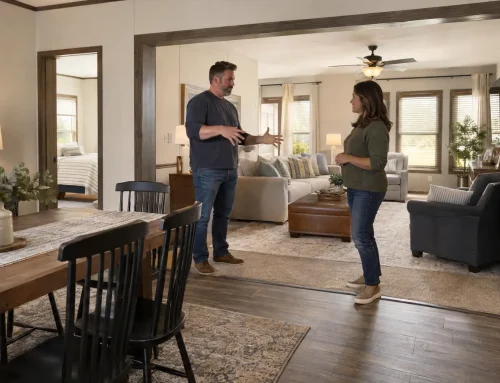
This simple exercise makes every community visit more practical. Instead of asking, “Do I like this place?” you can ask, “Does this place support the life I’m trying to build?”
Compare the total monthly cost, not just lot rent
Lot rent is important, but it is not the whole cost of living in a mobile home neighborhood. Two communities with similar advertised rent can feel very different once you add utilities, trash service, pet fees, application fees, deposits, and maintenance expectations.
Ask for a written breakdown before you apply or sign anything. If a fee is not clear, ask whether it is one-time, monthly, seasonal, or subject to change. You can also compare common charges and warning signs in this guide to local mobile home parks, fees, rules, and red flags.
| Cost category | What to ask | Why it matters |
|---|---|---|
| Lot rent | What is included, and how often can it increase? | Your home payment may be stable, but lot rent can affect long-term affordability. |
| Utilities | Are water, sewer, trash, gas, or electricity billed separately? | Separate billing can significantly change the monthly total. |
| Deposits and fees | What is due before move-in? | Application fees, security deposits, and administrative fees can affect your upfront cash needs. |
| Maintenance | Who handles lawn care, driveways, skirting, and exterior upkeep? | Community rules may require ongoing maintenance at your expense. |
| Amenities | Are amenities included or charged separately? | Pools, clubhouses, gates, or common areas may come with added costs. |
| Late fees and penalties | What happens if payment is late or a rule is violated? | Clear policies help you avoid surprises later. |
The goal is not just to find the cheapest option. It is to find a neighborhood where the full cost is predictable, reasonable, and sustainable.
Study the location like you would any other neighborhood
A manufactured home community is still real estate in a real location. Look beyond the entrance sign and evaluate the surrounding area the same way you would with a traditional subdivision or apartment community.
In San Antonio, location can change your daily routine dramatically. A community on the far west side may be great for one household and inconvenient for another. A neighborhood near major highways may save time, but it may also bring more traffic noise. A more rural setting may offer space and quiet, but you should check drive times to groceries, schools, emergency care, and work.
Consider these local factors:
- Commute patterns during morning and evening traffic
- Proximity to H-E-B, pharmacies, clinics, schools, and childcare
- Access to public transportation, if needed
- Street lighting and road conditions nearby
- Flood-prone low-water crossings or drainage issues in the area
- Distance from family, church, work, or support networks
If schools matter to your household, verify the assigned district and campus directly. Do not rely only on a listing, map app, or casual comment. Boundaries can vary, and school fit can be a major part of long-term satisfaction.
Read the rules before you fall in love with the community
Community rules are one of the biggest differences between mobile home neighborhoods. Some are flexible and simple. Others have detailed standards for home age, exterior appearance, parking, pets, visitors, landscaping, and additions.
Rules are not automatically bad. In fact, well-enforced rules can help protect neighborhood appearance, safety, and property values. The key is making sure you understand them before you commit.
Ask for the full community rules in writing and review them carefully. Pay special attention to policies about pets, fences, sheds, porches, decks, outdoor storage, guest parking, commercial vehicles, quiet hours, and home improvements. If you plan to work from home, host family often, park a trailer, or add outdoor living space, confirm that your plans are allowed.
For households comparing different community types, this guide on how to compare all-age manufactured home communities can help you think through rules, lifestyle, and family fit.
Inspect the lot, utilities, and storm readiness
The home may be beautiful, but the lot still has to work. A good mobile home neighborhood should have lots that are accessible, properly graded, and suitable for the home size you are considering.
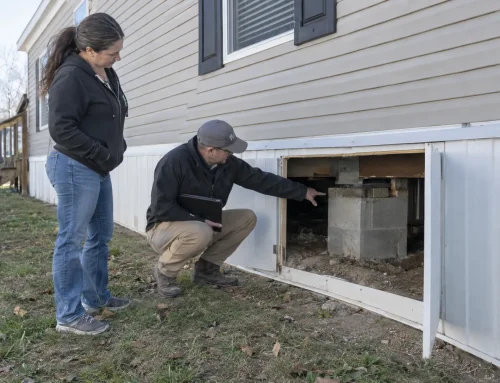
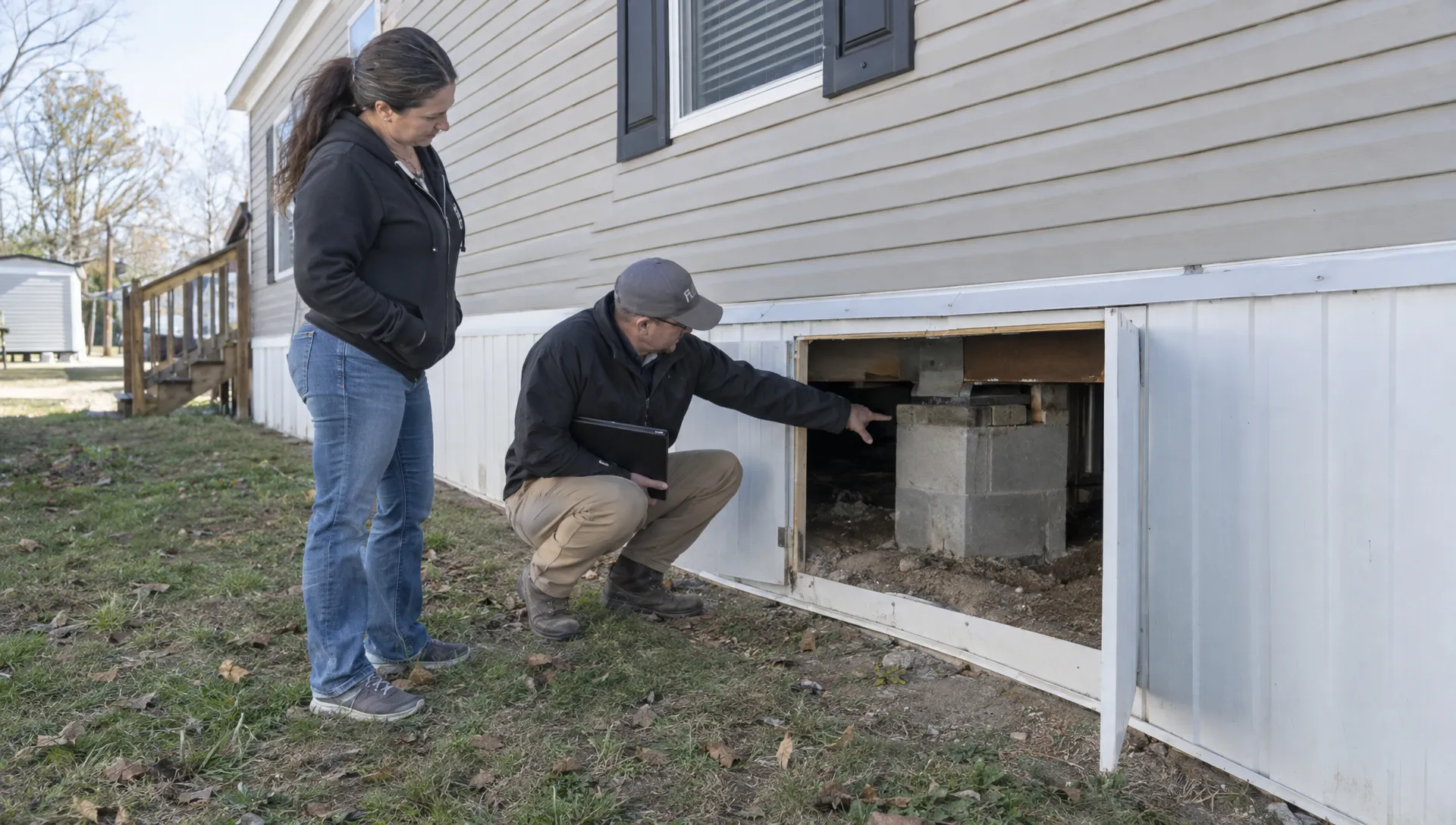
Look at drainage first. San Antonio weather can shift quickly from dry heat to heavy rain. A lot that appears fine on a sunny day may hold water after a storm. Visit after rainfall if possible, or at least look for standing water, erosion, muddy low spots, clogged drains, and water stains around nearby pads or skirting.
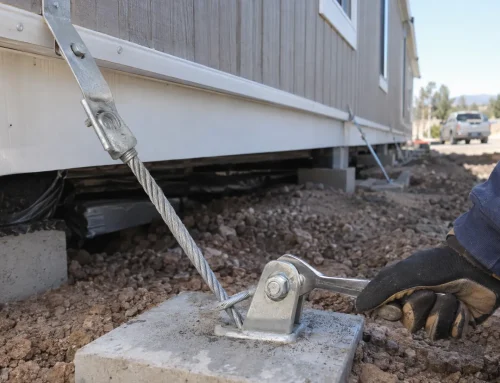
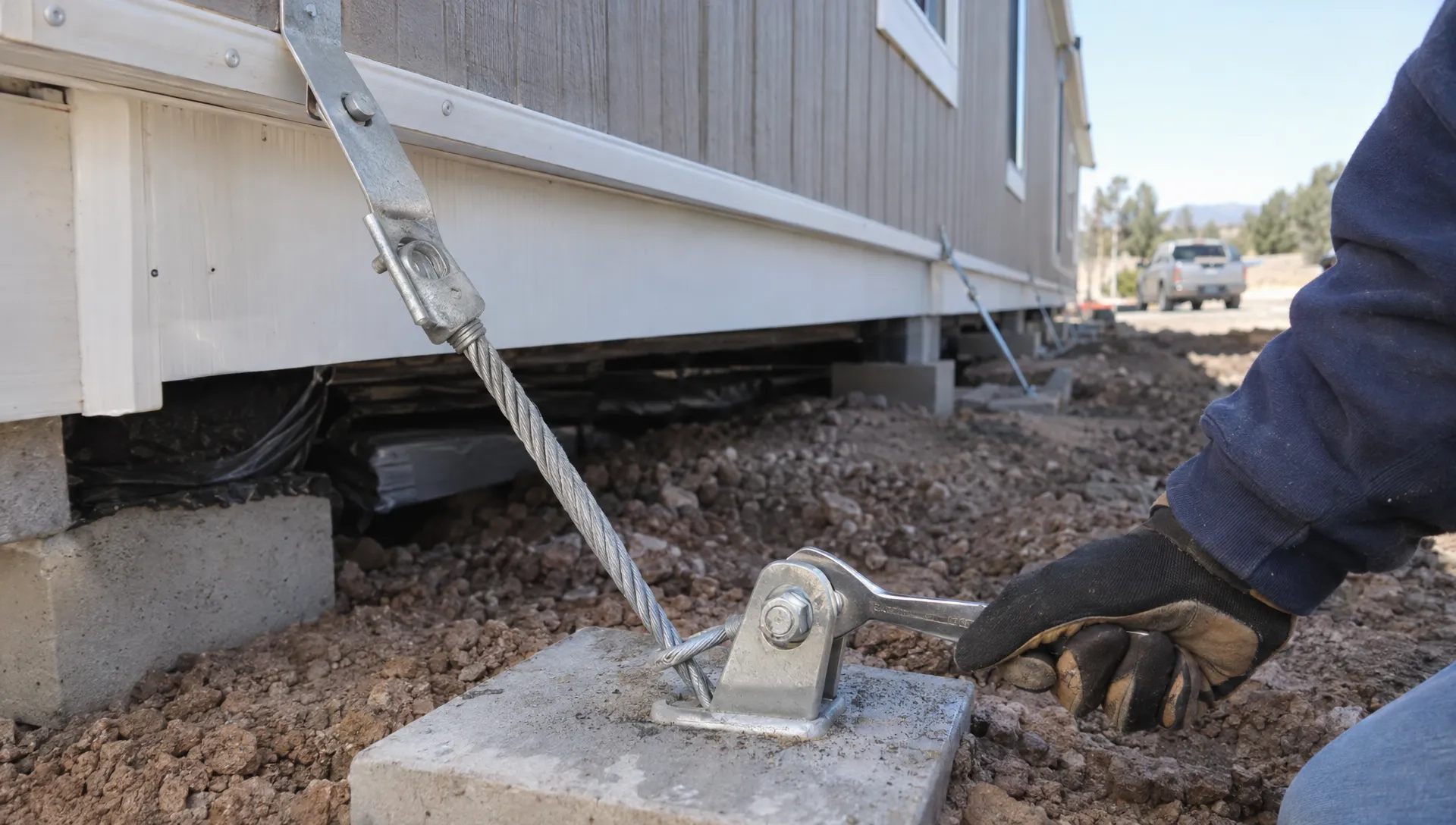
You should also ask about utility hookups, electrical service, sewer or septic connections, water pressure, trash service, internet availability, and whether utility work must be completed by approved providers. If the home will be moved into the community, confirm the community’s requirements for installation, tie-downs, skirting, steps, permits, and inspections.
Flood risk deserves special attention. Before choosing a lot, use the FEMA Flood Map Service Center to check whether the property appears in or near a flood zone, then confirm details with local authorities or qualified professionals. Flood maps are not a substitute for an on-site inspection, but they are a smart starting point.
Site work matters in any housing decision. Even if you are not building from scratch, looking at how turn-key contractors discuss foundations, concrete, and drainage, such as Summit Barndominiums & Outdoor Living, can help you ask better questions about pads, access, and long-term stability in a manufactured home setting.
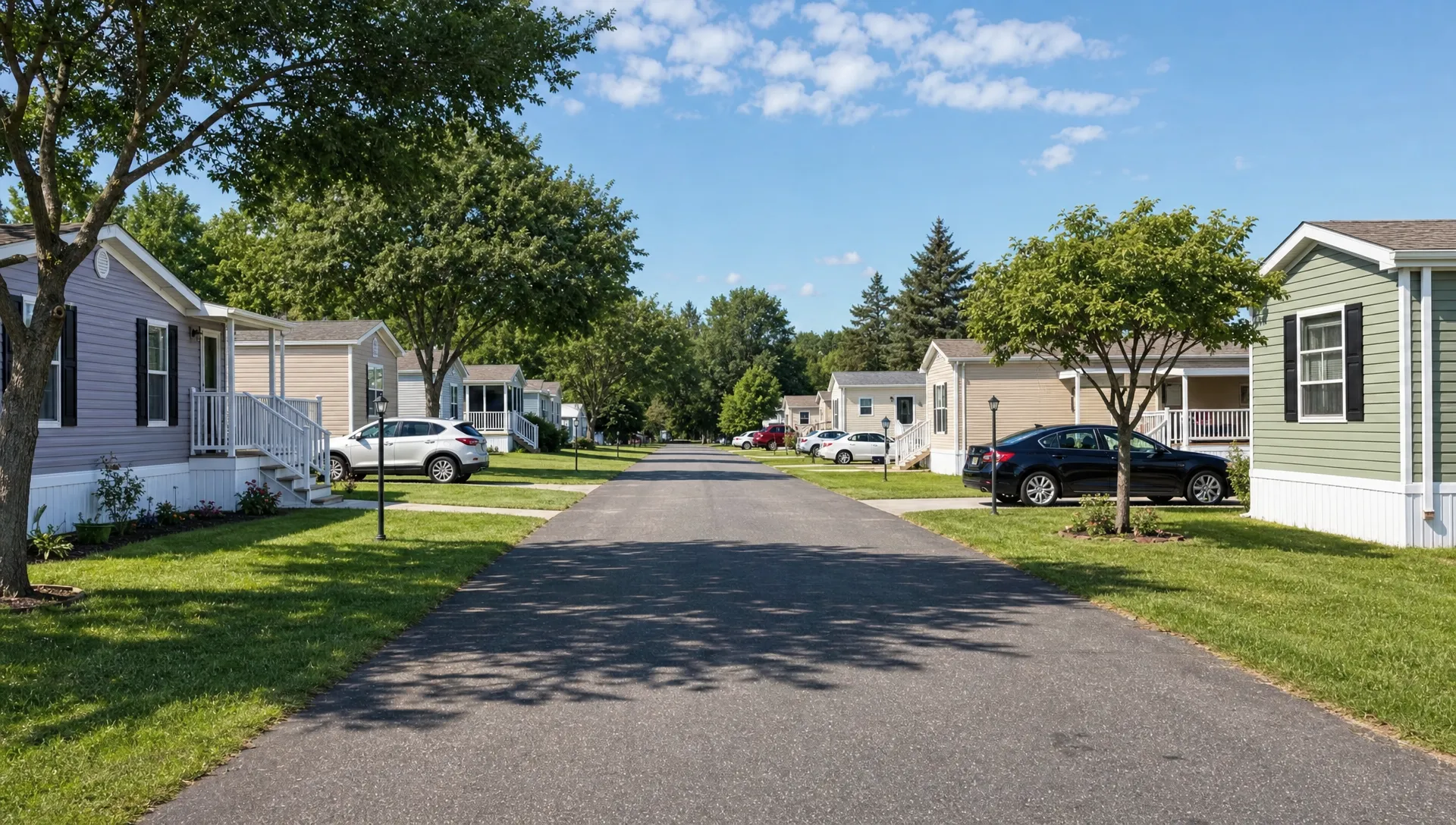
Visit the neighborhood at different times
A single tour only gives you a snapshot. To understand how a community really feels, visit more than once if possible. A neighborhood can feel peaceful at 11 a.m. on a weekday and very different on a Friday evening.
Drive through during morning commute hours, after school, near sunset, and on a weekend. Listen for traffic noise, barking dogs, loud music, or nearby industrial activity. Watch how residents park, whether streets feel crowded, and whether common areas are being used respectfully.
Lighting is another major factor. A community that looks clean and welcoming during the day should also feel safe and navigable at night. Check whether streets, entrances, mail areas, and parking areas are adequately lit.
You do not need to overanalyze every detail, but repeated visits help you separate first impressions from everyday reality.
Evaluate management quality
Management can make or break the experience of living in a mobile home neighborhood. Good management communicates clearly, enforces rules consistently, handles maintenance requests, and treats residents with respect. Poor management can turn even a well-located community into a frustrating place to live.
Pay attention from the first phone call or message. Are your questions answered clearly? Do they provide written information? Are fees, rules, and application steps easy to understand? During the tour, notice whether roads, signage, common areas, trash areas, and vacant lots are maintained.
You can also ask current residents about their experience, as long as you do so respectfully. A simple question like, “How do you like living here?” can reveal a lot. Look for patterns, not one-off complaints. Every community may have occasional issues, but repeated concerns about maintenance, billing surprises, or inconsistent rule enforcement deserve attention.
If you want a deeper checklist, use this guide on how to vet mobile home community management before signing a lease or moving forward.
Match the home model to the neighborhood
Not every home fits every community. Before you choose a model, confirm the neighborhood’s requirements for home size, age, condition, roof style, exterior materials, skirting, steps, decks, and setbacks.
This is especially important if you are comparing single-wide and double-wide manufactured homes. A lot may technically be available, but it still needs enough space for the home, required clearances, parking, utility connections, and safe access for delivery and installation.
Homes2Go San Antonio helps buyers explore manufactured and mobile home options with detailed floor plans, modern interiors, energy-efficient designs, and guidance throughout the process. If you are still comparing layouts, start with these new mobile homes for sale in San Antonio to see which features may fit your household best.
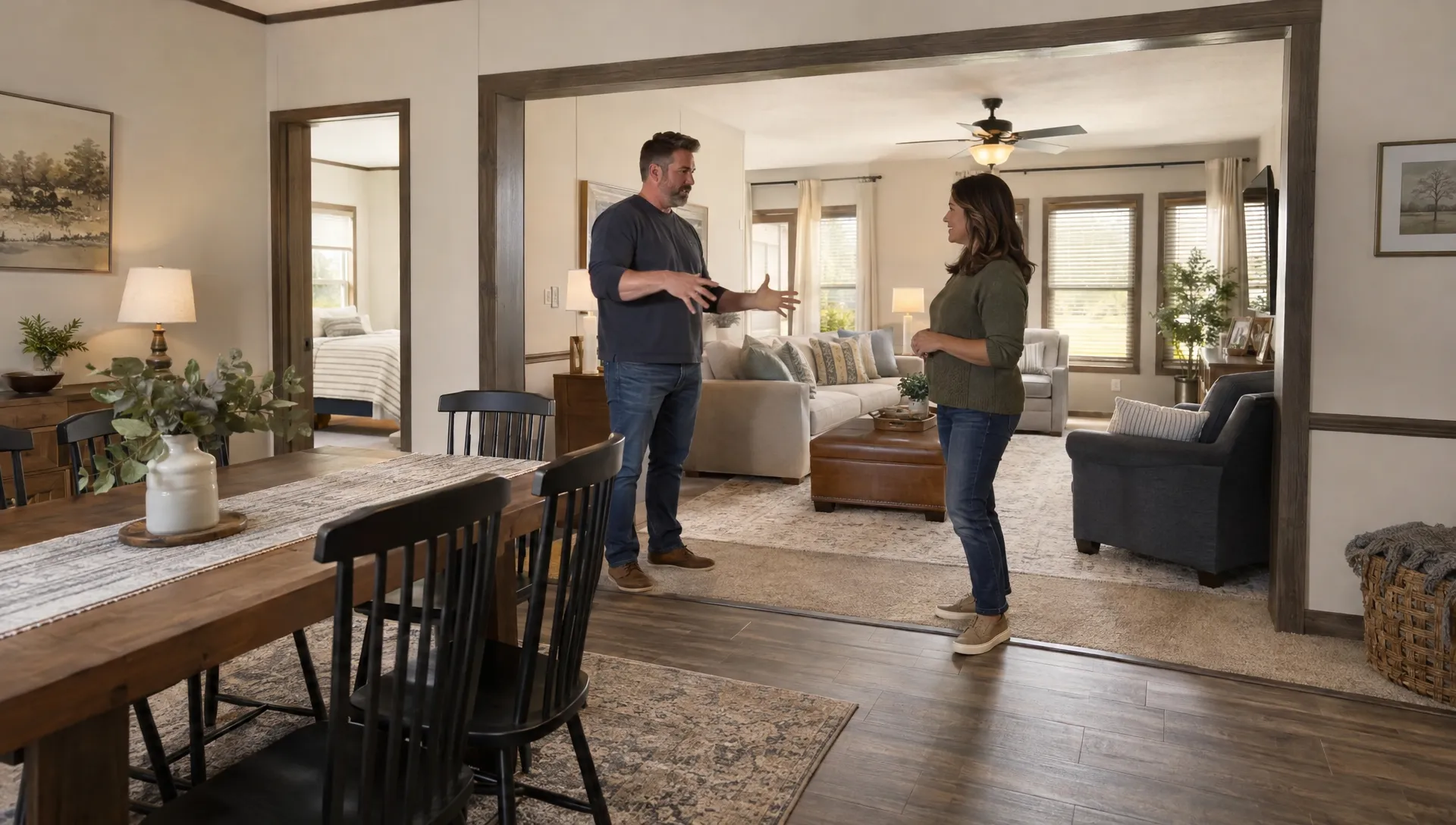
The smartest approach is to compare the home and community together. A floor plan that looks perfect on paper may not work if the lot is too narrow, the community has exterior restrictions, or the location does not fit your routine.
Look for pride of ownership and long-term stability
A neighborhood does not need to be fancy to be a good place to live. What matters more is whether it appears cared for, stable, and functional.
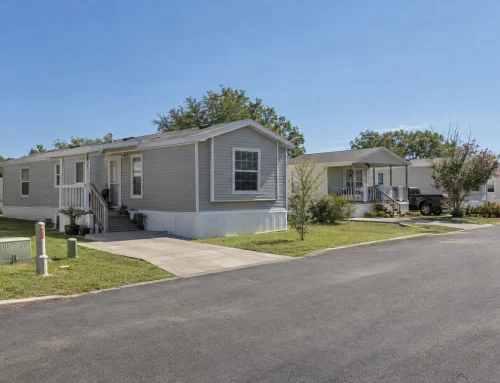
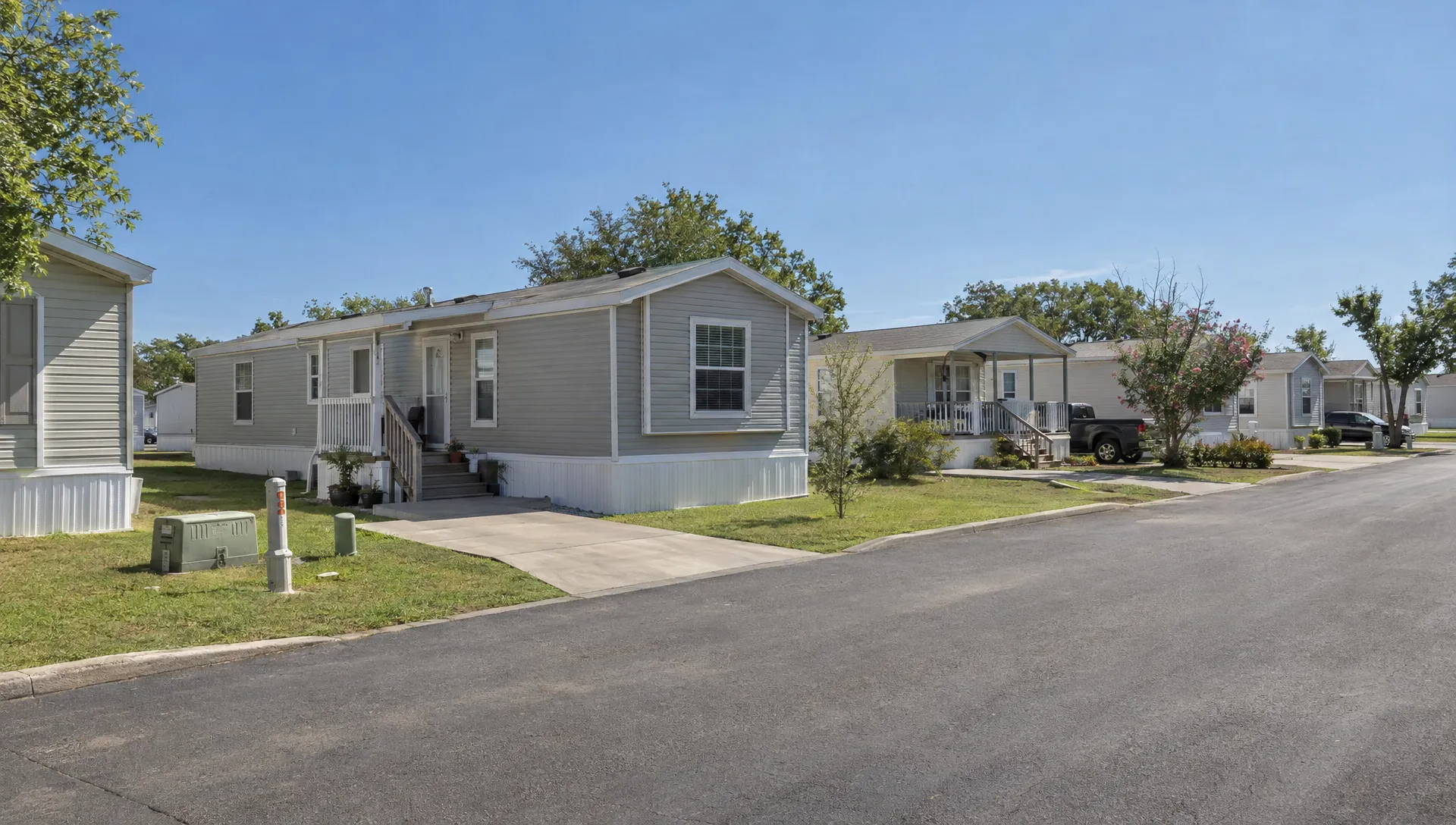
Look for homes with maintained skirting, clear walkways, tidy yards, safe steps, and reasonable spacing. Check whether vacant lots are overgrown or clean. Notice whether roads have potholes, whether trash areas are controlled, and whether common spaces feel neglected.
Pride of ownership often shows in small details. Residents who maintain plants, porches, outdoor seating, and clean driveways often signal a community where people feel settled. On the other hand, widespread deferred maintenance may suggest management problems, unclear rules, or residents who do not feel invested.
You should also ask about turnover. If many homes or lots are vacant, find out why. There may be a simple explanation, such as expansion or new development. But high turnover can also point to rising costs, rule conflicts, or poor management.
Use a simple scoring system
When you tour several communities, details can blur together. A basic scoring system helps you compare options more objectively. Rate each neighborhood from 1 to 5 in the categories below, then review the results with your household.
| Category | What a strong score looks like |
|---|---|
| Affordability | Total monthly cost fits your budget with room for utilities and savings. |
| Location | Commute, schools, shopping, healthcare, and family access match your needs. |
| Rules | Policies are clear, written, reasonable, and compatible with your lifestyle. |
| Lot quality | The lot fits the home, drains well, and has accessible utility hookups. |
| Management | Staff communicate clearly and maintain the community consistently. |
| Safety and comfort | Lighting, roads, parking, noise levels, and general upkeep feel acceptable. |
| Long-term fit | The community still makes sense if your household changes over the next few years. |
A community does not need a perfect score in every category. But if it scores poorly in affordability, management, or lot quality, be cautious. Those issues tend to affect your daily life the most.
Common mistakes to avoid
Many buyers focus heavily on the home itself and treat the neighborhood as a secondary decision. That can lead to avoidable stress later. Try to avoid these common mistakes:
- Choosing the lowest lot rent without calculating total monthly cost
- Signing before reading all rules and lease terms
- Assuming pets, sheds, fences, or decks are allowed
- Touring only once during ideal conditions
- Ignoring drainage, flood risk, or utility limitations
- Picking a home model before confirming community requirements
- Relying only on online photos instead of visiting in person
A careful process may take more time, but it protects your budget and helps you feel confident after move-in.
Frequently Asked Questions
What makes a good mobile home neighborhood? A good mobile home neighborhood is affordable, well-managed, safe, clean, and compatible with your lifestyle. It should have clear rules, suitable lots, reliable utility access, reasonable fees, and a location that supports your commute, family needs, and long-term plans.
How do I know if lot rent is fair? Compare lot rent with similar communities in the area, but also look at what is included. A slightly higher lot rent may be reasonable if it includes services, amenities, better maintenance, or a stronger location. Always compare the total monthly cost, not just the advertised rent.
Should I choose the home or the neighborhood first? Ideally, compare them together. Your preferred home model must fit the lot, community standards, utility setup, and installation requirements. Choosing a home before confirming neighborhood rules can limit your options or create unexpected costs.
What should I ask during a mobile home neighborhood tour? Ask about lot rent, deposits, utilities, lease terms, rent increases, pet rules, parking, maintenance responsibilities, home requirements, guest policies, storm drainage, management response times, and what approvals are needed before move-in.
Is a manufactured home community a good option for first-time buyers? It can be, especially for buyers looking for a more accessible path to homeownership. The key is to understand financing, community costs, lease terms, and long-term fit before making a decision.
Find the right fit in San Antonio
The right mobile home neighborhood should make homeownership feel more secure, not more complicated. When you compare costs, rules, location, management, lot quality, and long-term fit, you can make a decision based on facts instead of guesswork.
Homes2Go San Antonio helps buyers explore affordable manufactured and mobile homes, compare floor plans, understand financing options, and find a path that fits their household. If you are ready to look at homes and talk through your options, visit Homes2Go San Antonio and take the next step toward a place that feels like home.
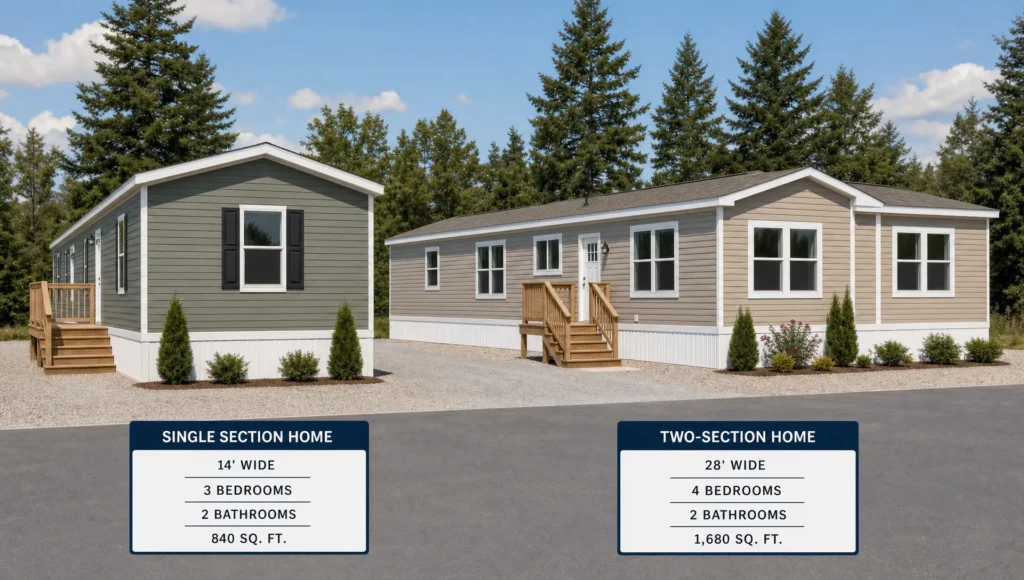 Single Wide Trailer vs Double Wide: Which Fits Best?
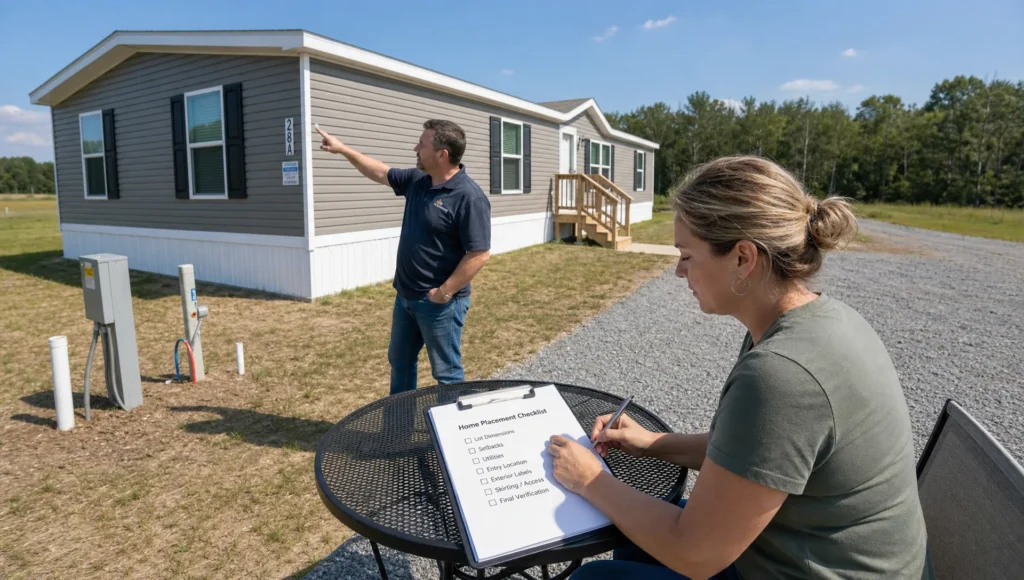 Mobile Homes to Buy Locally: 10 Checks Before You Sign