
Choosing between a single wide trailer and a double wide home is not just a question of size. It affects your budget, your land or community options, your monthly payment, your setup costs, and how comfortably your household will live day to day.
For many San Antonio buyers, the right answer comes down to a simple tradeoff: a single wide usually offers the most affordable path to homeownership, while a double wide offers more space and a more traditional house-like layout. The best fit depends on how you plan to live in the home, where you want to place it, and how long you expect it to serve your needs.
Before comparing them, it helps to use the right terminology. Many people still search for “trailers” or “mobile homes,” but modern homes built after June 15, 1976 are generally known as manufactured homes because they are built to the federal HUD Code. HUD’s manufactured housing program sets national construction and safety standards for these homes, which is one reason today’s models can feel very different from older mobile homes.
Single wide vs double wide: the quick answer
A single wide trailer, or single section manufactured home, is typically built in one long section and transported to the site as one unit. It is usually narrower, easier to place on smaller lots, and often less expensive overall.
A double wide is built in two sections, transported separately, and joined together on-site. This creates a wider footprint, larger rooms, and floor plans that often feel closer to a site-built home.
Here is the fastest way to think about the choice:
| Choose a single wide if… | Choose a double wide if… |
|---|---|
| You want the lowest practical entry cost | You want more bedrooms, bathrooms, or open living space |
| You are buying alone, as a couple, or for a smaller household | You have a growing family or need flexible rooms |
| Your lot or community space is narrow | Your land or community lot can support a wider footprint |
| You want simpler delivery and setup | You are comfortable with a more involved installation |
| You prefer efficient, easy-to-maintain living | You want a long-term home with more room to spread out |
Neither option is automatically better. The better home is the one that fits your budget, lifestyle, placement plan, and future needs.
What makes a single wide trailer a strong choice?
A single wide manufactured home is often the practical winner for buyers who want affordability and efficiency. Because the home is built as one section, transportation and setup can be more straightforward than a multi-section home. That can matter when you are trying to manage total move-in costs, not just the home price.
Single wides are especially appealing for first-time buyers, retirees, couples, smaller families, and buyers looking for a home in a manufactured home community. In the San Antonio area, where many people are balancing housing affordability with access to work, schools, and family, a single wide can make ownership feel more reachable.
The biggest advantage is focus. A well-designed single wide uses space carefully. You may see open kitchen and living areas, split-bedroom layouts, built-in storage, and efficient utility spaces. You will not have as much width as a double wide, but a smart floor plan can still feel comfortable and modern.
If you are starting your search from the single wide side, Homes2Go’s guide to single wide mobile homes for sale offers a closer look at what to compare before choosing a model.
What makes a double wide worth considering?
A double wide is often the better fit when your household needs more room or when you want a layout that feels more like a traditional ranch-style home. Since two sections are joined together, the home can have a wider living room, larger kitchen, more spacious bedrooms, and better separation between shared and private spaces.
That extra room can make a real difference for families, remote workers, multigenerational households, or anyone who wants a dedicated guest room, hobby space, or office. Double wides also tend to offer more flexibility in floor plan design because the home is not limited to one narrow rectangle.
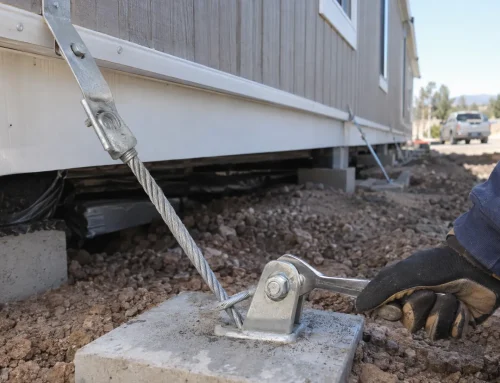
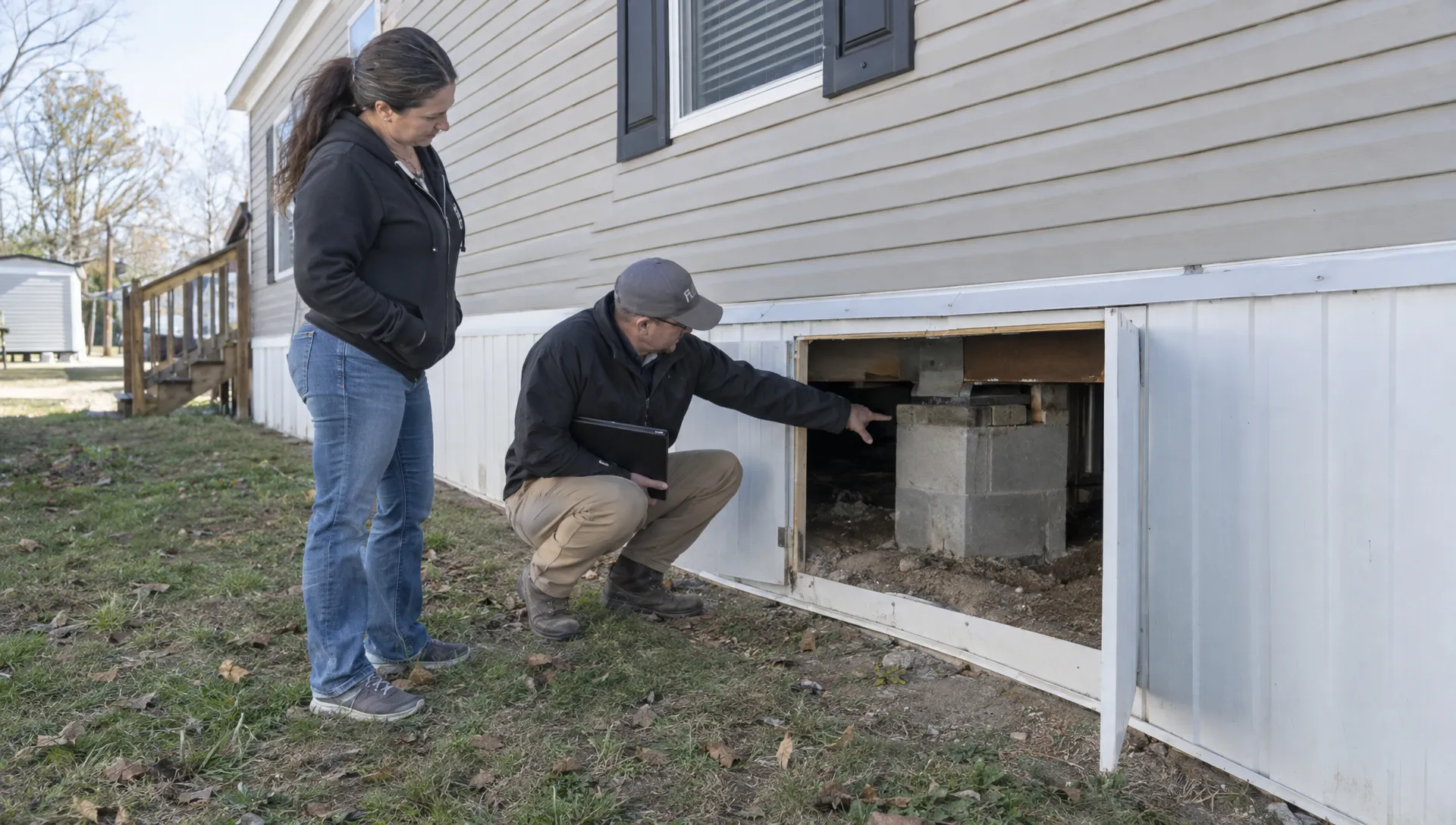
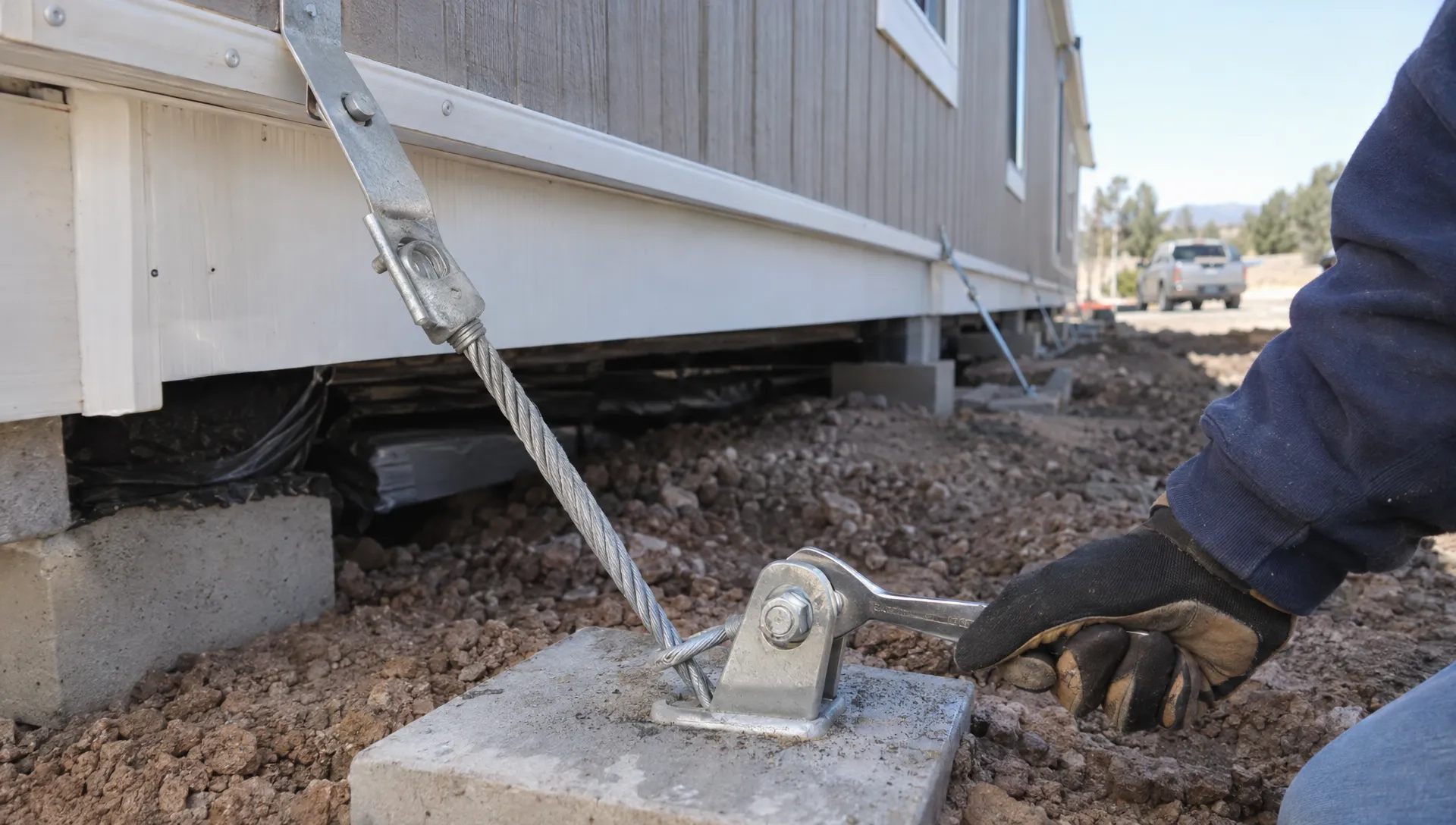
The tradeoff is that double wides usually require more planning. Delivery involves two sections instead of one, setup is more complex, and the lot needs to accommodate the larger footprint. Depending on the location, site preparation, utility connections, foundation requirements, skirting, steps, decks, and permits can all affect the total investment.
For a deeper breakdown of layouts and use cases, you can review Homes2Go’s article on double wide mobile homes, costs, layouts, and best uses.
Cost: look beyond the sticker price
When comparing a single wide trailer and a double wide, the purchase price is only one part of the decision. A home that looks cheaper upfront may still require site work, delivery, setup, utility connections, insurance, taxes, and community fees if placed in a land-lease community.
Single wides often have a lower total starting cost because they use fewer materials, need one transport section, and may require less site space. This can help buyers qualify more comfortably or preserve cash for move-in expenses, furniture, skirting, steps, or utility work.
Double wides usually cost more, but they may deliver better long-term value for households that need the extra space. If buying too small would force you to move again sooner, the lower upfront cost of a single wide may not be the best long-term financial choice.
A useful way to compare is to ask for a realistic move-in estimate rather than focusing only on the base home price. That estimate should account for the home, transportation, installation, site preparation, utility connections, taxes, fees, and any required community or lender conditions.
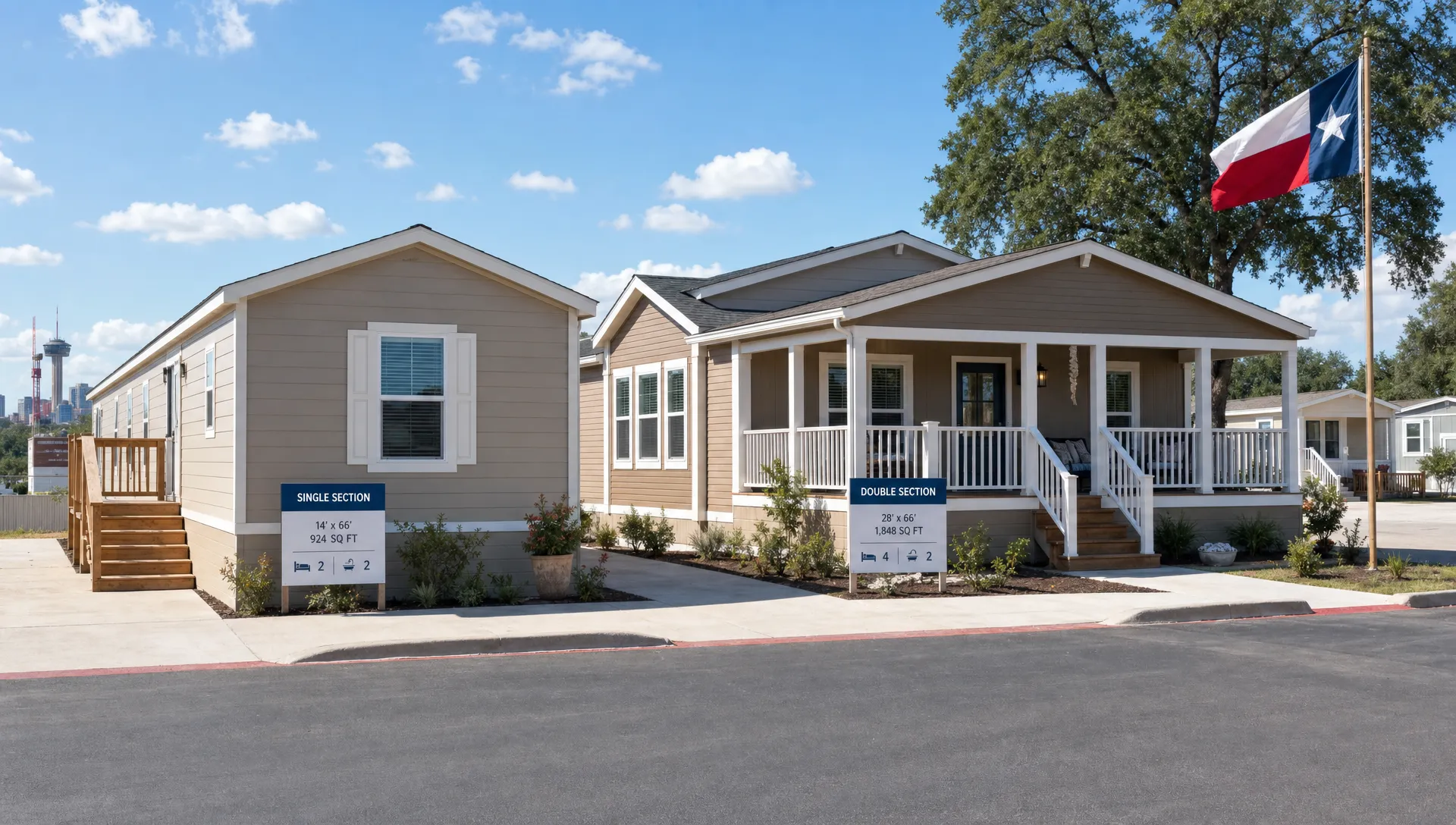
Space and layout: how will the home feel every day?
The biggest daily difference between a single wide and a double wide is how space is distributed.
A single wide is usually more linear. Bedrooms, bathrooms, kitchen, and living areas are arranged along a narrower path. This can work very well when the floor plan is efficient, but traffic flow matters. If the kitchen, laundry area, and bedroom hallway all compete for the same walkway, the home may feel tighter than its square footage suggests.
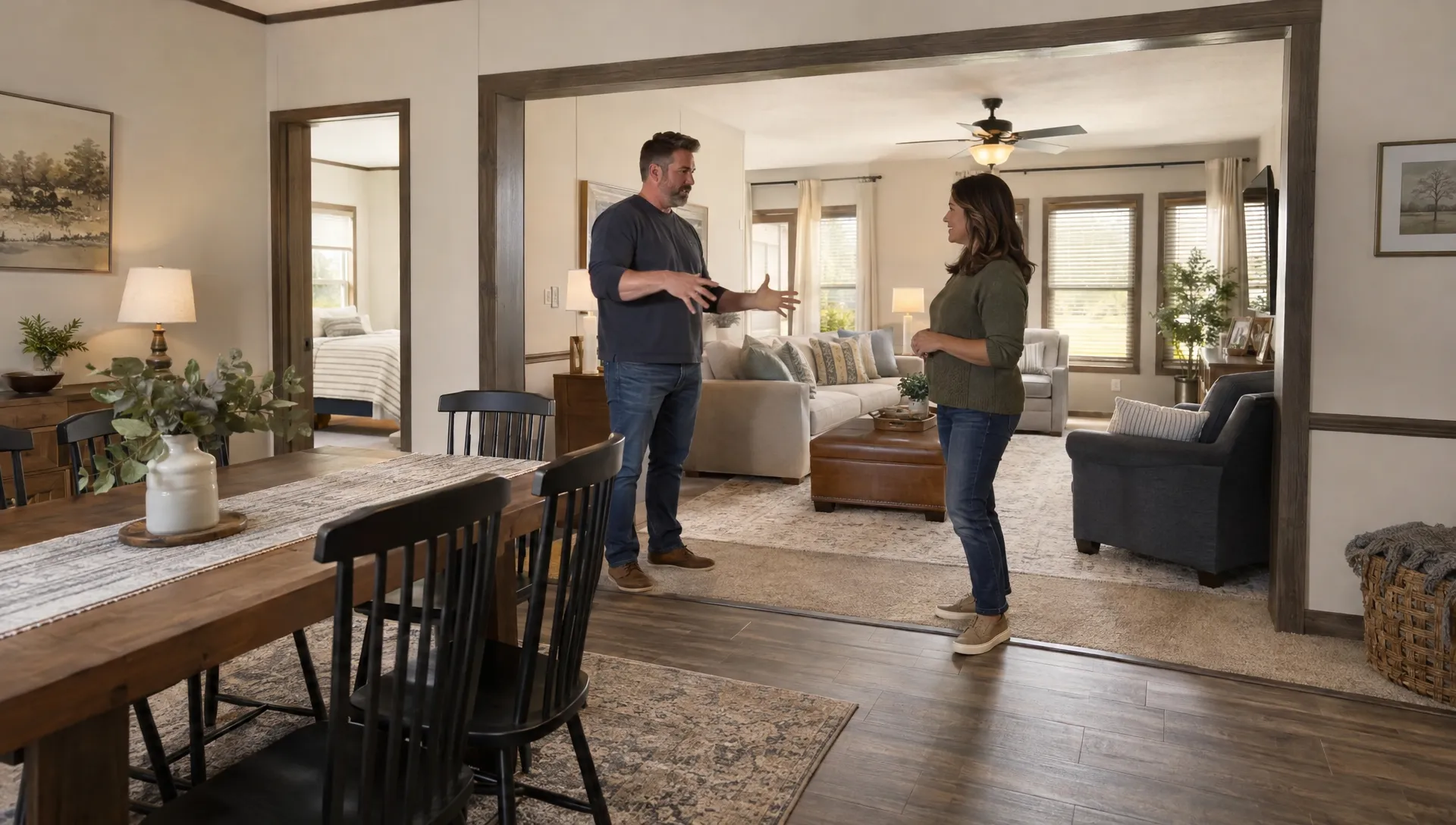
A double wide gives designers more room to create open-concept living areas, larger primary suites, separate dining spaces, and better bedroom separation. For families with children, roommates, or frequent guests, this can make the home feel calmer and more functional.
Here is how to compare layouts during a walkthrough:
| Feature to compare | Why it matters |
|---|---|
| Bedroom placement | Split bedrooms can improve privacy for families or guests |
| Kitchen layout | An island or wider galley can improve daily cooking and storage |
| Living room width | Wider rooms are easier to furnish comfortably |
| Laundry location | A practical laundry area reduces noise and clutter |
| Bathroom access | Guest access and primary suite privacy can affect daily comfort |
| Storage | Closets, pantry space, and utility storage matter more than many buyers expect |
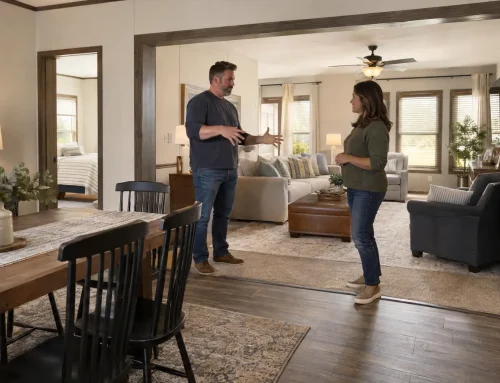
Try to imagine a normal weekday, not just a quick tour. Where will backpacks go? Where will guests sit? Can two people cook at the same time? Is there room for a desk? Those details often reveal whether a single wide is enough or a double wide is the better fit.
Land, placement, and community fit
Placement is one of the most important parts of the decision. A single wide is often easier to place because it has a narrower footprint. That can be helpful on smaller private lots, tighter community spaces, or properties with limited access for delivery.
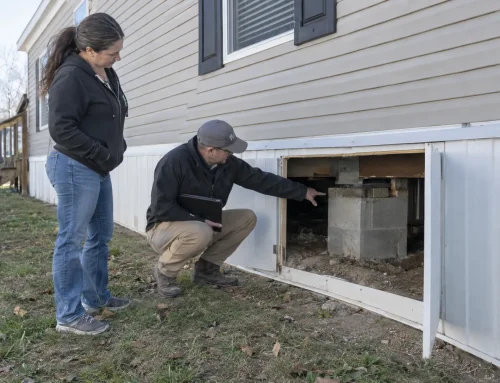
A double wide needs more room, not only for the home itself but also for transport access, setup equipment, setbacks, utility routing, drainage, and foundation work. If you already own land, you will want to confirm that the property can support the size of home you are considering before falling in love with a floor plan.
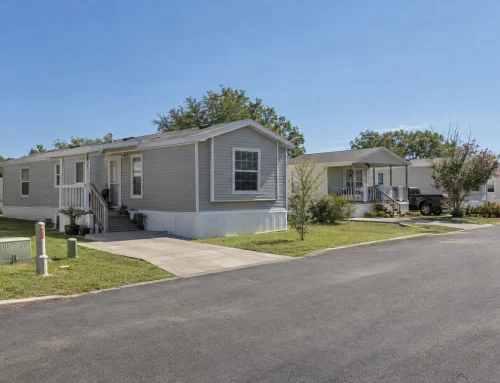
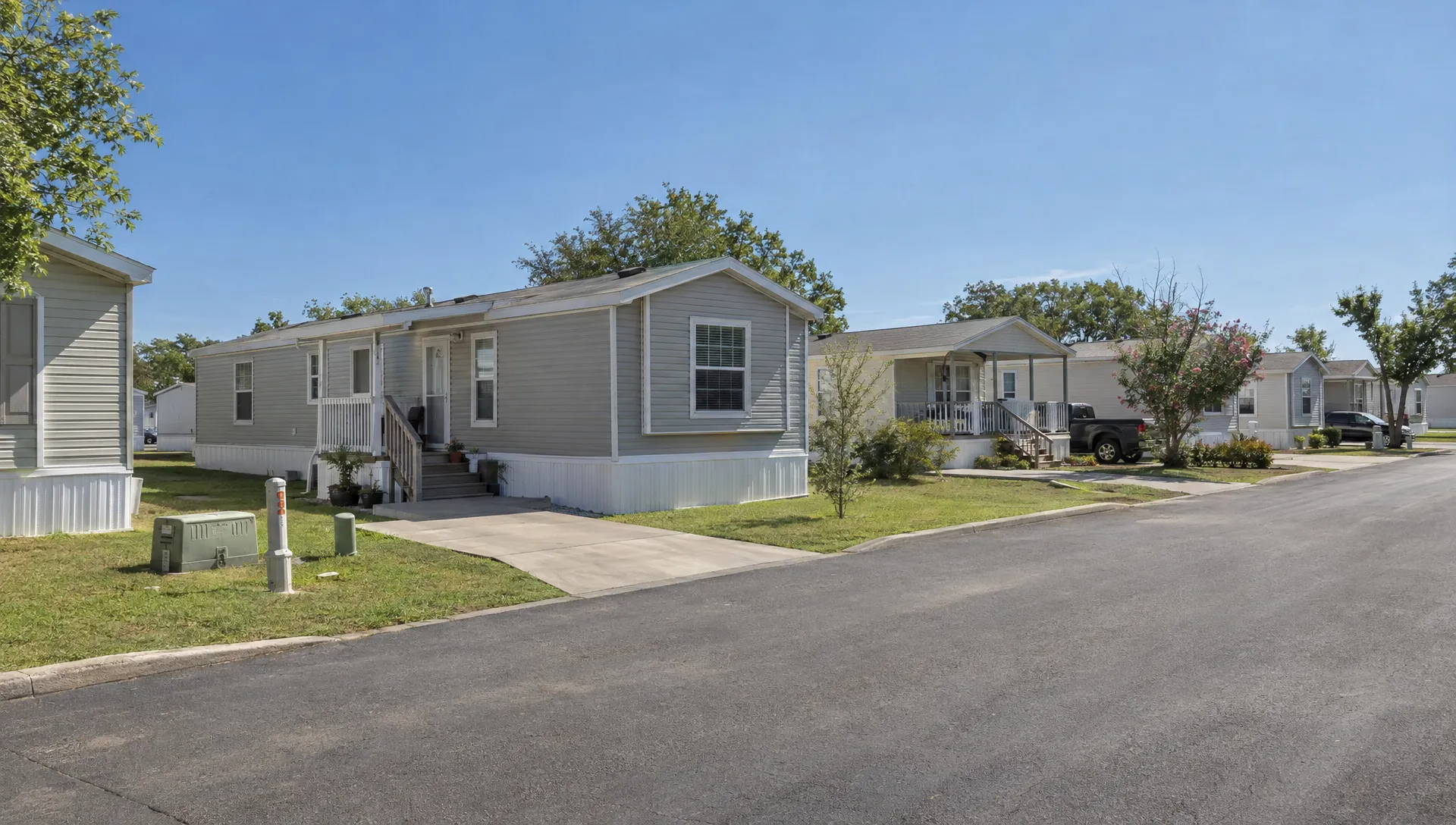
In and around San Antonio, buyers may choose between private land and manufactured home communities. Communities can simplify some parts of the process because lots may already be designed for manufactured homes, but each community has its own rules, lot sizes, fees, and approval process. Private land may offer more control, but it can require more due diligence on zoning, utilities, access, septic or sewer, water, floodplain concerns, and permits.
The key is to match the home to the site early. A great double wide is not the right choice if the lot cannot handle it affordably. A great single wide may be ideal if it lets you secure a better location within your budget.
Financing: how the home and land affect your options
Financing for manufactured homes depends on several factors, including the home type, whether land is included, the foundation, the age and condition of the home, buyer credit profile, and lender guidelines. A single wide may have a lower loan amount, which can help with affordability, but the financing structure still matters.
Some manufactured homes are financed as personal property, sometimes called chattel financing, especially when the buyer does not own the land. Others may qualify for mortgage-style financing when the home and land are tied together and the property meets lender requirements. Programs such as FHA can be available in certain situations, but eligibility depends on detailed borrower and property rules.
If you are considering government-backed financing for a multi-section home, Homes2Go’s guide to an FHA loan for a double wide explains important foundation and eligibility considerations.
The main takeaway is simple: compare monthly affordability, not just price. Ask how much cash you need to close, what the estimated monthly payment includes, whether land or lot rent is separate, and what conditions must be met before move-in.
Maintenance, utilities, and energy use
Because a single wide is smaller, it may be easier to clean, furnish, heat, and cool. For buyers who want a simpler lifestyle, that is a meaningful advantage. Smaller homes can also encourage lower utility usage, although actual energy costs depend on insulation, HVAC equipment, home condition, shade, thermostat habits, and local utility rates.
Double wides have more space to maintain, but that space may improve comfort. If a larger home prevents overcrowding, gives children separate rooms, or allows a parent to work from home without taking over the dining table, the added maintenance may be worth it.
When comparing homes, ask about energy-efficient designs, insulation, windows, HVAC sizing, and appliance options. In South Texas, cooling performance matters. A home that is affordable to buy should also be practical to live in during long, hot summers.
Resale and long-term flexibility
Your first priority should be choosing a home you can afford and enjoy, but resale and future flexibility are worth considering.
A single wide may appeal to buyers looking for affordability, downsizing, or a home that fits in a narrower community space. Its lower price point can be a strength. However, if future buyers in your area strongly prefer larger homes, a double wide may have broader appeal.
A double wide can feel more like a conventional house, which may help with buyer perception. It can also serve more life stages, from young families to multigenerational households. Still, resale depends heavily on condition, location, installation quality, community rules, land ownership, and the overall local market.
The best long-term value usually comes from choosing the right size, maintaining the home well, keeping records, and making sure installation and site work are handled properly.
Which one fits your situation best?
Here is a practical way to narrow the choice.
A single wide may fit best if your top priority is keeping the purchase and monthly payment as affordable as possible. It may also be the better choice if you are buying your first home, living with one or two people, placing the home in a tighter community lot, or wanting a simpler home with less upkeep.
A double wide may fit best if you need three or more bedrooms, want a larger kitchen or living room, work from home, host family often, or expect your household to grow. It may also be the better long-term fit if your land can comfortably support it and your budget allows for the added setup and financing requirements.
If you are still unsure, ask yourself these questions before choosing:
- How many people will live in the home now and in five years?
- Do I need the lowest possible monthly payment, or can I invest more for space?
- Will the home go on private land or in a community?
- Can the site handle a double wide without major extra costs?
- Which floor plan feels easier to live in during a normal week?
- Am I buying for short-term affordability or long-term comfort?
The right answer often becomes clear when you compare real floor plans and real move-in estimates side by side.
Frequently Asked Questions
Is a single wide trailer cheaper than a double wide? In most cases, yes. A single wide usually has a lower starting price and may cost less to transport and set up. The final cost still depends on the model, finishes, delivery distance, site preparation, utilities, permits, financing, and whether land or lot rent is involved.
Is a double wide better than a single wide? A double wide is better if you need more space, wider rooms, and a layout that feels more like a traditional home. A single wide is better if affordability, simpler placement, and lower maintenance are your main priorities.
Can a single wide work for a family? Yes, a single wide can work for a smaller family, especially when the floor plan uses space efficiently. Larger families may prefer a double wide for more bedrooms, larger shared spaces, and better privacy.
Which is easier to place on land in San Antonio? A single wide is often easier to place because it has a narrower footprint and arrives as one section. A double wide needs more site space, access, and setup planning. Always confirm zoning, utilities, setbacks, access, and permit requirements before choosing a home.
Do single wides and double wides have different financing options? They can. Financing depends on the home, land ownership, foundation, lender requirements, credit profile, and whether the home is treated as personal property or real property. A knowledgeable local team can help you compare realistic options.
Find the right fit with Homes2Go San Antonio
Choosing between a single wide trailer and a double wide is easier when you can compare real homes, real floor plans, and real financing paths in one place. Homes2Go San Antonio helps buyers explore affordable manufactured homes, understand layout options, and work through the steps from selection to move-in.
If you are ready to compare models in person, start with Homes2Go San Antonio and get guidance on which home style best fits your budget, land situation, and lifestyle.
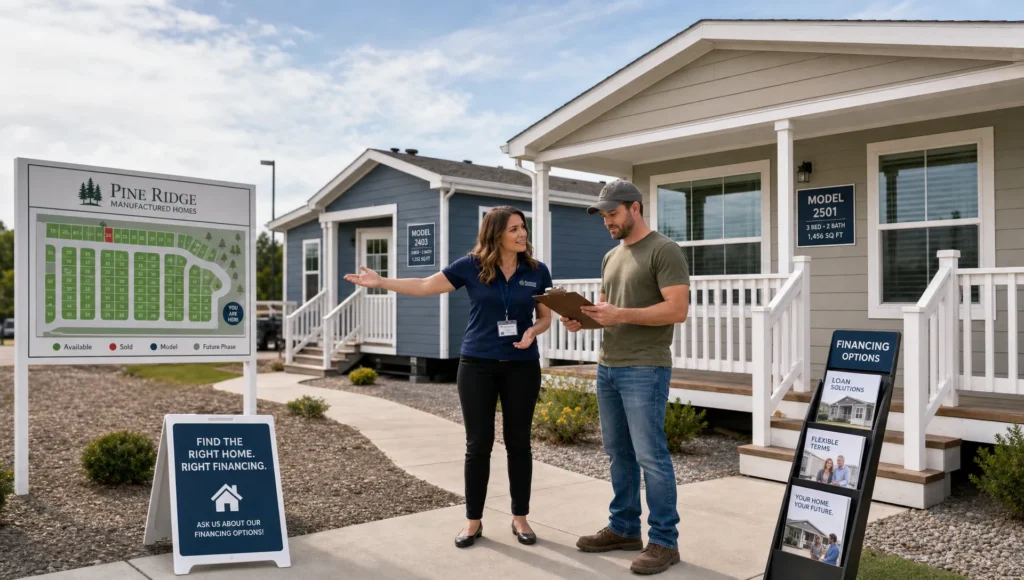 Manufactured Homes for Sale Nearby: How to Compare
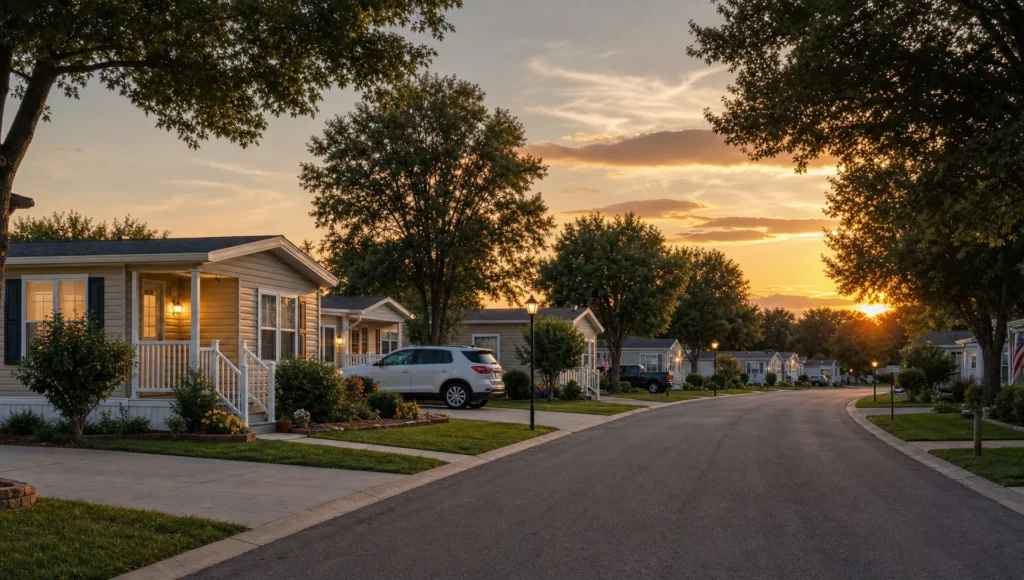 How to Choose the Right Mobile Home Neighborhood