
When you search for manufactured homes for sale nearby, the first listings can look easy to compare. One home has more square footage. Another has a lower advertised price. A third is move-in ready and close to your preferred part of San Antonio.
But the smartest comparison goes beyond price, beds, and baths. A manufactured home that looks affordable online can become less attractive once you factor in delivery, setup, land or lot rent, utility connections, financing terms, insurance, and community rules. On the other hand, a home with a slightly higher sticker price may be the better long-term fit if it includes important upgrades, sits in the right location, or reduces move-in surprises.
Use this guide as a practical buyer checklist for comparing nearby manufactured homes with more confidence.
Start by defining what nearby really means
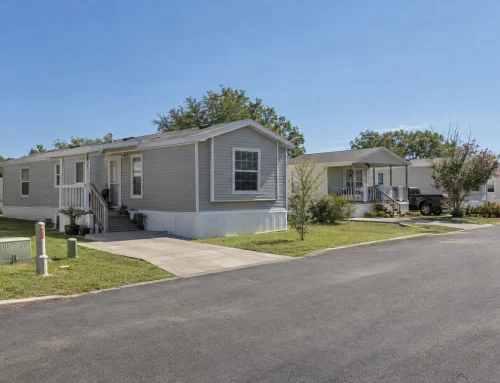
Nearby can mean different things when you are shopping for a manufactured home. It may refer to homes displayed at a local sales center, homes already placed in a community, available homes that can be delivered to your land, or models that can be ordered through a local retailer.
Before comparing listings, ask three basic questions:
- Is this exact home available now, or is it a model example?
- Can it be placed where I want to live, such as private land or a manufactured home community?
- What is included in the listed price, and what is separate?
For San Antonio buyers, location is more than a map pin. Consider commute times, school zones, access to grocery stores and healthcare, flood awareness, utility availability, and whether the home will be placed inside or outside city limits. Two homes may be the same distance from you, but one may be much easier and less expensive to move into.
Make sure you are comparing the same type of home
The terms mobile home, manufactured home, modular home, single wide, and double wide are often used together in online searches, but they are not identical.
Manufactured homes built after June 15, 1976 are built to federal construction and safety standards administered by the U.S. Department of Housing and Urban Development. HUD explains these standards through its manufactured housing program. Older factory-built homes are often called mobile homes, while modular homes are typically built to state or local building codes and installed on permanent foundations.
This matters because home type can affect financing, insurance, placement rules, inspections, and community approval. If you are still sorting out local options, the Homes2Go guide to manufactured homes in San Antonio gives helpful background on home styles, pricing factors, and buying tips.
Compare total move-in cost, not just the advertised price
The listing price is only one part of the financial picture. A fair comparison should include every cost required to legally and comfortably live in the home.
Ask each seller or dealer for a written estimate that separates included items from optional or third-party costs. If one estimate is vague and another is detailed, the detailed estimate is usually more useful even if the initial number looks higher.
| Cost category | Why it matters | Questions to ask |
|---|---|---|
| Home price | This is the base cost of the home itself | Does the price reflect the display model, a custom order, or a specific available home? |
| Delivery and transport | Moving the home can vary by distance and site conditions | Is delivery included within a certain area, or priced separately? |
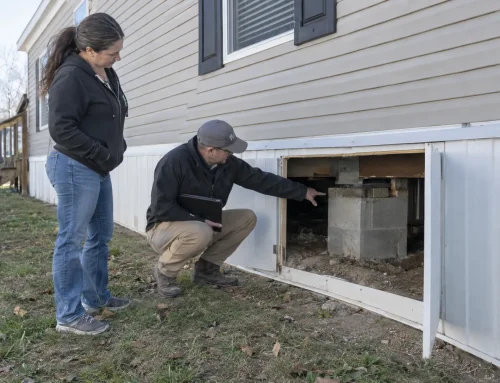
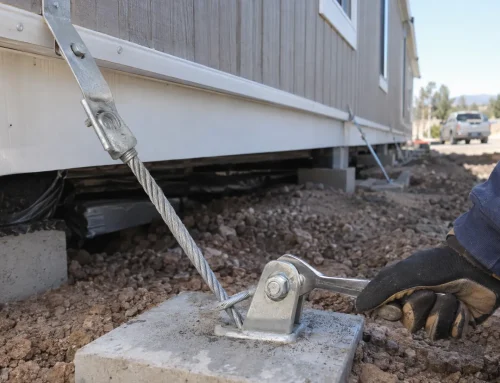
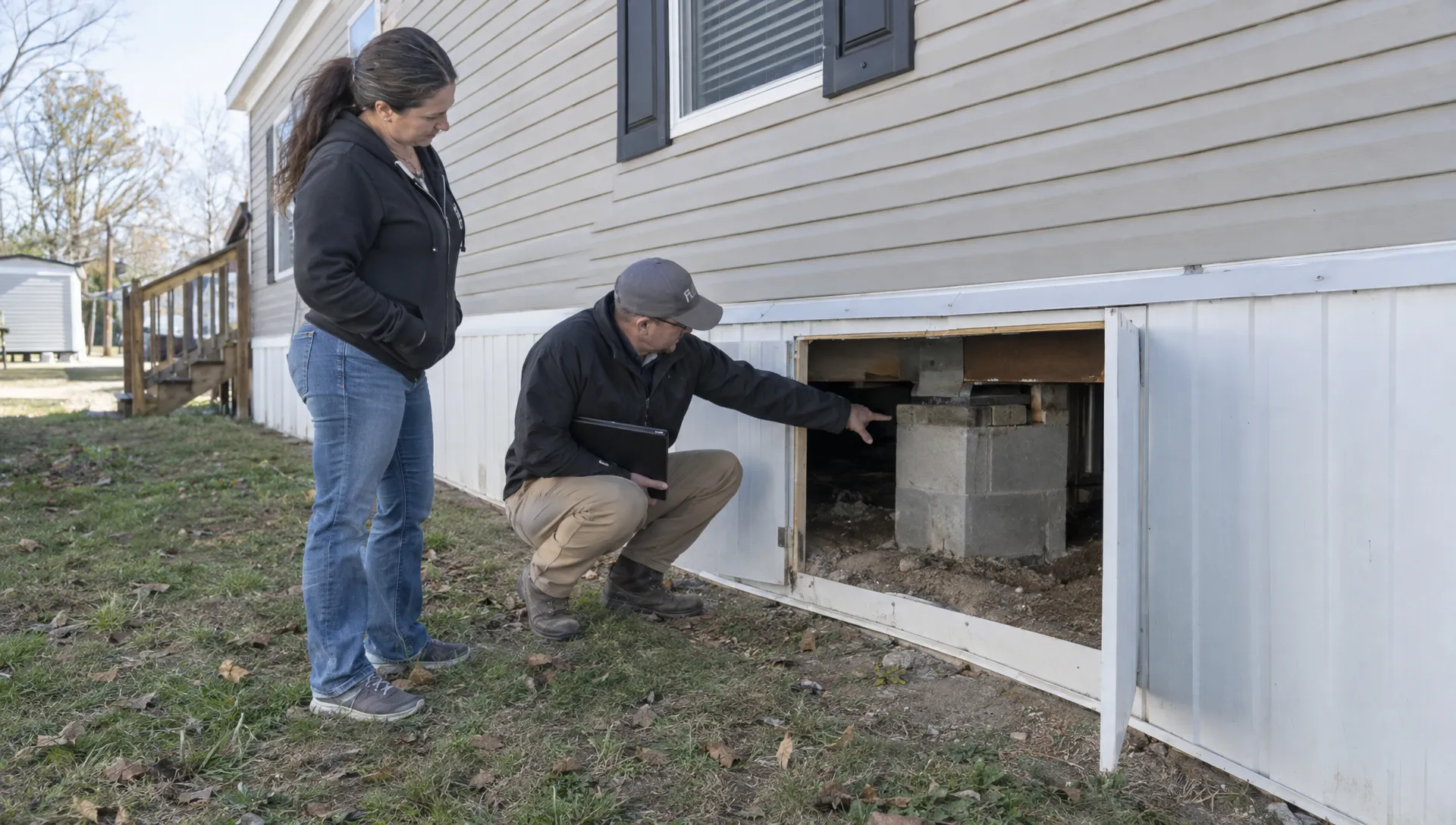
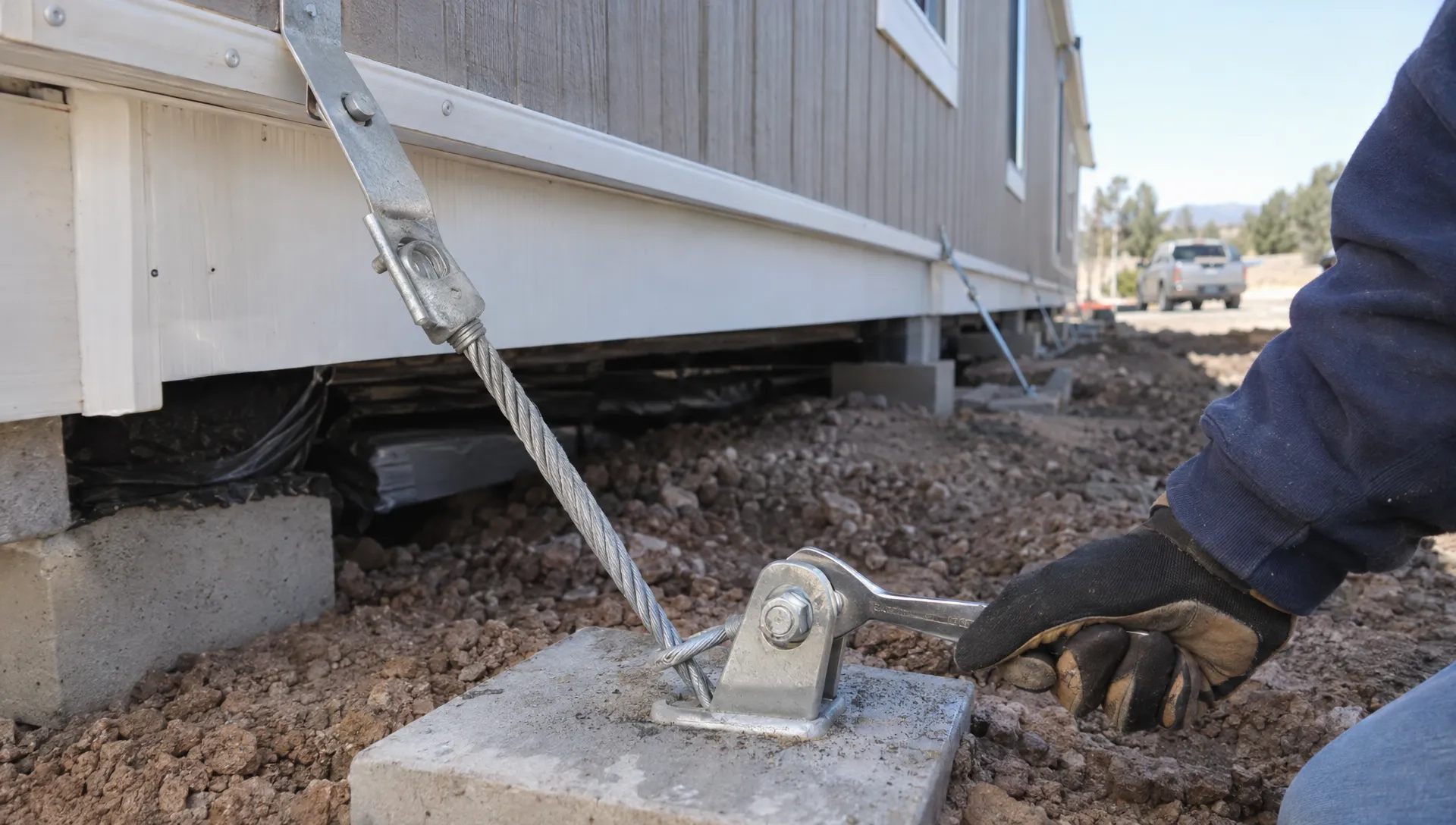
| Setup and installation | Proper installation affects safety, comfort, and long-term performance | Who handles setup, tie-downs, leveling, and inspections? |
| Site preparation | Land may need grading, pad work, clearing, or access improvements | Has the site been evaluated before the estimate was prepared? |
| Utility connections | Water, sewer or septic, electric, and HVAC details can change the budget | Which utility connections are included, and which require separate contractors? |
| Exterior items | Skirting, steps, decks, porches, and driveways may not be included | What exterior features are required before move-in? |
| Community or land costs | Lot rent, land purchase, HOA fees, or property taxes affect monthly cost | What will I pay monthly besides the home payment? |
| Insurance and taxes | These can influence affordability and loan approval | Are estimated taxes and insurance included in the payment quote? |
| Financing costs | Rates, terms, fees, and down payment requirements vary | What is the total monthly payment and total cost over the loan term? |
A good comparison should leave you with a realistic move-in number and a realistic monthly number. If you only compare the listed price, you may miss the true affordability of the home.
Evaluate the floor plan like you already live there
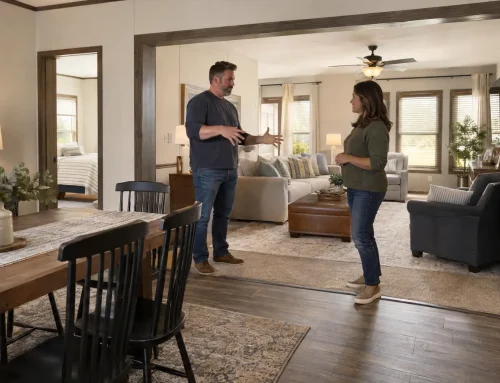
Square footage is useful, but layout is often more important. A 1,400-square-foot home with a smart floor plan may feel more comfortable than a larger home with wasted hallway space or limited storage.
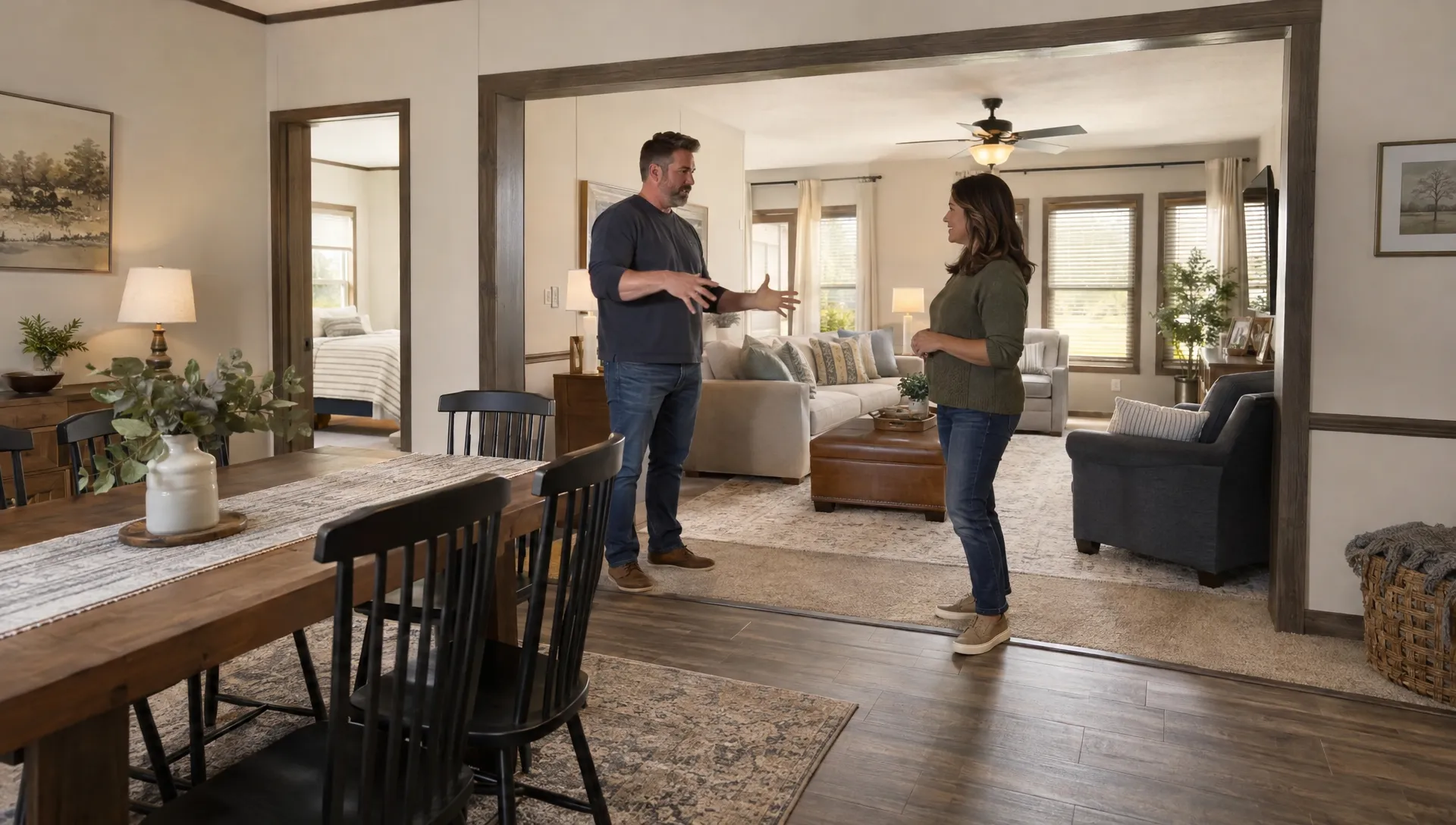
Walk through each home with your daily routine in mind. Think about where kids will do homework, where guests will sit, whether the kitchen has enough prep space, and how laundry will fit into your schedule. Open closets, stand in the bathrooms, check bedroom privacy, and picture your existing furniture in each room.
Pay close attention to features that affect long-term comfort:
- Split-bedroom layouts for privacy
- Kitchen storage, pantry space, and counter space
- Utility room size and washer-dryer placement
- Bathroom access from bedrooms and common areas
- Natural light and window placement
- Closet space, linen storage, and entry storage
- Flex space for work, hobbies, or future family changes
If you are comparing larger layouts, especially for families or multigenerational living, this guide to double wide trailer homes for sale explains what to look for beyond width and square footage.
Look at construction quality and energy efficiency
A manufactured home is a major purchase, so compare the parts you can see and the specifications you cannot see at first glance. Ask about insulation, window type, roof materials, siding, HVAC equipment, flooring durability, appliance packages, and warranty coverage.
Energy-efficient designs can be especially important in the San Antonio area, where cooling comfort and utility bills matter for much of the year. A home with better insulation, efficient windows, and properly sized HVAC may cost more upfront, but it can improve comfort and help control monthly expenses.
Also ask how service requests are handled after purchase. A strong warranty is only helpful if you understand what is covered, who performs the work, how claims are submitted, and how long service typically takes.
In Texas, the Texas Department of Housing and Community Affairs Manufactured Housing Division provides consumer information related to manufactured housing. Reviewing official resources can help you understand installation, titling, and regulatory basics before you buy.
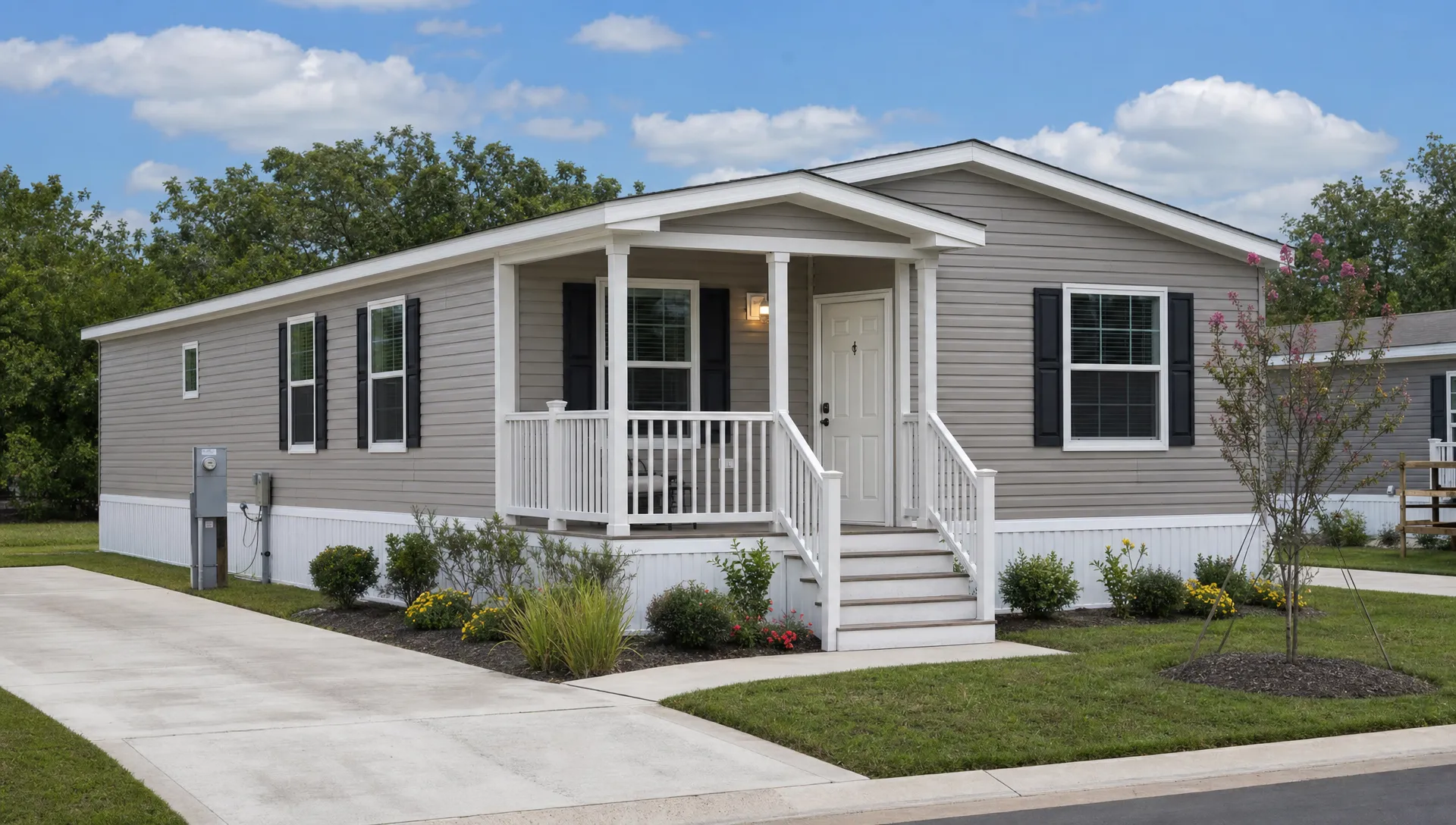
Compare the land or community as carefully as the home
A great home in the wrong location may not feel like a great purchase after move-in. Decide early whether you want to place the home on private land, buy land with the home, or live in a manufactured home community.
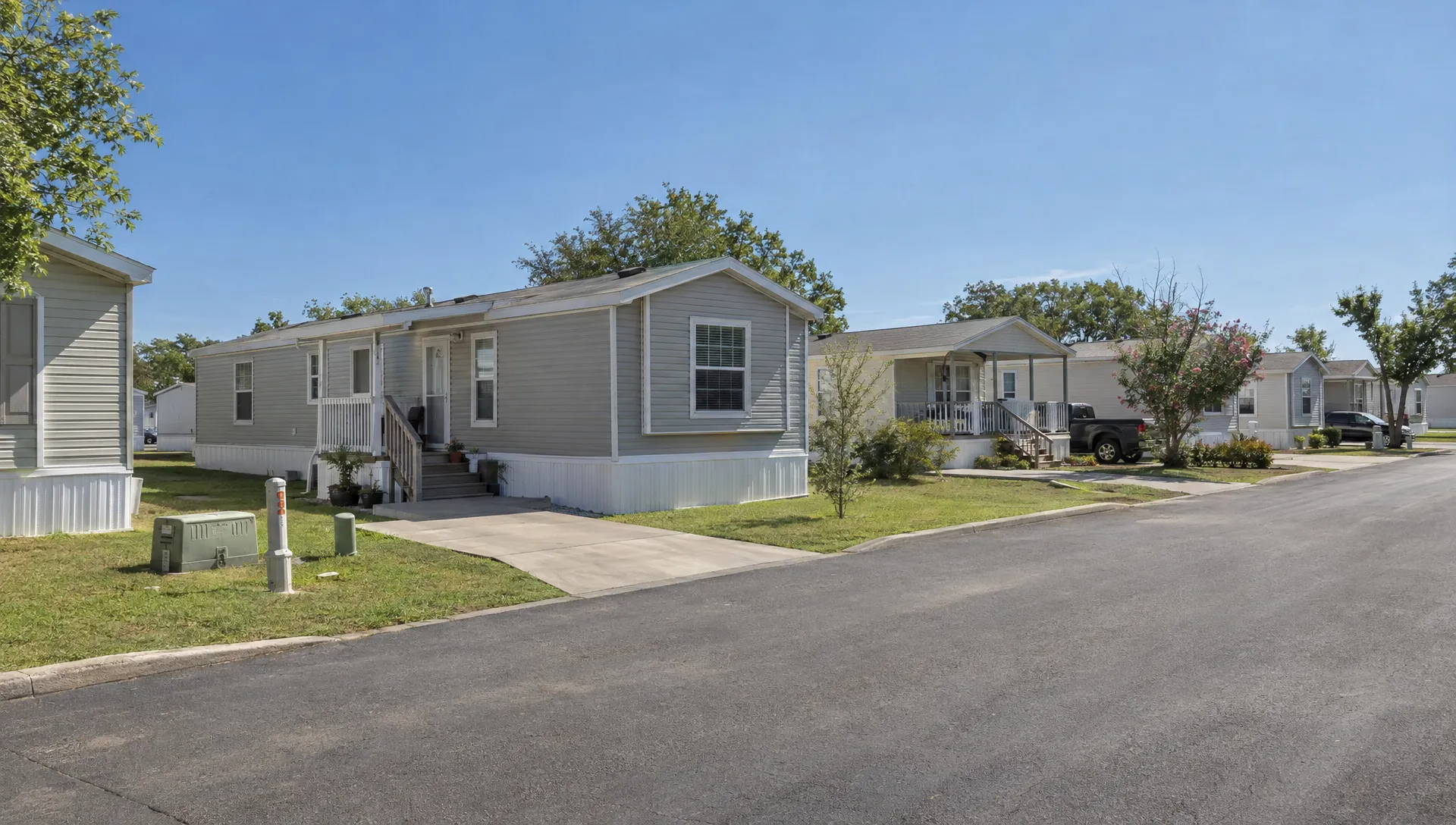
If you are considering a community, compare more than amenities. Review monthly lot rent, application requirements, pet rules, parking rules, guest policies, yard maintenance expectations, trash service, utility billing, and any restrictions on home age, size, or exterior features.
Community approval can also affect your timeline. Some communities require an application before placement, and some may have rules about which homes are allowed. If all-age living is important for your household, the Homes2Go article on how to compare all-age manufactured home communities can help you evaluate rules, costs, and daily livability.
If you plan to use private land, confirm zoning, access, utilities, driveway requirements, septic or sewer needs, floodplain considerations, and any deed restrictions. A beautiful home is only practical if the site can support it at a cost that fits your budget.
Review financing based on the full monthly picture
Financing can make two similar homes feel very different. Do not compare offers only by the monthly payment shown at the top of the quote. A lower payment may come from a longer term, a larger down payment, or excluded costs.
When reviewing financing options, compare:
- Down payment requirement
- Interest rate and annual percentage rate
- Loan term
- Estimated taxes and insurance
- Whether land or lot rent is included in the monthly budget
- Closing costs or origination fees
- Prepayment rules
- Whether the lender regularly works with manufactured homes
First-time buyers should be especially careful here. Ask for explanations in plain language and request a payment estimate that includes all expected monthly housing costs. Homes2Go San Antonio works with buyers who need guidance through home selection and financing conversations, which can be helpful if you are comparing multiple homes at once.
Ask what is included in the display home
Display homes are useful because you can see finishes, room sizes, and layout flow in person. But not every feature you see is always included in the base price.
Before you fall in love with a model, ask which features are standard and which are upgrades. This can include flooring, cabinets, countertops, appliances, ceiling fans, bathroom fixtures, porches, entertainment centers, accent walls, and exterior finishes.
A simple way to compare is to take photos during each tour and label them by model name. Then ask for a printed or digital specification sheet. If one home includes the finishes you want and another requires several upgrades, the true cost difference may be smaller than it first appears.
Watch for red flags during the comparison process
Most manufactured home shoppers want to move quickly once they find a home that feels right. Speed is understandable, but pressure should never replace clarity.
Be cautious if you notice any of these issues:
- The total price is not provided in writing
- The seller cannot explain what is included and excluded
- Financing details are discussed before you understand the home and site costs
- Community rules are not available before deposit
- Setup, delivery, or utility responsibilities are unclear
- The home shown is not the same as the home being priced
- You feel rushed to sign before reviewing documents
A trustworthy process should make you feel informed, not confused. If you cannot compare two homes clearly, pause and ask for more detail.
Use a simple final scorecard
Once you have narrowed your choices, compare each home across four practical categories.
First, look at affordability. Can you handle the full move-in cost and the full monthly cost without stretching too far? Include the home payment, land or lot costs, utilities, insurance, taxes, and routine maintenance.
Second, consider livability. Does the floor plan support your household today and over the next several years? A home should fit your routines, not just your furniture.
Third, evaluate placement. Is the home approved or likely to be approved for your preferred land or community? Are site, utility, and commute factors realistic?
Fourth, measure confidence. Did the seller answer questions clearly? Are estimates written down? Do you understand financing, delivery, setup, and warranty support?
The best home is usually the one that scores well in all four areas, not the one that wins only on price.
Frequently Asked Questions
What should I compare first when looking at manufactured homes for sale nearby? Start with total move-in cost and placement. A home should fit your budget, be eligible for your land or community, and include a clear estimate for delivery, setup, utilities, financing, taxes, and insurance.
Is the lowest-priced manufactured home the best deal? Not always. A lower listed price may exclude delivery, installation, skirting, steps, permits, or utility connections. Compare the complete written estimate before deciding which home is the better value.
Can a manufactured home be placed in any community? No. Communities may have rules about home age, size, exterior condition, application approval, pets, parking, and occupancy. Always review community requirements before buying a home for that location.
Do I need to own land to buy a manufactured home? Not necessarily. Some buyers place homes on private land, while others choose manufactured home communities with lot rent. Each option has different costs, rules, and responsibilities.
How do I compare financing offers for manufactured homes? Compare the down payment, APR, loan term, fees, estimated taxes, insurance, and total monthly housing cost. Ask whether the lender has experience with manufactured homes and whether the quote includes all expected costs.
Compare nearby homes with local guidance
Shopping for manufactured homes near me for sale is easier when you have someone local to help you compare models, floor plans, financing options, and placement choices. Homes2Go San Antonio helps buyers explore affordable manufactured homes with expert guidance, detailed floor plans, flexible financing support, and access to local home communities.
If you are ready to compare available homes in the San Antonio area, start with Homes2Go San Antonio and take the next step toward a home that fits your budget, lifestyle, and location goals.
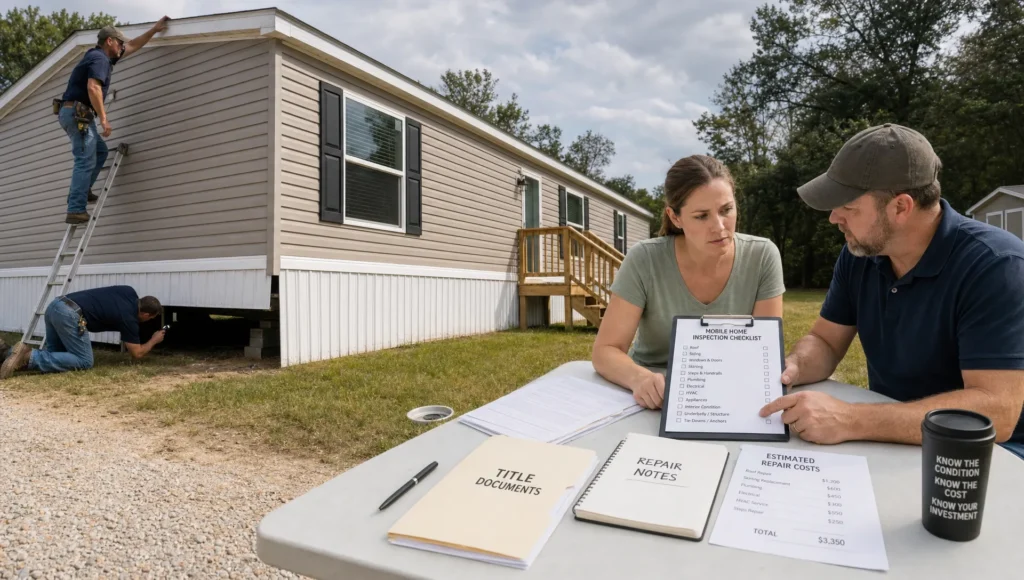 Pre-Owned Mobile Homes for Sale: Smart Buyer Checklist
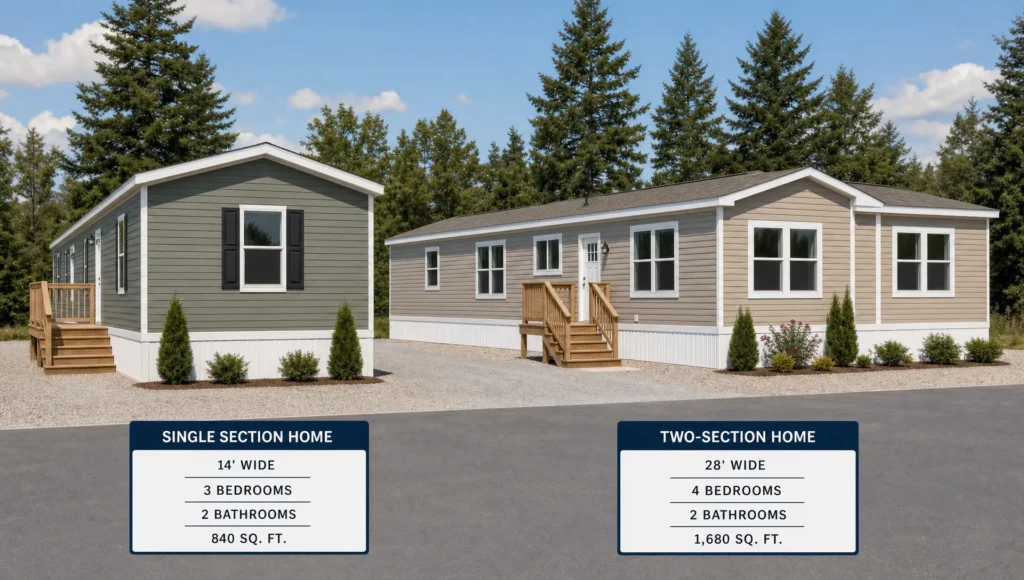 Single Wide Trailer vs Double Wide: Which Fits Best?