
Yes, you can get FHA loans for single wide mobile homes, but the home, land situation, installation, and lender all have to line up. FHA financing is possible for many single-wide manufactured homes, especially newer homes placed on owned land with a permanent foundation. It can be more complicated when the home is older, located in a rented-lot community, or treated as personal property instead of real estate.
The key is understanding that FHA does not simply approve “any mobile home.” FHA insures loans made by approved lenders, and those lenders must follow FHA manufactured housing rules. Some lenders also add their own requirements, often called overlays, which can make single-wide financing stricter than the basic FHA guidelines.
For buyers in San Antonio, this matters because many affordable manufactured home opportunities involve single-wide models, land-lease communities, rural parcels, or land and home packages outside the city core. The right financing path depends on which of those situations fits your purchase.
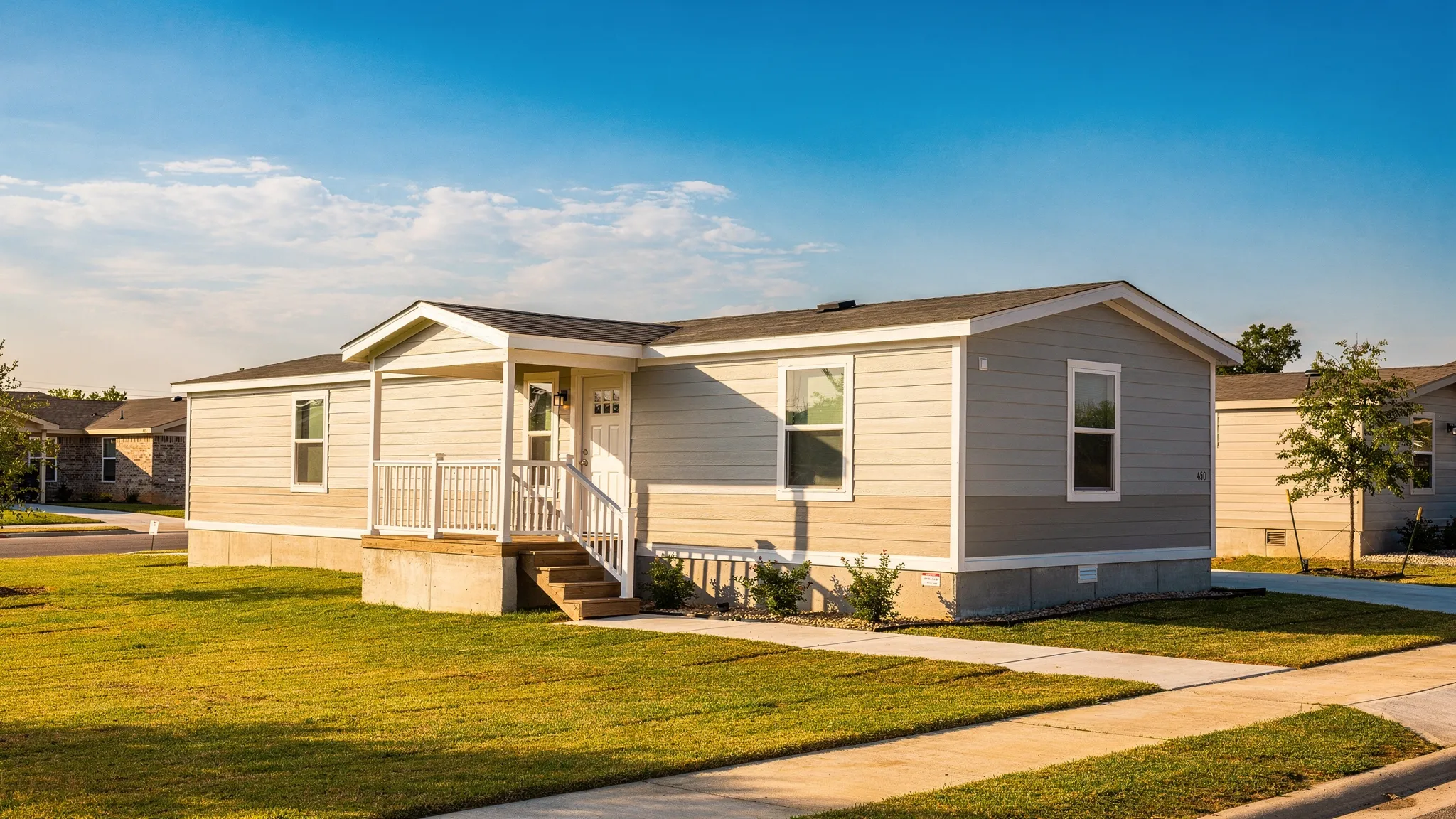
Short answer: FHA financing is possible, but not automatic
A single-wide mobile home may qualify for FHA financing if it is actually a manufactured home built to the federal HUD Code, meets FHA property standards, and is used as your primary residence. In everyday conversation, people often say “mobile home,” but lenders usually use more precise terms.
A home built before June 15, 1976 is generally considered a mobile home under older standards. A home built on or after that date to HUD’s manufactured housing standards is a manufactured home. That distinction is important because FHA financing is designed around HUD-code manufactured homes, not older pre-HUD mobile homes.
According to HUD’s information on FHA manufactured home financing, FHA can insure loans for manufactured homes, lots, or a combination of both through approved lenders. FHA also has mortgage programs for manufactured homes that are permanently attached to land and classified as real estate.
FHA Title I vs. FHA Title II for single-wide manufactured homes
When buyers ask about FHA loans for single wide mobile homes, they are usually talking about one of two FHA-backed paths: Title I or Title II. They are not the same.
| FHA option | What it may finance | Typical fit | Important limitation |
|---|---|---|---|
| FHA Title I | Manufactured home, lot, or home and lot | Home-only purchases or certain leased-lot situations | Loan limits and lender availability can be restrictive |
| FHA Title II | Manufactured home and land as real estate | Land-home purchases, permanent foundation, owner-occupied property | The home usually must be permanently attached and classified as real property |
FHA Title I can be useful when the home itself is being financed, including some cases where the home is placed on a leased lot. However, Title I has program limits and not every lender offers it. For many buyers, especially if they want to buy land with the home, Title II may be the more familiar FHA mortgage route.
FHA Title II is closer to a traditional FHA mortgage. It generally works best when the manufactured home is permanently installed on land you own or are buying, and the home and land are treated together as real estate. This is why land and home packages can sometimes be a stronger fit for FHA than buying a home in a park where you rent the lot.
Basic FHA eligibility requirements for a single-wide home
A single-wide home is not disqualified just because it is single-section. The bigger questions are whether it meets FHA property requirements and whether the lender is willing to finance that type of manufactured home.
Here are the major factors lenders will review.
| Requirement | What it means for the buyer |
|---|---|
| HUD Code construction | The home should have been built on or after June 15, 1976 and have HUD certification labels or acceptable documentation. |
| Minimum size | FHA manufactured homes generally must have at least 400 square feet of floor area. |
| Primary residence | FHA financing is for owner-occupied homes, not vacation homes or investment rentals. |
| Permanent foundation | For real-estate FHA mortgage financing, the home must be properly installed on an acceptable permanent foundation. |
| Real property classification | The home and land may need to be titled and taxed as real estate, not just personal property. |
| Safe access and utilities | The property needs acceptable access, water, sewer or septic, electricity, and code-compliant installation. |
| FHA appraisal | An FHA-approved appraiser must confirm value and identify property issues that need correction. |
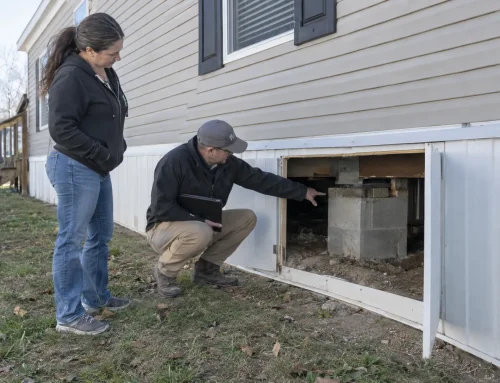
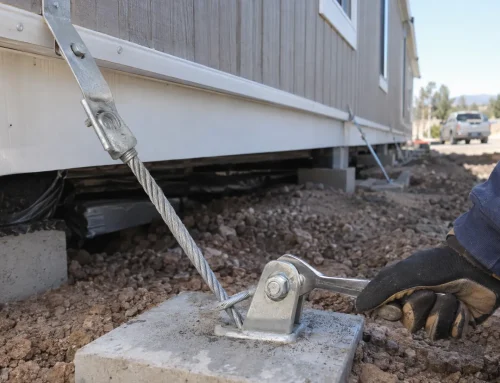
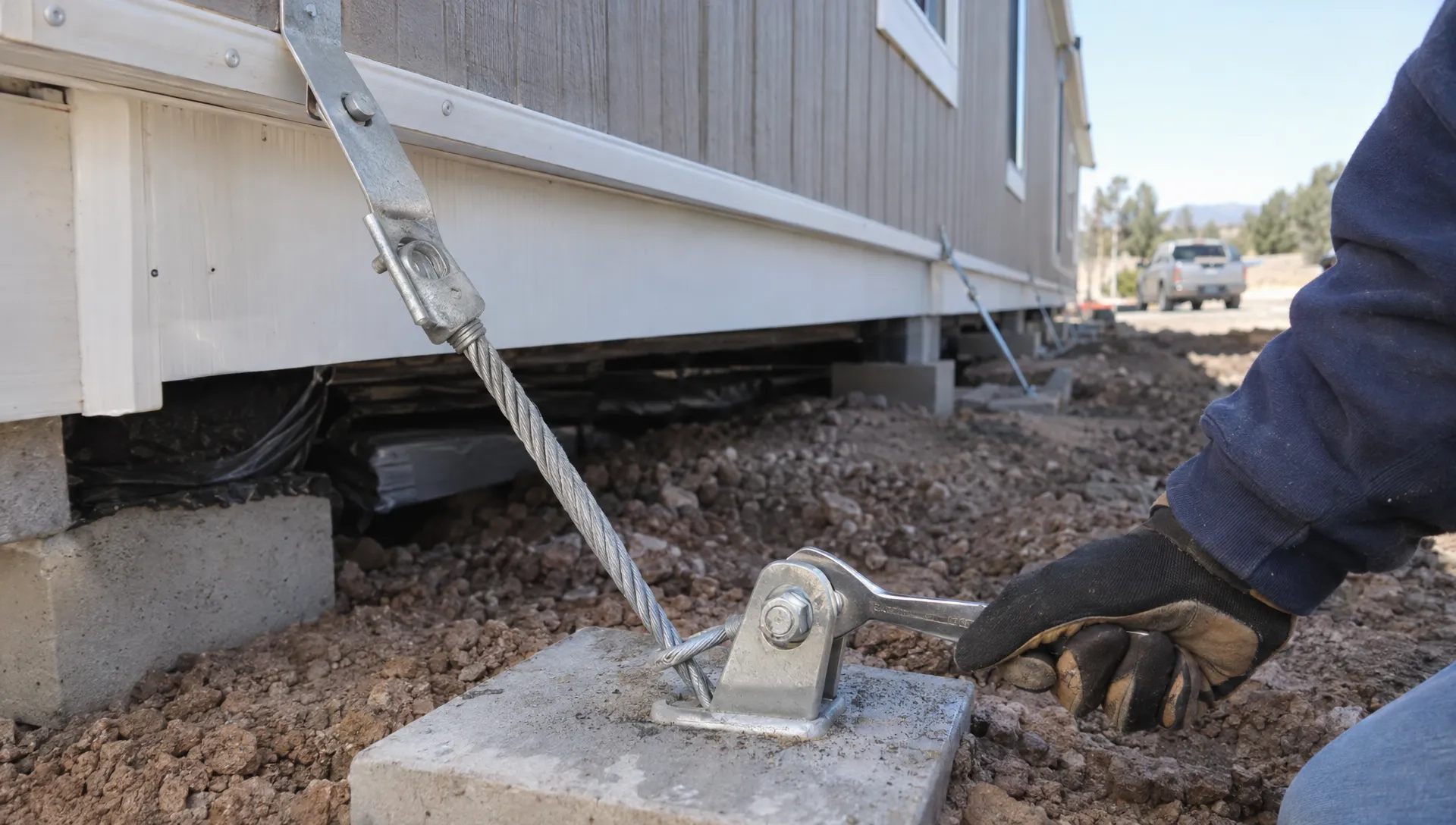
The permanent foundation requirement is one of the biggest differences between FHA mortgage financing and other manufactured home loan options. HUD’s Permanent Foundations Guide for Manufactured Housing is often referenced when lenders require an engineer’s foundation certification.
Why single-wide homes can be harder to finance than double-wides
FHA rules may allow eligible single-wide manufactured homes, but some lenders are more cautious with them. This is not always because of FHA itself. It can be because of investor guidelines, resale concerns, appraisal issues, loan amount limits, or internal lender policies.
Single-wide homes can also face practical hurdles. Older units may be missing HUD labels or have incomplete paperwork. Homes that have been moved from one site to another can raise lender concerns. Homes in rented-lot communities may not qualify for a standard FHA real-estate mortgage because the borrower does not own the land.
This does not mean the answer is no. It means you should ask lenders very specific questions early, before you spend money on inspections, land due diligence, or community applications.
Buying in a mobile home park vs. buying land
Your site choice can determine whether FHA is realistic.
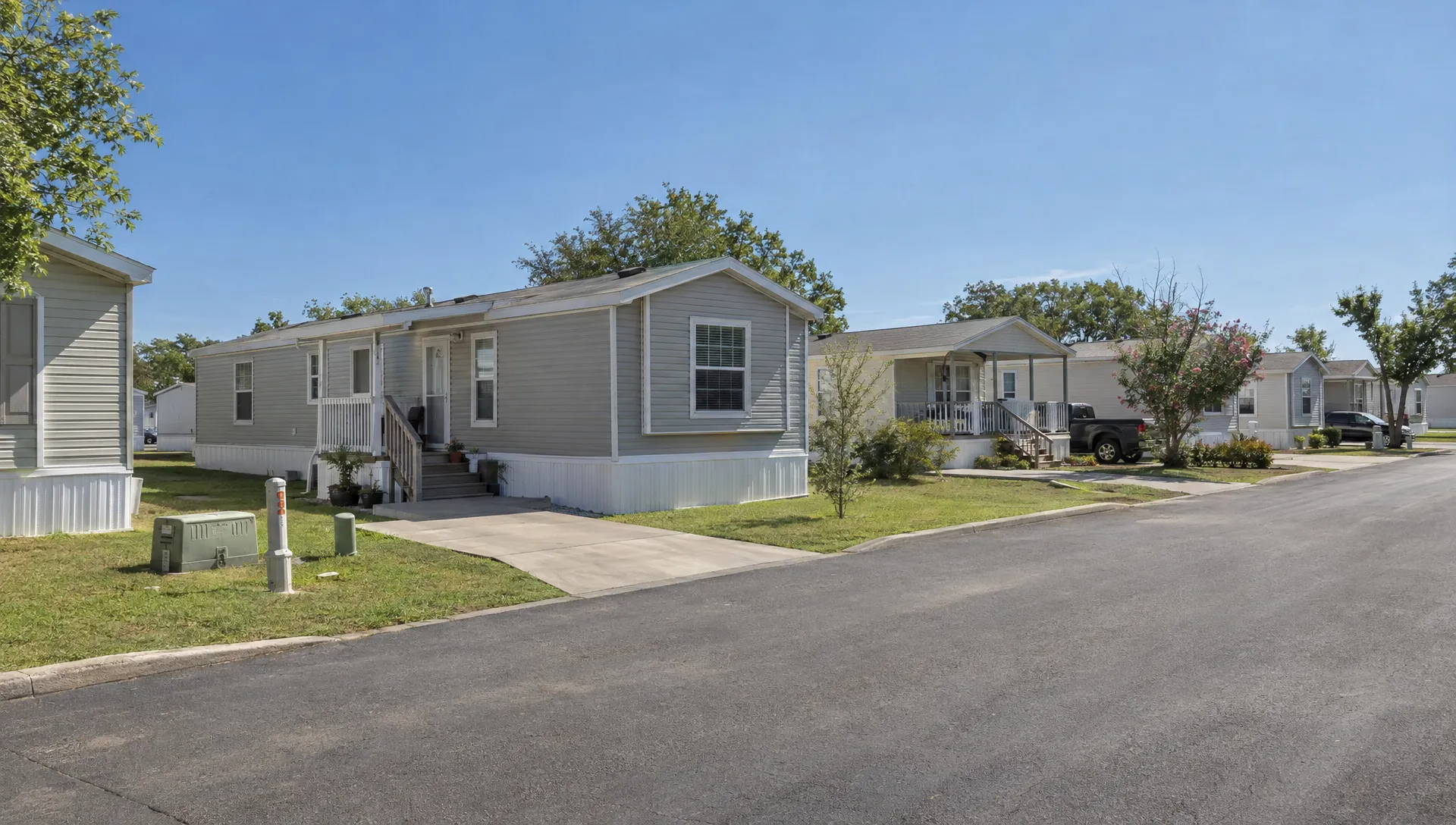
If you buy a single-wide home in a manufactured home community and rent the lot, the home may be treated as personal property. In that case, a standard FHA Title II mortgage is usually not the right fit because there is no land being mortgaged with the home. FHA Title I may be possible in some leased-lot scenarios, but lender availability and program limits can make it less common.
If you buy a single-wide manufactured home with land, or place a new home on land you already own, FHA may be more practical. The home can potentially be installed on a permanent foundation, converted or titled as real property, and appraised as a home-and-land package.
In the San Antonio area, this distinction comes up often. A buyer looking at a community near city amenities may need one financing path, while a buyer purchasing land in Bexar County or surrounding areas may need another. Local zoning, deed restrictions, floodplain status, utility access, and septic requirements can all affect whether the project is financeable.
Credit score, down payment, and borrower requirements
FHA loans are popular because they can be more flexible than some conventional mortgage programs. Many FHA purchase loans allow down payments as low as 3.5% for borrowers who meet credit requirements. Borrowers with lower credit scores may need a larger down payment, and lenders can set stricter minimums than FHA’s baseline.
You should also expect the lender to review:
- Income stability and employment history
- Debt-to-income ratio
- Credit history and recent late payments
- Available funds for down payment and closing costs
- Whether the home will be your primary residence
- The property’s appraisal and FHA condition requirements
FHA mortgage insurance is another cost to understand. FHA loans generally include mortgage insurance premiums, which can affect your monthly payment and total loan cost. Your lender should provide a Loan Estimate that breaks down the interest rate, estimated payment, closing costs, taxes, insurance, and mortgage insurance.
What documents help with FHA approval?
Manufactured home financing usually requires more documentation than a standard site-built home purchase. Having paperwork ready can prevent delays.
| Document or item | Why it matters |
|---|---|
| HUD certification labels or data plate information | Helps prove the home was built to HUD manufactured housing standards. |
| Detailed floor plan and specifications | Helps the lender and appraiser understand size, layout, and features. |
| Purchase agreement | Shows price, included items, and seller terms. |
| Land contract or deed information | Needed if the home and land are financed together. |
| Foundation details | Supports FHA review and may be needed for an engineer certification. |
| Installation permits and inspections | Helps confirm the home is placed legally and safely. |
| Community lease, if applicable | Important for leased-lot financing questions. |
If you are buying a new manufactured home, the retailer or housing professional should be able to help you gather model specifications, floor plans, and installation information. If you are buying an older used home, documentation can be harder to obtain, so it is smart to confirm loan eligibility before making a firm commitment.
FHA appraisal and inspection considerations
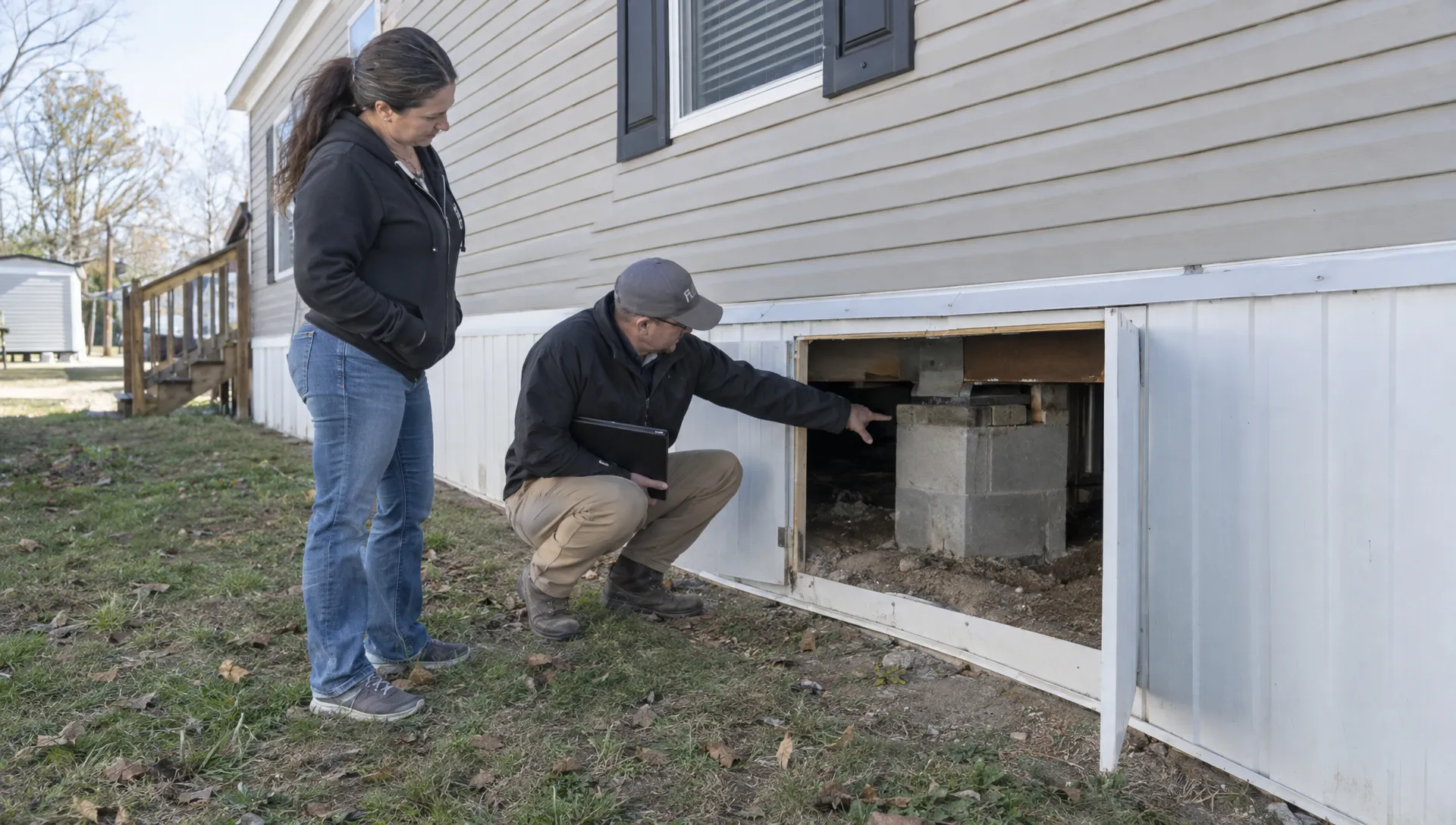
An FHA appraisal is not the same as a full home inspection, but it does include a review of FHA minimum property standards. For manufactured homes, the appraiser and lender may pay close attention to installation, foundation, access, safety, utilities, roof condition, additions, and whether the home appears to meet HUD and FHA requirements.
Common items that can cause delays include missing HUD labels, unpermitted additions, damaged skirting, roof leaks, unsafe steps, incomplete utility connections, or foundation concerns. If repairs are required, they may need to be completed before closing.
For a single-wide home, the appraisal also needs to support the purchase price. In areas where there are fewer comparable manufactured home sales, appraisals can take extra time. This is another reason to work with professionals who understand the local manufactured housing market.
Common reasons FHA financing falls through
FHA financing can be a strong option, but not every single-wide purchase will qualify. Problems often come from property eligibility rather than the buyer’s credit alone.
Common reasons include:
- The home was built before June 15, 1976
- The home does not have acceptable HUD-code documentation
- The home is not on a permanent foundation when required
- The buyer is renting the lot and the loan type does not support that structure
- The property cannot be classified as real estate
- The appraisal identifies major safety or condition issues
- The lender does not offer FHA financing for single-wide manufactured homes
- Local rules, deed restrictions, or utility limitations prevent legal placement
The best way to avoid these problems is to confirm the loan type, site setup, and lender requirements before choosing a home.
FHA vs. other financing options
FHA is not the only way to buy a single-wide manufactured home. Depending on your goals, another loan type may be more practical.
| Financing option | Best for | What to watch |
|---|---|---|
| FHA | Owner-occupants buying an eligible manufactured home, especially with land | Property standards, mortgage insurance, lender overlays |
| Chattel loan | Home-only purchases, including many community placements | Often different rates and terms than real-estate mortgages |
| Conventional manufactured home loan | Buyers with stronger credit and eligible real-property setup | May have stricter property and down payment rules |
| VA loan | Eligible veterans, service members, and surviving spouses | Must meet VA and lender manufactured housing guidelines |
| USDA loan | Eligible rural properties and qualified borrowers | Location and income limits apply |
If your goal is the lowest possible upfront cost, FHA may be worth exploring. If your goal is a home in a land-lease community, chattel financing or another home-only loan may be easier to use. If you qualify for VA or USDA and the property meets program rules, those may also be worth comparing.
How San Antonio buyers can improve their chances
The strongest FHA manufactured home files usually have three things: a qualified borrower, an eligible home, and a clean land or site setup. If one of those pieces is weak, the loan can slow down or fail.
Start by getting pre-qualified with a lender that specifically understands manufactured housing. Ask whether they finance single-wide homes, whether they offer FHA Title I or Title II, what foundation documentation they require, and whether they have minimum home age or size rules beyond FHA’s standards.
Next, choose the home and site together. A beautiful single-wide model may not help if the land has restrictions against manufactured homes, lacks utilities, sits in a floodplain without a workable plan, or cannot support the required foundation and installation.
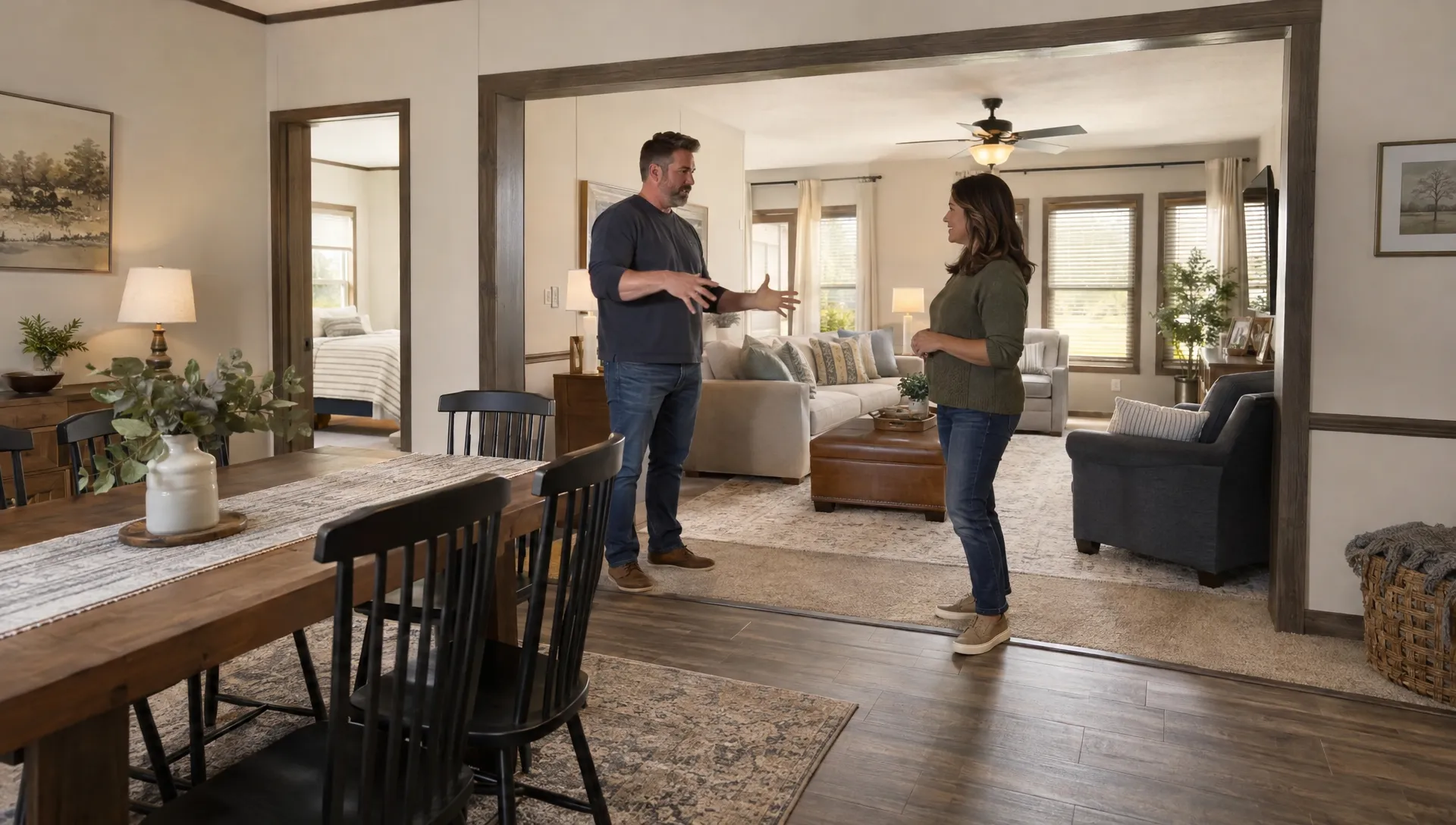
Finally, keep your budget realistic. The monthly payment is only one part of affordability. You may also need to plan for delivery, setup, skirting, steps, utility connections, permits, taxes, insurance, and possible site work. For buyers comparing different models, energy-efficient designs and modern layouts can help balance comfort and long-term operating costs.
A practical step-by-step path
Here is a simple way to approach FHA financing for a single-wide manufactured home in the San Antonio area.
- Confirm that the home is HUD-code manufactured housing, not a pre-1976 mobile home.
- Decide whether you want a community lot, private land, or a land and home package.
- Speak with lenders that specifically handle FHA manufactured home loans.
- Ask whether the loan would be FHA Title I, FHA Title II, or another product.
- Verify zoning, deed restrictions, utilities, floodplain status, and installation requirements for the site.
- Review floor plans, home specifications, and energy-efficient features before choosing a model.
- Gather documents for the lender, including home specs, purchase agreement, land details, and foundation information.
- Budget for the full project, not just the home price.
- Complete appraisal, underwriting, installation, inspections, and closing steps as required.
Homes2Go San Antonio helps buyers compare manufactured home models, review floor plans, explore flexible financing options, and connect with guidance throughout the purchase process. That support can be especially valuable for first-time buyers trying to understand whether FHA is the best path or whether another loan type fits better.
Frequently Asked Questions
Can a single-wide manufactured home qualify for an FHA loan? Yes, a single-wide manufactured home can qualify if it meets FHA and lender requirements. The home generally needs to be HUD-code manufactured housing, meet size and condition standards, be used as a primary residence, and have an acceptable site and foundation setup for the loan type.
Does FHA finance mobile homes in parks? Sometimes, but it depends on the loan type and the lease arrangement. A standard FHA mortgage usually works best when the home and land are financed together as real estate. Homes in rented-lot communities may require FHA Title I or a non-FHA home-only loan, depending on lender availability.
Can I use FHA to buy a used single-wide mobile home? It may be possible if the home meets HUD-code and FHA requirements, has acceptable documentation, and passes property review. Older homes, homes with missing HUD labels, unpermitted additions, or prior relocation issues can be harder to finance.
Do FHA loans require a permanent foundation for manufactured homes? For FHA real-estate mortgage financing, the manufactured home typically must be permanently attached to an acceptable foundation. Lenders often require an engineer’s foundation certification.
Is FHA the best loan for a single-wide home? Not always. FHA can be a good fit for eligible owner-occupants, especially when buying land with the home. For community placements or home-only purchases, chattel loans or other manufactured home financing options may be more practical.
How do I know if a San Antonio property allows manufactured homes? Check zoning, deed restrictions, subdivision rules, utility access, floodplain status, and local permitting requirements before buying land. A manufactured home professional can help you identify questions to ask before you commit.
Ready to explore FHA-friendly manufactured homes in San Antonio?
If you are asking whether you can get FHA loans for single wide mobile homes, the next step is to match the right home, site, and financing option. Homes2Go San Antonio can help you compare available manufactured home models, review detailed floor plans, and explore financing paths with experienced guidance.
Visit the Homes2Go San Antonio financing page to learn more about available loan options, or connect with the Homes2Go team to discuss your budget, preferred location, and homeownership goals.
 Chattel Loans for Manufactured Homes Explained Simply
 FHA Loan for Prefab Home: What Qualifies in 2026