
A single wide mobile home can be one of the most practical ways to become a homeowner without taking on the cost, maintenance, or square footage of a larger house. For many buyers in the San Antonio area, it offers a smart balance: enough space for everyday living, a lower purchase price than many multi-section homes, and the flexibility to place the home in a community or on suitable private land.
Still, a single wide is not the right fit for every buyer. The best choice depends on your household size, budget, land situation, financing plan, and long-term goals. This guide breaks down the pros, realistic cost factors, and best uses for a single wide mobile home so you can decide with confidence.
What Is a Single Wide Mobile Home?
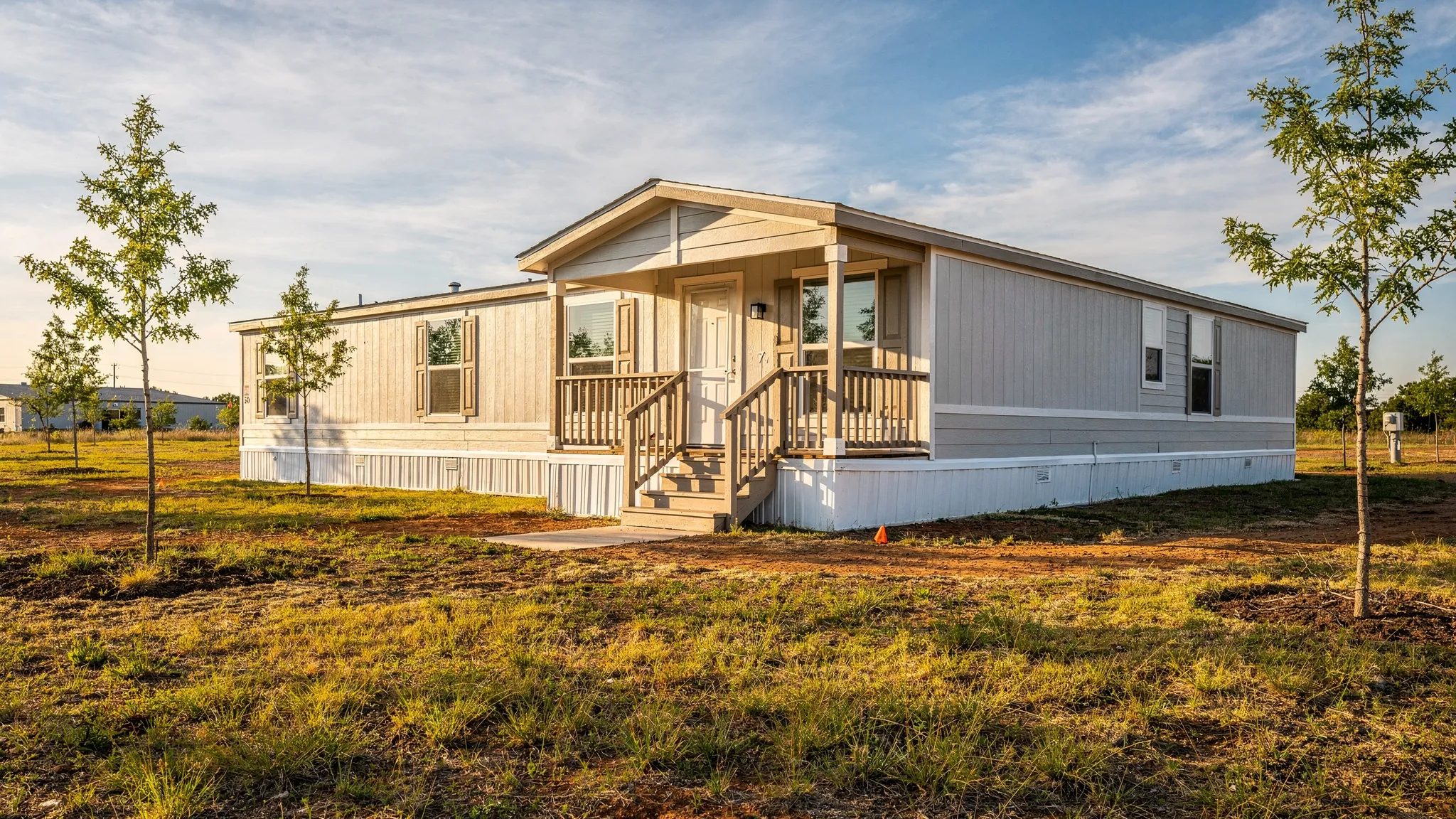
A single wide mobile home is a manufactured home built in one transportable section. In everyday language, buyers often use the term mobile home, but modern homes built after June 15, 1976 are technically manufactured homes because they are built to the federal HUD Code. The U.S. Department of Housing and Urban Development oversees these construction and safety standards.
Single wide homes are typically narrower than double wide homes because they are transported as one section. Common layouts include one to three bedrooms, one or two bathrooms, an open kitchen and living area, and a compact laundry space. Many modern models include upgraded finishes, energy-efficient features, and floor plans that feel much larger than the exterior footprint suggests.
Here is a simple comparison:
| Feature | Single wide mobile home | Double wide manufactured home |
|---|---|---|
| Structure | One transportable section | Two sections joined on-site |
| Typical feel | Compact and efficient | Wider rooms and more separation |
| Cost | Usually lower | Usually higher |
| Site needs | Often easier to place on smaller lots | Needs more lot width and setup space |
| Best fit | Singles, couples, small families, downsizers | Larger families, buyers wanting more room |
The key advantage is efficiency. A single wide mobile home gives you the essentials of homeownership without forcing you to pay for space you may not need.
Pros of a Single Wide Mobile Home
Lower upfront cost
Affordability is the biggest reason buyers consider a single wide. Because the home is built in one section and generally has less square footage than a double wide, the home-only price is usually lower. That can make a single wide especially appealing for first-time buyers, retirees, and families who want to keep monthly housing costs manageable.
The U.S. Census Bureau Manufactured Housing Survey tracks manufactured home sales prices and consistently shows that single-section homes cost less on average than multi-section homes. Your exact price will depend on the manufacturer, floor plan, options, delivery distance, site work, and financing terms.
Faster path to move-in
Manufactured homes are built in a controlled factory environment, which can reduce weather delays compared with some site-built construction. Once the home is built and delivered, the remaining timeline depends on installation, inspections, utilities, lender requirements, and community or land approvals.
For buyers who want a move-in ready option without a long custom building process, a single wide can be a practical solution.
Easier fit on many lots
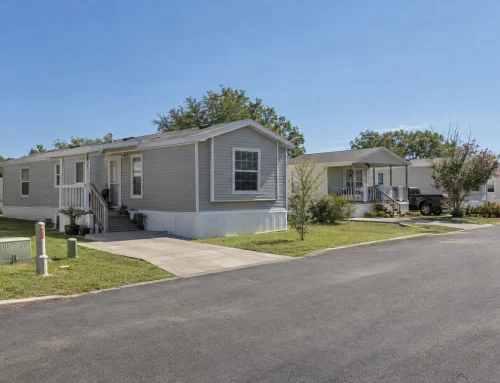
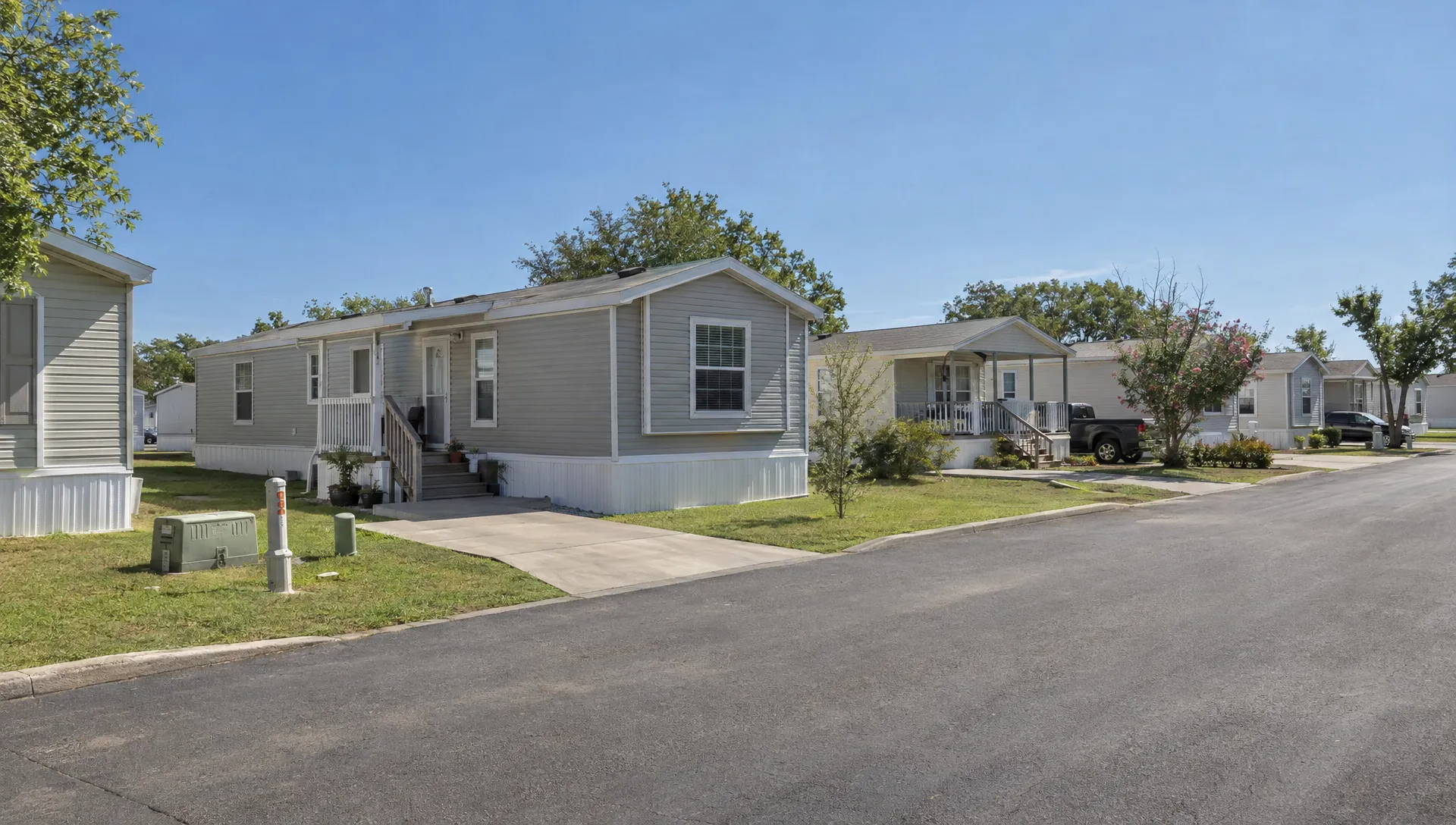
Because a single wide is narrower than a multi-section home, it may fit more easily on certain lots or in manufactured home communities. This can matter in the San Antonio area, where buyers may be comparing community lots, rural land, suburban parcels, and land-home opportunities near Bexar County and surrounding communities.
A smaller footprint can also leave more outdoor space for parking, a patio, a storage shed where allowed, or a small yard.
Lower maintenance needs
Less square footage usually means less to clean, heat, cool, furnish, and maintain. That can be a major benefit for busy households, retirees, or anyone who wants a simpler lifestyle.
A smaller home can also make it easier to spot maintenance issues early. Roof care, HVAC filter changes, skirting checks, plumbing inspections, and exterior upkeep still matter, but the overall home may be easier to manage than a larger floor plan.
Modern layouts and energy-efficient options
Many buyers are surprised by how updated today’s single wide homes feel. Depending on the model, you may find open kitchens, split-bedroom layouts, walk-in closets, modern cabinetry, durable flooring, and efficient HVAC options.
In South Texas, energy efficiency is especially important because cooling demand can be high for much of the year. A smaller home with good insulation, sealed ducts, efficient windows, and a properly sized AC system can help manage comfort and utility costs. You can also compare energy-focused features with this local guide to energy-efficient manufactured homes in Texas heat.
Single Wide Mobile Home Costs: What to Budget For
The price of a single wide mobile home is not just the sticker price of the home. Buyers should think in terms of total move-in cost, especially if the home will be placed on private land.
A helpful formula is:
Total budget = home price + options + delivery and installation + foundation or anchoring + utilities + permits and inspections + land or lot costs + insurance and taxes
The table below shows common budget categories. These are general planning ranges, not quotes. Local site conditions, lender requirements, utility distances, and selected home features can change the final number significantly.
| Cost item | What it includes | Planning notes |
|---|---|---|
| Home-only price | Base manufactured home and selected options | Single wide models are usually the lowest-cost new manufactured home category |
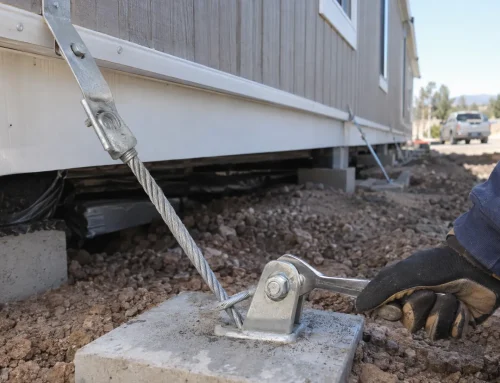
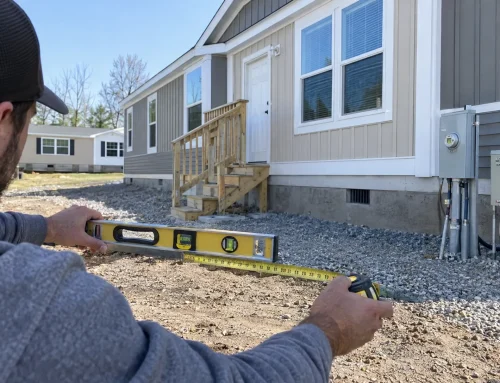
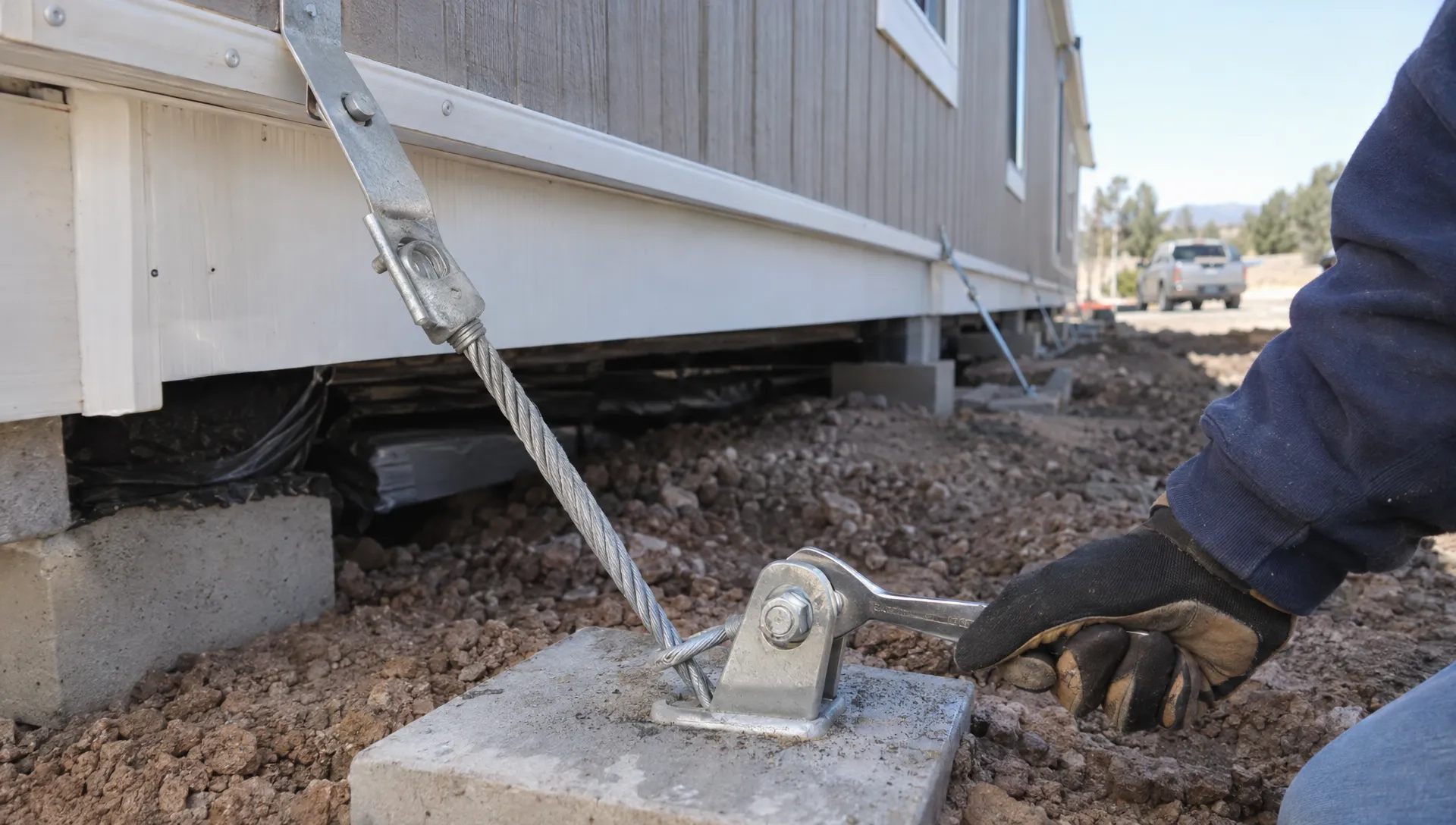
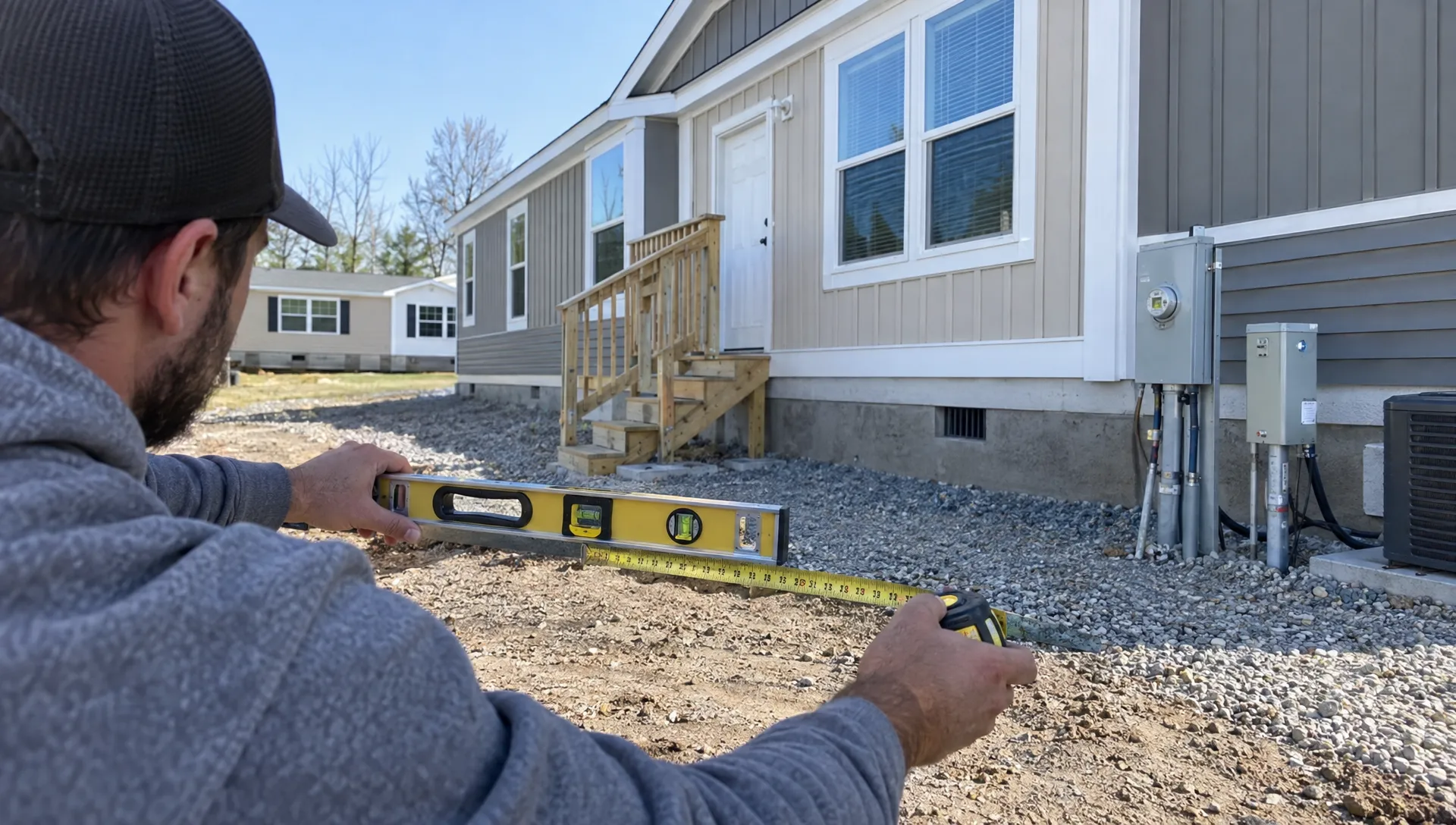
| Delivery and setup | Transport, blocking, leveling, anchoring, installation labor | Distance, route access, and site readiness affect cost |
| Foundation or support system | Pads, runners, piers, tie-downs, engineered foundation if required | Requirements vary by lender, site, and local rules |
| Skirting, steps, and exterior items | Skirting, porches, steps, decks, gutters, driveway work | Some communities have specific appearance standards |
| Utility connections | Electric, water, sewer or septic, gas if applicable | Private land often costs more than an existing community lot |
| Permits, inspections, and title work | Local approvals, state requirements, inspections, legal documentation | Check Texas and local requirements before ordering |
| Land or lot rent | Land purchase, land-home package, or monthly community lot rent | This is one of the biggest differences between buying land and leasing a lot |
| Insurance and taxes | Home insurance, property taxes or personal property taxes where applicable | Costs depend on classification, location, and lender requirements |
For buyers in and around San Antonio, the largest cost differences usually come from land and utilities. A home placed in an established manufactured home community may already have utility access and approved lots. A home placed on private land may require septic, driveway work, clearing, grading, utility extensions, or additional permits.
The Texas Department of Housing and Community Affairs Manufactured Housing Division is a useful resource for manufactured housing rules in Texas, including licensing, installation, statements of ownership, and consumer information.
Financing a Single Wide Mobile Home
Financing depends on whether the home is purchased by itself, placed on leased land, or combined with land in a land-home package.
A home in a manufactured home community is often financed differently than a home permanently attached to land you own. Some buyers use chattel loans for the home itself. Others may qualify for land-home financing when the home and land are financed together. FHA, VA, USDA, and conventional options may also be available depending on the buyer, property, home, and lender requirements.
Because programs vary, it is important to compare more than the monthly payment. Look at the down payment, interest rate, loan term, insurance requirements, closing costs, taxes, and whether lot rent or land payments are part of your total housing budget.
Homes2Go San Antonio works with buyers exploring flexible financing options and trusted local lenders. If you are still comparing loan paths, start with the Homes2Go financing page to understand common options before choosing a model.
Best Uses for a Single Wide Mobile Home
A single wide is best when the buyer values affordability, efficiency, and a simpler floor plan over maximum square footage. Here are some of the strongest use cases.
| Best use | Why a single wide works well | What to confirm first |
|---|---|---|
| First-time homeownership | Lower cost can make ownership more accessible | Financing, total monthly payment, and community approval |
| Downsizing | Less space to maintain and lower utility demand | Storage needs, accessibility, and long-term comfort |
| Small families | Two or three bedroom layouts can work well | Bedroom size, bathroom count, and yard or community amenities |
| Manufactured home communities | Many communities are designed for single wide homes | Lot rent, rules, pet policies, and approval process |
| Private land outside dense urban areas | Smaller footprint may be easier to place | Zoning, deed restrictions, utilities, septic, flood risk, and access |
| Workforce housing | Practical option near job centers when affordability matters | Commute, financing, and long-term location plans |
| Land-home starter package | Can reduce total project cost compared with larger homes | Site work costs and lender requirements |
In the San Antonio area, many buyers also consider communities near the South Side, Elmendorf, and surrounding areas because they may offer more space and access to manufactured home-friendly lots. Homes2Go’s listing for mobile home lots near Elmendorf is one example of how land availability can shape the buying decision.
When a Single Wide May Not Be the Best Fit
A single wide mobile home is not automatically the best value for every situation. You may want to compare double wide or larger manufactured homes if you need wider rooms, a second living area, a larger kitchen, or more separation between bedrooms.
A larger home may also be a better fit for households that host extended family often, need a dedicated home office, or want a more traditional site-built feel. If you are planning to finance the home with land and stay long term, it is worth comparing resale considerations, property classification, and neighborhood expectations.
You should also be cautious if the advertised home price seems unusually low. A low home-only price may not include delivery, setup, AC, steps, skirting, utility connections, or site preparation. Always ask what is included and what is not.
How to Choose the Right Single Wide Floor Plan
The best single wide floor plan is not always the largest one. It is the one that fits how you live day to day.
Start with the traffic flow. In a narrower home, the placement of the kitchen, living room, hallway, laundry, and bedrooms matters. Open layouts can make the home feel larger, while split-bedroom plans can add privacy. If you have children, roommates, or frequent guests, bathroom access and bedroom spacing become even more important.
Before you choose a model, consider these practical questions:
- How many people will live in the home full time?
- Do you need a second bathroom now or in the near future?
- Will your furniture fit comfortably in the living room and bedrooms?
- Is there enough kitchen storage for your daily routine?
- Do you need space for a home office, hobby area, or guest room?
- Are the laundry location and exterior doors convenient?
- Does the home include energy features suited for San Antonio summers?
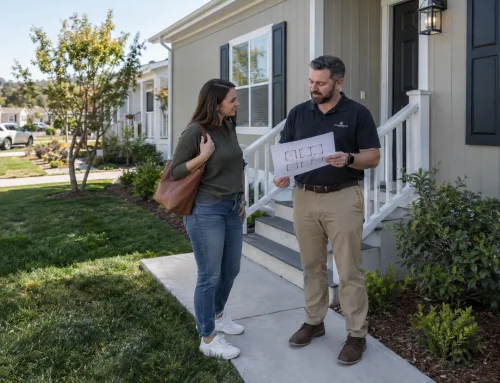
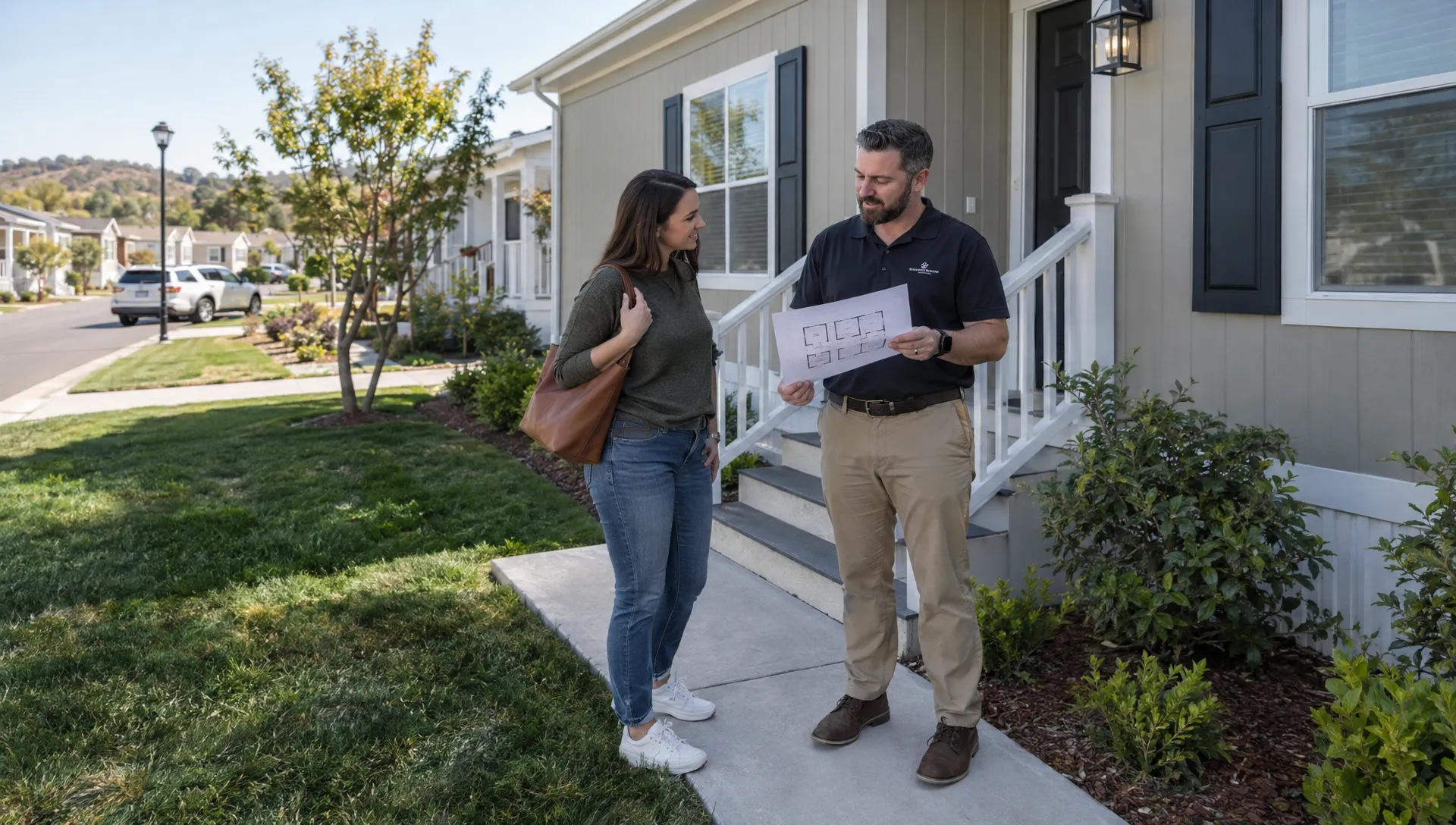
If possible, walk through model homes rather than relying only on floor plans. A floor plan can show dimensions, but an in-person walkthrough helps you understand ceiling height, natural light, cabinet placement, hallway width, and how the home feels when you move through it.
Buying Tips for San Antonio Area Shoppers
San Antonio buyers should look beyond the home itself. The right home in the wrong location, or on an unprepared site, can create delays and extra costs.
Before committing to a single wide mobile home, confirm whether the home will be placed in a community or on private land. If it is a community, ask about lot rent, application requirements, pet rules, parking, utilities, and any home age or appearance standards. If it is private land, check zoning, deed restrictions, floodplain status, driveway access, utility availability, septic requirements, and local permitting.
It also helps to compare floor plans and site requirements at the same time. A model that looks perfect on paper still needs to fit the lot, meet setback rules, allow delivery access, and satisfy lender and installer requirements.
For a broader local overview, you can also read this guide to manufactured homes in San Antonio.
Frequently Asked Questions
Is a single wide mobile home cheaper than a double wide? Yes, in most cases a single wide costs less than a double wide because it has one section, a smaller footprint, and usually less square footage. The final move-in cost still depends on delivery, setup, utilities, land or lot rent, financing, and selected options.
How many bedrooms can a single wide mobile home have? Many single wide homes have one to three bedrooms. Three-bedroom models can work for small families, but room sizes and storage space vary, so it is important to walk the model or review the floor plan carefully.
Can I put a single wide mobile home on my own land near San Antonio? Often yes, but only if the property allows manufactured housing and meets local requirements. Check zoning, deed restrictions, permits, flood risk, utility access, septic needs, and delivery access before buying the home.
Do single wide manufactured homes last a long time? A properly installed and maintained manufactured home can last for decades. Longevity depends on installation quality, roof and exterior maintenance, moisture control, HVAC care, and whether repairs are handled quickly.
Can I finance a single wide mobile home? Many buyers finance single wide homes through chattel loans, land-home loans, or government-backed programs when eligible. Loan availability depends on the buyer, home, land situation, lender, and property requirements.
Find the Right Single Wide Home in San Antonio
A single wide mobile home can be a smart choice if you want affordability, efficient space, and a faster path to homeownership. The key is to compare the full budget, not just the home price, and to choose a floor plan that fits your land, lifestyle, and financing plan.
Homes2Go San Antonio helps buyers compare manufactured home models, review detailed floor plans, explore flexible financing options, and connect with local communities and lenders. If you are ready to take the next step, browse available homes or contact Homes2Go San Antonio to start planning your path to ownership.
 FHA Mobile Home Loan Rules Every Buyer Should Know
 Owning a Mobile Home Park: Costs, Risks, and Returns