
If you are planning to buy a manufactured home with FHA financing in 2026, approval comes down to more than your credit score. FHA lenders look at the borrower, the home, the land or lot, the foundation, title documents, insurance, and whether the property can legally and safely be used as a primary residence.
That is why manufactured home buyers often run into delays after they already found a floor plan they love. The home may be eligible, but the site is not ready. The borrower may qualify, but the home cannot be titled the right way. Or the lender may ask for documents that were never collected from the dealer, community, installer, or county.
This checklist explains the main FHA manufactured home loan requirements for 2026, with a special focus on buyers in San Antonio and surrounding Texas communities. FHA rules can be updated, and lenders can add their own standards, so always confirm final requirements with an FHA-approved lender before making a deposit or signing a land contract.
FHA manufactured home financing in 2026: Title I vs. Title II
FHA does not usually lend money directly to homebuyers. Instead, the Federal Housing Administration insures eligible loans made by approved lenders. For manufactured homes, the two programs most buyers hear about are FHA Title I and FHA Title II.
According to HUD's manufactured home loan insurance information, Title I can be used for manufactured homes, lots, or a home and lot together. Title II is the FHA mortgage program most commonly used when the manufactured home and land are financed together as real property.
| FHA option | Best fit | What it may finance | Key approval issue |
|---|---|---|---|
| FHA Title I | Home-only purchases, leased lots, or manufactured home lots | Manufactured home, lot, or both, depending on lender and eligibility | The home must be used as a principal residence, and the site or lease must meet program rules |
| FHA Title II | Land-home purchases where the home becomes real property | Manufactured home and land under an FHA-insured mortgage | Permanent foundation, real property classification, FHA appraisal, and full property eligibility |
For many San Antonio buyers, the biggest question is whether they are buying the home only, placing the home in a land-lease community, or purchasing a full land-home package. If you are buying the manufactured home and the land together, FHA Title II may be the path to discuss with your lender. If you are placing the home in a community where you lease the lot, a home-only loan or Title I structure may be more relevant.
FHA loan limits, county mortgage limits, and lender overlays can change from year to year. For a land-home mortgage, your lender should verify the current county limit using the HUD FHA mortgage limits lookup.
2026 FHA approval checklist at a glance
Use this table as a quick screening tool before you fall in love with a home model or commit to a lot. The earlier you identify gaps, the easier it is to fix them before underwriting.
| Requirement area | What needs to be ready | Why it matters |
|---|---|---|
| Borrower eligibility | Credit, income, employment, debts, funds to close, and primary residence intent | FHA must confirm you can repay the loan and will occupy the home |
| Loan type | Title I, Title II, FHA construction-to-permanent, or another financing path | Each structure has different property, title, and site requirements |
| Manufactured home eligibility | HUD Code home, certification labels, data plate, minimum size, and qualifying design | FHA will not insure every factory-built or older mobile home |
| Land or lot approval | Legal access, zoning, utilities, flood status, and community approval if applicable | The site must support safe, legal occupancy |
| Foundation | Permanent foundation for Title II, installed according to FHA and HUD standards | The home must be properly attached and supported |
| Title and classification | Texas Statement of Ownership, lien records, and real property election when required | Title problems can stop closing even if the buyer is approved |
| Appraisal and property condition | FHA appraisal, minimum property standards, repairs, and inspections | The home and site must meet safety, security, and soundness standards |
| Insurance and closing | Homeowners insurance, flood insurance if required, mortgage insurance, and closing documents | FHA and the lender need all final conditions cleared before funding |
Borrower requirements: credit, income, and occupancy
FHA loans are popular because they can be more flexible than many conventional mortgages, especially for first-time buyers. However, flexible does not mean automatic. In 2026, you should expect the lender to review your full financial picture.
The standard FHA minimum down payment is commonly 3.5% for borrowers with credit scores of 580 or higher. Borrowers with scores from 500 to 579 may need a larger down payment under FHA's baseline rules, but many lenders set higher minimum credit score requirements. That lender-specific standard is called an overlay, and it is one reason two FHA lenders can give different answers to the same buyer.
A lender will typically evaluate:
- Primary residence intent: FHA manufactured home financing is generally for a home you will live in as your principal residence, not a vacation home or investment property.
- Credit history: The lender reviews your score, payment history, collections, charge-offs, bankruptcies, foreclosures, and recent credit behavior.
- Debt-to-income ratio: FHA underwriting compares your monthly debts to your verified income. Higher ratios may require stronger compensating factors.
- Stable income: Pay stubs, W-2s, tax returns, benefit letters, or self-employment records may be required depending on your income type.
- Funds to close: Down payment, closing costs, reserves if required, and gift funds must be documented.
- Federal debt checks: FHA lenders may check for delinquent federal debt or other issues that can affect eligibility.
If you are early in the process, do not guess your budget from the advertised home price alone. Manufactured home ownership can include delivery, setup, foundation, utility connections, skirting, steps, permits, insurance, taxes, and community or land costs. A realistic approval strategy starts with a full purchase budget, not only the base model price.
For a deeper look at local financing options, Homes2Go San Antonio's manufactured home financing page explains common paths buyers compare, including FHA, VA, USDA, conventional, and chattel loans.
Manufactured home requirements FHA lenders will check
FHA manufactured home loan requirements are strict because the property itself is part of the approval. A borrower can be financially qualified and still be denied if the home does not meet FHA property standards.
The home generally needs to meet core eligibility rules found in FHA policy, including the FHA Single Family Housing Policy Handbook 4000.1. Your lender and appraiser will apply the current version of the handbook and any program-specific updates.
Key manufactured home requirements often include:
- Built to the HUD Code: The home must be a manufactured home built after June 15, 1976, under federal manufactured housing construction and safety standards.
- HUD certification labels: The red HUD certification label should be attached to each transportable section, unless acceptable verification can be obtained.
- Data plate: The home should have a data plate with manufacturer, serial number, wind zone, roof load, thermal zone, and other required information.
- Minimum size: FHA manufactured homes are generally required to have at least 400 square feet of floor area.
- Single-family use: The home must be designed and used as a one-family dwelling.
- Permanent chassis: Manufactured homes are built on a permanent chassis, which is part of how they differ from modular homes.
- Eligible installation history: For FHA Title II, a home should generally not have been moved from one previously installed and occupied site to another.
- No unsafe additions: Porches, decks, carports, garages, or room additions may need permits, safe construction, and appraisal acceptance.
The HUD label and data plate are especially important. If they are missing, the lender may require alternative documentation. That can take time, so ask for these details early when comparing home models.
Land, community, and foundation requirements
The site can be the difference between a smooth approval and a long delay. FHA wants to know the home will sit on a legal, accessible, safe, and properly serviced property.
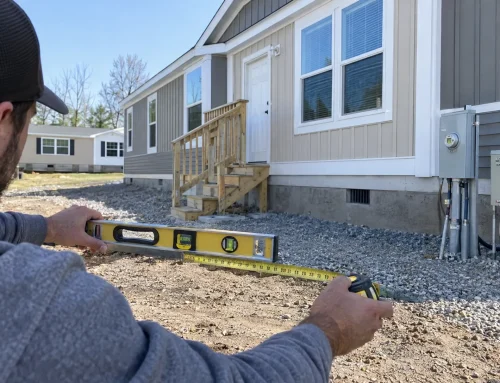
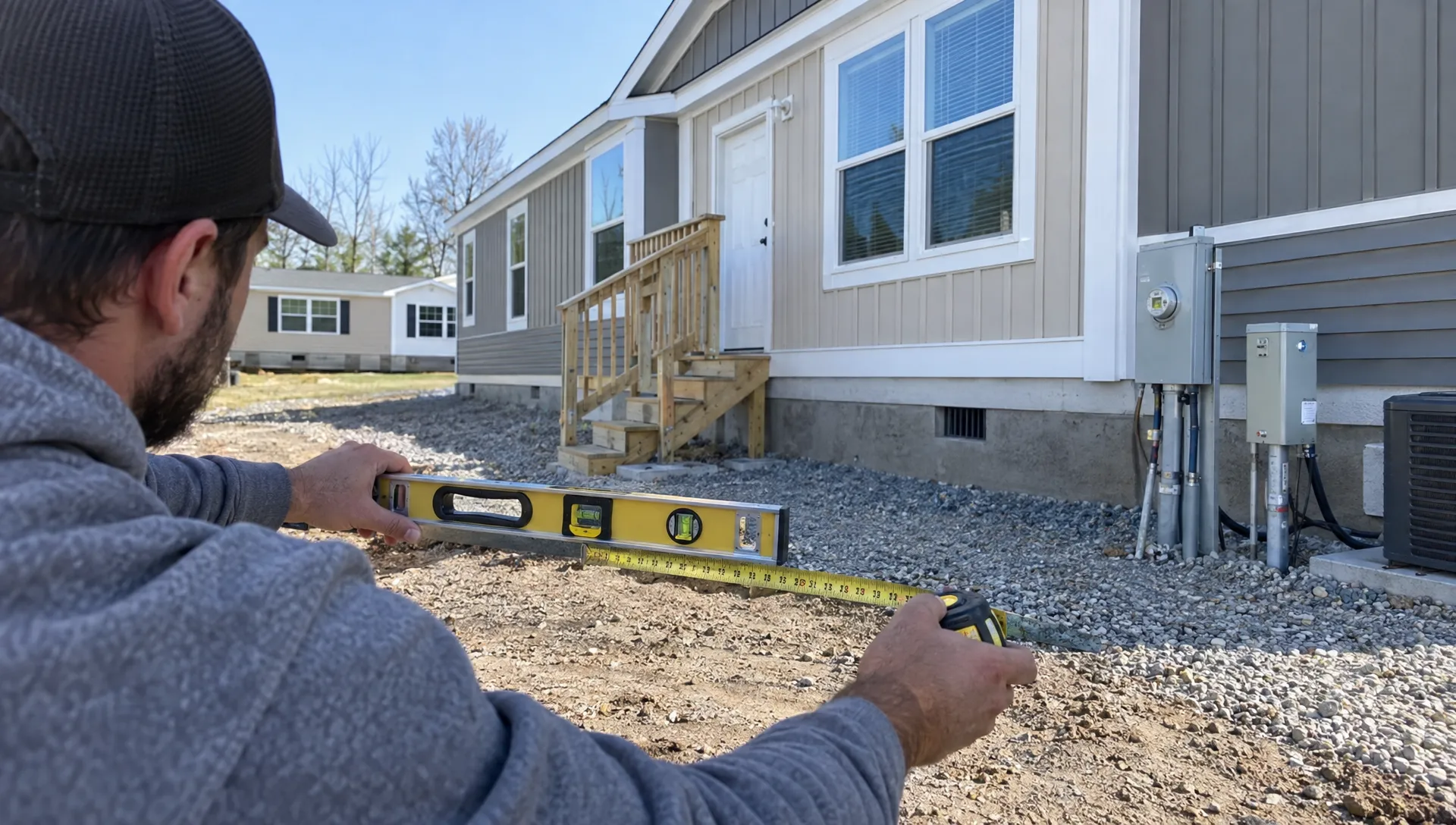
If you are buying a land-home package in the San Antonio area, your lender may need documentation showing legal access, zoning or land use compatibility, utilities, water and wastewater arrangements, and any required permits. If the home will be outside city limits, septic feasibility and county requirements can become major timeline factors.
For buyers placing a home in a community, FHA or the lender may also review the lot lease, community rules, occupancy approvals, and whether the loan type allows a leased site. Title I may allow manufactured homes on leased lots when program rules are met, while Title II usually focuses on real property where the home and land are tied together under the mortgage.
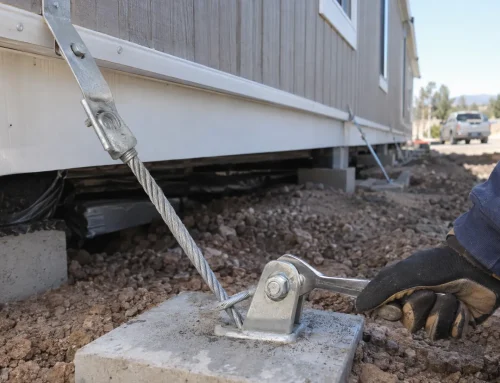
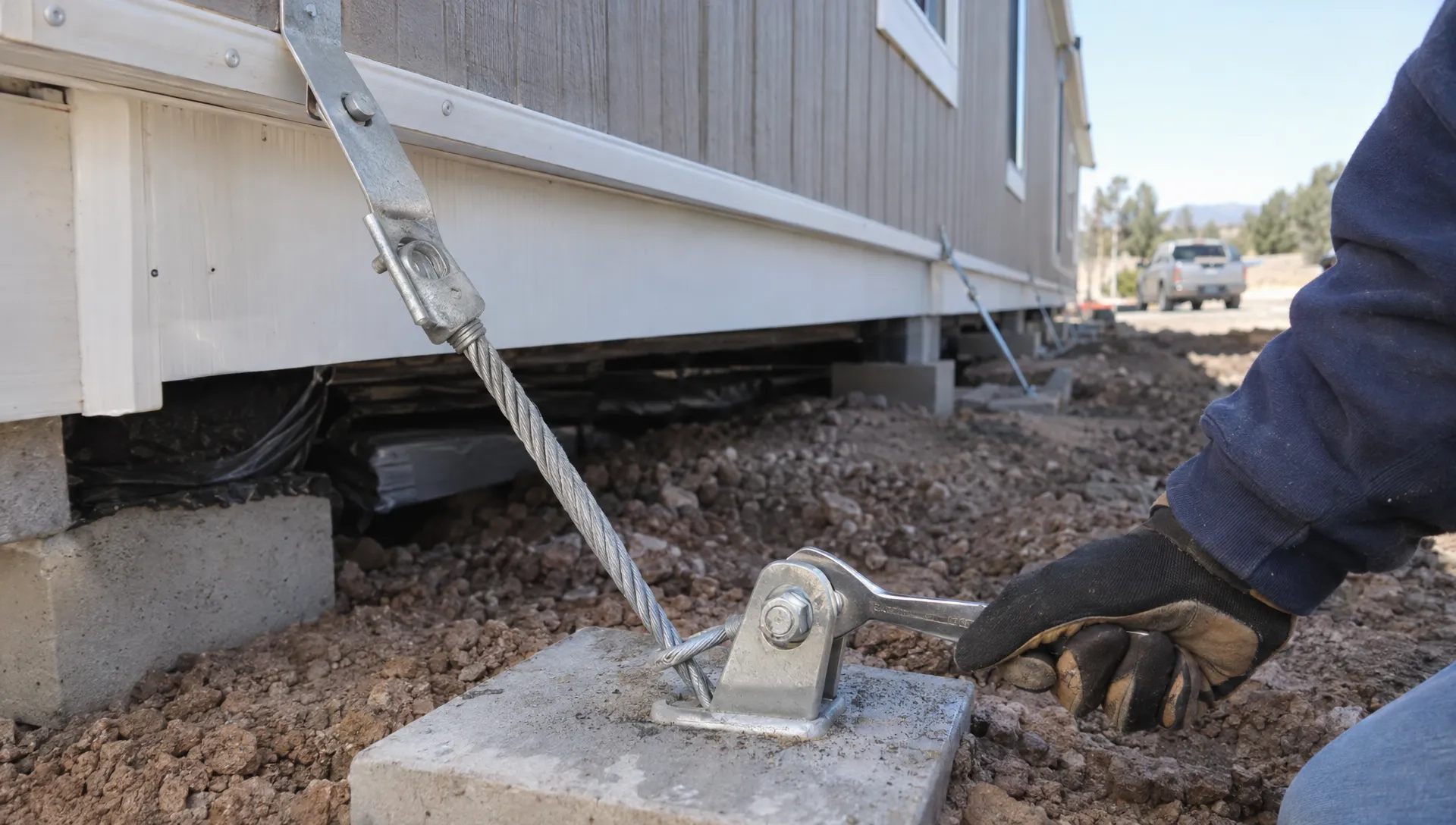
For Title II, the foundation is critical. The home must be permanently attached to a foundation that meets FHA standards. Existing manufactured homes often require an engineer's foundation certification. New installations must be coordinated carefully so the installer, lender, appraiser, and any local permitting authority are working from the same requirements.
In Texas, manufactured home ownership and titling are handled through the Texas Department of Housing and Community Affairs Manufactured Housing Division. Buyers should understand the Texas Statement of Ownership, whether the home is treated as personal property or real property, and how liens are recorded.
Flood risk also matters. Parts of the San Antonio region can face flash flooding, and FHA lenders may require flood insurance if the property is in a Special Flood Hazard Area. Before committing to land, check flood status through the FEMA Flood Map Service Center and confirm the lender's requirements.
Documents to gather before you apply
A strong file helps your lender move faster. Exact document requests vary by lender, loan type, income type, and property, but this table shows the common categories to prepare.
| Document category | Examples to collect |
|---|---|
| Borrower documents | Driver's license or ID, Social Security number, pay stubs, W-2s, tax returns if needed, bank statements, gift letters if applicable |
| Credit and debt documents | Explanations for late payments, bankruptcy or foreclosure papers if applicable, student loan information, child support or alimony documentation |
| Home documents | Purchase agreement, floor plan, invoice or specification sheet, manufacturer information, serial number, HUD label information, data plate details |
| Land or lot documents | Deed, purchase contract, survey if available, lot lease, community approval, property tax information, zoning or land use confirmation |
| Installation and foundation | Installer documents, foundation design, engineer certification if required, permits, utility connection details, septic or well documents if applicable |
| Insurance and closing | Homeowners insurance quote, flood insurance if required, title documents, escrow instructions, final closing disclosure |
Do not wait until underwriting to locate home identification documents. If the HUD label, data plate, serial number, title, or Statement of Ownership information is missing or inconsistent, the file can stall while everyone tries to reconcile records.
A practical 2026 FHA approval workflow
The best FHA approval strategy is to line up the buyer, home, land, and lender at the same time. Manufactured home purchases can involve more moving parts than a resale site-built home, so sequence matters.
| Stage | What to do | Approval risk to clear |
|---|---|---|
| Start with prequalification | Talk with an FHA-experienced lender before choosing a home | Credit, income, debt-to-income ratio, and estimated payment |
| Choose the loan structure | Decide whether this is home-only, leased lot, land-home, or another path | Wrong loan type for the property setup |
| Select an eligible home | Confirm HUD Code status, size, labels, data plate, and lender acceptance | Home does not meet FHA manufactured housing rules |
| Confirm the site | Review zoning, utilities, access, flood status, community approval, and permits | Site cannot legally or practically support the home |
| Build the full budget | Include home price, delivery, setup, foundation, utilities, insurance, taxes, and closing costs | Borrower qualifies for base price but not the real total cost |
| Submit the full file | Provide borrower, home, land, title, and installation documents together | Missing paperwork triggers repeated conditions |
| Complete appraisal and inspections | FHA appraiser reviews property, and buyer may order independent inspections | Required repairs, foundation issues, or valuation concerns |
| Clear closing conditions | Final title, insurance, funding, signatures, and move-in requirements | Last-minute title or insurance issues delay funding |
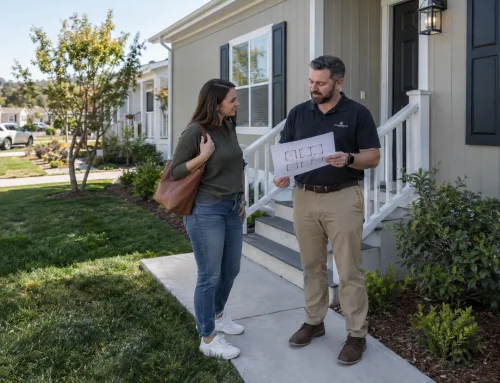
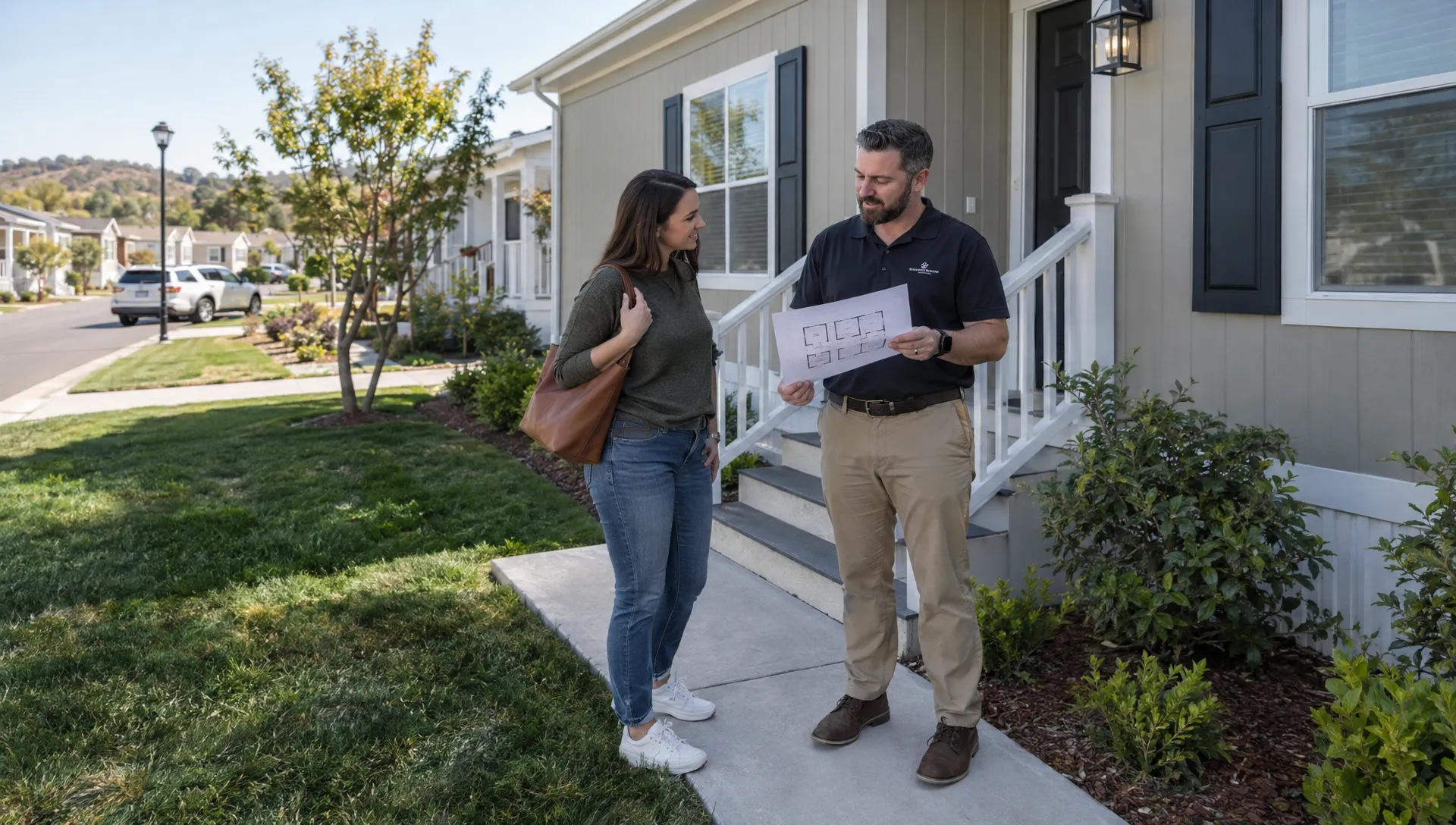
This is where local guidance helps. A manufactured home dealer, lender, community manager, installer, and title professional may all need to coordinate. If one party is unfamiliar with FHA manufactured housing, the buyer can lose time.
Homes2Go San Antonio works with buyers who are comparing models, floor plans, financing paths, and community options. If you are considering a land-home setup, this guide to land and home packages in San Antonio can help you understand the process before you apply.
Common reasons FHA manufactured home approvals get delayed
Most FHA delays are preventable when buyers know what to check early. These are the issues that commonly create problems:
- The home is too old: A pre-1976 mobile home will not meet modern HUD Code manufactured home requirements.
- HUD labels or data plate information is missing: The lender may require additional verification, which can slow approval.
- The home was moved from another occupied site: For Title II, relocation history can create eligibility problems.
- The foundation is not FHA-compliant: A standard setup may not be enough for FHA real property financing.
- The land is not ready: Missing utilities, septic issues, access problems, or zoning conflicts can stop the process.
- The title classification is wrong: Personal property vs. real property status must match the loan structure.
- The buyer's budget is incomplete: Site work, permits, insurance, taxes, and closing costs can change qualification.
- Community approval is separate: Park or community approval is not the same as mortgage approval, and both may be required.
A good rule is to treat the home, land, and loan as one package. If any part does not fit, the entire FHA approval can be affected.
San Antonio buyer tips for 2026
San Antonio buyers should pay close attention to location, commute, utilities, and flood risk. A home that works well on one lot may need different setup costs or permits on another. If you are looking outside Bexar County, confirm county rules, school district boundaries, septic requirements, and utility availability before assuming your budget is final.
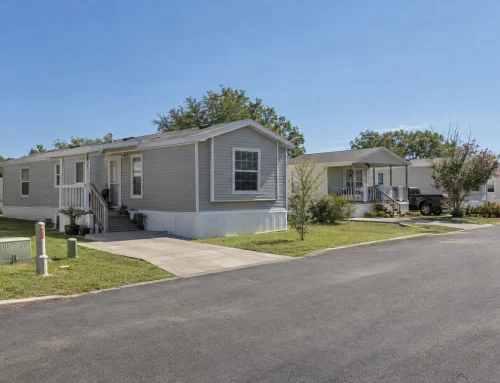
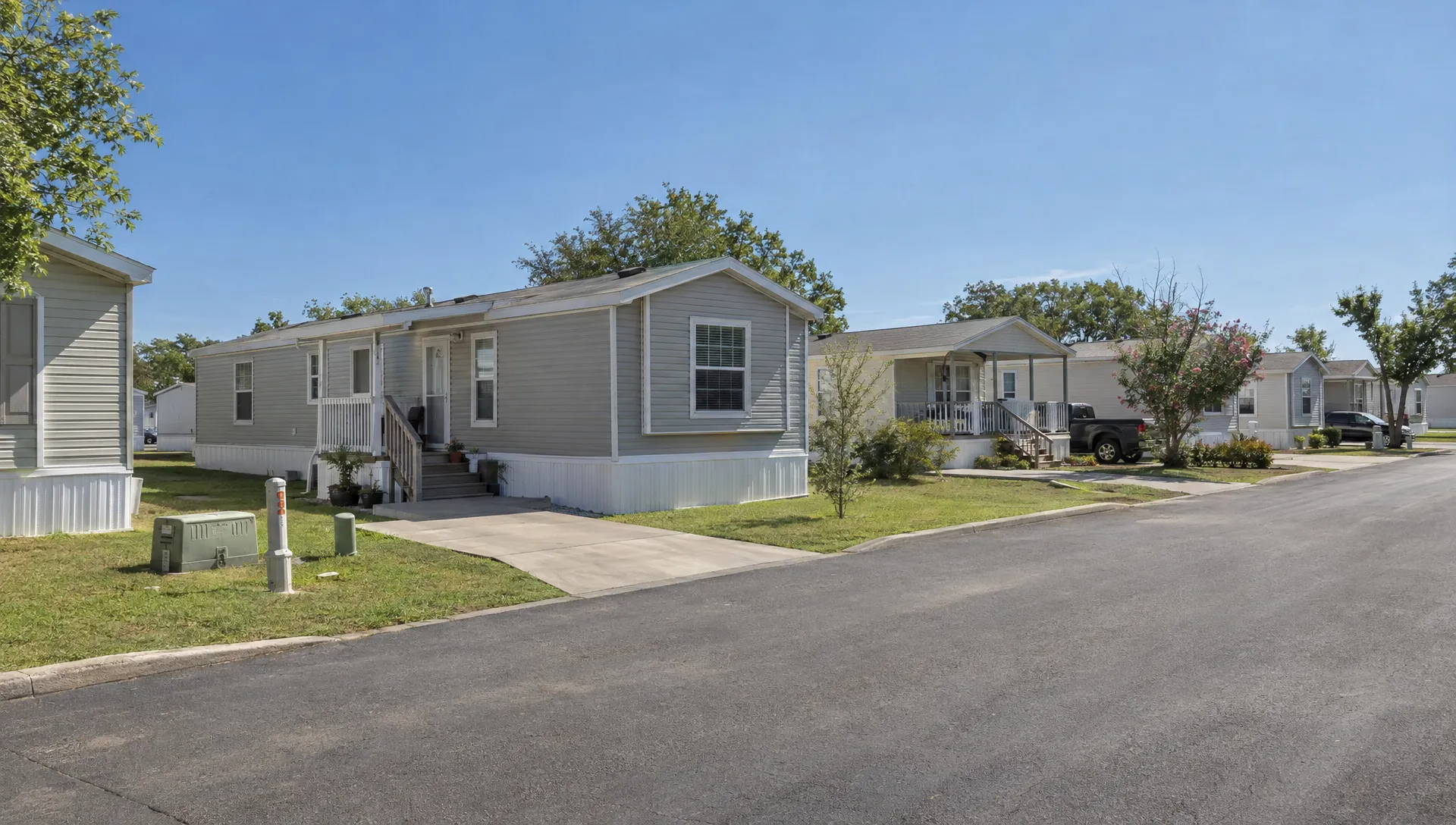
If you plan to live in a manufactured home community, ask about lot rent, lease terms, pet rules, age restrictions if any, utility billing, trash service, approval standards, and future rent increases. FHA loan approval does not automatically approve you for a private community, and community approval does not automatically mean FHA will approve the loan.
If energy costs are a concern, compare homes with energy-efficient features, proper insulation, quality windows, and correctly sized HVAC systems. FHA approval focuses on eligibility and property standards, but long-term affordability also depends on monthly utility costs, especially in Texas heat.
For buyers still deciding between communities, private land, and different home sizes, Homes2Go San Antonio's mobile home buyer guide offers a broader overview of the local buying process.
Frequently Asked Questions
Can I buy a manufactured home with an FHA loan in 2026? Yes, if the borrower, home, site, foundation, title, and loan structure meet FHA and lender requirements. FHA approval is not based only on credit. The manufactured home and property setup must also qualify.
Does FHA require me to own the land under the manufactured home? Not always. FHA Title I may be used in some home-only or leased-lot situations when program rules are met. FHA Title II generally applies when the manufactured home and land are financed together as real property.
What credit score do I need for an FHA manufactured home loan? FHA's baseline rules are often associated with 580 or higher for a 3.5% down payment, while 500 to 579 may require more down. However, many lenders set higher minimum scores, so the practical requirement depends on the lender.
Can a used manufactured home qualify for FHA financing? It may qualify if it meets FHA rules, including HUD Code construction, required labels or acceptable verification, property standards, title requirements, and installation requirements. For Title II, relocation history and foundation compliance are especially important.
Is an FHA appraisal the same as a home inspection? No. An FHA appraisal checks value and minimum property standards for the lender and FHA. Buyers should still consider an independent home inspection to better understand condition, maintenance issues, and future repair needs.
How long does FHA manufactured home approval take? Timing depends on the lender, loan type, site readiness, appraisal, foundation documentation, title work, and permits. Files move faster when the buyer, dealer, lender, installer, and land or community contact provide complete documents early.
Ready to compare FHA-friendly manufactured home options in San Antonio?
FHA financing can be a strong path to homeownership, but the details matter. Before you choose a model or commit to a lot, make sure the home, site, foundation plan, and paperwork fit the loan you want.
Homes2Go San Antonio helps buyers compare manufactured home models, review floor plans, explore flexible financing options, and connect with local guidance throughout the process. If you are a first-time buyer or trying to decide between a land-home package and a community placement, start by reviewing your options with a team that understands manufactured homes in the San Antonio area.
Visit Homes2Go San Antonio or explore financing options to take the next step toward an affordable manufactured home.
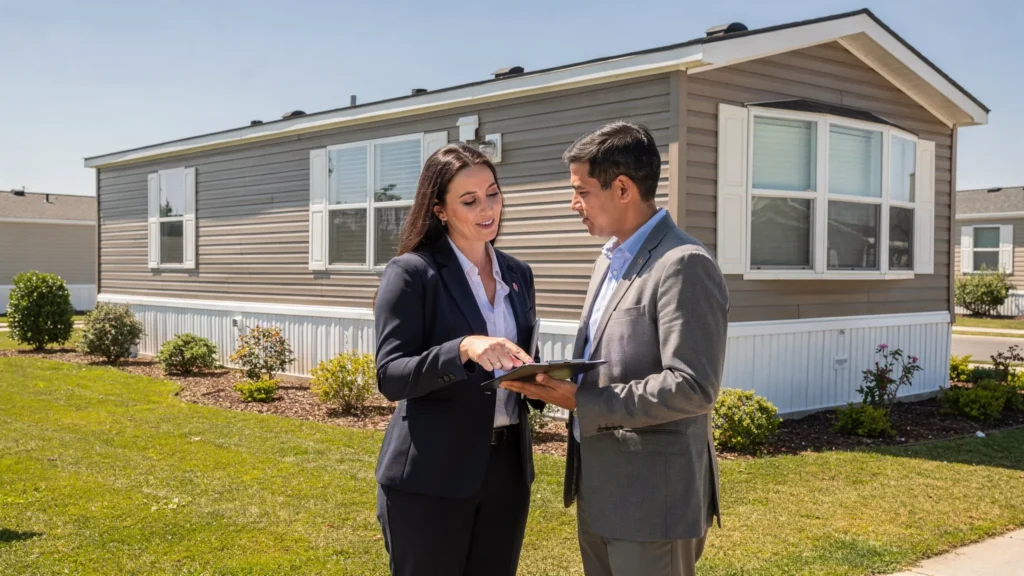 FHA Mobile Home Loan Requirements: Titles, Tags, and HUD Data
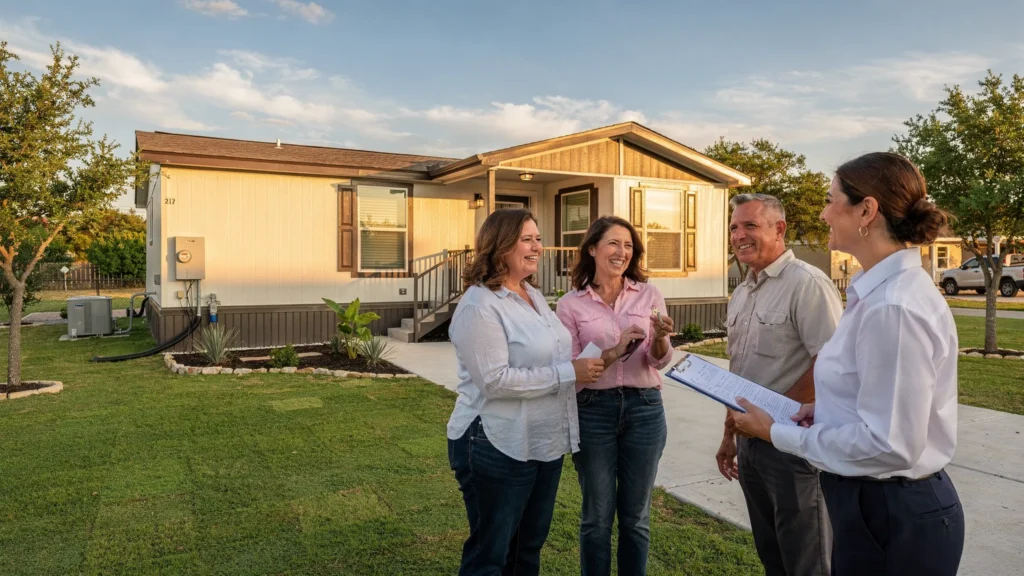 FHA Mobile Home Loan Rules Every Buyer Should Know