
Buying a manufactured home with FHA financing can be a smart path to homeownership, especially if you want a lower down payment and more flexible credit guidelines than many conventional loans. But FHA does not approve every mobile home, every lot, or every installation. The rules are specific, and missing one requirement can delay closing or knock a home out of eligibility.
If you are shopping in the San Antonio area, the key is to understand the rules before you fall in love with a floor plan. FHA loan requirements on mobile homes cover three big areas: the buyer, the home itself, and the land or community where the home will be placed.
First, FHA usually means “manufactured home,” not old mobile home
Many buyers use the term “mobile home” casually, but FHA and HUD generally use the term manufactured home. The distinction matters.
A manufactured home is built in a factory to the federal HUD Code, which took effect on June 15, 1976. Homes built before that date are often called mobile homes, but they typically do not qualify for FHA manufactured home financing.
For FHA purposes, the home generally must be:
- Built on or after June 15, 1976
- Built to HUD Manufactured Home Construction and Safety Standards
- At least 400 square feet
- Designed as a one-family dwelling
- Built on a permanent chassis
- Properly identified with HUD certification labels and a data plate
FHA does not directly lend money to buyers. Instead, FHA insures loans made by approved lenders. That insurance can make lenders more comfortable approving qualified buyers, but the property still has to meet FHA standards.
For official program details, HUD provides information on FHA manufactured home loan insurance, and lenders use FHA’s current handbook guidance when reviewing files.
FHA Title I vs. FHA Title II: the rulebook depends on the loan
One of the most confusing parts of FHA manufactured home financing is that there are different FHA programs. The two you will hear about most are FHA Title I and FHA Title II.
| FHA option | Best fit | Land requirement | Important note |
|---|---|---|---|
| FHA Title I | Manufactured home only, lot only, or home and lot | May allow leased land if the lease meets program rules | Fewer lenders offer it, and loan limits and terms are program-specific |
| FHA Title II | Manufactured home treated as real estate | Usually used when the home and land are financed together | Requires a permanent foundation and real property classification |
For many land-home purchases, FHA Title II is the more familiar path because it works more like a traditional mortgage. The manufactured home and land are tied together as real property, the home must be on an approved permanent foundation, and the loan is secured by the real estate.
Title I can be useful in some situations where the home is not financed exactly like a traditional site-built house, including some leased-lot scenarios. However, not every lender offers Title I loans, so buyers should ask early if a lender has real experience with manufactured housing.
If you are unsure which option fits your situation, Homes2Go San Antonio’s financing page explains several paths buyers may consider, including FHA, VA, USDA, conventional, and chattel loans.
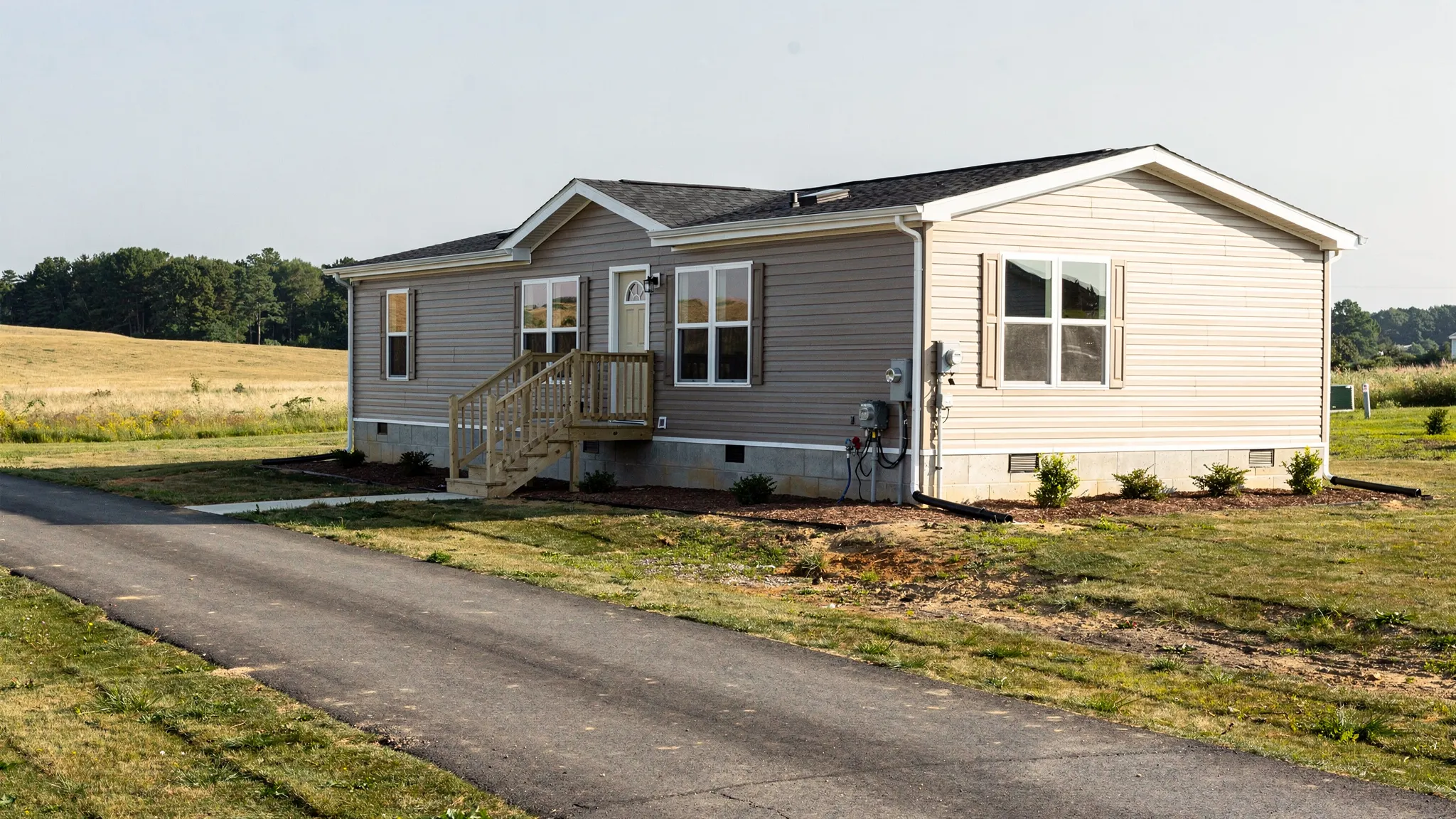
Core FHA mobile home loan rules every buyer should know
FHA eligibility is not based on one rule. It is a combination of borrower approval, home eligibility, installation requirements, appraisal review, and title or land documentation.
| Rule area | What FHA and lenders look for | Why it matters |
|---|---|---|
| Occupancy | The buyer must usually use the home as a primary residence | FHA is not intended for vacation homes or investment properties |
| Credit | FHA allows flexible credit, but lenders may set their own minimums | A stronger credit profile can improve approval odds |
| Down payment | FHA Title II loans often allow low down payments for qualified buyers | Buyers still need funds for closing costs and other expenses |
| Home age | The home must be HUD-code manufactured housing | Pre-1976 mobile homes are generally not FHA eligible |
| Size | The home must typically be at least 400 square feet | Very small units may not qualify |
| HUD labels | Certification labels and the data plate must be verified | Missing documentation can create delays |
| Foundation | Title II financing requires a permanent foundation | The foundation must meet FHA standards |
| Real property | Title II usually requires the home and land to be treated as real estate | Personal property titling can be a problem for mortgage approval |
| Site | The property needs utilities, access, drainage, and code compliance | FHA appraisers review health, safety, and marketability |
| Appraisal | An FHA-approved appraiser must review the property | The home must meet FHA minimum property standards |
The biggest takeaway is simple: do not shop for the home and financing separately. The model, site, foundation, title work, and loan structure all need to match.
Buyer requirements: credit, income, debt, and occupancy
FHA financing is popular because it may be more flexible than some conventional mortgage programs. Still, flexible does not mean automatic.
Credit score and down payment
For standard FHA mortgages, many buyers are familiar with the 3.5% down payment option for borrowers who meet FHA credit standards. FHA rules may allow lower scores with higher down payments, but many lenders apply their own overlays, especially for manufactured homes.
That means one lender may say no while another FHA-experienced manufactured home lender may be able to review the file differently. This is one reason working with a team that understands manufactured housing can save time.
Debt-to-income ratio
Your lender will compare your monthly income with your recurring monthly debts, including the proposed housing payment. This is called your debt-to-income ratio, or DTI.
Before applying, avoid taking on new car loans, credit cards, or personal loans unless you have discussed them with your lender. Even a reasonable new payment can affect your approval. If transportation is part of your household budget, compare prices carefully and avoid surprise debt, using transparent shopping tools such as Hooter’s online car marketplace before making a major purchase decision.
Income and employment documentation
Expect the lender to ask for proof of income, employment history, tax documents when applicable, bank statements, and identification. Self-employed buyers may need more documentation than W-2 employees.
Primary residence requirement
FHA manufactured home loans are generally for owner-occupants. If you are trying to buy a rental property, vacation home, or investment unit, FHA is probably not the right fit.
Home requirements: HUD labels, data plate, and condition
The home itself must qualify. A beautiful floor plan is not enough if the paperwork or construction standards do not meet FHA rules.
HUD certification labels
A HUD certification label is a metal tag attached to the exterior of each transportable section of the manufactured home. A single-section home usually has one label. A double-wide usually has two.
If labels are missing, lenders may require verification through an approved source. Missing labels do not always make a home impossible to finance, but they can slow the process and should be addressed early.
Data plate
The data plate is usually located inside the home, often in a kitchen cabinet, utility area, electrical panel area, or bedroom closet. It includes important information such as manufacturer details, serial number, wind zone, roof load zone, and other construction information.
For a San Antonio buyer, this matters because the home must be appropriate for the site and local requirements. If you are buying a home to place outside Bexar County or closer to the coast, wind zone requirements may differ.
Condition and modifications
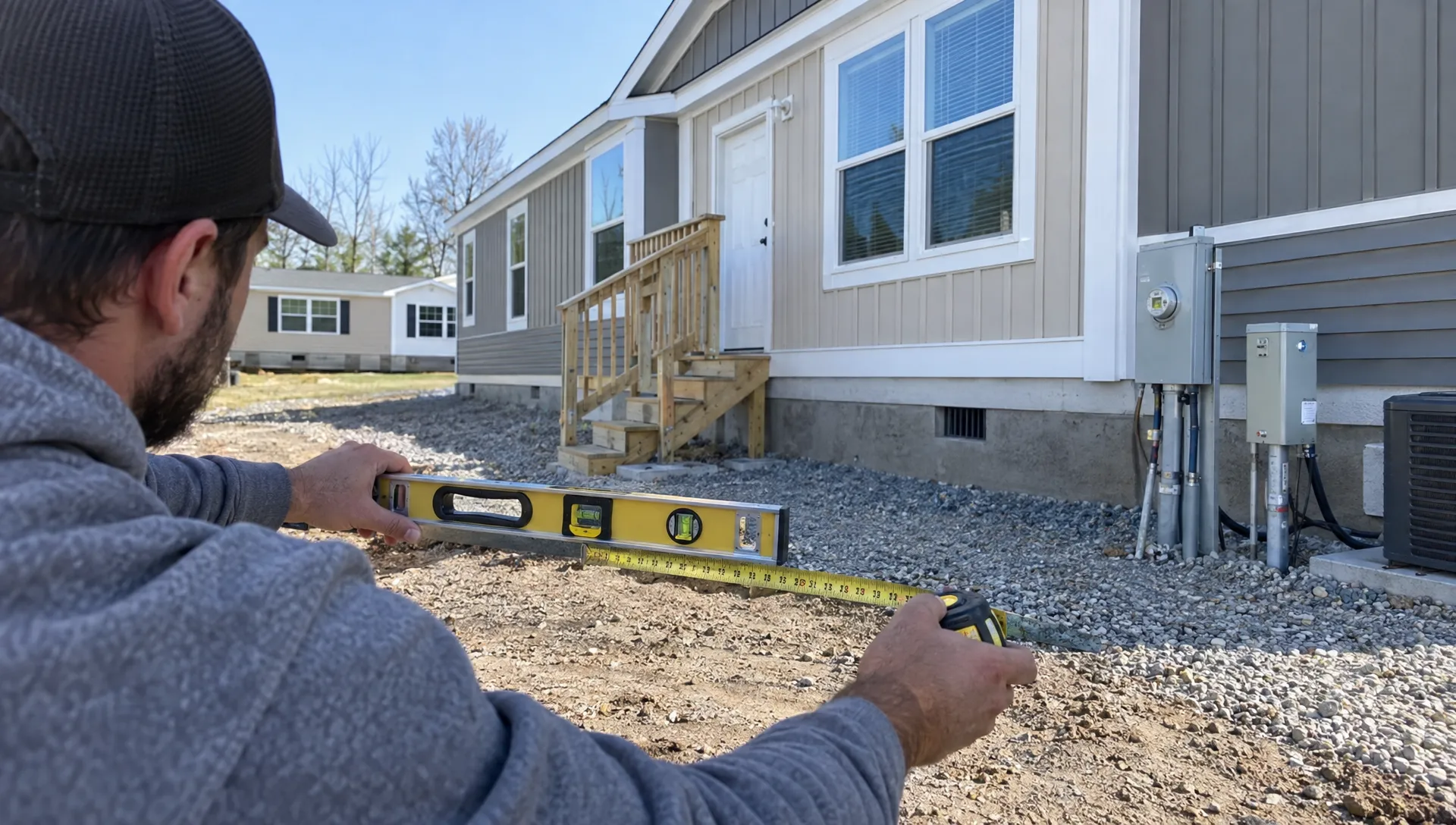
FHA appraisers look for health, safety, and structural concerns. Major unpermitted additions, damaged roofing, poor drainage, unsafe steps, missing skirting, or questionable utility connections may need correction before closing.
If the home has additions such as decks, porches, carports, or room expansions, the lender may require documentation showing they are safe, permitted when required, and do not compromise the manufactured home’s structural integrity.
Foundation rules are often the deal-maker or deal-breaker
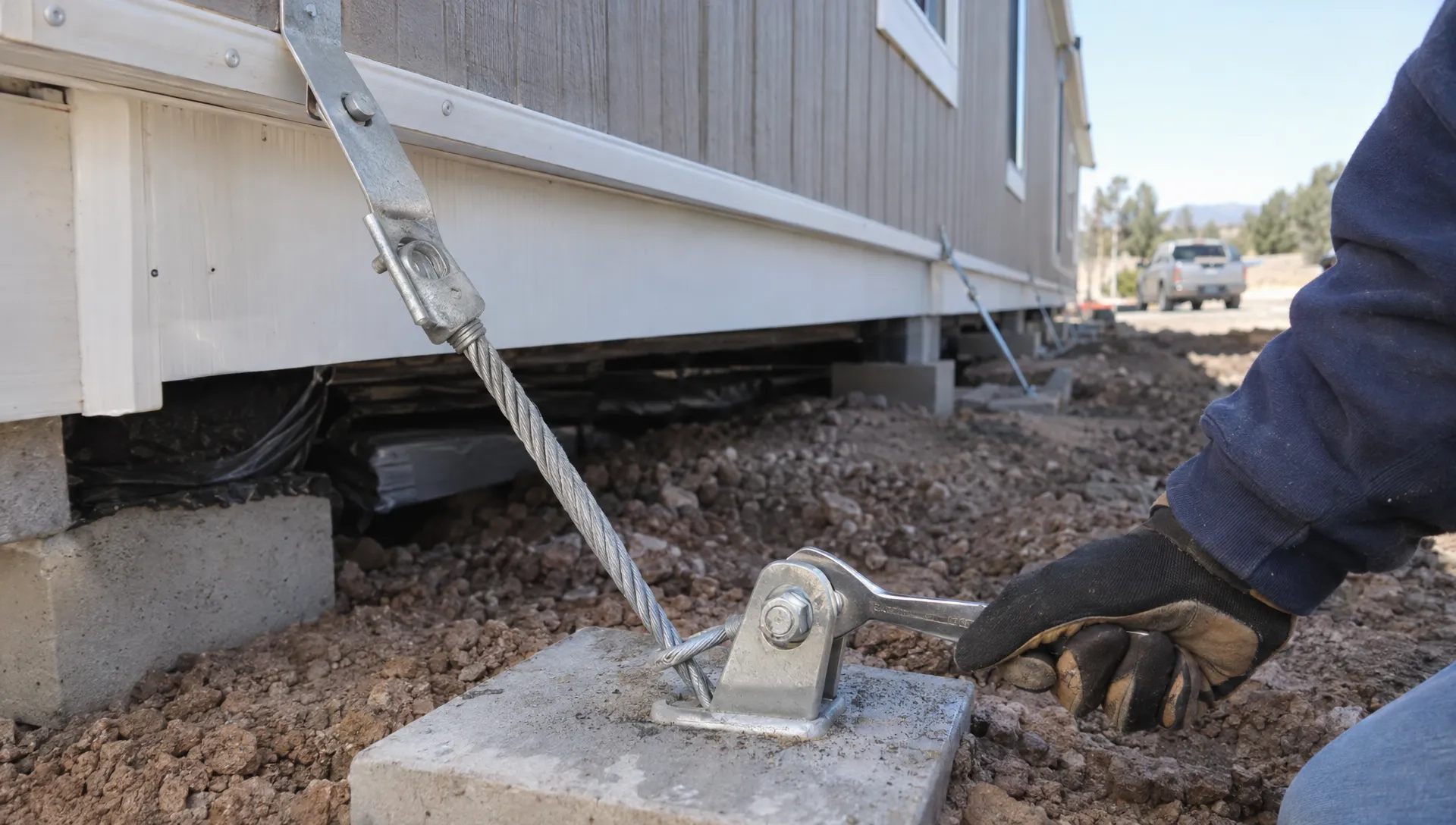
For FHA Title II financing, the manufactured home must be installed on a permanent foundation that meets FHA criteria. This is one of the most important FHA mobile home loan rules.
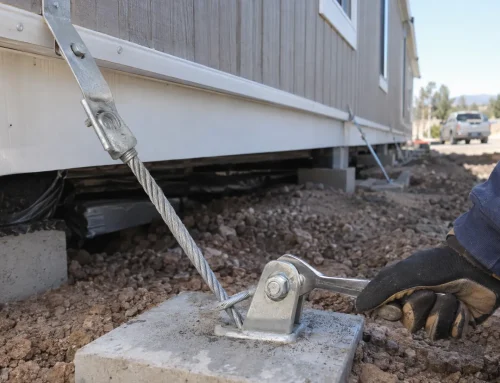
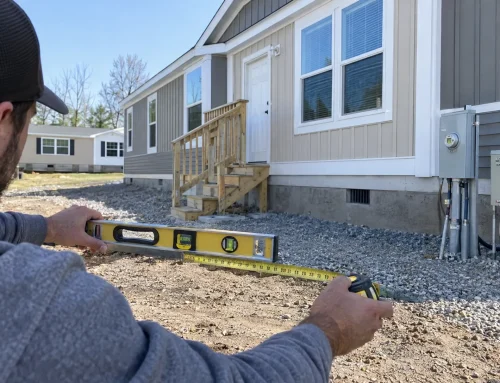
A compliant foundation is not just about placing blocks under the home. It usually involves proper anchoring, support, drainage, crawlspace clearance, ventilation, utility connections, and site preparation. FHA lenders often require an engineer’s foundation certification confirming that the foundation meets the applicable standards.
Foundation issues that can cause problems include:
- The home is not permanently attached to the land
- The foundation lacks required engineering documentation
- Drainage directs water under the home
- The home was moved from a previous permanent site
- Additions affect the home’s structure
- The installation does not match local code or FHA expectations
If you are considering a land-home purchase, review Homes2Go San Antonio’s land and home package guide to understand how site prep, utilities, foundation planning, and financing work together.
Land, leased lots, and communities: FHA treats them differently
Where the home sits matters almost as much as the home itself.
If you are using FHA Title II, the cleanest structure is often a manufactured home installed on land that you own, with the home classified as real property. The mortgage generally covers both the home and the land.
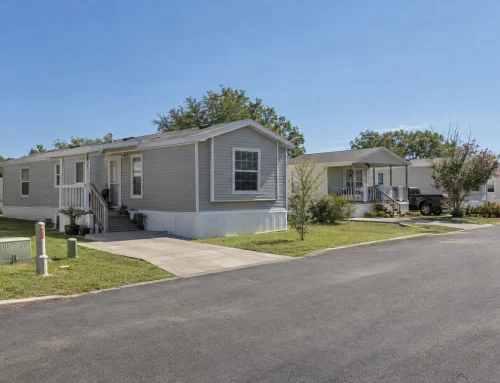
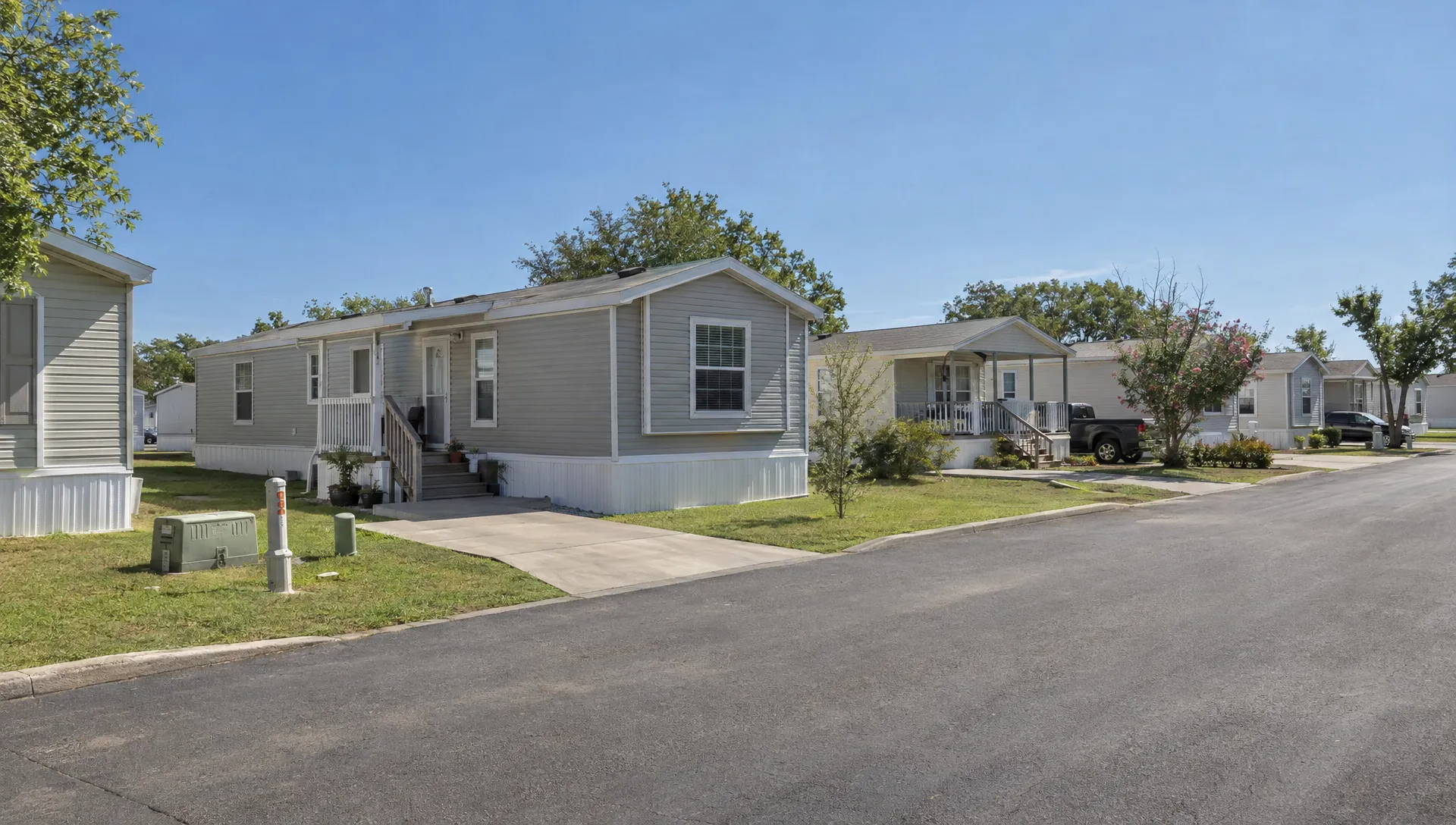
If you plan to place the home in a manufactured home community or on leased land, the financing rules may be different. FHA Title I may be available in some leased-lot situations, but the lease must meet program requirements, and lender availability can be limited.
For buyers comparing private land and communities, the right choice depends on budget, commute, amenities, land ownership goals, and financing eligibility. Homes2Go’s guide to mobile homes in San Antonio explains these tradeoffs in more detail.
Texas and San Antonio details buyers should not overlook
FHA rules are federal, but your purchase also has to work under Texas and local requirements.
In Texas, manufactured homes are regulated through the Texas Department of Housing and Community Affairs. Ownership, installation, and property classification details are important. A Statement of Ownership is a key document, and whether the home is treated as personal property or real property can affect financing.
Around San Antonio, buyers should also think about:
- Zoning or land-use restrictions
- City or county permits
- Septic feasibility if public sewer is not available
- Water and electric availability
- Floodplain status
- Driveway and access requirements
- School district and commute needs
- Community approval if using a manufactured home park
These details are not just paperwork. They can change your total budget and timeline. For example, a low-priced lot may become expensive if it needs major clearing, a long utility run, a new septic system, or extensive foundation work.
Step-by-step: how to prepare for an FHA manufactured home purchase
A smooth FHA purchase starts before the loan application. Use this sequence to reduce surprises.
- Get prequalified with an FHA-experienced lender: Ask specifically whether the lender finances manufactured homes and which FHA programs they offer.
- Set a complete budget: Include the home, land or lot costs, delivery, installation, foundation, permits, utilities, insurance, taxes, and closing costs.
- Choose an eligible manufactured home: Confirm the home is HUD-code, properly labeled, and appropriate for the site.
- Decide on land or community placement: Make sure your financing option matches your land ownership or lease arrangement.
- Verify site feasibility: Check zoning, utilities, flood risk, access, septic, and local permitting before committing.
- Plan the foundation early: If using FHA Title II, get clear on permanent foundation requirements and engineer certification.
- Prepare documents: Gather pay stubs, tax documents, bank statements, identification, and any land or lease documents.
- Avoid major financial changes: Do not open new credit, change jobs, or move large unexplained funds without talking to your lender.
- Complete appraisal and inspections: The lender will order required reviews and may request repairs or documentation.
- Finalize title and closing: Confirm ownership documents, insurance, taxes, and real property classification are handled correctly.
Common FHA manufactured home mistakes to avoid
Many FHA delays happen because buyers assume manufactured home financing works exactly like a site-built home loan. It can be similar, but the extra property rules matter.
Watch out for these common mistakes:
- Choosing a used home before confirming HUD labels and data plate information
- Assuming any lot will work without checking utilities, zoning, and floodplain status
- Forgetting to budget for foundation certification and site work
- Applying with a lender that rarely handles manufactured homes
- Taking on new debt during the loan process
- Assuming a leased-lot home will qualify for the same FHA loan as a land-home package
- Buying a home that has been moved from another permanent site
- Ignoring Texas title and Statement of Ownership requirements
The safest approach is to bring the lender, retailer, installer, and land or community contact into the conversation early.
Is FHA always the best loan for a mobile home?
Not always. FHA can be a strong option, especially for buyers who need flexible credit or a lower down payment. But it is not the only option.
| Financing option | May be a good fit when | Key consideration |
|---|---|---|
| FHA | You want flexible credit and a low down payment path | Property and foundation rules are strict |
| VA | You are an eligible veteran, service member, or surviving spouse | The home and borrower must meet VA and lender rules |
| USDA | The property is in an eligible rural area and income limits are met | Location and income eligibility are crucial |
| Conventional | You have stronger credit and want to compare mortgage options | Manufactured home guidelines vary by lender and program |
| Chattel loan | The home is not financed with land, often in a community | Rates, terms, and consumer protections may differ from mortgages |
The best loan depends on your credit profile, land plan, home type, and long-term goals. A buyer purchasing a land-home package near San Antonio may need a different strategy than a buyer placing a home in a leased community.
How Homes2Go San Antonio can help
FHA manufactured home financing involves more than filling out a mortgage application. You need the right home, the right site, the right documents, and the right lender.
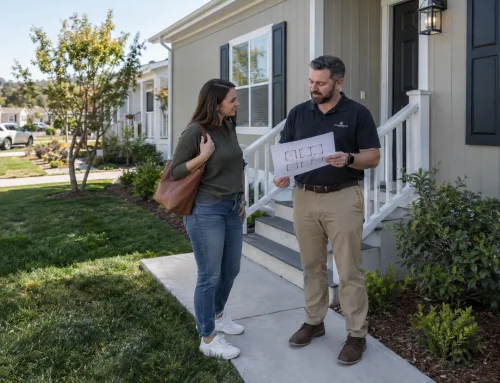
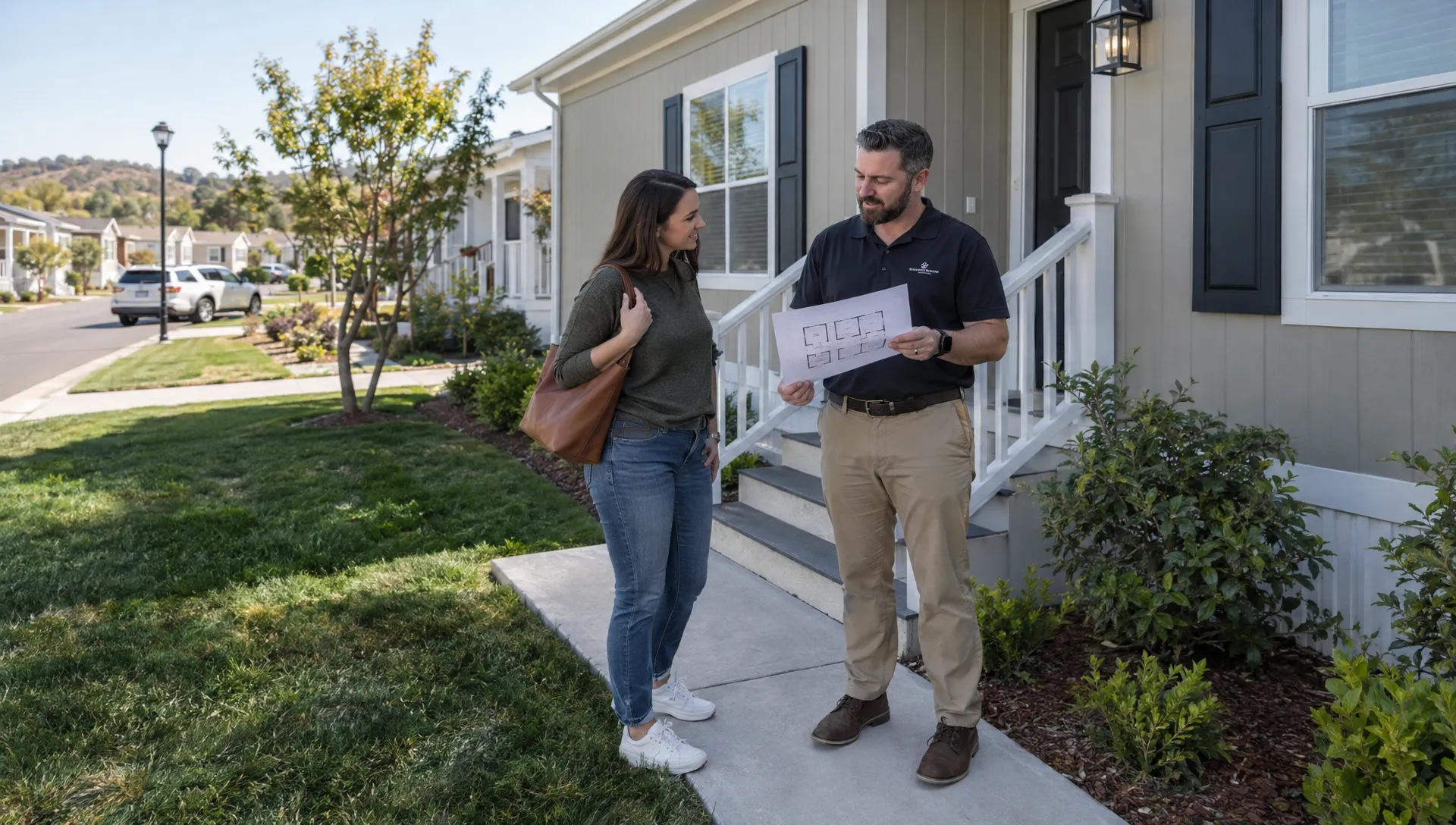
Homes2Go San Antonio helps buyers compare manufactured home models, review floor plans, explore move-in ready options, and understand financing paths. The team can also help first-time buyers think through land-home packages, communities, energy-efficient designs, and connections with trusted local lenders.
If you are still comparing models and prices, start with Homes2Go’s guide to manufactured homes in San Antonio for a broader look at options, costs, and buying tips.
Frequently Asked Questions
Can I buy a mobile home with an FHA loan? Yes, but FHA generally finances HUD-code manufactured homes, not older pre-1976 mobile homes. The home must meet FHA and lender requirements, including size, labeling, condition, and installation standards.
What is the minimum credit score for an FHA manufactured home loan? FHA has flexible credit guidelines, but lenders may set their own minimums. Many buyers hear about FHA’s 3.5% down payment option for qualifying credit profiles, but manufactured home lenders may require stronger files depending on the situation.
Does FHA require a permanent foundation for a manufactured home? For FHA Title II mortgage financing, yes. The home generally must be permanently installed on a foundation that meets FHA standards, and lenders often require an engineer’s certification.
Can I use FHA if the manufactured home is in a park? Possibly, but it depends on the FHA program and lease structure. Leased-lot homes may not fit standard FHA Title II mortgage rules, while FHA Title I or other manufactured home financing options may be considered.
Can FHA finance the land and manufactured home together? Yes, FHA Title II may be used for eligible land-home purchases when the home is classified as real property, permanently installed, and the property meets FHA requirements.
Are used manufactured homes eligible for FHA financing? Some existing manufactured homes may be eligible, but they must meet FHA standards. Homes that were previously installed at another site, have missing documentation, or have foundation issues can be difficult or impossible to finance with FHA.
Who checks whether the home meets FHA rules? The lender, FHA appraiser, title professionals, installers, and sometimes licensed engineers all play a role. The lender makes the final underwriting decision based on FHA requirements and its own guidelines.
Ready to explore FHA-friendly manufactured homes in San Antonio?
If you are planning to buy a manufactured home with FHA financing, start with the right guidance before you choose a model or lot. Homes2Go San Antonio can help you compare homes, review financing options, and understand the steps from floor plan to move-in.
Visit Homes2Go San Antonio to browse options or connect with a housing specialist who can help you take the next step toward affordable homeownership.
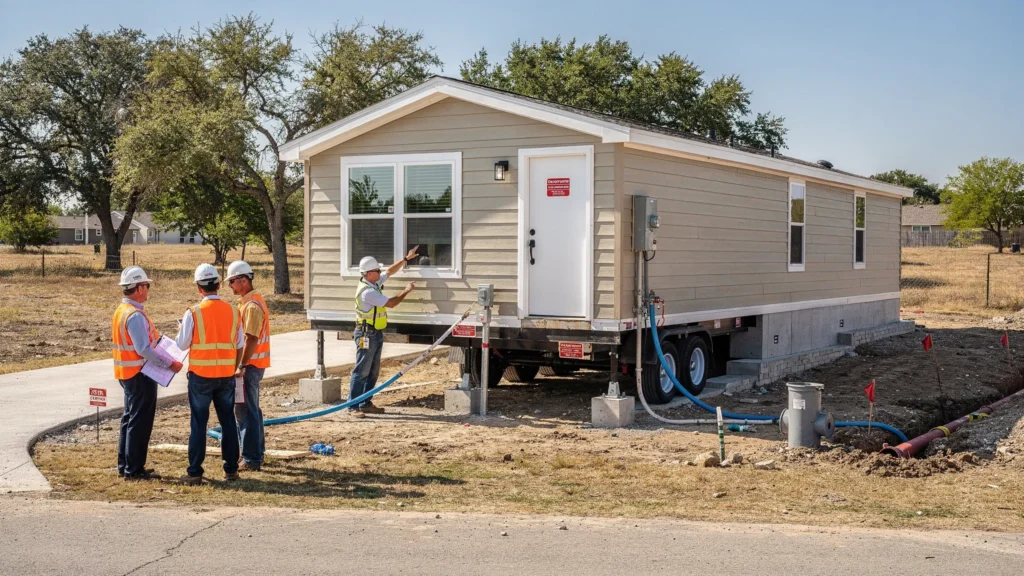 FHA Manufactured Home Loan Requirements: 2026 Approval Checklist
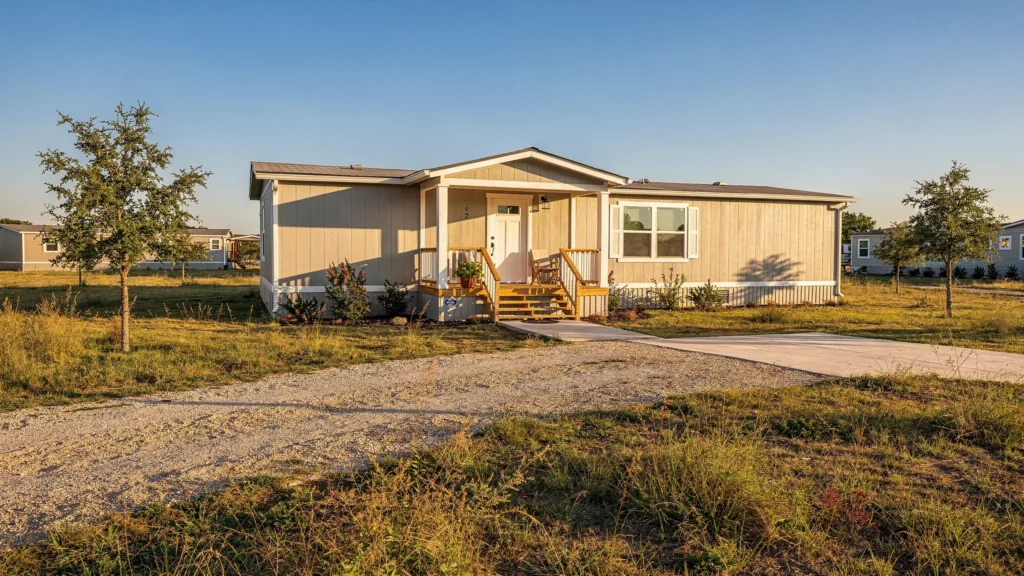 Single Wide Mobile Home Pros, Costs, and Best Uses