
If you’re searching “mobile home dealership near me,” you’re probably close to making a real decision, not just browsing. The right dealership can make the difference between a smooth, on-budget move-in and months of delays, surprise fees, or installation headaches.
Use the 12 questions below before you sign anything. They are designed to uncover what a dealer really handles (and what gets pushed onto you), how pricing works, and how protected you are after delivery.

Quick checklist: the 12 questions (and what “good” looks like)
| Question to ask | Why it matters | A good answer sounds like |
|---|---|---|
| 1) Are you licensed to sell manufactured homes in Texas? | Protects you and confirms oversight | They share their license info and where to verify it |
| 2) What’s the total “out-the-door” price for this exact home? | Prevents surprise fees | A written quote with line items and assumptions |
| 3) Is this home built to HUD Code, and can I see the HUD label/data plate info? | Verifies the home’s standard and identity | They explain HUD labels and show documentation |
| 4) What is included in delivery and setup, and what is excluded? | Setup is where budgets blow up | Clear list of what’s included and what triggers extra cost |
| 5) Who pulls permits and schedules inspections? | Avoids delays and rework | They explain responsibilities and timing in writing |
| 6) Who coordinates utility connections (electric, water, sewer/septic)? | Utility gaps can stop move-in | They outline what they handle vs what you must arrange |
| 7) What is the realistic timeline from order to move-in? | Helps plan housing, school, and work | A range with the drivers that change it |
| 8) What warranties do I get, and how do service calls work? | Your first year is when issues show up | Written warranty details and a clear service process |
| 9) Can you explain financing options and total monthly cost, not just payment? | Payment-only shopping is risky | APR, term, fees, insurance/taxes estimates |
| 10) If I’m placing in a community, what are the park approval requirements? | Prevents buying a home that cannot be placed | They review community rules before you commit |
| 11) What energy-efficiency features are standard vs optional? | Texas heat makes this expensive | They compare insulation/windows/HVAC options clearly |
| 12) What happens if I change my mind, or the site fails feasibility? | Protects deposits | Written terms for cancellations, site issues, refunds |
The 12 questions to ask a mobile home dealership near you
1) “Are you licensed to sell manufactured homes in Texas, and where can I verify it?”
In Texas, manufactured housing is regulated through the state (including titling). A legitimate dealership should be comfortable sharing licensing details and pointing you to official verification.
Start with the state resource: the Texas Department of Housing and Community Affairs (TDHCA) Manufactured Housing Division.
What to listen for: transparency, no defensiveness, and a clear explanation of who the licensed retailer is on your paperwork.
2) “What’s the total out-the-door price for this exact home, with line-item estimates?”
Many buyers get quoted a home price, then later learn about delivery, setup, site work, permits, steps, skirting, HVAC, and utility connections.
Ask for a written estimate that separates:
- Home price (base + selected options)
- Delivery and installation (what level of setup is included)
- Site-related allowances (foundation type, pad prep, tie-downs/anchors)
- Government fees (permits, inspections, title-related fees)
You’re not trying to squeeze every dollar out on day one. You’re trying to prevent budget surprises.
3) “Is this home built to HUD Code, and can I see the HUD label and data plate details?”
Most “mobile homes” sold today are manufactured homes built to the federal HUD Code (in effect since June 15, 1976). You want confirmation that the home is HUD Code compliant and identifiable.
A good dealership can explain:
- The HUD label (often called the HUD tag) and what it signifies
- The home’s data plate information and why it matters for financing, insurance, and installation
For background on the federal program, see HUD’s overview of Manufactured Housing.
4) “Exactly what is included in delivery and setup, and what is excluded?”
“Setup” can mean very different things.
Clarify whether the quoted setup includes:
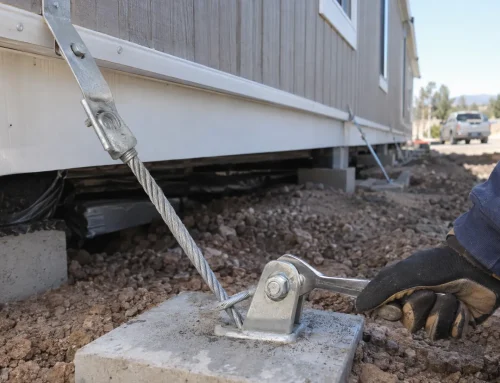
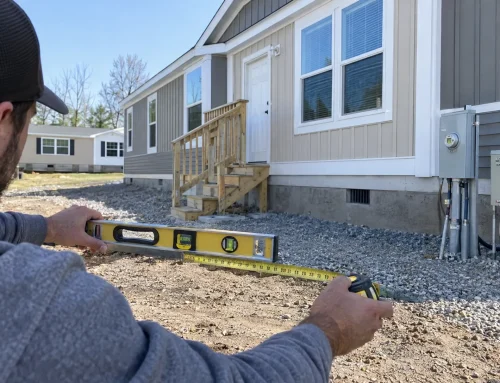
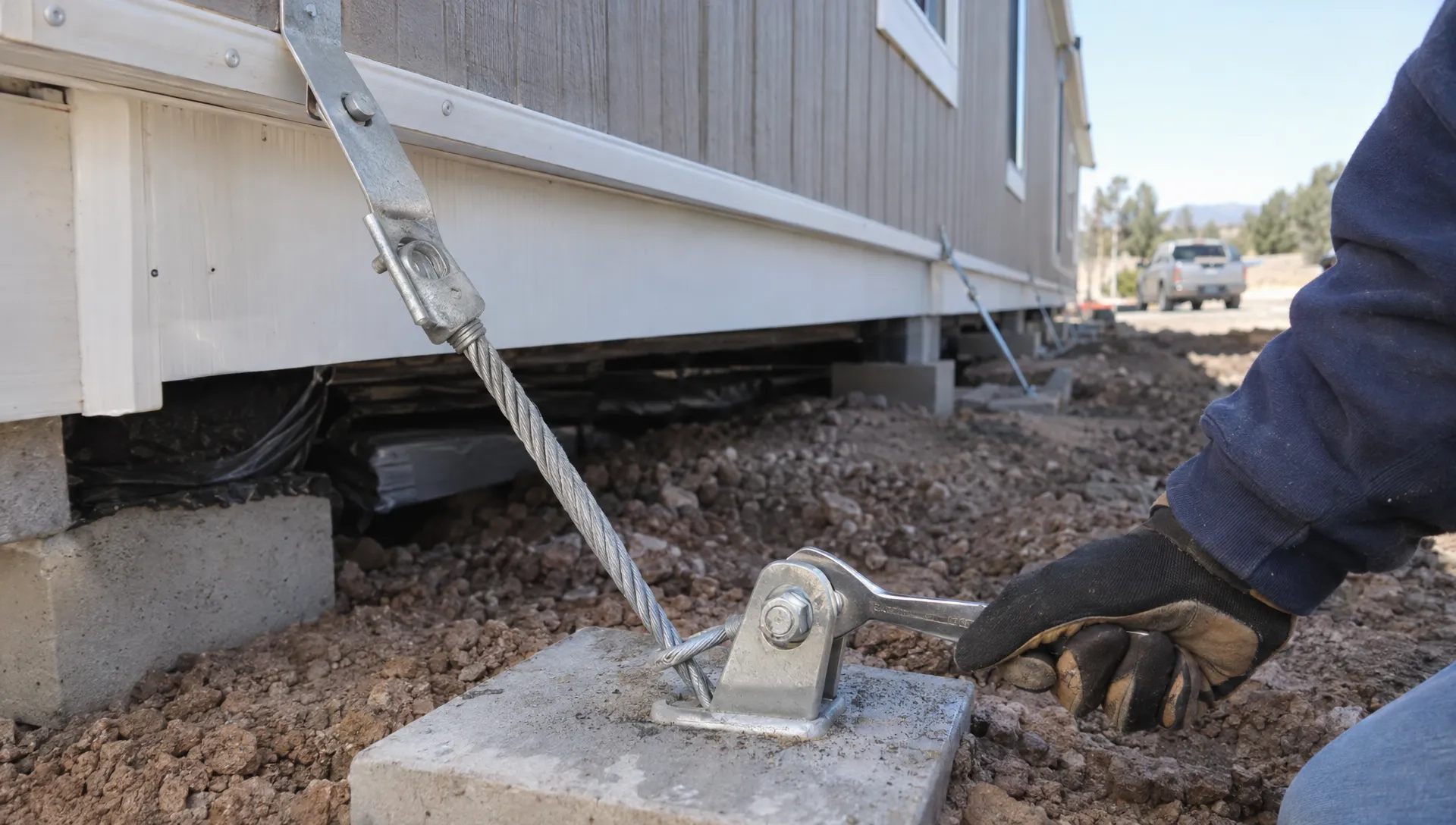
- Blocking/leveling and tie-downs (anchoring)
- Joining and finishing the marriage line (for multi-section homes)
- Steps/landings, skirting, and grading standards
- HVAC start-up, duct connections, and ventilation components
Also ask what is explicitly excluded, because exclusions drive change orders.
5) “Who pulls permits and schedules required inspections?”
Permits and inspections vary based on where the home is installed (private land vs land-lease community) and what work is being done (electrical, plumbing, septic, additions like decks).
Have the dealership explain, in writing, who handles:
- Permit applications
- Inspection scheduling
- Correction responsibility if something fails
If you’re installing around San Antonio, responsibilities can differ by jurisdiction and site conditions. Getting clarity upfront prevents delays when a crew is waiting and the clock is ticking.
6) “Who coordinates utility connections, and what site conditions must be true before delivery?”
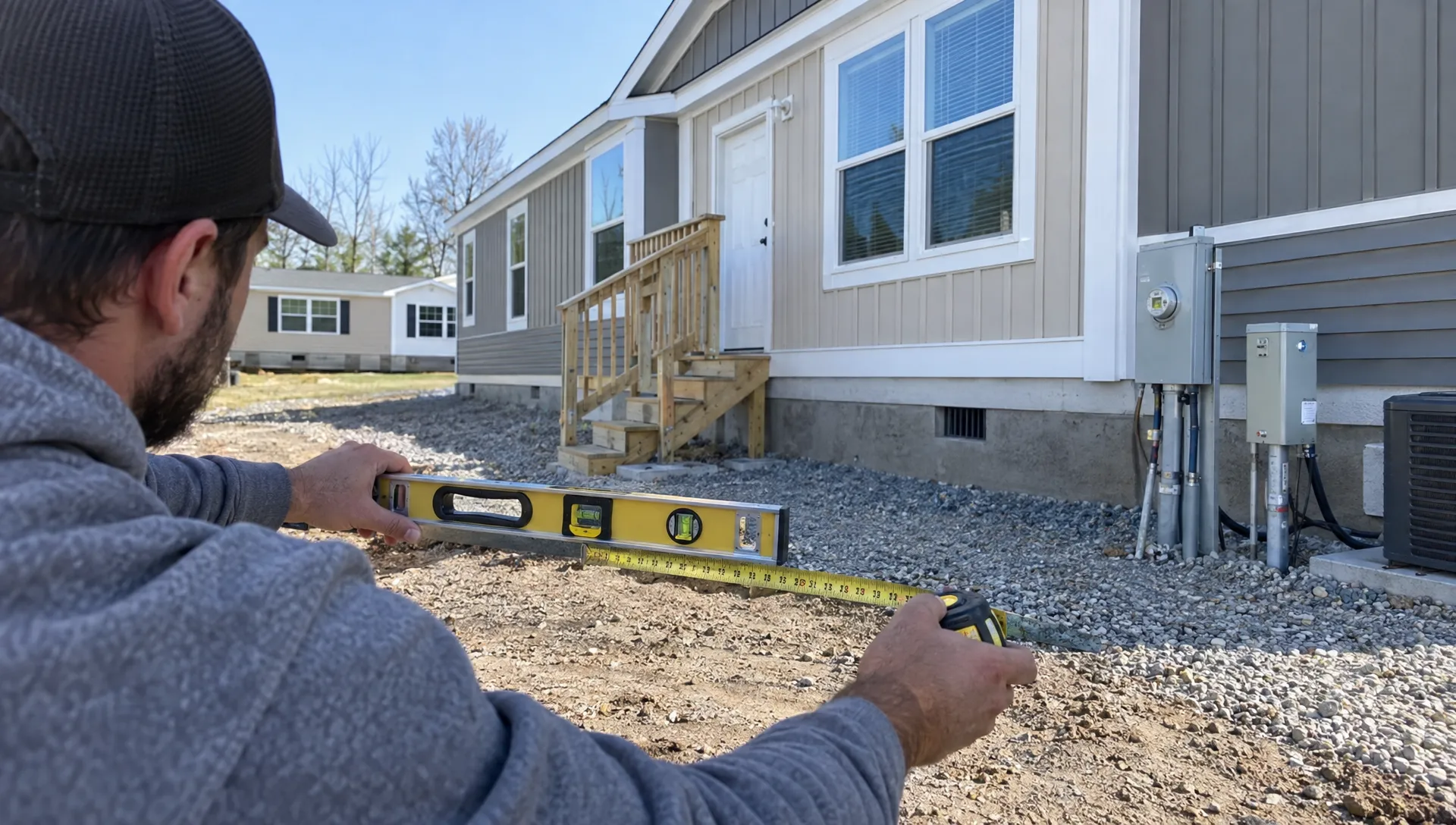
Utilities are a common move-in bottleneck. Ask what must be ready before delivery, such as:
- Clear access for delivery and set crew
- Electrical service ready (and meter base requirements)
- Water line location and shutoff placement
- Sewer tie-in or septic readiness
If you are buying land and need septic, you also want to understand who manages the septic design and installation, because timing can affect delivery.
7) “What’s the realistic timeline from order to move-in, and what could change it?”
A reliable dealer will give you a range and explain the variables.
Common timeline drivers include factory scheduling, transport logistics, weather, permitting, utility readiness, and how quickly lender conditions are satisfied.
Ask for a simple timeline in writing, even if it is approximate. “It depends” is normal. “Don’t worry about it” is not.
8) “What warranties come with the home, and how do service calls work after move-in?”
Manufactured homes typically have manufacturer warranty coverage, and components inside the home (appliances, HVAC) may have their own warranties.
Ask:
- What is covered and for how long (workmanship, materials, major systems)
- How warranty requests are submitted
- Typical response times and who dispatches repairs
- What you should document during your first walkthrough
Pro tip: request a buyer walkthrough checklist and do a careful pre-move-in inspection. Small issues are easiest to fix when documented early.
9) “Can you explain financing options and the true total monthly cost, not just a payment estimate?”
Two quotes can have the same “payment” but very different total cost because of APR, term length, down payment, and fees.
Ask the dealership (and lender) to clearly state:
- Loan type (for example, chattel vs mortgage if applicable)
- Interest rate/APR, term, and required down payment
- Itemized closing costs and any lender fees
- Estimated insurance, taxes, and community lot rent (if relevant)
If you want a financing overview before you shop, Homes2Go San Antonio has a dedicated page explaining common paths for manufactured homes: Financing options.
10) “If I’m placing the home in a community, what are the approval requirements and restrictions?”
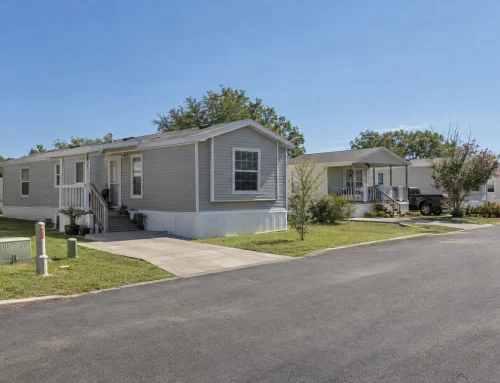
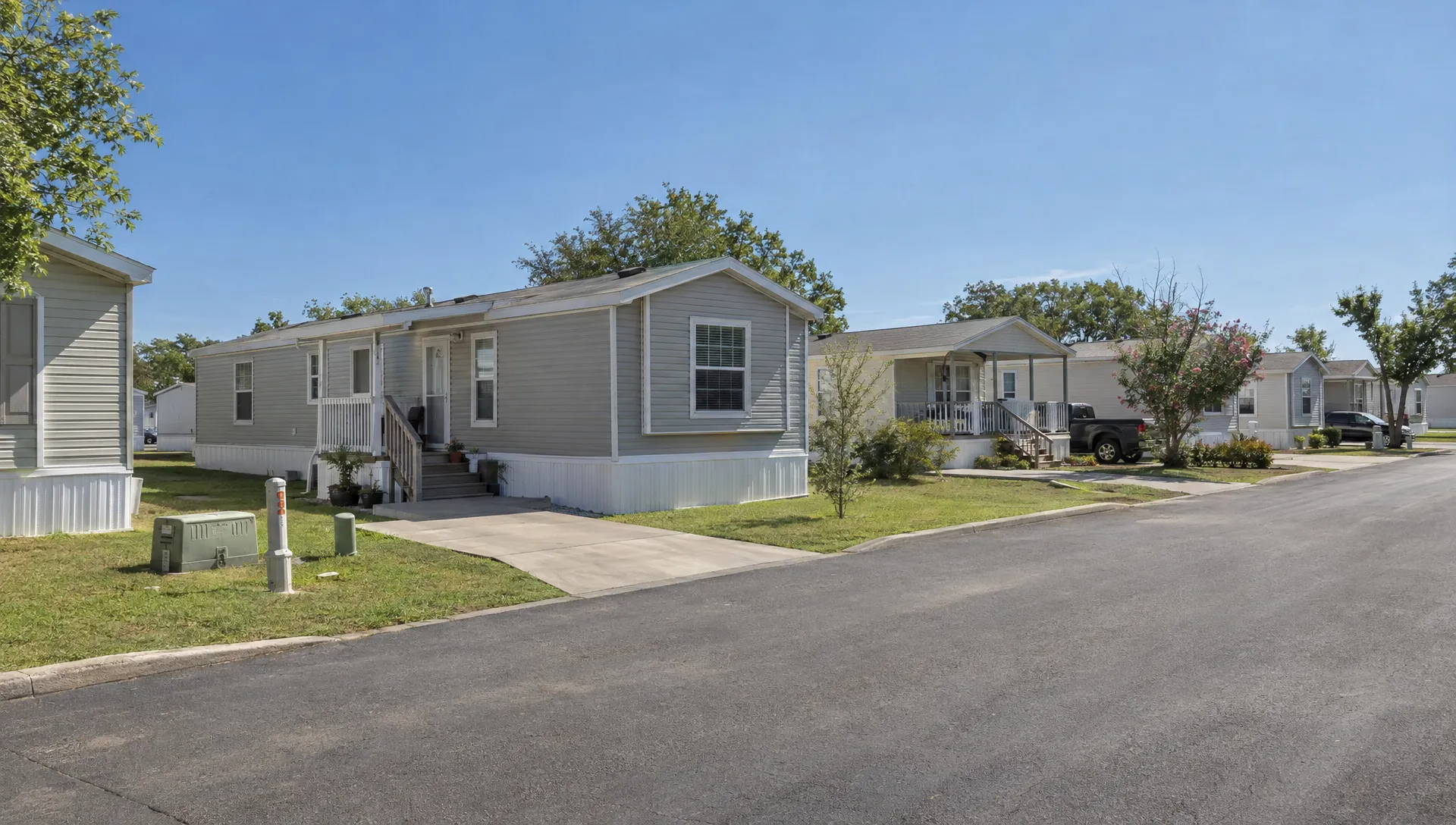
If you’re buying into a land-lease community, you need to confirm placement rules before you commit to a home.
Ask about:
- Minimum home size, age limits, exterior requirements, and skirting/steps standards
- Installation standards required by the community
- Application fees, background checks, and income requirements
- Lot rent details and what utilities are included
If you’re still comparing community living vs private land, this guide can help you frame the trade-offs: Mobile homes in San Antonio: a quick buyer guide.
11) “What energy-efficiency features are standard vs optional for this model?”
In South Texas, energy efficiency impacts comfort and monthly budget.
Ask what comes standard and what is an upgrade, especially for:
- Insulation levels and air sealing approach
- Window performance (double-pane and solar heat gain considerations)
- HVAC efficiency and duct sealing
- Roof and ventilation details
If you want a deeper checklist tailored to Texas heat, see: Energy-efficient manufactured homes.
12) “What happens if the site fails feasibility, the lender conditions change, or I need to cancel?”
This is the deposits-and-contracts question, and it matters.
Ask for the terms in writing for scenarios like:
- Land is not buildable as planned (access, utilities, septic constraints)
- Park approval is denied
- Permits are delayed or denied
- Appraisal or lender conditions change the deal
Look for clarity on which deposits are refundable, what deadlines apply, and what fees are non-refundable (and why).
Red flags when shopping a dealership near you
A dealership does not need to be perfect, but they should be clear and consistent. Be cautious if you notice:
- Refusal to provide written estimates with line items
- Pressure to “sign today” without time to review documents
- Vague answers about installation scope, permits, or utilities
- No clear warranty process after delivery
- Shifting explanations about what’s included in the price
How to compare two dealerships fairly
If you’re talking to multiple dealers, compare apples to apples:
- Quote the same home model (or same size and spec level)
- Require a written out-the-door estimate from each
- Confirm who is responsible for permits, setup, and utility coordination
- Compare timeline assumptions and what triggers added cost
Even if one quote is higher, the “more expensive” dealer can end up cheaper if their scope is clearer and reduces change orders.
Frequently Asked Questions
What should I search besides “mobile home dealership near me”? Add intent words like “manufactured homes,” “financing,” “land and home package,” and your city (for example, “San Antonio”) to find dealers who actually handle your situation.
Is a manufactured home the same thing as a mobile home? Many people say “mobile home” generically, but most homes sold new today are manufactured homes built to the federal HUD Code. “Mobile home” often refers to pre-1976 homes.
What costs are most often missing from dealership quotes? Common missing items include site prep, utility hookups, permits/inspections, steps/landings, skirting, and any septic work if needed.
Can a dealership help me place a home in a community? Many dealers can guide you, but you should still confirm community approval requirements before buying a specific home. Park rules can affect size, exterior, and installation standards.
What financing is available for manufactured homes in Texas? Options can include chattel loans or mortgages (depending on whether the home is titled as real property and other factors). Always compare APR, term, and fees, not just payment.
Ready to talk through your situation in San Antonio?
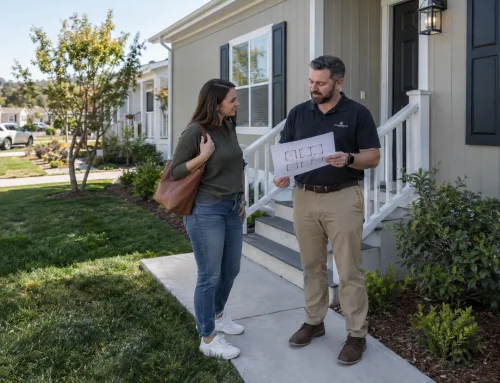
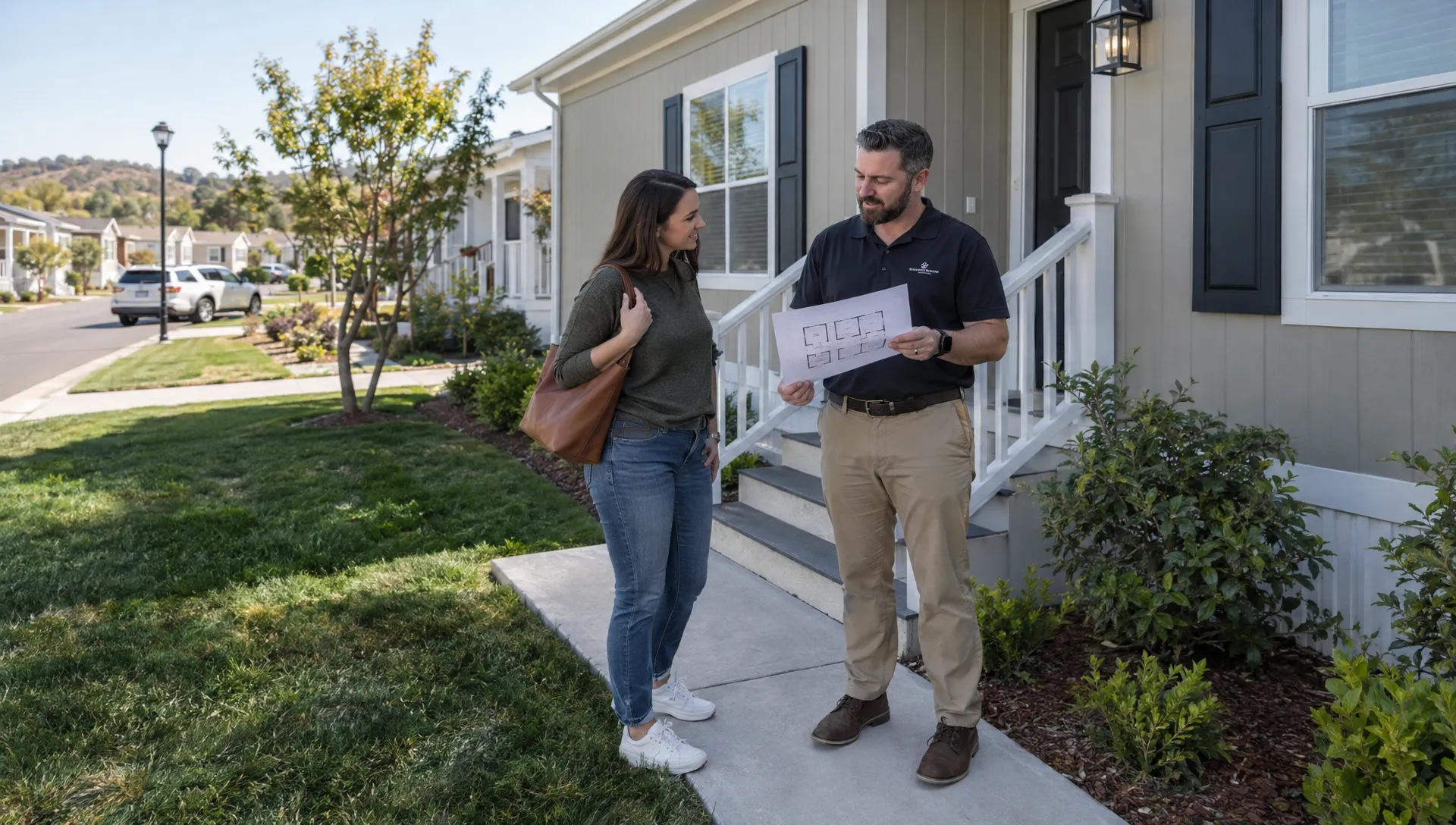
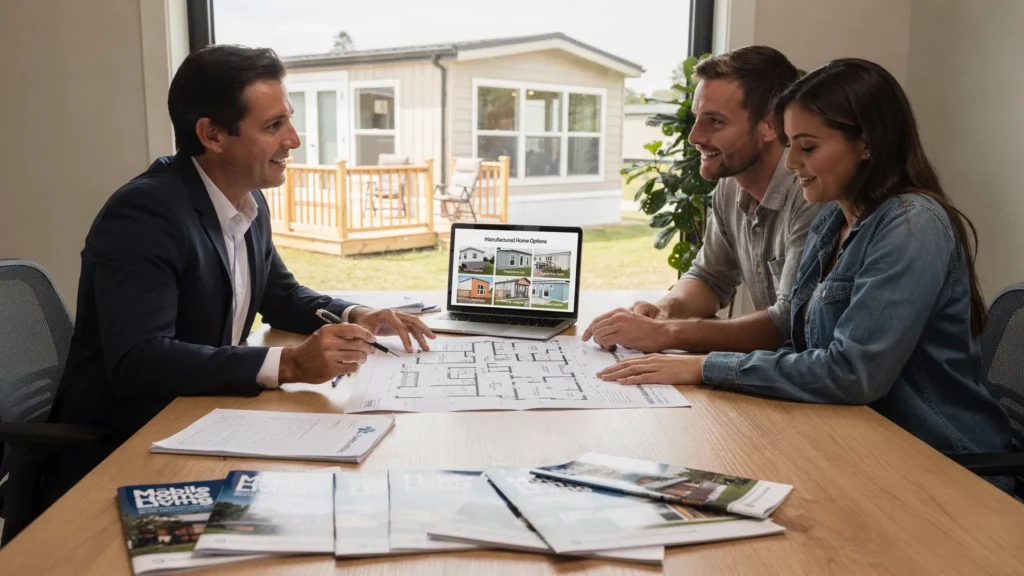
If you’re shopping for a mobile home dealership near you in the San Antonio area, Homes2Go San Antonio can help you compare home models, review floor plans, and understand financing paths without guessing at the next step.
- Browse available options: Homes2Go San Antonio
- Explore financing basics before you apply: Financing
- If you’re planning land plus home, start here: Land and home packages guide
 Mobile Homes: New vs Used, Costs, and Buying Mistakes
 Single Wide Mobile Homes for Rent: Best Fit and Budget Tips