
Buying a mobile home can be one of the fastest paths to homeownership, but the “new vs used” decision changes everything, from financing options to repair risk to what you will spend after you move in. The most expensive mistakes usually happen when buyers focus on the sticker price and miss the full cost of the home, the site, and the paperwork.
This guide breaks down new vs used mobile homes, the real-world costs you should plan for, and the buying mistakes that can turn a good deal into a money pit.
First, a quick clarification: “mobile home” vs “manufactured home”
In everyday conversation, many people say “mobile homes” to mean factory-built homes in general. Legally and technically, the term matters:
- Mobile home often refers to homes built before June 15, 1976.
- Manufactured home refers to homes built after June 15, 1976, constructed to the federal HUD Code.
Why it matters: HUD Code homes are typically easier to finance, insure, and place in many communities than older pre-1976 homes. If you are unsure, check the home’s data plate and HUD labels, and review the basics on the U.S. Department of Housing and Urban Development (HUD).
New vs used mobile homes: the big tradeoffs
A “better” choice depends on your budget, timeline, and tolerance for surprises. Here’s a practical comparison.
| Category | New mobile home | Used mobile home |
|---|---|---|
| Upfront price | Higher in most cases | Often lower, but varies widely |
| Condition | New materials, new systems | Can be excellent or high-risk depending on upkeep |
| Customization | Choose layout, finishes, features (by model) | Limited to what exists (unless you remodel) |
| Energy performance | Often better insulation, windows, HVAC options | Can be costly to upgrade if older |
| Financing and insurance | Often more straightforward | Can be harder depending on age, title status, condition |
| Timeline | May require order, delivery, setup scheduling | Can be faster if already installed and approved |
| Risk profile | Lower repair risk early, warranty may apply | Higher due diligence burden (inspection is critical) |
New mobile homes: when they make the most sense
A new home is usually the cleaner, more predictable purchase.
Benefits of buying new
- Lower surprise repairs early on: Major systems should be in new condition.
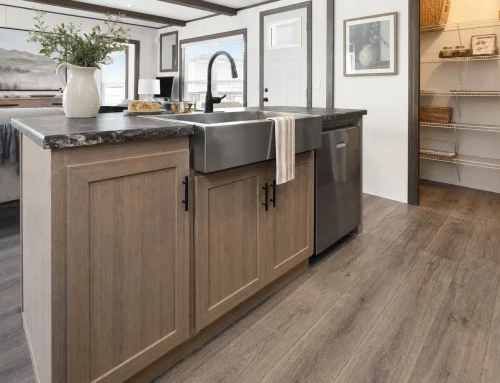
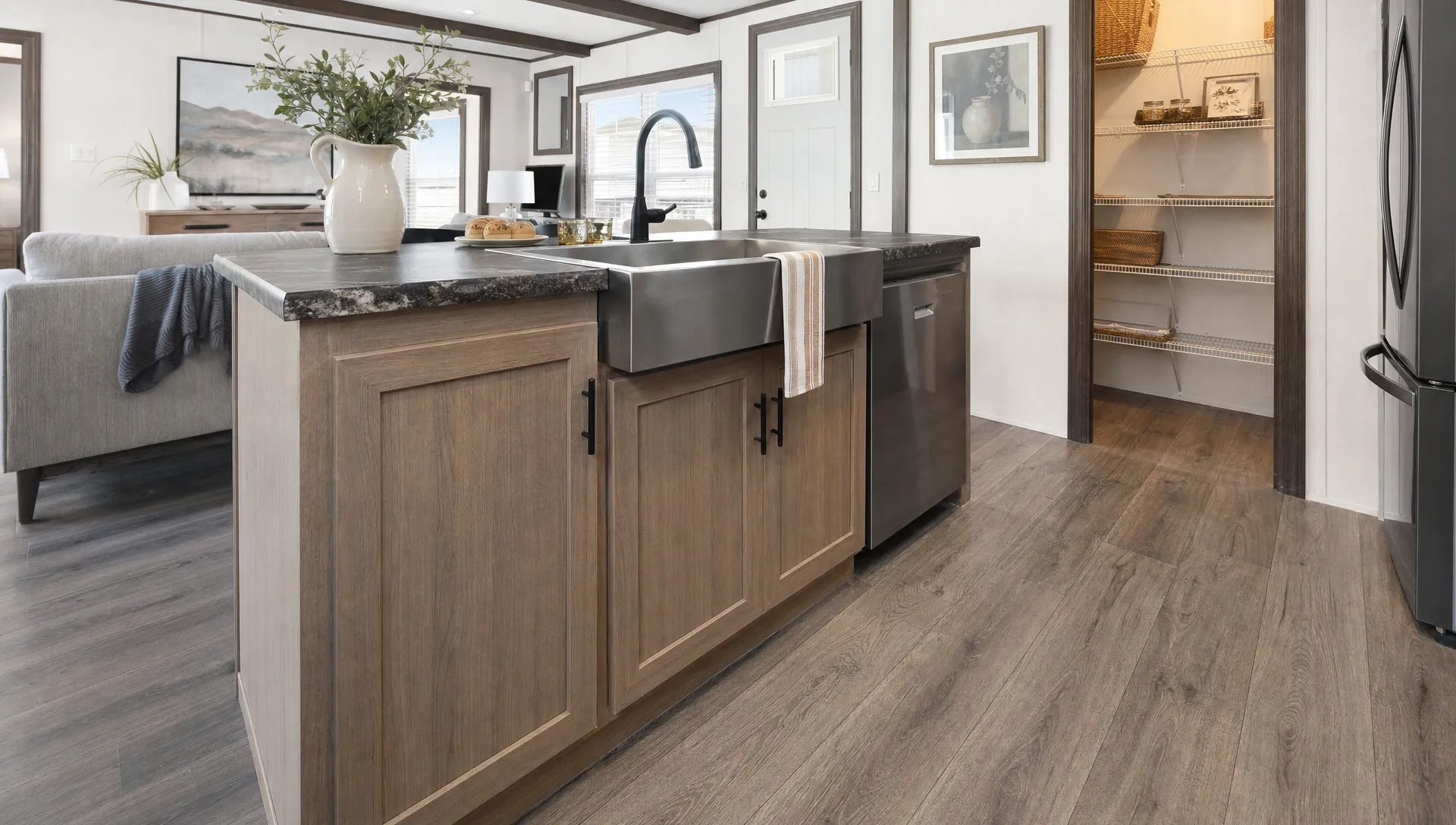
- Modern layouts and interiors: Open living areas, updated kitchens, and more storage are common in newer models.
- Energy-efficient options: Better insulation packages and improved windows can help in South Texas heat. If utility costs are a priority, review this guide on energy-efficient manufactured homes.
- Easier “paper trail”: New purchases through a retailer tend to have clearer documentation than some private-party used sales.
Tradeoffs to plan for
- Higher total purchase price once you choose size, upgrades, and installation.
- Lead times for ordering and scheduling delivery/setup.
- Depreciation can be real, especially if the home is titled as personal property (chattel) rather than real estate.
Used mobile homes: when the savings can be worth it (and when they are not)
Used can be a smart choice if the home is in solid shape, the documentation is clean, and you understand what you are taking on.
Benefits of buying used
- Lower upfront cost in many situations.
- Faster move-in if the home is already set up in a community and passes park approval.
- Existing add-ons: Decks, sheds, carports, skirting, and landscaping might already be installed (verify condition and whether they are included in the sale).
Common risks with used homes
- Water damage and subfloor issues: Soft spots near tubs, toilets, kitchens, and exterior doors are a major red flag.
- Roof and HVAC surprises: Repairs can be expensive and urgent.
- Title and ownership problems: Missing documents, unpaid taxes, or unresolved liens can delay or derail a purchase.
- Relocation costs: Moving a home is often far more expensive than buyers expect, and some older homes may be hard to move or harder to place.
If you are considering a used home in a community, it helps to read a park-focused guide like this roundup of mobile home parks in San Antonio (especially the sections on rules, fees, and red flags).
The real cost of a mobile home: what to budget beyond the price tag
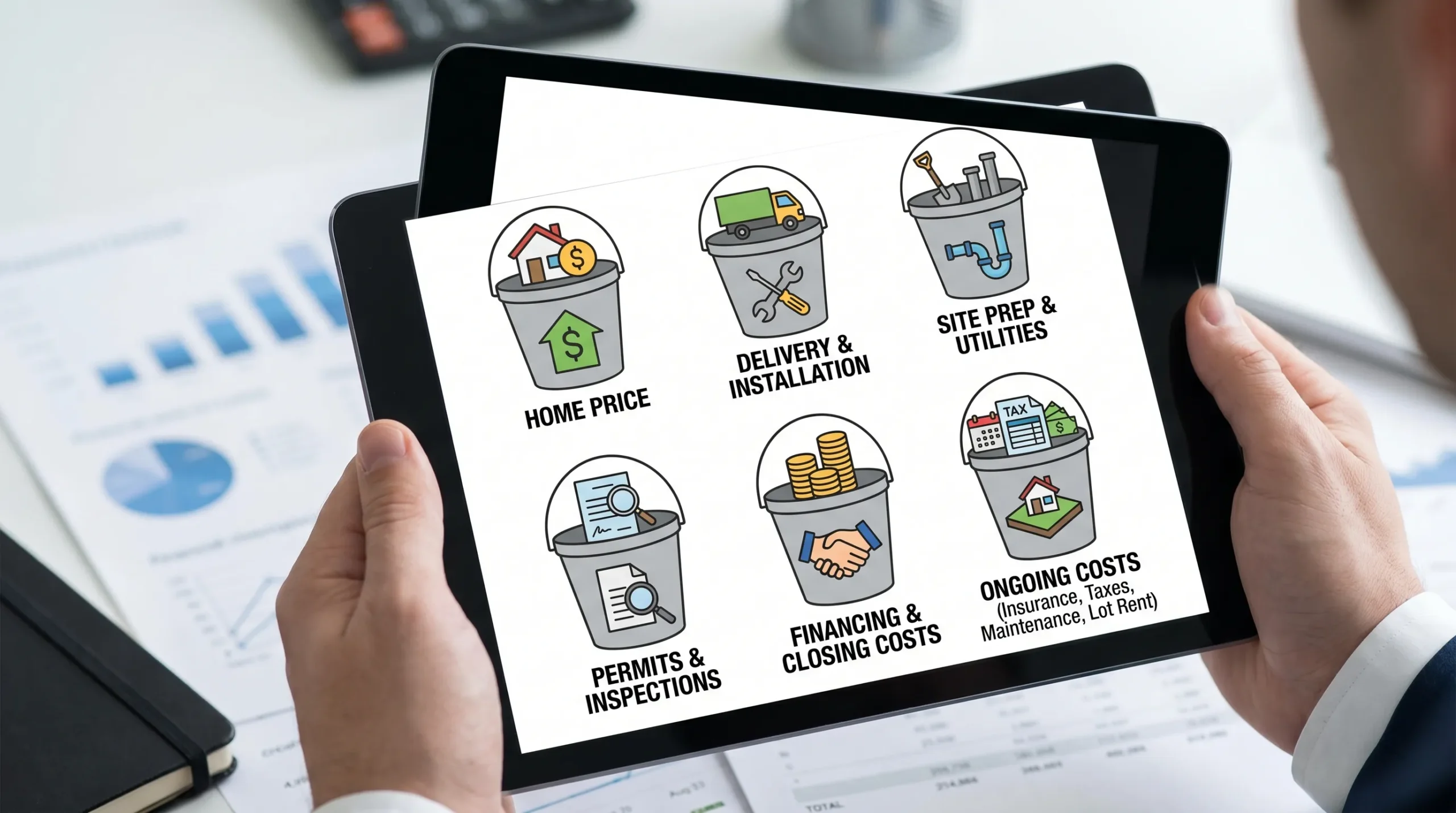
Many first-time buyers budget for the home and forget the site, setup, and ongoing costs. Whether you buy new or used, these line items can materially change affordability.
One-time costs (purchase and setup)
| Cost area | What it can include | Why it surprises buyers |
|---|---|---|
| Home price | Base model (new) or negotiated sale price (used) | “Base price” is not the total project cost |
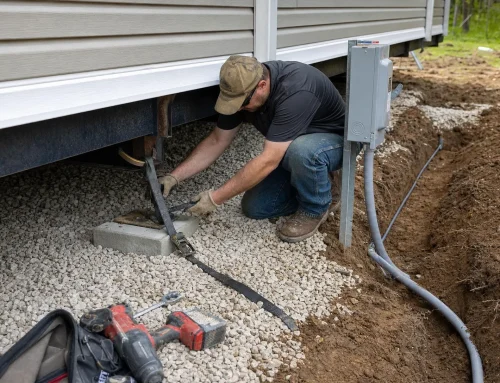
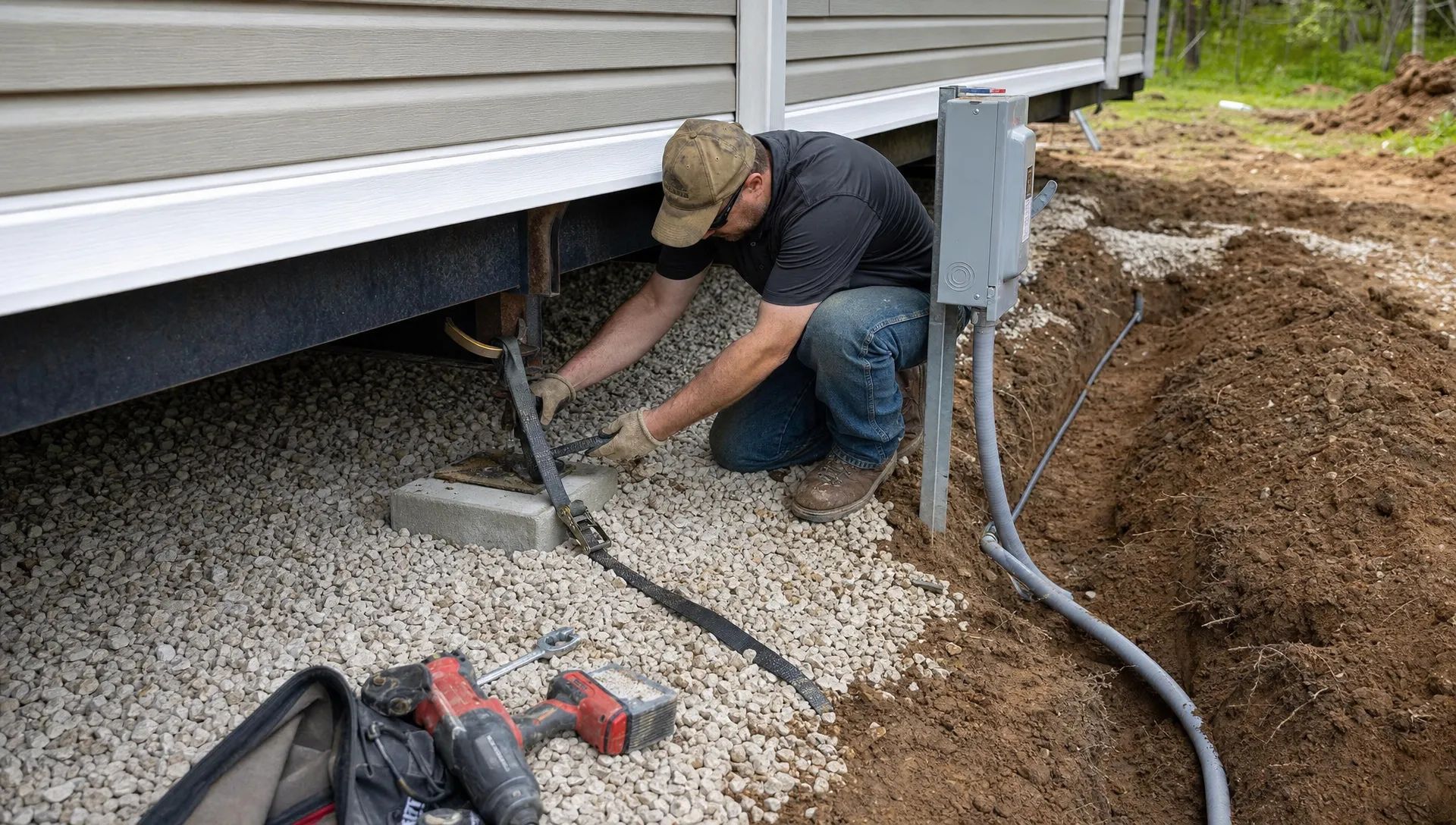
| Delivery and setup | Transportation, set, leveling, tie-downs/anchoring, skirting, steps | Moving and installation can be significant, especially for used relocations |
| Site prep | Pad/foundation work, grading, driveway, drainage | Land conditions and drainage issues add cost fast |
| Utilities | Electric, water, sewer/septic, gas, trenching | Distance to hookups and septic needs can be major variables |
| Permits and inspections | Local permits, required inspections, re-inspections | Varies by location and jurisdiction |
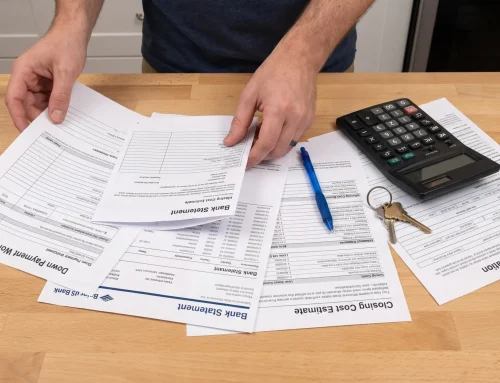
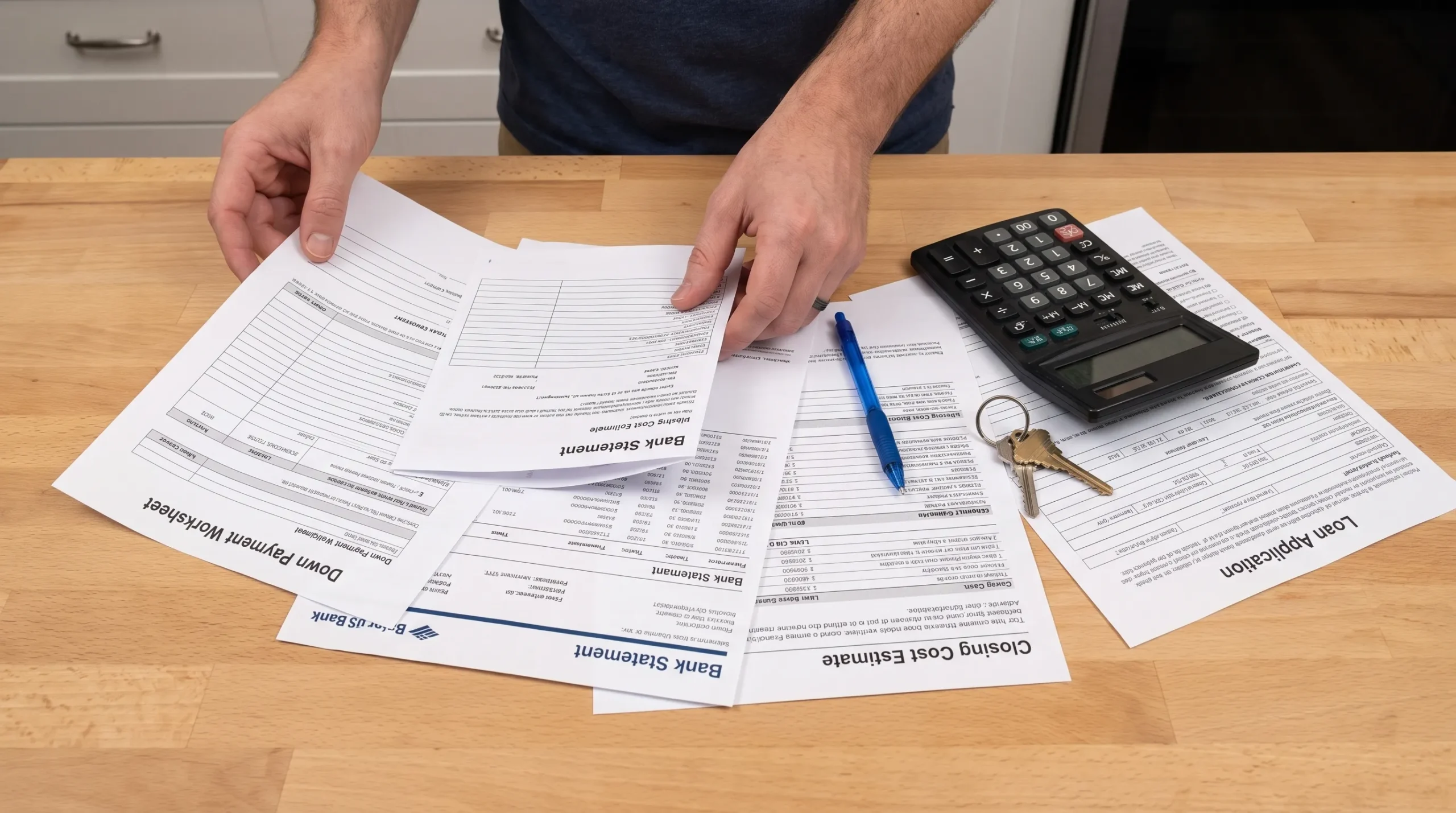
| Closing and financing costs | Loan fees, appraisal (if required), lender-required items | Different loan types require different steps and documentation |
Ongoing costs (monthly and annual)
- Lot rent if you are in a land-lease community.
- Insurance (requirements vary by lender and placement).
- Property taxes (how the home is titled and where it is located matters).
- Utilities (electricity is often the big one in summer).
- Maintenance and repairs (roof coating, HVAC servicing, plumbing, skirting, steps, etc.).
If you are planning a private-land placement, this guide to land and home packages in San Antonio helps you think through land evaluation, utilities, and timelines.
Financing: why new vs used changes your options
Mobile and manufactured homes are commonly financed in two broad ways:
- Chattel loans: Often used when the home is treated as personal property (common in many communities).
- Mortgage-style financing: Often possible when the home and land are financed together and the home is classified as real property (requirements vary).
Used homes can be trickier because age, condition, and documentation affect whether a lender will approve the loan. For consumer-friendly guidance on manufactured housing financing, the Consumer Financial Protection Bureau (CFPB) is a strong starting point.
If you want a practical overview of loan types buyers use in San Antonio, start with Homes2Go’s manufactured home financing page.
Due diligence checklist (especially for used mobile homes)
A good used home can be a great value, but only if you verify the fundamentals.
1) Verify ownership and paperwork early
Texas has specific processes for manufactured housing documentation. Before you exchange money:
- Confirm the seller is the legal owner and can transfer ownership.
- Ask for lien payoff information if there is a loan.
- Verify the home’s identifying information (labels/serial numbers) matches the paperwork.
For Texas-specific manufactured housing resources, start with the Texas Department of Housing and Community Affairs (TDHCA) Manufactured Housing Division.
2) Inspect for water, structure, and safety
Focus on issues that are expensive to fix:
- Roof condition and any ceiling staining
- Soft floors (especially bathrooms and around exterior doors)
- Signs of past leaks in walls, windows, and around plumbing fixtures
- Electrical panel condition and visible wiring issues
- HVAC age and performance
- Window condition and drafts
If you are not experienced, consider hiring a qualified inspector familiar with manufactured homes.
3) Confirm placement rules before you buy
This is a top mistake: buying a home first, then trying to figure out where it can go.
- If placing in a community, confirm age restrictions, pet rules, and approval requirements.
- If placing on private land, confirm zoning, utilities, access, and permit requirements.
If you are still deciding between community living and private land, Homes2Go’s mobile homes buyer guide breaks down the placement options in plain English.
Common mobile home buying mistakes (and how to avoid them)
Most problems are preventable with the right sequence: placement plan first, then financing strategy, then home selection, then inspection and paperwork.
| Mistake | Why it hurts | Better approach |
|---|---|---|
| Shopping only by monthly payment | You can overlook lot rent, insurance, utilities, and maintenance | Build a full monthly budget with all housing costs |
| Underestimating used home relocation costs | Transport and setup can erase “savings” | Price out moving and installation before committing |
| Skipping the paperwork check | Liens or missing documents can block financing and transfer | Verify ownership and lien status early (before deposit) |
| Not confirming community approval | Some parks have age rules or home requirements | Get written requirements and confirm the home qualifies |
| Ignoring energy efficiency | Higher bills can strain affordability in Texas heat | Compare insulation/windows/HVAC options, budget for upgrades |
| Not budgeting for maintenance | Small issues become big ones when deferred | Set aside a maintenance reserve and plan annual inspections |
| Choosing the wrong loan type | Costs and approval standards vary | Compare loan paths and ask lenders what the home qualifies for |
| Buying too fast without a walkthrough plan | You miss water damage, HVAC issues, and safety problems | Use a checklist and bring a second set of eyes |
When to choose new, when to choose used
New is often the better fit if:
You want a predictable timeline and fewer early repairs, you need financing that is simpler to qualify for, or you care about newer energy-efficient designs and modern interiors.
Used is often the better fit if:
You find a well-maintained home with clean documentation, you can verify it will be accepted where you plan to place it, and you have budget room for upgrades or repairs if needed.
Getting help locally in San Antonio
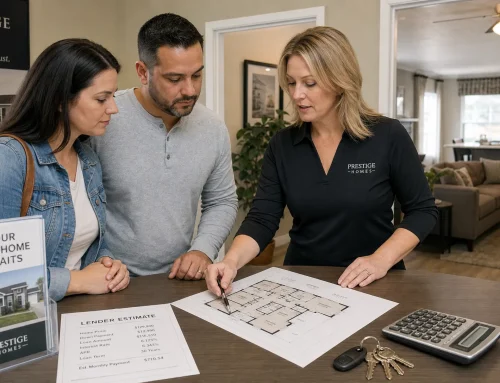
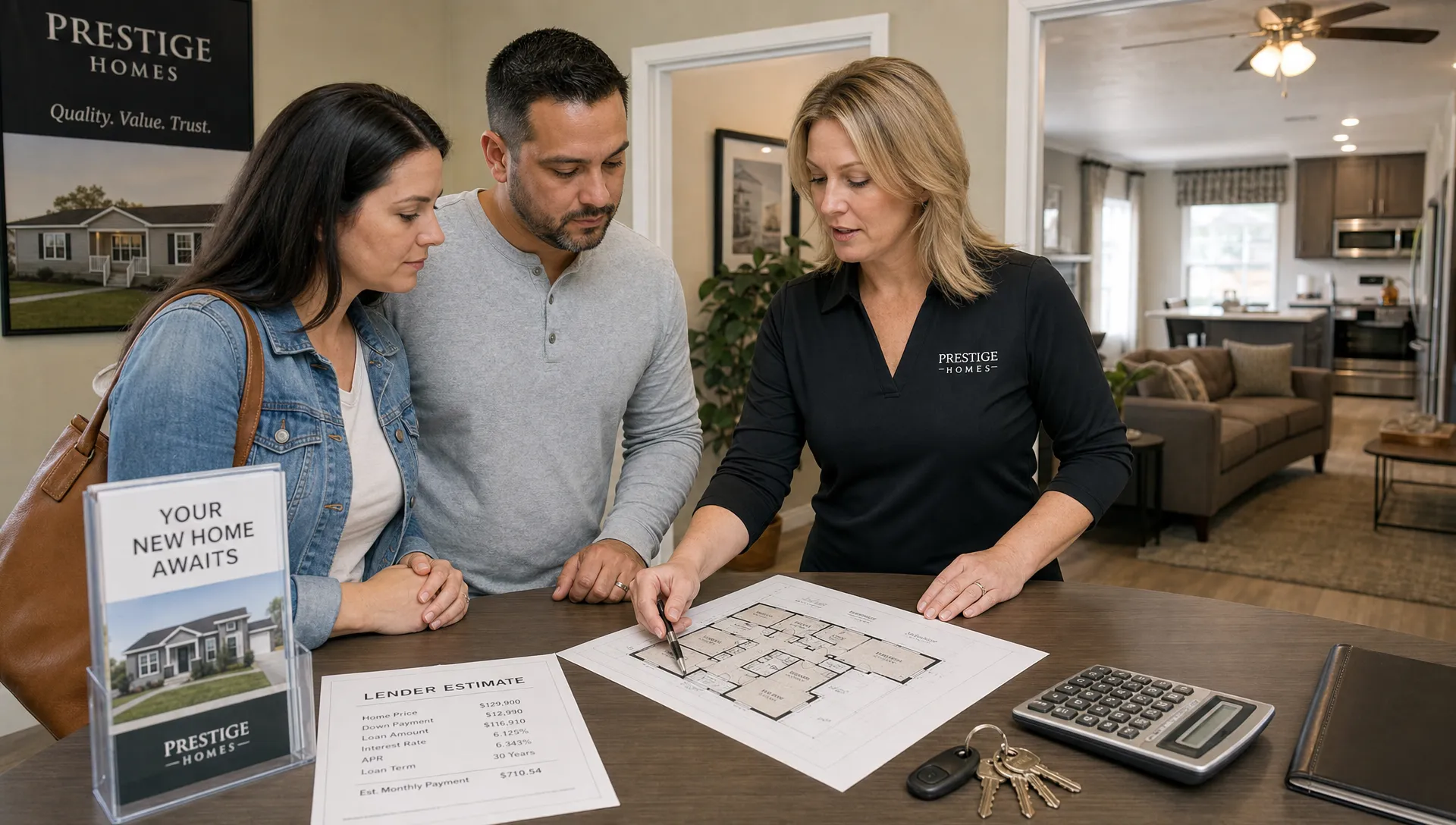
If you want to compare new and move-in ready options side by side, Homes2Go San Antonio can help you narrow down models, review floor plans, and understand financing paths with trusted local lenders.
- Browse guidance on choosing and pricing in the area: Manufactured Homes San Antonio: Options, Prices, and Tips
- Review financing routes: Manufactured home financing
- Explore placement options and communities: Property and community lots near San Antonio
Frequently Asked Questions
Are used mobile homes always cheaper than new? Not always. A used home can have a lower sale price, but repairs, upgrades, and relocation/setup costs can make the total cost higher than expected.
What is the biggest hidden cost when buying a mobile home? Site and setup costs are often underestimated, especially utility connections, pad/foundation work, permits, and (for used homes) relocation.
Can I finance an older mobile home? Sometimes, but options may be limited depending on the home’s age, condition, and documentation. Many lenders have minimum standards, and some homes may not qualify.
Should I buy a mobile home before I choose where it will go? Usually no. Confirm placement rules first, whether that is community approval requirements or land zoning and utilities, then shop for a home that fits those requirements.
Do I need an inspection for a used mobile home? It is strongly recommended. Water intrusion, subfloor damage, and HVAC or electrical issues can be costly, and they are not always obvious during a quick walkthrough.
Ready to compare new and used mobile homes in San Antonio?
If you want help weighing new vs used, estimating the full cost of ownership, and avoiding common buying mistakes, Homes2Go San Antonio can guide you through model selection, financing options, and placement in top home communities.
Explore Homes2Go San Antonio to review available homes and reach out for expert guidance tailored to your budget and timeline.
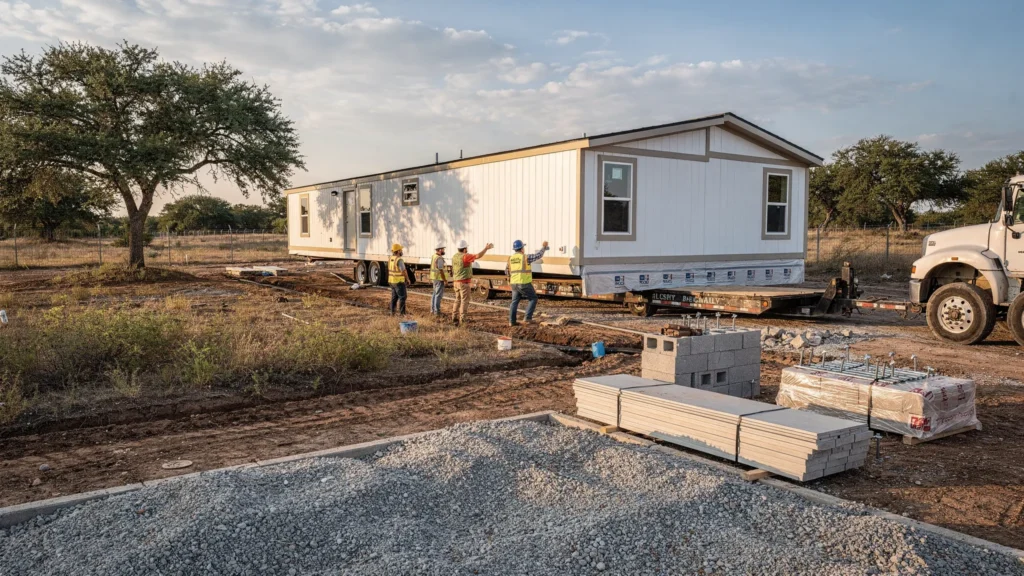 Setting Up a Mobile Home: Site Prep to Final Walkthrough
 Mobile Home Dealership Near Me: 12 Questions to Ask First