
Finding trailer park homes for rent near me can feel like a win when listings are scarce, but a quick walk-through is not enough to protect your wallet, safety, and peace of mind. Manufactured-home rentals can vary wildly by community rules, management quality, and the condition of the home itself. This guide gives you a practical tour checklist plus the red flags that should make you pause, negotiate, or walk away.
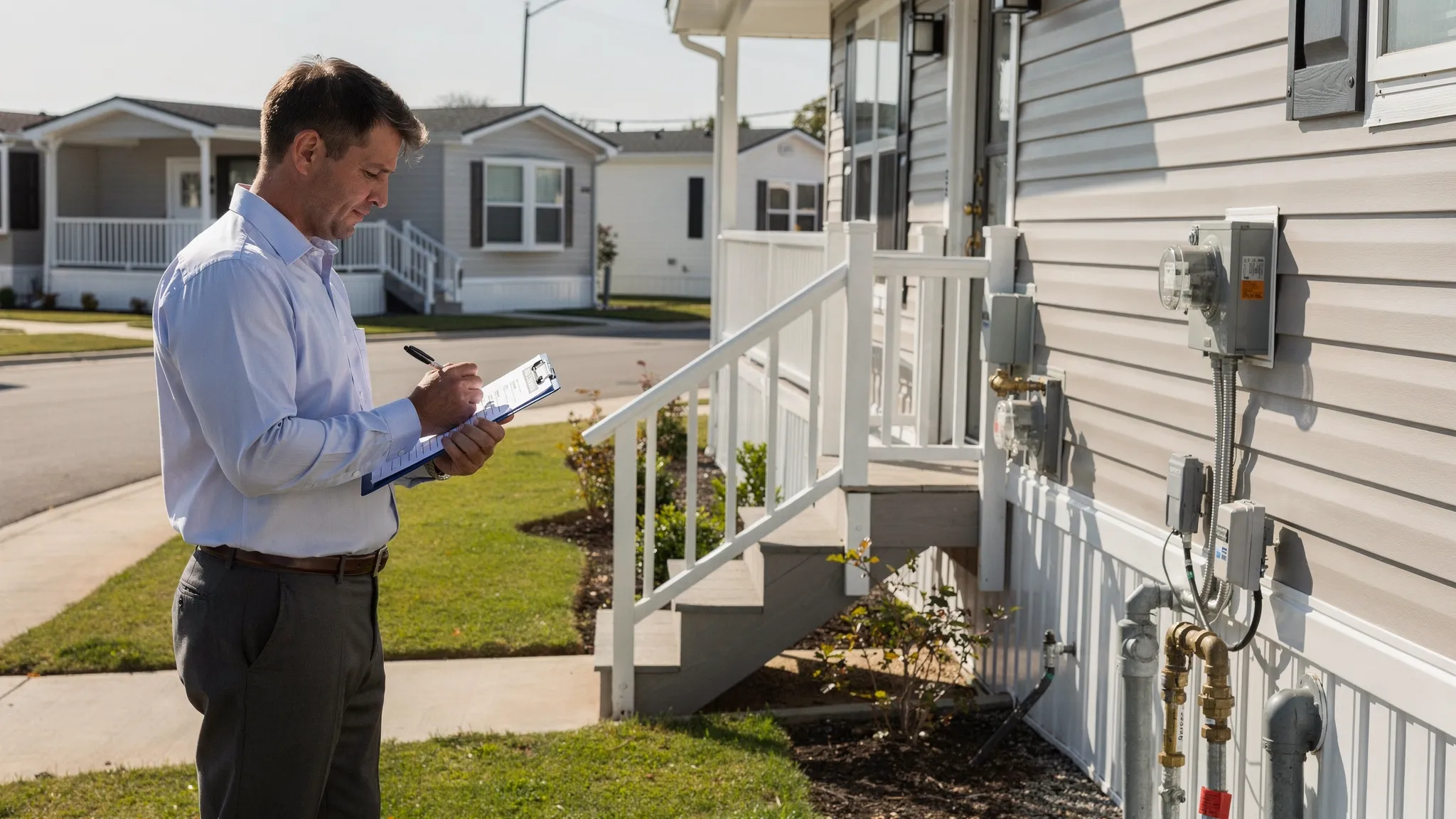
First, know what you are actually renting
In most “trailer park” style communities (often called manufactured home communities or land-lease communities), you may be renting:
- A home owned by the park/management (you rent the home, and the park controls the rules).
- A home owned by a private landlord inside the community (you rent from an individual, but you still must follow community rules).
Before you tour, confirm these basics, because they affect your lease, maintenance responsibilities, and who you call when something breaks.
Clarify these three items on the phone (before you drive over)
- Is the rent for the home only, or home plus lot? Some listings advertise “rent” without clearly stating what utilities or fees are separate.
- Who handles repairs and maintenance? Ask specifically about HVAC, plumbing leaks, appliance replacement, and pest control.
- What are the community rules that apply to renters? Many parks have rules about pets, parking, guest limits, and quiet hours.
If the person can’t answer clearly, treat that as an early warning sign.
What to bring to a tour (so you can verify claims)
A good tour is part inspection, part paperwork review.
Bring:
- A phone charger (you will take photos and video)
- A tape measure (doorways, bedrooms, parking space)
- A small night light or flashlight (under sinks, behind appliances)
- A notepad with your “must-haves” (washer/dryer hookups, pet policy, commute)
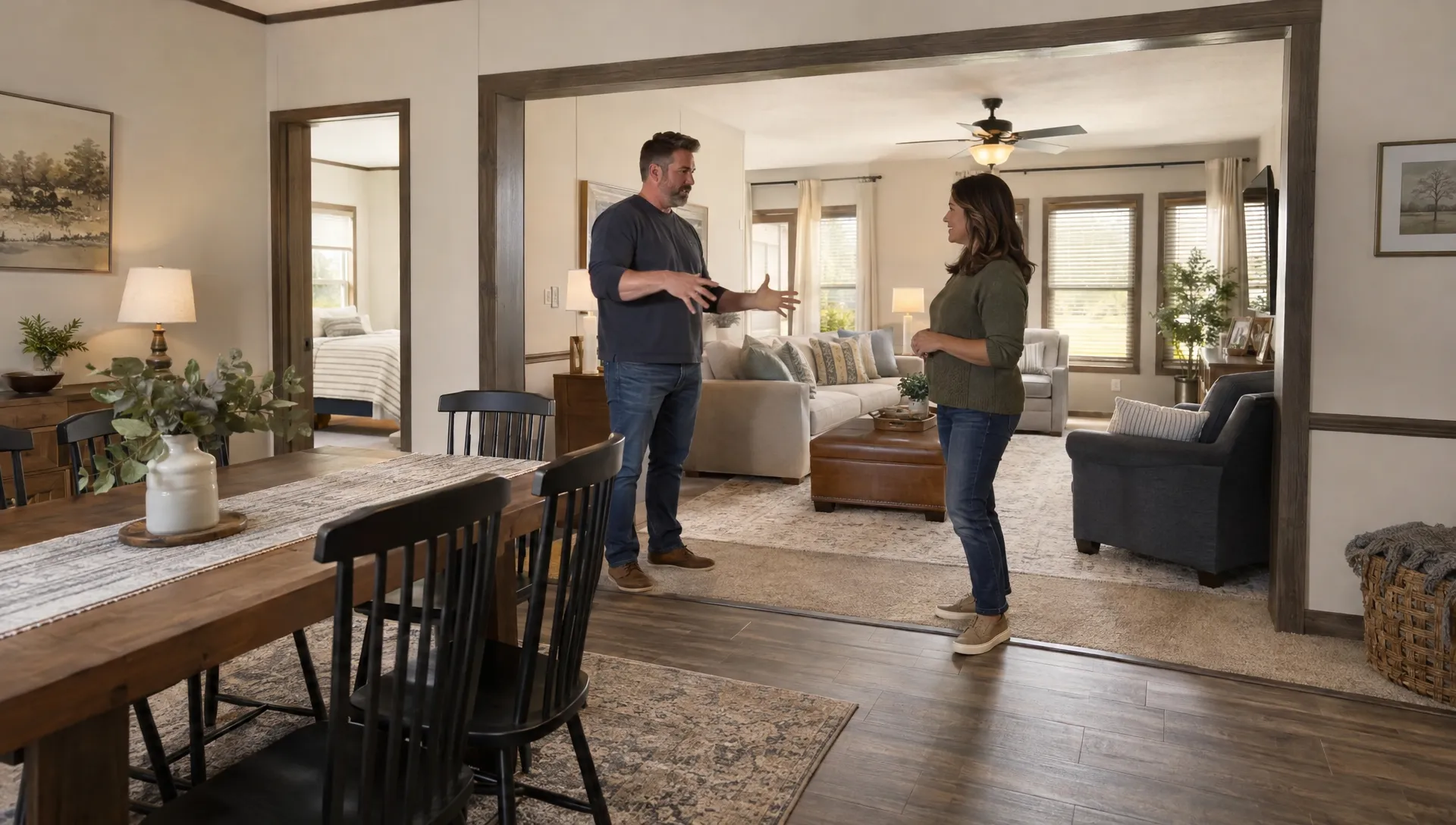
Tip: Record a slow, continuous walk-through video and narrate what you see (date, address, key issues). If you want inspiration for how smooth movement and framing can make a space reviewable later, take a look at the cinematic style showcased by Stories by DJ.
Tour checklist: community, exterior, interior, and paperwork
Use the checklist below in order. It’s designed to catch the most expensive surprises early.
| Tour area | What to check | What “good” looks like | What to note if it’s not good |
|---|---|---|---|
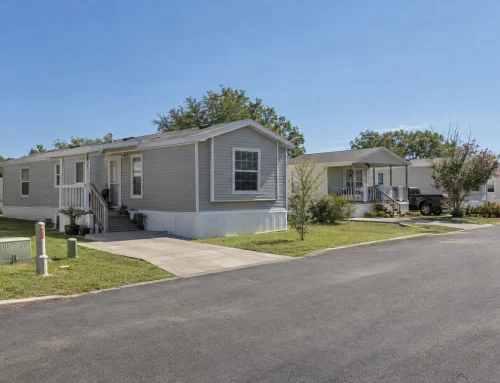
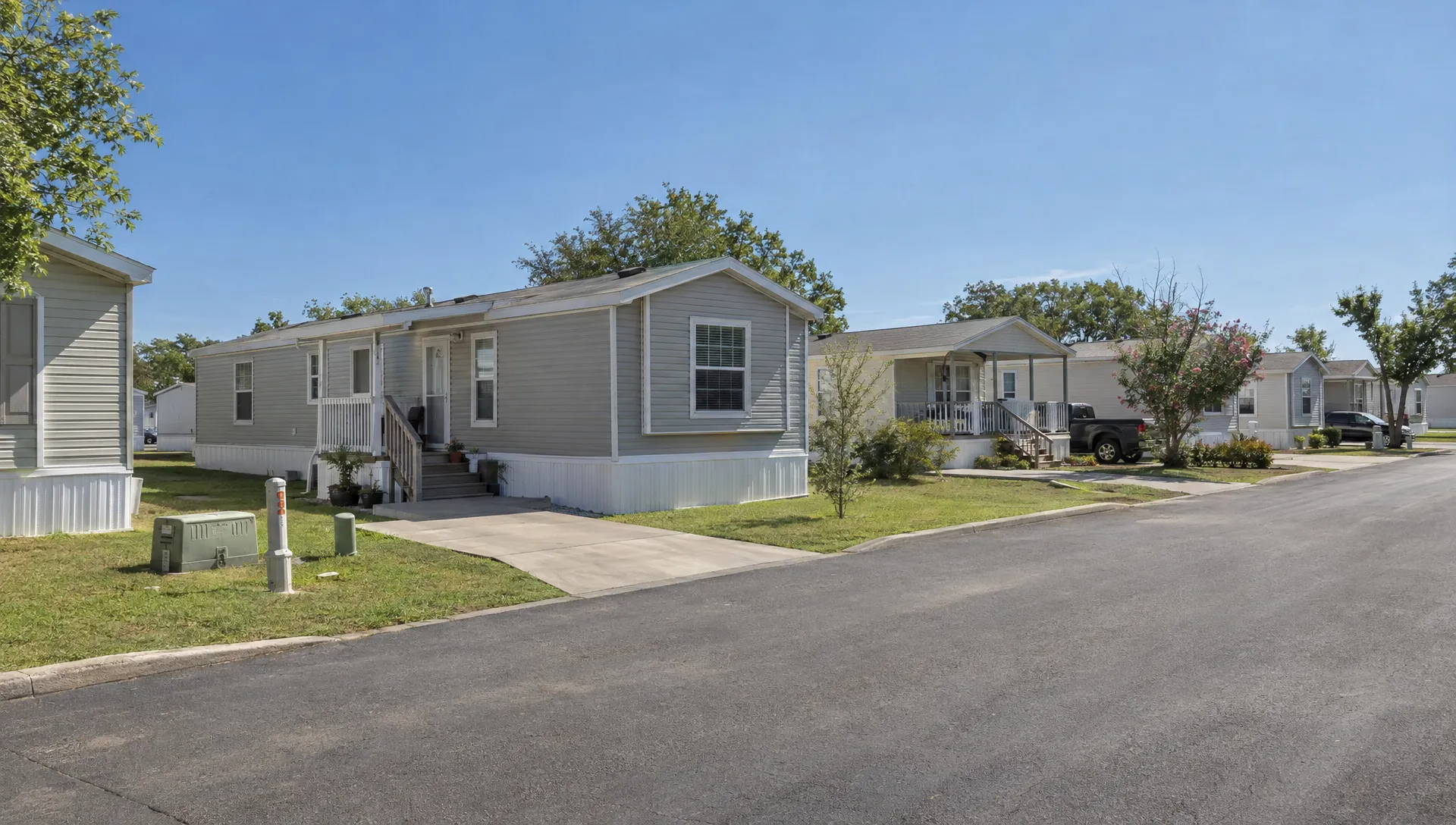
| Community entrance and roads | Road condition, speed bumps, signage, lighting | Clean, well-lit, maintained | Potholes, poor lighting, loose dogs, trash buildup |
| Management and maintenance | How you submit work orders, response times | Clear process, written policies | “Just call this number” with no documented process |
| Parking and guest rules | Assigned spaces, towing policies, visitor parking | Rules are written and reasonable | Aggressive towing, no guest parking, confusing signage |
| Noise and vibe | Listen for highway noise, loud neighbors, barking | Normal residential noise | Constant barking, late-night activity, heavy traffic |
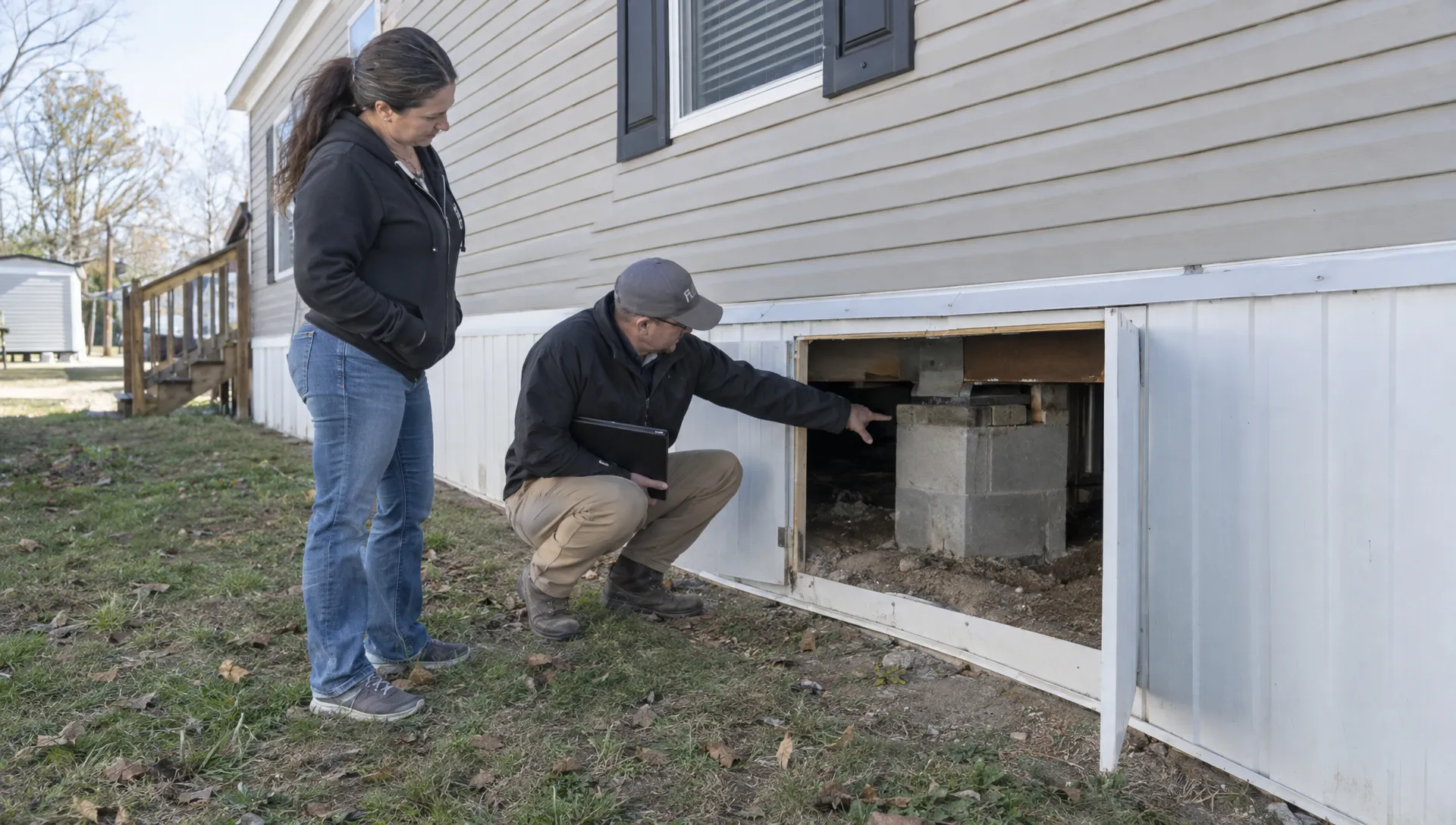
| Drainage and flood clues | Low spots, standing water, drainage channels | No standing water after rain | Water lines on skirting, soggy soil, mosquito-heavy areas |
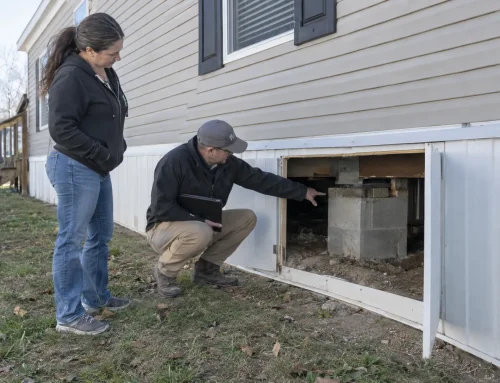
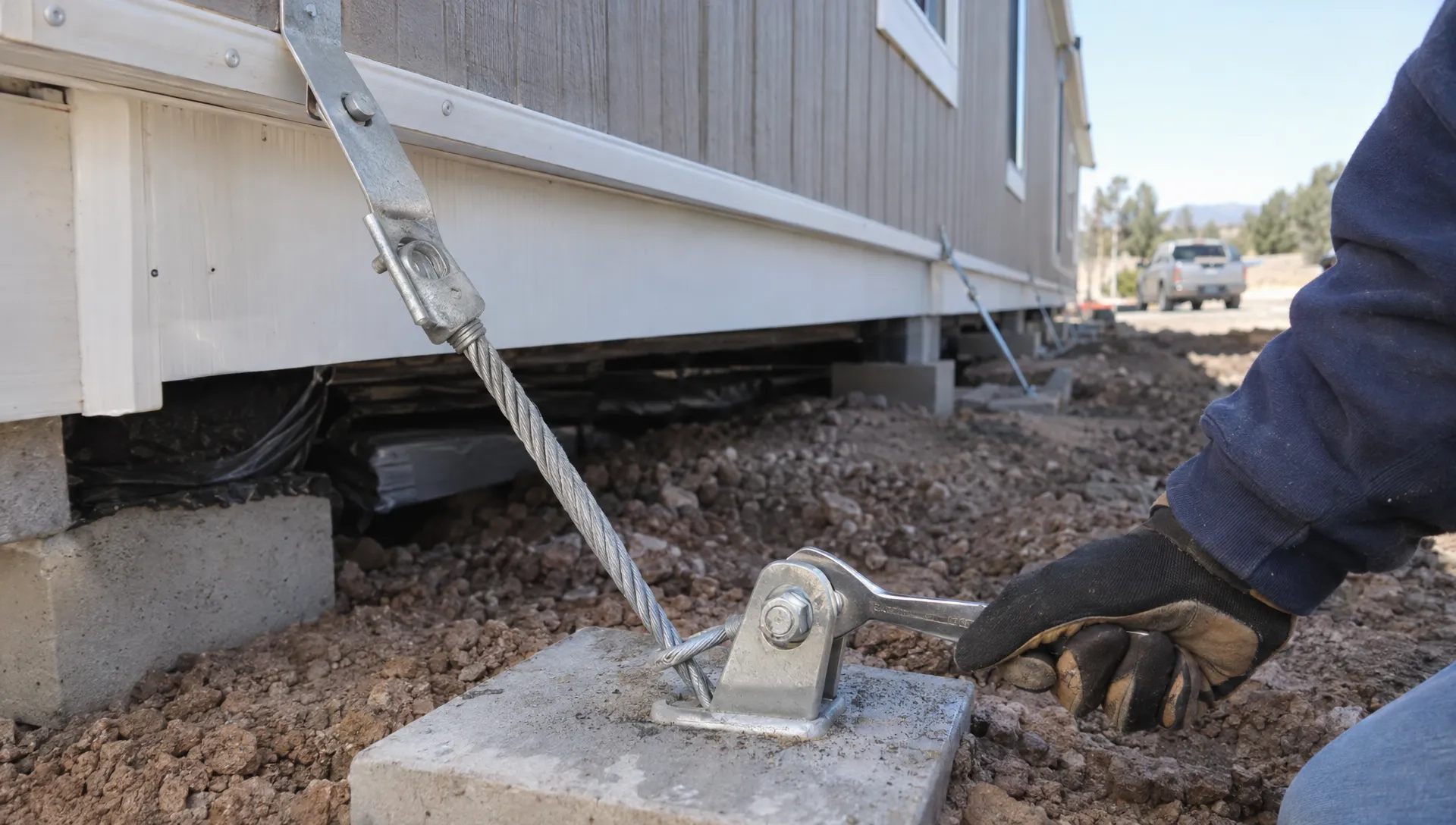
| Home skirting and underside | Gaps, moisture, signs of pests | Skirting intact, vents present | Loose panels, gaps, musty smell, visible droppings |
| Steps, railings, entry | Stability, rot, handrails | Solid steps, safe railings | Wobble, soft wood, missing handrail |
| Roof and gutters (visual) | Sagging, missing shingles/metal issues | No sag, gutters directed away | Stains on siding, bent flashing, active leaks |
| Windows and doors | Drafts, locks, seals | Locks work, seals intact | Sticky windows, broken locks, visible gaps |
| HVAC | Age/condition, air flow, filter access | Strong air flow, clean filter | Rust, weak air, no filter, musty odor |
| Plumbing | Under-sink leaks, water pressure, hot water | No leaks, consistent pressure | Slow drains, stains in cabinets, water heater corrosion |
| Electrical | GFCI in kitchen/bath, outlets and panel condition | Modern breakers, safe outlets | Scorch marks, warm outlets, extension cords used as “fix” |
| Floors and walls | Soft spots, uneven flooring, cracks | Solid, level feel | Bounce, soft subfloor, cracks around doors/windows |
| Appliances and hookups | Test stove burners, fridge seal, W/D connections | Everything works, clean hookups | Missing venting, damaged hoses, nonfunctional appliances |
| Smoke/CO detectors | Presence and placement | Installed and functional | Missing detectors or “we’ll add later” |
| Lease and fees | Rent, deposit, utilities, fees, penalties | Everything in writing | Vague answers, pressure to pay before paperwork |
Red flags that should make you stop and reassess
Not every imperfect home is a dealbreaker, but these issues often signal bigger costs or safety risks.
| Red flag | Why it matters | What to do next |
|---|---|---|
| Soft floors, especially near bathrooms or exterior doors | Often indicates water damage or subfloor rot | Ask for repairs in writing or walk away |
| Persistent musty smell or visible mold-like staining | Moisture problems can be structural and health-related | Request a professional assessment or choose a different home |
| Active leaks under sinks or at the water heater | Leaks can hide ongoing damage and invite pests | Require repair before move-in and re-check after repair |
| “We don’t have the lease ready, but you can pay to hold it” | Pressure tactics and unclear terms lead to disputes | Do not pay until you review the full lease and fee schedule |
| Many broken windows, missing skirting, or unmanaged trash nearby | Often signals poor management and deferred maintenance | Tour at different times and talk to residents |
| Electrical panel looks damaged, outlets are warm, frequent flickering | Fire risk and costly repairs | Ask for an electrician evaluation, do not accept verbal promises |
| HVAC struggles to cool/heat during the tour | Comfort issue and potential high utility bills | Ask about service history and filter changes |
| Rules are not provided in writing | Unwritten rules are hard to dispute and can be enforced unevenly | Request a copy of community rules and addenda |
| Unclear utility responsibility (water/sewer/trash) | Utility bills can change the true monthly cost | Ask for average ranges or recent bills (if available) |
| Manager refuses to explain maintenance responsibilities | Repairs are where rental costs can spike | Get the maintenance clause in writing or pass |
Questions to ask that most renters forget
These questions are especially important for manufactured-home rentals because systems (HVAC, plumbing, subflooring) can be more sensitive to deferred maintenance.
About costs
- What is included in monthly rent? (trash, water, sewer, lawn care, pest control)
- Are there additional community fees? (parking decals, pet fees, mailbox fees)
- What triggers rent increases, and how much notice is required? (ask where it’s stated in the lease)
About maintenance and repairs
- Who replaces the AC if it fails? (and what is the expected response time in summer)
- What counts as an “emergency repair,” and how do you report it after hours?
- Do you require renters to maintain the yard or skirting?
About rules that affect daily life
- Guest policy: How long can someone stay before they must apply?
- Pets: Breed restrictions, weight limits, number of pets, deposit, monthly pet rent.
- Parking and vehicles: Commercial vehicles, motorcycles, boats, or project cars.
If answers change from person to person, assume the strictest interpretation is the one that will be enforced.
Paperwork review: what to read before you sign
A tour is only half the decision. The lease determines your real risk.
Lease terms to scan for immediately
- Total monthly payment (rent plus any required fees)
- Security deposit rules (conditions for deductions, timeline for return)
- Late fees and grace periods
- Maintenance responsibility (what you handle vs what the landlord handles)
- Pest control responsibility
- Rules addendum for the community
- Move-out requirements (carpet cleaning, professional cleaning, notice periods)
For Texas renters, it’s smart to cross-check general tenant rights and repair responsibilities using a government source like the Texas Attorney General’s tenant guidance (not legal advice, but a helpful baseline for what to look for).
Location and safety checks you can do in 10 minutes
If you’re touring in the San Antonio area (or anywhere with heavy rain events), add these quick checks.
Flood and drainage reality check
Manufactured homes can be safe when properly sited and installed, but flood risk is about the land, not the home style.
- Look for low-lying lots and standing water patterns.
- Check the address on the official FEMA Flood Maps.
Signal and service check
- Test cell signal at the home.
- Note how far you are from essentials (grocery, pharmacy, emergency care).
Nighttime conditions
If you can, drive through once after dark.
- Are streets and common areas well-lit?
- Do you feel safe walking from parking to your door?
How to tell if management is competent
You can often predict your experience by how the community handles small things.
Signs of strong management:
- The office provides written rules, fee schedules, and application steps.
- Maintenance requests have a clear process (portal, email, ticket number).
- Common areas look consistently maintained, not just “cleaned up” for tours.
Signs of weak management:
- You hear “that’s not my job” or “we’ll figure it out later.”
- Policies seem to change depending on who you talk to.
- You see repeated deferred maintenance: broken lights, overflowing dumpsters, unrepaired potholes.
If renting feels risky, consider whether buying is a better fit
Some shoppers start with “trailer park homes for rent near me” because they need a fast move-in, but then realize they want:
- Predictable monthly costs
- More control over improvements and upkeep
- A longer-term housing plan
If you’re in the San Antonio area, Homes2Go San Antonio helps buyers explore manufactured homes with modern interiors and energy-efficient options, and can also guide you through financing with trusted local lenders. You can browse the process and options starting with their overview of manufactured homes in San Antonio or learn about financing paths if you’re comparing rent vs buy.
If you already know you want community living, you can also look at their local community development details on the property page to understand what a well-prepped site and utilities should look like.
A simple way to score a rental after the tour
Right after you leave, rate each category from 1 to 5 (don’t wait, details fade fast):
- Home condition (floors, walls, roof clues)
- Mechanical systems (HVAC, plumbing, electrical)
- Safety (locks, lighting, detectors)
- Management clarity (written rules, lease transparency)
- Total monthly cost clarity (fees and utilities)
If any category is a 1 or 2, require a written fix before you commit. If they resist putting it in writing, that is the answer.
Bottom line
A manufactured-home rental can be affordable and comfortable, but only if you tour like an inspector and sign like a skeptic. Use the checklist, verify everything in writing, and trust patterns, not promises. When the home is solid and the rules are clear, you can move in confident instead of hoping for the best.
If you’re weighing rent vs buying in San Antonio, Homes2Go can help you compare realistic monthly costs, home models, and next steps without guesswork. Reach out through Homes2Go SA to start the conversation.
 Zero Energy Ready Homes: What “ZERH” Means for Your Bills
 Trailer Park Homes Near Me for Rent: How to Spot Hidden Fees