
When people search for mobile home lots for rent in San Antonio, they usually have one goal: figure out the real monthly cost before they move a home or buy one. The tricky part is that “lot rent” is only one line item. Utilities, deposits, and community fees can shift the total by hundreds of dollars depending on how the park bills residents.
This guide breaks down what lot rent typically includes, how utilities are handled in San Antonio area communities, and how to estimate a realistic monthly budget (without nasty surprises).
What “mobile home lot rent” means in San Antonio
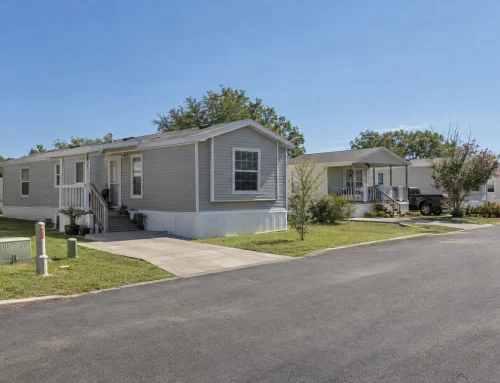
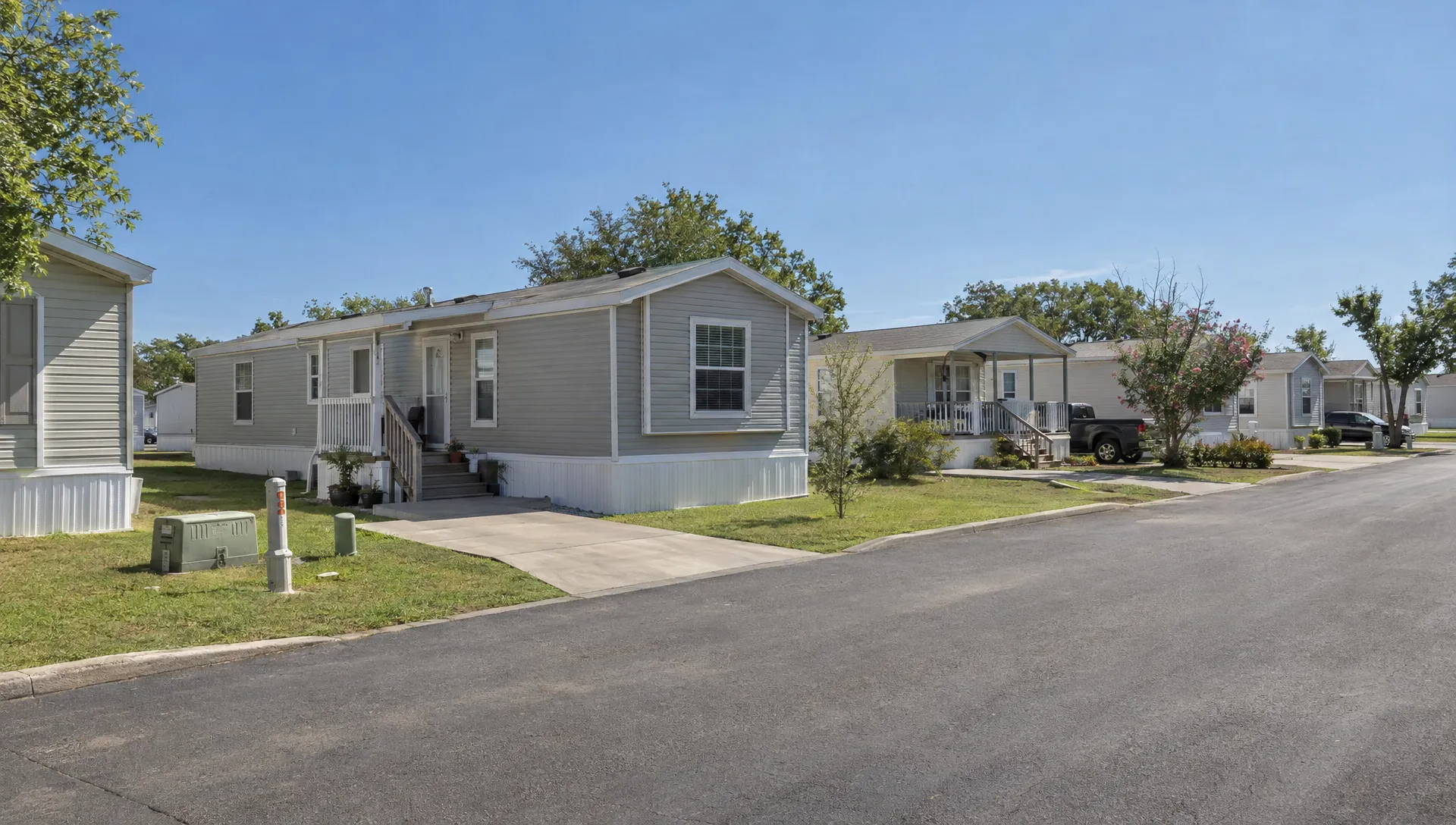
In most cases, a “mobile home lot for rent” in the San Antonio area means a land-lease community (also called a manufactured home community). You rent the homesite (the land), and you either:
- Own your manufactured home and place it on the lot.
- Buy a home in the community (new or pre-owned) and then pay monthly lot rent.
Lot rent is essentially your monthly payment for the right to use the homesite plus whatever services the community bundles into the rent.
Two important notes before you compare prices:
- Lease terms vary. Some communities are month-to-month, others require a longer lease.
- Rules can affect cost. Age restrictions (55+), pet rules, parking policies, and home requirements can change your options and total monthly spend.
Mobile home lots for rent San Antonio: typical cost components
San Antonio lot rent varies by location, community size, amenities, and whether utilities are included. Instead of relying on a single “average,” it is smarter to compare communities using a line-item approach.
Here are the cost categories you will usually see.
1) Monthly lot rent (the base payment)
This is the headline number advertised online or on signage. It may include some utilities or services, or none.
2) Utilities (included, direct-billed, or community-billed)
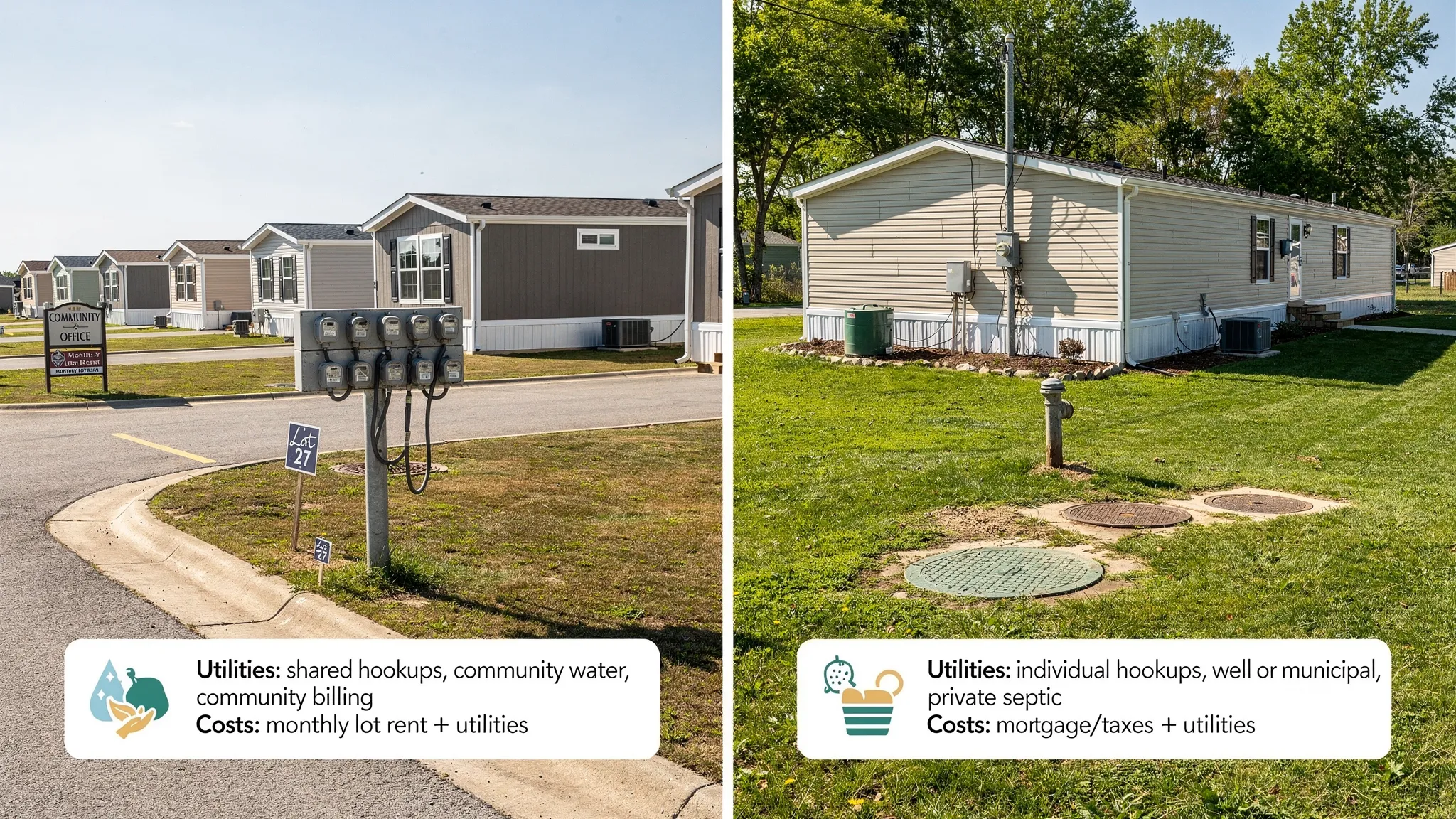
Utilities are where comparisons often break down. In manufactured home communities, utilities might be:
- Direct-billed by the provider (you set up your own account).
- Submetered and billed by the community (the community measures usage and bills you).
- Allocated (for example, water billed using a formula rather than your exact meter).
Texas has specific rules around utility submetering and billing practices. If a community bills utilities, ask how they calculate charges and what fees are added. For background on regulation and consumer protections, you can reference the Public Utility Commission of Texas.
3) One-time move-in and setup costs
Even if the lot is “for rent,” you may have significant one-time costs to place your home on it, such as:
- Application and screening fees
- Security deposit
- Utility deposits (depending on provider and credit)
- Home move/transport and set (if bringing a home in)
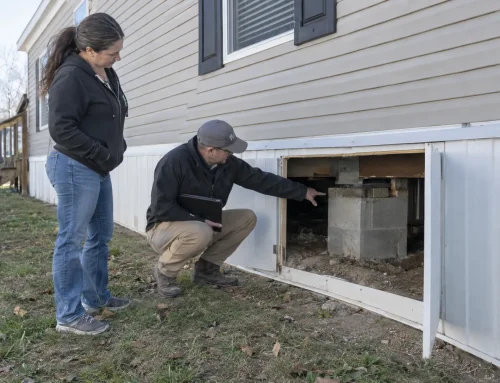
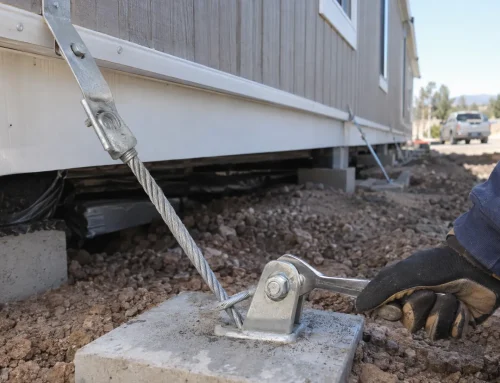
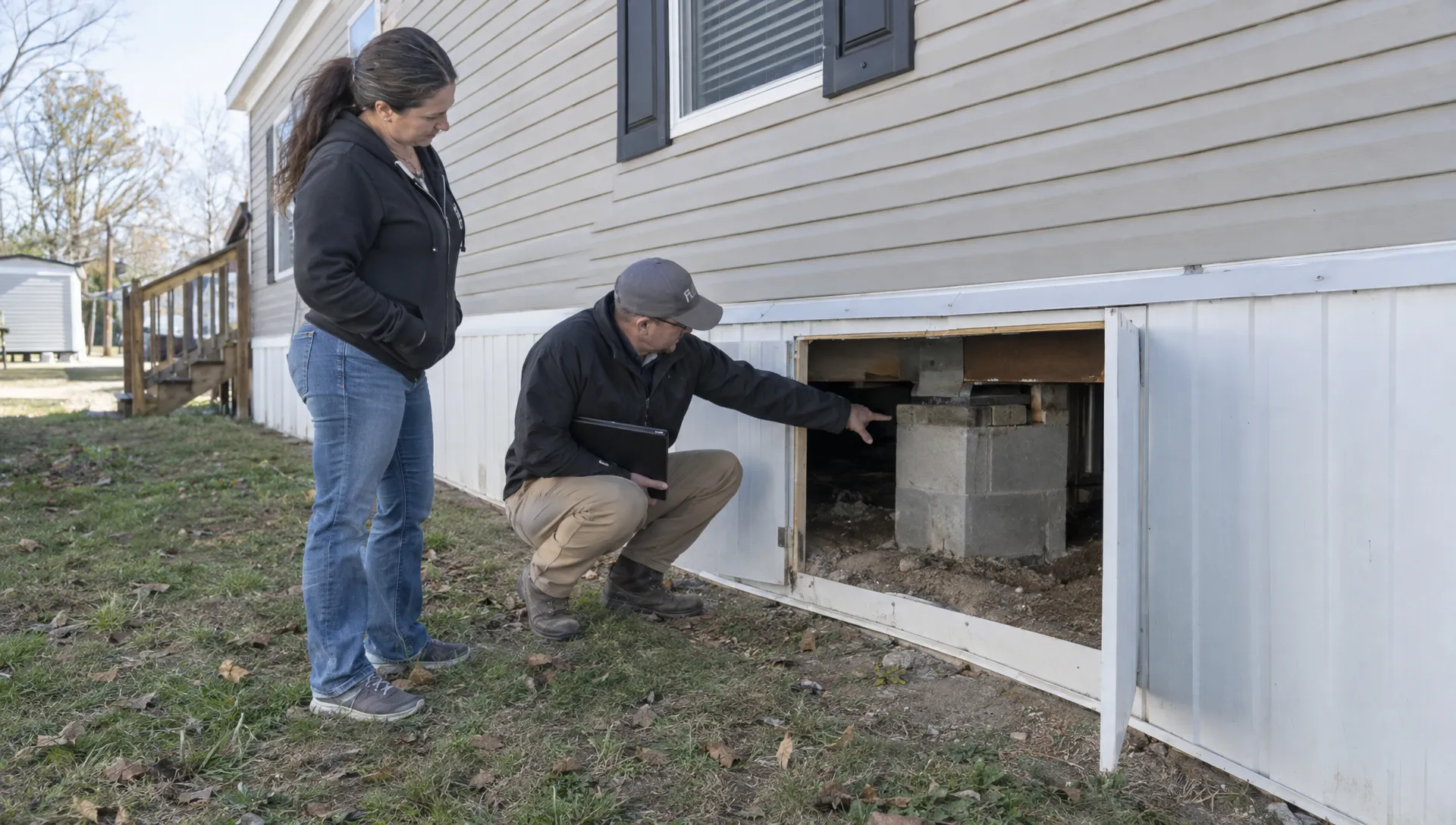
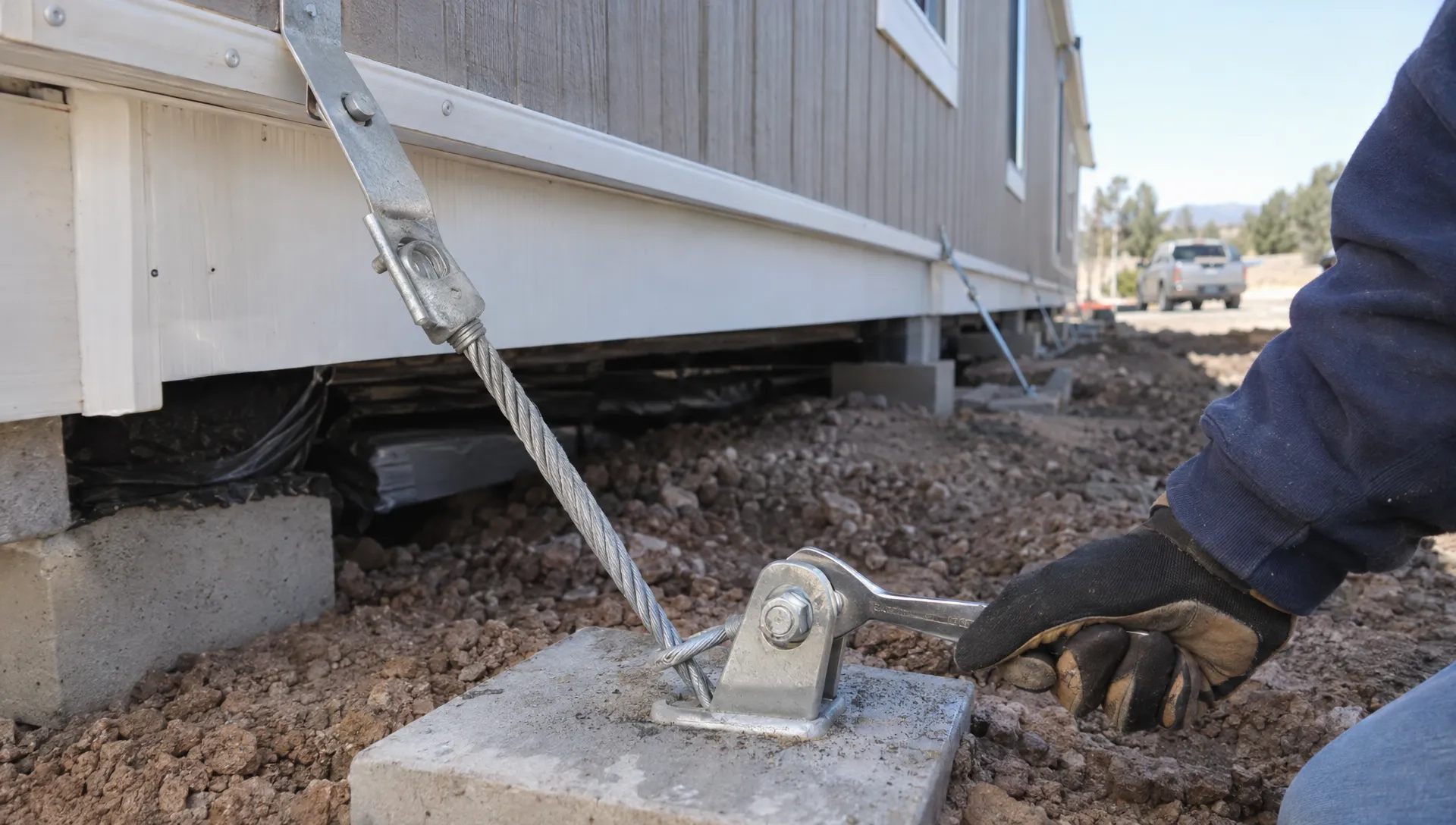
- Skirting, steps, tie-downs, and inspections (varies by site and home)
If you are buying a new manufactured home and placing it on a rented lot, these setup costs can be just as important as the monthly rent.
4) Recurring fees beyond rent and utilities
Common recurring add-ons include:
- Trash service (if not included)
- Pet rent or pet fees
- Parking fees (extra vehicles)
- Storage fees
- Late payment fees
Because these vary widely, the best approach is to request a written fee sheet before applying.
A practical cost checklist (what to confirm up front)
| Cost category | What to ask the community | Why it matters |
|---|---|---|
| Lot rent | What is the current lot rent and how often does it change? | Rent increases can affect long-term affordability. |
| Lease term | Month-to-month or annual lease? | A longer lease may offer stability, month-to-month offers flexibility. |
| Deposits | Security deposit amount and refund terms | Impacts move-in cash needed. |
| Application/screening | Total application fees and approval criteria | Avoid paying multiple fees without knowing requirements. |
| Pets/parking | Monthly pet rent, breed restrictions, guest/extra vehicle rules | These can add up fast and can block approval. |
| Home requirements | HUD label, size/age limits, exterior standards | Determines if your home can be placed there. |
Utilities in San Antonio mobile home communities: what you are really paying for
Utilities are the most misunderstood part of renting a mobile home lot. Two communities with the same base lot rent can have very different total monthly costs depending on how utilities are billed.
Electricity
In the San Antonio region, electricity service may be through municipal or cooperative providers (for example, CPS Energy in much of San Antonio proper) or other providers depending on the exact location.
Budget tip: Even if you cannot predict usage perfectly, you can ground your estimate using credible, public benchmarks. The U.S. Energy Information Administration publishes Texas residential electricity price data that can help you sanity-check your expected rate. See EIA electricity data.
What to ask:
- Is electricity direct-billed to me by the utility, or billed by the community?
- If billed by the community, is it submetered? Are there base fees, admin fees, or late fees?
- Are there any restrictions on HVAC type or outdoor equipment that could affect efficiency?
Water and sewer (or septic)
Water is often billed one of three ways:
- Included in lot rent (less common in larger communities)
- Direct-billed by the water utility
- Community-billed through submeters or allocation
Sewer may be municipal sewer, or the lot may connect to a septic system managed by the community (which can come with a separate monthly charge).
What to ask:
- Is water billed on your exact usage, or allocated (for example, per person)?
- Is sewer included, billed separately, or part of a combined water/sewer bill?
- Are there additional fees (base charges, account fees, service fees)?
Trash service
Trash is commonly included, but not always. If it is separate, find out:
- Who the provider is
- Pickup schedule
- Whether there are extra charges for bulk items
Natural gas or propane
Many manufactured homes are all-electric, but some use natural gas or propane for heating or cooking.
What to ask:
- Is the home required to be all-electric?
- If propane is used, are there restrictions on tank placement and who can service it?
Internet and cable
Internet availability can vary significantly by community. Even if a neighborhood has fast options, some parks have limited providers.
What to ask:
- Which providers service the community?
- Are residents allowed to install satellite or fixed wireless equipment?
Utility billing methods at a glance
| Utility billing method | How it works | What to watch for |
|---|---|---|
| Included | Utility cost bundled into lot rent | Rent may be higher, usage rules may apply. |
| Direct-billed | You set up an account with the utility | Deposits can apply, but billing is transparent. |
| Submetered/community-billed | Community measures usage and bills you | Ask about admin fees, rate basis, dispute process. |
| Allocated | Charges calculated using a formula | Clarify the formula and whether it can change. |
How to estimate your total monthly cost (a simple budgeting framework)
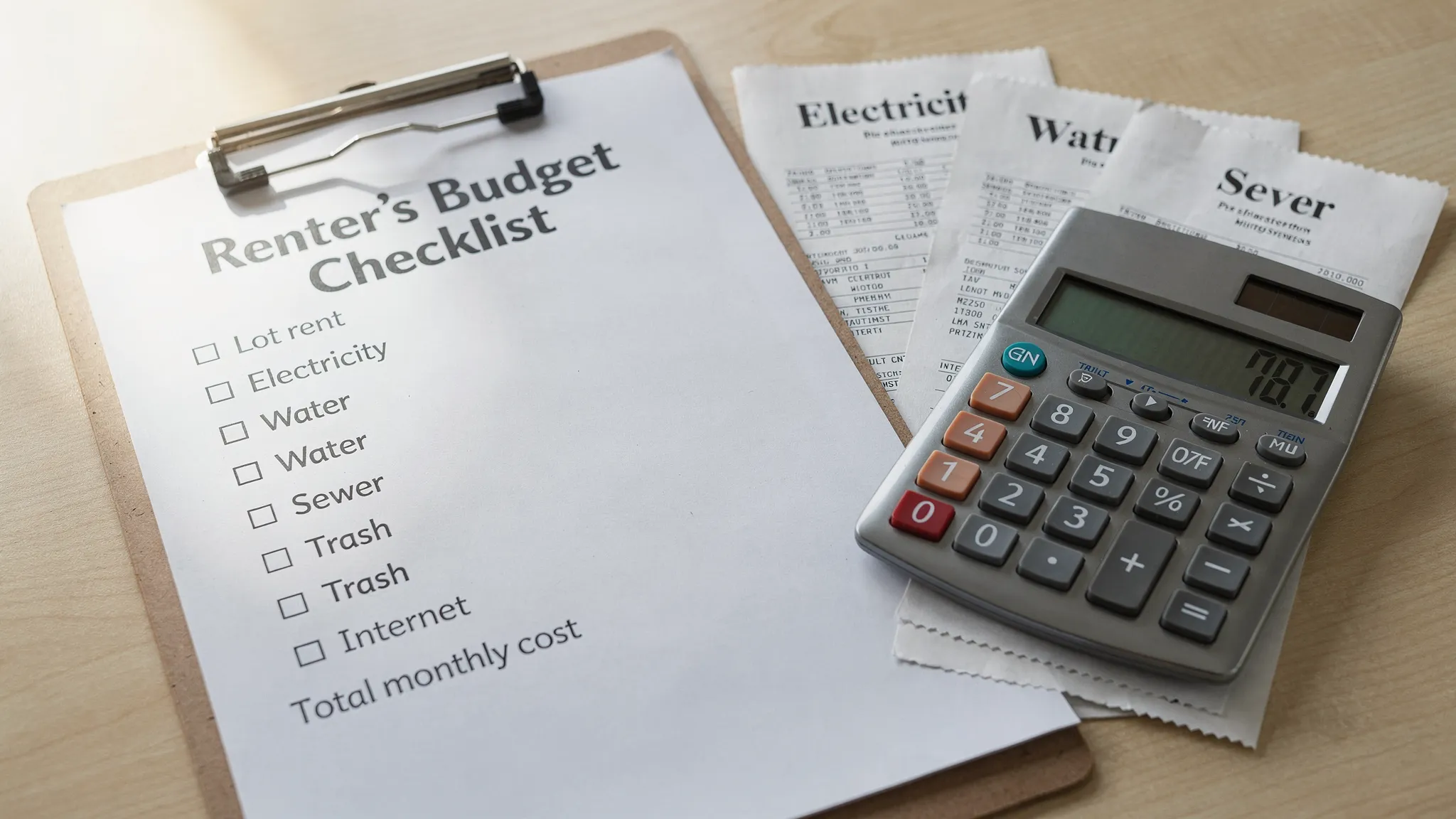
Instead of asking, “What is the average lot rent?” ask, “What will my all-in monthly housing cost be?”
Start with:
- Lot rent
- Electricity
- Water/sewer
- Trash (if separate)
- Any recurring community fees (pets, parking)
Then add a buffer for seasonal swings. In South Texas, electricity bills often rise in peak heat months.
Here is a planning table you can use to structure your estimate (fill in numbers after you get the community’s fee sheet and utility method).
| Monthly item | Your estimate | Notes to confirm |
|---|---|---|
| Lot rent | Ask what is included. | |
| Electricity | Direct-billed or community-billed? Any admin fees? | |
| Water | Submetered or allocated? Base charges? | |
| Sewer/septic | Separate line item or bundled with water? | |
| Trash | Included? If not, monthly cost? | |
| Pet rent/fees | Monthly amount and pet limits. | |
| Parking/storage | Extra vehicles, boats, trailers. | |
| Total (estimated) | Compare this total across communities. |
If you are moving a home into a rented lot, also plan for up-front cash needs (deposits, application fees, and any installation-related costs required by the community).
Questions to ask before you rent a mobile home lot in San Antonio
A quick phone call can save you weeks of frustration. These are the questions that most directly impact total cost and approval.
- What is the total move-in cost (application, deposits, first month rent, utility deposits)?
- What utilities are included, and which are billed separately?
- If utilities are community-billed, are they submetered or allocated?
- Can you show me a sample monthly statement (with rent and utilities) with personal details removed?
- Are there any required add-ons (trash fee, septic fee, admin fee)?
- Are there home age/size requirements or exterior standards?
- Do you require a specific skirting type, tie-down standard, or driveway configuration?
- What is the rent increase policy, and how much notice is given?
How to keep utility costs lower in a manufactured home
Even when you cannot control the utility rate, you can often reduce usage. In San Antonio’s climate, the biggest lever is usually cooling efficiency.
High-impact improvements typically include:
- Choosing a home with strong insulation and efficient windows
- Making sure ductwork is sealed and the HVAC system is sized correctly
- Using smart thermostat schedules and replacing filters consistently
- Ensuring proper skirting and sealing to reduce air leakage
If you are still choosing a home, energy features can materially affect comfort and monthly bills. Homes2Go San Antonio has a practical overview of what to look for in energy-efficient manufactured homes in Texas heat.
Renting a lot vs buying land: when each option makes sense
Many buyers start with a rented lot because it is faster and often requires less cash up front than buying land. Others prefer land ownership for control and long-term stability.
A rented lot can make sense if you:
- Want a community setting and shared rules (and sometimes amenities)
- Prefer a simpler path to utilities and site readiness
- Want flexibility to relocate later
Buying land (or a land and home package) can make sense if you:
- Want control over your property and long-term costs
- Plan to stay in one place for many years
- Want to avoid rent increases tied to community policy
If you are weighing both paths, Homes2Go’s guide to land and home packages in San Antonio explains how bundled land-home financing and site work typically works in this region.
How Homes2Go San Antonio can help you line up the lot, utilities, and financing
Finding mobile home lots for rent in San Antonio is only half the job. You also need a home that the community will approve, a realistic monthly budget that includes utilities, and a financing plan if you are purchasing a home.
Homes2Go San Antonio helps buyers navigate the full process, from selecting a manufactured home model to understanding community requirements and financing options. If you are comparing lots and want help thinking through the numbers, start with their overview of manufactured home financing and then talk with a housing consultant about the communities and utility setups you are considering.
 Mobile Home Parks in San Antonio TX: Best Areas to Compare
 Affordable Mobile Homes for Rent: Real Monthly Cost Breakdown