
If you’re shopping manufactured housing in San Antonio, “Cavco Homes” tends to come up quickly, and for good reason. Cavco is one of the larger U.S. builders of HUD Code manufactured homes, with a long track record, multiple home brands, and a broad range of floor plans that fit everything from first-time buyers to multi-generational households.
This guide breaks down what to look for in Cavco Homes features, how to compare floor plans (beyond just bedroom count), and how to evaluate value in a way that matches your land, financing, and long-term living costs.
What “Cavco Homes” means (and why it matters)
Cavco Industries is a major manufactured housing company in the United States, building homes across multiple brands and facilities. In practical terms, that scale can matter to buyers because it often translates to:
- More floor plan variety
- Established quality control processes
- More standardized option packages (which can simplify shopping)
- A broad service ecosystem (retailers, transport/installation partners, and in some cases related finance/insurance offerings through affiliates)
You can learn more about the company directly from Cavco Industries (especially helpful if you want background before you tour models).
Important note: specific models, features, and availability vary by region, plant, and retailer inventory. Always confirm what’s included in writing on the exact home you’re buying.
Core features to look for in Cavco manufactured homes
Most buyers don’t regret choosing a home with the “right” layout, but they do regret missing details like insulation levels, window packages, HVAC sizing, or storage. When comparing Cavco Homes, focus on features in four buckets: build standards, comfort/efficiency, interior function, and long-term durability.
1) HUD Code construction and the data plate
Most Cavco manufactured homes are built to the federal HUD Code (the national building standard for manufactured housing). The HUD Code sets requirements for structural design, fire safety, energy-related performance, transportation, and installation readiness.
What to do as a buyer:
- Ask to see the HUD data plate (usually inside a kitchen cabinet door, utility room, or primary bedroom closet).
- Confirm the wind zone and thermal zone that the home is built for.
For background on HUD Code basics, see the HUD Manufactured Housing Program.
2) Energy-efficiency options that impact monthly cost
In South Texas, comfort and cost often come down to how the home handles heat. Many manufactured homes can be ordered with upgraded efficiency packages, but the details matter.
When comparing Cavco Homes, ask what is included for:
- Insulation levels (walls, roof/ceiling, and floor)
- Window type (single vs double pane, low-E coatings)
- Air sealing details (duct sealing, envelope sealing)
- HVAC efficiency and duct design
If you want a Texas-specific checklist that focuses on real cooling savings, see Homes2Go’s guide: Energy-efficient manufactured homes (Texas heat).
3) Modern interior packages (what actually changes day-to-day)
“Modern interiors” can mean a lot of things. The most useful upgrades are the ones you feel daily.
Common interior features buyers prioritize include:
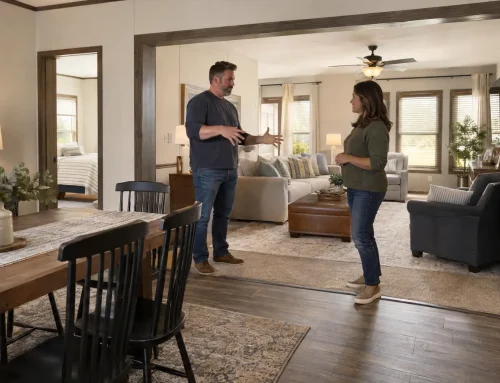
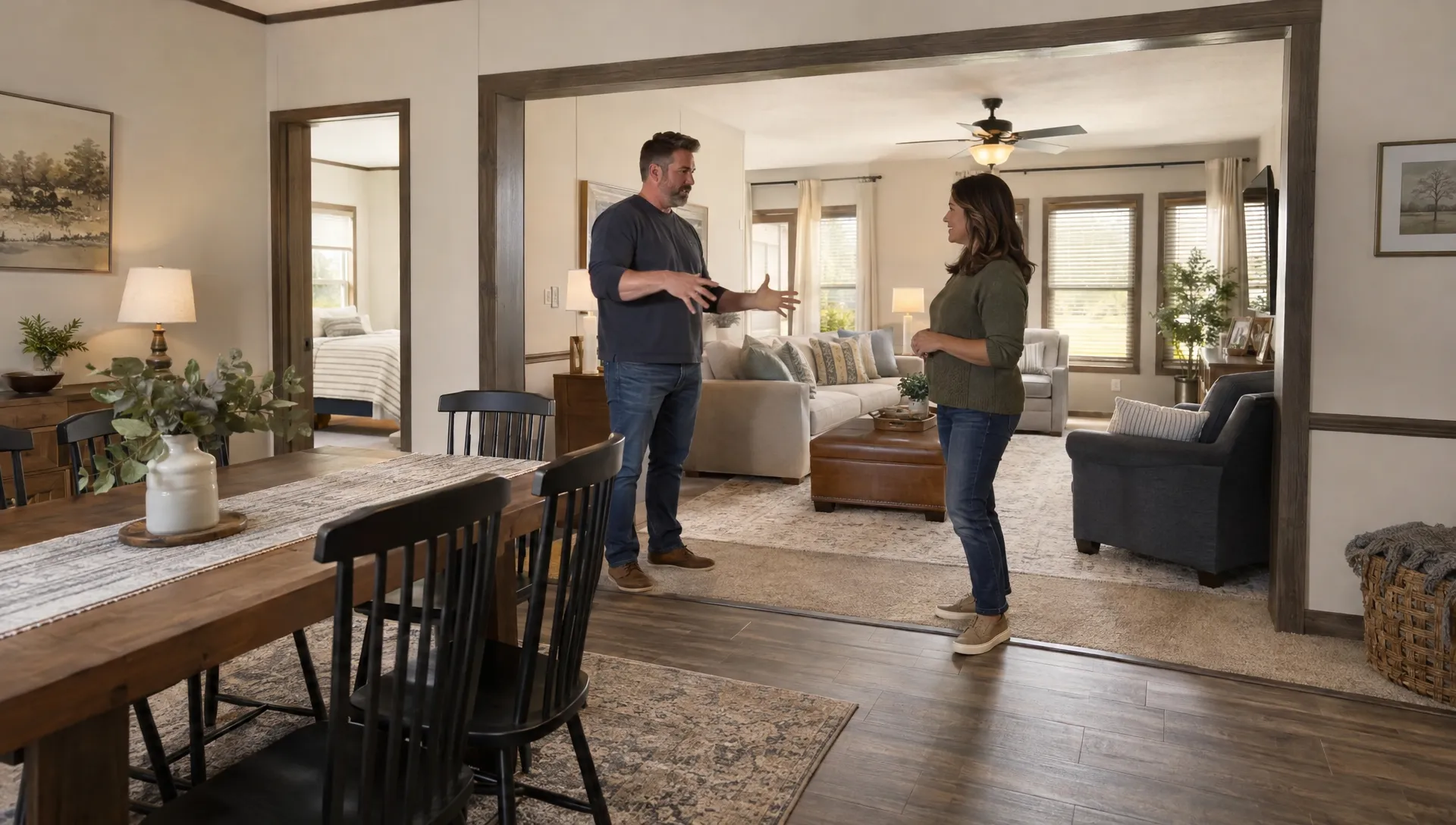
- Open-concept kitchen and living space (better flow, more flexible furniture layouts)
- Dedicated utility/laundry room (especially for families)
- Pantry and cabinet storage depth (not just cabinet count)
- Primary bath shower size and linen storage
- Door widths and hallway clearance (useful for accessibility and aging-in-place planning)
4) Durability details that protect value
A manufactured home’s long-term “feel” often comes down to small build choices.
Ask your retailer to walk you through:
- Roof material options and roof pitch
- Siding options and maintenance needs
- Subfloor and flooring material choices
- Ventilation in baths and kitchen
- Warranty terms (what’s covered and for how long)
Because warranty coverage varies by model and option package, rely on the written warranty documents for the specific home you’re buying.
Cavco floor plans: how to pick the right layout (not just the biggest)
Floor plans are where Cavco Homes can really shine because a strong builder typically offers multiple layouts across common sizes. Instead of starting with “How many bedrooms?”, start with “How do we live?”
Here’s a practical way to compare floor plans.
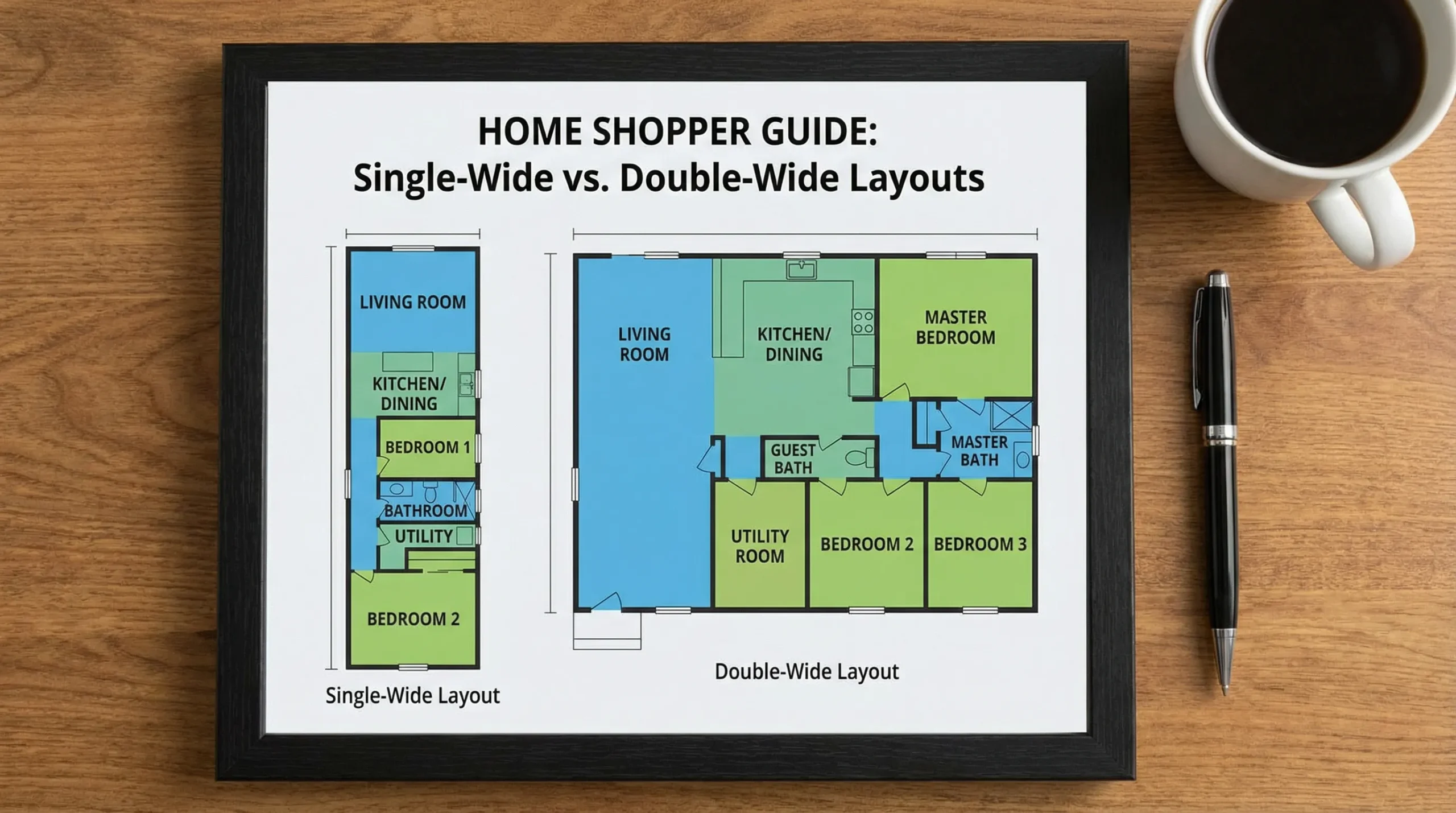
Single-wide: best for affordability and smaller sites
Single-wide homes can be a strong value when you want a lower total payment or you’re placing the home on a tighter site.
What to watch for:
- Hallway width and bedroom size (some layouts feel “tight” while others feel surprisingly open)
- Kitchen work triangle and pantry space
- Storage (coat closets, linen closets, and bedroom closets)
Double-wide: the sweet spot for most families
Double-wide layouts often give you the biggest lifestyle improvement per dollar because they add width where it matters: living area, kitchen, and bedroom separation.
What to watch for:
- Bedroom placement (split-bedroom plans can add privacy)
- Sightlines from the kitchen (helpful for families)
- Utility room placement (near entry can be great for muddy shoes and backpacks)
Triple-wide or larger multi-section: space for multi-generational living
Larger multi-section homes can make sense if you need two living areas, a true home office, or extra separation for guests.
What to watch for:
- Where the “quiet zone” is (bedrooms) vs “loud zone” (living and kitchen)
- Second living area usefulness (not just a formal room you never use)
- Furniture planning for long walls and traffic flow
Layout features that typically add resale and livability
Across sizes, certain layout patterns tend to hold value because they match how people live today:
- Split-bedroom primary suite
- Kitchen island or strong prep space
- Walk-in pantry (or at least a deep pantry wall)
- Dedicated laundry/utility room
- Entry drop zone (bench, hooks, storage)
Floor plan comparison table: quick way to narrow choices
Use this table to match floor plan type to your priorities before you tour homes.
| Floor plan style | Best for | What to check before you commit |
|---|---|---|
| Single-wide | Lowest payment, smaller homesites, second home | Storage, hallway feel, kitchen workspace, bedroom sizes |
| Double-wide | Most families, balanced space and budget | Bedroom separation, living room width, laundry placement |
| Larger multi-section | Multi-gen living, home office needs, “two living areas” | Quiet vs loud zones, bath count and placement, furniture fit |
| Split-bedroom plan | Privacy for primary suite | Distance from living room and kitchen noise |
| Open-concept plan | Entertaining, flexible living space | Where dining goes, wall space for TV/furniture, acoustics |
What “value” means with Cavco Homes (and how to measure it)
Value is not just the sales price. For manufactured homes, value is usually a mix of:
- How well the home fits your land or community rules
- What it costs to install and connect utilities
- Your monthly energy costs
- Financing terms (rate, term, down payment, and fees)
- How well the layout will work in 3 to 10 years
A simple value checklist you can use on every tour
Bring these questions when you compare Cavco Homes floor plans and option packages:
| Value factor | What to ask | Why it matters |
|---|---|---|
| Thermal package | What insulation and window package is included? | Impacts comfort and monthly electric bills |
| HVAC | What system is included and how is ducting routed/sealed? | Helps prevent hot spots and humidity issues |
| Fit and finish | What flooring, cabinet, and countertop options are included vs upgraded? | Affects durability and replacement costs |
| Storage | Where are the closets, pantry, and linen storage? | Prevents “we outgrew this in a year” regret |
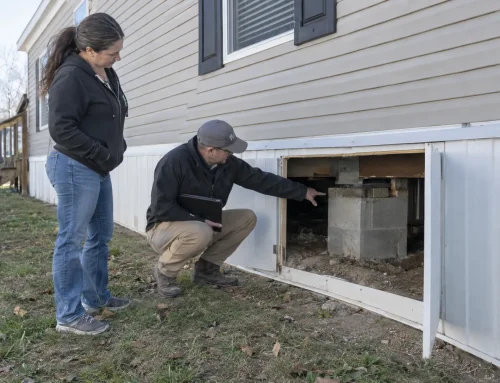
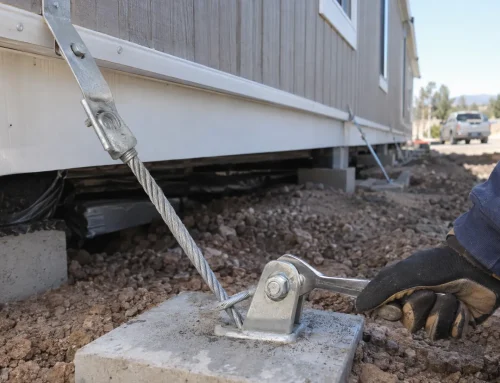
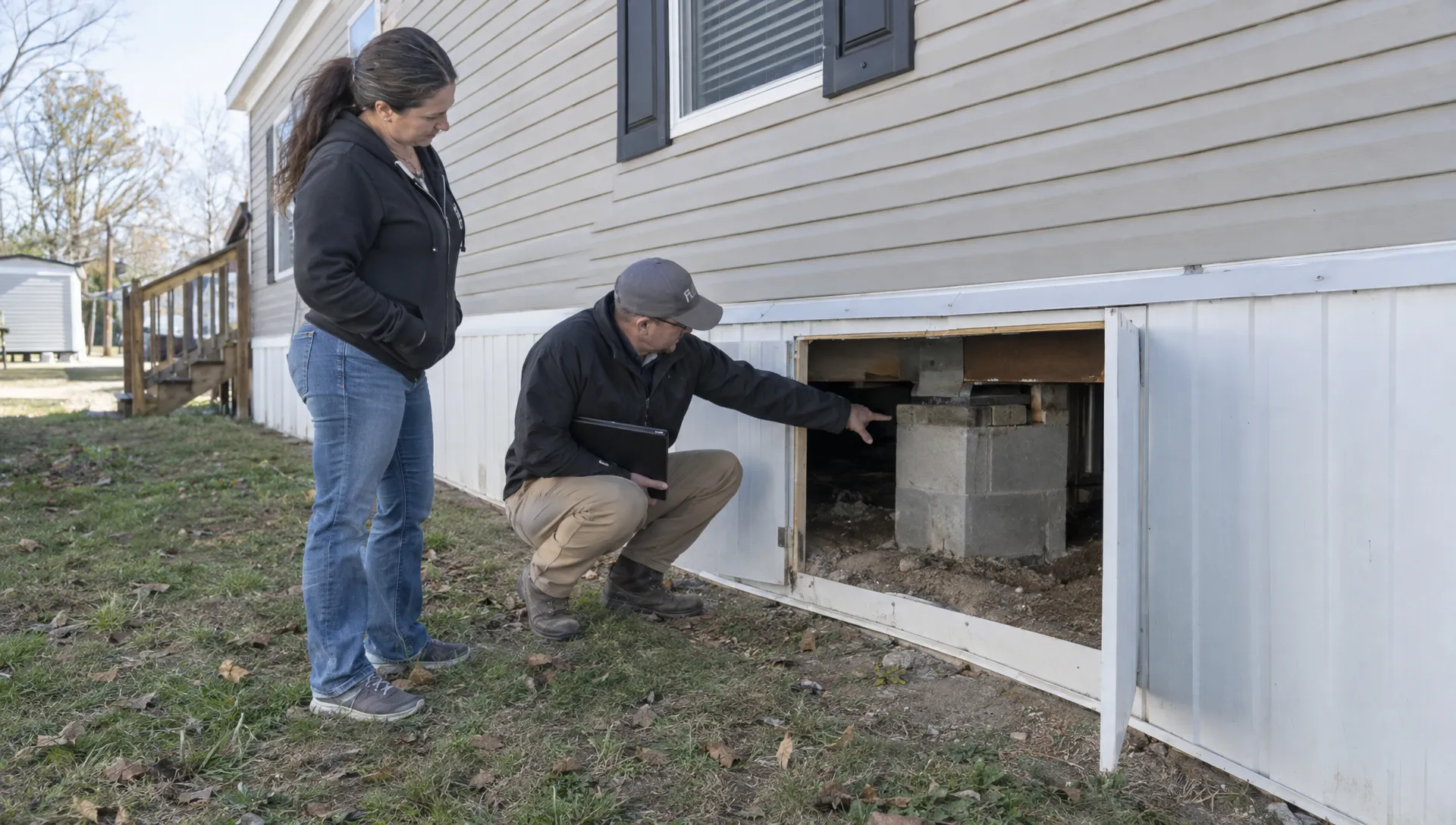
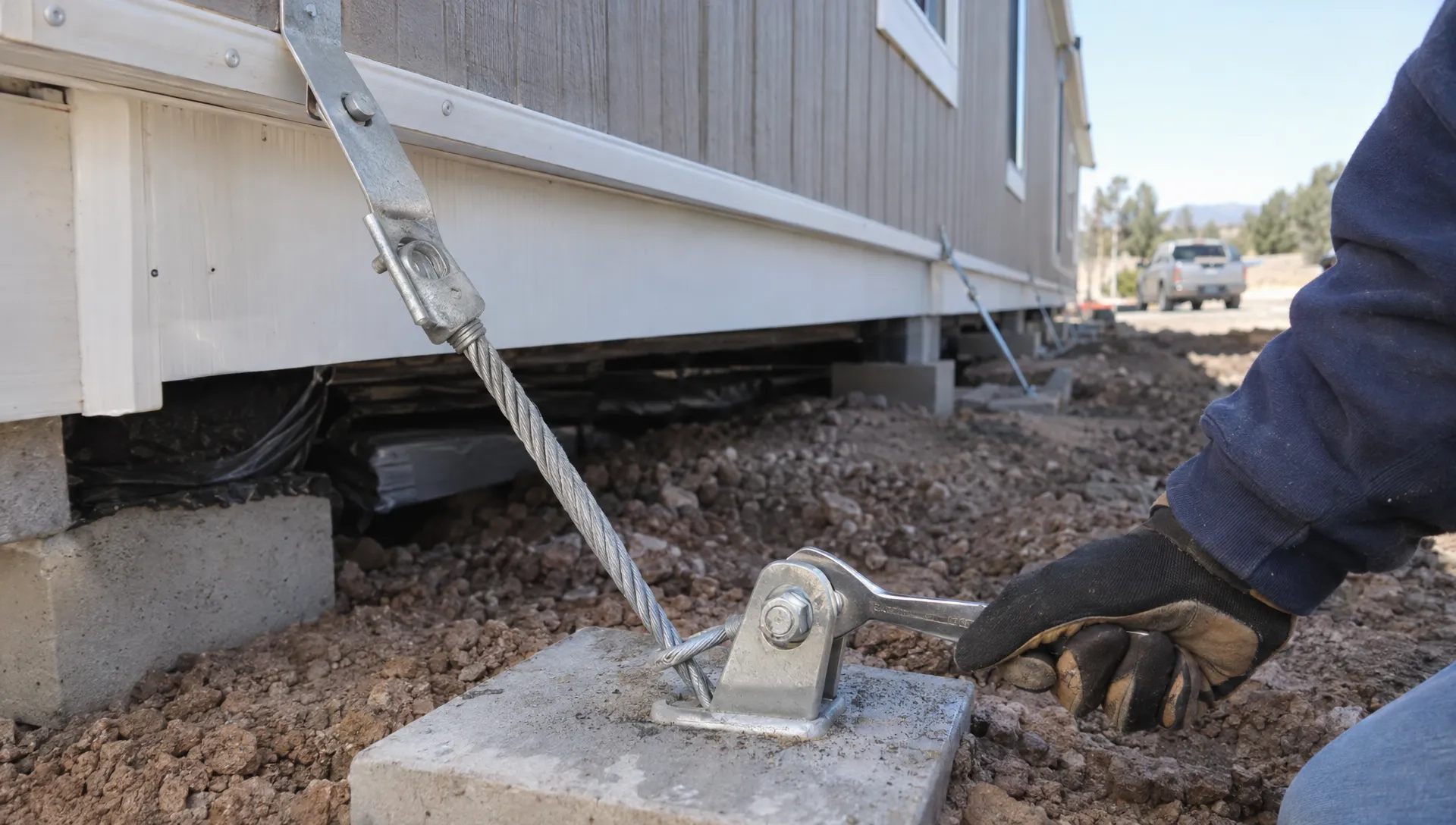
| Installation needs | What foundation type, steps, skirting, and tie-downs are required for my site? | Installation can be a major cost driver |
| Warranty | What is covered and for how long on this specific home? | Sets expectations and reduces surprises |
San Antonio considerations: land, communities, and installation
In the San Antonio area, your home choice and your site choice influence each other. A floor plan that feels perfect on a sales lot can become inconvenient if your homesite has driveway constraints, utility trenching needs, or floodplain considerations.
Two common paths:
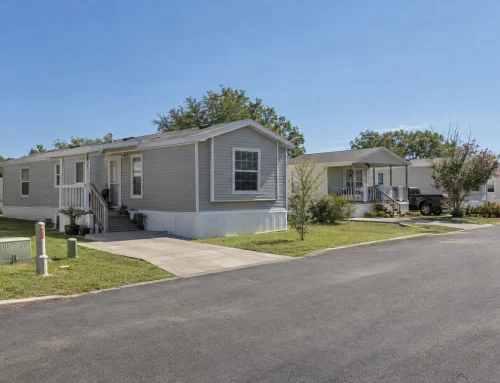
Placing a Cavco home in a land-lease community
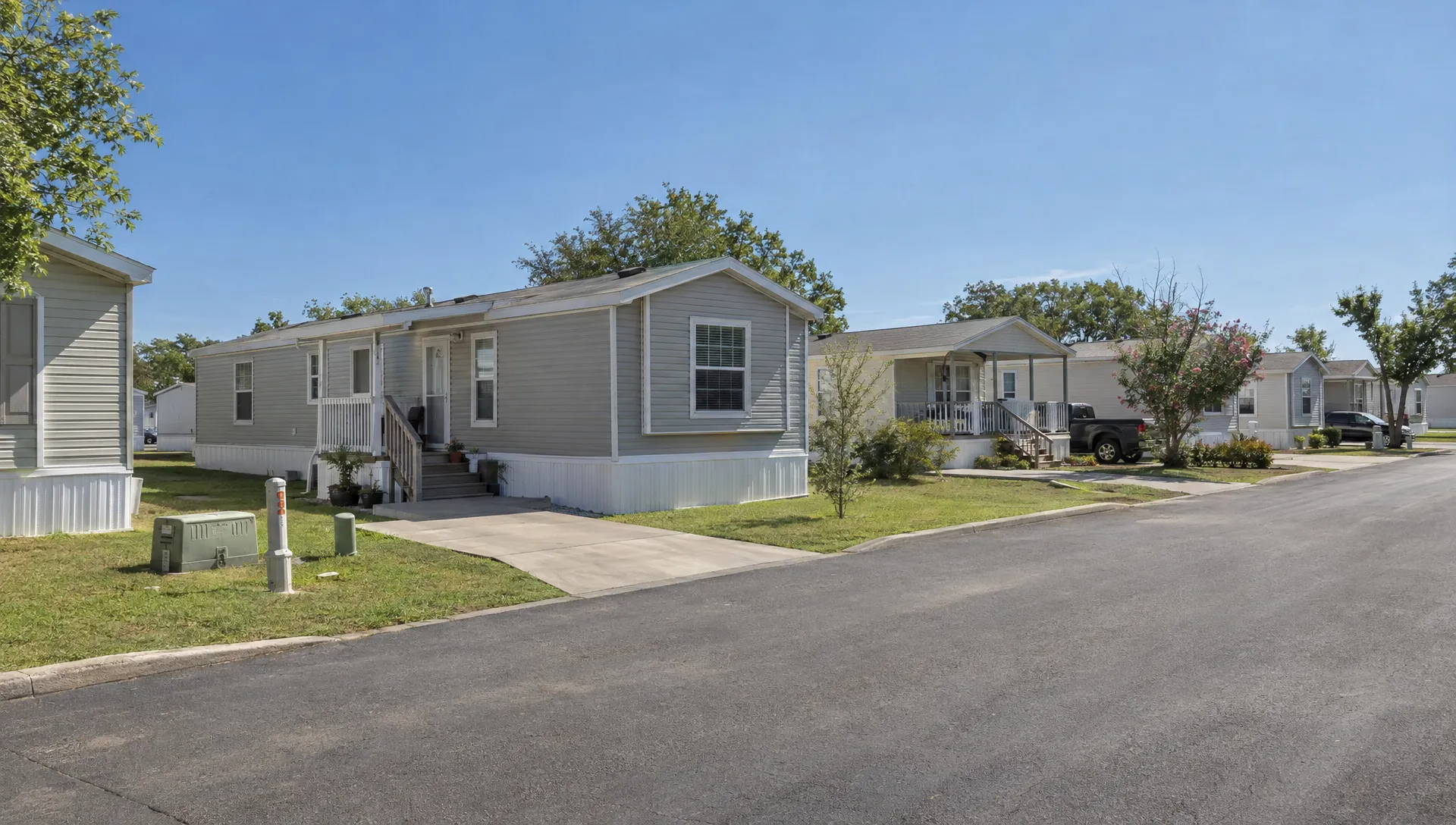
This is often the fastest route to move-in because utilities and pads are already established, and community rules can be clearer upfront.
What to confirm early:
- Allowed home sizes and roof pitch requirements
- Exterior finish requirements (siding, skirting, steps)
- Parking rules and driveway fit
- Pet rules and any age restrictions (55+ vs all-age)
If you’re comparing neighborhoods and park styles, Homes2Go’s roundup can help: Best mobile home parks in San Antonio.
Placing a Cavco home on private land (or via a land-and-home package)
Private land can offer long-term flexibility, but it adds steps: site prep, permits, utility connections, and coordinating delivery and set.
If you want the full, local step-by-step, start here: Land-and-home packages in San Antonio (complete guide).
Financing Cavco Homes: what changes your payment the most
Many shoppers focus on the home model first, then financing. In reality, your financing path can influence what makes sense: home type, land choice, and even option packages.
In manufactured housing, common financing routes include:
- Chattel loans (often used when the home is in a community or not titled as real property)
- Conventional, FHA, VA, or USDA options (more common when the home is on land and structured as real property, depending on eligibility)
Homes2Go outlines these options in plain English here: Manufactured home financing.
If you’re still early in the process, this broader local overview can help you avoid expensive missteps: Mobile homes in San Antonio: a quick buyer guide.
What to ask when touring a Cavco home (to avoid surprises later)
A model home can look flawless, but your final home may differ based on what’s standard vs optional. Keep your questions specific and tied to documents.
Focus on:
- What is the exact model name/number and the included standard specification sheet?
- Which options are shown in the model that may not be included in the base price?
- What is the estimated timeline from order to delivery and from delivery to move-in (site-dependent)?
- What site work is included in your quote vs handled separately?
- What are your electrical service requirements and utility connection assumptions?
For a broader picture of cost components and local rules, see: Manufactured homes in San Antonio: options, prices, tips.
Frequently Asked Questions
Are Cavco Homes good quality? Cavco is one of the larger U.S. manufactured home builders, and many buyers consider it a reputable option. Quality still depends on the specific model, option package, and installation, so review the spec sheet, warranty, and setup plan carefully.
Do Cavco Homes come with energy-efficient features? Many manufactured homes can be ordered with efficiency upgrades (insulation, windows, HVAC). What’s included varies by home and region, so ask for the exact thermal and window package on the home you’re buying.
What Cavco floor plan is best for a family? Many families prefer a double-wide, often with a split-bedroom layout and a dedicated utility room. The “best” plan depends on your storage needs, daily routines, and whether you want separation between bedrooms and living areas.
Can I put a Cavco manufactured home on my own land in San Antonio? Often yes, but it depends on your specific property, zoning/permits, utility access, and site conditions. A land-and-home package can simplify the process by coordinating land, financing, and installation.
What financing can I use for a Cavco manufactured home? Options may include chattel loans and, in some cases, mortgage-style financing (conventional, FHA, VA, USDA) depending on the home, land, and eligibility. It’s best to compare lenders and match the loan type to your placement plan.
See Cavco Homes floor plans with a local San Antonio team
If you’re comparing Cavco Homes features and floor plans and want help translating specs into real monthly costs, Homes2Go San Antonio can guide you through model selection, community or land placement, and financing paths.
Explore your options at Homes2Go San Antonio or start with financing guidance here: Manufactured home financing.
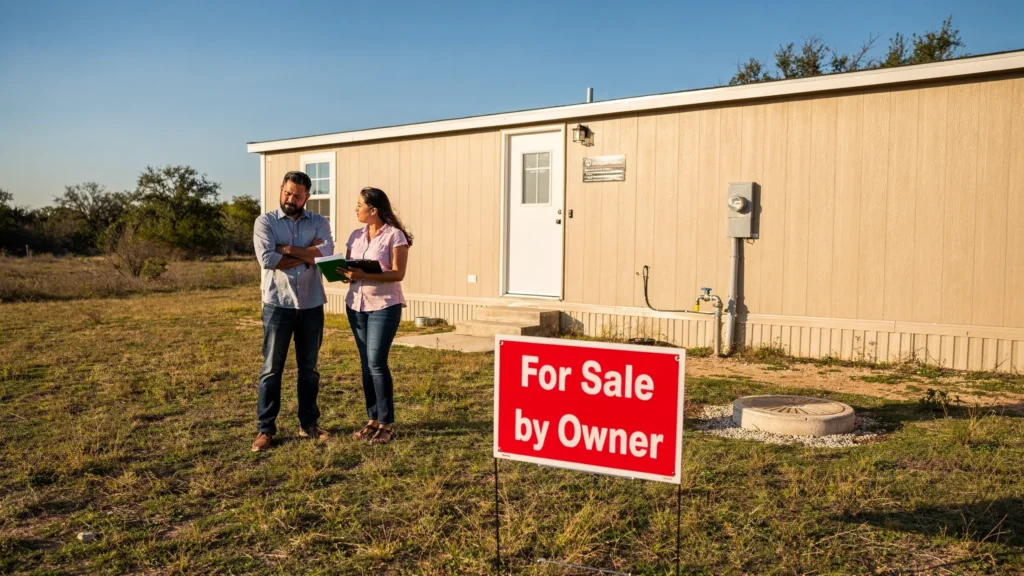 Mobile Homes for Sale by Owner With Land: Deal Checklist
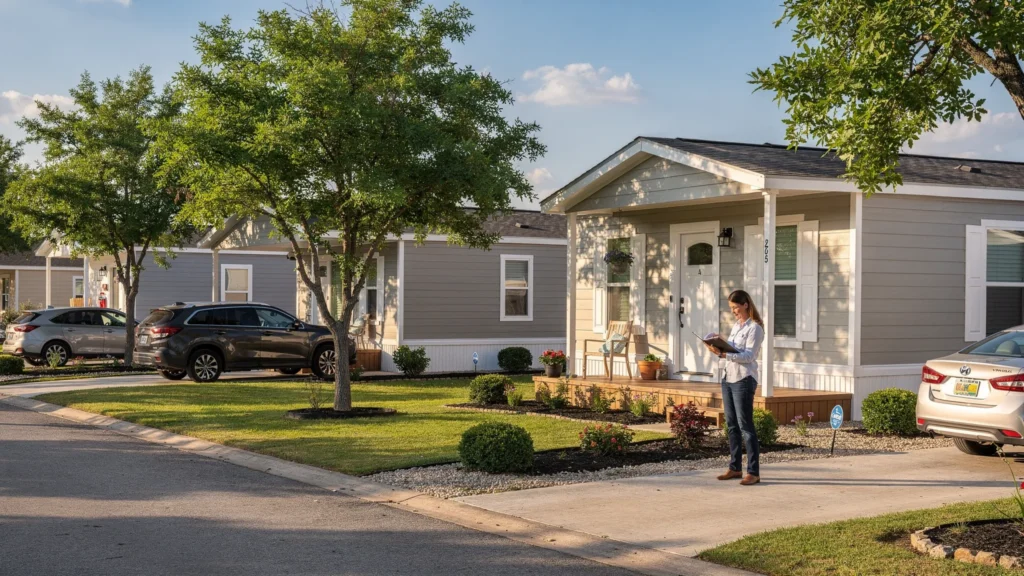 Manufactured Homes for Rent San Antonio: Where to Look