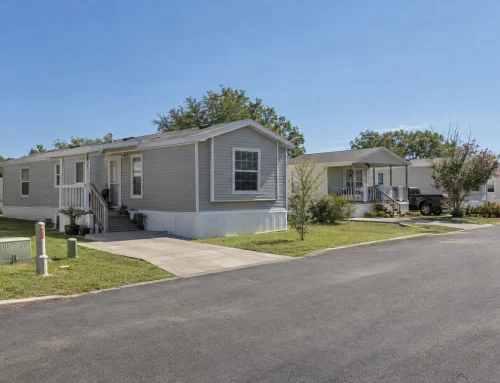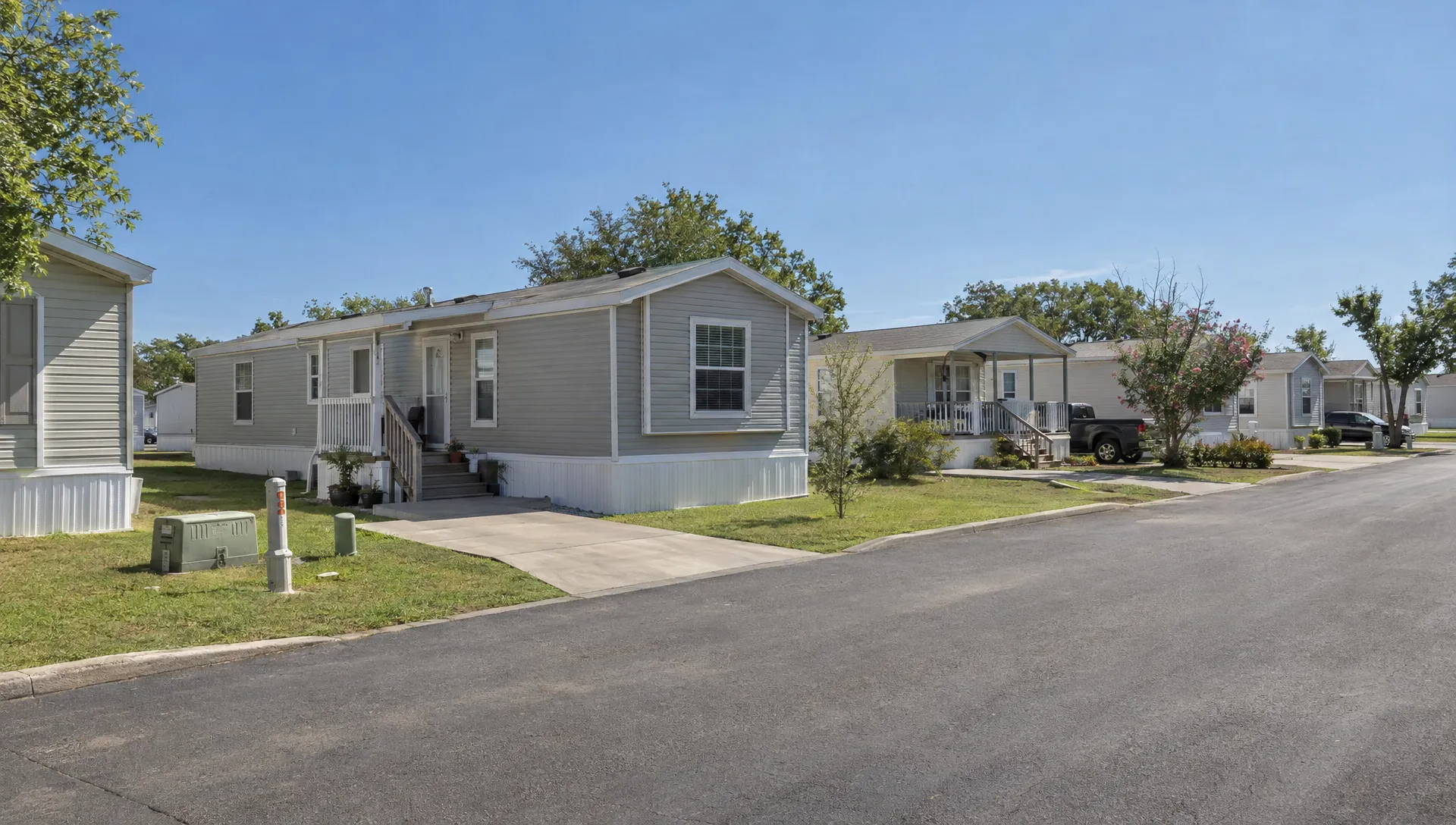

Renting in a land-lease community can be a smart way to get more space for your money, especially if you are searching for mobile park homes for rent in the San Antonio area. The catch is that the advertised rent is often only part of the monthly cost. Community rules, utilities, and “small” administrative charges can stack up fast, and some fees are avoidable if you know what to look for.
This guide breaks down the most common fees renters run into, which ones are reasonable, which ones deserve a second look, and how to protect your budget before you apply or sign a lease.
Why mobile home park rentals have so many separate fees
In many communities, the park owner manages shared infrastructure (roads, lighting, water lines, common areas) and enforces community rules. Whether you rent a park-owned home or a privately owned home inside the park, you may see charges split up across:
- Home rent (the dwelling)
- Lot-related charges (if the home is in a land-lease community)
- Utilities (sometimes billed by the city, sometimes billed by the park)
- Service add-ons (trash, lawn, pest control)
- Administrative and compliance items (screening, documentation, gate access)
Texas also has specific rules around manufactured home tenancies. If you want to read the law itself, start with Texas Property Code Chapter 94 (Manufactured Home Tenancies) via an official source like Texas Statutes.
Common move-in fees (and how to avoid overpaying)
Move-in costs are where renters most often get surprised. Some are legitimate. Others are negotiable, duplicative, or poorly explained.
Application and screening fees
Most communities charge for background checks, credit checks, and income verification.
How to avoid trouble:
- Ask what screening vendor they use and what the fee covers.
- Confirm whether every adult must pay a separate fee.
- Ask if the fee is refundable if the unit is rented to someone else before your application is processed.
Administrative, processing, or “lease prep” fees
These are often presented as required, but they vary widely by operator.
What to ask:
- “Is this a one-time fee or charged at renewal too?”
- “Can you show me where this fee is listed in the fee schedule?”
- “If I sign a longer lease term, can this fee be waived?”
Holding deposits and reservation fees
A holding deposit can make sense if it is clearly applied to your security deposit or first month’s rent.
Red flag language:
- “Non-refundable reservation fee” with no clear explanation of what you are receiving.
Security deposit (and deposit add-ons)
Security deposits are common, but pay attention to add-ons that function like a second deposit.
Watch for:
- “Conditioning deposit,” “risk deposit,” or “utility deposit” that is not tied to a specific utility account.
Tip: get the move-in inspection process in writing, including how you document existing damage.
Pet fees: pet deposit, pet fee, pet rent
These are often three separate items.
How to reduce pet-related surprises:
- Ask which charges are refundable (usually only deposits, if any).
- Confirm the policy on additional pets later.
- Ask for the full pet rules in writing (breed restrictions, weight limits, vaccination requirements).
Utility connection and access fees
These include things like account setup, submeter setup, gate card, mailbox key, or remote deposit.
What to ask:
- “Do I set up electric directly with the provider, or is it billed through the community?”
- “Is the gate card or remote fee refundable when I return it?”

Recurring monthly fees that can change the true “rent”
The monthly base rent might look affordable until recurring pass-through charges are added. The safest approach is to ask for a sample monthly bill (with personal information removed) so you can see how charges actually appear.
Utility billing fees (water, sewer, trash)
Utility billing is one of the biggest sources of confusion in manufactured home communities.
Common setups include:
- Direct billing from a city or utility provider
- Submetered billing through the park
- Ratio utility billing (sometimes called RUBS), where costs are allocated based on occupancy, square footage, or another formula
What to clarify before signing:
- Whether you are billed based on your actual usage or a formula
- Whether there is an extra “billing” or “processing” charge each month
- Whether trash, recycling, or bulk pickup is included
For general guidance on utility issues and billing disputes as a renter, the Consumer Financial Protection Bureau’s renting resources can be a helpful starting point.
“Community service” fees (amenities, valet trash, package, pest, lawn)
Some communities bundle services, others charge à la carte.
These can be reasonable if they replace something you would pay anyway. They become a problem when:
- The fee is mandatory but the service is inconsistent.
- You are charged for amenities you cannot access (for example, pool closed for months).
Parking, storage, and extra vehicle fees
Mobile home communities often regulate vehicles strictly.
Ask:
- How many vehicles are included
- The cost for additional vehicles, work trucks, trailers, or motorcycles
- Whether guest parking is limited or fee-based
Insurance requirements
Many landlords require renters insurance. That is normal, but you should still confirm:
- Required liability limits
- Whether they force you into a specific insurer or “insurance program”
- Whether failing to show proof triggers an automatic monthly charge
Rent increases and pass-through charges
Even if your base rent is fixed for the lease term, some agreements allow changes to pass-through items.
Ask:
- Which charges can change mid-lease
- How much notice is required for increases
- Whether you can opt out of optional services
A quick fee checklist you can request in writing
Before you apply, ask for a complete fee schedule that includes one-time, monthly, and penalty fees. Use a simple checklist like this:
| Fee category | How it’s often described | What to confirm before you sign |
|---|---|---|
| Application and screening | Application fee, background check, credit check | Per adult or per application, refundable or not |
| Admin and documentation | Admin fee, lease prep, processing | One-time or annual, waiver options |
| Deposits | Security deposit, holding deposit | Applied to deposit or rent, refund conditions |
| Pets | Pet fee, pet deposit, pet rent | Refundability, rules, additional pets |
| Utilities | Water/sewer/trash, submeter, billing fee | Direct vs park-billed, usage vs formula |
| Services | Pest, lawn, amenity fee | Mandatory vs optional, service scope |
| Vehicles | Parking pass, extra vehicle | Limits, guest policy, enforcement |
| Insurance | Renters insurance, compliance fee | Minimum coverage, proof deadlines |
| Penalties | Late fee, NSF, violations | Grace period, caps, how notices are delivered |
| Move-out | Cleaning, damages, early termination | Standards for “normal wear,” notice rules |
Penalty fees that quietly drain renters
Many renters focus on move-in costs and forget to evaluate penalty fees. These charges can be expensive because they are avoidable in theory, but easy to trigger in real life.
Common examples:
- Late fees (plus daily fees after a cutoff date)
- Returned payment fees (NSF)
- Lease violation fees (noise, pets, parking, yard items)
- Lockout fees
- Trip fees for maintenance when the issue is considered “tenant-caused”
How to protect yourself:
- Ask whether there is a grace period and what date/time rent is considered late.
- Pay electronically when possible and keep confirmation numbers.
- Get a copy of the community rules and read the parking and pet sections carefully.
Move-out fees and “damage” charges you can prevent
Move-out is where some renters lose most of their deposit.
To reduce the risk:
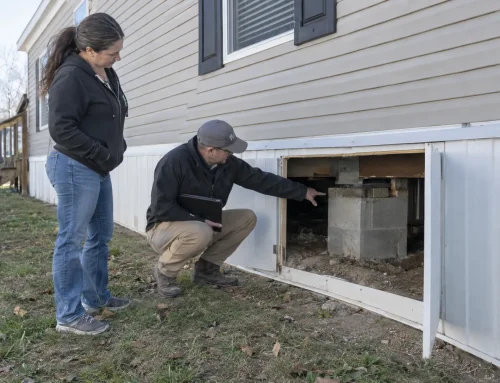
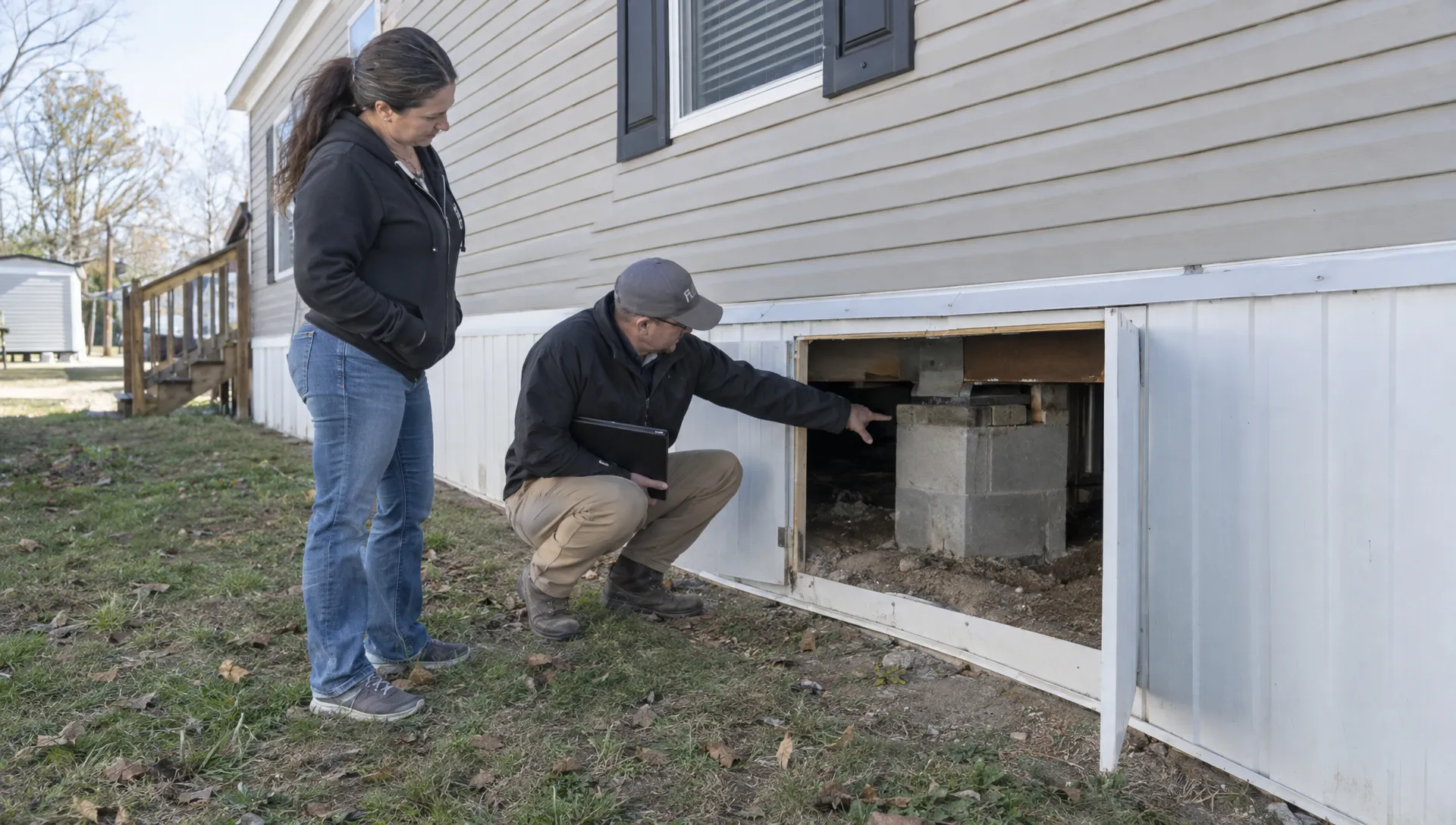
- Do a detailed move-in inspection and take time-stamped photos.
- Keep maintenance requests in writing.
- Ask what counts as “normal wear and tear” in their policy.
If you are breaking a lease early, ask for the early termination terms in writing, including whether you owe:
- A flat fee
- Rent until re-rented
- Marketing or “turn” costs
Budgeting tip: separate true housing costs from optional spending
Not every cost you face during a move is a landlord fee. New curtains, storage bins, a tool kit, and even clothing for seasonal work or travel can feel like “required” expenses.
If your new community lifestyle includes outdoor activities, keep those purchases in a separate budget bucket so your housing numbers stay clear. For example, if you are looking for quality sportswear or gear beyond the basics, you could browse retailers like the Fabbrica Ski Sises online shop and treat it as discretionary spending, not part of your rent calculation.
What to ask before you apply for mobile park homes for rent
You do not need to negotiate every line item, but you do need clarity. Ask these questions and get answers in writing whenever possible:
- “Can you provide a complete fee sheet (one-time, monthly, penalties, move-out)?”
- “What is due at signing, and what is due at move-in?”
- “Which utilities are billed by the community vs set up in my name?”
- “Do you use submeters or a ratio billing method for water/sewer/trash?”
- “Is renters insurance required, and what happens if my proof expires?”
- “How many vehicles are included, and what are the rules for guests?”
- “What fees can change during my lease term?”
- “What is the renewal process, and are there renewal fees?”
- “What are the most common reasons people lose deposit money here?”
Frequently Asked Questions
Are mobile park homes for rent cheaper once you include fees? It depends. Some communities are still a great value, but you should compare total monthly cost (rent plus utilities plus mandatory service fees), not just advertised rent.
What fee is the biggest red flag when renting in a mobile home park? Any fee that is mandatory but cannot be found in a written fee schedule, lease, or community rules is a red flag. Ask for documentation before paying.
Can a park charge a monthly fee for utilities even if I barely use them? Yes, if utilities are allocated using a formula (such as ratio billing) or if there are fixed service and billing charges. Ask whether billing is based on actual usage, and request a sample bill.
How do I protect my security deposit? Do a move-in inspection, take date-stamped photos, and keep communication in writing. Follow the move-out cleaning checklist and return keys/remotes to avoid extra charges.
Does Texas have special rules for manufactured home communities? Yes. Texas Property Code Chapter 94 covers many manufactured home tenancy issues. If you are unsure about your rights, review the statute and consider local legal help for your situation.
Considering buying instead of renting in San Antonio?
If the “all-in” monthly cost of renting is close to what you would pay to own, it may be worth comparing options. Homes2Go San Antonio helps buyers explore affordable manufactured homes, understand floor plans and energy-efficient features, and navigate financing with trusted local lenders.
You can learn more about loan types and what to expect on the Homes2Go San Antonio financing page, or browse local community considerations in the guide to mobile home parks in San Antonio. If you want help evaluating your next step, contact Homes2Go San Antonio through the website to discuss your goals and budget.
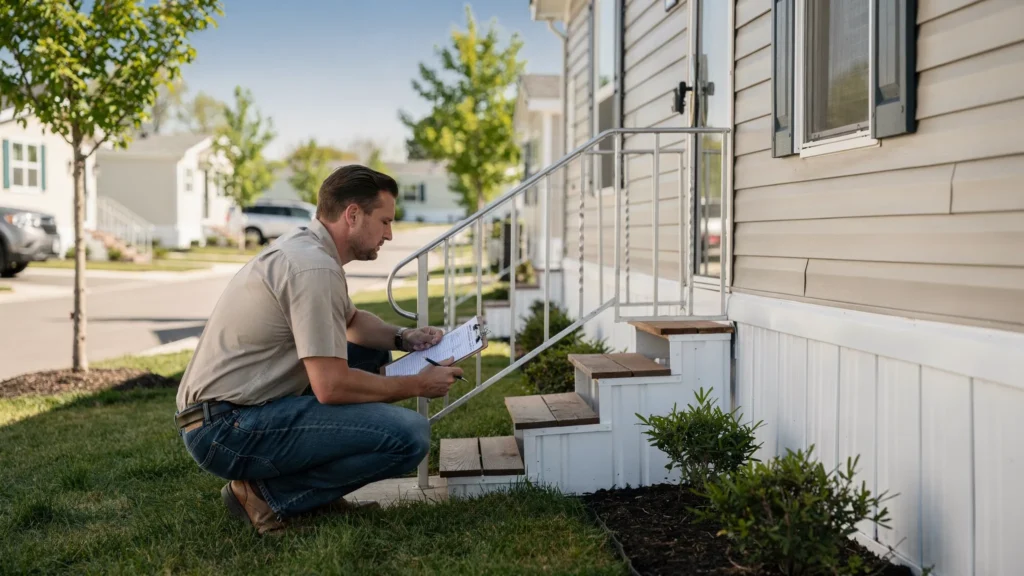 Trailer Park Homes for Rent: What to Inspect Before Move-In
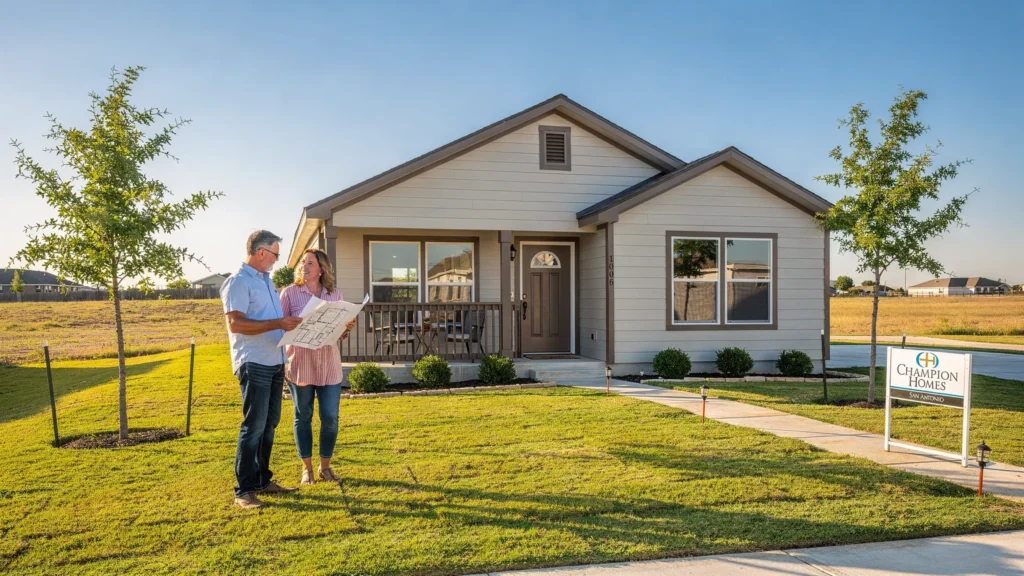 Champion Homes: Floor Plans, Features, and Value