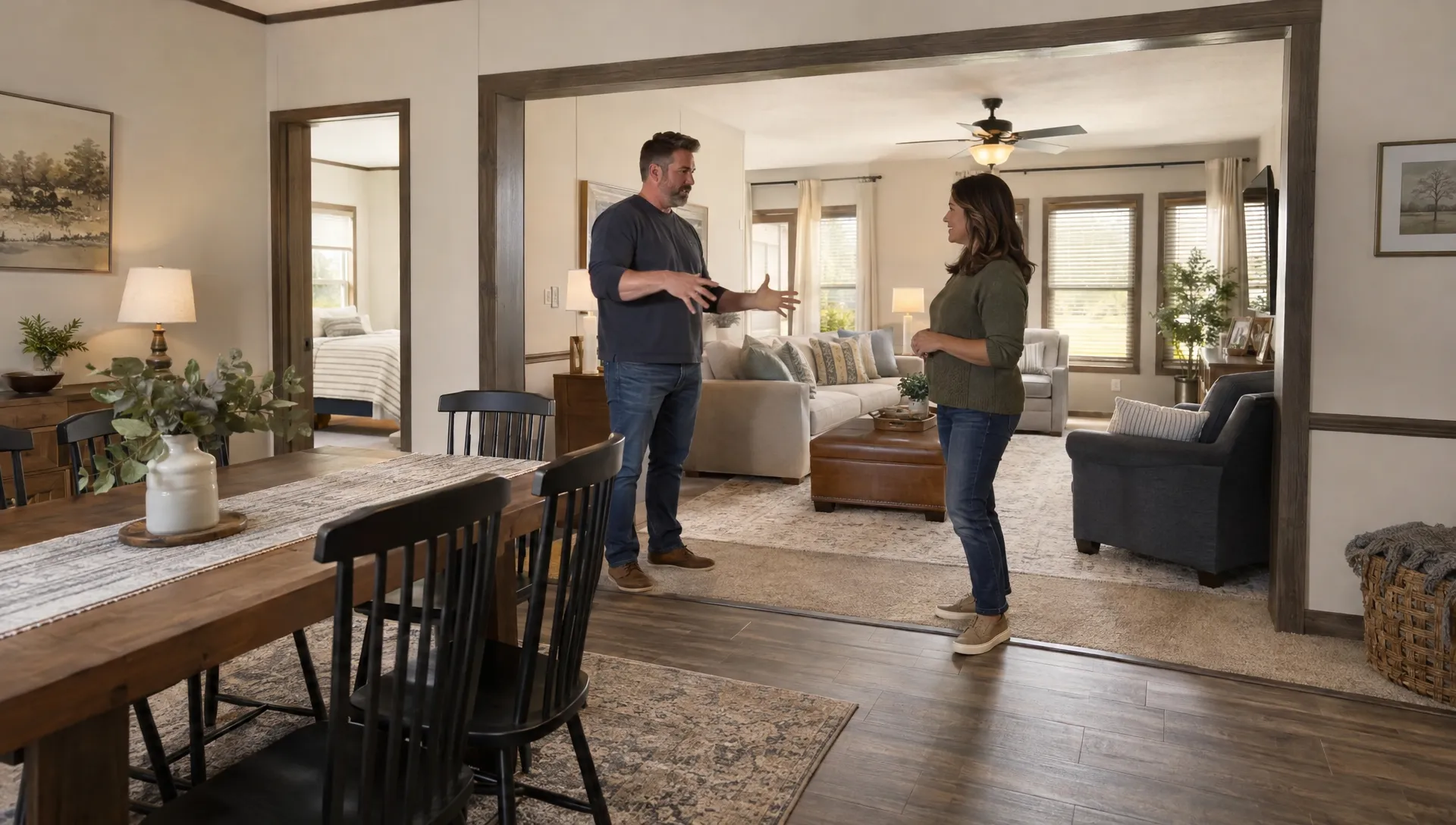

Renting a manufactured home can feel like a shortcut to space and privacy, but it also comes with a unique set of costs and lease rules that surprise first-time renters. “Mobile homes for rent” listings often look straightforward, yet the real monthly total depends on what’s included (and what isn’t), who actually owns the home, and how the community enforces its rules.
This guide breaks down the true cost of mobile homes for rent, the lease clauses worth reading twice, and the red flags that can save you from expensive headaches.
What “mobile homes for rent” usually means (and why it matters)
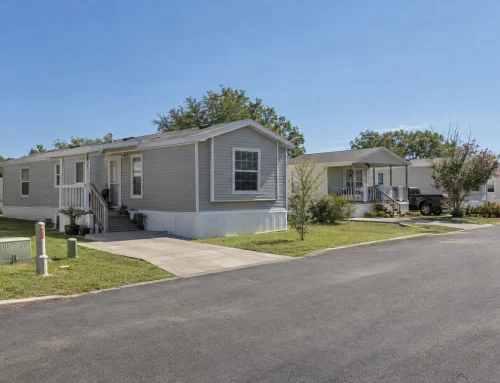
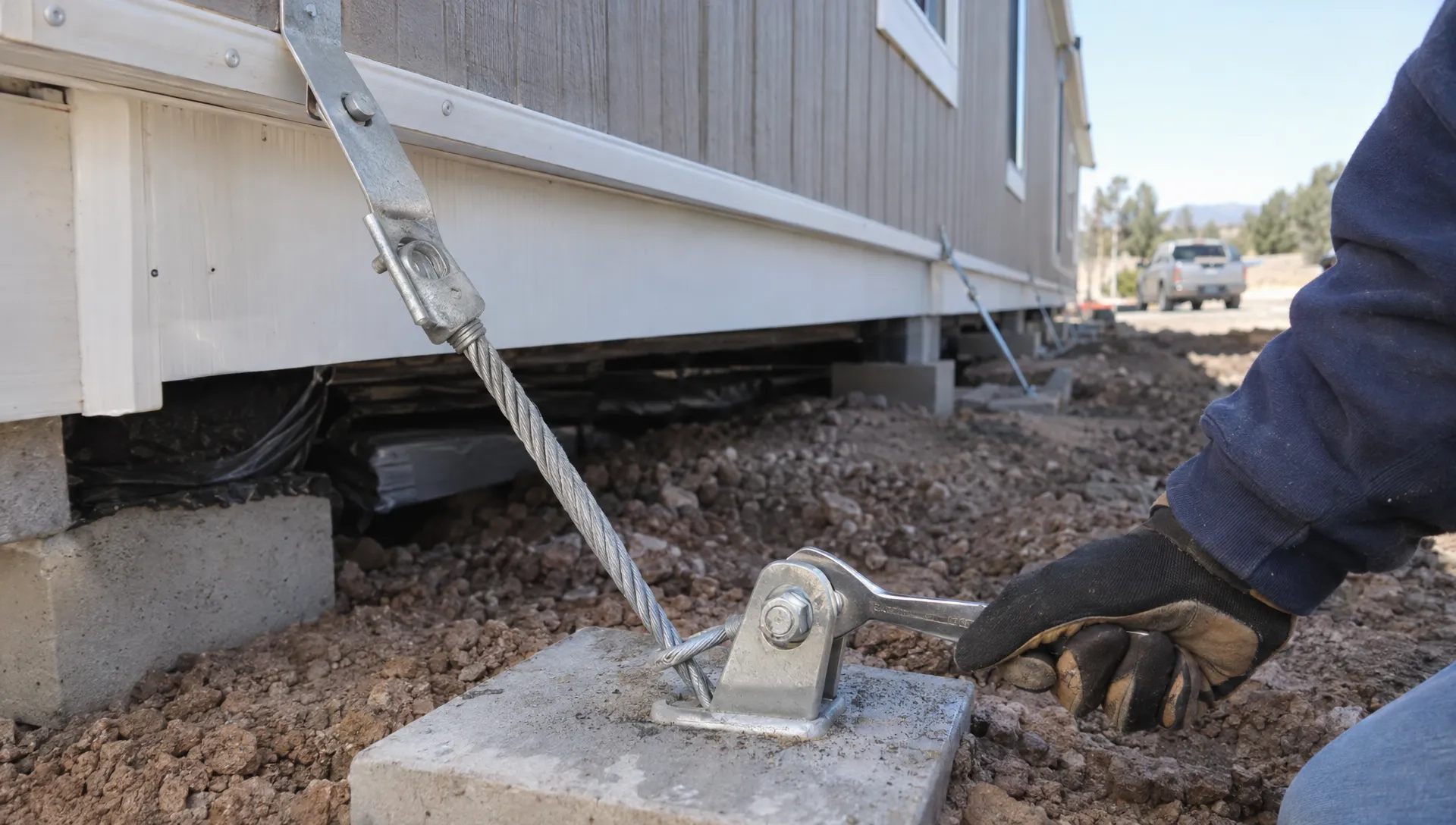
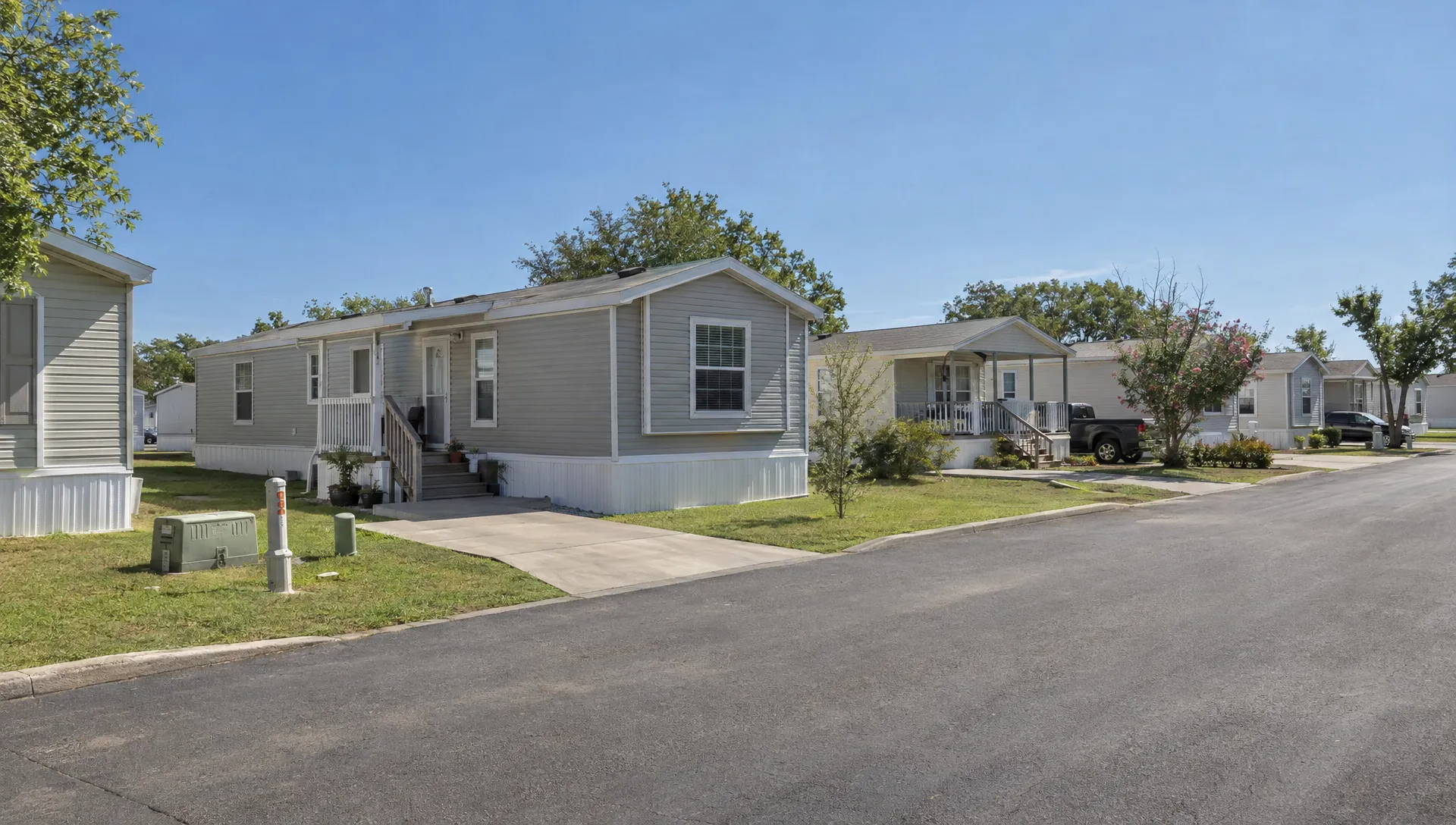
Most rentals advertised as “mobile homes” today are HUD-code manufactured homes (built after June 15, 1976) placed in a land-lease community (a “park”) or on private land. The category matters because:
- Community rules can apply even if you rent from a private owner. Many parks require every adult occupant to apply and be approved.
- Your monthly payment may combine several line items (home rent, lot rent, utilities, pass-through fees).
- Maintenance responsibilities vary a lot between park-owned rentals and individually owned rentals.
If you want a quick primer on how manufactured housing is defined and regulated, HUD’s manufactured housing program is a good starting point: HUD Manufactured Housing.
The real costs of mobile homes for rent (not just the advertised price)
The number in the listing is often only the beginning. A fair comparison between properties means you price out the full monthly cost and the upfront move-in money.
Typical cost components
Here’s what commonly makes up the total cost when renting a manufactured home.
| Cost item | What it is | What to watch for |
|---|---|---|
| Base rent | The rent for the home itself | Confirm whether it includes any utilities or services |
| Lot rent (if charged separately) | Payment for the space the home sits on in a community | Some listings show only base rent and add lot rent later |
| Utilities | Electricity, water, sewer, trash, gas | Ask whose name utilities will be in and how billing is calculated |
| Application and screening | Background, credit, income verification | Clarify whether the fee is per adult and whether it’s refundable (usually not) |
| Security deposit | Held for damage, unpaid rent, cleaning | Get the deposit terms in writing, including deductions |
| Pet fees | Pet deposit, pet rent, one-time fee | Ensure the lease matches what you were told verbally |
| Maintenance or service fees | Lawn care, pest control, HVAC filter program | Confirm which fees are mandatory and which are optional |
| Late fees and returned payment fees | Penalties for late rent or bounced payments | Verify the grace period, if any, and the dollar amounts |
| Move-out charges | Cleaning, carpet, key replacement, trash-out | Ask for the fee schedule up front |
A realistic “all-in” budgeting method
Instead of hunting for a perfect average rent number (which varies by neighborhood, home size, age, and amenities), use a simple worksheet approach:
- Monthly all-in total = advertised rent + lot rent (if separate) + utilities (typical month) + mandatory fees + pet rent (if any)
- Move-in total = first month’s rent + security deposit + application fees + any required deposits (pets, utilities)
Below is a sample worksheet you can copy into your notes (numbers are placeholders to help you structure the math, not a market quote).
| Budget line | Your estimate |
|---|---|
| Advertised rent | $____ |
| Lot rent (if separate) | $____ |
| Electric (seasonal range) | $____ |
| Water/sewer/trash | $____ |
| Internet | $____ |
| Mandatory monthly fees | $____ |
| Pet rent | $____ |
| Estimated monthly total | $____ |
Cost surprises specific to manufactured home rentals
A few cost “gotchas” show up more often with mobile homes for rent than with apartments:
- Older homes can be more expensive to cool and heat. Ask about insulation, windows, HVAC age, and average electric bills in summer.
- Utility billing may be handled by the community. Understand whether water and sewer are submetered or billed by a formula.
- Rules can create indirect costs. For example, charges for additional vehicles, visitor parking, or required lawn standards.
If you’re weighing whether renting or buying makes more sense long term, Homes2Go San Antonio’s buyer-focused overview can help frame the trade-offs: Mobile homes in San Antonio: a quick buyer guide.
Lease basics: what should be in writing before you pay anything
A manufactured home rental can involve more than one “authority” (the landlord and the park). You should have written documentation for both.
Documents you may need to review
- The lease or rental agreement for the home
- The community rules and regulations (sometimes a separate addendum)
- An application approval letter (if the park screens residents)
- A written summary of fees and utilities
For Texas renters who want to understand statewide landlord-tenant principles, the Texas Attorney General’s resources are a reputable starting point: Texas Attorney General: Renting a Home.
Lease clauses that matter most for mobile homes for rent
These sections often decide whether your experience is smooth or stressful.
| Lease clause | Why it matters | What “good” looks like |
|---|---|---|
| Who the landlord is | Confirms who can collect rent and who must make repairs | Legal name, address for notices, and who to call for emergencies |
| Term and renewal | Protects you from sudden changes | Clear start/end date, renewal process, and notice timelines |
| Rent, due date, payment method | Avoids “we changed it” surprises | Amount, due date, accepted methods, and receipt policy |
| Late fees | Prevents runaway penalties | Fee cap, when it applies, and whether partial payments are accepted |
| Utilities and billing method | Avoids unclear bills | Who pays what, in whose name, and how charges are calculated |
| Repairs and maintenance | Prevents finger-pointing | Clear division: landlord responsibilities vs tenant responsibilities |
| Entry and inspections | Protects privacy | Notice requirements except for emergencies |
| Community rules | Affects daily living | Rules attached and acknowledged, not “available in the office” |
| Move-out requirements | Reduces deposit disputes | Cleaning standards, key return process, and itemized deductions |
Walk-through checklist: inspect like you’re buying (because repairs are disruptive)
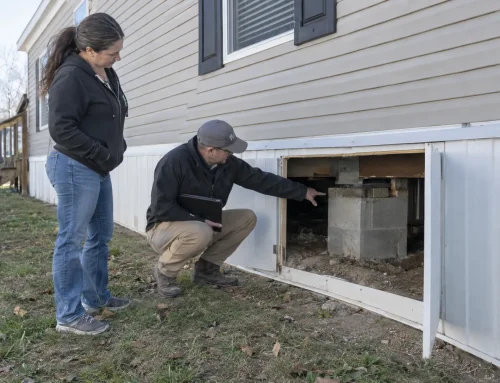
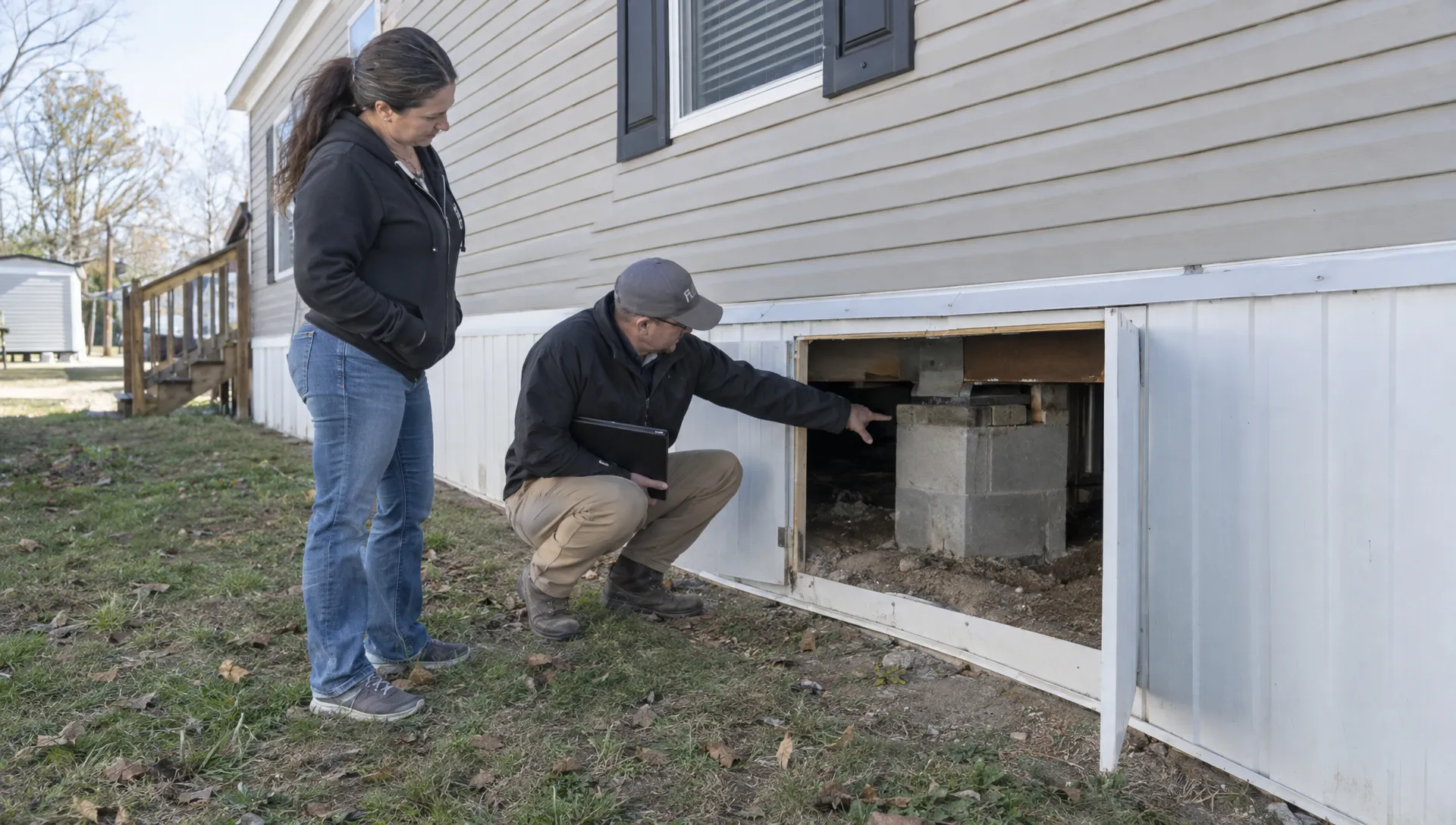
A mobile home can be comfortable and modern, but small issues (soft spots, leaks, pests) can escalate quickly. Tour in daylight if possible, and don’t be shy about testing.
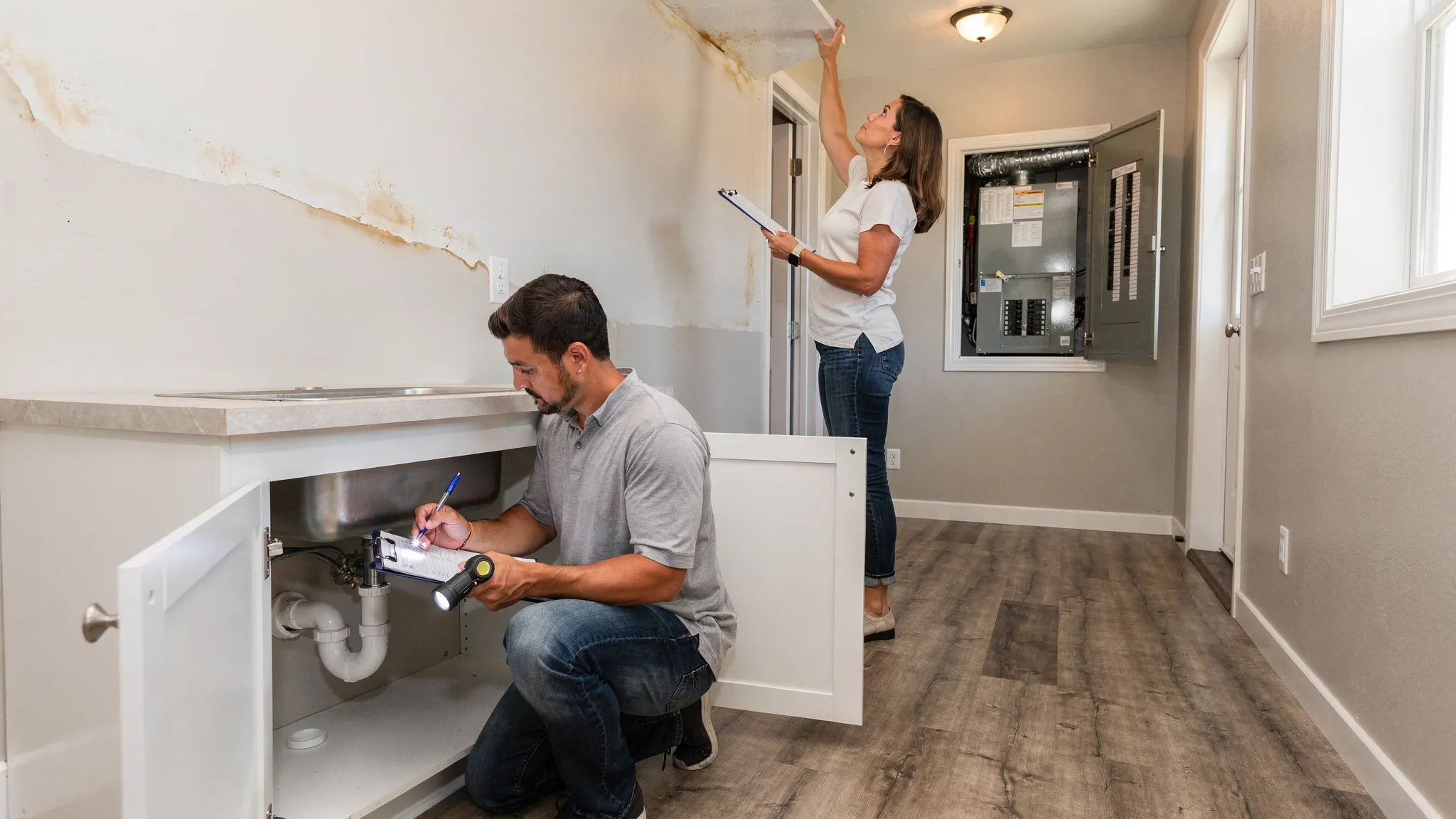
Quick checks that catch the biggest problems
- Floors: Walk every room slowly. Soft or bouncy spots can indicate water damage or subfloor issues.
- Ceilings and corners: Look for stains, bubbling paint, or patchy repairs that could suggest roof leaks.
- Windows and doors: Open and close them. Check for drafts, broken seals, or water intrusion.
- Plumbing: Run faucets, flush toilets, and check under sinks for active drips and corrosion.
- Electrical: Test outlets (a simple outlet tester is inexpensive). Ask if the panel is labeled and accessible.
- HVAC: Ask the age of the system, where the filter is, and how service calls work.
- Pests: Look for droppings in cabinets, gaps around penetrations, and torn screens.
- Safety basics: Confirm smoke alarms, carbon monoxide alarms (if gas appliances), and safe steps/handrails.
Tip: Take time-stamped photos during the walk-through and email a copy of any move-in condition form back to the landlord so there’s a clear record.
Red flags: common problems and rental scams to avoid
Some issues are negotiable. Others are your cue to walk away.
Red flags in the listing or during scheduling
- The price is dramatically below comparable rentals and the “owner” pushes urgency.
- You’re asked to pay a deposit before you tour the inside of the home.
- The contact refuses a written lease or says, “We’ll do month-to-month with a handshake.”
- You can’t verify who owns or manages the home. If it’s in a community, the park office should be able to confirm whether the home is an approved rental and whether you must apply.
The FTC tracks common patterns in rental listing scams and what to do if you spot one: FTC guidance on rental scams.
Red flags in the lease or fee sheet
- Unclear utilities: “Tenant pays utilities” with no explanation of billing method.
- Fees that are not defined: “Administrative fee” or “community fee” without an amount and purpose.
- Odd payment requirements: Cash-only rent, wire transfers, or payment apps to a personal account name that does not match the landlord on the lease.
- Repair responsibility shifted too far: Language that makes the tenant responsible for major systems (roof, plumbing lines, HVAC replacement) without a clear cap or process.
Red flags in the home or community
- Persistent moisture problems: Strong musty odor, visible mold, repeated ceiling stains.
- Unsafe steps or decks: Loose stairs, missing railings, unstable landings.
- Chronic infrastructure issues: Frequent sewage odors, standing water, exposed wiring.
- Vague answers about rules: If management cannot provide written rules, enforcement can feel arbitrary later.
If you’re touring communities in and around San Antonio, Homes2Go’s local roundup can help you build a short list and know what to look for on-site: Best mobile home parks in San Antonio (roundup).
Questions to ask (especially when the home is inside a community)
Even if your lease is with a private owner, community rules can affect vehicles, guests, pets, and even whether you can remain if the owner violates park policies.
Ask these questions before you apply:
- Do all adult occupants have to apply and be approved by the community?
- What is included in rent, and what is billed separately? (Get it in writing.)
- What are the pet rules and limits? Breed restrictions, number of pets, pet rent.
- What are the parking rules? Guest parking, commercial vehicles, assigned spots, towing policy.
- Who handles maintenance for the yard and exterior?
- How do repairs work? Response time expectations, emergency contact, after-hours policy.
- Are there quiet hours or conduct policies?
- What is the move-out process? Cleaning standards, walk-through timing, deposit timeline.
Protect yourself after move-in (and keep the deposit)
Once you have keys, a few habits reduce conflicts and help if there’s ever a dispute.
- Pay rent in a traceable way (check, portal, or another method that produces receipts).
- Submit repair requests in writing (email is often enough) and keep a folder of photos.
- Document seasonal issues early, like HVAC performance ahead of peak summer.
- Consider renters insurance. It can help cover personal property and liability, and it’s often required.
When renting isn’t the best fit (and what to do instead)
Renting can be a smart short-term move, especially if you are rebuilding credit, relocating, or want to test a neighborhood. But if you plan to stay for years, it’s worth comparing rental costs to pathways toward ownership.
Homes2Go San Antonio focuses on manufactured homes for buyers and can help you explore options like move-in ready models, community placements, and financing routes through local lenders (details vary by buyer). If you want to price out ownership realistically in the San Antonio area, these resources can help:
- Manufactured homes San Antonio: options, prices, and tips
- Land and home packages San Antonio (complete guide)
- Financing options
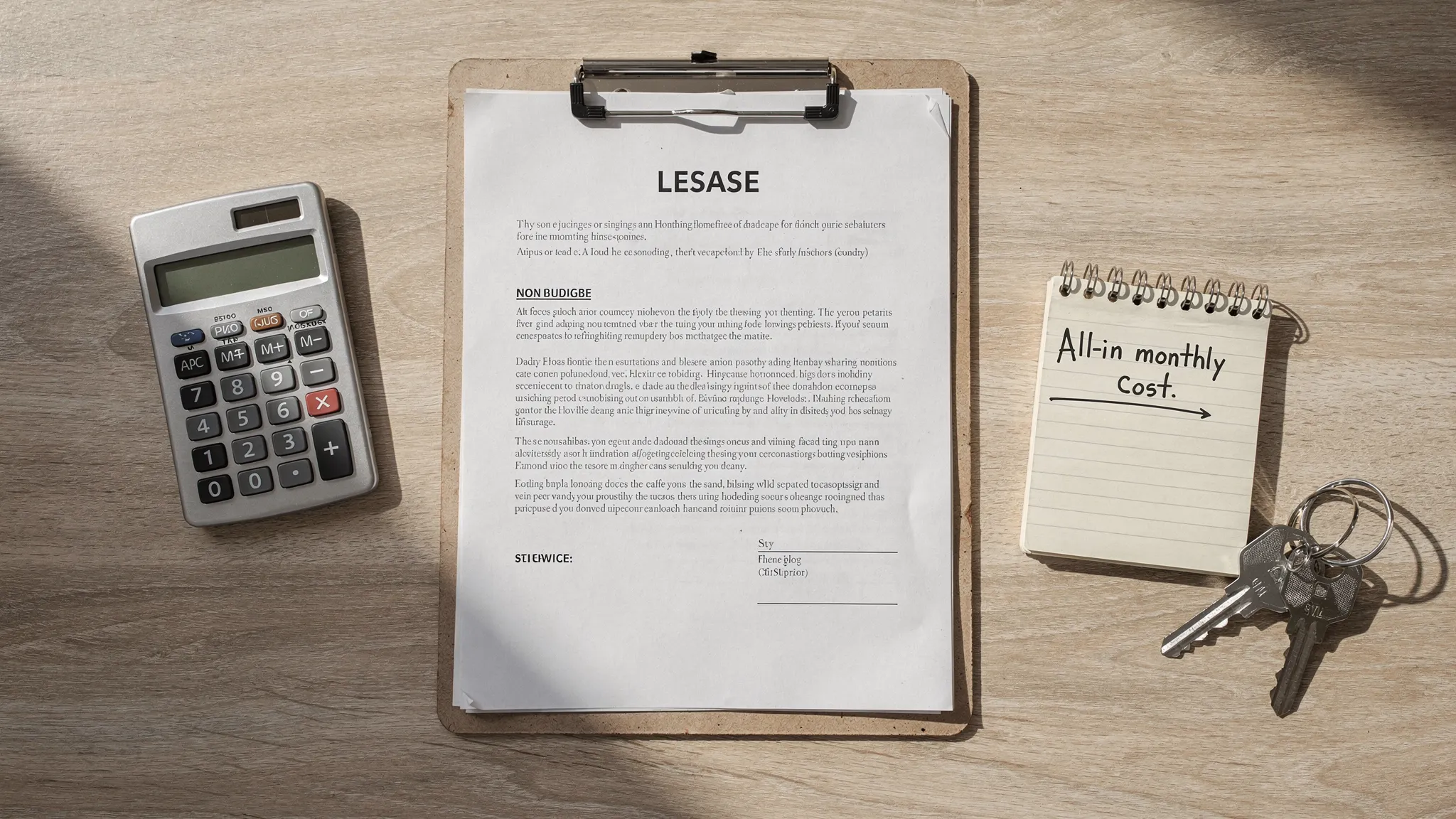
If you’re currently comparing mobile homes for rent and feel stuck on the real monthly total, bring the listing details (rent, utilities, fees, and community name) and ask for a second set of eyes before you sign. A few minutes of verification can prevent months of frustration.
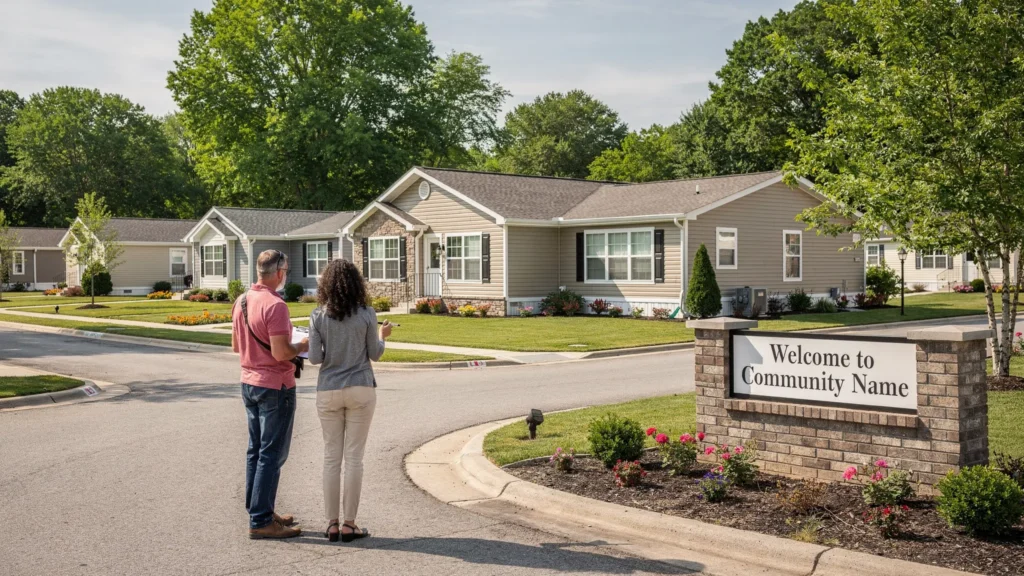 Trailer Home Parks Near Me: How to Compare Communities
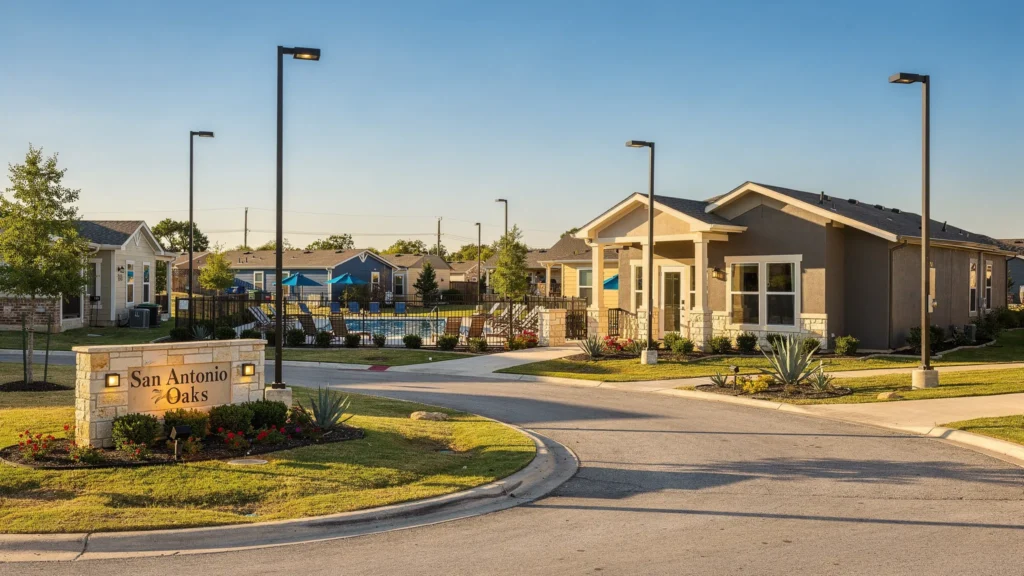 Manufactured Home Communities: Amenities and Rules