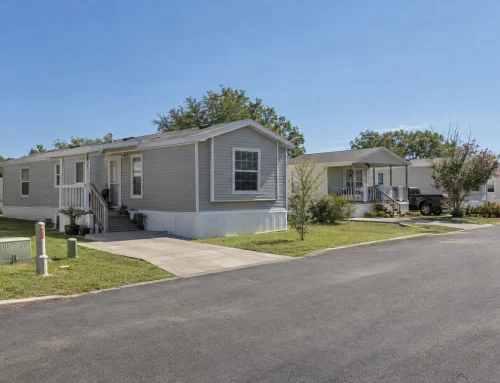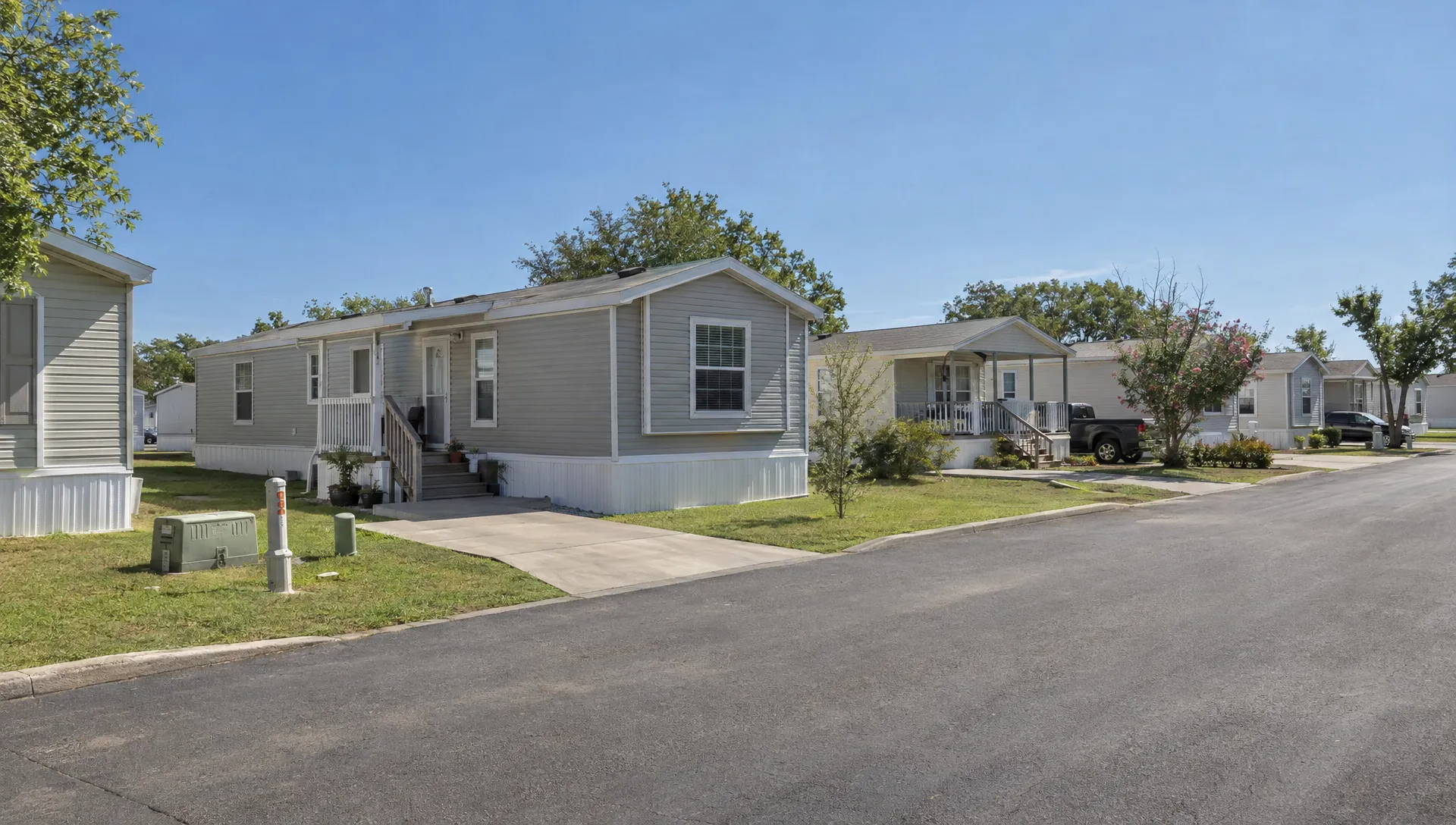

When you type “trailer home parks near me” into Google, you usually want one thing: a safe, well run community that fits your budget, your lifestyle, and the home you plan to live in. The problem is that park listings rarely show the real costs, rules, or day-to-day feel that matter most.
This guide gives you a practical way to compare trailer home parks (more accurately, manufactured home communities) so you can tour with confidence, ask the right questions, and avoid expensive surprises.
Step 1: Confirm what you’re actually comparing (park types matter)
Not every “park” operates the same way, and the differences affect your monthly payment, financing options, and long-term stability.
Most communities fall into one of these buckets:
- Land-lease community (lot rent): You own (or finance) the home, and you rent the lot from the community.
- Resident-owned community (ROC) or co-op style: Residents collectively own the land (less common, but often more stable when available).
- Rental community: You rent the home and the lot from the operator.
- 55+ community: Age-restricted, often quieter, sometimes with different rules and amenity fees.
If your goal is ownership, land-lease communities are common around San Antonio and across Texas. If you’re still deciding between land-lease vs private land, Homes2Go’s overview of trade-offs in their mobile homes San Antonio buyer guide is a helpful starting point.
Step 2: Build a shortlist the smart way (before you fall in love on a tour)
Online reviews and listing sites are a starting signal, not the finish line. Before touring, do a quick filter pass.
What to check online in under 20 minutes per community
Focus on signals that predict management quality and total cost:
- Recent reviews and patterns (maintenance responsiveness, billing disputes, towing, gate/access issues)
- Clear published rules (pets, parking, guest policy, home age limits)
- Photos that show infrastructure (roads, drainage, lot spacing, lighting)
- Transparent fee language (application fees, admin fees, amenity fees)
For San Antonio specifically, also check commute routes at the times you’d actually drive them. A community that looks “15 minutes away” at noon can feel very different at 7:30 a.m.
Step 3: Compare the true monthly cost (not just lot rent)
Lot rent is only one line item. The goal is to compare communities using the same “all-in monthly” view.
Here’s a simple way to think about it:
All-in monthly housing cost = lot rent + utilities + community fees + home payment + insurance + taxes (if applicable)
What lot rent often includes (and what it often doesn’t)
Always ask for a written breakdown. Two communities with the same lot rent can differ by hundreds per month depending on what’s included.
| Cost item | Sometimes included in lot rent | Often billed separately | What to ask for |
|---|---|---|---|
| Water | Yes | Yes | Is it submetered? Flat rate? Any base fees? |
| Sewer | Yes | Yes | Any monthly service fees or pass-through charges? |
| Trash | Yes | Sometimes | Pickup schedule and any extra charges |
| Lawn/common-area upkeep | Common areas: yes | Lot lawn: often no | Are residents required to maintain the lot? |
| Electricity | Rare | Yes | Who is the provider? Any restrictions? |
| Gas | Rare | Yes | If applicable, which utility and average bills? |
| Amenities | Sometimes | Yes | Are there amenity or “resort” fees? |
If you’re shopping for a home at the same time, energy efficiency can materially change your monthly budget in Texas summers. This matters because a “cheaper” community can still cost more if the home is inefficient. See Homes2Go’s practical checklist in energy-efficient manufactured homes for Texas heat.
Step 4: Understand the rules that can block your move-in
Many buyers lose time (and sometimes application fees) because they only learn the community’s restrictions after selecting a home.
Common rules that affect whether your home will be accepted:
- Home age limits (for example, “no homes older than X years,” or case-by-case approval)
- Skirting requirements and exterior condition standards
- Size requirements (single-wide vs double-wide, minimum square footage)
- Roofing and siding requirements
- Parking limits (work trucks, trailers, number of vehicles)
- Pet policies (breed/size restrictions, pet fees)
Ask the manager for the written community rules and the home acceptance standards before you apply or place a deposit on a home.
Step 5: Tour like an inspector (what you see tells you how it’s managed)
A quick walkthrough can reveal how a community is maintained, and whether costs and maintenance issues are likely to show up later.
Look for:
- Road condition: potholes, standing water, patchwork repairs
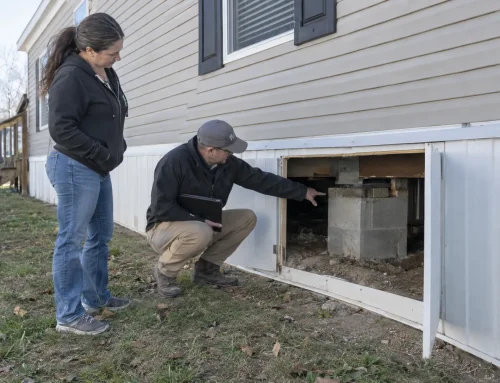
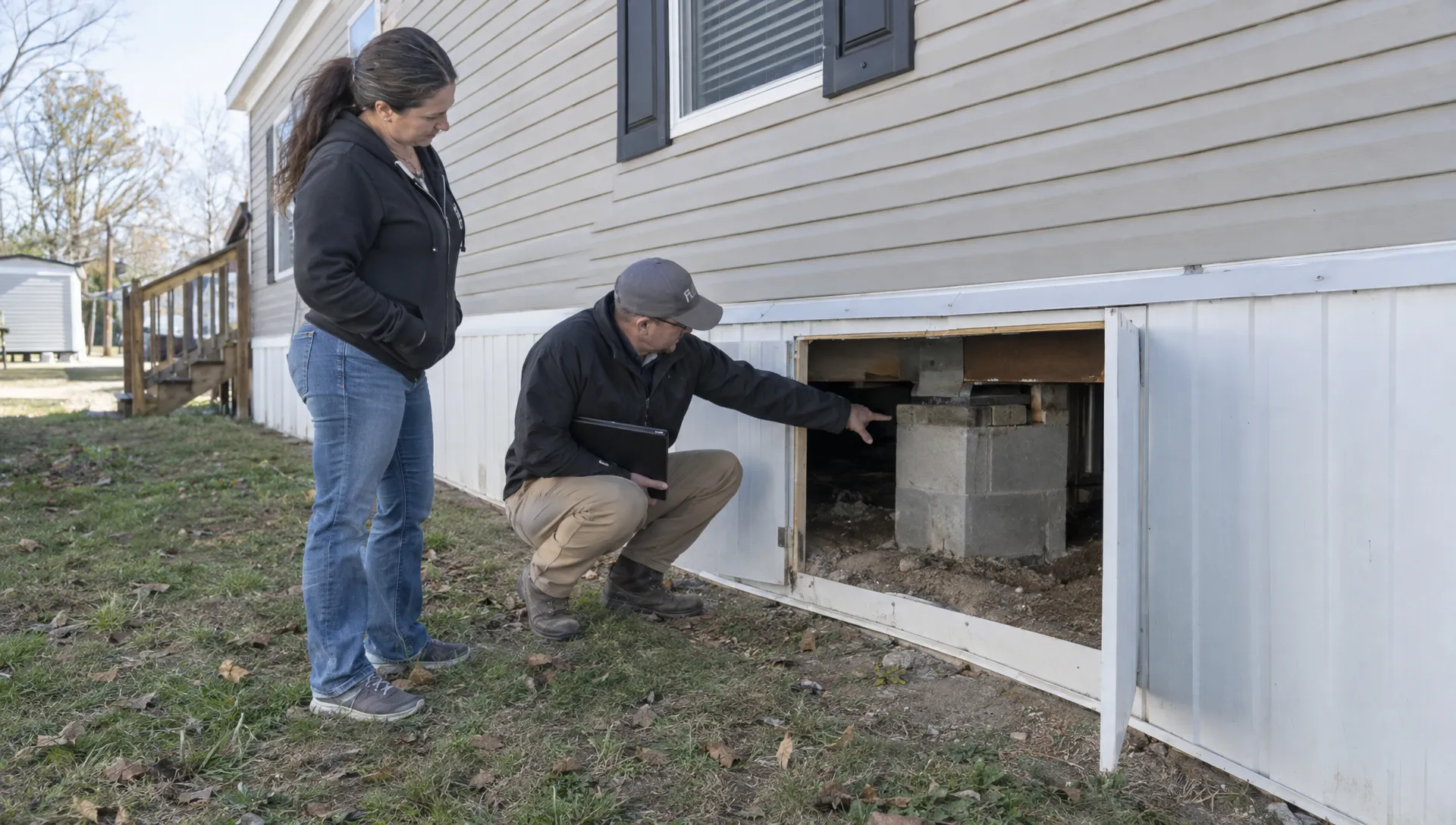
- Drainage: lots sloping toward homes, soggy ground, mildew smells near skirting
- Utility setup: visible water leaks, exposed wiring, messy pedestals
- Lighting and visibility: dark corners, broken streetlights
- Mail and trash areas: overflowing bins, scattered debris, broken mailboxes
- Noise sources: highways, rail lines, industrial sites, late-night traffic
If you can, visit twice: once during the day and once in the evening.

Step 6: Evaluate safety and stability (without relying on vibes)
Safety is partly about the neighborhood and partly about operations.
Useful, objective questions to ask:
- Is the community gated, and if yes, how often is the gate actually functional?
- Is there on-site management or maintenance?
- How are complaints and repairs handled (portal, phone, written work orders)?
- How often do residents report water outages or sewer backups?
If management hesitates to answer basic questions about outages, policies, or maintenance timelines, treat that as a data point.
Step 7: Compare lease terms and fee structures (this is where “cheap” gets expensive)
In land-lease communities, your lease and community policies determine how predictable your costs will be.
Key items to review:
- Lease length (month-to-month vs annual)
- Lot rent increases: how often, how much notice, any caps (varies widely)
- Late fees and grace periods
- Pass-through fees: utility admin fees, billing fees, valet trash, pest control
- Rules enforcement: how violations are handled and whether fees apply
If you’re unsure how to interpret a lease, consider having it reviewed by a qualified Texas real estate attorney or tenant advocate. (This is not legal advice, just a practical safeguard.)
Step 8: Check the “fit” between the community and your financing plan
How you finance a manufactured home depends on whether you own land, the home’s classification, and your credit and income profile. Communities can also have approval standards that affect timelines.
In general:
- Buying in a land-lease community often uses a manufactured home loan (commonly called a chattel loan), depending on your situation.
- Buying land and home together may open the door to mortgage-style options for qualified buyers.
Homes2Go outlines common paths and what lenders look for on their manufactured home financing page. If you’re considering land plus a home, their step-by-step overview of land and home packages around San Antonio can help you plan the sequence correctly.
Step 9: Ask for the documents that prove the community is straightforward
You do not need to “interrogate” management, but you should request basic documents that make costs and rules unambiguous.
| Document to request | Why it matters | When to ask |
|---|---|---|
| Current fee sheet (lot rent, utilities, add-ons) | Prevents surprise monthly charges | Before applying |
| Written community rules and home standards | Confirms your home will be accepted | Before selecting a home |
| Sample lease | Reveals rent increase language and penalties | Before paying deposits |
| Utility billing method description | Clarifies submeters, allocation, admin fees | Before budgeting |
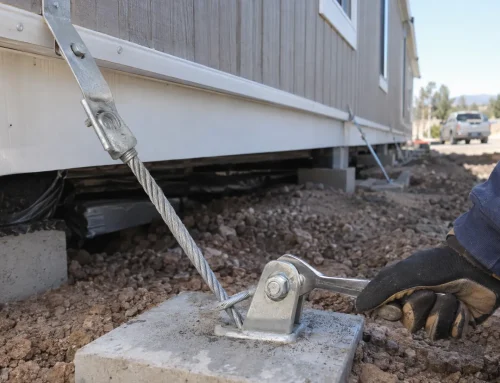
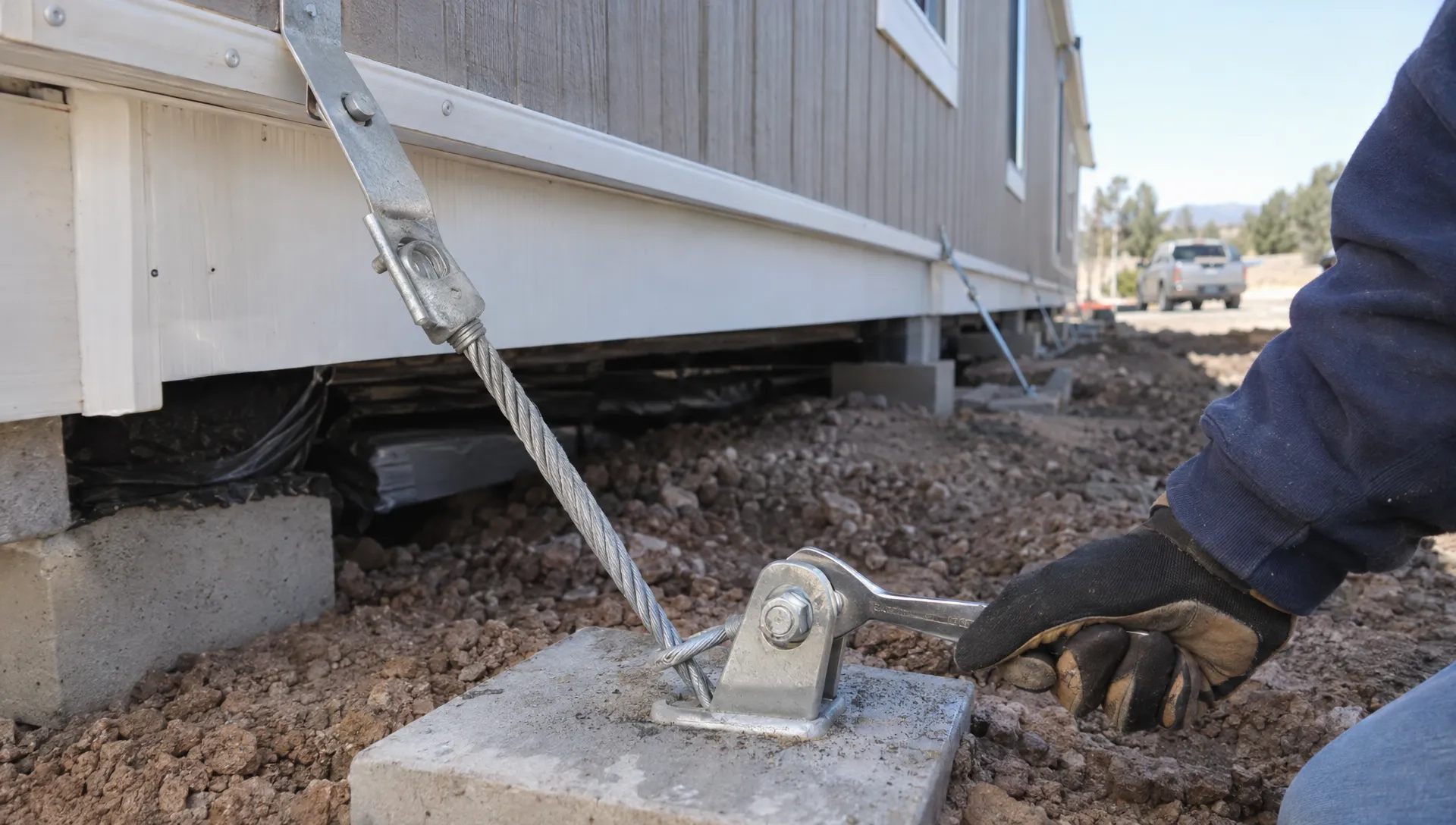
| Move-in requirements checklist | Avoids delays (skirting, steps, tie-downs, inspections) | Before scheduling delivery |
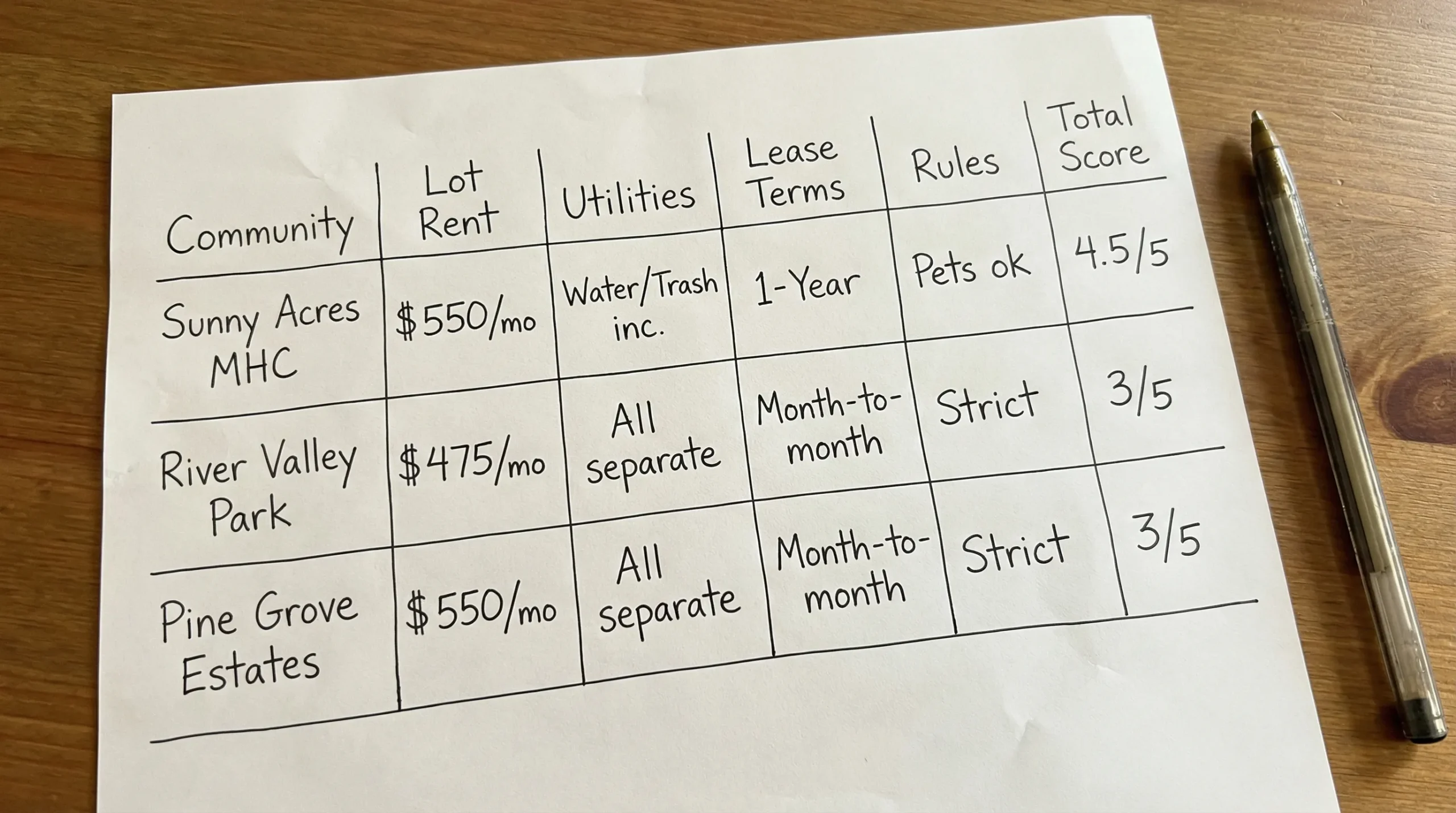
Step 10: Use a simple scorecard to compare “near me” options fairly
When every community claims to be “affordable” and “family-friendly,” a scorecard keeps you objective.
Rate each community from 1 to 5 (5 is best) and total the score. Adjust weights to match your priorities.
| Category | What to measure | Suggested weight |
|---|---|---|
| Total monthly cost clarity | Transparent fees, predictable utilities | 25% |
| Maintenance and infrastructure | Roads, drainage, utilities, cleanliness | 20% |
| Lease fairness | Rent increases, pass-through fees, penalties | 15% |
| Safety and management presence | Lighting, access control, responsiveness | 15% |
| Home acceptance fit | Your home size/age meets standards | 10% |
| Location and commute | Schools, work, groceries, traffic reality | 10% |
| Lifestyle fit | Noise, pet rules, parking, community culture | 5% |
Texas specific note: know the basic regulatory landscape (so you ask better questions)
Manufactured housing has strong federal construction standards (HUD Code homes). Installations and consumer processes can also involve state rules.
If you want to ground your research:
- HUD’s overview of the manufactured home program is a good baseline: HUD Manufactured Housing Program.
- In Texas, manufactured housing and related consumer guidance commonly runs through state housing resources such as the Texas Department of Housing and Community Affairs (TDHCA).
These sources will not pick a community for you, but they help you understand the terminology and responsibilities you’ll hear during the process.
If you’re comparing communities in the San Antonio area
If your search for “trailer home parks near me” is centered on San Antonio, you can also use a curated list as a starting point, then apply the comparison method above during tours. Homes2Go maintains a local roundup here: best mobile home parks in San Antonio.
And if you want help aligning three things at once, the right home model, realistic monthly payment, and a community that will accept that home, Homes2Go San Antonio can walk you through options and financing scenarios based on your goals. You can start by browsing their educational guides on manufactured homes options and costs and then connect through the site at Homes2Go SA.
 Affordable Housing Options in San Antonio: 2026 Guide
 Mobile Homes for Rent: Costs, Leases, and Red Flags